

What to do when your streetwear aesthetic fails to attract buyers?
For over 15 years in the dynamic and often unforgiving world of streetwear, I've witnessed countless brands rise and fall. A common, heartbreaking scenario I've observed is when a designer pours their heart and soul into an aesthetic, only to find it failing to resonate with the very audience they hoped to attract. It's a painful disconnect between passion and market reality.
This isn't just about poor sales; it’s about a fundamental misunderstanding of the intricate relationship between creative vision, market demand, and effective brand communication. You’ve got a product, a distinct look, but it’s simply not moving, leaving you questioning everything from your designs to your entire business model. The feeling of being overlooked in a saturated market can be incredibly disheartening.
But here’s the good news: this isn't an insurmountable problem. In this definitive guide, I’ll walk you through actionable frameworks, real-world strategies, and expert insights to diagnose why your streetwear aesthetic fails to attract buyers and, more importantly, how to pivot effectively. We’ll uncover how to transform your vision into a commercially viable, yet authentic, brand that truly connects.
The Crucial First Step: Deep Dive into Market & Audience Psychology
Before you even think about tweaking your designs, you must first understand the landscape you're operating in. Many brands make the mistake of designing in a vacuum, assuming their personal taste is universally appealing. This often leads to a significant mismatch between product and market.
Re-evaluating Your Target Demographic
Who exactly are you trying to reach? Streetwear isn't a monolith; it's a tapestry of subcultures, age groups, income levels, and psychographics. A generic target like 'young people who like fashion' simply won't cut it.
- Define your ideal customer avatar: Go beyond demographics. What are their aspirations, their daily routines, their preferred social media platforms, their other interests?
- Identify their pain points and desires: What problems does your brand solve for them? Are they seeking exclusivity, comfort, status, sustainability, or a specific cultural affiliation?
- Segment your market: You might have multiple target segments. Understand their distinct needs and how your aesthetic can speak to each without diluting your core message.
Analyzing Current Streetwear Trends vs. Your Vision
While authenticity is key, ignoring current trends entirely is a recipe for commercial disaster. It’s not about copying, but understanding the prevailing currents. According to a Business of Fashion report, streetwear is constantly evolving, blending with luxury and utility, making trend awareness crucial.
- Conduct thorough trend research: Utilize platforms like WGSN (if accessible), Instagram's explore page, TikTok trends, and influential blogs (e.g., Hypebeast, Highsnobiety). Pay attention to colors, silhouettes, graphics, and materials gaining traction.
- Identify gaps in the market: Where can your unique aesthetic fill a void? Is there a niche that's underserved, or a fresh perspective you can bring to an existing trend?
- Evaluate your aesthetic against these insights: Are you too far ahead, too far behind, or perfectly positioned to offer something fresh yet relevant?
This rigorous self-assessment provides the necessary data to inform your next strategic moves, ensuring your creativity is grounded in market reality. Without this foundational understanding, any subsequent changes will be mere guesswork.

Authenticity vs. Commercial Viability: Finding Your Sweet Spot
This is often where the most tension lies for streetwear designers. How do you stay true to your artistic vision while ensuring your brand is financially sustainable? The answer isn't compromise, but intelligent integration.
Understanding the 'Why' Behind Your Brand
Your brand's 'why' is its soul. It's the story, the philosophy, the purpose that transcends the clothing itself. When your aesthetic fails to attract buyers, it might be because this 'why' isn't clear, or it's not connecting with your audience's values. As marketing guru Seth Godin often says, 'People don't buy what you do; they buy why you do it.'
- Revisit your origin story: What inspired you to start this brand? What message do you truly want to convey?
- Articulate your brand values: Are they about rebellion, community, sustainability, innovation, exclusivity, or accessibility? Make them explicit.
- Ensure your aesthetic reflects your 'why': Every design choice, from fabric to graphic, should subtly or overtly reinforce your brand's core purpose.
Case Study: The Phoenix of 'Urban Threads Co.'
Case Study: How 'Urban Threads Co.' Realigned Its Aesthetic
Urban Threads Co., a small independent streetwear label, had a highly artistic, avant-garde aesthetic that garnered critical praise but struggled with sales. Their founder, Maya, was passionate about deconstructed silhouettes and obscure historical references, but buyers found the pieces unapproachable and hard to style. After six months of minimal sales, Maya realized her aesthetic, while authentic to her, wasn't connecting with her target market's daily wear needs.
I advised Maya to conduct a series of informal focus groups with potential buyers and to analyze competitor offerings that *were* selling. She discovered that her audience appreciated her unique vision but desired more wearable, versatile pieces that still retained her signature edge. Instead of abandoning her aesthetic, she pivoted. She introduced a 'Foundations' line: premium basics with subtle deconstructed details and graphics that hinted at her artistic inspirations, rather than overtly displaying them. She also launched a limited 'Avant-Garde' capsule collection annually for her most dedicated fans.
This strategic realignment allowed Urban Threads Co. to attract a broader customer base with accessible pieces, while still maintaining her artistic integrity through the capsule collections. Sales saw a 150% increase in the first quarter after the pivot, and her brand developed a reputation for both innovation and wearability. This resulted in a loyal customer base who appreciated her evolution.
Refining Your Aesthetic: Beyond Just Graphics and Silhouettes
Many designers focus solely on the visual aspect of their clothing. However, a truly compelling streetwear aesthetic encompasses more than just what meets the eye. It's an experience.
The Power of Narrative and Storytelling
Every piece of clothing can tell a story. When your aesthetic fails to attract buyers, it might be because your products lack a compelling narrative. People don't just buy clothes; they buy into a lifestyle, a belief system, a shared experience. This is especially true in streetwear, which is inherently culture-driven.
- Develop collection themes: Instead of just releasing random drops, create cohesive collections with a central theme or story. This could be inspired by a city, a historical movement, a social issue, or a personal journey.
- Use language to enhance the aesthetic: Your product descriptions, social media captions, and website copy should all weave into this narrative, adding depth and meaning to your designs.
- Incorporate storytelling into visuals: Your campaign imagery and videos should visually narrate your brand's story, inviting customers into your world.
Materiality, Fit, and Finish: The Unsung Heroes
In the age of fast fashion, quality and attention to detail stand out. A beautiful graphic on a poorly fitting, cheap-feeling fabric will ultimately disappoint. These elements are integral to the perceived value and luxury of your streetwear. I've always stressed that the tactile experience is just as important as the visual.
- Invest in quality fabrics: Research and source premium cottons, heavyweight fleeces, durable denim, and innovative technical fabrics that align with your brand's message.
- Prioritize fit and construction: Work closely with pattern makers to ensure your garments have a unique, flattering, and comfortable fit. Streetwear often plays with oversized silhouettes, but there's a fine line between intentional drape and sloppy construction.
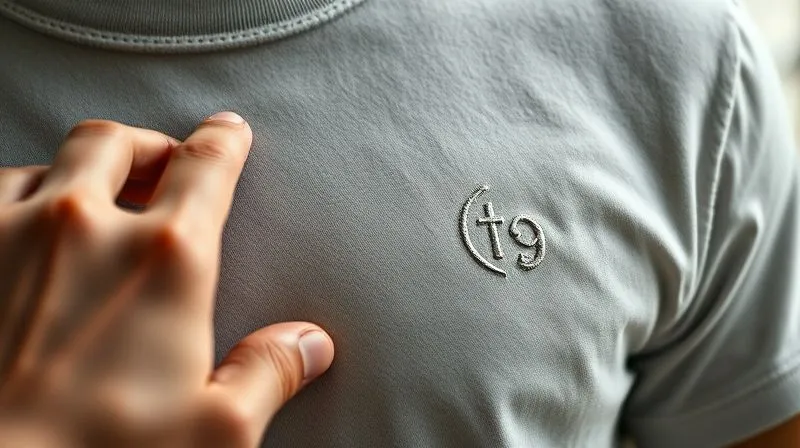
- Refine finishing details: This includes custom tags, high-quality embroidery, unique hardware, and robust stitching. These small details elevate the entire aesthetic and communicate care and craftsmanship.
When these elements are thoughtfully integrated, your aesthetic transcends a mere visual style and becomes a tangible, desirable product. This holistic approach is essential for long-term brand success and customer loyalty.
Optimizing Your Presentation: Visuals, Marketing, and Community
Even the most brilliant aesthetic can fail if it’s not presented correctly. Your marketing and visual communication are extensions of your brand. If your streetwear aesthetic fails to attract buyers, it might be due to a disconnect in how you’re showcasing it.
Curating a Cohesive Visual Identity Across All Channels
Your brand's visual identity goes beyond just your logo. It encompasses everything from your website's layout to your Instagram feed, product photography, and even packaging. Consistency is paramount for building recognition and trust.
- Professional product photography: High-quality images are non-negotiable. Invest in professional photographers who understand streetwear aesthetics. Show your garments on diverse models in natural, aspirational settings.
- Consistent brand guidelines: Develop a style guide for your brand's colors, fonts, graphic elements, and photographic style. Apply this rigorously across your website, social media, email marketing, and physical packaging.
- Engaging content creation: Don't just show products; create lifestyle content that tells your brand's story. This includes behind-the-scenes glimpses, mood boards, interviews, and cultural commentary that aligns with your aesthetic.
Engaging Your Community: Feedback as Fuel
Your existing customers and followers are an invaluable resource. They can provide direct insights into what resonates and what doesn't. Ignoring their feedback is a missed opportunity to refine your aesthetic and strengthen your appeal.
- Create feedback loops: Use social media polls, direct messages, email surveys, and even in-person events to solicit honest opinions on new designs, colorways, and overall brand direction.
- Foster a sense of belonging: Streetwear thrives on community. Create spaces (online and offline) where your audience can connect with each other and with your brand. This builds loyalty and advocacy.
- Empower your advocates: Identify and engage with your most loyal customers. Encourage user-generated content and consider involving them in beta testing or exclusive previews. Their authentic endorsement is incredibly powerful.
Strategic Collaboration and Influencer Alignment
In a crowded market, strategic alliances can amplify your reach and validate your aesthetic. However, not all collaborations are created equal. The key is authenticity and alignment with your brand's core values.
Identifying the Right Voices for Your Brand
Don't chase follower counts; chase genuine connection and relevance. An influencer with 10,000 highly engaged, niche followers who truly embody your aesthetic is far more valuable than a mega-influencer with millions of generic followers.
- Research beyond the numbers: Look at their engagement rates, the quality of their content, their personal style, and whether their audience truly aligns with your target demographic.
- Seek cultural alignment: Do they genuinely appreciate and understand streetwear culture? Do their values resonate with your brand's 'why'?
- Consider micro-influencers and community leaders: Often, these individuals have deeper trust and influence within specific sub-communities relevant to your brand.
Building Authentic Partnerships
A successful collaboration is a partnership, not just a transaction. It should feel organic and mutually beneficial, adding credibility to your brand and exposing your aesthetic to new, receptive audiences.
- Co-create where possible: Involve influencers in the design process or creative direction for a campaign. This makes them genuine stakeholders.
- Offer value beyond payment: Provide exclusive access, creative freedom, and a platform for them to express themselves through your brand.
- Measure impact, not just reach: Track engagement, website traffic, and conversion rates stemming from collaborations to understand their true effectiveness.
A well-executed collaboration can inject new life into your brand, offering fresh perspectives and validating your aesthetic within the broader streetwear landscape. It's about expanding your narrative through trusted voices.

Data-Driven Iteration: The Continuous Cycle of Improvement
The streetwear market is constantly in flux. What works today might not work tomorrow. To thrive, your brand must embrace a philosophy of continuous learning and adaptation. If your streetwear aesthetic fails to attract buyers, it’s a signal, not a failure.
Leveraging Sales Data and Feedback Loops
Your sales data is a goldmine of information. It tells you exactly what *is* selling and what *isn't*. Combine this with qualitative feedback to paint a complete picture.
- Analyze product performance: Identify best-sellers, slow-movers, and complete misses. Look at specific attributes: colorways, graphics, silhouettes, materials.
- Track customer behavior: Use website analytics to understand how customers interact with your products. What pages do they visit? Where do they drop off?
- Synthesize quantitative and qualitative data: For example, if a specific graphic isn't selling (quantitative), and customer feedback suggests it's 'too busy' (qualitative), you have actionable insight for future designs.
| Metric | Before Action | After Action (3 months) | Change |
|---|---|---|---|
| Conversion Rate | 1.2% | 3.5% | +2.3% |
| Average Order Value | $75 | $92 | +$17 |
| Website Traffic (Organic) | 5,000/month | 8,500/month | +70% |
| Social Media Engagement | 3% | 7% | +4% |
Embracing Agility and Adaptation
The ability to pivot quickly based on data and market shifts is a hallmark of successful streetwear brands. Don't be afraid to evolve your aesthetic, even if it feels like a departure from your initial vision.
- Implement lean design cycles: Test new concepts with small, limited drops. This allows you to gauge market reaction without significant inventory risk.
- Stay curious and open-minded: Continuously observe the market, competitor strategies, and broader cultural shifts. What's influencing consumer behavior?
- Don't be afraid to sunset underperforming aesthetics: Sometimes, letting go of a design direction that simply isn't working is the best move for the brand's future. It frees up resources and creative energy for what truly resonates.
This iterative process isn't about chasing every trend, but about intelligently refining your brand's appeal. It ensures your streetwear aesthetic remains fresh, relevant, and, most importantly, attractive to buyers. The goal is sustainable growth, built on a foundation of deep understanding and responsive action.
Frequently Asked Questions (FAQ)
How can I tell if my aesthetic is genuinely the problem, or if it's my marketing? This is a critical distinction. If you have some website traffic but very low conversion rates (people visit but don't buy), or if you receive feedback that your designs are 'not for me' or 'confusing,' then the aesthetic is likely a core issue. If you have almost no traffic, or people aren't even seeing your products, then marketing/visibility is the primary problem. Often, it's a blend, but a failing aesthetic usually manifests as a lack of engagement or sales even when products are seen.
Should I completely abandon my original vision if it's not selling? Not necessarily. As seen in the Urban Threads Co. case study, it's often about refinement and strategic integration rather than abandonment. Can you simplify it? Make it more wearable? Infuse your unique vision into more commercially appealing forms? Consider a 'core' line that's accessible and a 'signature' line that maintains your avant-garde edge. Balance is key.
How do I conduct market research without a large budget? Start small and smart. Utilize free tools like Google Trends, Instagram's explore page, and TikTok. Follow relevant hashtags and influential accounts. Engage in online streetwear communities (Reddit, Discord groups) to observe discussions. Conduct informal surveys with friends, family, and existing followers. Your local streetwear boutiques can also offer valuable insights into what's moving off their shelves.
Is it possible to be 'too authentic' in streetwear? Yes, in a commercial sense. While authenticity is highly valued, if your aesthetic is so niche or personal that it alienates 99% of potential buyers, it becomes commercially unviable. Authenticity should serve your brand's purpose, which includes connecting with an audience. It's about finding the intersection where your unique voice resonates with a significant enough cultural group to sustain your business.
What's the fastest way to get feedback on a new design concept? Digital mock-ups and social media polls are incredibly effective. Create high-quality renders of new designs and post them on Instagram Stories or your feed with a clear call for feedback. Engage with comments and DMs. Consider running small, targeted ads to test different concepts with specific demographics. This allows for rapid iteration before committing to production.
Key Takeaways and Final Thoughts
Navigating the complex world of streetwear requires more than just creative talent; it demands strategic thinking, market empathy, and a willingness to adapt. If your streetwear aesthetic fails to attract buyers, it's an invitation to pause, reflect, and rebuild with purpose. Remember these core principles:
- Understand Your Audience Deeply: Go beyond demographics; grasp their aspirations and cultural context.
- Balance Authenticity with Viability: Your unique voice can be commercial; it's about intelligent integration.
- Refine Beyond the Visual: Quality, fit, and compelling storytelling elevate your aesthetic.
- Optimize Your Presentation: Cohesive visuals and engaging content are non-negotiable.
- Collaborate Strategically: Align with voices that genuinely resonate with your brand.
- Embrace Data-Driven Iteration: Learn from every sale and every piece of feedback to continuously improve.
The journey to a successful streetwear brand is rarely a straight line. It's a continuous cycle of creation, testing, learning, and adapting. By approaching your challenges with an open mind and a strategic framework, you can transform a moment of doubt into a powerful catalyst for growth. Your vision is valuable; now, let's make sure the world sees it.
Recommended Reading
- 7 Proven Strategies: Predict Next Season's Viral Streetwear Hoodie Trends?
- The Hidden Dangers: What Are the Privacy Risks of Fashion Wearables?
- Stop Greenwashing: 7 Steps to Authentic Slow Fashion Marketing
- Executive Breakout Emergency: 7 Quick Fixes Before Your Big Presentation
- 7 Proven Strategies: Avoid Women's Shoe Trend Overstock Fails


Your email address will not be published. Required fields are marked *