

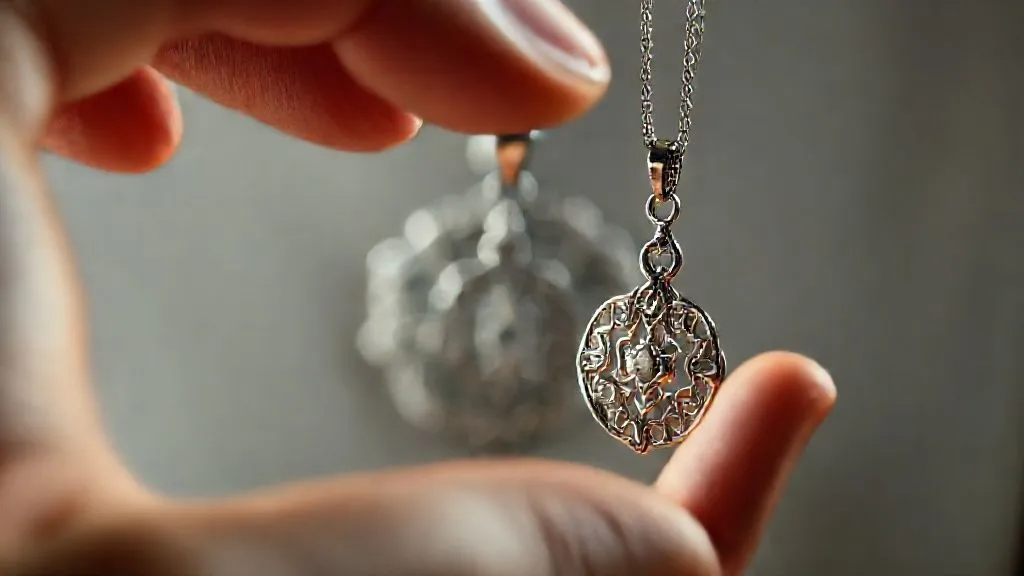
What to do when handmade jewelry designs get copied online?
For over 15 years in the intricate world of jewelry design, I've witnessed firsthand the passion, dedication, and countless hours artisans pour into creating unique, wearable art. It's a journey fueled by creativity, often starting from a simple sketch and culminating in a piece that tells a story.
However, this beautiful journey can quickly turn into a nightmare when you discover your meticulously crafted, original handmade jewelry designs have been brazenly copied and sold online. The feeling is devastating: a mix of violation, frustration, and a profound sense of injustice that can paralyze even the most resilient entrepreneur.
But I'm here to tell you that you are not powerless. This comprehensive guide will equip you with a robust, actionable framework, drawing from my extensive experience and expert insights, to understand your rights, protect your intellectual property, and effectively fight back against online design theft. We'll explore proactive measures, practical detection strategies, and the decisive steps you can take to safeguard your creative legacy.
Understanding the Landscape: Copyright, Trademark, and Design Rights
Before you can effectively combat design theft, you must understand the legal tools at your disposal. This knowledge forms the bedrock of your defense, empowering you to speak with authority and take appropriate action.
What is Copyright and How it Applies to Jewelry?
Copyright protects original works of authorship, including literary, dramatic, musical, and artistic works. For handmade jewelry, copyright typically applies to the unique artistic elements of your design, provided they are original and fixed in a tangible medium – meaning, once you create the physical piece or even a detailed sketch, it's generally considered copyrighted.
While copyright protection is automatic upon creation, registering your copyright with the U.S. Copyright Office (or equivalent national body) offers significant advantages. It creates a public record of your ownership, makes it easier to prove infringement in court, and allows you to seek statutory damages and attorney's fees, which can be a powerful deterrent.
The Role of Trademarks in Brand Protection
While copyright protects the *design* itself, a trademark protects your brand identity. This includes your business name, logo, slogans, and even unique product names if they distinguish your goods from others in the marketplace. For instance, if you have a distinctive brand name like 'Luminara Jewels' or a recognizable logo, registering it as a trademark prevents others from using similar marks that could confuse consumers.
A strong trademark helps build brand recognition and trust, making it harder for copycats to mislead customers into thinking their inferior products are yours. Think of it as protecting the 'who' behind the 'what' of your jewelry.
Design Patents vs. Utility Patents: A Quick Look
Less common but still relevant for certain types of jewelry are design patents. A design patent protects the ornamental design of an article of manufacture – essentially, how something looks. If your jewelry piece has a truly novel and non-obvious aesthetic design, a design patent can offer strong protection for its visual characteristics.
Utility patents, on the other hand, protect functional inventions and are rarely applicable to jewelry unless a piece incorporates a unique mechanical mechanism or innovative material application. For most handmade jewelry designers, copyright and trademark will be your primary lines of defense.
Proactive Protection: Building a Digital Fortress Around Your Designs
Prevention is always better than cure, especially when it comes to intellectual property. By implementing robust proactive measures, you can significantly reduce your vulnerability to design theft and strengthen your position should infringement occur.
Documenting Your Creative Process: The Unsung Hero
This is perhaps the most critical, yet often overlooked, step. Every stage of your design process should be meticulously documented. This includes initial sketches, digital renderings, material sourcing, work-in-progress photos, and even timestamped emails with collaborators. Keep a design journal, use cloud storage with version control, and date everything.
This 'paper trail' (or digital trail) serves as irrefutable evidence of your originality and the date of creation, which is vital in proving prior ownership. I've seen countless cases where a well-kept design journal was the turning point in an infringement dispute.
Strategic Branding and Watermarking
Make your brand unmistakably yours. Develop a unique brand aesthetic, not just in your jewelry, but in your photography, packaging, and online presence. When sharing images of your work online, always apply a subtle but clear watermark that includes your brand name or logo.
While watermarks can be removed, they signal ownership and make it slightly harder for casual thieves. More importantly, consistent branding across all platforms reinforces your identity and makes it easier for your genuine customers to distinguish your work from fakes.
Registering Your Copyright: A Powerful Deterrent
As mentioned, copyright registration is not mandatory but highly advisable. It solidifies your ownership and provides a stronger legal standing. The process is relatively straightforward and can be done online through your country's copyright office. I encourage all my mentees to register their most valuable and unique collections.
The cost is minimal compared to the potential losses from infringement and the legal leverage it provides. It's an investment in your creative future.

Detecting Infringement: Becoming Your Own Digital Detective
Even with the best proactive measures, theft can still occur. The next step is to become vigilant in monitoring the online landscape for unauthorized copies of your work. Early detection is key to minimizing damage.
Leveraging Reverse Image Search Tools
This is your primary tool for finding copies. Websites like Google Images, TinEye, and Yandex allow you to upload an image of your jewelry and search for identical or visually similar images across the web. Make this a regular practice, perhaps once a week or bi-weekly, especially for your most popular designs.
These tools can uncover listings on marketplaces, independent websites, and even social media profiles that might be infringing on your designs. Be thorough and systematic in your searches.
Setting Up Google Alerts and Social Media Monitoring
Beyond visual searches, set up Google Alerts for your brand name, unique product names, and even descriptive terms that might be used to sell copies of your work. This will notify you whenever new content matching those keywords appears online.
Similarly, regularly monitor social media platforms. Search for your brand, hashtags related to your niche, and even specific design features. Many infringers operate on platforms like Instagram, Facebook Marketplace, and Pinterest. Engaging a social media monitoring tool can also help automate this process for larger brands.
Engaging Your Community: Eyes and Ears Everywhere
Your loyal customers and fellow artisans can be an invaluable asset in detecting infringement. Foster a strong community around your brand and encourage them to report any suspicious listings they encounter. A simple 'If you see something, say something' message can turn your customer base into a powerful network of brand protectors.
I've seen many instances where a customer's tip led to the swift takedown of an infringing product. Their passion for your authentic work is a powerful deterrent against fakes.
Initial Response: The Gentle but Firm Approach
Once you've identified an infringement, your initial response needs to be strategic and well-documented. The goal is to resolve the issue efficiently, ideally without resorting to costly legal battles.
Gathering Evidence: The Foundation of Your Claim
Before you do anything else, meticulously gather all evidence of the infringement. This includes:
- Screenshots: Capture the infringing listing, including product images, description, seller name, and pricing.
- URLs: Save the direct links to all infringing pages.
- Dates and Times: Note when you discovered the infringement.
- Seller Information: Try to identify the seller's name, contact details, and the platform they are using.
- Proof of Your Originality: Have your design documentation, copyright registration, and creation dates readily accessible.
This comprehensive evidence package will be essential for any platform takedown request or legal action.
Crafting a Cease and Desist Letter (Template & Best Practices)
A Cease and Desist (C&D) letter is often the first formal step. It's a legal document informing the infringer that they are violating your intellectual property rights and demanding they stop. While you can draft one yourself, consulting an attorney for a template or review is advisable to ensure it's legally sound and impactful.
Your C&D letter should be: clear, concise, state the legal basis for your claim, include specific demands (e.g., remove listings, destroy inventory), and set a reasonable deadline for compliance. Send it via certified mail or an email with read receipts to ensure proof of delivery. Sometimes, the threat of legal action is enough to make an infringer back down.
"Ignoring infringement is like leaving your studio door unlocked. Early, documented action, even if informal, signals you mean business." - [Your Name, Industry Expert]
| Step | Action | Purpose |
|---|---|---|
| 1. Document Everything | Screenshots, URLs, dates, seller info. | Irrefutable proof. |
| 2. Identify Infringer | Research their contact details, platform. | Direct communication. |
| 3. Draft C&D Letter | Clear, concise, legal basis, specific demands. | Formal notification, request for removal. |
| 4. Send & Follow Up | Track delivery, set a response deadline. | Initiate resolution process. |
Escalating Action: Platform Takedowns and Legal Avenues
If your initial attempts to contact the infringer directly or via a C&D letter fail, it's time to escalate your efforts by engaging the platforms where the infringing products are sold and, if necessary, exploring legal options.
DMCA Takedowns: Your Ally Against Online Theft
The Digital Millennium Copyright Act (DMCA) is a U.S. copyright law that provides a mechanism for copyright holders to request the removal of infringing content from websites and online service providers. Most reputable platforms have a DMCA takedown process in place.
To initiate a DMCA takedown, you'll need to submit a formal notice that includes: identification of your copyrighted work, identification of the infringing material and its location, your contact information, a statement of good faith belief that the use is unauthorized, and a statement that the information in the notice is accurate, under penalty of perjury. This is a powerful tool for removing infringing listings quickly.
Reporting Infringement to E-commerce Platforms (Etsy, Amazon, Shopify)
Beyond formal DMCA procedures, most major e-commerce platforms have their own intellectual property infringement reporting systems. Etsy, for example, has a dedicated reporting tool for copyright and trademark infringement. Amazon has Brand Registry, which offers enhanced tools for brand owners to protect their IP.
Familiarize yourself with the specific policies and reporting mechanisms of each platform where you find infringing items. Providing clear, concise evidence and following their exact procedures will expedite the takedown process. These platforms generally act quickly to avoid legal liability themselves.
When to Consult an Attorney: Understanding the Legal Threshold
While many infringements can be resolved through self-help or platform takedowns, there are times when legal counsel becomes essential. You should consult an intellectual property attorney if:
- The infringement is widespread and significantly impacting your business.
- The infringer is uncooperative and continues to sell copied designs despite warnings.
- You suspect the infringer is part of a larger, organized copying operation.
- You wish to pursue damages or injunctions beyond simple takedowns.
- The infringement involves international borders, complicating enforcement.
An attorney can advise on the strength of your case, navigate complex legal frameworks, and represent your interests in court, if necessary. While it's an investment, it can be crucial for protecting your long-term creative assets.
Case Study: The Artisan's Victory Over Mass Production
Consider the story of 'Elara Jewels,' a fictional artisan brand specializing in intricate, nature-inspired silver pendants. Elara discovered a mass-production company selling nearly identical designs on a major e-commerce platform. Initially, the owner, Sarah, felt overwhelmed. Following my advice, she meticulously documented all her design iterations, including dated sketches and work-in-progress photos from years prior. She registered her most popular designs with the U.S. Copyright Office. When her C&D letters were ignored, Sarah used the platform's IP infringement portal, submitting her copyright registration numbers and comprehensive evidence. Within 72 hours, the infringing listings were removed. This demonstrated that a well-prepared artisan, even against a larger entity, can successfully defend their unique creations.
Beyond the Takedown: Rebuilding Trust and Protecting Your Brand Image
Removing infringing listings is a victory, but the battle isn't over. You must also focus on reinforcing your brand's authenticity and maintaining customer trust, especially if your customers have encountered the copied products.
Communicating with Your Customer Base
Transparency can be a powerful tool. If the infringement was significant or widely publicized, consider issuing a tasteful and professional statement to your customers. Explain what happened, how you addressed it, and reiterate your commitment to original design and quality.
This shows your customers that you are proactive in protecting your brand and their investment in your authentic work. Avoid overly emotional or accusatory language; focus on facts and your dedication to craftsmanship.
Reinforcing Brand Authenticity and Value
After an infringement incident, double down on what makes your brand unique. Highlight your design process, the quality of your materials, your ethical sourcing practices, and the story behind your pieces. Use high-quality photography and engaging content to showcase the intricate details that set your handmade jewelry apart from mass-produced copies.
When customers understand the true value and artistry behind your work, they are more likely to seek out authentic pieces and less likely to be swayed by cheap imitations. This builds a deeper connection and loyalty that copycats simply cannot replicate.
Long-Term Strategies: Innovate, Educate, Advocate
Protecting your handmade jewelry designs is not a one-time event; it's an ongoing commitment. By embracing continuous innovation, educating your community, and advocating for stronger protections, you build a resilient and thriving business.
The Power of Continuous Innovation
One of the most effective long-term strategies against copycats is continuous innovation. While it's frustrating to have your designs copied, the reality is that the truly innovative and prolific designers will always be a step ahead. Focus on developing new collections, experimenting with fresh techniques, and evolving your aesthetic.
This keeps your brand dynamic and exciting, making it harder for infringers to keep up. As marketing guru Seth Godin often says, "The market rewards the unique." Your creativity is your ultimate defense.
Educating Your Peers and Customers
Share your knowledge and experiences with other artisans. By educating your peers on IP protection, you strengthen the entire handmade community against theft. Many industry organizations offer workshops and resources; consider contributing your expertise.
Educate your customers about the difference between handmade, original designs and mass-produced fakes. Help them understand the value of authenticity and the impact of supporting original creators. This collective awareness raises the bar for everyone.
Advocating for Stronger Artisan Protections
Join or support organizations that advocate for stronger intellectual property rights for independent artists and designers. Collective voices have more power in influencing policy makers and platform operators.
The more robust the legal framework and the more responsive the platforms, the safer the environment for handmade creators. Be an active participant in shaping a fair future for your craft. According to a WIPO (World Intellectual Property Organization) study, robust IP protection is crucial for fostering innovation and economic growth in creative industries.
| Strategy | Benefit | Impact |
|---|---|---|
| Proactive IP Protection | Deters infringement, strengthens legal standing. | Reduces future copying incidents. |
| Vigilant Monitoring | Early detection of infringements. | Faster resolution, less damage. |
| Strong Brand Story | Builds customer loyalty, differentiates product. | Resilience against copycats, higher perceived value. |
| Legal Preparedness | Empowers effective response. | Successful takedowns, potential compensation. |

Frequently Asked Questions (FAQ)
Is my design automatically copyrighted? Yes, in many countries, copyright protection is automatic upon creation of an original work fixed in a tangible medium. However, registering your copyright (e.g., with the U.S. Copyright Office) provides significant legal advantages, including the ability to sue for infringement and seek statutory damages and attorney's fees, making enforcement much easier.
What if the copycat is in another country? International infringement can be more complex. While international treaties like the Berne Convention offer some baseline protections, enforcing your rights often depends on the laws of the infringer's country and the policies of the platforms involved. A DMCA takedown can still be effective if the platform is based in the U.S. or adheres to similar international standards. Consulting an international IP attorney is highly recommended for cross-border cases.
Should I always send a Cease and Desist (C&D) letter first? Generally, yes. A C&D letter is often the most cost-effective and efficient first step. It formally notifies the infringer of their actions and your intent to protect your rights, often leading to a resolution without further escalation. However, in cases of egregious or repeat infringement, or if you prefer to act swiftly, you might consider going directly to platform takedowns.
How much does it cost to fight infringement? The cost varies widely. Self-help measures like reverse image searches and drafting your own C&D letters are low-cost. Copyright registration has a modest fee (typically under $100). Engaging an attorney for C&D letters, platform negotiations, or litigation can range from hundreds to thousands of dollars, depending on the complexity and duration of the case. It's an investment in protecting your business.
What if they only copied *part* of my design? Even if only a portion of your design is copied, it can still constitute copyright infringement if that portion is original and substantial enough to be recognizable as deriving from your work. The key is whether the copied elements demonstrate 'substantial similarity' to your protected design. This often requires a legal assessment, as it's not always black and white.
Key Takeaways and Final Thoughts
- Proactive Protection is Paramount: Document your creative process, watermark your images, and register your copyrights.
- Be Your Own Detective: Regularly use reverse image search and set up alerts to detect infringement early.
- Act Decisively, Document Everything: Gather evidence meticulously and use formal Cease and Desist letters or platform takedown notices.
- Know Your Legal Tools: Understand copyright, trademark, and DMCA processes to leverage them effectively.
- Build Brand Resilience: Focus on authenticity, quality, and continuous innovation to differentiate yourself from copycats.
- Community and Advocacy: Educate your peers and customers, and support efforts for stronger artisan protections.
Discovering your handmade jewelry designs copied online is disheartening, but it is not the end of your creative journey. By understanding your rights, implementing proactive strategies, and taking decisive action, you can effectively protect your intellectual property and safeguard your brand. Remember, your unique vision and craftsmanship are your most valuable assets. Fight for them, innovate relentlessly, and continue to create the beautiful, original jewelry that defines you. Your resilience inspires us all.
Recommended Reading
- Iconic Haute Couture Houses: Unveiling the Secrets & History!
- 5 Emergency Fixes: Salvage Your Suit Before That Crucial Client Meeting
- Trunk Show Troubles? 7 Ways to Boost Designer Bridal Conversions
- 9 Steps to Eradicate Razor Burn for a Confident Executive Presence
- Unveiling the Secret: What is the Process of Creating a Haute Couture Gown?


Your email address will not be published. Required fields are marked *