

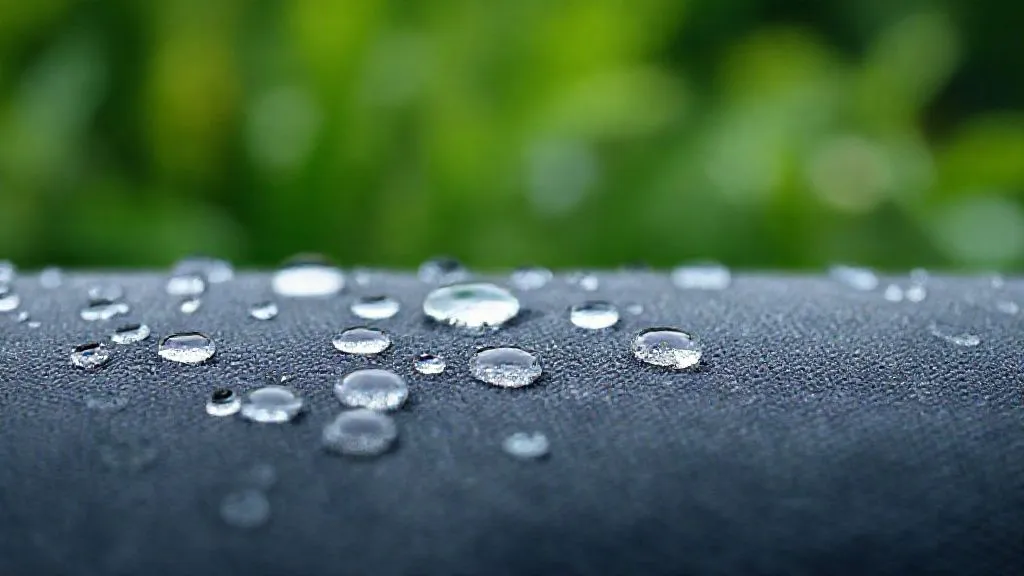
What sustainable alternatives replace PFC-free DWR coatings effectively?
For over two decades in textile innovation, I've witnessed a relentless pursuit: the quest for durable water repellency (DWR) that doesn't compromise our planet. It's a journey filled with incredible scientific breakthroughs and, frankly, some missteps. The industry, myself included, has grappled with the complex balance of performance, cost, and environmental responsibility.
The shift to "PFC-free" DWR coatings was a significant step, celebrated by many. However, as I've repeatedly emphasized in industry forums, "PFC-free" doesn't automatically mean "problem-free." Many of these early alternatives, while certainly better than their highly persistent per- and polyfluoroalkyl chemical (PFC) predecessors, still posed environmental concerns or fell short on durability, leaving brands and consumers in a frustrating cycle of disappointment and compromise.
Today, I'm thrilled to share that we've moved beyond those initial compromises. This article will unveil the next generation of truly sustainable DWR solutions – innovations that effectively replace PFC-free DWR coatings, offering both superior performance and genuine ecological integrity. You'll gain actionable frameworks, real-world insights, and a clear understanding of the cutting-edge chemistry driving a more sustainable textile future.
The Shifting Tides: Why PFC-Free DWR Wasn't Enough
To truly appreciate where we are today, we must first understand the journey. For decades, PFCs, particularly long-chain C8 fluorocarbons, were the gold standard for DWR. Their unique molecular structure provided unparalleled water, oil, and stain repellency. But as early as the 1990s, concerns about their persistence, bioaccumulation, and potential toxicity began to mount. I remember the heated debates at industry conferences, the growing pressure from environmental groups, and the urgent calls for alternatives.
The industry responded by phasing out C8 and moving to shorter-chain C6 fluorocarbons, which were believed to be less persistent. While a step in the right direction, C6s were still fluorinated, still persistent, and still carried similar environmental risks, albeit to a lesser degree. The term "PFC-free DWR" then emerged, often referring to DWRs that contained no *intentionally added* PFCs, but sometimes still utilized fluorinated compounds that could degrade into PFCs or had other problematic chemistries.
The real challenge with many early "PFC-free" or "fluorine-free" DWRs was a perceived drop in performance and durability. Brands struggled to maintain the same level of water repellency and wash fastness that consumers had come to expect. This often led to frustration, increased product returns, and a general skepticism about the viability of truly sustainable solutions. This experience highlighted a crucial lesson: sustainability cannot come at the cost of functionality, especially in performance textiles.
Bio-Based Innovations: Harnessing Nature's Repellency
One of the most exciting frontiers in DWR innovation is the realm of bio-based chemistry. As an industry specialist, I've seen firsthand how biomimicry – learning from nature's designs – is revolutionizing our approach to water repellency. Instead of relying on synthetic polymers derived from fossil fuels, these solutions leverage renewable resources, often resulting in more biodegradable and less toxic end products.
Plant-Derived Waxes and Oils: Ancient Solutions, Modern Applications
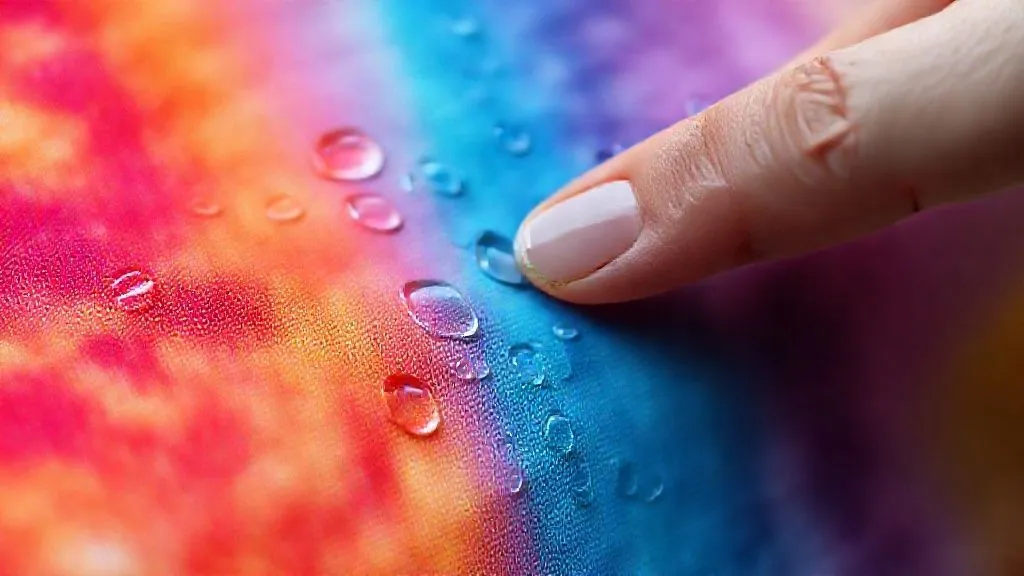
Nature has perfected hydrophobicity over millennia. Think of a lotus leaf, where water beads up and rolls off, carrying dirt with it. This self-cleaning effect is due to a combination of surface structure and natural waxes. Modern bio-based DWRs are increasingly tapping into this wisdom. Waxes like carnauba (from palm leaves), candelilla (from a shrub), and even some modified paraffin waxes (where the paraffin itself can be derived from bio-sources) are being formulated into effective DWR coatings. These create a physical barrier and reduce surface tension, causing water to bead.
The beauty of these materials lies in their renewability and lower environmental impact. However, their challenge often lies in achieving comparable durability and wash fastness to traditional chemistries. Breakthroughs in formulation, cross-linking agents, and application techniques are steadily improving their performance, making them viable for a wider range of applications, from casual outerwear to technical garments.
Bio-mimicry: Emulating Lotus Leaves and Butterfly Wings
Beyond simply extracting natural waxes, scientists are now designing DWR surfaces that mimic the micro- and nano-structures found in nature. The lotus effect, for instance, isn't just about wax; it's about the hierarchical roughness of the leaf surface that minimizes contact points with water. Researchers are developing textile finishes that create similar textures, often in combination with hydrophobic coatings, to achieve "superhydrophobicity."
While still a nascent field for commercial scalability, this approach holds immense promise. Imagine fabrics that are not only water repellent but also self-cleaning, requiring less washing and extending product lifecycles. I believe this fusion of natural chemistry and advanced structural engineering represents a significant part of the future of sustainable DWR.

Silicone-Based DWR: A Mature, Evolving Alternative
Silicone-based DWRs have been around for a while, often serving as a reliable non-fluorinated option. Their strength lies in their excellent durability, soft hand-feel, and consistent performance. Silicones work by creating a low-surface-energy layer that repels water, and their polymeric structure provides good adhesion to textile fibers.
The environmental footprint of traditional silicone production has been a point of discussion, particularly regarding the energy-intensive manufacturing process. However, the industry has made significant strides in developing more sustainable silicone formulations. We're seeing more water-based silicone emulsions, which reduce the need for hazardous solvents during application, and research into silicones derived from renewable feedstocks or with improved biodegradability profiles.
For brands seeking a proven, durable, and fluorine-free DWR solution, advanced silicone chemistries remain a strong contender. They offer a good balance of performance and environmental responsibility, especially when sourced from manufacturers committed to green chemistry principles. This is a mature technology that continues to evolve towards greater sustainability.
Dendrimers and Hyperbranched Polymers: The Future of Molecular Engineering
This is where textile innovation gets truly exciting for me – diving into the world of advanced polymer architecture. Dendrimers and hyperbranched polymers are highly branched, tree-like macromolecules with a precise, three-dimensional structure. Unlike linear polymers, their unique architecture allows for a high density of functional groups at their periphery, which can be engineered to impart specific properties, including extreme hydrophobicity.
Imagine a molecular Christmas tree, where each branch can hold a tiny "water-repelling" unit. When applied to fabric, these polymers create a dense, uniform layer of water-repelling groups, offering exceptional and durable DWR. Their tailored structure allows for fine-tuning of performance, potentially leading to DWRs that are not only effective but also highly breathable and maintain the natural feel of the fabric.
The challenges with dendrimers and hyperbranched polymers currently revolve around their cost and scalability. Their precise synthesis can be complex and expensive. However, as production methods become more efficient, I anticipate these sophisticated materials will play an increasingly vital role in high-performance, sustainable textiles. They represent a significant leap forward in molecular engineering for DWR.
Advanced Polyurethane (PU) and Acrylic Blends: Enhanced Performance, Reduced Impact
Polyurethanes and acrylics have long been workhorses in the textile industry for various coatings and finishes. In the context of DWR, innovations in these chemistries are focused on creating highly effective, fluorine-free versions that are also more environmentally benign. The key lies in developing water-based, solvent-free formulations that minimize volatile organic compound (VOC) emissions during manufacturing and application.
Modern PU and acrylic blends are engineered to create a robust, hydrophobic film on the fabric surface. They can be combined with other technologies, such as waxes or silicones, to achieve synergistic effects, enhancing durability, repellency, and even tactile properties. I've seen formulations that offer excellent abrasion resistance alongside DWR, extending the life of garments.
The future of sustainable DWR isn't about finding a single "magic bullet." It's about intelligent material science, combining the best aspects of different chemistries to create multi-functional, durable, and truly eco-conscious solutions. Synergistic blends are often the most effective path forward.
The continuous refinement of these polymer blends is crucial. Researchers are exploring bio-based polyurethanes, using renewable resources as building blocks, and developing acrylics that are more readily biodegradable. These advancements mean that familiar, reliable chemistries are becoming increasingly sustainable options for effective DWR.
The Application Imperative: Optimizing for Durability and Efficiency
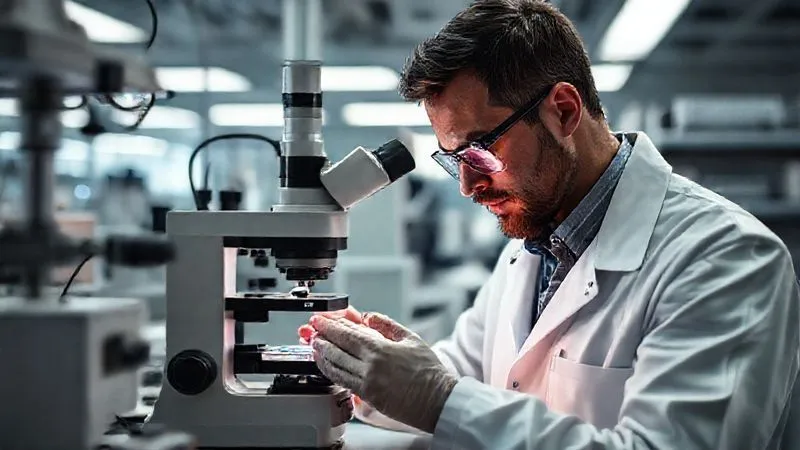
It's a common misconception that DWR performance is solely about the chemical formulation. In my experience, the application process is equally, if not more, critical for achieving durable and effective water repellency. Even the most advanced sustainable alternatives will underperform if not applied correctly.
Curing Processes and Energy Consumption
Many DWR chemistries require a "curing" step, typically involving heat, to chemically bond the repellent finish to the fabric fibers. This process is often energy-intensive. Innovations are focusing on:
- Lower-temperature curing DWRs: Reducing the energy required, which translates to lower carbon emissions and operational costs.
- Faster curing DWRs: Increasing production efficiency.
- Alternative curing methods: Exploring UV curing or other non-thermal approaches for specific chemistries.
Fabric Preparation and Compatibility
The textile substrate itself plays a huge role. For optimal DWR performance, the fabric must be impeccably clean and free of residues from dyeing, finishing, or scouring agents. These residues can interfere with the DWR's ability to bond effectively or create an uneven hydrophobic layer. Furthermore, the fiber type (polyester, nylon, cotton, blends) and fabric construction (woven, knit) will influence the choice of DWR chemistry and application parameters.
Best Practices for DWR Application:
- Thorough Fabric Preparation: Ensure fabrics are clean, dry, and free of processing aids.
- Optimized Formulation: Work closely with DWR suppliers to select the right chemistry for your specific fabric and end-use.
- Precise Application: Use state-of-the-art coating or padding machinery to ensure even, consistent application.
- Controlled Curing: Adhere strictly to temperature and dwell time recommendations for optimal bonding.
- Quality Control: Implement rigorous testing (e.g., AATCC spray rating, Bundesmann test) at various stages to ensure desired performance.
| DWR Type | Key Benefit | Durability | Cost | Environmental Footprint |
|---|---|---|---|---|
| Bio-Based Waxes | Renewable, Biodegradable | Moderate | Medium | Low |
| Silicone-Based | Durable, Soft Hand | High | Medium | Moderate |
| Dendrimers/Hyperbranched | Tailored Performance | High | High | Low-Moderate (Emerging) |
| Advanced PU/Acrylic | Versatile, Water-based | Moderate-High | Medium | Low-Moderate |
Case Study: How Trailblazer Outdoor Achieved Next-Gen DWR
Trailblazer Outdoor, a mid-sized brand known for its commitment to both performance and sustainability, faced a significant challenge. Their existing PFC-free DWR, while better for the environment than fluorinated options, was struggling with wash durability, leading to customer complaints and a tarnished reputation for reliability. They were determined to find sustainable alternatives that replace PFC-free DWR coatings effectively, without compromising their core values.
Working with a leading chemical innovator, Trailblazer embarked on a two-year project. They moved away from their older, less durable "PFC-free" chemistry and adopted a novel, water-based, silicone-modified polyurethane DWR. This new chemistry combined the excellent durability of silicones with the robust film-forming properties of advanced polyurethanes. The initial trials were promising, but the true breakthrough came from optimizing the application process.
They invested in new padding machinery with precise temperature controls and implemented a rigorous quality control protocol for fabric preparation. This ensured optimal bonding of the new DWR to their recycled nylon and polyester substrates. The result? A DWR finish that not only passed initial spray tests with flying colors but also maintained a high level of repellency after 50 washes – a significant improvement over their previous solution. This success allowed Trailblazer to confidently market their jackets as truly high-performance and environmentally responsible, rebuilding customer trust and boosting sales by 15% in the following season. This demonstrates the critical interplay of chemistry and application.
For more on how leading brands are tackling sustainability challenges, explore Patagonia's environmental initiatives, a brand consistently pushing boundaries.
Evaluating Sustainability: Beyond Just "PFC-Free"
As I often tell my clients, "PFC-free" is merely the entry ticket to the sustainable DWR conversation, not the destination. To truly assess sustainable alternatives that replace PFC-free DWR coatings effectively, we must adopt a more holistic perspective. This involves looking at the entire lifecycle of the DWR, from raw material sourcing to end-of-life.
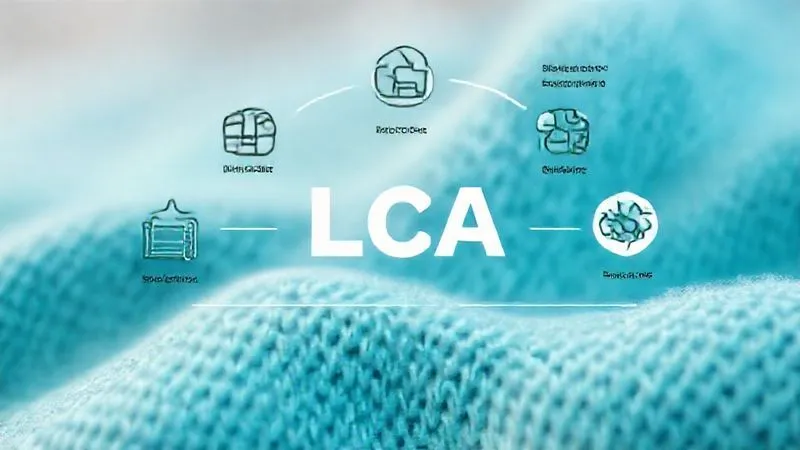
Lifecycle Assessment (LCA) and Green Chemistry Principles
A comprehensive Lifecycle Assessment (LCA) is the gold standard for evaluating environmental impact. It considers:
- Raw Material Extraction: Are the feedstocks renewable or fossil-based?
- Manufacturing Process: Energy and water consumption, waste generation, solvent use.
- Application Process: VOC emissions, energy for curing.
- Use Phase: Durability (longer life reduces replacement), need for re-treatment.
- End-of-Life: Biodegradability, recyclability, potential for harmful leachates.
Adherence to Green Chemistry principles, which advocate for designing chemical products and processes that reduce or eliminate the use and generation of hazardous substances, is also paramount.
Certifications and Transparency
Navigating the claims of "eco-friendly" can be daunting. Reputable third-party certifications provide crucial validation and transparency. When evaluating DWRs and fabrics, look for:
- Bluesign® SYSTEM: Ensures sustainable production processes and safe chemicals.
- ZDHC (Zero Discharge of Hazardous Chemicals) MRSL: A Manufacturing Restricted Substances List that limits hazardous chemicals in textile production.
- OEKO-TEX®: Certifies textiles for harmful substances.
- GOTS (Global Organic Textile Standard): For organic fibers, ensures environmental and social criteria.
Actionable Steps to Evaluate DWR Alternatives:
- Demand Transparency: Ask suppliers for detailed chemical compositions, safety data sheets (SDS), and LCA data.
- Prioritize "Fluorine-Free": Go beyond "PFC-free" and actively seek DWRs that contain no fluorinated compounds at all.
- Assess Durability: Don't just look at initial performance; evaluate wash fastness and abrasion resistance to ensure longevity.
- Verify Certifications: Check for credible third-party certifications like Bluesign, ZDHC, or OEKO-TEX.
- Consider End-of-Life: Inquire about biodegradability or recyclability potential of the DWR chemistry.
| Metric/Criteria | Importance | Assessment Method |
|---|---|---|
| Renewability of Raw Materials | High | Supplier Certs, LCA Data |
| Biodegradability/Compostability | High | Testing Standards (e.g., ASTM D6400) |
| Toxicity Profile | Critical | ZDHC MRSL, OEKO-TEX, Bluesign |
| Energy & Water Use in Production | High | LCA, Facility Audits |
| Durability in Use | High (Reduces need for replacement) | AATCC Test Methods, Field Trials |
The Road Ahead: Challenges and Opportunities in DWR Innovation
The journey to truly sustainable and high-performing DWR is far from over. While significant progress has been made in finding sustainable alternatives that replace PFC-free DWR coatings effectively, challenges remain, alongside exciting opportunities for further innovation.
Key Challenges:
- Durability vs. Biodegradability: Often, the chemistries that offer the best durability are less biodegradable, creating a trade-off.
- Cost and Scalability: Many cutting-edge bio-based or dendrimer DWRs are currently more expensive and harder to scale for mass production.
- Performance Parity: Matching the oil and stain repellency of legacy PFCs remains a hurdle for some fluorine-free options.
- Consumer Education: Communicating the nuances of DWR sustainability to consumers, who often prioritize immediate performance, is vital.
Opportunities for Growth:
- Advanced Bio-Based Polymers: Continued research into novel plant-derived chemistries and enzymatic processes.
- Smart Textiles: DWRs that can be reactivated or repaired, extending their functional life.
- Circular Economy Integration: DWRs designed to be easily removed or compatible with textile recycling processes.
- Industry Collaboration: Open innovation between chemical suppliers, brands, and academic institutions to accelerate breakthroughs.
The imperative to innovate is stronger than ever. As an industry, we must continue to invest in research and development, share knowledge, and push for higher standards. The goal isn't just a DWR that works, but a DWR that works in harmony with the planet.
For deeper insights into the future of textile chemistry and sustainability, I recommend reviewing reports from organizations like Textile Exchange, which track industry trends and innovations.
Frequently Asked Questions (FAQ)
Question: Are plant-based DWRs as durable as traditional ones? Generally, early plant-based DWRs struggled with durability compared to fluorinated or advanced silicone options. However, significant advancements in formulation, cross-linking, and application technologies mean that modern bio-based DWRs are achieving much higher levels of wash fastness and abrasion resistance, making them viable for many performance applications. It's crucial to check specific product specifications and test results.
Question: What certifications should I look for in sustainable DWR fabrics? When seeking truly sustainable DWR, prioritize fabrics certified by Bluesign® SYSTEM, which addresses the entire production chain, or those adhering to the ZDHC Manufacturing Restricted Substances List (MRSL). OEKO-TEX® Standard 100 ensures the final product is free from harmful substances. These certifications go beyond just "PFC-free" to ensure broader chemical safety and environmental responsibility.
Question: How does fabric care affect the longevity of sustainable DWR? Fabric care is paramount for maintaining any DWR, and especially so for sustainable alternatives. Improper washing (e.g., using fabric softeners that can coat the DWR layer) or harsh detergents can significantly degrade repellency. Always follow the garment's care instructions, and consider using DWR-restoring washes specifically designed for technical outerwear to reactivate the finish and extend its life. Regular cleaning is often more beneficial than frequent re-application.
Question: Is there a single "best" sustainable DWR alternative? No, there isn't a single "best" solution; the optimal sustainable DWR depends on the specific end-use, fabric type, desired performance level, and environmental targets. What works perfectly for a casual jacket might not be suitable for extreme mountaineering gear. The industry is moving towards a portfolio of solutions, leveraging bio-based, silicone, or advanced polymer chemistries in combination, each optimized for different applications.
Question: What's the difference between "PFC-free" and "fluorine-free"? This distinction is critical. "PFC-free" means the DWR does not contain per- and polyfluoroalkyl chemicals (a specific class of fluorinated compounds). However, some "PFC-free" DWRs might still contain other fluorinated chemicals that are not classified as PFCs but could still have environmental concerns or break down into PFCs. "Fluorine-free" is a much stricter standard, meaning the DWR contains no fluorinated compounds whatsoever. For truly green DWR, I always advocate for "fluorine-free" solutions.
Key Takeaways and Final Thoughts
The journey from problematic PFCs to genuinely sustainable DWR has been complex, but the industry is now equipped with effective, innovative solutions. As an experienced industry specialist, I've seen the evolution, and I can confidently say that the future of water repellency is both high-performing and environmentally responsible.
- Beyond "PFC-Free": The focus must now be on truly fluorine-free, bio-based, silicone, and advanced polymer alternatives.
- Holistic Evaluation: Assess DWRs based on their full lifecycle impact, not just a single chemical exclusion.
- Application Matters: Optimal DWR performance relies heavily on precise application and curing processes.
- Innovation Continues: The field is rapidly evolving, with new chemistries and biomimetic approaches constantly emerging.
- Collaboration is Key: Brands, suppliers, and consumers must work together to drive adoption and demand for these superior solutions.
Embracing these next-generation sustainable alternatives that replace PFC-free DWR coatings effectively isn't just about compliance; it's about competitive advantage, brand integrity, and contributing to a healthier planet. The tools and knowledge are here; now it's up to us to implement them with conviction and foresight. Let's continue to push the boundaries of what's possible in textile innovation, creating products that perform exceptionally without costing the Earth.
Recommended Reading
- The Ultimate Guide: What to Know Before Buying a Vintage Wedding Dress?
- Bespoke Jewelry Design: Your Ultimate Guide to Getting Started
- Navigating Budget Cuts: 7 Smart Strategies for Fashion Photography
- 5 Backstage Costume Crisis Fixes: Rapid Repairs During a Show
- Supplier Fails? 7 Steps for Haute Couture Fabric Crisis Management


Your email address will not be published. Required fields are marked *