


What Formal Wear Mistakes Are Costing Professional Women Opportunities?
For over two decades in the dynamic world of womenswear fashion, I've had the privilege of consulting with countless professional women, from ambitious entry-level executives to seasoned board members. What often becomes apparent, even in this era of evolving workplace norms, is the silent, often overlooked power of formal attire – and the equally potent pitfalls of getting it wrong. I've witnessed firsthand how a seemingly minor wardrobe misstep can subtly undermine confidence, shift perceptions, and, regrettably, even derail career trajectories.
It’s not about being superficial; it’s about strategic communication. In a competitive professional landscape, every detail contributes to your personal brand. For women, navigating the nuances of formal wear can be particularly complex, balancing professionalism with personal style, comfort with authority. The subtle errors many make aren't just fashion faux pas; they are missed opportunities to project competence, readiness, and leadership, potentially costing them pivotal promotions, crucial client deals, or even the chance to be taken seriously in male-dominated fields.
This isn't about rigid rules or stifling creativity. Instead, I want to equip you with a comprehensive understanding of the most common formal wear mistakes I've observed and, more importantly, provide actionable frameworks and expert insights to transform your professional wardrobe into a powerful asset. We'll delve into specific scenarios, backed by practical advice, to ensure your attire consistently communicates your ambition and capabilities, opening doors rather than inadvertently closing them.
The Understated Power of Perception: Why Attire Matters
Our brains are wired for snap judgments. Research consistently shows that within seconds of meeting someone, we form impressions based heavily on non-verbal cues, and attire plays a significant role in this initial assessment. In a professional context, these first impressions can dictate whether you're perceived as credible, competent, and trustworthy, or, conversely, as unprepared or out of place. It's a silent language you speak before uttering a single word.
I've seen situations where two equally qualified candidates interview for a senior role, and the one whose attire subtly conveyed greater authority and attention to detail ultimately secured the position. It wasn't about extravagance, but about alignment – their clothing was in perfect harmony with the gravitas of the role. This isn't just anecdotal; a study published in the Harvard Business Review highlighted how clothing can even influence cognitive processing and performance, impacting not only how others see us but also how we perceive ourselves.
The way you dress for work isn't just about looking good; it's about signaling your respect for the environment, your understanding of professional norms, and your readiness to assume greater responsibility. It’s an investment in your personal brand and, by extension, your career trajectory. Ignoring this is one of the most significant formal wear mistakes costing professional women opportunities.
Your professional image is a holistic package. While skills and experience are paramount, your presentation acts as the frame for that picture. A strong frame enhances the art; a weak one can detract from it, no matter how brilliant the content. Understanding this foundational principle is the first step toward leveraging your wardrobe as a strategic tool.
Mistake 1: Misinterpreting Dress Codes – The 'Too Casual' Trap
One of the most frequent formal wear mistakes I encounter is a fundamental misinterpretation of dress codes, particularly the slippery slope of 'business casual.' What started as a more relaxed alternative to traditional suits has, in many sectors, morphed into an ambiguous zone where anything from jeans and sneakers to sundresses might appear. However, 'casual' in a business context is rarely truly casual.
The 'too casual' trap often manifests in inappropriate fabrics like wrinkled linen, overly distressed denim, or sheer materials. It also appears in cuts that are too revealing, such as low-cut blouses, short skirts, or sleeveless tops in very conservative environments. While some industries, particularly tech or creative fields, have genuinely relaxed dress codes, applying this leniency universally can be a grave error, especially in client-facing roles, formal presentations, or interviews for more traditional companies.
- Avoid: Graphic t-shirts, athletic wear (including sneakers), ripped jeans, flip-flops, excessively revealing necklines or hemlines, party dresses, overly casual sundresses, and anything you'd wear to the beach or gym.
- Be cautious with: Bright, distracting patterns; overly trendy pieces that might quickly date; fabrics that wrinkle easily; and anything that appears unkempt or requires constant adjustment.
Remember, when in doubt, it is always safer to err on the side of being slightly overdressed rather than underdressed. Being perceived as taking the occasion seriously demonstrates respect for your colleagues, clients, and the opportunity itself. This simple principle can save you from one of the most common formal wear mistakes costing professional women opportunities.

Mistake 2: Poor Fit and Tailoring – The Unspoken Distraction
Perhaps the most insidious of formal wear mistakes, and one that many professional women overlook, is wearing ill-fitting clothing. A suit jacket that’s too tight across the shoulders, pants that drag on the floor, or a skirt that’s too loose at the waist doesn't just look sloppy; it communicates a lack of attention to detail and, subtly, a disregard for professional presentation. Clothes that don't fit well are a constant distraction, both for you and for those you interact with.
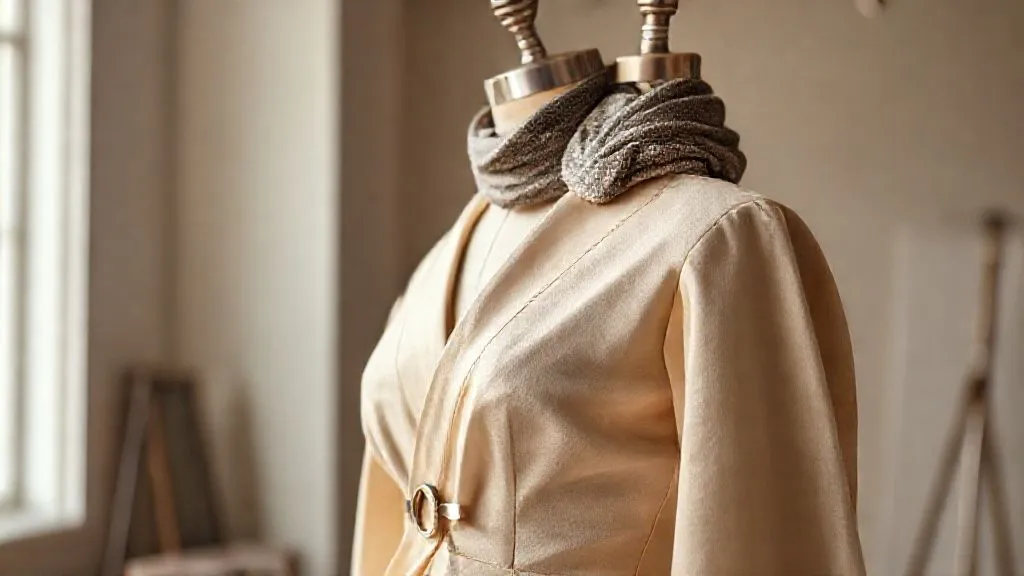
I've observed talented women whose brilliant ideas seemed to lose a fraction of their impact simply because their blazer sleeves were too long, or their dress was pulling awkwardly across the bust. This isn't about body shape; it’s about proportion and polish. Even the most expensive garment can look cheap if it doesn't fit correctly, while a well-tailored, moderately priced piece can exude sophistication and authority. Tailoring is the secret weapon of the truly well-dressed professional.
Actionable Steps: Achieving the Perfect Fit
- Know Your Measurements: Get professionally measured, or learn to take your own key measurements (bust, waist, hips, inseam, sleeve length).
- Focus on Key Areas: When buying off the rack, prioritize fit in the shoulders, bust, and waist. These areas are harder to alter. Hems and sleeve lengths are generally easier and more affordable to adjust.
- Befriend a Tailor: View tailoring as an essential part of your wardrobe investment. A good tailor can transform a garment, making it look custom-made for you.
- Test for Comfort and Movement: Can you sit, stand, and move comfortably? Can you raise your arms without your shirt riding up excessively? Formal wear should empower, not restrict.
- Consider Custom or Made-to-Measure: For foundational pieces like suits or blazers, investing in made-to-measure can be a game-changer for women, ensuring a perfect fit that boosts confidence and presence.
Tailoring isn't an expense; it's an investment in your professional credibility. Clothes that fit flawlessly signal precision, self-respect, and a meticulous approach – qualities highly valued in any leadership role.
An impeccable fit ensures that your clothing enhances your silhouette and professionalism, rather than creating visual noise. This attention to detail is a powerful non-verbal cue that you approach all aspects of your work with similar precision, directly counteracting one of the most common formal wear mistakes costing professional women opportunities.
Mistake 3: Overlooking Fabric Quality and Maintenance – The Cheap Impression
While fit is paramount, the quality of your fabrics and how meticulously you maintain them are equally critical. A common formal wear mistake is to prioritize quantity over quality, accumulating many pieces made from synthetic, low-grade materials that quickly pill, wrinkle, or lose their shape. These fabrics often look cheap under office lighting and can detract significantly from your professional image.
Think about the difference between a crisp wool blazer and one made from a shiny, thin polyester. The wool drapes beautifully, maintains its structure, and breathes better, exuding an air of sophistication. The polyester might cling, wrinkle easily, and appear less substantial, even if the style is similar. High-quality fabrics, such as wool blends, silk, high-thread-count cotton, or quality ponte knits, not only look better but also last longer, making them a wise investment.
Case Study: Elevating Presence Through Quality
I once consulted with Sarah, a brilliant marketing manager aspiring for a director role. Her wardrobe was extensive, but comprised mostly fast-fashion pieces. During a crucial pitch to a Fortune 500 client, her polyester blazer had visible pilling, and her blouse, despite being ironed, showed faint wrinkles by mid-morning. She felt, and looked, less polished than her male counterparts in their sharp wool suits.
We worked to curate a capsule wardrobe of 10-12 high-quality, versatile pieces – two wool-blend suits, a few silk blouses, and tailored cotton shirts. The initial investment was higher, but the impact was immediate. Sarah reported feeling more confident, and her colleagues and clients began commenting on her elevated presence. Within six months, she secured the director position, attributing part of her success to the renewed confidence and authoritative image her refined wardrobe provided. This demonstrates how addressing formal wear mistakes, particularly around fabric quality, can directly impact career progression. According to a Forbes article, professional presence is a key differentiator in career advancement.
Beyond initial quality, proper maintenance is non-negotiable. Wrinkled clothes, visible stains, loose threads, or scuffed shoes are glaring formal wear mistakes. Regularly dry-clean or wash garments according to instructions, iron or steam your clothes, and keep your shoes polished and in good repair. These small habits collectively contribute to an image of meticulousness and professionalism that can significantly influence how you are perceived.
Mistake 4: Accessory Overload or Underwhelm – Striking the Right Balance
Accessories are the punctuation marks of your outfit, but like punctuation, too much or too little can distort the message. A common formal wear mistake is either to pile on too many statement pieces, creating a cluttered and distracting look, or to neglect them entirely, resulting in an unfinished or bland appearance. Striking the right balance is key to enhancing your professional image without overwhelming it.
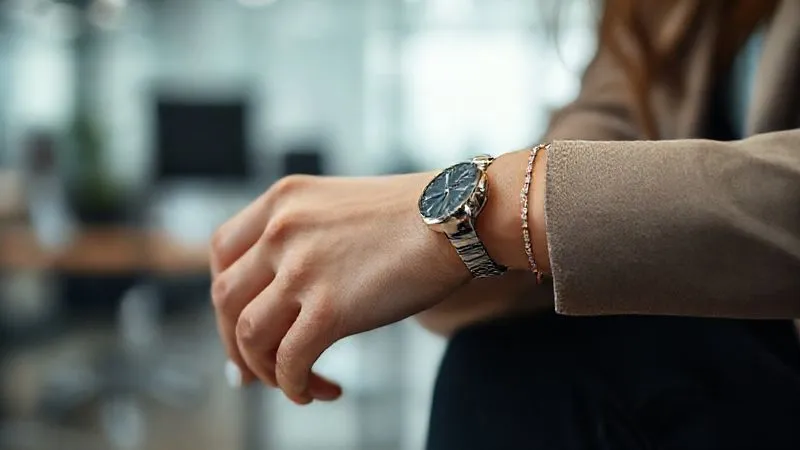
When it comes to formal wear, less is often more. Your accessories should complement your attire, not compete with it. Think of them as subtle enhancers that add polish and personality. A single, elegant necklace, a classic watch, a pair of stud earrings, and a structured handbag are often all you need to complete a sophisticated look. Overly large, noisy, or excessively sparkly jewelry can be distracting in a boardroom or client meeting.
Accessory Dos and Don'ts for Professional Women
- Do: Choose classic pieces like pearl studs, delicate gold or silver jewelry, a quality watch, and a structured leather handbag in a neutral color.
- Do: Ensure your shoes are clean, polished, and comfortable. Closed-toe pumps or elegant flats are generally safe choices.
- Do: Consider a silk scarf for a pop of color or pattern, but ensure it's neatly tied and doesn't look bulky.
- Don't: Wear excessive amounts of jewelry that clinks or jingles loudly.
- Don't: Opt for overly trendy, casual, or distracting accessories like chunky costume jewelry, large hoops, or novelty bags.
- Don't: Wear scuffed, worn-out, or overly casual shoes (e.g., flip-flops, athletic sneakers unless in a very specific, relaxed tech environment).
- Don't: Carry a backpack or oversized, unstructured tote bag into formal meetings.
Your accessories should reinforce your professionalism, not detract from it. They are opportunities to showcase your attention to detail and refined taste. By being intentional and selective with your choices, you avoid a significant category of formal wear mistakes costing professional women opportunities.
Mistake 5: Neglecting Hair and Makeup – The Polished Professional
Formal wear extends beyond clothing to encompass your entire presentation, and this crucially includes hair and makeup. Neglecting these elements is a common formal wear mistake that can undermine an otherwise perfectly curated outfit. An impeccable suit can lose its impact if paired with messy hair or overly dramatic, or conversely, completely absent, makeup.
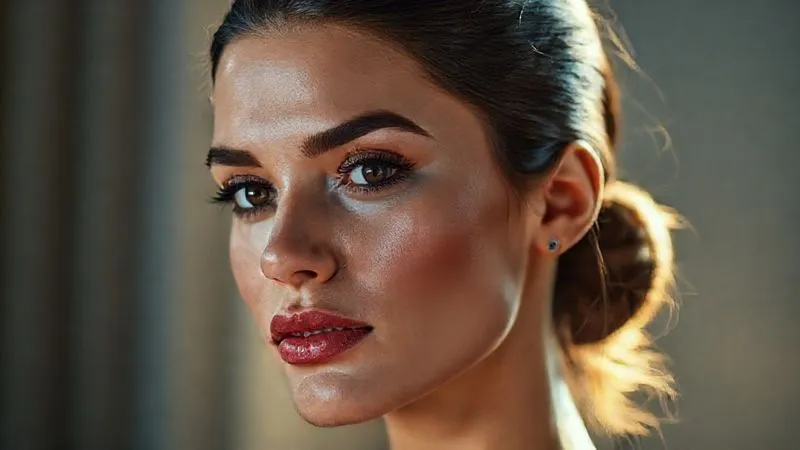
The goal for professional settings is polish and subtlety. Your hair should be neat, clean, and styled in a way that doesn't require constant adjustment. For many formal environments, a sleek ponytail, a professional bun, or neatly styled hair that stays out of your face is ideal. Wild, untamed hair or styles that are more suited for a night out can send conflicting messages about your seriousness and attention to detail.
Similarly, makeup should enhance your features without being distracting. A 'no-makeup' makeup look, or a natural, polished application, is generally preferred. This usually involves a clean base, subtle eye makeup, a touch of blush, and a neutral or soft lip color. Heavy foundation, bold eyeshadow, glitter, or brightly colored lipstick can be perceived as unprofessional or distracting in many corporate settings. The key is to look put-together and confident, not overly made up.
Grooming is not vanity; it is an integral component of your professional communication. It reflects discipline, self-respect, and a readiness to engage at the highest level. An unkempt appearance, no matter how skilled you are, can suggest a lack of rigor in other areas.
The complete package matters. When you present yourself with polished hair and appropriate makeup, you signal that you've invested time and effort into your appearance, which translates into a perception of conscientiousness and professionalism in your work. This holistic approach helps you avoid one of the most subtle yet impactful formal wear mistakes costing professional women opportunities.
Mistake 6: Ignoring the Context – Industry, Culture, and Role
One size does not fit all in formal wear. A significant formal wear mistake is to apply a universal dress code without considering the specific context: your industry, company culture, and your particular role. What's perfectly appropriate for a high-powered finance firm in New York might be entirely out of place in a creative agency in San Francisco, or even a different department within the same organization.
Understanding your environment is paramount. A lawyer attending a court hearing will dress differently from a software engineer pitching a new product, even if both are considered 'professional.' Similarly, a senior executive might have more leeway to express personal style than an entry-level employee. Ignoring these nuances can lead to feeling, and appearing, out of sync with your surroundings, which can subtly hinder your integration and advancement.
Table: Formal Wear Context Guide
| Industry/Context | Recommended Attire | To Avoid | Impact of Mistake |
|---|---|---|---|
| Traditional Finance/Law | Tailored pantsuit or skirt suit (dark neutrals), closed-toe heels, minimal jewelry. | Bright colors, overly trendy items, open-toed shoes, casual fabrics like linen or denim. | Perceived as unprofessional, lacking seriousness or respect for the environment. |
| Creative Agency/Tech Startup | Smart separates (blazer with tailored trousers/skirt), elevated blouses, stylish flats or low heels. | Athletic wear, distressed denim, overly revealing clothing, flip-flops. | May be seen as trying too hard, out of touch with company culture, or lacking polish for client-facing roles. |
| Client-Facing Sales/Consulting | Polished business professional (mix-and-match suits, elegant dresses with blazers), high-quality accessories. | Wrinkled clothing, worn-out shoes, excessive perfume, anything that distracts from the message. | Erodes client trust, suggests lack of attention to detail, can negatively affect deal outcomes. |
Before a crucial meeting, interview, or a new role, take the time to observe the prevailing dress code. Look at what successful women in similar positions are wearing. If possible, ask HR or a trusted mentor. This cultural intelligence is a vital component of your professional toolkit. As Inc.com often emphasizes, dressing for success means dressing for your specific success context.
By aligning your formal wear with the specific expectations of your industry, company, and role, you demonstrate adaptability, cultural awareness, and a keen understanding of professional decorum. This strategic approach helps you avoid significant formal wear mistakes costing professional women opportunities by ensuring your image is always congruent with your environment.
Mistake 7: Lack of Signature Style – Blending In vs. Standing Out (Positively)
While adhering to professional norms is crucial, a subtle formal wear mistake can be to become so generic that you blend into the background. In a sea of dark suits, how do you project your unique professional identity without crossing into inappropriate territory? The answer lies in developing a signature style that is both professional and authentically 'you.'
I've seen many professional women, eager to avoid formal wear mistakes, default to an overly conservative wardrobe that, while safe, doesn't reflect their personality or ambition. This isn't about wearing outlandish clothes; it's about finding subtle ways to express individuality and confidence within the established framework. Your personal brand extends to your visual presentation, and a lack of distinctive, appropriate style can make you less memorable.
Building Your Professional Style Signature
- Identify Your Power Colors: Discover colors that flatter your complexion and make you feel confident. Integrate these strategically in blouses, scarves, or a statement blazer.
- Find Your Go-To Silhouettes: Do you feel best in tailored trousers, a pencil skirt, or a sheath dress? Build your core wardrobe around cuts that empower you.
- Choose a Signature Accessory: This could be a unique watch, a specific type of earring, a distinctive brooch, or a particular handbag style that is consistently elegant and professional.
- Focus on Quality and Texture: High-quality fabrics with interesting textures (e.g., a boucle blazer, a silk blouse) can add depth and sophistication without being flashy.
- Master the Art of Layering: A well-chosen cardigan or blazer can transform an outfit, adding polish and allowing for personal expression through color or cut.
- Invest in Impeccable Footwear: Your shoes can be a subtle reflection of your style and attention to detail. Choose quality over quantity.
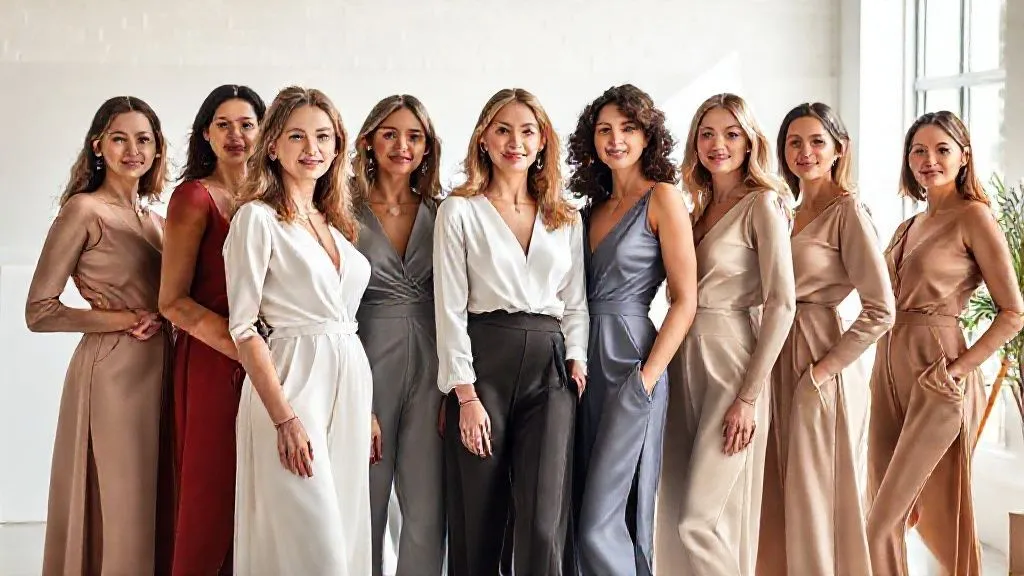
Developing a signature style isn't about being loud; it's about being consistent, thoughtful, and authentic within professional boundaries. It’s about leveraging your attire to communicate not just competence, but also confidence, creativity, and leadership potential. By consciously cultivating a professional style that reflects your unique strengths, you transform your wardrobe from a potential source of formal wear mistakes costing professional women opportunities into a powerful asset that helps you stand out for all the right reasons.
Frequently Asked Questions (FAQ)
Can I wear pantsuits to every formal occasion, or are skirts necessary? In today's professional landscape, pantsuits are widely accepted and considered equivalent to skirt suits in most formal business environments. Many women find pantsuits more comfortable and empowering. The key is that the pantsuit should be well-tailored, made of quality fabric, and in an appropriate color. While some extremely conservative industries or very specific ceremonial events might still lean towards skirts, for the vast majority of formal business occasions, a well-chosen pantsuit is an excellent and professional choice. It allows for versatility and personal preference without compromising on professionalism.
How do I choose appropriate colors for formal wear without being boring? While dark neutrals (black, navy, charcoal grey) are foundational for formal wear, you absolutely don't have to be boring. Introduce color through blouses, scarves, or even a statement blazer in a rich, sophisticated hue like deep burgundy, emerald green, or royal blue. Pastels can work well for spring/summer, provided they are in structured pieces. The trick is to use color strategically as an accent rather than overwhelming your entire outfit. Ensure colors are solid or in subtle patterns, and avoid anything too bright or distracting in highly formal settings.
What's the difference between business casual and smart casual for women? The line can be blurry, but generally, 'business casual' is more structured and leans closer to formal wear. It typically involves tailored trousers or a pencil skirt, a blazer or cardigan, and a professional blouse or knit top. Closed-toe shoes are usually expected. 'Smart casual' is slightly more relaxed, allowing for dark, well-fitting jeans (no rips), more relaxed blouses, stylish knitwear, and potentially more fashionable flats or even clean, minimalist sneakers in very specific environments. Smart casual often implies a polished weekend look that could transition to an informal business meeting, while business casual is firmly within the workday realm.
How much should I invest in a formal wardrobe, and where should I prioritize spending? Investment varies, but prioritize quality over quantity for foundational pieces. Focus your spending on items that form the core of your wardrobe and are worn frequently: well-tailored suits (pantsuits or skirt suits in versatile neutrals), high-quality blazers, and classic, comfortable closed-toe shoes. These items should be made of durable, good-quality fabrics that maintain their shape and appearance. You can then be more budget-conscious with blouses, accessories, and seasonal items. Think of it as building a strong foundation first, then adding complementary pieces.
Are open-toed shoes ever acceptable in formal business settings? Generally, no. In most traditional or highly formal business settings, closed-toe shoes (pumps, elegant flats, or ankle boots) are the standard for professional women. Open-toed shoes, including peep-toes, sandals, or slingbacks, are often considered too casual or distracting for the boardroom or client meetings. There might be exceptions in very creative industries or during very casual summer office days, but for any critical professional interaction, it is always safer and more respectful to opt for closed-toe footwear.
Key Takeaways and Final Thoughts
Navigating the landscape of formal wear for professional women isn't about stifling personal style; it's about strategic communication. The formal wear mistakes we've discussed are not mere fashion blunders; they are subtle, yet powerful, signals that can inadvertently cost you opportunities, diminish your executive presence, and hinder your career advancement. By understanding and rectifying these missteps, you transform your wardrobe into an asset that consistently reinforces your capabilities and ambition.
- Prioritize Fit and Quality: A well-tailored garment in a quality fabric will always outperform an ill-fitting, cheap one, regardless of brand.
- Understand Your Context: Dress for your industry, company culture, and specific role. When in doubt, err on the side of being slightly more formal.
- Master the Art of Subtlety: Accessories, hair, and makeup should enhance, not distract. Polish and minimalism are your allies.
- Cultivate a Signature Style: Find ways to express your unique professional identity within appropriate boundaries to stand out positively.
- Invest in Your Image: View your professional wardrobe as a strategic investment in your personal brand and career trajectory.
Your professional journey is a marathon, not a sprint, and every detail contributes to your success. By consciously refining your formal wear, you are not just dressing for the job you have, but for the job you aspire to. Embrace these insights, empower your presence, and step confidently into every opportunity knowing that your attire is speaking volumes, unequivocally, in your favor.
Recommended Reading
- 7 Proven Pathways: Sourcing Rare Materials for Epic Fantasy Costume Authenticity
- Decoding Meticulous Tailoring: 7 Pillars of Haute Couture Perfection
- Preserving Haute Couture: 7 Steps to Document Heritage Techniques
- 7 Ways to Revitalize Your Outdated Tailored Suit (Still Fits!)
- 8 Steps: Curating Vintage Stock for Enduring Timeless Style



Your email address will not be published. Required fields are marked *