

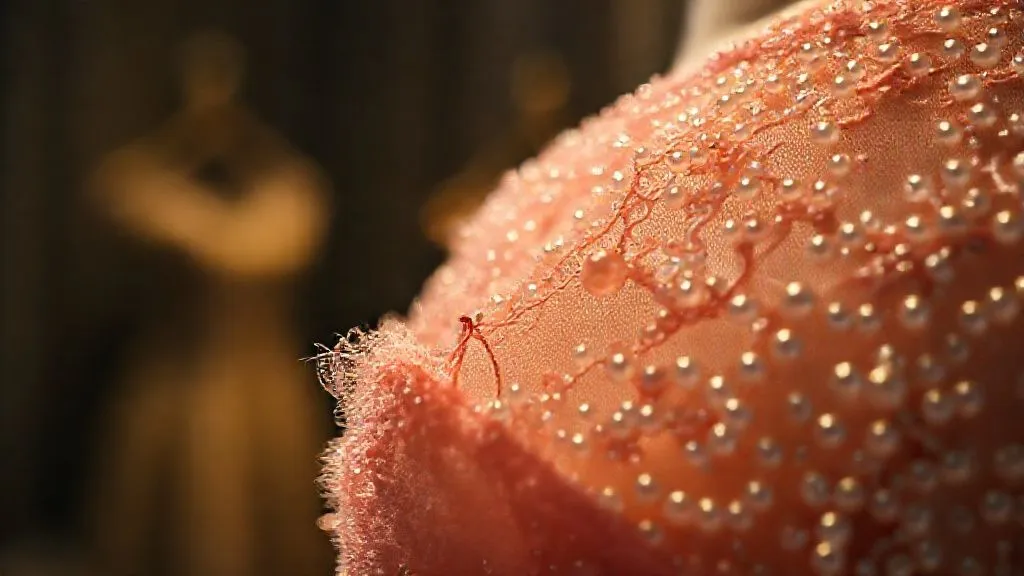
What causes intricate couture beadwork to fray during fittings?
For over two decades in the rarefied world of haute couture, I've witnessed firsthand the exquisite artistry and the heartbreaking vulnerability of intricate embellishments. There's a particular dread that washes over a couturier when, during a crucial fitting, a delicate thread gives way, a bead loosens, or an entire section of painstakingly applied beadwork begins to fray. It's a silent scream in a room full of hushed elegance, a visible tear in the fabric of perfection.
The problem isn't just cosmetic; it represents hours of skilled labor undone, a potential delay in delivery, and a significant blow to the garment's integrity and perceived value. Clients expect flawless execution, and rightly so, especially when investing in a piece of haute couture. The stress on the garment, the client, and the atelier team is palpable, often leading to frantic, last-minute repairs that compromise the original vision.
This comprehensive guide will not only dissect the root causes behind intricate couture beadwork fraying during fittings but will also equip you with expert insights, actionable preventive measures, and effective solutions. We'll delve into the often-overlooked details, from material science to human handling, ensuring that your next haute couture creation remains as pristine as intended, from the first stitch to the final reveal.
Understanding the Anatomy of Couture Embellishments
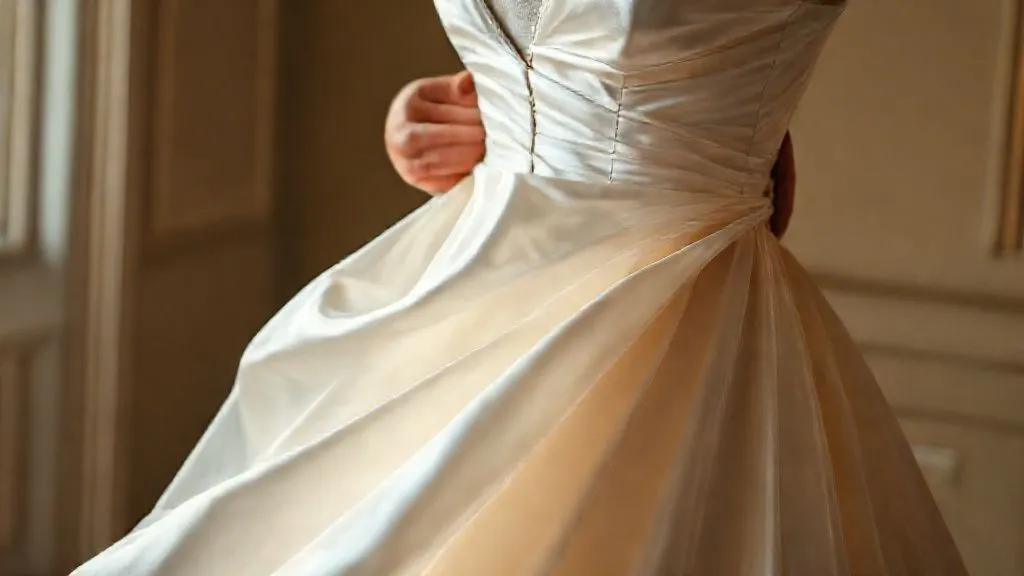
Before we can address fraying, we must appreciate the complexity of what we're protecting. Couture beadwork isn't merely decorative; it's an integral part of the garment's structure and narrative. Each bead, sequin, pearl, or crystal is typically hand-sewn, often using a single, fine thread, directly onto the fabric or a separate base that's then applied.
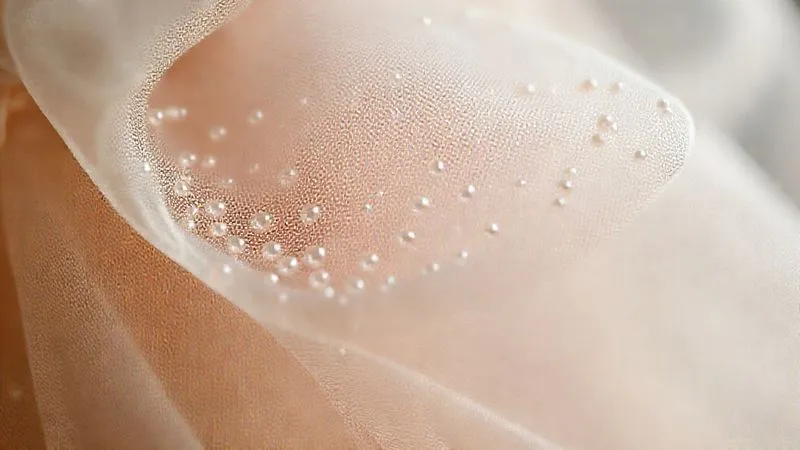
The choice of thread is critical: silk, nylon, or specialized synthetic monofilaments are common, each offering different tensile strengths and resistances to abrasion. The foundation fabric itself plays a huge role; delicate silks, tulles, and chiffons behave differently under stress than more robust satins or crepes. Understanding this intricate interplay is the first step in identifying potential points of failure.
The Primary Culprits: Mechanical Stress & Friction
In my experience, the vast majority of fraying incidents during fittings can be traced back to mechanical stress and friction. These are often subtle, cumulative forces that exert pressure on the delicate connections holding the embellishments in place.
- Body Movement and Garment Strain: During a fitting, the client moves, sits, raises arms, and twists. These natural body motions can put immense strain on areas like armholes, necklines, waistlines, and seams, especially if the garment is still being adjusted or is slightly too tight. The tension pulls at the threads securing the beads, causing them to loosen or snap.
- Fabric-on-Fabric or Embellishment-on-Embellishment Abrasion: When sections of an embellished garment rub against each other – think of a beaded sleeve against a beaded bodice, or a full skirt brushing against itself – the constant friction can abrade the delicate threads. This is particularly problematic with heavy, densely embellished pieces.
- Inadequate Seam Allowances or Reinforcement: Sometimes, the issue isn't the beadwork itself, but the underlying construction. If seams are too narrow, or if areas where embellishments meet raw edges are not properly reinforced with stable interlinings or extra stitching, the entire structure becomes vulnerable to tearing, taking the embellishments with it.
Expert Insight: "The most common mistake I've observed is underestimating the dynamic forces a garment endures during a fitting. It's not a static display; it's a dress in motion, and every movement tests its structural integrity."
Material Imperfections: Thread, Fabric, and Bead Quality
While often overlooked, the quality of materials can significantly contribute to fraying. Even the most skilled artisan cannot entirely compensate for substandard components.
- Thread Quality and Type: Using thread that is too thin, brittle, or has an insufficient twist can lead to easy breakage. Cotton threads, while traditional, can be less durable than silk or specialized synthetics for beadwork, especially in areas of high stress. Nylon monofilament, while strong, can be slippery and difficult to knot securely, sometimes leading to beads slipping off if not handled expertly.
- Fabric Integrity: A fabric with a loose weave, a tendency to snag, or one that hasn't been properly stabilized before embellishment can provide a weak foundation. The weight of heavy beadwork can pull and distort delicate fabrics like chiffon, causing stress points where threads are anchored.
- Bead and Embellishment Quality: Irregularities in beads – sharp edges, rough holes, or inconsistent sizing – can act as tiny razors, cutting through the delicate threads as they shift. Cheaply made sequins can have sharp edges that saw through adjacent threads.
Case Study: The 'Aurora Gown' Incident
I recall a particularly stressful incident with a client's "Aurora Gown," a breathtaking piece adorned with thousands of micro-beads and delicate bugle beads. During the second fitting, a small section near the underarm began to unravel. Initially, we suspected client movement. However, upon closer inspection, we discovered that a batch of bugle beads from a new supplier had slightly sharper, less polished edges than our usual stock. The constant friction of the client's arm movement, combined with these microscopic imperfections, was slowly but surely sawing through the fine silk thread. We had to carefully remove and re-bead that entire section with our standard, higher-quality beads, a costly and time-consuming repair that reinforced the importance of rigorous material inspection.
The Human Factor: Fitting Room Dynamics and Handling
The way a garment is handled during a fitting is paramount. Human error, often unintentional, can be a major cause of damage.
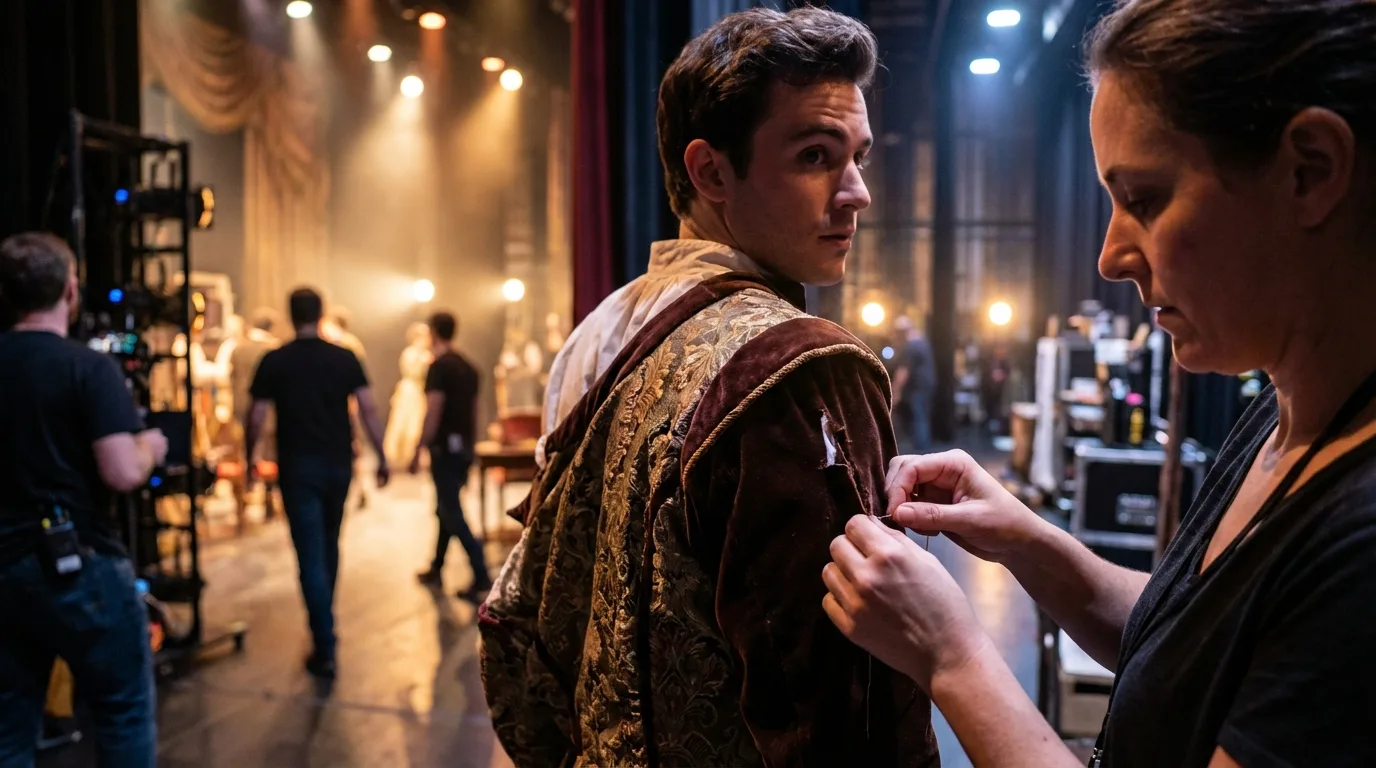
- Rough Handling by Staff: Dressing and undressing a client in a heavily embellished garment requires extreme care. Pulling, tugging, or forcing a garment over the head or hips can snap threads, dislodge beads, or stretch the fabric beyond its limit.
- Client Interaction: While clients are generally careful, they may inadvertently snag embellishments on jewelry, fingernails, or even rough skin. Their natural movements, as discussed, can also exert unforeseen stresses.
- Improper Pinning and Adjustments: Pins, while essential for adjustments, can be culprits. Using dull pins, pinning directly through beadwork, or leaving pins in for extended periods can damage threads and fabric. Over-tightening during adjustments can also create excessive tension.
According to textile conservation experts at the Metropolitan Museum of Art's Costume Institute, careful handling and understanding the material's limitations are key to preserving delicate garments. This extends beyond museum archives to the very creation process in the atelier.
Design and Construction Flaws: Overlooked Vulnerabilities
Sometimes, the seeds of fraying are sown long before the fitting, during the design and construction phases.
- Insufficient Reinforcement at Stress Points: Areas like armholes, necklines, and points where heavy embellishments meet unembellished fabric need extra reinforcement. Without it, the weight and movement will inevitably pull at the weakest links.
- Poorly Planned Embellishment Layout: Designing beadwork that is too dense in high-friction areas or placing large, heavy elements on very delicate, unsupported fabric can lead to structural failure. The design must consider the garment's wearability and the embellishment's weight distribution.
- Incorrect Stitching Techniques: Not all stitches are created equal. For beadwork, secure, small stitches that are properly knotted are essential. Chain stitching or long, loose stitches are highly susceptible to unraveling if a single link breaks.
| Problem Area | Cause of Fraying | Prevention Strategy |
|---|---|---|
| Underarm/Armhole | High friction, body movement, tight fit | Reinforce with silk organza, use stronger thread, ensure adequate ease of movement |
| Waistline/Seams | Sitting, bending, garment tension | Stabilize with boning/interlining, distribute embellishment weight, use lock stitches |
| Hemline/Train | Dragging on floor, stepping on fabric | Reinforce with horsehair braid, use durable beads, add protective lining |
| Neckline/Shoulders | Client's jewelry, hair, repeated dressing | Pad with soft lining, use secure, small stitches, educate client on careful handling |
Environmental Factors: Humidity, Temperature, and Storage
While less direct, environmental conditions can weaken materials over time, making them more prone to damage during fittings.
- Humidity Fluctuations: Extreme changes in humidity can cause natural fibers (like silk threads or certain beads) to expand and contract, weakening their structure.
- Temperature Extremes: High temperatures can degrade adhesives (if used for certain embellishments) or cause synthetic threads to become brittle.
- Improper Storage: Storing an embellished garment folded or crushed can put undue pressure on beadwork, leading to permanent creases, stress points, or outright damage before it even reaches the fitting room. Garments should ideally be stored flat or hung with proper support.
As noted by various textile conservators, maintaining a stable, controlled environment is crucial for the long-term preservation of any delicate textile, a principle that applies equally to its journey from creation to client.
Proactive Measures: Preventing Fraying Before It Starts
Prevention is always better than cure in haute couture. Here are actionable steps I advocate for:
- Rigorous Material Vetting: Always source the highest quality threads, beads, and fabrics. Conduct small tests on swatches to assess durability under stress. Don't compromise on quality for cost, as it invariably leads to more expensive repairs later.
- Strategic Embellishment Planning: During the design phase, identify high-stress areas. Plan embellishment density and type accordingly. Consider using more robust techniques or materials in vulnerable zones.
- Reinforcement is Key: Employ specialized interlinings, underlinings, and internal structures (e.g., silk organza, horsehair braid, boning) to support the weight of embellishments and stabilize the fabric.
- Masterful Stitching Techniques: Train artisans in secure, durable beadwork stitches. Encourage the use of double-threading for critical areas and meticulous knotting.
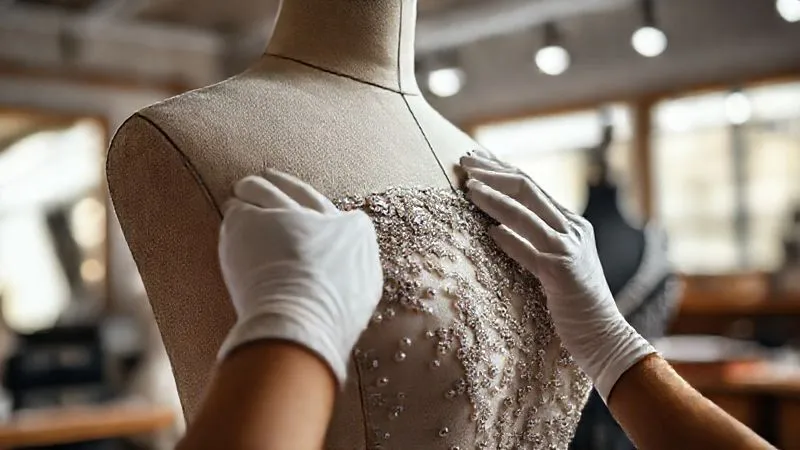
- Educate and Train Atelier Staff: Implement strict protocols for handling embellished garments during dressing, undressing, and pinning. Use cotton gloves, avoid pulling, and always support the garment's weight.
- Pre-Fitting Inspection: Before every fitting, meticulously inspect the garment for any loose threads, beads, or signs of weakness. Address them immediately.
Restoration and Repair: Expert Interventions
Despite all precautions, incidents can occur. Knowing how to react is crucial:
- Immediate Assessment: Carefully examine the damage. Is it a single loose bead, a snapped thread, or a larger unraveling?
- Isolate the Area: If possible, gently secure the damaged area to prevent further unraveling. Do not cut loose threads without careful assessment, as they might be anchoring other embellishments.
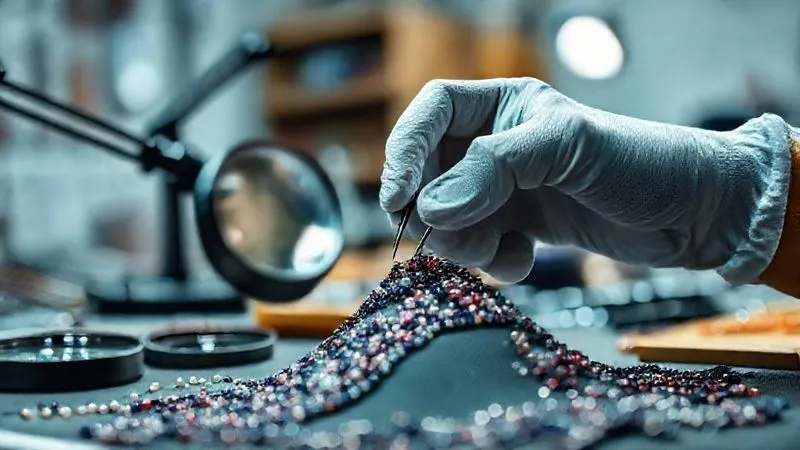
- Specialized Tools: Use fine needles, appropriate matching threads, and a steady hand. Magnification can be indispensable.
- Re-Stitching and Reinforcing: Re-stitch loose beads using the original technique. For larger unraveling, carefully re-anchor the entire section, ensuring the underlying fabric is stable. Consider adding a small patch of sheer, strong fabric (like silk organza) underneath for reinforcement if the original fabric is compromised.
- Document and Learn: Document the damage, its likely cause, and the repair process. This invaluable data helps refine future design and construction protocols.
For truly complex or extensive damage, consulting a specialized textile conservator might be necessary. Their expertise extends to preserving the historical and material integrity of the piece, often using reversible techniques.
Frequently Asked Questions (FAQ)
Can I fix minor beadwork fraying myself at home? While a single loose bead might be re-secured by a skilled individual with the right tools, extensive fraying or snapped threads in intricate couture beadwork should ideally be handled by a professional couturier or a specialized textile conservator. Attempting DIY repairs without proper knowledge can often cause more irreversible damage, especially with delicate and expensive materials.
Are certain fabrics more prone to beadwork fraying? Absolutely. Very delicate, loosely woven fabrics like chiffon, tulle, or fine lace are inherently more vulnerable than stable weaves like duchess satin or heavy crepe. The challenge comes when these delicate fabrics are chosen for their aesthetic qualities and then heavily embellished, requiring meticulous reinforcement and handling.
How can a client help prevent fraying during a fitting? Clients play a crucial role. They should be encouraged to move gently, avoid wearing jewelry that might snag the garment, and communicate any discomfort or tightness immediately. A good atelier will also educate the client on how to carefully put on and take off their couture piece.
What's the best way to store an embellished couture gown between fittings? The best practice is to store it flat in an acid-free tissue-lined box or on a padded hanger specifically designed for heavy garments, covered with a breathable garment bag. Avoid folding heavily embellished sections, and ensure the storage area has stable temperature and humidity to prevent material degradation.
Does the type of bead or embellishment affect fraying likelihood? Yes, significantly. Beads with sharp edges (like certain bugle beads or crystal components) are more likely to cut threads. Heavily weighted embellishments put more strain on attachment points. Conversely, smooth, lightweight beads like pearls or glass seed beads are generally less abrasive but still require secure stitching.
Key Takeaways and Final Thoughts
- Intricate couture beadwork fraying during fittings is a multi-faceted problem stemming from mechanical stress, material quality, human handling, and design flaws.
- Proactive measures, including rigorous material vetting, strategic embellishment planning, and meticulous construction techniques, are paramount for prevention.
- Educating and training atelier staff on proper garment handling is as crucial as the technical skill of the artisans.
- For incidents that do occur, a swift, informed, and expert approach to repair is essential to maintain the garment's integrity and value.
- Understanding the 'why' behind the fraying empowers designers and ateliers to create more durable, resilient, and ultimately, more exquisite haute couture.
The world of haute couture thrives on perfection, and the integrity of its embellishments is a cornerstone of that ideal. By embracing a holistic approach – from material selection and design to construction and client interaction – we can significantly reduce the occurrence of fraying and ensure that every piece leaves the atelier as a testament to enduring beauty and unparalleled craftsmanship. It's a commitment to excellence that defines true luxury.
Recommended Reading
- The Ultimate Guide: How to Properly Break In New Men's Running Shoes
- 7 Steps to Optimize Seasonal Womens Accessory Inventory & Boost Profits
- Cracking the Code: What Are the Secrets to Streetwear Influencer Success?
- Unlock Your Style: How to Build a Minimalist Casual Streetwear Wardrobe
- 7 Ways to Spot True Luxury Investment Pieces vs. Overrated Trends



Your email address will not be published. Required fields are marked *