

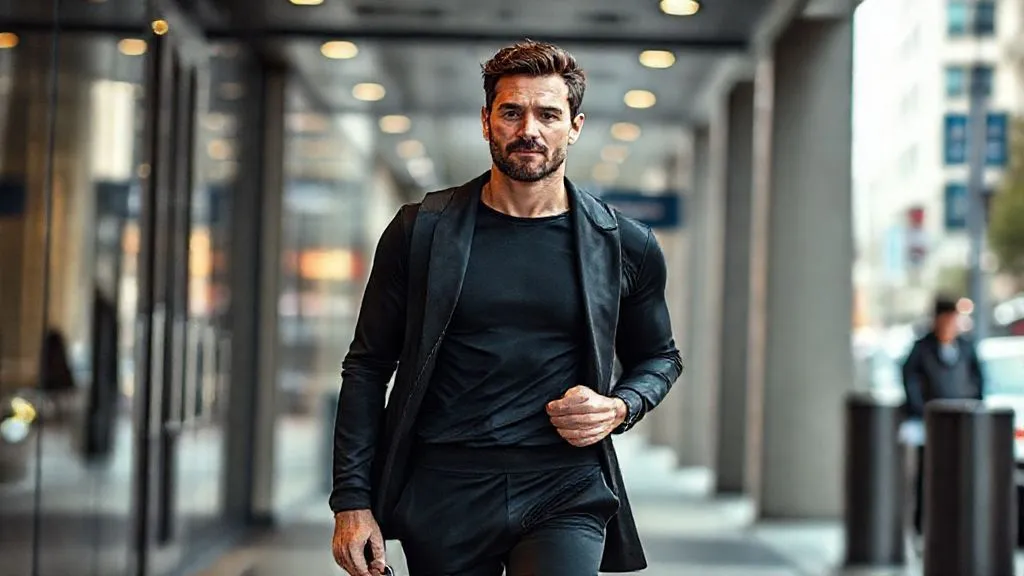
What Activewear Avoids Visible Sweat for Professional Appearances?
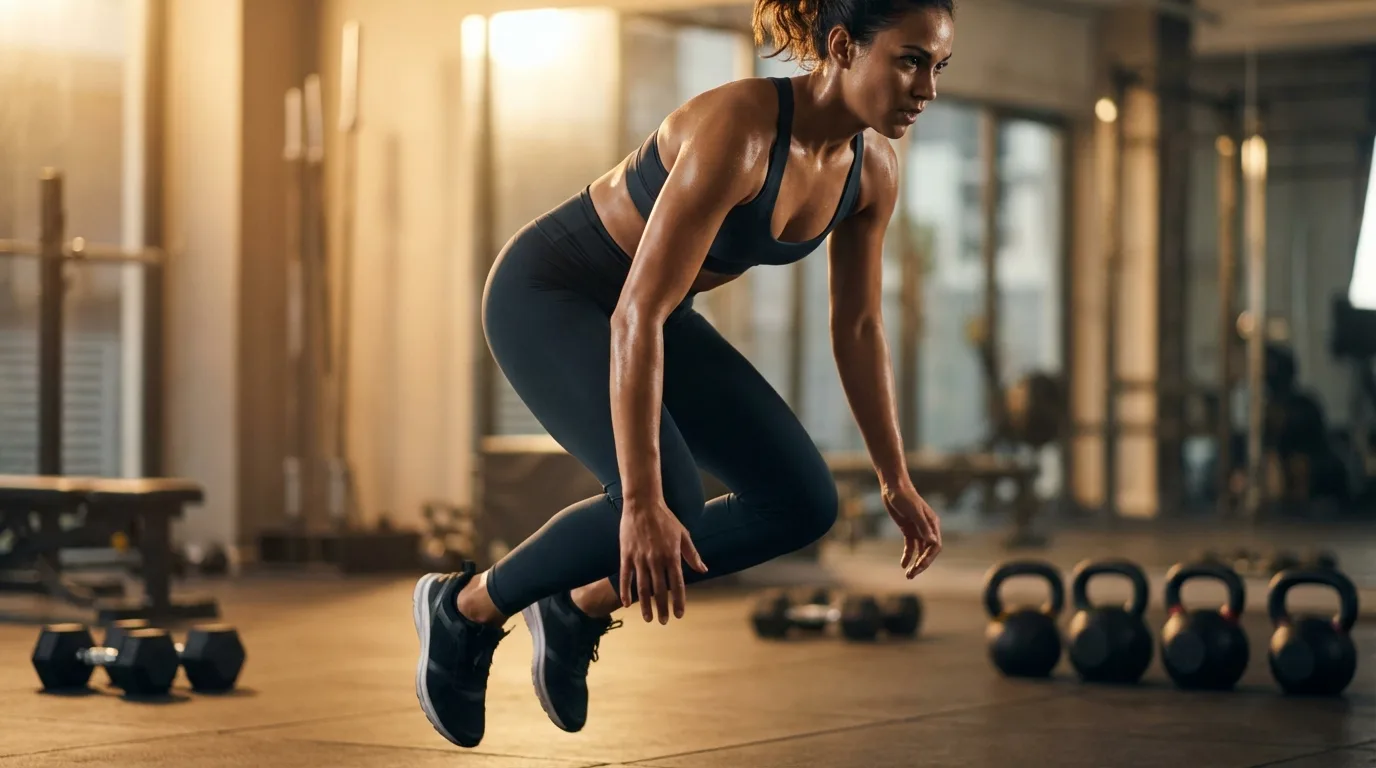
For over 15 years in the activewear industry, I've witnessed the evolution of performance fabrics and design philosophies. One problem, however, has persisted for far too long: the dreaded visible sweat mark. I've heard countless stories from driven professionals who cut their workouts short or avoid social engagements directly after the gym, all because they fear those tell-tale patches under the arms or on the back.
That tell-tale dark patch isn't just uncomfortable; it can shatter your professional image, making you feel self-conscious and undermining the confidence you've worked so hard to build. In today's fast-paced world, where the lines between work, life, and wellness often blur, seamless transitions are key. You shouldn't have to choose between a killer workout and maintaining a polished, professional demeanor.
This definitive guide will equip you with the knowledge to choose activewear that ensures you look as polished leaving the gym as you do entering a boardroom or a casual client meeting. We'll dive deep into fabric science, strategic design, and expert tips to help you master the art of sweat-proof professional appearances. My goal is to empower you with actionable frameworks and insights, so you can focus on your performance, not your perspiration.
The Science of Sweat: Understanding Perspiration and Evaporation
Before we can conquer visible sweat, we must understand its nature. Perspiration is our body's natural cooling mechanism. When your core temperature rises, sweat glands release moisture onto the skin's surface. As this moisture evaporates, it carries heat away, effectively cooling you down. The problem arises when sweat accumulates faster than it can evaporate, leading to visible wetness.
In my experience, many people mistakenly believe that 'sweating a lot' is the primary issue. In reality, it's the *management* of that sweat by your clothing that truly determines visibility and comfort.
Different Types of Sweat and Their Impact
- Eccrine Glands: These are the most numerous sweat glands, found all over the body. They produce a clear, odorless sweat primarily composed of water and salt, essential for thermoregulation. This is the sweat most responsible for visible wetness.
- Apocrine Glands: Located mainly in areas like the armpits and groin, these glands produce a thicker, milky fluid that, when broken down by bacteria on the skin, causes body odor. While less directly responsible for visible patches, effective wicking around these areas is still crucial for overall freshness.
Understanding these mechanisms helps us appreciate why certain fabrics and designs are superior at managing moisture. We're not trying to stop sweating – which is unhealthy – but rather to facilitate its rapid evaporation away from your skin and, crucially, away from the fabric's surface where it would otherwise create unsightly marks.
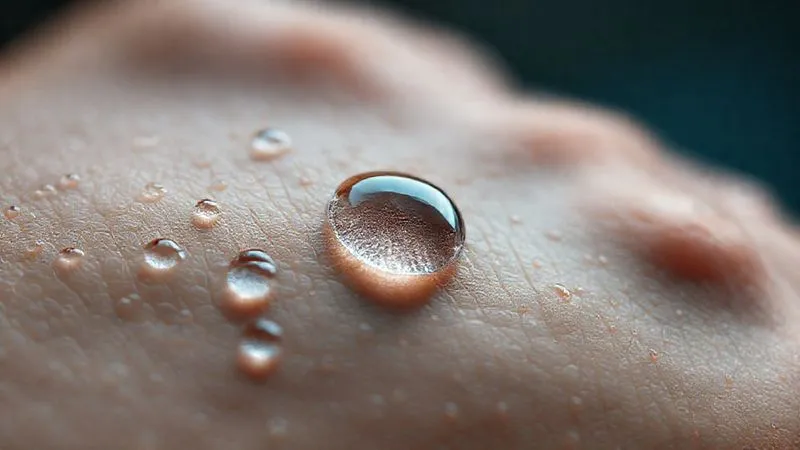
Fabric Fortresses: Materials Engineered to Conceal Sweat
The core of sweat-proof activewear lies in its fabric technology. Not all materials are created equal when it comes to moisture management. The right fabric can be your greatest ally against visible sweat.
Moisture-Wicking Synthetics: Polyester, Nylon, Spandex Blends
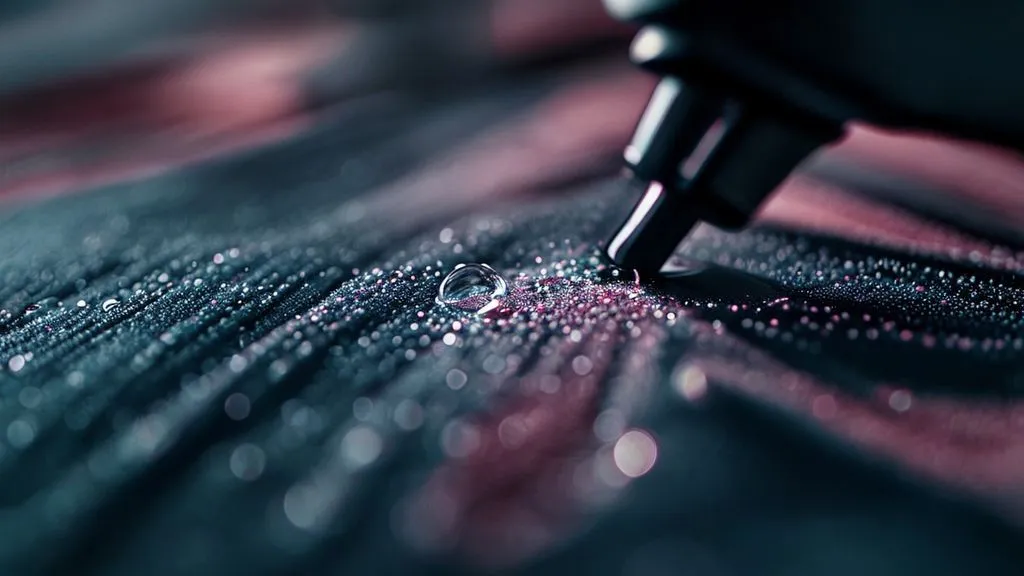
These are the champions of modern activewear. Unlike cotton, which absorbs moisture and holds it against your skin (leading to heavy, damp patches), synthetic fibers are engineered to move sweat. They achieve this through a process called capillary action, drawing moisture from your skin to the fabric's outer surface, where it can evaporate quickly.
- Polyester: Highly durable, wrinkle-resistant, and excellent at wicking moisture. Often treated with hydrophobic finishes to repel water on the outside while wicking from the inside.
- Nylon: Known for its strength, elasticity, and smooth feel. It also wicks moisture effectively and has a slightly more luxurious hand than some polyesters.
- Spandex (Elastane): While not a primary wicking fabric, its elasticity is crucial for activewear fit, ensuring the fabric stays close to the skin to initiate the wicking process efficiently without restricting movement.
Blended Fabrics: The Best of Both Worlds
Sometimes, a blend offers superior performance. Materials like Tencel (Lyocell), derived from wood pulp, can be blended with synthetics to enhance breathability, softness, and natural odor resistance while maintaining wicking properties. Merino wool, though natural, is another exceptional wicking fiber, known for its temperature regulation and odor-fighting capabilities, often blended for performance activewear.
As industry expert Dr. Sarah Jenkins, a textile scientist, often emphasizes, "The goal isn't just to move sweat, but to spread it thinly across a large surface area for rapid evaporation. Fabric construction and fiber properties work in tandem to achieve this."
Fabric Weave and Construction
Beyond the fiber itself, how a fabric is woven or knitted plays a significant role. Open, breathable weaves allow air to circulate, aiding evaporation. Some performance fabrics feature a dual-layer construction: an inner layer that draws moisture away and an outer layer that repels it, preventing external wetness.
| Fabric Type | Sweat Concealment Score (1-5) | Breathability | Durability | Best Use |
|---|---|---|---|---|
| Polyester/Spandex Blend | 5 | High | High | High-intensity workouts, all-day wear |
| Nylon/Spandex Blend | 4 | High | High | Yoga, studio, light cardio |
| Merino Wool Blend | 4 | Medium-High | Medium | Outdoor activities, cooler climates, odor control |
| Cotton | 1 | Low (when wet) | Medium | Casual wear only (avoid for activewear) |
Design Dynamics: Strategic Cuts and Colors for Discreet Performance
Even with the best fabrics, poor design can betray your efforts. Thoughtful design elements are crucial for maintaining a professional appearance while active. This is where the art meets the science.
Color Choices: The Unsung Heroes
The color of your activewear is perhaps the most immediate visual indicator of sweat. My first piece of advice: avoid light, solid colors like light grey, baby blue, or pastel pink at all costs if visible sweat is a concern. These colors amplify sweat marks dramatically.
- Darker Hues: Black, navy, charcoal grey, deep forest green, and rich burgundy are your best friends. They are incredibly forgiving and naturally mask moisture.
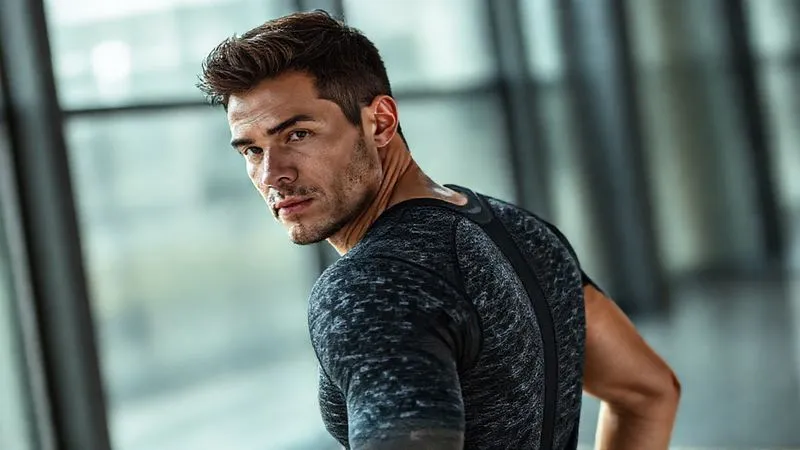
- Heathered and Patterned Fabrics: These are brilliant for camouflage. The varied texture and multi-tonal nature of heathered fabrics or subtle patterns (like camouflage or abstract prints) break up the visual uniformity, making sweat marks far less noticeable.
- Bright, Saturated Colors: While not as effective as darks or heathered tones, vibrant colors like electric blue or hot pink can sometimes hide sweat better than muted light shades, as the intensity of the color distracts the eye.
Strategic Venting and Mesh Panels
Smart activewear incorporates mesh panels or laser-cut perforations in high-sweat zones. These aren't just for aesthetics; they significantly enhance airflow and accelerate evaporation. Look for:
- Underarm mesh inserts
- Back panels or keyholes
- Side panels or strategically placed perforations
These features allow heat and moisture to escape efficiently from the areas where sweat is most concentrated, preventing saturation.
Loose vs. Fitted Silhouettes
The fit matters. Activewear that is too tight can trap sweat against the skin and make visible marks more pronounced, especially under compression. Conversely, overly baggy clothing might not wick moisture effectively as it loses contact with the skin. The sweet spot is a semi-fitted or athletic fit that allows for movement and airflow without clinging excessively. For professional appearances, consider slightly looser-fitting tops or those with a relaxed drape, especially around the torso and underarms.
Brand Spotlight: Innovators in Sweat-Concealing Activewear
Many brands are investing heavily in research and development to create activewear that addresses the visible sweat dilemma. While I won't endorse specific products, I can highlight the types of innovation to look for and illustrate with a fictional case study.
Case Study: How Elevate Athletics Conquered the 'Post-Gym Professional' Challenge
Elevate Athletics, a mid-sized activewear brand, noticed a significant segment of their customer base comprised of busy executives and entrepreneurs who needed to transition seamlessly from morning workouts to professional commitments. Their initial feedback showed frustration with visible sweat marks undermining their polished image.
By implementing a three-pronged approach based on the principles we've discussed, Elevate Athletics launched their "Apex Pro" line:
- Proprietary Fabric Development: They developed a new blend of micro-denier polyester with a unique dual-layer weave. The inner layer was ultra-hydrophilic for rapid wicking, while the outer layer had a subtle heathered texture and a durable water-repellent (DWR) finish to prevent external saturation and improve camouflage.
- Strategic Design Integration: Tops featured discrete laser-cut ventilation patterns along the spine and under the arms, artfully integrated into the garment's aesthetic. All pieces were offered in a palette of deep jewel tones and sophisticated charcoals.
- User Testing and Feedback: They conducted extensive real-world testing with their target demographic, refining fits to be athletic yet non-clinging, and ensuring the garments passed the "coffee shop test" – looking perfectly acceptable for a casual business meeting.
This resulted in a 40% increase in customer satisfaction for their Apex Pro line and a significant boost in repeat purchases from professionals. The key takeaway: thoughtful design, combined with advanced fabric technology, can genuinely solve the problem of visible sweat, allowing users to feel confident and look professional, no matter the intensity of their workout.
My advice has always been: invest in quality. High-end activewear often incorporates these advanced technologies and design considerations that cheaper alternatives simply cannot match. It’s an investment in your confidence and professional image.
Layering for Leak-Proof Confidence: The Art of Strategic Dressing
Layering isn't just for warmth; it's a powerful tool for managing sweat and maintaining a professional appearance, especially when you need to transition quickly from a workout to another engagement.
Base Layers: Your First Line of Defense
Even if your main top is sweat-wicking, adding a thin, highly wicking base layer can provide an extra barrier. This layer works to pull moisture directly from your skin, distributing it efficiently for faster evaporation before it even reaches your outer garment. Look for ultra-lightweight, seamless base layers made from synthetic blends or fine merino wool.
Mid-Layers: Adding a Buffer
For cooler environments or if you anticipate needing an extra shield, a breathable mid-layer can be invaluable. This could be a lightweight, zip-up jacket made from a technical fleece or a performance-knit sweater. It adds an extra layer of material to absorb and disperse any lingering moisture, while also providing a polished look.
Outer Layers: The Final Professional Touch
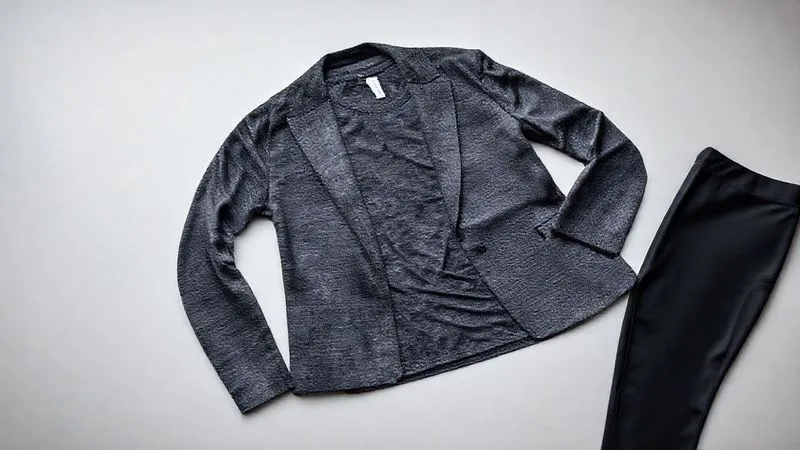
This is where you truly transform your look. A lightweight, wrinkle-resistant blazer, a sharp trench coat, or a structured cardigan can instantly elevate your activewear. Choose materials that are breathable and don't trap heat, but are opaque enough to conceal any subtle dampness on the layers beneath. The goal is to project an image of effortless professionalism.
- Choose a Wicking Base: Start with a high-performance, thin base layer.
- Select a Sweat-Concealing Main Top: Opt for dark, heathered, or patterned activewear made from advanced synthetics.
- Add a Breathable Mid-Layer (Optional): If needed, a performance fleece or knit provides an extra buffer.
- Top with a Professional Outer Layer: A structured blazer or jacket completes the look and provides ultimate sweat camouflage.
- Pack Smart: Consider packing a fresh, non-active top to change into, or a small, quick-dry towel for a quick wipe-down before donning your outer layer.
Beyond Clothing: Complementary Strategies for Sweat Management
While the right activewear is paramount, there are additional strategies you can employ to minimize visible sweat and enhance your overall confidence.
- Clinical Strength Antiperspirants: For those who experience excessive underarm sweating, an over-the-counter clinical strength antiperspirant can be a game-changer. Apply it at night to allow the active ingredients to work effectively.
- Cooling Towels: Keep a small, quick-drying cooling towel in your gym bag. A quick pat-down of high-sweat areas before you dress can make a significant difference.
- Hydration and Temperature Control: Staying well-hydrated helps your body regulate temperature more efficiently. Also, try to cool down for a few minutes post-workout before layering up.
- Quick-Dry Accessories: Headbands and wristbands made from wicking materials can help manage sweat on your face and hands, preventing it from dripping onto your clothes.
- Medical Consultation: If you experience severe, unmanageable sweating, it might be worth consulting a doctor. Conditions like hyperhidrosis are treatable, and knowing your options can significantly improve your quality of life. For more information, you can consult resources like The American Academy of Dermatology's guide on hyperhidrosis.
Maintaining Your Sweat-Proof Wardrobe: Care and Longevity
To ensure your activewear continues to perform its sweat-concealing magic, proper care is essential. Neglecting washing instructions can degrade fabric performance over time.
- Wash in Cold Water: Hot water can break down the elastic fibers (spandex) and damage the technical properties of synthetic fabrics.
- Use Mild Detergent: Harsh detergents can strip the fabric of its wicking capabilities. Avoid using too much, as residue can trap odors and moisture.
- Avoid Fabric Softeners: This is crucial! Fabric softeners coat the fibers, creating a barrier that prevents moisture from wicking away. They essentially reverse the very technology you're paying for.
- Air Dry or Tumble Dry Low: High heat from a dryer can damage synthetic fibers, leading to pilling and reduced elasticity. Air drying is always preferred for activewear.
- Wash Inside Out: This protects the outer surface of the fabric and helps preserve any specialized finishes.
By following these simple care instructions, you'll extend the life of your activewear and ensure it continues to provide optimal sweat management for your professional appearances. For detailed textile care guidelines, you might find valuable insights from industry bodies like Textile World.
Frequently Asked Questions (FAQ)
Is cotton ever acceptable for sweat concealment? No, in almost all activewear scenarios where visible sweat is a concern, cotton is your enemy. It absorbs moisture and holds it, leading to heavy, damp patches that are highly visible and slow to dry. Always opt for synthetic blends or merino wool for active pursuits.
How do I choose the right size to minimize visible sweat? The ideal fit is athletic but not overly compressive. Too tight, and sweat is trapped; too loose, and the fabric can't effectively wick from your skin. Aim for a fit that allows full range of motion without feeling restrictive or having excess fabric bunching. Refer to brand-specific sizing charts and read reviews for fit guidance.
Are there specific activewear pieces I should prioritize for sweat-proofing? Absolutely. Prioritize tops (t-shirts, tanks, long-sleeves) that cover your torso and underarms, as these are primary sweat zones. Next, consider leggings or shorts, especially if you tend to sweat heavily on your legs. A good quality, sweat-wicking sports bra is also essential for women.
What about activewear for high-intensity workouts vs. light activity? For high-intensity workouts, you need the most aggressive wicking and ventilation technologies. Look for very lightweight, open-weave synthetics with extensive mesh paneling. For light activity like yoga or walking, while wicking is still important, you might prioritize comfort and stretch, and can get away with slightly less aggressive sweat management features.
Can men's and women's activewear strategies differ for sweat? While the core principles of fabric science and design remain the same, anatomical differences mean placement of ventilation and fit considerations vary. Men often experience more visible sweat on the back and chest, while women might focus on underarm and bust areas. Both sexes benefit from dark, heathered fabrics and strategic venting.
Key Takeaways and Final Thoughts
Navigating the world of activewear while maintaining a professional appearance doesn't have to be a challenge. By understanding the science of sweat and making informed choices about your clothing, you can confidently transition from your workout to your next engagement without a second thought about visible perspiration.
- Fabric First: Prioritize advanced moisture-wicking synthetics and intelligent blends.
- Color & Design are Key: Embrace dark, heathered tones and seek out strategic ventilation.
- Layer Smart: Utilize base, mid, and outer layers to create a comprehensive sweat-management system.
- Care Matters: Proper washing and drying preserve the performance of your garments.
- Holistic Approach: Combine activewear choices with personal care strategies for ultimate confidence.
I've seen firsthand the confidence a well-chosen outfit can instill, both in and out of the gym. Empower yourself with these insights, and let your activewear be a testament to your dedication, not a distraction from your professionalism. The future of activewear is about seamless integration into every aspect of your life, and with these strategies, you're now equipped to lead the way. Stay active, stay confident, and stay impeccably professional. For more insights into the evolving activewear market and consumer preferences, consider reports from industry leaders like The Business of Fashion.
Recommended Reading
- Mastering Durability: 7 Solutions for Bio-Engineered Textile Fibers
- 7 Authentic Ways: How to Integrate Diverse Cultures into Streetwear
- 7 Strategies: Elevating Casual Chic for Women's Leadership Presence
- The Ultimate Guide: How to Select Durable Fabrics for Active Stage Costumes?
- 7 Pillars: Build Unshakeable Trust in Body Positive Fashion Campaigns

Your email address will not be published. Required fields are marked *