

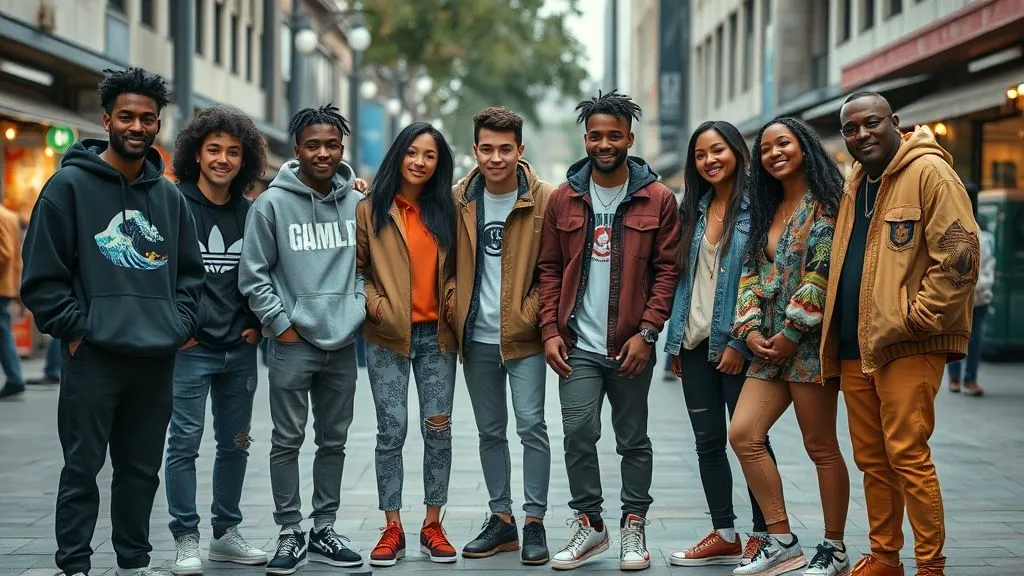
How to Authentically Integrate Diverse Cultures into Streetwear?
For over two decades in the streetwear industry, I've witnessed its meteoric rise from niche subculture to global phenomenon. With this growth comes immense potential, but also a critical responsibility. I've seen countless brands, both large and small, stumble when attempting to embrace cultural diversity, often veering into tokenism or, worse, outright cultural appropriation. This isn't just a misstep; it's a betrayal of the very ethos of streetwear – authenticity, rebellion, and a voice for the marginalized.
The challenge for many designers and brands today is a genuine desire to celebrate the rich tapestry of global cultures, yet a deep-seated fear of getting it wrong. The line between inspiration and appropriation can feel blurry, leading to paralysis or, conversely, a cavalier approach that causes significant harm. How do you honor a culture without commodifying it? How do you create something truly unique and respectful that resonates with a global audience, rather than just superficially borrowing aesthetics?
In this definitive guide, I'll share my insights and battle-tested frameworks on how to authentically integrate diverse cultures into streetwear. We'll move beyond superficial aesthetics to explore deep cultural understanding, ethical collaboration, and sustainable practices. You'll gain actionable strategies, real-world examples, and expert advice to not only enrich your designs but also build a brand founded on respect, integrity, and genuine connection.
1. Understanding Cultural Context: Beyond Surface-Level Aesthetics
The first and most crucial step in authentic integration is moving beyond the visual allure of a cultural motif. It's about delving into its historical, spiritual, and social significance. In my experience, many brands fail because they see a pattern or a symbol and immediately think 'design element' without understanding its story, its origins, or its sacred meaning.
To truly integrate, you must become a student of the culture. This isn't a quick Google search; it's a commitment to deep learning. For instance, consider the intricate patterns of Kente cloth from Ghana. It's not just a beautiful fabric; each color and pattern carries specific meanings, historical narratives, and social standings. To use it without this understanding is to strip it of its soul.
Expert Insight: "Authentic integration begins with humility. You are not just borrowing; you are engaging with a living heritage. This requires respect, research, and a willingness to learn, not just to take."
I always advise my mentees: ask yourself, 'What is the story behind this? What does it represent to the people who created it?' If you can't answer these questions thoroughly, you're not ready to integrate it into your designs. This foundational understanding is what elevates your work from mere imitation to genuine homage.

2. The Power of Authentic Collaboration: Co-creation, Not Appropriation
The most effective way to ensure authenticity and avoid appropriation is through genuine collaboration with cultural practitioners, artists, and communities. This isn't about hiring a consultant for a one-off meeting; it's about building equitable partnerships where creators from the source culture are recognized, compensated fairly, and have agency in the design process. I've seen this approach transform projects, infusing them with a spirit and depth that no solo designer could achieve.
True collaboration means sharing ownership, giving credit where it's due, and ensuring that the financial benefits flow back to the communities whose heritage you are celebrating. According to a Harvard Business Review article on authentic collaboration, shared purpose and mutual respect are the cornerstones of successful partnerships. Without these, any attempt at cultural integration will ring hollow.
Case Study: 'Tribal Threads' and the Maasai Partnership
A burgeoning streetwear brand, 'Tribal Threads,' initially struggled with how to incorporate African aesthetics without falling into appropriation. Their solution was to partner directly with a Maasai artisan collective in Kenya. Instead of simply buying patterns, Tribal Threads invested in a co-creation process. They sent their lead designers to live with the community for months, learning traditional beadwork and textile techniques. The Maasai artisans then worked alongside the designers, adapting traditional motifs into modern streetwear silhouettes, ensuring cultural integrity. The collective received a significant percentage of sales, and their stories were prominently featured in all marketing. This resulted in a collection that was not only commercially successful but also deeply respected for its authenticity and ethical foundation, leading to a 40% increase in brand loyalty and significant positive press.
Here’s a framework for ethical collaboration:
- Identify Key Cultural Keepers: Seek out community leaders, elders, or established artisan groups.
- Propose Equitable Terms: Clearly define intellectual property, revenue sharing, and creative control upfront.
- Engage in Participatory Design: Involve collaborators at every stage, from concept to final product.
- Ensure Fair Compensation: Pay above-market rates, provide benefits, and support community initiatives.
- Build Long-Term Relationships: View this as an ongoing partnership, not a one-time transaction.
3. Research & Respect: Deep Dives into Heritage
Beyond initial learning, continuous, rigorous research is non-negotiable. This involves academic texts, ethnographic studies, historical records, and, most importantly, direct engagement with members of the culture. I've often seen brands rush to production, only to discover later that a design element they used had an unintended or offensive connotation. This can be devastating for a brand's reputation and, more importantly, disrespectful to the culture.
When I advise brands, I emphasize creating a 'Cultural Research Dossier' for every cultural element they consider. This dossier should include:
- Historical origins and evolution
- Symbolic meanings and interpretations
- Appropriate contexts for use
- Any taboos or sacred associations
- Contemporary relevance and community perspectives
This level of detail ensures that every design choice is informed and respectful. As The Business of Fashion often highlights, the industry has a responsibility to educate itself.
4. Ethical Sourcing & Fair Practices: Building Trust from the Ground Up
Authenticity in cultural integration extends beyond design to the entire supply chain. If you're drawing inspiration from a culture, are you also supporting its economic well-being and respecting its traditional production methods? Ethical sourcing means ensuring fair wages, safe working conditions, and sustainable practices for all involved, especially those in the source communities. This is where true trust is forged.
Think about textiles: if you're inspired by traditional weaving, are you sourcing from artisans who practice those traditions, or from a factory exploiting cheap labor? Consumers today are increasingly savvy and demand transparency. A Deloitte study on sustainable consumer behavior revealed that a significant percentage of consumers are willing to pay more for ethically produced goods. This isn't just good ethics; it's good business.
| Practice | Ethical Approach | Unethical Approach |
|---|---|---|
| Sourcing Materials | Directly from artisans/cooperatives; fair trade certified | Lowest bidder, unknown origin, exploitative labor |
| Labor Conditions | Living wages, safe environment, cultural sensitivity training | Minimum wage, poor conditions, no cultural context |
| Intellectual Property | Formal agreements, clear royalties, shared ownership | No credit, no compensation, unilateral use |
| Environmental Impact | Sustainable materials, traditional low-impact methods, waste reduction | Synthetic materials, high pollution, excessive waste |
By prioritizing ethical sourcing, you not only ensure the integrity of your product but also contribute positively to the economic empowerment and preservation of traditional crafts within the cultural communities you admire.
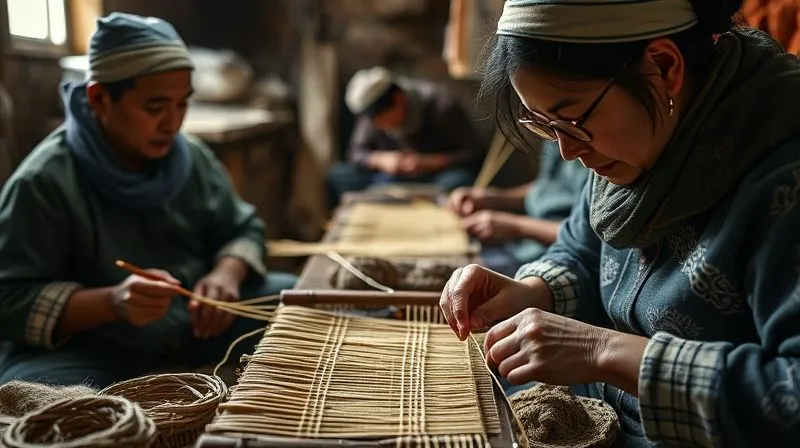
5. Storytelling Through Design: Weaving Narratives, Not Just Patterns
Once you've done the research and established collaborations, the next step is to tell a compelling story through your designs. Authentic cultural integration isn't just about placing a pattern on a garment; it's about conveying the narrative, history, and spirit behind it. Each piece should be a conversation starter, an educational tool, and a bridge between cultures.
I always challenge designers to think: 'Can someone look at this piece and feel a connection to its cultural origin, even without knowing the explicit story?' This is achieved through thoughtful design choices, material selection, and subtle detailing that evoke the essence of the culture. For example, using natural dyes and hand-woven fabrics can speak volumes about tradition and craftsmanship, far more than a digitally printed imitation.
Expert Insight: "Your garment is a canvas, but also a storyteller. Every stitch, every print, every silhouette should whisper the narrative of the culture it represents. If it's just a pretty picture, you've missed the point."
Consider the power of packaging, hang tags, and marketing materials to amplify these stories. Include information about the artisans, the cultural significance of the motifs, and the ethical journey of the product. This transparency builds trust and educates your consumer, transforming a purchase into an act of appreciation and support.
6. Community Engagement & Feedback Loops: Ensuring Resonance
Your work doesn't end when the product ships. True authenticity requires ongoing engagement and a willingness to listen. Establish feedback loops with the cultural communities you collaborate with, as well as with your diverse customer base. Are your designs being received as intended? Are there any misinterpretations or areas for improvement?
I've advised brands to conduct focus groups, create online forums, or even host community events where feedback can be gathered directly. This demonstrates a commitment to continuous learning and respect. It also ensures that your brand remains agile and responsive to evolving cultural sensitivities. Remember, culture is not static; it's dynamic and ever-changing.
| Stage | Feedback Method |
|---|---|
| Concept Design | Direct community workshops, initial design reviews with cultural elders |
| Prototype Development | Wear-testing by community members, detailed surveys on comfort and cultural appropriateness |
| Pre-Launch Marketing | Social media sentiment analysis, small focus groups with diverse consumers |
| Post-Launch | Customer reviews, dedicated cultural feedback email, ongoing community dialogue |
Embracing criticism, even when uncomfortable, is a sign of strength and a commitment to genuine integration. It shows that your brand values dialogue over dogma, and learning over being 'right'.
7. Education & Transparency: Empowering Consumers
Finally, your role as a brand integrating diverse cultures extends to educating your consumers. Many consumers want to support ethical and culturally respectful brands but may not fully understand the nuances of appropriation versus appreciation. Your brand can be a leader in this educational effort.
Use your platforms – website, social media, marketing campaigns – to share the stories, the collaborations, and the ethical journey behind each piece. Explain the significance of the motifs, introduce the artisans, and detail your ethical sourcing practices. Provide resources for consumers who want to learn more about the cultures you are celebrating.
This transparency not only builds immense trust and loyalty but also contributes to a more informed and conscious consumer base within the broader fashion industry. It positions your brand not just as a seller of clothes, but as a steward of cultural heritage and an advocate for ethical practices. This is the ultimate goal when asking how to authentically integrate diverse cultures into streetwear – to become a positive force for cultural exchange and appreciation.
Frequently Asked Questions (FAQ)
What's the difference between cultural inspiration and cultural appropriation? Cultural inspiration involves deep respect, understanding, and often collaboration with the source culture, ensuring fair compensation and recognition. It seeks to honor and celebrate. Cultural appropriation, conversely, is the adoption or use of elements of a minority culture by members of the dominant culture without understanding, acknowledgment, or respect for the original context, often for profit or aesthetic appeal, and typically without giving credit or compensation. The key differentiators are power dynamics, context, consent, and compensation.
Is it okay to use elements from cultures I don't belong to? Yes, but with extreme caution and a commitment to the principles outlined in this guide. It's not about prohibiting cross-cultural exchange, but ensuring it's done ethically and respectfully. This means rigorous research, genuine collaboration with cultural practitioners, fair compensation, and a willingness to listen and learn. Without these, it's very easy to inadvertently appropriate. My general rule: if you're unsure, lean towards collaboration or reconsider.
How can small brands compete with larger ones on ethical sourcing? Small brands actually have an advantage in agility and direct relationships. Focus on building direct partnerships with smaller artisan groups or fair-trade cooperatives. Your unique story of direct collaboration and ethical practices can be a powerful marketing tool that larger, more bureaucratic brands struggle to replicate. Start small, verify your supply chain personally, and be transparent about your journey and challenges. Authenticity often trumps scale.
How do I avoid tokenism when integrating diverse cultures? Tokenism occurs when cultural elements are superficially added without genuine understanding or integration, often as a performative gesture. To avoid it, ensure that cultural elements are deeply woven into the brand's identity and narrative, not just surface-level aesthetics. This means comprehensive research, meaningful collaboration, and consistent representation throughout your brand's messaging, not just a single collection. It's about genuine commitment, not checking a box.
How do I measure the impact of my cultural integration efforts? Measuring impact involves both qualitative and quantitative metrics. Qualitatively, track brand sentiment, customer feedback, media mentions, and community engagement. Are you receiving positive recognition for your efforts? Are communities expressing appreciation? Quantitatively, monitor sales, repeat purchases, and social media engagement specifically related to your culturally integrated collections. Also, track the economic impact on your collaborating communities – are their incomes rising, are their traditions being sustained?
Key Takeaways and Final Thoughts
- Prioritize Deep Understanding: Go beyond aesthetics to grasp cultural context, history, and significance.
- Embrace Authentic Collaboration: Co-create with cultural practitioners, ensuring equitable partnerships and fair compensation.
- Commit to Ethical Sourcing: Build a transparent supply chain that supports fair wages and sustainable practices.
- Narrate Through Design: Weave compelling stories into your products, educating and connecting consumers.
- Foster Ongoing Dialogue: Establish feedback loops with communities and consumers to ensure continued relevance and respect.
- Educate Your Audience: Use your platform to inform consumers about cultural significance and ethical practices.
Integrating diverse cultures into streetwear is more than a design trend; it's an opportunity to build a brand with purpose, integrity, and global resonance. It demands patience, humility, and an unwavering commitment to respect and authenticity. As an industry veteran, I can tell you that the brands that truly succeed in this space are those that view cultural exchange not as a transaction, but as a profound journey of learning and collaboration. Embrace this journey, and you won't just create impactful fashion; you'll build a legacy of positive cultural connection.
Recommended Reading
- 7 Steps to Transform Rustic Bridal Decor: From DIY to Sophisticated Chic
- How Do Luxury Streetwear Retailers Verify Authenticity? 7 Expert Methods Revealed
- 7 Proven Strategies: Stop Bot Scalpers Ruining Limited Streetwear Drops
- 5 Reasons Customers Abandon AR Try-On: Fix Your Fashion Tech Leaks
- Beyond Sponsored Posts: 7 Proven Streams for Fashion Blog Income?



Your email address will not be published. Required fields are marked *