

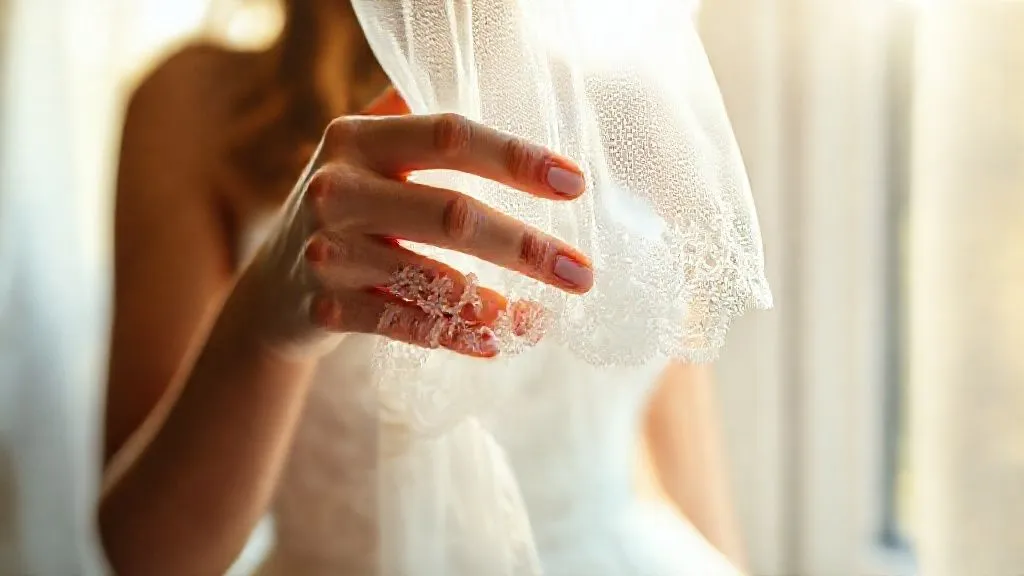
Navigating Wedding Veils: Your Ultimate Guide to Bridal Elegance
For over 15 years in the intricate world of bridal fashion, I've had the privilege of helping countless brides find their perfect ensemble. What I've seen time and again is the profound emotional connection a bride forms with her gown, yet often, the equally significant choice of her wedding veils is approached with a mix of excitement and sheer overwhelm. It's a piece steeped in history and personal meaning, capable of transforming a beautiful dress into an iconic bridal statement.
The problem I frequently encounter is a deluge of information, conflicting advice, and the sheer variety of options that leave brides feeling lost rather than inspired. From bewildering lengths and intricate lacework to a spectrum of fabrics and styling conundrums, the journey to selecting the ideal veil can quickly become a source of stress rather than joy. Many brides underestimate the veil's power to complete their vision, often seeing it as an afterthought instead of a crucial element.
That's why I've distilled my years of expertise into this definitive guide. My promise to you is not just a list of facts, but a comprehensive framework that addresses every facet of choosing your wedding veils. We'll explore actionable strategies, real-world insights, and expert advice to ensure you select a veil that not only complements your gown but also authentically expresses your unique bridal style and vision, allowing you to walk down the aisle with confidence and grace.
The Enduring Allure of Wedding Veils: A Personal Reflection
The tradition of wedding veils stretches back through centuries, evolving from symbols of purity and modesty to modern expressions of personal style and grandeur. In my career, I've witnessed the moment a bride first tries on a veil, and it's often more transformative than putting on the dress itself. There's a certain magic, a sense of occasion and tradition, that only a veil can evoke. It's not just a piece of fabric; it's a whisper of history, a promise of the future, and a tangible connection to generations of brides before her.
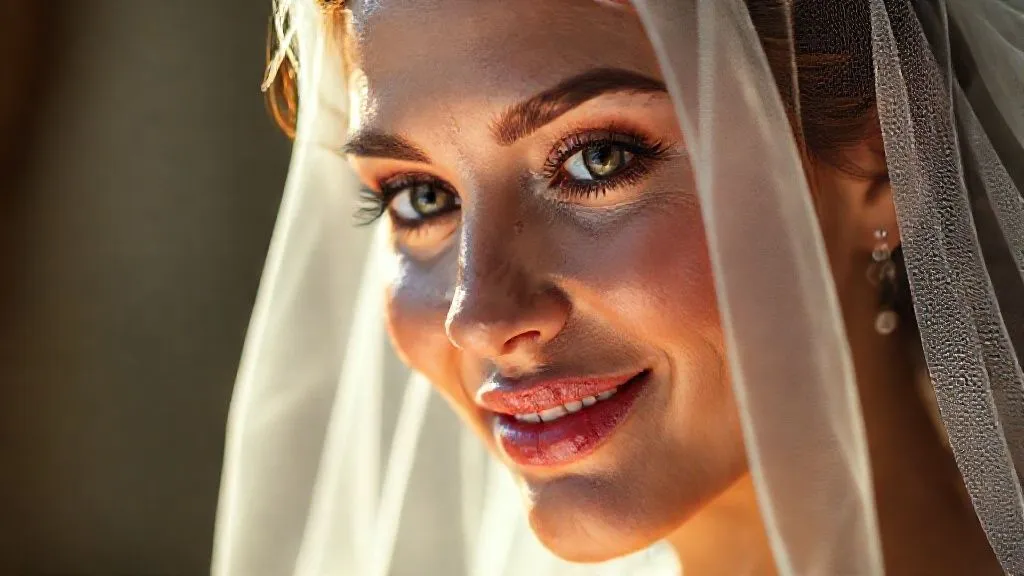
Historically, veils were believed to ward off evil spirits or signify virginity. Today, while those beliefs have largely faded, the veil's symbolic power endures. It creates an ethereal aura, a moment of anticipation as the groom lifts it, and frames the bride's face in a truly captivating way. As Vogue Bridal often highlights, bridal fashion is deeply rooted in these timeless elements, continuously reinterpreted for the contemporary bride.
Understanding this rich heritage is the first step in appreciating the significance of your choice. It allows you to approach the selection not just as a styling decision, but as an embrace of tradition, personalized to your modern sensibility. It's about finding a veil that resonates with your personal story and the narrative of your special day.
Decoding Wedding Veil Lengths: From Blusher to Cathedral
The length of your veil profoundly impacts your overall bridal silhouette and the formality of your look. It's one of the most critical decisions when choosing your wedding veils. I've seen brides mistakenly pick a length that overwhelms their frame or clashes with their gown's design, diminishing the impact of both. Let's break down the most popular lengths and their unique characteristics.
Blusher Veil: A Playful Introduction
The blusher veil is typically a single layer of tulle, worn over the face during the ceremony and often lifted by the groom or father before the vows. It usually extends to the shoulders or just past them, offering a touch of vintage charm and intimacy. It's perfect for brides seeking a traditional reveal moment without committing to a longer veil.
Shoulder, Elbow, Fingertip: The Versatile Mid-Lengths
These lengths offer versatility and ease of movement. A shoulder-length veil (approximately 20 inches) brushes the shoulders and is ideal for informal dresses or gowns with intricate back details you don't want to obscure. An elbow-length veil (around 25-30 inches) extends to the bride's elbows, offering a classic, balanced look that works well with A-line or ball gown silhouettes, especially if the dress has waistline detailing. The fingertip-length veil (approximately 36-40 inches) is one of the most popular choices, falling to where your fingertips reach when your arms are relaxed at your sides. It's incredibly versatile, complementing almost any gown style without overwhelming it, and allowing the dress's train to still be visible.
Waltz, Chapel, Cathedral: Grand Statements
These longer lengths are designed for dramatic entrances and formal ceremonies. A waltz-length veil (around 45-60 inches) falls between the knees and the floor, allowing for dancing without tripping. It's a beautiful choice for gowns without long trains. A chapel-length veil (approximately 90 inches) extends to the floor, often slightly longer than the dress's train, creating a soft, flowing effect. It's perfect for more formal settings and adds a touch of regal elegance. The cathedral-length veil (108-120 inches or even longer) is the most dramatic, extending far beyond the gown's train. It's reserved for grand, formal ceremonies in large venues, creating an unforgettable, majestic statement. As an expert, I always advise brides considering a cathedral veil to ensure their venue and aisle can accommodate its grandeur.
| Veil Length | Approximate Length | Best For | Ideal Gown Style |
|---|---|---|---|
| Blusher | 20-25 inches | Intimate reveals, vintage charm | Any, especially tea-length or simple gowns |
| Elbow | 25-30 inches | Classic balance, highlights waistline | A-line, Ball Gown |
| Fingertip | 36-40 inches | Versatile, highlights dress details | Most gown styles |
| Waltz | 45-60 inches | Dancing, formal without train | Gowns without long trains |
| Chapel | 90 inches | Formal elegance, subtle drama | Gowns with medium trains |
| Cathedral | 108-120+ inches | Grand, majestic statement | Formal gowns with long trains |
Navigating Veil Styles & Edging: Crafting Your Bridal Silhouette
Beyond length, the style and edging of your veil are crucial in defining its character and how it complements your dress. There's a vast world of options for wedding veils, each contributing a distinct aesthetic. I've found that paying attention to these details can elevate a veil from simply an accessory to a true extension of the gown's artistry.
The Classic Cut: Raw, Ribbons, or Ruffled
The simplest veils feature a raw or cut edge, offering a clean, minimalist look that allows the dress to shine. This is ideal for highly embellished gowns or brides who prefer understated elegance. Ribbon edging adds a subtle border, often in a satin or silk, providing a delicate frame. For a softer, more romantic feel, a ruffled or horsehair trim edge can add volume and texture, particularly beautiful on elbow or fingertip length veils.
Lace Edging: Timeless Elegance
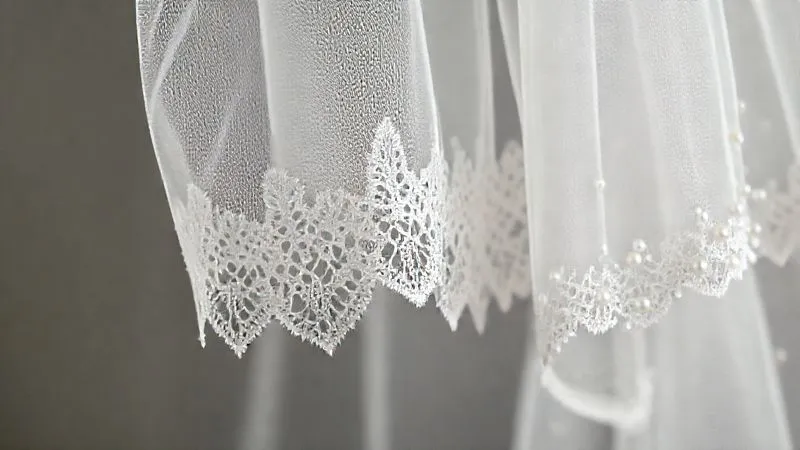
Lace-edged veils are synonymous with classic bridal beauty. The type of lace chosen can dramatically alter the feel. Alençon lace, with its corded outlines, offers a structured, traditional look. Chantilly lace, known for its fine, delicate patterns and scalloped edges, exudes a romantic, ethereal vibe. Venetian lace is heavier and more dimensional, perfect for a luxurious, Old World feel. When matching a lace-edged veil, I always advise brides to try and complement the lace on their gown, either by finding an exact match or a complementary pattern that shares a similar weight and style. A seamless blend creates the most harmonious look.
Embellishments: Pearls, Crystals, and Beyond
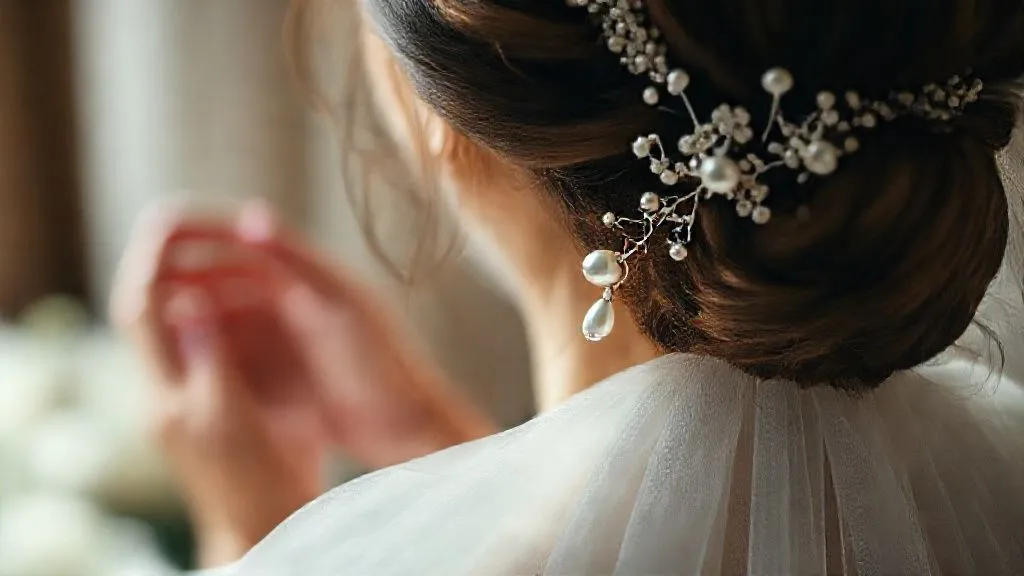
For brides seeking sparkle or intricate detail, embellishments are key. Pearls offer a timeless, classic sheen, adding sophistication without overt glitter. Crystals or rhinestones provide dazzling sparkle, perfect for gowns with similar beading or for adding a touch of glamour. Delicately hand-embroidered details, often matching motifs from the gown, can create a truly bespoke feel. When considering embellished wedding veils, remember that less can often be more. The goal is to enhance, not overshadow, your gown.
Fabric Finesse: The Drape and Flow of Your Chosen Veil
The fabric of your veil dictates its drape, flow, and overall feel, playing a crucial role in how it interacts with your gown and moves with you. The vast majority of wedding veils are made from various types of tulle, but understanding the nuances of each can make a significant difference in your final choice. I've seen how the wrong fabric can create stiffness or an unnatural look, detracting from the ethereal quality a veil should possess.
Tulle: The Unsung Hero
Bridal illusion tulle is the most common choice due to its soft texture, sheer quality, and ability to hold shape. It's lightweight and drapes beautifully, making it ideal for everything from a simple blusher to a grand cathedral veil. Within illusion tulle, you'll find variations in stiffness and sheerness. Soft English tulle offers a more luxurious, silk-like drape and is less prone to wrinkling, often preferred for its elegant flow. Silk tulle is the epitome of luxury, incredibly soft, fluid, and expensive. It drapes exquisitely and has a subtle sheen, but it's also delicate and can wrinkle easily. Nylon tulle is more affordable and durable but can sometimes feel stiffer or appear shinier, depending on the quality.
Silk Illusion: Luxury Redefined
Often confused with silk tulle, silk illusion refers to a very fine, sheer silk fabric that offers an unparalleled softness and drape. It's incredibly light and airy, creating a truly ethereal effect. Brides who prioritize movement and a luxurious feel, and who have a higher budget, often gravitate towards silk illusion for their wedding veils. Its delicate nature means it requires careful handling, but the resulting elegance is undeniable.
Unique Fabrics: Organza, Chiffon, and Russian Net
While less common for traditional veils, other fabrics can create distinct looks. Organza veils offer more structure and a subtle sheen, creating a fuller, more architectural silhouette. Chiffon veils are known for their incredibly soft, flowing drape and matte finish, perfect for a bohemian or minimalist aesthetic. Russian net, a wide-meshed netting, is exclusively used for birdcage veils, offering a chic, retro vibe that covers only a portion of the face. Each fabric tells a different story and contributes a unique texture and movement to your bridal look.
Matching Your Wedding Veil to Your Gown: A Harmony of Design
The synergy between your gown and your wedding veils is paramount. It’s not about finding a veil that simply exists alongside your dress, but one that enhances and completes its story. This is where my expertise truly comes into play, guiding brides to avoid common pitfalls of mismatched styles. As The Knot emphasizes, a cohesive look is key.
Considering the Gown's Silhouette
Different gown silhouettes call for different veil approaches. A grand ball gown can beautifully accommodate a chapel or cathedral veil, mirroring its drama. An elegant A-line or sheath dress often pairs well with fingertip or chapel lengths, maintaining flow without overwhelming the simpler lines. For a sleek mermaid or trumpet gown, a shorter, perhaps elbow or fingertip veil, allows the dress's silhouette to remain the star, or a very sheer, simple cathedral veil can extend the drama without competing.
Harmonizing with Dress Embellishments
One of the biggest mistakes I see is a clash of embellishments. If your gown is heavily beaded or features intricate lace, a simpler veil with a raw or delicate lace edge is often best. Conversely, a minimalist gown can be beautifully elevated by a veil with more significant lace detail, scattered pearls, or subtle crystal work. The goal is balance: if the dress is busy, the veil should be quiet; if the dress is simple, the veil can speak a little louder. Always match the color of your veil to your gown precisely; even a slight difference in shade can be noticeable.
The Neckline and Back Detail Dynamic
Consider your gown's neckline. A veil attached high on the head can complement a plunging or illusion neckline, drawing the eye upwards. For gowns with stunning back details, such as intricate lacework or elaborate buttons, choose a sheer veil that won't obscure these features, or opt for a shoulder or elbow-length veil that ends above the detail. A blusher can also be a lovely option, as it can be removed after the ceremony, revealing the back detail for the reception.
- Analyze Your Gown's Style: Identify its silhouette, fabric, color, and embellishments. Is it classic, modern, bohemian, minimalist?
- Determine the Desired Formality: A grand, formal wedding calls for longer, more dramatic veils; a casual, intimate affair suits shorter, simpler styles.
- Consider Your Hair Style: Will you wear an updo, half-up, or hair down? This impacts where the veil comb will sit and how it drapes.
- Try On Veils with Your Gown: This is crucial! Bring your dress (or a photo) to your veil appointment. See how different lengths, styles, and fabrics interact.
- Match Embellishments & Lace: Aim for complementary, not competing, details. The veil should enhance, not detract from, the gown's existing beauty.
- Account for Venue & Season: A long cathedral veil might be impractical for an outdoor, windy beach wedding, while a birdcage veil might feel out of place in a grand cathedral.
- Trust Your Instincts: Once you've considered all the practicalities, choose the veil that makes you feel the most beautiful and confident.
Beyond the Basics: Veil Placement, Styling, and Etiquette
Once you've chosen your perfect wedding veils, knowing how to wear and style it is the next crucial step. Proper placement can make all the difference in achieving your desired bridal look and ensuring comfort throughout your day. I've often guided brides on these subtle but impactful details, transforming a beautiful accessory into a seamless part of their overall aesthetic.
Securing Your Veil: Combs, Clips, and Crowns
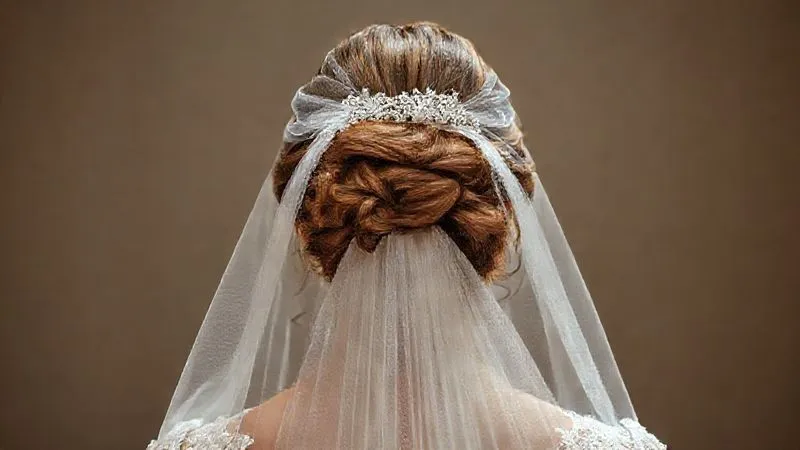
Most veils come attached to a clear plastic or metal comb. For maximum security, especially with heavier or longer veils, your hairstylist can secure the comb with bobby pins that match your hair color. For a veil worn under an updo, the comb can be tucked discreetly into the base of the bun. For hair worn down or half-up, the comb can be placed on top of a subtle backcombed section for grip. Some veils are designed to be worn with a tiara, crown, or headpiece, in which case the veil comb is usually placed behind the main accessory.
Hair Style Considerations: Updo vs. Down
Your chosen hairstyle plays a significant role in veil placement. An updo offers a stable base for the veil comb, allowing for various placements: high on the crown for a dramatic lift, at the mid-crown for a classic cascade, or low at the nape of the neck for a softer, more romantic drape. If you're wearing your hair down or half-up, your stylist will create a small, secure section for the comb to anchor into. Remember that a veil adds weight, so a sturdy hairstyle is essential to keep everything in place throughout the day.
Case Study: Sarah's Veil Transformation
Sarah, a bride I worked with last season, had fallen in love with a stunning chapel-length veil featuring delicate lace that perfectly matched her A-line gown. However, during her initial hair trial, the veil felt heavy and kept slipping, making her anxious. She was planning a half-up, half-down style. Following my advice, her stylist created a small, tightly braided section underneath the top layer of her hair, specifically for the veil comb to anchor into. We also added a few discreet bobby pins through the comb teeth, crisscrossing them into the braid. The result was a veil that felt completely secure, allowing Sarah to move and dance freely without a single worry. This small adjustment transformed her confidence, turning a potential stressor into pure bridal bliss.
The Power of Personalization: Custom Wedding Veils
In a world of mass production, the desire for something truly unique on your wedding day is more prevalent than ever. This is where custom wedding veils shine. I've guided many brides through the custom design process, and the joy they express when seeing their vision come to life is truly unparalleled. It's about creating a piece that tells your specific story, rather than just choosing from existing options.
Why Go Custom?
Opting for a custom veil allows for unparalleled flexibility. Perhaps you want to incorporate a piece of heirloom lace from a family gown, or you have a specific design motif from your dress that you wish to extend onto your veil. Maybe you envision a unique combination of lengths, layers, or embellishments that isn't available off the rack. Customization ensures your veil is a perfect, bespoke complement to your gown and your personal style, making it truly one-of-a-kind. It's also an excellent option if you have a very unique dress style that doesn't pair well with standard veil designs.
The Design Process: From Vision to Reality
The custom veil process typically begins with a detailed consultation. You'll discuss your gown's specifics, your vision, desired length, fabric preferences, and any special elements you wish to include. The designer will often provide sketches, fabric swatches, and lace samples. This collaborative process ensures every detail is meticulously considered, from the exact shade of tulle to the placement of each pearl or crystal. While it requires a longer lead time and often a higher investment, the result is a veil that fits your aesthetic and emotional needs perfectly.
"A custom wedding veil isn't just an accessory; it's a wearable piece of art, imbued with personal meaning and designed to be an authentic extension of your unique bridal story. It transforms a dream into a tangible, breathtaking reality."
Addressing Common Veil Conundrums: Troubleshooting Your Choice
Even with all the knowledge in the world, unexpected questions or concerns can arise when selecting your wedding veils. From considering alternatives to managing your budget, I've heard every question in the book. Here, I'll tackle some of the most frequent dilemmas and offer practical solutions, ensuring you feel fully prepared and confident in your decision.
Veil Alternatives: When a Veil Isn't Right
While I'm a passionate advocate for veils, I understand they aren't for every bride. For those who prefer an alternative, there's a wealth of stunning options. Flower crowns offer a bohemian, natural look, perfect for outdoor or rustic weddings. Headpieces, ranging from delicate hair vines and combs to intricate fascinators, can provide sparkle and sophistication. Bridal hats, especially wide-brimmed ones, are gaining popularity for fashion-forward brides, particularly for civil ceremonies or destination weddings. Even a simple, elegant hair accessory can make a statement. The key is to choose an alternative that feels authentic to your style and complements your gown's aesthetic.
Budgeting for Your Veil: An Often Overlooked Detail
Many brides allocate the majority of their budget to the dress, often forgetting that accessories, including the veil, can add up. The cost of wedding veils can vary dramatically based on length, fabric (silk tulle will be pricier than illusion tulle), lace type, and embellishments. A simple, raw-edge fingertip veil can be quite affordable, while a heavily embellished, custom cathedral veil can rival the cost of some gowns. I always advise brides to set aside a specific portion of their accessory budget for the veil. Don't be afraid to discuss your budget with your bridal consultant; they can guide you to beautiful options within your price range. For more budgeting tips, reliable sources like Brides.com offer excellent advice.
Practical Considerations for Your Wedding Day
Think about the practicalities of your chosen veil on your wedding day. If you have a long veil, will you wear it for the entire reception, or will you remove it? Many brides opt to remove longer veils after the ceremony and photos for ease of movement. Consider the weather and venue: a lightweight veil is best for warm climates, and a very long veil might be challenging to manage on a windy day or in a tight space. Have a designated bridesmaid or family member who knows how to fluff and adjust your veil for photos and throughout the ceremony.
Frequently Asked Questions (FAQ)
Question: Can I wear a veil with a very modern or unconventional wedding dress? Absolutely! The beauty of modern bridal fashion is its versatility. A simple, sheer veil with a raw edge can perfectly complement a minimalist, modern gown, adding a touch of classic bridal tradition without competing. For an unconventional dress, consider a birdcage veil for a retro touch or a blusher for a playful, unexpected element. The key is to choose a veil that harmonizes with the dress's overall aesthetic and doesn't feel forced.
Question: How do I properly store my wedding veil before the big day to prevent wrinkles? Once you bring your veil home, it's crucial to store it correctly. Hang it from its comb using a padded hanger, ideally in a long garment bag. Ensure it's not crushed or folded, as this can create stubborn creases. If your veil has delicate lace or embellishments, consider hanging it in a separate garment bag from your dress to prevent snagging. For silk veils, a breathable cotton garment bag is often recommended. If wrinkles do appear closer to the wedding, hanging it in a steamy bathroom for 15-20 minutes can help, but avoid direct heat or ironing unless specifically advised by the manufacturer.
Question: Should my veil match the exact shade of white or ivory of my wedding dress? Yes, ideally, your veil should match the exact shade of your gown. Even subtle differences in white, off-white, ivory, or champagne tones can be noticeable, especially in photographs. Always try on veils with your actual dress or at least a large fabric swatch of your dress in natural light. Bridal consultants are experts at matching shades and can guide you to the perfect hue. If an exact match isn't possible, sometimes a slightly sheerer, lighter veil can blend more seamlessly than one that is darker or a contrasting shade.
Question: What's the best way to clean a veil after the wedding, especially if it gets dirty? For most wedding veils, especially those made of illusion tulle, professional dry cleaning by a specialist who handles delicate bridal garments is the safest option. Inform them of any stains (grass, makeup, wine) and the fabric composition. For simple, unembellished tulle veils, a gentle hand wash in lukewarm water with a mild, pH-neutral soap can sometimes work, followed by air drying. However, for veils with lace, beading, or intricate details, professional cleaning is highly recommended to prevent damage to the delicate embellishments or fabric.
Question: Can I wear a veil if I have very short hair or a pixie cut? Absolutely! Short hair can look incredibly chic and modern with a veil. For pixie cuts or very short bobs, a birdcage veil is a fantastic option, offering a stylish vintage flair. Alternatively, a traditional veil attached to a small, secure comb can be placed at the crown of your head, often with the help of a few strategically placed bobby pins or a small backcombed section for grip. A talented hairstylist can easily secure almost any veil style, ensuring it stays perfectly in place throughout your celebration.
Key Takeaways and Final Thoughts
- Understand the Impact of Length: Your veil's length dictates formality and silhouette; choose one that complements your gown and venue.
- Harmonize Styles & Embellishments: Ensure your veil's lace, edging, and sparkle enhance, rather than compete with, your dress's details.
- Prioritize Fabric Quality: The veil's fabric affects its drape and movement; consider tulle types or silk for your desired flow and feel.
- Match Your Gown Precisely: Always try on veils with your dress to ensure perfect color and style synergy.
- Plan for Placement & Styling: Work with your hairstylist to secure your veil comfortably and aesthetically with your chosen hairdo.
- Consider Customization: For a truly unique statement, explore custom wedding veils to incorporate personal touches or specific design elements.
- Don't Overlook Practicalities: Factor in budget, comfort, and potential alternatives when making your final decision.
Choosing your wedding veils is an intensely personal journey, one that should be filled with discovery and delight, not stress. As your expert guide, I hope this comprehensive overview empowers you to make an informed, confident decision. Remember, your veil is more than just an accessory; it's a profound symbol of your bridal moment, a piece of art that frames your beauty and completes your story. Embrace the process, trust your instincts, and select the veil that makes you feel utterly breathtaking as you walk towards your future.
Recommended Reading
- 7 Steps to Scale Handmade Jewelry: Maintain Quality & Grow Profit
- How to Maintain Creative Integrity with Restrictive Fashion Briefs
- 6 Critical Reasons Why Luxury Belt Product Pages Tank Conversions Online
- Unlock Ageless Style: How to Create Womenswear for Every Generation
- The Ultimate Guide: How to Wear Sheer Clothing Modestly and Stylishly?

Your email address will not be published. Required fields are marked *