

Solving Quick Change Costume Design Challenges for Stage Actors
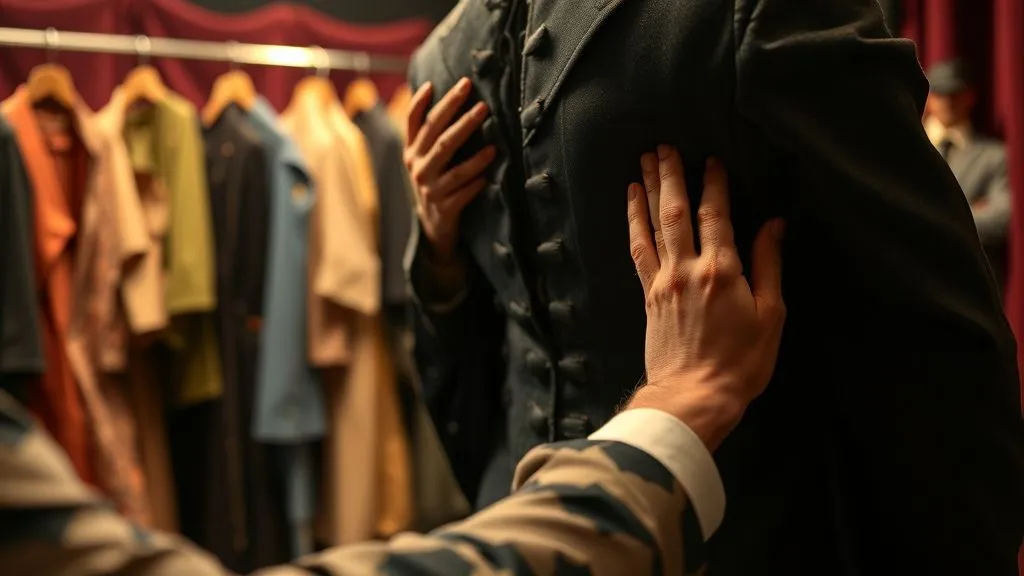
For over two decades in the vibrant, demanding world of costume design, I've witnessed firsthand the exquisite tension backstage: the silent choreography of a quick change. It’s a moment where minutes, often seconds, dictate the flow of a performance. I've seen productions falter, not from a missed line or a forgotten prop, but from a costume that simply refused to cooperate under pressure. This isn't just about aesthetics; it's about the very pulse of live theatre.
The problem is universal in theatre: actors need to transform characters almost instantaneously, often in dimly lit, cramped backstage spaces. A poorly designed quick change can lead to delays, actor stress, costume damage, and ultimately, a broken illusion for the audience. It’s a challenge that demands not just creativity, but a deep understanding of engineering, psychology, and practical stagecraft.
In this definitive guide, I will share the frameworks, methodologies, and often-overlooked insights I've gathered from years of hands-on experience. You'll learn not just about the 'what' but the 'how' – actionable strategies, material choices, and collaborative approaches that transform quick changes from a terrifying hurdle into a seamless part of the theatrical magic. My goal is to equip you with the knowledge to design costumes that empower actors, rather than hinder them.
The Unseen Pressure: Why Quick Changes Demand Expert Design
The audience sees the final transformation, the effortless shift from one character to another. What they don't see is the frantic scramble in the wings, the precise movements of dressers, and the actor's intense focus. This backstage ballet is incredibly vulnerable to design flaws.
A costume that looks stunning under stage lights can become a nightmare if it's not engineered for speed. Fabric choices, fastener types, and even the order of layering can add crucial seconds, turning a tight change into an impossible one. As costume designers, our role extends far beyond the sketchpad; we are architects of theatrical efficiency.
"A quick change isn't just about speed; it's about minimizing friction – physical, mental, and logistical. Every design choice must serve this purpose."
Foundation First: Strategic Underwear and Base Layers
One of the most underestimated aspects of quick change design is the strategic planning of what goes *underneath* the visible costume. These base layers are the unsung heroes, often dictating the success or failure of a rapid transformation.
I always emphasize that the journey begins with the skin. What the actor wears as their base layer needs to be versatile, comfortable, and compatible with all subsequent costumes. Think of it as the ultimate neutral canvas.
Choosing Versatile Base Garments
- Neutral Bodysuits/Leotards: A form-fitting, neutral-colored (nude, black, or white) bodysuit can serve as the foundation for multiple looks, eliminating the need to change underwear or delicate first layers. Look for breathable, stretch fabrics like bamboo or performance synthetics.
- Convertible Undergarments: Bras with convertible straps (strapless, halter, cross-back) and underwear designed for minimal lines are essential. Sometimes, a simple dance belt or unitard is the best solution for male actors.
- Pre-Set Base Layers: For extremely fast changes, sometimes a costume's initial layers can be built directly onto the base garment, making it one less item to put on during the change.
According to a report by the USITT (United States Institute for Theatre Technology) on stage wardrobe practices, careful planning of base layers can reduce quick change times by up to 15-20% by minimizing extraneous movements and ensuring comfort. Learn more about USITT's research.
The Art of Concealment: Integrated Quick-Release Mechanisms
This is where the engineering truly comes into play. Traditional closures like buttons, hooks, and zippers can be time-consuming and fiddly under pressure. The goal is to integrate closures that are secure during performance but release almost instantly when needed.
Innovative Fastener Solutions
- Magnetic Snaps: Powerful magnets sewn into fabric flaps or hidden within seams offer incredibly fast and secure closures, especially for capes, jackets, or overlays.
- Velcro/Hook-and-Loop Fasteners: While sometimes noisy, strategically placed Velcro can be a lifesaver. Ensure it's industrial-strength and concealed to prevent snagging or showing. It's excellent for opening seams or securing large panels.
- Hidden Zippers with Pull Tabs: A robust zipper, especially one with an extra-long, reinforced pull tab, can be operated quickly. Consider reverse-coil zippers for durability and a smoother glide.
- Hook and Bar Closures with Large Eyes: For certain garments, oversized hook and bar closures can offer a secure yet quick release, particularly useful for waistbands or necklines.
- Pre-Tied Lacing Systems: If lacing is essential to the design, consider a system where the lacing is decorative but the garment opens via a hidden zipper or hook-and-eye placket. Alternatively, pre-tie the lacing to a specific tension and use a quick-release buckle or snap for the final closure.

Case Study: The 'Chameleon' Dress for 'Metamorphosis'
Case Study: How 'The Grand Spectacle' Streamlined Transformations
During a complex regional production of 'The Grand Spectacle,' one actor played six distinct characters, each requiring a full costume change within 30-60 seconds. Initially, the costume department struggled with traditional closures, leading to consistent delays and visible frustration. By implementing a design strategy focused on integrated quick-release mechanisms – primarily strong hidden magnets for capes and overskirts, and industrial-grade Velcro for side seams of dresses – they drastically improved efficiency. This resulted in every quick change being completed within the allocated time, reducing actor stress and enhancing the seamless flow of the narrative. The design team reported a 40% reduction in average change time for the most complex transformations.
Material Matters: Selecting Fabrics for Speed and Durability
The choice of fabric profoundly impacts how easily a costume can be changed and how well it holds up to the rigors of rapid transitions. It's a delicate balance between aesthetic requirements, durability, and practical functionality.
Fabric Considerations for Quick Changes
- Stretch and Recovery: Fabrics with good stretch (e.g., spandex blends, performance knits) allow garments to be pulled on and off quickly without tearing or losing shape. They also provide comfort and accommodate minor body movements.
- Wrinkle Resistance: Actors can't always hang costumes perfectly or iron them between scenes. Opt for fabrics that are naturally wrinkle-resistant or treated to minimize creasing, such as certain polyesters, rayon blends, or textured weaves.
- Durability: Quick changes often involve pulling, tugging, and sometimes rough handling. Choose robust fabrics that can withstand repeated stress, like gabardine, heavy twills, or reinforced satins. Avoid delicate silks or loosely woven materials for high-stress areas.
- Weight and Bulk: Lighter, less bulky fabrics are easier to manipulate and store in tight backstage spaces. Consider how multiple layers of fabric will feel and move during a rapid change.
- Slippery Surfaces: Some fabrics, like smooth satins or certain metallics, can be difficult to grip quickly. Consider adding hidden tabs or textured sections for dressers to grab onto.
| Fabric Type | Pros for Quick Change | Cons |
|---|---|---|
| Stretch Knits (e.g., Spandex blends) | High flexibility, easy on/off, wrinkle-resistant | Can cling, may not suit all period aesthetics |
| Wrinkle-Resistant Polyesters | Low maintenance, durable, holds shape well | Less breathable, can look less natural |
| Heavy Twills/Gabardines | Very durable, structured, drapes well | Can be heavy, less flexible for form-fitting |
| Silk/Delicate Wovens | Luxurious aesthetic, fluid drape | Prone to tearing, wrinkling, difficult to handle quickly |
Modular Magic: Layering and Component-Based Design
Instead of thinking of a costume as a single, monolithic garment, an expert designer approaches quick changes with a modular mindset. This involves breaking down complex looks into individual components that can be added or removed efficiently.
Strategies for Modular Costume Design
- Built-in Elements: Sometimes, a 'new' costume is simply an existing base with added elements. A vest, an overskirt, a detachable collar, or a pair of sleeves can transform a look instantly.
- Magnetic or Snapped Overlays: Decorative elements like ruffles, epaulets, or even entire garment sections can be designed to snap or magnetize onto a base costume. This allows for rapid changes without fully redressing.
- Reversible Garments: A cloak or jacket that is fully reversible can offer two distinct looks with one flip. Ensure all fasteners are hidden or dual-sided.
- Pre-Set Accessories: Hats, gloves, and jewelry can be pre-set on a table in the exact order they're needed. For multiple small accessories, consider a labeled tray or a hanging 'pocket' system.
As costume design luminary Holly Poe Durbin often emphasizes, "The best quick changes are often the ones where the actor is never fully undressed, only re-dressed." This philosophy underpins the power of modular design. Explore more insights from the Costume Designers Guild.
Collaboration is Key: Designer, Actor, and Dresser Synergy
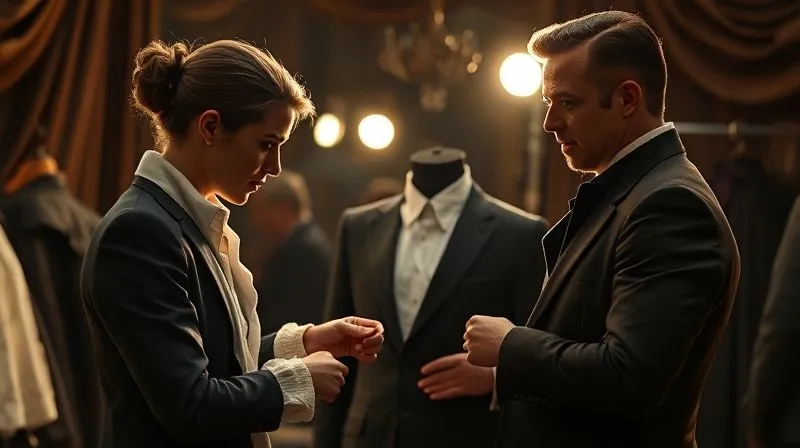
A costume design, no matter how brilliant on paper, is only as effective as its execution on stage. This necessitates a deep, ongoing collaboration between the designer, the actor, and the wardrobe dresser. I've seen countless times how a lack of communication can derail even the most meticulously planned quick change.
Fostering Effective Collaboration
- Early Actor Involvement: Bring the actor into the quick change planning process early. Their input on comfort, mobility, and personal preferences is invaluable. They are the ones performing in the costume under pressure.
- Dresser Briefings and Rehearsals: The wardrobe dresser is the unsung hero of the quick change. Provide them with detailed diagrams, a step-by-step guide, and ample time to rehearse the change with the actor. Practice makes perfect, and dressers need to develop muscle memory.
- Design for the Dresser: Consider the dresser's perspective. Are there clear grab points? Are fasteners easily accessible? Is there enough space for their hands? Sometimes, a small loop or an extended tab can make all the difference.
- Open Feedback Loop: Establish a system for actors and dressers to provide feedback during rehearsals. Be prepared to make adjustments, even minor ones, to improve the efficiency and comfort of the change.
Beyond the Garment: Workflow, Space, and Lighting Considerations
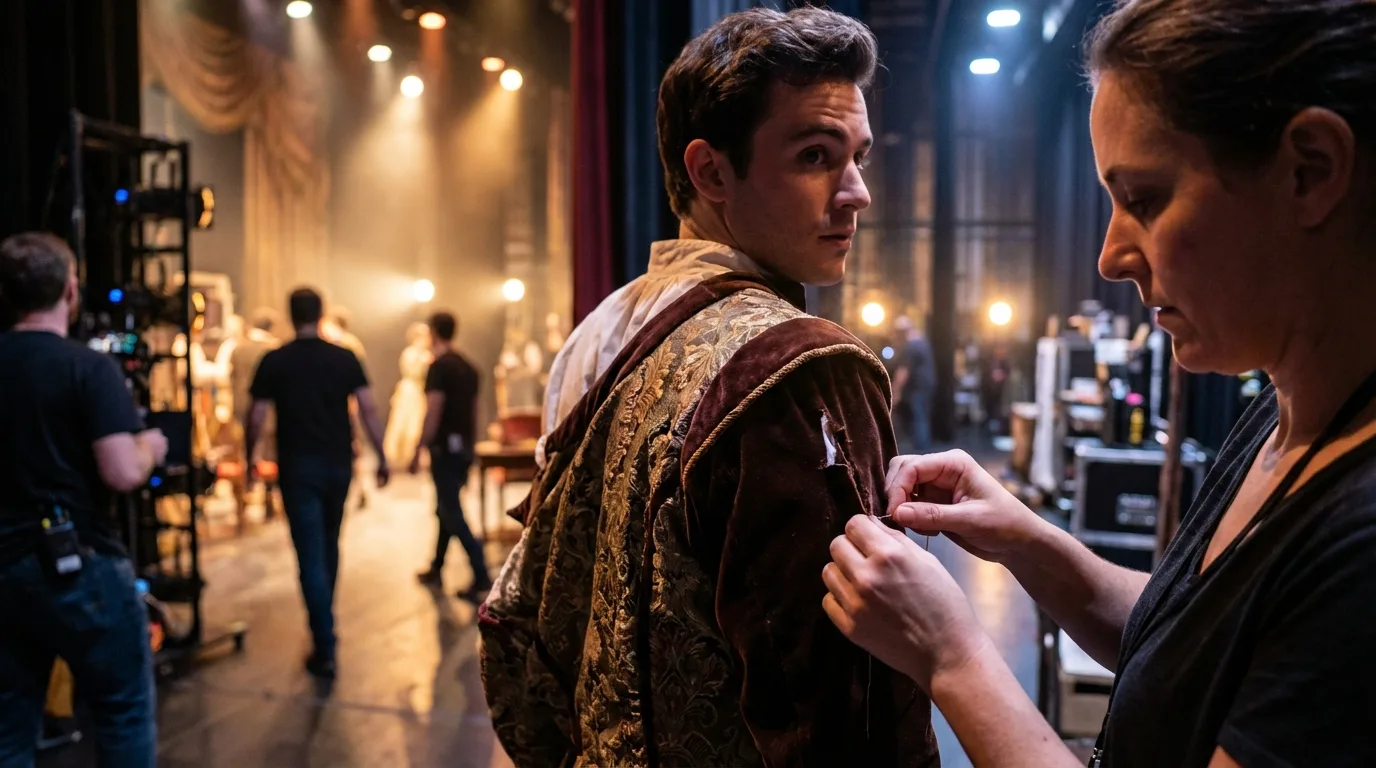
Designing a quick-change costume isn't solely about the garment itself; it's about the entire environment in which that change occurs. A perfect costume can still fail if the backstage logistics are ignored.
Optimizing the Quick Change Environment
- Dedicated Quick Change Stations: If possible, designate specific, well-organized areas for quick changes. These stations should have adequate space, a clear pathway, and minimal distractions.
- Strategic Layout: Plan the exact placement of each costume piece and accessory within the quick change area. Everything should be within easy reach, in the order it's needed. Use labeled bins, hanging racks, and tables.
- Adequate Lighting: While often dimly lit, quick change areas need sufficient, focused light for dressers and actors to see what they're doing. This might involve clip-on lights or dedicated work lights.
- Sound Management: Consider the noise factor. Velcro can be loud. Ensure any noisy fasteners are used in moments where the sound won't carry to the audience or during a loud musical cue.
- Emergency Kits: Always have a small kit with basic sewing supplies, safety pins, and quick-fix adhesives on hand. Unexpected snags happen.
A study published in 'Theatre Design & Technology' highlighted that environmental factors, such as lighting and spatial organization, contribute nearly as much to quick change efficiency as the costume design itself. It's a holistic problem to solve. Access TDT Journal articles here.
Anticipating the Unexpected: Troubleshooting and Rehearsal
The theatre is a living, breathing entity, and things rarely go exactly as planned. My experience has taught me that the best quick change designs are those that build in a margin for error and are rigorously tested.
Building Resilience into Quick Changes
- Dry Runs and Tech Rehearsals: Never wait until opening night. Conduct multiple dry runs of every quick change, first with just the dresser and actor, then during technical rehearsals with full stage lighting and sound cues.
- Stress Testing: Intentionally introduce minor stressors during rehearsal – a slightly delayed cue, a dropped item – to see how the change holds up. This reveals weaknesses in the design or workflow.
- Backup Plans: What if a zipper breaks? What if a magnet detaches? Have a contingency plan for common failures. This might involve pre-sewn emergency fasteners or strategically placed safety pins.
- Video Review: Record quick changes during rehearsal. Watching the playback allows for objective analysis of movements, timing, and potential snags that might be missed in the moment.
- Actor Feedback Post-Performance: After a few performances, check in with the actors and dressers. Are there any recurring issues? Any fatigue points? Small adjustments can make a big difference over a long run.
The Royal Shakespeare Company, renowned for its intricate historical costumes and demanding performance schedules, dedicates significant rehearsal time specifically to quick changes, treating them as integral pieces of the stage choreography. This investment in rehearsal minimizes mid-show crises and builds confidence. Explore the RSC's production practices.
Frequently Asked Questions (FAQ)
Q: What's the most common mistake designers make with quick change costumes? The most common mistake I've observed is designing for aesthetics first and functionality second. Designers often fall in love with a look that uses traditional, time-consuming closures or delicate fabrics, without fully considering the real-world demands of a 15-second change in the dark. Prioritizing the actor's experience and the dresser's workflow from the outset is crucial.
Q: How do I balance historical accuracy with quick change needs for period pieces? This is a classic challenge. For period costumes, I often recommend a 'hybrid' approach. Maintain historical accuracy on the visible, outer layers and key silhouettes, but integrate modern quick-release solutions into hidden plackets, underarm seams, or closures that are concealed by other garments. For instance, a historically accurate corset might be worn, but the outer gown uses magnetic closures or a hidden zipper instead of hundreds of hooks and eyes. Sometimes, a 'cheater' garment (a simplified, quick-change friendly version) is used for a very brief appearance, while the full, accurate version is for longer scenes.
Q: Can quick change costumes be durable enough for a long run? Absolutely, and they must be. Durability is paramount. This requires selecting robust fabrics, reinforcing all stress points (seams, closures, attachment points), and using high-quality hardware. Industrial-grade Velcro, reinforced stitching, and sturdy zippers are non-negotiable. Regular maintenance and repairs by the wardrobe department are also key to extending the life of quick change garments throughout a long production run.
Q: What role does the actor's physical training play in quick changes? A significant one. While not directly a design challenge, an actor's familiarity with their body, their agility, and their ability to stay calm under pressure are huge assets. Designers can help by creating costumes that allow for maximum freedom of movement, but ultimately, the actor's ability to quickly and efficiently don or doff a garment is a learned skill that benefits from rehearsal and physical awareness.
Q: Are there any specific tools or technologies that aid quick changes? Beyond the fasteners I've mentioned, technology plays a role in organization. Digital quick change plots (diagrams showing each step), specialized lighting fixtures for backstage, and even silent communication systems (e.g., headsets for wardrobers) can enhance efficiency. Some designers experiment with RFID tags on costume pieces for inventory management, though this is less common for the actual change process itself.
Key Takeaways and Final Thoughts
- Prioritize Functionality: Design for speed and ease of use, not just visual appeal.
- Layer Strategically: Utilize versatile base layers and modular components.
- Embrace Innovation: Integrate modern quick-release fasteners.
- Choose Wisely: Select durable, wrinkle-resistant fabrics with good stretch.
- Collaborate Continuously: Work closely with actors and dressers from concept to curtain.
- Optimize the Environment: Plan the backstage space, lighting, and workflow.
- Rehearse Relentlessly: Test and troubleshoot every quick change under realistic conditions.
Solving quick change costume design challenges for stage actors isn't merely about clever tricks; it's about a holistic approach to theatrical production. It demands foresight, empathy, and a deep respect for the craft of performance. By integrating these expert insights and actionable strategies into your design process, you won't just create costumes; you'll craft seamless moments of stage magic, empowering actors and enchanting audiences, one rapid transformation at a time. The theatre waits for no one, but with thoughtful design, neither will your actors.
Recommended Reading
- 7 Proven Strategies: Minimize Dead Stock in Kids' Seasonal Apparel Lines
- Mastering Costume Longevity: 7 Ways to Beat Stage Lighting Damage
- The Ultimate Guide: How to Care for Anti-Reflective Coating on Glasses
- 5 Expert Strategies: Wear Smart Accessories Without Looking Inappropriate
- 7 Pillars: Retaining Master Artisan Skills for Luxury Brand Legacy


Your email address will not be published. Required fields are marked *