

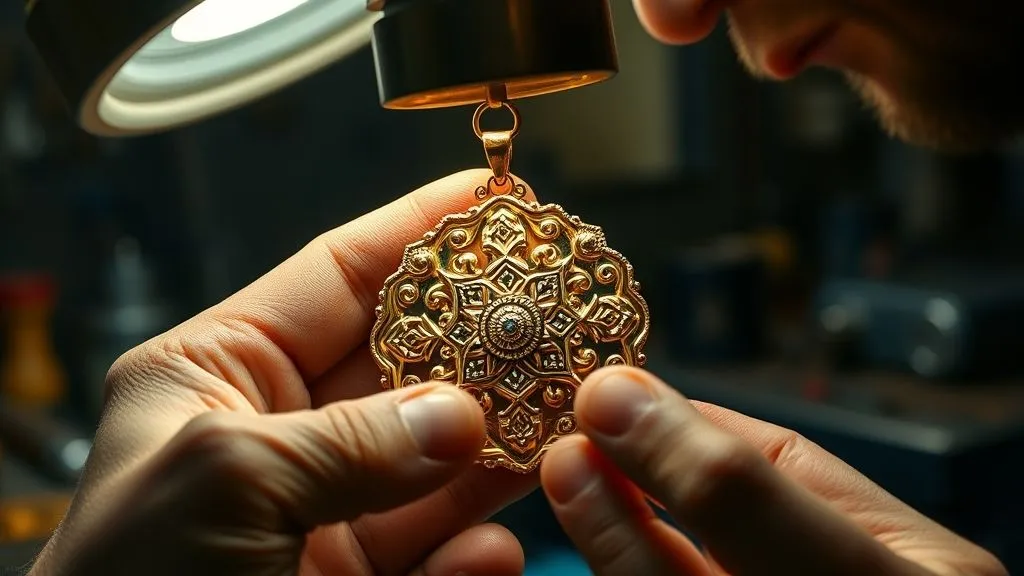
Solving Porosity Issues in Intricate Jewelry Castings: A Master Jeweler's Approach
For over three decades in the demanding world of jewelry design and manufacturing, I've witnessed firsthand the sheer frustration that porosity can inflict upon even the most skilled artisan. There's nothing quite as disheartening as pouring your heart and soul into an intricate wax model, investing it with meticulous care, only to discover tiny, tell-tale pockmarks or internal voids after casting.
This isn't just an aesthetic flaw; porosity compromises the structural integrity of your piece, making it brittle, difficult to finish, and ultimately diminishing its value and your reputation. It's a silent saboteur that can turn a masterpiece into scrap, leading to costly reworks, lost time, and disappointed clients.
But fear not, fellow craftspeople. Through years of trial, error, and collaboration with some of the finest metallurgists and casting technicians, I've distilled a comprehensive, actionable framework for not just minimizing, but truly **solving porosity issues in intricate jewelry castings**. This guide will reveal the battle-tested strategies, expert insights, and practical techniques that will empower you to achieve the flawless, dense castings your intricate designs deserve.
Understanding the Enemy: The Root Causes of Porosity
Before we can conquer porosity, we must understand its origins. It's rarely a single culprit, but often a combination of factors. In my experience, the vast majority of porosity can be traced back to three primary mechanisms:
Gas Porosity: Air Entrapment and Dissolved Gases
This is perhaps the most common form, appearing as spherical or irregular voids. Gas porosity occurs when gases become trapped within the solidifying metal. This can happen in a few ways:
- Trapped Air: Air gets caught in the investment mold during pouring, or during the metal's flow.
- Dissolved Gases: Molten metal, especially certain alloys, can absorb gases (like oxygen, hydrogen, nitrogen) from the surrounding atmosphere or from impurities in the metal itself. As the metal cools and solidifies, its solubility for these gases decreases, forcing them out of solution to form bubbles.
- Mold Gases: Volatiles from an improperly burned-out investment or moisture can generate gases that are absorbed by or trapped in the metal.
Shrinkage Porosity: Inadequate Feeding and Hot Spots
Shrinkage porosity manifests as irregular, angular voids, often found in thicker sections or at junctions. It arises because metals contract as they cool and solidify. If there isn't enough molten metal to 'feed' these shrinking areas during solidification, voids will form.
- Inadequate Feeding: Poor sprue and gate design can restrict the flow of molten metal to areas that are still solidifying, causing them to draw material from other areas and create voids.
- Hot Spots: Areas that remain molten longer than surrounding sections can become isolated, leading to localized shrinkage porosity as they cool without sufficient feed metal.
Inclusions and Contaminants
While not strictly 'porosity' in the gaseous or shrinkage sense, non-metallic inclusions (e.g., bits of investment, oxides, slag) can create stress points and appear as defects that mimic porosity. These contaminants prevent the metal from flowing smoothly and can create pathways for gas entrapment.
Precision Investment: The Foundation of Flawless Casting
The investment material isn't just a mold; it's the crucible for your design, and its quality and preparation are paramount. A flawed investment is a guaranteed path to porosity.
- Choose Wisely: Always select a high-quality, fine-grain investment specifically formulated for intricate jewelry casting. Different alloys require different investment types. Consult your supplier's recommendations.
- Accurate Mixing Ratios: Do not eyeball it! Use precise measurements for investment powder and water, as specified by the manufacturer. Incorrect ratios lead to weak molds, surface defects, and gas permeability issues.
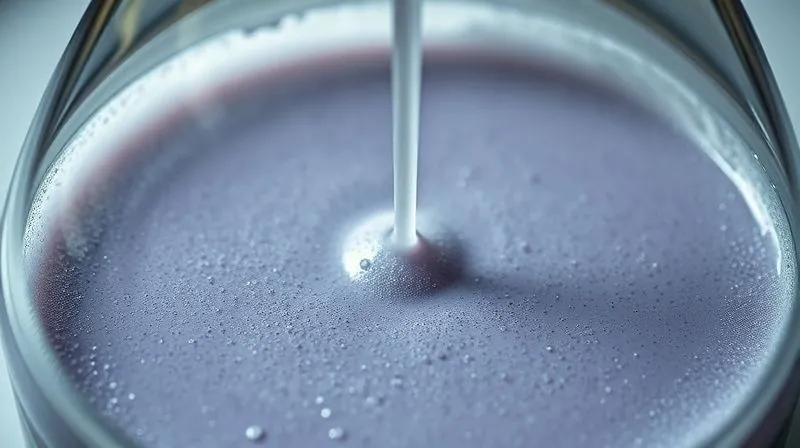
- Thorough Mixing: Mix the investment thoroughly but carefully to avoid introducing excessive air bubbles. Use a vacuum mixer if possible, or mix slowly and methodically by hand before vacuuming.
- Effective Vacuuming: This is crucial. Place your flask under vacuum immediately after mixing and again after filling to remove all trapped air bubbles. Ensure your vacuum pump is properly maintained and pulling a strong vacuum (at least 28-29 inches Hg).
- Proper Burnout Cycle: Follow the investment manufacturer's burnout schedule meticulously. This ensures all wax is completely eliminated and the mold reaches the correct casting temperature. Incomplete burnout leaves carbon residues that can react with molten metal, creating gas porosity.
Expert Insight: "The investment is your casting's first line of defense against porosity. Treat it with the respect it deserves. A perfectly prepared investment can compensate for minor issues elsewhere, but a poorly prepared one will doom even the best metal pouring."
Even the most advanced casting equipment cannot overcome fundamental flaws in investment preparation. It's the silent hero of successful casting.
Mastering the Melt: Temperature, Atmosphere, and Metal Purity
The moment of melt is critical. The quality of your molten metal directly influences the final casting's density and freedom from defects.
Optimal Melting Temperatures and Overheating Risks
Each alloy has an optimal casting temperature range. Melting too cold can lead to incomplete fills and cold shuts, while overheating is a major cause of gas porosity. Overheated metal absorbs more gas and can cause excessive investment breakdown.
- Use a Pyrometer: Don't guess. A reliable pyrometer is essential for accurately measuring the metal's temperature.
- Follow Alloy Specifications: Adhere strictly to the alloy manufacturer's recommended casting temperatures.
- Avoid Prolonged Melting: Minimize the time the metal spends in a molten state to reduce gas absorption and oxidation.
Controlled Atmosphere and Oxidation Prevention
Exposure to oxygen during melting is a primary source of oxides and dissolved gases. Using a protective atmosphere or flux is vital.
- Inert Gas Shielding: For induction melting, an argon or nitrogen atmosphere can significantly reduce oxidation and gas absorption.
- Fluxes: Appropriate fluxes can protect the molten metal surface from oxidation and help scavenge impurities.
- Crucible Material: Ensure your crucibles are clean, properly seasoned, and made of materials compatible with your alloy to prevent contamination.
Metal Purity and Alloy Selection
The quality of your raw metal stock is non-negotiable. Always use virgin metal or carefully refined scrap. Impurities in recycled metal can introduce gas-forming elements.
Some alloys are inherently more susceptible to porosity than others. For example, certain white gold alloys with high palladium content can be more challenging due to their gas absorption characteristics. Understanding your chosen alloy's metallurgy is key.
| Alloy Type | Porosity Susceptibility | Common Issues | Best Practices |
|---|---|---|---|
| Yellow Gold (14K/18K) | Moderate | Gas absorption, shrinkage if not fed well | Controlled melt, proper spruing, vacuum casting |
| White Gold (Nickel-based) | High | Gas absorption, micro-porosity | Argon shield, higher vacuum, careful temperature control |
| Platinum | Low to Moderate | Gas absorption, surface imperfections | Oxygen-acetylene torch, protective atmosphere |
| Sterling Silver | High | Oxygen absorption, fire scale | Deoxidized alloys, flux, rapid pour |
Strategic Spruing and Gating: Directing the Flow
The sprue and gate system is the circulatory system of your casting. Its design dictates how molten metal fills the mold and, crucially, how it feeds solidifying sections to prevent shrinkage porosity. This is where many intricate jewelry castings falter.
- Thicker Sprue Base: Always use a sprue that is thicker than the thickest part of your casting. This ensures the sprue remains molten longer, feeding the solidifying piece.
- Conical Sprue Design: A slightly conical sprue (wider at the bottom, tapering towards the flask opening) promotes directional solidification, pushing molten metal into the casting.
- Strategic Gate Placement: Attach gates to the thickest sections of your design. For intricate pieces, multiple, smaller gates might be necessary to ensure all areas are fed. Avoid attaching gates to thin, delicate areas that will solidify too quickly.
- Smooth Transitions: Avoid sharp angles or abrupt changes in sprue/gate thickness. These create turbulence and can trap air. Use smooth, flowing transitions.
- Ventilation: For very intricate, thin sections, consider adding small vents or 'runners' that allow trapped air to escape ahead of the incoming metal.
- Feeder Reservoirs: For particularly dense or thick sections, a small reservoir (a 'button' or 'feeder') can be added to provide an extra supply of molten metal as that section solidifies.
Case Study: How 'Artisan Castings Inc.' Achieved Flawless Rings
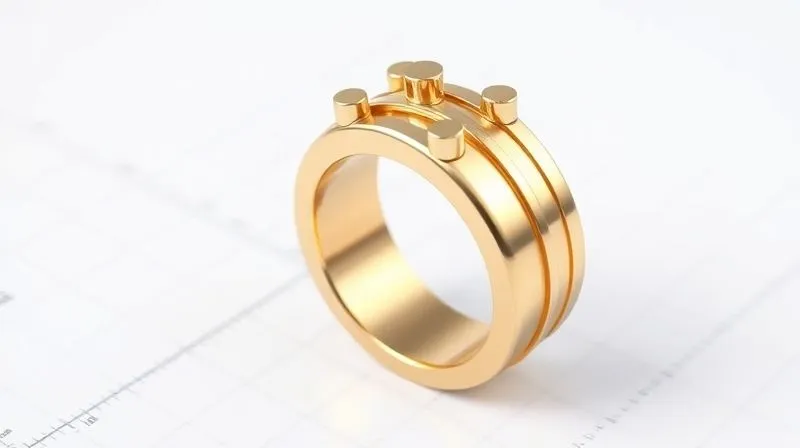
Artisan Castings Inc., a boutique studio specializing in highly detailed engagement rings, struggled with persistent micro-porosity in their intricate pavé settings. Despite perfect investment and metal prep, tiny voids appeared, especially where multiple prongs converged. By redesigning their spruing system to include multiple, smaller gates leading into a carefully designed feeder button beneath the main setting, and ensuring all gate attachments were to the thickest sections of the ring shank, they drastically reduced porosity. This resulted in a 90% reduction in rework and a significant boost in client satisfaction, demonstrating the power of thoughtful sprue design in **solving porosity issues in intricate jewelry castings**.
Vacuum and Pressure: The Dynamic Duo for Density
These two techniques are indispensable for achieving dense, porosity-free castings, especially with intricate designs.
Pre-Vacuuming the Flask: Eliminating Trapped Air
Before casting, the investment flask should be placed under vacuum. This draws out any residual air from the mold cavity and also helps to draw molten metal into the finest details.
Vacuum Casting Techniques
In vacuum casting, the molten metal is poured into a flask that is held under vacuum. The vacuum literally pulls the metal into every crevice of the mold, minimizing air entrapment and improving fill. This is particularly effective for intricate, delicate designs.
Pressure Casting Benefits
Pressure casting, often used in conjunction with vacuum, applies positive pressure immediately after the pour. This forces the molten metal into the mold under pressure, compressing any trapped gases into smaller, less noticeable pores, and ensuring complete fill, especially in areas prone to shrinkage. It's like giving the metal an extra push to fill every nook and cranny.
Expert Insight: "For the ultimate defense against porosity in complex pieces, I advocate for a combination of vacuum-assist during the pour, immediately followed by pressure casting. This one-two punch is incredibly effective at both drawing out air and compacting the metal."
Post-Casting Protocols: Beyond the Pour
Your work isn't done after the pour. What happens next significantly impacts the final quality.
Controlled Cooling Rates
Allow the flask to cool naturally in the air for a specific period (usually 10-30 minutes, depending on the alloy and flask size) before quenching. Rapid quenching can induce stress and thermal shock, potentially leading to cracks or affecting grain structure. Controlled cooling promotes proper solidification and minimizes internal stresses.
Investment Removal and Cleaning
Carefully remove the investment. Use a high-pressure water blaster for efficiency, but always inspect for any residual investment, especially in intricate areas. Leftover investment can cause surface defects during subsequent finishing processes.
Inspection and Remediation
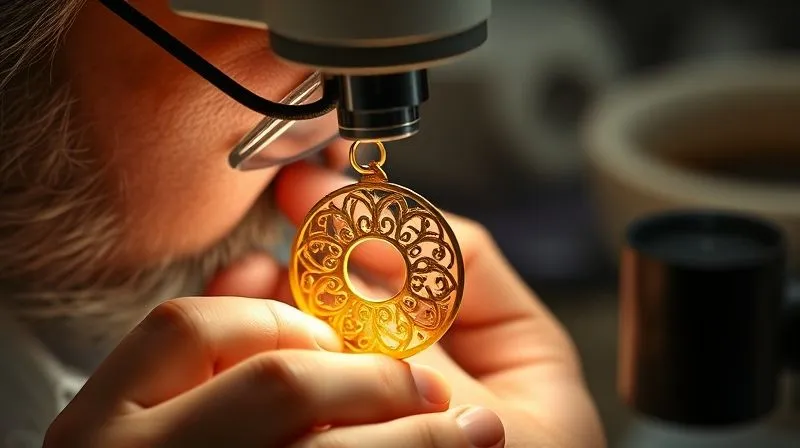
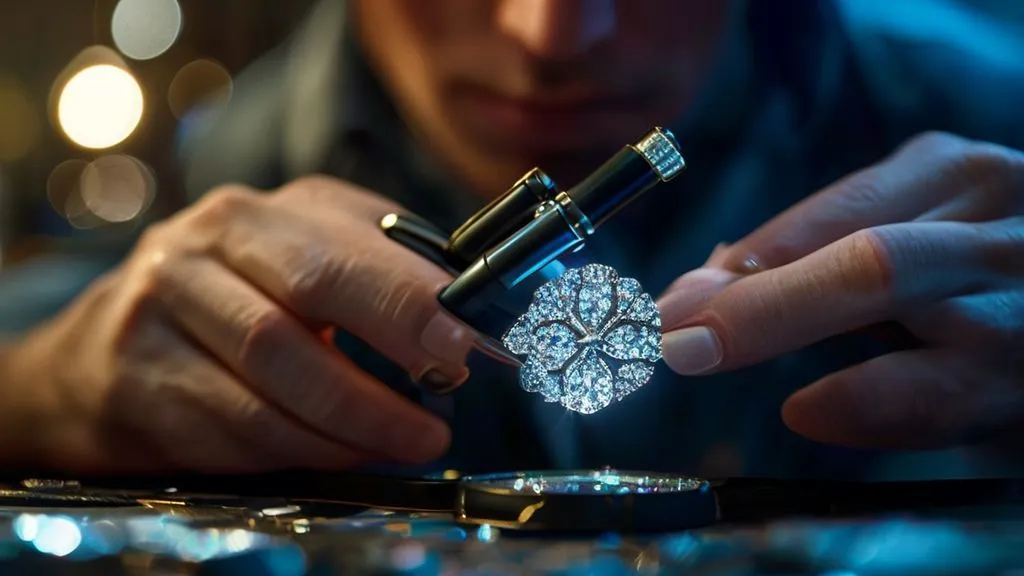
Once cleaned, meticulously inspect the casting under magnification. Look for any signs of porosity, incomplete fills, or surface imperfections. Early detection allows for more effective remediation. Small, superficial porosity can sometimes be laser-welded or filled, but extensive internal porosity usually warrants remelting.
Advanced Diagnostics and Continuous Improvement
True mastery comes from understanding not just *how* to fix problems, but *why* they occur. Embrace a data-driven approach to your casting process.
- Defect Analysis: When porosity occurs, don't just scrap the piece. Analyze it. Where is the porosity located? Is it spherical (gas) or angular (shrinkage)? This provides crucial clues about the root cause.
- Process Log: Keep detailed logs of your casting parameters: metal temperature, flask temperature, vacuum levels, alloy batch, sprue design, and even atmospheric conditions. This helps identify correlations between variables and defects.
- Microscopic Examination: For persistent issues, a cross-section of a defective casting examined under a metallurgical microscope can reveal the exact nature and distribution of pores, guiding your corrective actions.
- Experimentation: Systematically change one variable at a time (e.g., slightly adjust flask temperature, try a different sprue attachment) and record the results. This scientific approach helps optimize your process.
According to a study published by ASM International, consistent process monitoring and defect analysis are key differentiators between high-volume, low-defect casting operations and those plagued by inconsistencies. It's about turning every failed casting into a learning opportunity.
The Human Element: Training, Experience, and Consistency
Even with the most advanced equipment and perfect protocols, the human touch remains indispensable. The skill, judgment, and consistency of the casting technician are paramount. Investing in continuous training and fostering a culture of precision can significantly impact your success in **solving porosity issues in intricate jewelry castings**.
As I've often told my apprentices, casting is as much an art as it is a science. It requires a keen eye, a steady hand, and an intuitive understanding of metal behavior. Encouraging ongoing education, like courses offered by institutions such as the Gemological Institute of America (GIA), can elevate the collective expertise of your team and lead to fewer defects.
Frequently Asked Questions (FAQ)
Q: Can porosity ever be completely eliminated in intricate jewelry castings? A: While achieving 100% porosity-free castings is an ideal often pursued but rarely perfectly attained, it is absolutely possible to reduce porosity to an undetectable and non-detrimental level. The goal is to minimize both the size and frequency of pores to a point where they don't affect the aesthetics, structural integrity, or finishing of the piece. With diligent adherence to best practices, near-perfect results are consistently achievable.
Q: What's the most common mistake jewelers make leading to porosity in intricate designs? A: In my experience, the single most common mistake is inadequate sprue and gate design, particularly for complex geometries. Jewelers often underestimate the importance of directional solidification and proper feeding. Attaching gates to thin sections or having sprues that solidify too quickly starves the casting, leading to shrinkage porosity. The second most common is insufficient vacuuming of the investment.
Q: How do I know if my investment is mixed correctly and properly vacuumed? A: A correctly mixed investment slurry should be smooth, lump-free, and have a creamy consistency, similar to pancake batter. After vacuuming, the surface should be completely free of bubbles, appearing perfectly smooth and uniform. If you see persistent bubbles or a frothy surface, either your vacuum pump is weak, or you haven't vacuumed long enough/effectively.
Q: Is vacuum casting always better than centrifugal casting for intricate pieces? A: Not always, but often. Vacuum casting excels at pulling molten metal into extremely fine details and eliminating gas entrapment. Centrifugal casting, while excellent for creating dense castings and overcoming resistance to flow, can sometimes trap air in complex geometries if not carefully managed. For intricate work, a vacuum-assist pour followed by pressure (or a full vacuum casting setup) is generally preferred.
Q: What role does flask temperature play in preventing porosity? A: Flask temperature is critical. If the flask is too cold, the molten metal can solidify prematurely, leading to incomplete fills and cold shuts. If it's too hot, it can cause the metal to absorb more gas, or even damage the investment, leading to surface defects and gas porosity. The ideal flask temperature ensures the metal remains fluid long enough to fill the mold completely but cools at a controlled rate to promote proper solidification. Always follow the alloy and investment manufacturer's recommendations.
Key Takeaways and Final Thoughts
Mastering the art of casting intricate jewelry, free from porosity, is a journey of continuous learning and meticulous attention to detail. It demands an understanding of metallurgy, a respect for process, and a commitment to precision at every step. By focusing on the fundamentals and embracing advanced techniques, you can transform your casting results.
- Invest in Quality: From your investment material to your raw metal, never compromise on quality.
- Master Your Melt: Control temperature, atmosphere, and purity to prevent gas absorption.
- Design for Flow: Optimize sprue and gate systems to ensure proper feeding and directional solidification.
- Leverage Technology: Utilize vacuum and pressure casting to eliminate air and compact metal.
- Analyze and Adapt: Treat every casting, especially defective ones, as a learning opportunity to refine your process.
The journey to consistently flawless castings is challenging, but immensely rewarding. Each perfectly cast, intricate piece is a testament to your skill, patience, and dedication. Embrace these strategies, experiment with confidence, and watch your jewelry designs come to life with the impeccable quality they deserve. For further industry insights and best practices, I highly recommend exploring resources from the World Gold Council.
Recommended Reading
- Scaling WBP Fabric Production: 7 Ways to Maintain Peak Performance
- 7 Steps: Compelling Lookbooks on a Shoestring Budget & Small Team
- 12+ Hours Flawless: How to Make Makeup Last on Oily Skin Under Studio Lights?
- 7 Steps to Safely Clean & Preserve Fragile Vintage Silk Heirlooms
- Unlock the Secret: How to Style Oversized Sweaters Without Looking Frumpy?



Your email address will not be published. Required fields are marked *