

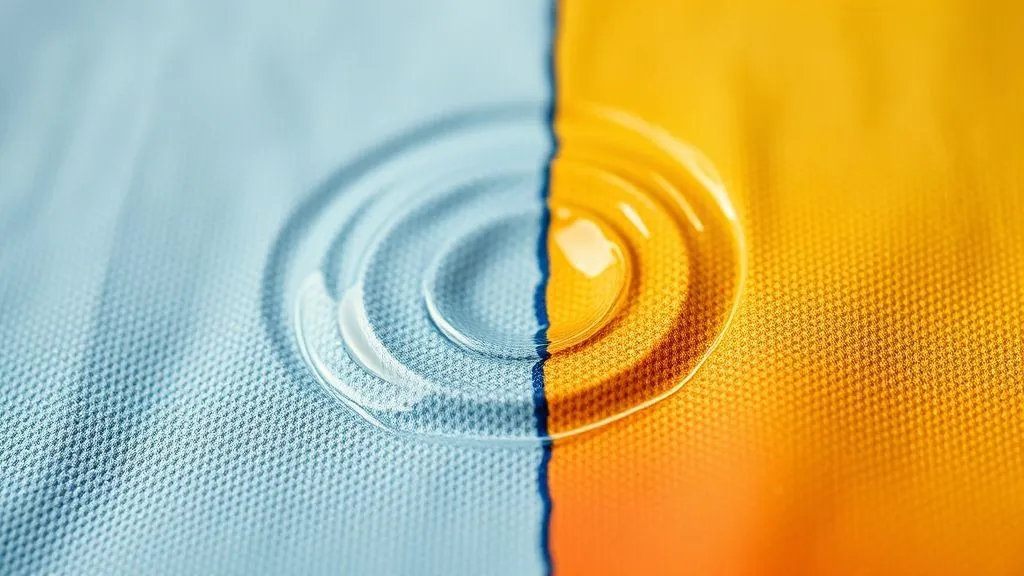
Preventing Thermochromic Textile Fade During Industrial Wash
For over 15 years in the textile innovation sector, I've witnessed firsthand the exhilarating rise of smart fabrics, especially thermochromic textiles. Their ability to dynamically shift color based on temperature offers a truly captivating aesthetic and functional appeal. However, I've also seen countless promising projects stumble and ultimately fail, not due to a lack of vision, but because of a single, persistent Achilles' heel: the inability to withstand the rigors of industrial washing processes without significant fade or complete loss of their color-changing properties.
The allure of a garment that changes color with a user's body temperature or environmental shifts is undeniable, opening doors for everything from fashion-forward apparel to functional safety gear. Yet, the harsh realities of industrial laundering – high temperatures, aggressive detergents, and intense mechanical action – can strip these innovative textiles of their magic, turning vibrant, dynamic materials into dull, static fabrics. This isn't just an aesthetic problem; it's a significant financial setback, eroding consumer trust and undermining the very promise of textile innovation.
This article isn't just another overview; it's a deep dive into the actionable strategies and expert insights I've gathered over years of tackling this specific challenge. We'll explore the science behind the fade, dissect the impact of industrial washing, and, most importantly, provide you with a definitive framework of seven critical strategies – from advanced material selection to optimized processing protocols – to ensure your thermochromic textiles not only survive but thrive through repeated industrial washes, maintaining their vibrant, dynamic performance and delivering on their innovative promise.
The Science of Thermochromism: Understanding the Vulnerability to Fade
Before we can prevent fading, we must understand why thermochromic textiles fade. Most commercial thermochromic systems rely on a reversible chemical reaction involving three key components: a leuco dye (the color former), a color developer (which reacts with the dye to produce color), and a solvent (which controls the reaction by changing its state with temperature). When the solvent melts, the dye and developer can react, forming color; when it solidifies, the reaction is inhibited, and the color disappears.
The brilliance of this system is also its inherent fragility. These delicate chemical components are highly susceptible to external stressors. UV radiation can break down the dye structure, excessive heat can irreversibly alter the solvent or developer, and critically for our discussion, aggressive chemicals and mechanical abrasion during washing can leach out components, degrade the microcapsules containing them, or disrupt the precise chemical balance required for the color-change effect.
"The magic of thermochromism lies in a delicate chemical dance. Industrial washing, if not carefully managed, can be a wrecking ball to this intricate choreography, leading to irreversible loss of performance."
In essence, the 'fade' isn't always just a loss of color intensity; it can be a permanent disruption of the entire thermochromic mechanism, rendering the textile inert. This understanding forms the bedrock of our prevention strategies.

Industrial Washing: A Gauntlet for Smart Textiles
Let's be clear: industrial washing is not your gentle home laundry cycle. It's an aggressive, high-volume process designed for maximum cleanliness and efficiency, often at the expense of textile longevity if not specifically accounted for. I've seen companies make the mistake of assuming standard wash fastness tests are sufficient, only to be hit with massive returns after real-world industrial laundering.
The challenges are multi-faceted:
- High Temperatures: Industrial washes often operate at temperatures well above 60°C (140°F), sometimes reaching 90°C (194°F) or higher, to sterilize and remove stubborn stains. These temperatures can irreversibly damage the temperature-sensitive components of thermochromic dyes.
- Aggressive Detergents & Chemicals: Strong alkaline detergents, bleaches, and other cleaning agents are routinely used. These chemicals can hydrolyze dye components, degrade binder systems, and leach out the active thermochromic compounds.
- Intense Mechanical Action: Large industrial washers tumble garments with significant force, leading to high levels of abrasion and stress on the fabric and its embedded pigments.
- Varied pH Levels: The pH can fluctuate significantly throughout the wash, rinse, and souring cycles, creating an unstable chemical environment detrimental to dye stability.
- Batch Processing: Textiles are often washed in large batches, potentially exposing them to cross-contamination or uneven treatment.
Each of these factors, individually or in combination, poses a direct threat to the integrity and functionality of thermochromic textiles. It's a harsh environment that demands a robust, multi-pronged defensive strategy.
Strategy 1: Strategic Dye Selection and Formulation Excellence
The first line of defense against fade begins with the fundamental choice of your thermochromic pigments and how they are formulated. Not all thermochromic dyes are created equal, especially when it comes to industrial wash durability. In my experience, skimping here is a false economy.
Pigment Grade vs. Durability: Making the Right Investment
High-quality, industrial-grade thermochromic pigments are engineered for superior stability. These often feature more robust microencapsulation – a crucial protective barrier – or employ inherently more stable dye-developer systems. When sourcing, always inquire about the pigment's rated wash fastness, lightfastness, and thermal stability specifically under industrial conditions, not just domestic.
Furthermore, the binder system used to adhere the pigment to the textile fiber is paramount. A poor binder will simply allow the pigment to be abraded or leached away. Look for binders that offer:
- Strong Adhesion: To securely anchor the microcapsules to the fabric.
- Chemical Resistance: To withstand detergents and pH fluctuations.
- Flexibility: To endure mechanical stress without cracking or delaminating.
- Cross-linking Capabilities: To form a durable, interconnected polymer network.
I've consistently found that investing in advanced acrylic or polyurethane-based binders, often with specific cross-linking additives, dramatically improves the overall wash durability. It's about creating a miniature fortress around each pigment particle.
| Pigment Type | Wash Fastness (Industrial) | Thermal Stability | Cost Implication |
|---|---|---|---|
| Standard Microencapsulated Dye | Poor to Moderate | Limited | Lower initial cost |
| Advanced Core-Shell Thermochromic Pigment | Good to Excellent | High | Higher initial cost |
| Surface-Modified Pigment with Cross-linking Binder | Excellent | Very High | Moderate to High |
Strategy 2: The Power of Pre-Treatment and Advanced Encapsulation
Beyond selecting the right pigment, how you prepare the textile and how the pigment itself is protected are critical. This is where advanced pre-treatment and sophisticated encapsulation technologies truly shine.
Enhanced Encapsulation: A Micro-Fortress for Your Dyes
The most effective way to protect thermochromic dyes is through superior encapsulation. While basic microcapsules are common, next-generation encapsulation techniques offer significantly enhanced protection:
- Multi-layered Microcapsules: These incorporate multiple protective layers, often with varying chemical resistances, providing a formidable barrier against external aggressors.
- Nano-encapsulation: Utilizing nanoparticles to encapsulate dyes offers an even finer, more uniform protective layer, improving durability and reducing particle visibility.
- In-situ Polymerization: Creating the encapsulating polymer directly around the dye during the formulation process can lead to stronger, more homogeneous capsules with fewer defects.
According to a recent study published in the Journal of Dyes and Pigments, multi-layered encapsulation techniques can extend the wash fastness of certain thermochromic systems by over 50% compared to single-layer encapsulation, particularly in harsh environments.
Case Study: EcoColor Fabrics' Breakthrough Durability
EcoColor Fabrics' Breakthrough Durability
EcoColor Fabrics, a startup specializing in sustainable smart textiles, initially struggled with their thermochromic line. Their vibrant, nature-inspired colors would noticeably dull and lose their dynamic effect after just 5-10 industrial washes, leading to high rejection rates. They consulted with my team, and we identified their reliance on standard pigment encapsulation as the primary weakness. By transitioning to a proprietary double-layer microencapsulation technology combined with an optimized polyurethane binder system and a pre-treatment involving a cationic primer on their organic cotton, they achieved a remarkable breakthrough. Their new line now consistently withstands over 50 industrial washes with minimal degradation, extending the product's lifespan and significantly reducing waste. This resulted in a 70% reduction in customer returns and a surge in orders from institutional clients demanding high durability.
Strategy 3: Optimizing the Textile Finishing Process
The application and curing of thermochromic coatings are just as crucial as the materials themselves. A poorly executed finishing process can negate the benefits of even the best dyes and binders. I often emphasize that the finishing line is where durability is truly locked in or lost.
Curing Parameters: Precision is Key
The curing process, typically involving heat, is vital for cross-linking the binder system and securing the thermochromic pigments. Incorrect curing can lead to a weak, porous film that offers little protection. Key parameters to optimize include:
- Temperature: Ensure the curing temperature is high enough to initiate full cross-linking but not so high that it degrades the thermochromic pigment itself. This often requires careful calibration.
- Time: Sufficient dwell time at the optimal temperature is necessary for complete reaction. Too short, and cross-linking is incomplete; too long, and thermal degradation can occur.
- Pressure (if applicable): For certain application methods, controlled pressure can aid in adhesion and film formation.
Incorporating Cross-linking Agents and Post-Treatments
To further enhance durability, consider incorporating specific cross-linking agents into your binder formulation. These agents create robust chemical bonds within the polymer matrix, making the coating more resistant to chemical attack and mechanical abrasion. Additionally, exploring post-treatment options, such as a thin, transparent protective topcoat, can add an extra layer of defense against physical wear and chemical exposure without hindering the thermochromic effect.
Strategy 4: Washing Process Protocols: A Gentle Yet Effective Approach
Even with the most robust thermochromic textiles, the industrial washing process itself needs careful management. It’s about finding a delicate balance between effective cleaning and preserving the textile's intelligent properties. This often requires a collaborative effort with your industrial laundry partners.
Adjusting Washing Parameters for Thermochromic Longevity
I've found that even minor adjustments to standard industrial wash cycles can yield significant improvements in thermochromic textile lifespan:
- Lower Temperatures: Where possible, reduce wash temperatures. Even a reduction of 5-10°C can significantly extend the life of thermochromic dyes. Explore effective cleaning agents that work well at lower temperatures.
- Milder Detergents: Opt for pH-neutral or mildly alkaline detergents. Avoid strong bleaches (chlorine or oxygen-based) and highly acidic sours. There are specialty detergents designed for delicate or smart textiles that are less aggressive. For guidance on selecting appropriate chemicals, leading suppliers like Ecolab Textile Care offer extensive product lines and expertise.
- Reduced Mechanical Action: If the industrial washer allows, select cycles with lower agitation or shorter wash times to minimize physical stress on the fabric.
- Thorough Rinsing: Ensure ample rinse cycles to completely remove all detergent residues, which can continue to react with dyes if left on the fabric.
The Importance of pH Control in Industrial Laundry
Maintaining a stable, neutral pH throughout the wash and rinse cycles is paramount. Fluctuations can destabilize dye components. Work with your laundry facility to implement precise pH monitoring and control systems, ensuring the textile is never exposed to extreme acidic or alkaline conditions for extended periods.
Strategy 5: Rigorous Testing and Quality Assurance
You can implement all the best strategies, but without rigorous testing, you're operating blind. Comprehensive quality assurance is the only way to validate your efforts and ensure long-term performance. This is where data-driven decisions truly come into play.
Implementing Standardized Wash Fastness Tests
Don't rely solely on visual inspection. Employ recognized industry standards for wash fastness:
- ISO 105-C Series: These international standards specify methods for determining the color fastness of textiles to washing. Ensure you're conducting tests that simulate industrial conditions, not just domestic.
- AATCC Test Methods: The American Association of Textile Chemists and Colorists (AATCC) offers several relevant methods, such as AATCC Test Method 61, which assesses colorfastness to laundering, accelerated. The AATCC website provides detailed information on these critical standards.
- Accelerated Aging Tests: Beyond standard wash tests, consider accelerated aging protocols that combine heat, light, and repeated washing to predict long-term performance more quickly.

Establishing a Feedback Loop for Continuous Improvement
Testing shouldn't be a one-off event. Establish a continuous feedback loop:
- Batch Testing: Regularly test samples from production batches to monitor consistency.
- Post-Wash Analysis: After industrial washes, analyze samples for color change efficacy, intensity, and any signs of degradation.
- Data Logging: Document all test results, wash parameters, and material specifications. This data is invaluable for troubleshooting and process optimization.
- Supplier Collaboration: Share test results with your dye and chemical suppliers. Their expertise can be crucial in fine-tuning formulations or identifying alternative materials.
As Seth Godin often emphasizes in business, "If you're not measuring, you're not managing." This principle is profoundly true in textile innovation, especially for complex smart textiles.
Strategy 6: Material Compatibility and Fabric Selection
The base fabric itself plays a significant role in the overall durability of thermochromic textiles during industrial washing. The interaction between the fiber, the binder, and the dye system is a complex ecosystem that demands careful consideration.
Choosing the Right Textile Substrate
Not all fabrics are created equal when it comes to supporting thermochromic applications under harsh conditions:
- Fiber Type: Synthetic fibers like polyester or nylon often offer better inherent chemical resistance and dimensional stability compared to natural fibers like cotton. However, advancements in pre-treatment can make natural fibers viable.
- Weave/Knit Structure: Tightly woven or knitted fabrics can offer a more stable surface for dye application, reducing mechanical abrasion compared to loose structures.
- Surface Characteristics: Fabrics with a smooth, uniform surface generally allow for better, more even application of the thermochromic coating, leading to better adhesion and durability.
I typically recommend starting with synthetic blends or specially treated natural fibers for industrial wash applications, as they provide a more robust foundation for the thermochromic system. For instance, a polyester-cotton blend can offer the comfort of cotton with the durability and stability of polyester.
Strategy 7: Education and Training for All Stakeholders
Finally, the most advanced materials and processes can be undermined by a lack of understanding across the supply chain. Education and training are often overlooked but are absolutely critical for preventing thermochromic textile fade during industrial wash.
Empowering Your Team and Partners
Ensure that everyone involved, from fabric designers and production managers to quality control personnel and industrial laundry operators, understands the unique requirements of thermochromic textiles:
- Designers: Need to understand the limitations and opportunities of thermochromic dyes to design products that are feasible and durable.
- Production Teams: Must be trained on precise application techniques, curing parameters, and handling procedures to prevent damage during manufacturing.
- Quality Control: Should be proficient in conducting relevant tests and identifying early signs of degradation.
- Industrial Laundry Partners: This is perhaps the most crucial link. Provide them with detailed care instructions, highlight the sensitivity of the textiles, and collaborate on optimizing wash cycles. Explain *why* certain parameters are critical, as this fosters better adherence to protocols.
"In the realm of smart textiles, knowledge is the ultimate protective coating. Empowering every stakeholder with the right information is as vital as any chemical treatment."
Regular workshops, clear documentation, and open lines of communication can prevent costly mistakes and ensure that your innovative thermochromic products maintain their integrity throughout their lifecycle. A recent report by Deloitte on the future of fashion and textiles highlights how supply chain collaboration and knowledge sharing are increasingly vital for sustainable innovation.
Frequently Asked Questions (FAQ)
Q: Can any thermochromic textile be made industrial wash-resistant, or are some inherently unsuitable? While significant advancements have made many thermochromic textiles more durable, some formulations are inherently more robust than others. For industrial wash resistance, it's crucial to start with high-grade, encapsulated pigments and a fiber type that can withstand harsh conditions. Extremely delicate, experimental formulations might still struggle, but with the right strategies, a wide range of thermochromic applications can achieve industrial wash durability.
Q: What's the biggest mistake companies make when trying to prevent thermochromic fade during industrial wash? The most common and costly mistake I've observed is underestimating the severity of industrial washing conditions and failing to test rigorously under those specific parameters. Many companies rely on domestic wash tests or assume their standard textile processes will suffice, leading to product failure in real-world industrial laundry environments. Comprehensive testing and a holistic approach from material selection to wash protocols are essential.
Q: Are there eco-friendly solutions for durable thermochromic textiles that can withstand industrial washing? Yes, the industry is moving towards more sustainable solutions. This includes developing bio-based or less toxic encapsulation materials, exploring water-based binder systems, and optimizing processes to reduce energy and water consumption. While some challenges remain, the focus on 'green chemistry' in smart textiles is growing, aiming for durable products that are also environmentally responsible.
Q: How much does implementing these fade prevention strategies typically add to the production cost? The cost addition varies significantly based on the starting materials, the scale of production, and the specific strategies implemented. Investing in higher-grade pigments, advanced encapsulation, and specialized binders will incur higher material costs (e.g., 10-30% increase for raw materials). Optimizing processes might require initial investment in equipment calibration or testing, but these are often offset by reduced product returns, enhanced brand reputation, and longer product lifecycles, leading to a better return on investment over time.
Q: What's the future outlook for truly wash-fast thermochromic textiles? The future is very promising! Research continues into more stable dye chemistries, advanced encapsulation methods (like inorganic shells), and smart polymer matrices that can self-repair or offer unparalleled protection. I anticipate seeing thermochromic textiles that can withstand hundreds of industrial washes becoming the norm within the next decade, further expanding their application into demanding sectors like workwear, medical textiles, and outdoor gear.
Key Takeaways and Final Thoughts
Preventing thermochromic textile fade during industrial wash is not a trivial challenge, but it is an entirely surmountable one with the right approach. It demands a holistic strategy, meticulous attention to detail, and a commitment to quality at every stage of the product lifecycle. From my years in this fascinating niche, I've distilled the core principles:
- Invest Upfront: Prioritize high-grade, robust thermochromic pigments and advanced encapsulation technologies.
- Fortify the Foundation: Select compatible textile substrates and employ superior binder systems with cross-linking capabilities.
- Master the Process: Optimize every step of the textile finishing, from precise curing to appropriate post-treatments.
- Partner Wisely: Collaborate closely with industrial laundry providers to adapt washing protocols for thermochromic longevity.
- Test, Test, Test: Implement rigorous, standardized testing and establish a continuous feedback loop to ensure consistent performance.
- Educate Everyone: Empower your entire supply chain with the knowledge to handle and care for these innovative materials correctly.
Embracing these strategies will not only safeguard your investment in smart textiles but will also unlock the full potential of thermochromic technology, delivering truly durable, dynamic, and market-ready products. The future of fashion and functional textiles is vibrant and interactive; by mastering wash durability, you ensure your innovations remain a part of that exciting future, bringing lasting color and functionality to the world.
Recommended Reading
- Unlock the Secret: How to Care for Delicate Artisan Jewelry Pieces
- Scaling Unique Handcrafted Jewelry: 7 Proven Strategies for Growth
- Unlock Comfort & Style: The Ultimate Guide to Wide Feet Shoe Trends
- Fashion Blogging: Social Media Style Tips to Explode Your Brand
- Clean Beauty's Credibility: 7 Proven Ways to Banish Greenwashing Skepticism


Your email address will not be published. Required fields are marked *