

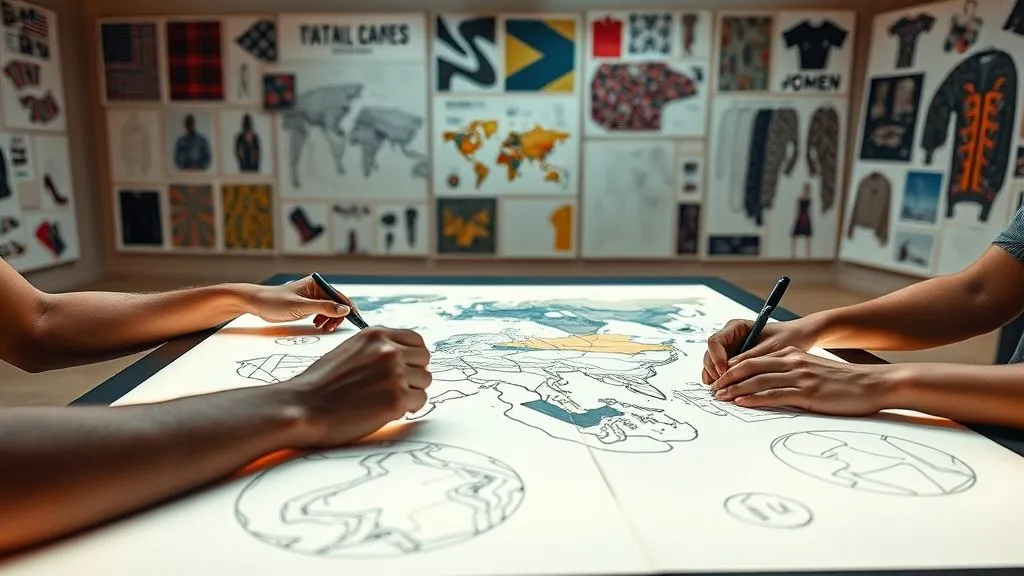
Preventing Cultural Appropriation in Streetwear Design Process?
For over 15 years immersed in the raw, dynamic world of streetwear, I've witnessed its incredible evolution – from niche subculture to a global fashion powerhouse. But alongside this growth, I've also seen the industry stumble, often inadvertently, into the contentious territory of cultural appropriation. It's a mistake that doesn't just draw criticism; it erodes trust, damages brand integrity, and, most importantly, disrespects the very cultures from which inspiration is drawn.
The problem isn't always malicious intent; often, it's a lack of understanding, insufficient research, or a design process that prioritizes aesthetics over ethics. Designers, driven by the rapid pace of trends, can sometimes overlook the profound cultural significance behind symbols, patterns, and styles. This oversight can lead to the commodification and trivialization of traditions, causing real harm to communities who see their heritage reduced to a fleeting trend.
This isn't about stifling creativity or erecting impenetrable walls around cultural exchange. It's about designing with intention, respect, and deep ethical consideration. In this definitive guide, I'll share an actionable framework, born from years of industry experience and observation, offering concrete strategies and expert insights to ensure your streetwear brand navigates the design process ethically, preventing cultural appropriation and fostering genuine appreciation.
Understanding the Nuance: Appropriation vs. Appreciation
Before we dive into actionable steps for preventing cultural appropriation in streetwear design process, it's crucial to grasp the fundamental distinction between cultural appropriation and cultural appreciation. This isn't a black-and-white issue, but rather a spectrum defined by context, power dynamics, and respect.
The Fine Line: Intent vs. Impact
Many designers genuinely believe they are appreciating a culture when they incorporate its elements. However, intent, while important, doesn't negate impact. Cultural appropriation occurs when elements of a minority or marginalized culture are taken by members of the dominant culture without understanding, acknowledgment, or respect for the original context, meaning, or creators. It often involves the commodification of these elements for profit or aesthetic gain, while the originating culture often faces discrimination or lack of recognition for those same elements.
Historical Context Matters
Consider the history of power imbalances. When a dominant culture adopts elements from a marginalized one, it often occurs within a historical legacy of exploitation and oppression. This dynamic is a critical factor in determining whether an act is appropriation. For example, a non-Indigenous designer profiting from Native American patterns, while Indigenous artists struggle for recognition, is a clear instance of appropriation.
“True appreciation involves deep understanding, respectful engagement, and often, equitable reciprocity. Appropriation, conversely, extracts without understanding, often profits without permission, and rarely gives back.”
The Foundation: Deep Research and Education
The first, and arguably most critical, step in preventing cultural appropriation is rigorous research and continuous education. You cannot respect what you do not understand.
- Identify the Origin: Trace the cultural element (pattern, symbol, garment style, color palette) back to its original source. Don't stop at 'Asian-inspired' – pinpoint specific regions, ethnic groups, or historical periods.
- Understand the Significance: Research the original meaning, purpose, and cultural context. Is it sacred? Ceremonial? Associated with a specific social status or rite of passage? Is it protected or restricted?
- Consult Primary Sources: Go beyond surface-level internet searches. Look for academic texts, ethnographic studies, documentaries, and direct accounts from members of the culture. Seek out cultural institutions, museums, and historical societies.
- Learn from Scholars and Community Leaders: Engage with experts in cultural studies, anthropology, or individuals who are recognized custodians of that culture's heritage. Their insights are invaluable.
- Educate Your Team: Ensure everyone involved in the design process – from concept development to marketing – understands the cultural background and sensitivities involved.
According to a study published in the Journal of Consumer Culture, brands that demonstrate a genuine commitment to understanding and respecting cultural origins tend to build stronger, more loyal consumer bases, particularly among younger, socially conscious demographics.

Fostering Genuine Collaboration and Co-Creation
The most ethical and enriching way to incorporate cultural elements is through genuine collaboration and co-creation with the originating community. This isn't just about getting permission; it's about shared ownership and mutual benefit.
Ethical Sourcing and Fair Compensation
If you're using traditional textiles, craftsmanship, or designs, ensure you are sourcing ethically and providing fair compensation. This means direct engagement with artisans, fair trade practices, and transparency in your supply chain. It's about empowering the creators, not just purchasing their outputs.
Building Relationships, Not Just Transactions
Approach collaboration as building a long-term relationship. This involves open dialogue, listening to feedback, and ensuring that the community's voice is central to the design process. It's about partnership, not patronage.
Case Study: How 'Threads of Heritage' Redefined Collaboration
Threads of Heritage, a fictional streetwear brand, wanted to incorporate traditional West African Adinkra symbols into a new collection. Instead of simply licensing patterns, they partnered with a collective of textile artisans in Ghana. The brand invested in the collective's infrastructure, provided training in modern production techniques, and co-designed the collection, allowing the artisans to interpret the symbols for a contemporary market while retaining their authentic meaning. A significant percentage of profits went directly back to the collective for community development projects and preserving traditional craft. This resulted in a critically acclaimed collection that was celebrated for its authenticity and ethical model, boosting both the brand's reputation and the artisans' livelihoods.
| Collaboration Aspect | Appropriation Risk | Ethical Approach |
|---|---|---|
| Research & Design Input | High (surface-level adoption) | Co-creation workshops, direct community input |
| Sourcing & Production | High (exploitative labor, unfair wages) | Fair trade partnerships, transparent supply chain, direct artisan compensation |
| Marketing & Storytelling | High (misrepresentation, tokenism) | Authentic narratives, community voice, shared credit and visibility |
| Financial Model | High (sole brand profit) | Revenue sharing, investment in community projects, long-term partnerships |
Design Principles for Respectful Integration
When incorporating elements from another culture, certain design principles can guide you away from appropriation and towards respectful integration.
- Transformation, Not Replication: Instead of directly copying, aim to transform the inspiration into something new, while retaining an essence of its origin. This shows creativity and respect for the source material, rather than mere mimicry.
- Attribution and Context: Always provide clear attribution. Explain the cultural origin, significance, and the story behind the inspiration. This educates consumers and honors the original creators.
- Avoid Stereotypes and Caricatures: Be acutely aware of how cultural elements are often simplified or exaggerated into stereotypes. Your design should challenge, not reinforce, harmful caricatures.
- Seek Feedback: Before launching, seek feedback from cultural consultants or members of the originating community. Their perspective is invaluable for identifying unintended missteps.
- Focus on Exchange, Not Extraction: Is there a two-way street? Are you giving back or simply taking? Ethical design is about exchange, not one-sided extraction.
Applying these principles is a core component of preventing cultural appropriation in streetwear design process, ensuring your work is both innovative and responsible.
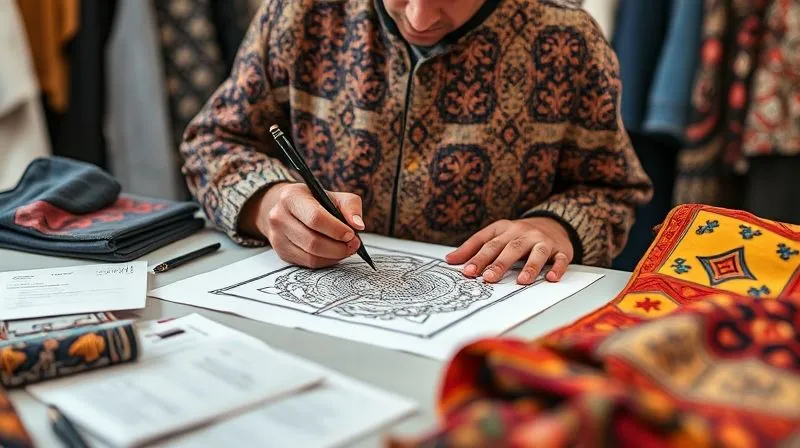
The Power of Storytelling and Attribution
Your brand's narrative is a powerful tool. When you incorporate cultural elements, the story you tell about them is as important as the design itself. This is where you educate your audience and give credit where credit is due.
Transparent storytelling involves explaining the inspiration, the research undertaken, and any collaborative partnerships. It's an opportunity to shine a light on the originating culture, its artists, and its traditions. This not only builds trust with your consumers but also adds depth and meaning to your products, moving them beyond mere commodities.
As marketing guru Seth Godin often says, "People don't buy what you do, they buy why you do it." In this context, the 'why' should be rooted in respect and genuine appreciation. For a deeper dive into ethical storytelling, consider resources like those from Harvard Business Review on brand authenticity and ethical marketing.
Internal Review and Feedback Loops
Even with the best intentions, blind spots can exist. Establishing robust internal review processes and feedback loops is essential for catching potential missteps before they become public controversies.
- Form an Ethics Committee: Create a small, diverse internal committee or designate a specific role responsible for reviewing designs through a cultural sensitivity lens.
- External Consultation: For designs drawing heavily from specific cultures, engage external cultural consultants or community representatives for their input during the design phase. Pay them fairly for their expertise.
- Pre-Launch Audit: Before any product launch, conduct a thorough audit of all designs, marketing materials, and product descriptions to ensure they align with your ethical guidelines and avoid appropriation.
- Document Your Process: Keep detailed records of your research, consultations, and design decisions. This transparency can be crucial if questions arise later.
- Train and Re-Train: Cultural sensitivity is not a one-time lesson. Implement ongoing training for your design, marketing, and public relations teams to keep them updated on best practices and evolving cultural discourse.
“Ethical design isn't a destination; it's a continuous journey of learning, adapting, and refining your process to ensure respect remains at the core.”
Navigating the Digital Landscape: Social Media & Marketing
The digital realm amplifies both success and mistakes. How you present your culturally inspired designs online is paramount. Social media can quickly turn an oversight into a global condemnation.
Authentic Representation
Ensure your marketing campaigns authentically represent the cultural elements you're using. Avoid tokenism, where individuals from a culture are used merely as props without genuine connection to the product or its story. Your models, influencers, and narrative should reflect the respect embedded in your design process.
Crisis Management and Learning from Mistakes
If, despite your best efforts, your brand is accused of appropriation, your response is critical. Acknowledge the feedback, apologize genuinely, explain your process (without making excuses), and outline concrete steps you will take to rectify the situation and learn from the mistake. Transparency and humility are key. For guidance on managing brand reputation in a crisis, articles on Forbes often provide valuable insights.

Building a Legacy of Ethical Innovation
Ultimately, preventing cultural appropriation in streetwear design process is about more than just avoiding backlash; it's about building a brand that stands for something meaningful. Brands that prioritize ethical design and cultural sensitivity are not just doing good; they are building a stronger, more resilient business model. They foster deeper connections with consumers who increasingly demand transparency and social responsibility from the brands they support.
By investing in thorough research, genuine collaboration, and respectful design practices, you're not just creating clothing; you're contributing to a more inclusive and equitable fashion industry. You're transforming streetwear from merely reflecting culture to actively enriching it. This proactive approach to ethics will define the next generation of successful and respected streetwear brands, creating a legacy of innovation rooted in integrity. For more on the long-term benefits of ethical business practices, explore reports from organizations like the UN Global Compact.
Frequently Asked Questions (FAQ)
Question: What if I accidentally appropriate a design element despite my best efforts? Even with thorough processes, mistakes can happen. The key is your response. Immediately acknowledge the issue, apologize sincerely, remove the product, and explain the steps you're taking to prevent future occurrences. Transparency and a commitment to learning are crucial for rebuilding trust.
Question: Is it ever okay to be 'inspired' by another culture without direct collaboration? Inspiration is a complex area. If your inspiration is highly abstract, generalized, and significantly transformed, it might be less problematic. However, if it involves specific patterns, symbols, or traditional garments, direct collaboration or at least explicit attribution and deep understanding are almost always necessary. When in doubt, err on the side of caution and consult cultural experts.
Question: How can small independent streetwear brands manage the resources needed for extensive research and collaboration? While large brands have more resources, small brands can still be highly ethical. Focus on depth over breadth. Choose one or two specific cultural inspirations and invest deeply in understanding them. Leverage digital resources, connect with cultural centers online, and build genuine relationships with individual artisans or small collectives. Authenticity often resonates more than scale.
Question: Does this mean designers can't draw inspiration from global cultures at all? Absolutely not. It means drawing inspiration responsibly. Cultural exchange is vital for creativity and understanding. The goal isn't to create cultural silos, but to ensure that this exchange is equitable, respectful, and mutually beneficial, rather than extractive or disrespectful. It's about moving from 'taking' to 'sharing' and 'collaborating'.
Question: What's the role of consumer education in preventing appropriation? Consumer education is vital. Brands have a responsibility to inform their audience about the origins and significance of culturally inspired designs. This not only adds value to the product but also empowers consumers to make more informed and ethical purchasing decisions, creating a demand for respectful design.
Key Takeaways and Final Thoughts
- Research is Non-Negotiable: Understand the true origins and significance of any cultural element.
- Prioritize Collaboration: Seek genuine partnerships with originating communities for ethical co-creation.
- Design with Intent: Focus on transformation and respectful integration, avoiding replication and stereotypes.
- Attribute and Educate: Use your platform to credit sources and educate your audience.
- Implement Internal Reviews: Establish robust processes for cultural sensitivity checks.
- Be Transparent: From sourcing to marketing, foster openness and honesty.
- Learn and Adapt: Ethical design is an ongoing journey of continuous improvement.
The streetwear landscape is constantly evolving, and with its growing influence comes a greater responsibility. By consciously embedding these strategies for preventing cultural appropriation in streetwear design process, you're not just protecting your brand; you're contributing to a more inclusive, respectful, and genuinely innovative future for fashion. Embrace the challenge, lead with integrity, and let your designs tell stories that truly honor the cultures that inspire them.
Recommended Reading
- 7 Steps: Avoid Greenwashing as Your Organic Beauty Brand Grows
- 7 Proven Strategies: Luxury Scarf Dead Stock Reduction Without Devaluation
- 5 Proven Strategies: Playful Kids' Fashion Designs That *Actually* Sell?
- 7 Steps: Select Truly Eco-Friendly Dyes for Production (No Greenwashing!)
- The Secret Revealed: How Stylists Pick Celebrity Luxury Red Carpet Gowns




Your email address will not be published. Required fields are marked *