

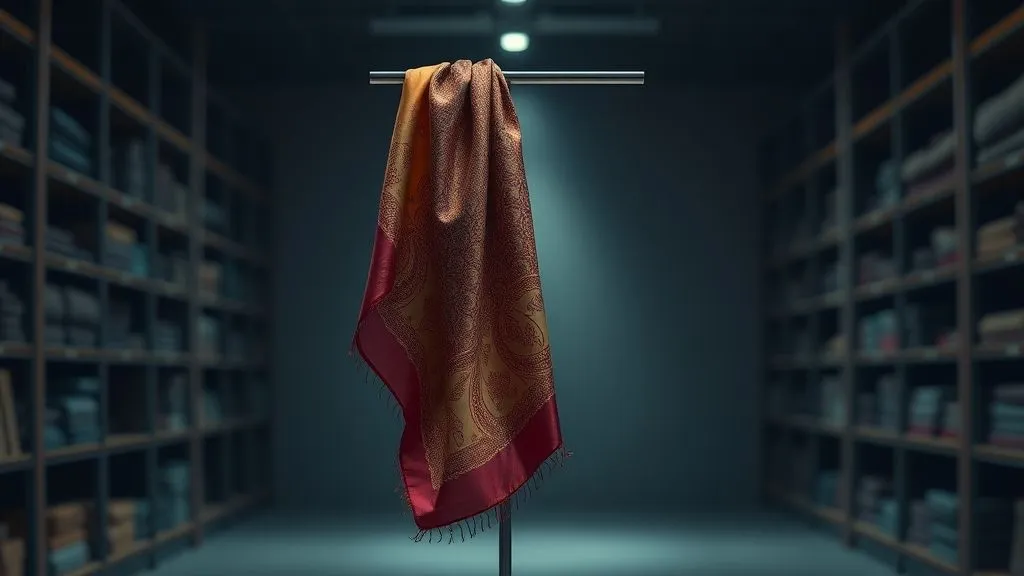
How to reduce luxury scarf dead stock without devaluing brand?
For over 15 years in the high-end accessories market, I've witnessed firsthand the delicate dance between desirability and availability. Luxury brands, particularly in the exquisite niche of scarves, often find themselves caught in a paradoxical trap: the pursuit of exclusivity can inadvertently lead to an accumulation of unsold inventory – what we term 'dead stock'. It's a problem that keeps many brand managers awake at night, fearing that a misstep in inventory management could chip away at the very prestige they've painstakingly built.
The dilemma is real and fraught with risk. How do you offload beautiful, high-quality scarves that aren't moving, without resorting to the dreaded markdowns that scream 'distressed merchandise' and erode your brand's carefully cultivated image? The fear of devaluing a luxury brand through desperate clearance sales is a legitimate one, and it's a mistake I've seen countless times, costing brands dearly in terms of reputation and long-term customer loyalty.
This isn't just about moving product; it's about strategic brand stewardship. In this definitive guide, I'll share actionable frameworks, expert insights, and proven strategies drawn from my extensive experience. You'll learn how to navigate the complexities of luxury inventory, transforming potential liabilities into opportunities for reinforced brand equity, all while effectively tackling the challenge of how to reduce luxury scarf dead stock without devaluing your brand.
Understanding the Luxury Paradox: Exclusivity vs. Inventory Reality
The very essence of luxury lies in its scarcity and perceived value. Consumers pay a premium not just for superior craftsmanship and materials, but for the story, the heritage, and the feeling of owning something truly special. This intrinsic value is incredibly fragile, easily shattered by perceived desperation or oversupply. When a brand produces too much, the allure of scarcity diminishes, and the product begins to feel less exclusive, more commonplace.
The Cost of Overstock in Luxury
Beyond the obvious financial drain of holding unsold inventory – warehousing costs, insurance, potential damage – the true cost for luxury brands is reputational. Each unsold scarf represents not just capital tied up, but a potential threat to your brand's mystique. It signals a misjudgment of demand, which can lead to a loss of consumer trust and a questioning of the brand's desirability. This is why addressing luxury scarf dead stock is paramount.
The Peril of Markdowns and Brand Devaluation
Discounting is a common retail strategy, but in the luxury sector, it's a poison. A permanent markdown strategy can quickly devalue a brand, making customers wary of paying full price in the future. It damages the perception of exclusivity and can alienate loyal customers who paid the premium. Once a luxury brand starts down the path of aggressive discounting, it's incredibly difficult to regain its former standing. Protecting your brand's value is non-negotiable.
The moment a luxury brand compromises on its perceived value through indiscriminate discounting, it begins a perilous descent. True luxury maintains its price integrity, relying on desirability, not desperation.
Proactive Planning: Precision in Production & Forecasting
The most effective way to reduce dead stock is to prevent its creation in the first place. This requires a shift from reactive selling to proactive, data-driven planning. In my experience, many luxury brands, while excellent at design and marketing, often lag in sophisticated inventory foresight.
Data-Driven Demand Forecasting for Luxury Scarves
Accurate demand forecasting is the bedrock of intelligent production. It's not about guessing; it's about leveraging every available data point to predict future sales with greater precision. This includes historical sales data, seasonal trends, macroeconomic indicators, fashion trends, social media sentiment, and even weather patterns (think silk scarves for summer, cashmere for winter). Engaging with advanced analytics can significantly refine these predictions.
- Analyze Historical Sales: Look beyond raw numbers. Identify peaks and troughs, understand product lifecycles, and segment sales by colorway, material, and design.
- Monitor Market Trends: Keep a pulse on broader fashion movements, competitor launches, and emerging consumer preferences.
- Leverage Predictive Analytics: Invest in software that uses AI and machine learning to process complex datasets and identify patterns human analysis might miss.
- Gather Customer Insights: Use surveys, focus groups, and direct feedback from your sales teams to understand what customers truly desire.
- Factor in External Events: Consider global events, economic shifts, and even influencer collaborations that could impact demand.
According to a study published in the Harvard Business Review, companies that excel in supply chain planning see significant reductions in inventory costs and improved customer satisfaction. For luxury brands, this translates directly to preserving brand equity.
Small-Batch & Made-to-Order Models
Embracing a more agile production model can dramatically reduce the risk of overstock. Small-batch production allows brands to test the market with new designs without committing to large, risky volumes. Made-to-order, while logistically more complex, eliminates dead stock entirely by producing only what's already sold.
This approach emphasizes craftsmanship and exclusivity, reinforcing the luxury narrative. It also allows for greater customization, adding another layer of perceived value for the discerning customer. It's a return to the artisanal roots of luxury, where each piece is cherished, not mass-produced.
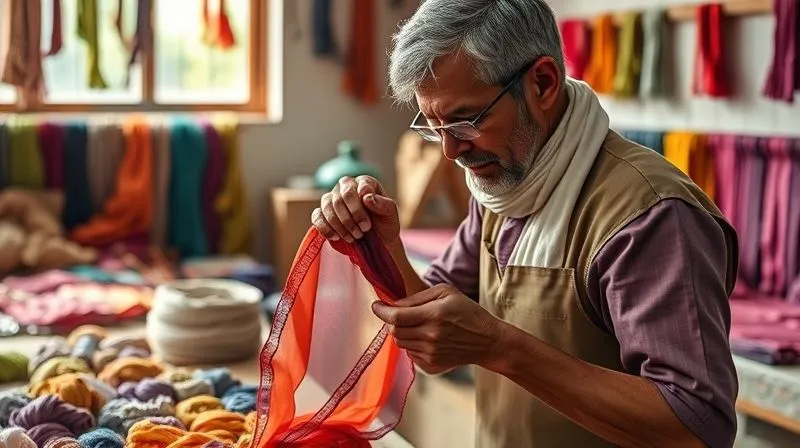
Strategic Inventory Lifecycle Management
Even with the best forecasting, some inventory will inevitably move slower than others. The key is to manage these items strategically throughout their lifecycle, preventing them from becoming true dead stock that necessitates drastic measures.
Early Identification of Slow-Movers
Don't wait until items are gathering dust. Implement systems for early identification of slow-moving inventory. This means regularly reviewing sales data and setting clear thresholds for what constitutes 'slow-moving' for your luxury products. The sooner you identify these items, the more options you have to move them creatively.
- Set Performance Metrics: Define clear KPIs for inventory turnover, sales velocity, and weeks of supply for each scarf SKU.
- Regular Review Cycles: Conduct weekly or bi-weekly reviews of inventory performance, flagging items that fall below your defined thresholds.
- Categorize Slow-Movers: Understand *why* an item isn't selling. Is it price, design, seasonality, or lack of visibility? This informs your strategy.
Dynamic Pricing, Not Discounting
Instead of blanket discounts, consider dynamic pricing strategies that maintain perceived value. This isn't about marking down; it's about offering value through curated bundles, limited-time offers to loyal customers, or exclusive access to new collections when purchasing an older piece. The focus remains on enhancing the customer experience and reinforcing brand loyalty, rather than simply reducing price.
| Strategy Type | Description | Brand Value Impact |
|---|---|---|
| Bundling | Pair a slow-moving scarf with a best-selling item or complementary accessory at a combined, attractive price. | Positive - enhances perceived value, encourages cross-selling. |
| Loyalty Program Exclusives | Offer early access or special privileges (e.g., complimentary personalization) on specific scarves to top-tier loyalty members. | Positive - rewards loyalty, maintains exclusivity. |
| Experiential Pricing | Include a slow-moving scarf as part of an exclusive workshop, styling session, or bespoke design consultation. | Highly Positive - elevates product into an experience, reinforces luxury. |
| Seasonal Re-contextualization | Relaunch a 'slow' scarf with new styling ideas or a fresh narrative for a different season/occasion. | Neutral to Positive - re-energizes product without price cut. |
| Private Sales (Highly Controlled) | Very limited, invitation-only sales to an exclusive, pre-qualified list, emphasizing scarcity. | Neutral - if executed perfectly, maintains exclusivity; high risk if leaked. |
| Charity Auction/Donation | Donate or auction select pieces for a high-profile cause, gaining positive PR and tax benefits. | Highly Positive - aligns brand with social responsibility, generates goodwill. |
Elevating the Secondary Market: Controlled Resale & Archiving
The rise of the circular economy offers unique opportunities for luxury brands to manage dead stock without devaluing their primary collections. This requires a strategic and controlled approach to the secondary market.
Curated Resale Programs
Instead of letting your products end up in unmanaged resale channels, consider launching your own curated resale program or partnering with established luxury consignment platforms. This allows you to control the narrative, authenticate the products, and even offer incentives (like store credit for trade-ins) that drive customers back to your primary brand. This strategy reinforces the longevity and enduring value of your products.
As luxury market experts often highlight, the secondary market is no longer a threat but a strategic extension of a brand's lifecycle. Platforms like Vestiaire Collective or The RealReal are increasingly seen as partners rather than competitors for luxury brands. Developing a robust circular strategy can significantly bolster your brand's sustainability credentials and appeal to a new generation of conscious consumers.
Business of Fashion frequently covers the strategic implications of luxury brands engaging with the resale market, highlighting its potential for brand enhancement rather than dilution.Archival Strategies & Heritage Preservation
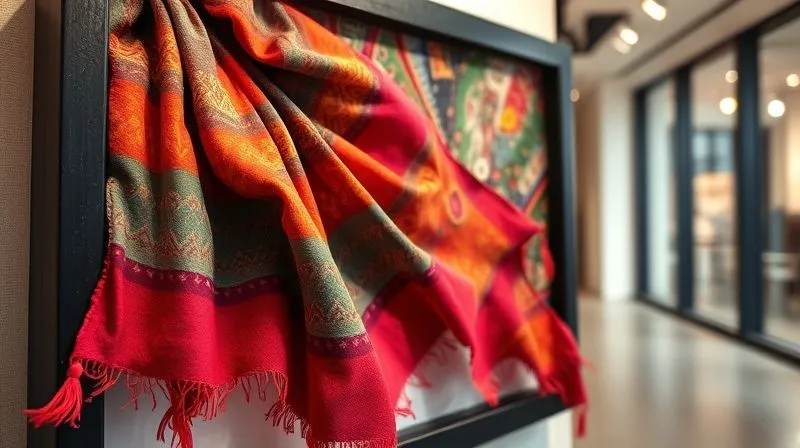
For truly iconic or historically significant scarves, an archival strategy can be incredibly powerful. Instead of selling them off, consider pulling them from active sales and designating them as 'archive pieces.' These can be used for exhibitions, historical displays, or even loaned out for editorial shoots, reinforcing the brand's heritage and timeless appeal. This transforms potential dead stock into brand assets that tell a story.
Some brands even release limited 're-editions' of archive pieces, creating immense hype and demand. This strategy not only removes stock from the 'dead' category but also enhances the brand's narrative, proving that its designs are truly timeless and collectible. It's about scarcity by design, not by accident.
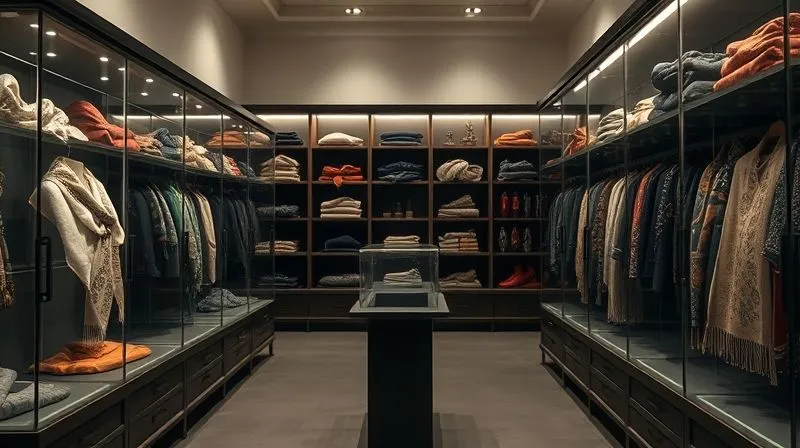
Innovative Marketing & Experiential Sales
Sometimes, dead stock isn't a problem with the product itself, but with its presentation or the way it's being marketed. Re-energizing these items through creative marketing and immersive experiences can breathe new life into them.
Limited Edition Drops & Exclusivity Events
Transform slow-moving inventory into desirable items by repackaging them as 'limited edition drops' or exclusive collections. This could involve adding a unique embellishment, collaborating with an artist for a special re-interpretation, or creating a unique presentation box. Announce these drops with carefully orchestrated campaigns that generate buzz and emphasize scarcity, rather than availability.
Host exclusive, invitation-only events where these re-imagined scarves are unveiled. These events should focus on the brand experience, storytelling, and personal connection, making the purchase feel like an exclusive privilege. This strategy works wonders for reducing luxury scarf dead stock without devaluing brand integrity.
Storytelling & Brand Narrative Reinforcement
Every luxury scarf has a story – of its origins, its design inspiration, its craftsmanship. If a scarf isn't selling, perhaps its story isn't being told effectively. Revisit your marketing narratives for slow-moving pieces. Create compelling content – videos, blog posts, social media campaigns – that highlight the unique aspects of these scarves, positioning them as rare finds or future heirlooms.
Case Study: The Silk Atelier's Turnaround
The Silk Atelier, a renowned luxury scarf brand, found itself with a significant amount of dead stock for a particular collection featuring a bold, abstract print. Initially, they tried slight price adjustments, which had little impact and risked devaluing the brand. Frustrated, their team pivoted. Instead of discounting, they launched a 'Behind the Design' campaign. They created a series of short documentaries showcasing the artist who designed the print, the intricate hand-screening process in Italy, and the inspiration drawn from ancient tapestries.
They then hosted exclusive 'Art of Silk' evenings in their boutiques, inviting VIP clients for styling workshops and a personal conversation with the designer. Each guest received a beautifully bound book detailing the collection's journey. The abstract print scarves, previously stagnant, became coveted 'art pieces.' The brand not only sold through the dead stock but also reinforced its commitment to artistry and craftsmanship, achieving a significant boost in brand equity and customer engagement.
Collaborative & Creative Partnerships
Working with external partners can open up novel avenues for managing dead stock, transforming it into something new and desirable, or leveraging it for a broader audience without direct sales pressure.
Artist Collaborations & Upcycling Initiatives
Partnering with contemporary artists or designers to transform dead stock scarves into entirely new, unique pieces can be a powerful strategy. Imagine a collection of scarves repurposed into bespoke garments, art installations, or limited-edition accessories. This not only clears inventory but also generates significant PR, aligns the brand with creativity and sustainability, and appeals to a fashion-forward audience interested in unique, one-of-a-kind items.
These collaborations can elevate the original product into a new form of luxury, demonstrating innovation and a commitment to sustainable practices within the luxury sector. It's a testament to the enduring quality of the original material.
Corporate Gifting & Bespoke Services
Luxury scarves make exceptional corporate gifts. Approach high-end corporate clients, private banks, or luxury hospitality groups with bespoke gifting solutions. Offer customization options, such as embroidered initials or corporate logos, to make these scarves truly unique and desirable for their recipients. This provides a discreet way to move inventory in bulk, reaching a new, affluent audience without direct consumer discounting.
Similarly, offer these scarves as part of a bespoke service package, such as a personalized styling consultation or as a premium add-on to other luxury purchases. The key is to embed the scarf within a higher-value offering, rather than selling it as a standalone discounted item.
Leveraging Technology for Smart Inventory
In today's fast-paced world, technology is an indispensable ally in managing inventory efficiently and intelligently. Luxury brands must embrace digital solutions to stay ahead.
AI & Machine Learning in Demand Planning
As mentioned earlier, AI and machine learning are revolutionizing demand forecasting. These technologies can analyze vast amounts of data – from sales history and website traffic to social media trends and global economic indicators – to predict consumer behavior with unprecedented accuracy. This allows brands to optimize production quantities, ensuring that fewer scarves become dead stock in the first place.
Blockchain for Authenticity & Provenance
Blockchain technology, while often associated with cryptocurrencies, has significant applications in luxury retail. By creating an immutable digital ledger for each scarf, brands can track its entire journey from production to sale, ensuring authenticity and transparency. This adds a layer of trust and value for the consumer, particularly in the secondary market, making certified pre-owned luxury items more desirable. It helps to differentiate genuine luxury items from counterfeits, thus protecting brand equity. For more on this, check out insights from Deloitte's Global Powers of Luxury Goods report.
The Circular Economy: A Long-Term Vision
Beyond immediate dead stock reduction, embracing the principles of the circular economy offers a sustainable and long-term solution for luxury brands, reinforcing their commitment to responsibility and innovation.
Repair & Restoration Services
Offer repair and restoration services for your luxury scarves. This not only extends the life of the product but also encourages customers to cherish and maintain their purchases. It reinforces the idea that your scarves are investments, meant to last a lifetime and beyond. This service can also be a gentle way to re-engage with customers and perhaps offer them new products.
Material Innovation & Sustainability
Invest in sustainable material innovation and responsible sourcing. While not directly related to existing dead stock, a commitment to sustainability from the outset reduces the environmental footprint of production and resonates deeply with modern luxury consumers. Brands known for their ethical practices often command higher loyalty and can better justify their premium pricing, reducing the likelihood of products becoming unwanted. This forward-thinking approach is crucial for long-term brand health and minimizing future dead stock.
Frequently Asked Questions (FAQ)
What is luxury scarf dead stock, and why is it a problem? Luxury scarf dead stock refers to unsold inventory of high-end scarves that has remained in storage for an extended period, typically beyond a season or two, and is unlikely to sell at full retail price. It's a significant problem because it ties up capital, incurs storage costs, and, most critically for luxury brands, threatens to devalue the brand's perceived exclusivity and prestige if disposed of through aggressive discounting. Maintaining brand integrity is paramount.
Can I ever discount luxury scarves without harming my brand? While general discounting is highly risky, extremely controlled and strategic price adjustments can be made, but only under very specific circumstances. This might include private sales to loyal VIP clients, bundled offers where the scarf is part of a higher-value package, or as part of a highly curated, limited-time promotional event that emphasizes exclusivity rather than a 'clearance.' The key is to ensure the perception of value is maintained, and the discount is not publicly accessible or perceived as desperation.
How can technology help in managing luxury scarf inventory more effectively? Technology offers several powerful solutions. AI and machine learning can dramatically improve demand forecasting accuracy, minimizing overproduction. Blockchain technology can enhance authenticity and provenance tracking, increasing trust and value, especially in the secondary market. RFID tags and advanced inventory management systems provide real-time visibility into stock levels, enabling quicker responses to slow-moving items and optimizing distribution.
What role does sustainability play in reducing dead stock for luxury scarf brands? Sustainability is increasingly vital. By embracing sustainable practices from design to production – such as using eco-friendly materials, promoting repair services, and engaging in circular economy initiatives like resale or upcycling – brands can appeal to a conscious consumer base. This commitment can also inspire innovative ways to repurpose dead stock, transforming it into new, desirable products (e.g., artist collaborations) rather than discarding it, thus reducing waste and enhancing brand reputation.
Is it better to destroy dead stock than to discount it heavily? For some ultra-luxury brands, destruction has historically been a controversial measure to maintain exclusivity and prevent products from entering unauthorized or discounted channels. However, this practice is increasingly scrutinized for its environmental impact and ethical implications. Modern strategies prioritize more sustainable and brand-enhancing alternatives, such as controlled resale, upcycling, archival, or strategic donations, which allow for dead stock reduction without the negative perceptions associated with destruction or heavy discounting. The goal is always to find a solution that protects both brand value and environmental responsibility.
Key Takeaways and Final Thoughts
Navigating the challenge of luxury scarf dead stock requires a multi-faceted, strategic approach that always prioritizes brand integrity and long-term value. It's not about quick fixes but about embedding smart inventory management into every facet of your brand's operations.
- Proactive Planning is Paramount: Invest in sophisticated demand forecasting and consider agile production models like small-batch or made-to-order.
- Innovate Beyond Discounting: Employ dynamic pricing strategies, loyalty programs, and experiential sales to move stock without devaluing.
- Embrace the Circular Economy: Explore controlled resale programs, archival strategies, and upcycling collaborations to extend product lifecycles.
- Leverage Technology: Utilize AI for forecasting and blockchain for authenticity to build trust and efficiency.
- Tell a Compelling Story: Re-engage customers with strong narratives that highlight the craftsmanship, heritage, and unique qualities of your scarves.
By adopting these expert-led strategies, you can transform the challenge of dead stock into an opportunity to reinforce your brand's exclusivity, deepen customer loyalty, and demonstrate a commitment to both luxury and responsible business practices. Remember, in the world of high-end accessories, every decision, especially concerning inventory, is a reflection of your brand's enduring value and prestige. Protect it fiercely, manage it wisely, and your luxury scarf brand will thrive for generations to come.
Recommended Reading
- How to Ethically Source Exotic Leather for Luxury Handbags: A 7-Step Guide
- Unveiling the True Value: What Makes a Luxury Designer Brand Worth Buying?
- Green Fashion Growth: Scale Ethically, Preserve Your Values
- 7 Steps to Ethically Source Sustainable Luxury Fabrics for Bespoke Suits
- 5 Critical Reasons Your Unique Handmade Jewelry Isn't Selling (And How to Fix Them)



Your email address will not be published. Required fields are marked *