


How to Update Outdated Fashion Style Guides for 2024 Trends?
For over 15 years in the dynamic world of fashion blogging and content creation, I've witnessed a common pitfall: the slow, insidious creep of obsolescence. What was once a groundbreaking style guide, meticulously crafted and widely celebrated, can, in a blink, become a relic, quietly gathering digital dust while the fashion landscape gallops ahead.
The problem isn't a lack of effort; it's often a lack of a clear, strategic framework for continuous evolution. Many content creators invest heavily in initial guide development but then struggle to keep pace with the relentless churn of trends, consumer values, and technological advancements, leaving their valuable content feeling stale and irrelevant to a modern audience.
This article isn't just a collection of tips; it's a comprehensive framework. I'll walk you through actionable strategies, drawing from my experience, to not only identify and dismantle outdated elements but to fundamentally reimagine and revitalize your fashion style guides, ensuring they resonate powerfully with the 2024 audience and beyond. You'll learn how to infuse relevance, authority, and genuine value into every piece of advice you offer.
The Peril of Stagnation: Why Your Style Guides Need a 2024 Overhaul
In my journey through the fashion blogging trenches, I've seen firsthand the devastating impact of stagnant content. It’s not merely about losing a few clicks; it’s about eroding trust and authority. When readers land on a guide that recommends 'skinny jeans as the ultimate staple' without nuance in 2024, they don't just move on; they question your expertise and the timeliness of your entire platform.
The fashion industry is a living, breathing entity, constantly shifting its silhouette, palette, and philosophy. From the rise of quiet luxury to the enduring influence of Y2K aesthetics, and the undeniable push towards sustainability, the pace of change is dizzying. As content creators, our primary responsibility is to serve our audience with advice that is not only stylish but also current, ethical, and reflective of contemporary culture.
Ignoring these shifts means missing crucial opportunities for engagement, organic traffic, and brand loyalty. An outdated guide becomes a liability, signaling to both search engines and discerning readers that your content might not be the most reliable source of information. This isn't just about chasing trends; it's about maintaining relevance and demonstrating a deep understanding of the fashion world's intricate evolution.
Decoding 2024: Identifying Key Fashion Micro-Trends and Macro-Shifts
Before we can update, we must understand *what* to update to. The fashion landscape of 2024 is a complex tapestry woven with diverse threads. It's no longer enough to just observe runway shows; we must dive deeper into street style, social media analytics, and consumer behavior reports. I always start by immersing myself in both macro-trends – the overarching shifts like sustainability, gender fluidity, and personalized expression – and the fleeting micro-trends that capture immediate attention, such as specific cuts, colors, or accessory statements.
Understanding these dynamics requires a blend of intuition and data. Platforms like WGSN and Vogue Business provide invaluable trend forecasting, offering insights into textile innovations, color palettes, and silhouette predictions. But don't forget the power of direct observation: what are people actually wearing on the streets of major cities? What are the most engaged-with fashion posts on TikTok and Instagram? These grassroots insights are often where the true pulse of fashion lies.
Actionable Steps for Trend Identification:
- Subscribe to Industry Reports: Invest in subscriptions to leading trend forecasting agencies like WGSN or access free summaries from publications like Business of Fashion.
- Monitor Social Media & Influencers: Regularly check TikTok, Instagram, and Pinterest for emerging aesthetics, viral styling hacks, and influencer collaborations. Pay attention to engagement metrics.
- Analyze Retailer Collections: Observe new arrivals from major retailers and independent boutiques. Note recurring themes, dominant colors, and fabric choices across different price points.
- Attend Virtual & Local Fashion Events: Even if you can't be front row, follow coverage of major fashion weeks and local designer showcases to spot nascent trends.
- Engage with Your Audience: Ask your readers what styles they're curious about or struggling with. Their questions are often direct indicators of current relevance.
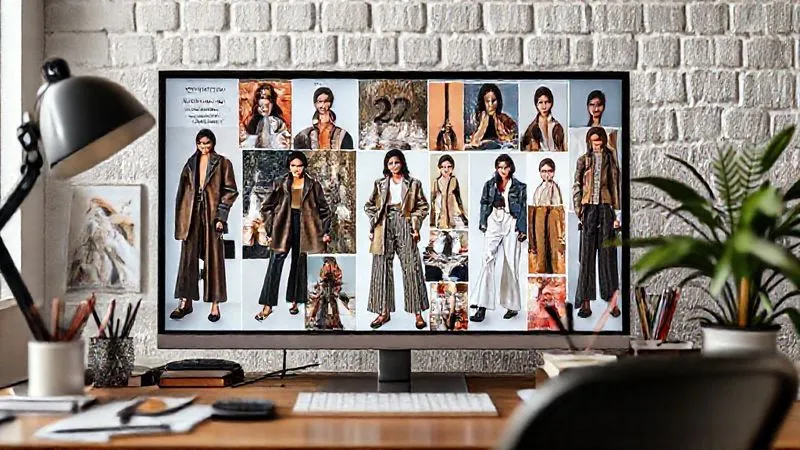
Strategic Content Audit: Pinpointing Outdated Elements in Your Guides
Once you have a firm grasp of 2024 trends, the next crucial step is a rigorous audit of your existing style guides. This isn't just a quick skim; it's a deep dive to identify every element that no longer serves your audience or reflects current fashion sensibilities. I always approach this with a critical, almost surgical, eye, looking for specific points of divergence.
Start by categorizing your guides. Are they seasonal, evergreen, or trend-focused? Evergreen content, while designed for longevity, still needs periodic refresh to ensure its foundational advice remains relevant. A guide on 'how to build a capsule wardrobe' from 2018, for instance, might still be fundamentally sound, but its specific item recommendations (e.g., shoe styles, denim cuts) will almost certainly need an update.
Key Areas to Scrutinize During Your Audit:
- Specific Item Recommendations: Are you still championing silhouettes, fabrics, or accessories that are clearly past their prime? (e.g., ultra-low-rise jeans without context, specific 'it' bags from years ago).
- Imagery: Do your photos and graphics look dated? Fashion visuals age rapidly. Old hair styles, makeup trends, and photography filters can instantly betray a guide's age.
- Language and Tone: Is your language inclusive? Does it reflect current conversations around body positivity, gender neutrality, and diverse representations? Outdated terminology can alienate.
- Sustainability & Ethics Mentions: Does your guide completely ignore sustainable choices or ethical sourcing? In 2024, this is a glaring omission for many readers.
- Contextual Relevance: Does the advice still make sense in today's lifestyle? (e.g., a guide solely focused on office wear when remote work is prevalent).
| Audit Category | Outdated Example | 2024 Update |
|---|---|---|
| Item Recommendations | Skinny Jeans as Sole Staple | Wide-leg trousers, tailored denim, relaxed fits |
| Imagery | Low-res, heavily filtered photos | High-quality, diverse, naturally lit imagery |
| Language & Tone | Prescriptive, gendered advice | Inclusive, adaptable, body-positive language |
| Sustainability | No mention of eco-options | Integrate conscious consumerism tips |
Reimagining Narratives: Crafting Engaging and Inclusive Style Advice
Updating a style guide isn't just about swapping out old clothes for new; it's about evolving the narrative itself. The modern reader seeks more than just prescriptive advice; they crave inspiration, relatability, and a sense of belonging. In my experience, the most impactful style guides tell a story, offering context and encouraging personal expression rather than dictating a rigid set of rules.
Consider the shift from 'what you should wear' to 'how to explore your personal style within current trends'. This subtle change in language empowers the reader. We need to move beyond a one-size-fits-all approach and embrace the beautiful diversity of our audience. This means integrating examples that showcase various body types, skin tones, and personal aesthetics. It's about creating a space where everyone feels seen and represented.
"Fashion is not just about clothes; it's about culture, identity, and personal narrative. A truly modern style guide empowers individuality within the current zeitgeist, rather than imposing conformity."
Furthermore, weave in storytelling elements. Instead of just listing items, explain *why* a particular trend emerged, *how* it connects to broader cultural shifts, or *who* championed it. This adds depth and intellectual curiosity to your content, elevating it beyond a mere shopping list. For instance, when discussing the rise of 'quiet luxury,' explain its roots in economic uncertainty and a desire for understated quality, rather than just showcasing expensive items.
Leveraging Visuals and Interactive Elements for Modern Engagement
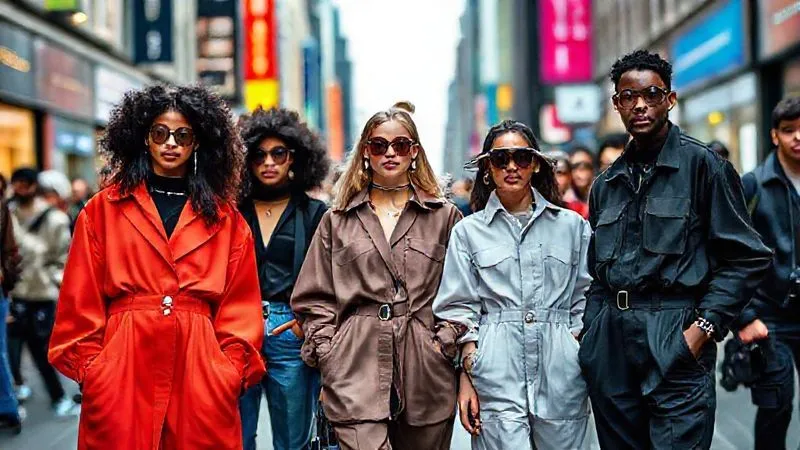
In the visually-driven world of fashion, your imagery is paramount. Outdated visuals can kill a guide faster than anything else. For 2024, think beyond static, perfectly posed studio shots. Readers want authenticity, movement, and context. High-quality street style photography, editorial-level flat lays, and even short, engaging video clips (if your platform supports it) can dramatically elevate your content.
I always advise my clients to invest in professional photography or learn advanced mobile photography techniques. The goal is to create visuals that are not only aesthetically pleasing but also informative. Show how different pieces can be styled in multiple ways, demonstrate proportions, and highlight textures. Consider creating 'shoppable' images where users can click directly on items to find similar products.
Case Study: How 'StyleSavvy Blog' Revitalized Its Visuals
StyleSavvy Blog, a mid-sized fashion platform, faced declining engagement on its evergreen style guides. Their content was solid, but the imagery felt sterile and generic. By implementing a strategy of commissioning bespoke street-style-inspired shoots featuring diverse models and incorporating user-generated content (with permission!), they saw a 45% increase in time-on-page and a 30% rise in social shares for their updated guides. This demonstrated that authentic, aspirational, yet relatable visuals are key to connection.
Beyond static images, explore interactive elements. Quizzes that help readers define their style, mood boards they can customize, or even simple polls within your content can transform a passive reading experience into an active, engaging one. This not only boosts engagement but also provides valuable data on your audience's preferences.
Integrating Sustainability and Ethical Fashion: A Non-Negotiable for 2024
The conversation around fashion has irrevocably shifted. What was once a niche concern, sustainability and ethical practices are now central to how discerning consumers view brands and content creators. In 2024, a fashion style guide that ignores these aspects is not just incomplete; it's potentially irresponsible. I cannot stress enough how critical it is to weave these principles into the very fabric of your advice.
This doesn't mean every piece of clothing you recommend must be organic cotton from a fair-trade certified factory. It means offering conscious choices and educating your audience. Guide them on how to identify sustainable brands, the value of buying second-hand, the importance of garment care for longevity, and the impact of their consumption habits. Encourage mindful consumption over fast fashion trends.
Ways to Integrate Sustainable & Ethical Practices:
- Highlight Eco-Friendly Brands: Feature brands committed to sustainability, transparency, and fair labor practices.
- Promote Circular Fashion: Dedicate sections to thrifting, upcycling, clothing swaps, and renting services.
- Educate on Fabric Choices: Explain the environmental impact of different materials (e.g., organic cotton vs. conventional, recycled polyester vs. virgin).
- Emphasize Longevity & Versatility: Encourage investing in high-quality, versatile pieces that stand the test of time, reducing the need for constant new purchases.
- Discuss Garment Care: Provide tips for extending the life of clothes, reducing water usage, and avoiding microplastic shedding.
SEO for the Modern Style Guide: Ensuring Visibility in a Crowded Niche
Even the most brilliant, updated style guide won't make an impact if no one can find it. As an SEO expert, I can tell you that optimizing your revamped content for search engines is as crucial as the content itself. Google's algorithms, particularly with the emphasis on E-E-A-T (Experience, Expertise, Authority, Trust), reward content that is not only comprehensive and current but also technically sound and user-friendly.
Start by revisiting your keyword strategy. While your primary keyword 'How to update outdated fashion style guides for 2024 trends?' is vital, think about the long-tail questions and LSI (Latent Semantic Indexing) keywords your audience might be using. Are they searching for 'best sustainable denim brands 2024' or 'what to wear instead of skinny jeans'? Integrate these naturally throughout your updated content.
SEO Actionable Steps for Your Updated Guides:
- Refresh Meta Data: Update your title tags, meta descriptions, and image alt text to reflect 2024 trends and relevant keywords.
- Optimize Internal Linking: Link your updated guides to other relevant content on your blog. This helps distribute 'link juice' and improves user navigation.
- Improve Page Speed: Large images and unoptimized code can slow down your site. Ensure your updated guides load quickly, especially on mobile.
- Mobile-First Design: With the majority of users browsing on mobile, ensure your style guides are perfectly responsive and easy to read on smaller screens.
- Schema Markup: Consider using structured data (like 'How-To' or 'FAQ' schema) to help search engines understand your content better and potentially earn rich snippets.
Building Community and Feedback Loops: Evolving with Your Audience
One of the most powerful, yet often overlooked, aspects of maintaining relevance is fostering a dynamic relationship with your audience. Your readers aren't just consumers of your content; they are an invaluable source of real-time insights, feedback, and inspiration. In my long career, I've learned that truly great content creators don't just broadcast; they engage in a continuous dialogue.
Establish clear channels for feedback. This could be through dedicated comment sections, social media polls, email surveys, or even direct messages. Ask your audience what they want to see more of, what fashion dilemmas they're currently facing, or which trends they're struggling to incorporate into their wardrobes. Their input can directly inform your next content updates and ensure your guides remain perpetually useful.

Moreover, consider user-generated content (UGC). Encourage your readers to share how they've styled pieces based on your guides, or their own interpretations of current trends. Featuring their content (with permission, of course) not only builds a stronger community but also provides authentic, diverse examples that resonate deeply with others. This also adds a layer of social proof and trust, showing that your advice is applicable in the real world.
The fashion world is a conversation, not a monologue. By actively listening and responding to your community, you ensure your style guides evolve organically, staying fresh and relevant without feeling forced. This continuous feedback loop is a hallmark of truly authoritative and trustworthy content platforms, as highlighted by experts like Seth Godin who champion the power of community.
Frequently Asked Questions (FAQ)
Question? How often should I audit and update my fashion style guides?
Detailed answer: From my experience, a comprehensive audit should be conducted at least annually, ideally coinciding with major seasonal shifts (Spring/Summer and Fall/Winter collections). However, micro-updates for specific trend-focused guides might be necessary quarterly or even monthly, especially if you're covering fast-moving aesthetics or viral fashion moments. Evergreen content can typically be refreshed annually or every 18 months, focusing on updated imagery, refined language for inclusivity, and integrating new sustainable practices. The key is to have a flexible schedule that balances thoroughness with responsiveness to the market.
Question? Is it better to completely rewrite an outdated guide or just make edits?
Detailed answer: This depends on the extent of the outdatedness. If the core message and structure are still relevant but specific examples, imagery, and a few paragraphs need updating, then editing and refreshing is often sufficient. This preserves any existing SEO value the page might have. However, if the entire premise is obsolete, the tone is completely off, or the advice is genuinely harmful in a modern context, a complete rewrite might be necessary. In such cases, I often recommend creating a new, fresh guide and potentially redirecting the old URL to the new one, or clearly marking the old content as archived with a link to the updated version. Always prioritize providing the most accurate and valuable information to your audience.
Question? How can I ensure my updated guides appeal to a broad demographic?
Detailed answer: To appeal to a broad demographic, inclusivity must be at the forefront of your strategy. This means using diverse imagery that represents various body types, skin tones, ages, and gender expressions. Your language should be gender-neutral where appropriate and focus on universal style principles rather than narrow, prescriptive rules. Offer adaptable advice that can be tailored to different budgets and lifestyles. Furthermore, acknowledge that 'style' is deeply personal and encourage experimentation rather than dictating a single 'right' way to dress. Incorporating reader feedback and highlighting user-generated content from diverse individuals can also significantly broaden your appeal.
Question? What if a classic style guide's advice seems timeless but its aesthetic feels old?
Detailed answer: This is a common challenge! A classic guide on, say, 'the power of a well-tailored blazer' might hold true for decades, but the specific blazer styles, accompanying outfits, and photography style will inevitably age. In such cases, focus your update efforts primarily on the visual elements. Replace outdated imagery with contemporary, high-quality photos that still convey the timeless message but with a modern aesthetic. You might also update minor textual details, such as mentioning new fabric blends or sustainable tailoring practices, while preserving the core, valuable advice. Think of it as giving a classic piece a fresh, modern styling rather than discarding it entirely.
Question? How can I measure the success of my updated style guides?
Detailed answer: Measuring success goes beyond just page views. I advise tracking several key metrics: increased organic traffic to the updated pages, higher time-on-page and lower bounce rates (indicating engagement), improved search engine rankings for target keywords, and a rise in social shares or backlinks. Crucially, also monitor qualitative feedback: Are readers commenting positively? Are they asking fewer clarifying questions about outdated advice? Are they sharing their interpretations of your updated style tips? Tools like Google Analytics, Google Search Console, and social media analytics provide the quantitative data, while direct audience interaction offers invaluable qualitative insights.
Key Takeaways and Final Thoughts
- Embrace Continuous Evolution: Fashion is fluid; your content must be too. Regular audits and updates are non-negotiable.
- Prioritize Authenticity & Inclusivity: Modern readers seek genuine, diverse, and relatable advice, not rigid rules.
- Leverage Data & Visuals: Blend trend forecasting with real-world observation, and invest in high-quality, engaging imagery.
- Integrate Ethical Practices: Sustainability and conscious consumption are no longer optional; they are expected.
- Optimize for Discovery: Even the best content needs strong SEO and user experience to reach its audience.
- Build a Feedback Loop: Your audience is your best resource for staying relevant; listen and engage.
Updating your fashion style guides for 2024 trends isn't just a chore; it's an incredible opportunity. It's a chance to reassert your authority, deepen your connection with your audience, and ensure your platform remains a beacon of informed, inspiring, and trustworthy fashion advice. Don't let your valuable content become a digital dinosaur. Take these actionable steps, infuse your expertise, and watch your guides flourish in the vibrant, ever-changing landscape of modern fashion.
Recommended Reading
- 7 Steps to Repair Brand Trust After a Failed Streetwear Drop
- Zero Waste Fashion Wardrobe: Your Ultimate Start-Up Guide
- 5 Strategies: How Heritage Luxury Brands Captivate Younger Buyers
- Unlock Style: Integrating Luxury Runway Trends into Your Classic Wardrobe
- 7 Proven Strategies: Stop Generic Fashion Campaign Photography Now!



Your email address will not be published. Required fields are marked *