

How to Prevent Fashion Campaign Photography From Looking Generic?
For over two decades in the dynamic world of fashion photography, I've witnessed firsthand the incredible power of a truly unique campaign. But I've also seen countless brands stumble into the trap of sameness, producing imagery that fades into the background noise before it even has a chance to resonate. It's a disheartening sight: immense effort, significant budgets, all culminating in visuals that could belong to any brand, anywhere.
The problem isn't a lack of talent or resources; it's often a lack of a clear, distinctive vision and a strategic approach to execution. In today's hyper-visual market, generic fashion campaign photography is more than just uninspired; it's a missed opportunity to connect, differentiate, and build lasting brand loyalty. It dilutes your brand's identity, confuses your audience, and ultimately, wastes your marketing spend.
That's precisely why I've distilled my years of experience into this guide. Here, I'm not just sharing tips; I'm offering a comprehensive framework, actionable strategies, and real-world insights designed to help you break free from the mundane. You'll learn how to infuse every aspect of your fashion campaigns with originality, ensuring your brand's story is told with unparalleled impact and distinctiveness.
1. Deconstructing Your Brand's DNA: The Foundation of Originality
Before you even think about cameras or models, the most critical step in avoiding generic photography is to deeply understand the brand you're representing. Generic campaigns often arise from a superficial understanding of a brand's identity, leading to visuals that are broad and unspecific. True originality stems from authentic brand expression.
Beyond the Logo: Unearthing Core Values
A brand is far more than its logo or product line. It's a philosophy, a set of values, a specific voice, and a unique emotional connection it seeks to forge with its audience. My process always begins with a forensic examination of these deeper elements. What does the brand truly stand for? What problem does it solve? What feeling does it evoke?
- Conduct a Comprehensive Brand Audit: Go beyond marketing materials. Interview key stakeholders, study the brand's history, mission, and vision. Understand its 'why'.
- Define the Brand Archetype: Is it the 'Rebel,' the 'Sage,' the 'Lover,' or something else? Archetypes provide a powerful shortcut to understanding a brand's core personality and how it should communicate visually.
- Analyze Your Competitors (and Learn to Deviate): Observe what your competitors are doing, but critically, identify where they are all converging. This 'sea of sameness' is precisely where you need to diverge. Don't just aim to be 'better'; aim to be 'different.'
- Identify Your Target Audience's Aspirations: It's not just about who buys the product, but who they aspire to be, what values they hold, and what stories resonate with them.
Understanding these facets allows you to build a unique visual language that is inherently tied to the brand, making it impossible for the campaign to look generic because it's speaking a distinct dialect.
| Attribute | Generic Approach | Unique Approach |
|---|---|---|
| Brand Values | Luxury, Quality, Style | Sustainable Craftsmanship, Empowering Individuality, Quiet Confidence |
| Target Audience | Fashion-conscious women 25-45 | Conscious consumers seeking ethical elegance; Adventurous spirits prioritizing comfort and durability |
| Competitor Analysis | Mimic successful campaigns | Identify visual gaps and unmet emotional needs; Create a distinct visual counter-narrative |
| Emotional Resonance | Desire, Aspiration | Belonging, Authenticity, Freedom, Self-expression |
2. Strategic Storytelling: Weaving Narratives, Not Just Showcasing Clothes
The most memorable fashion campaigns aren't just about clothes; they're about stories. They transport the viewer, evoke emotion, and create a connection that transcends mere product display. In my experience, a generic campaign often presents garments in a vacuum, devoid of context or narrative depth. To truly stand out, you must become a visual storyteller.
From Concept to Character: Building a World
Think of your campaign as a short film or a series of evocative stills from a larger narrative. What's the plot? Who are the characters? What is the mood? This approach shifts the focus from 'what is being worn' to 'who is wearing it and why it matters in their world.'
- Develop a Core Narrative: This could be a feeling, a journey, a specific moment in time, or an abstract concept. It should be directly informed by your brand's DNA.
- Create Character Arcs: Even if it's just for a single shoot, give your models a persona, a backstory. What are they thinking, feeling, doing? This helps them embody the story authentically.
- Build a Consistent World: Every element—location, styling, props, lighting—should contribute to the narrative. Consistency in this 'world-building' makes the campaign feel cohesive and real.
As marketing guru Seth Godin often says, "People don't buy goods and services. They buy relations, stories, and magic." In fashion photography, the story is the magic that transforms a garment into a desire.
This narrative approach is crucial for establishing emotional resonance, which is a key differentiator in a crowded market. When you sell a story, you sell an experience, not just an item of clothing.
3. The Power of Location and Set Design: Beyond the Studio White Wall
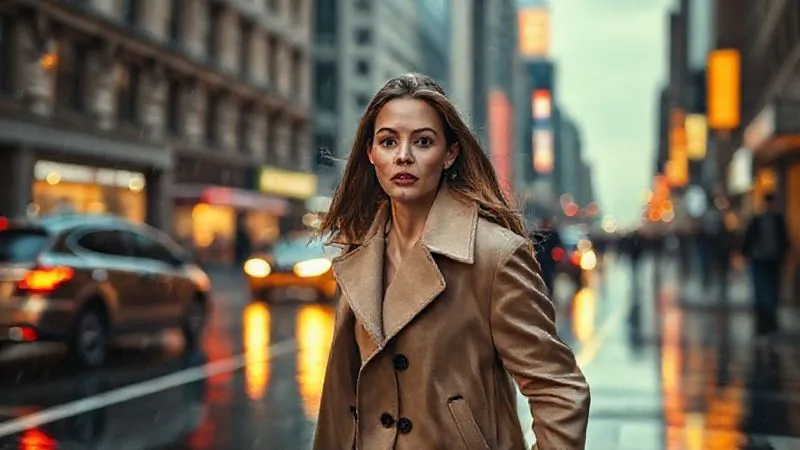
The backdrop of your fashion campaign is as critical as the clothing itself. While a minimalist studio can be elegant, it's also the default for countless brands, making it a prime culprit for generic imagery. To truly distinguish your work, you must be intentional and imaginative with your environment.
Scouting Unique Vistas and Crafting Immersive Worlds
I've always believed that the right location isn't just a background; it's another character in your story. It adds context, mood, and an immediate sense of uniqueness that's hard to replicate.
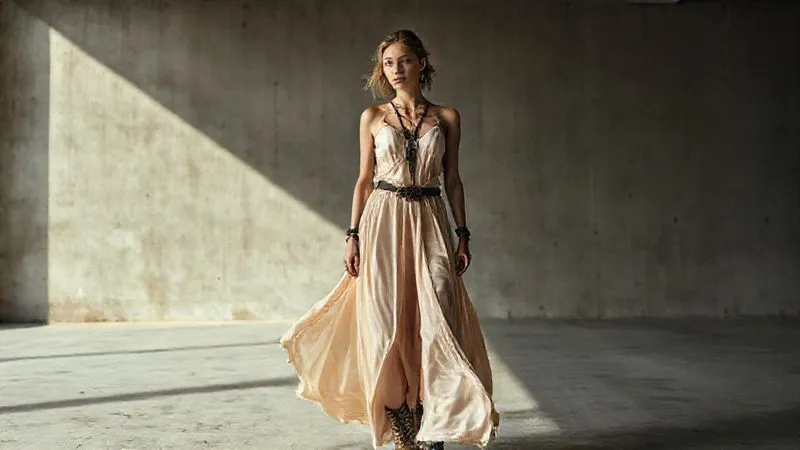
- Think Beyond the Obvious: Instead of the usual landmarks, explore forgotten industrial sites, brutalist architecture, serene natural landscapes, or even meticulously crafted interior sets that tell a story.
- Leverage Contrasts: Juxtapose delicate fabrics with rugged environments, or modern designs with historical settings. These visual tensions create intrigue and prevent blandness.
- Collaborate with Set Designers: For studio shoots, don't just use standard backdrops. Work with a skilled set designer to create bespoke environments, installations, or conceptual spaces that are unique to your brand's narrative.
- Consider Cultural Nuances: If shooting internationally, explore locations that subtly reflect local culture or architecture, adding layers of authenticity and visual richness.
Case Study: 'The Veridian Collective's Urban Bloom' Campaign
Veridian Collective, a brand known for its sustainable, flowing garments, faced the challenge of making their latest collection stand out. Their previous campaigns, shot in minimalist studios, felt too ethereal and disconnected from their urban, conscious consumer base. I suggested we move beyond the studio entirely. For their 'Urban Bloom' campaign, we scouted a series of overgrown, abandoned glasshouses and secret rooftop gardens in a major city. The juxtaposition of their soft, natural fabrics against the decaying industrial beauty and vibrant, wild flora created a striking narrative of nature reclaiming urban spaces. The campaign felt earthy, authentic, and deeply connected to their sustainable ethos, immediately resonating with their audience and earning widespread media attention for its originality, completely sidestepping the generic trap.
4. Casting for Character: Faces That Tell a Story
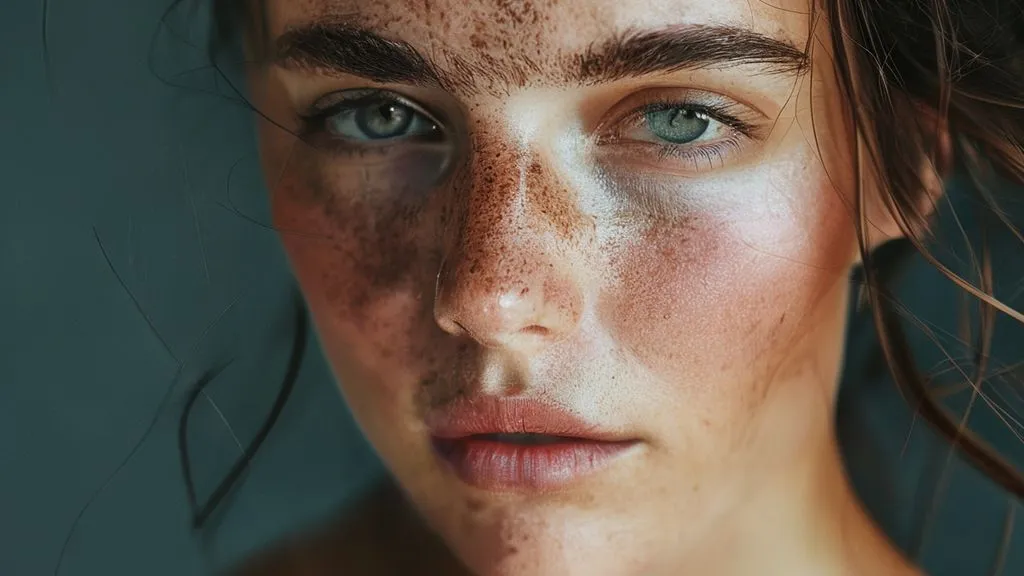
Who you choose to embody your brand is paramount. Generic campaigns often rely on 'safe' or conventionally 'pretty' models who, while aesthetically pleasing, might lack the distinctiveness or depth to carry a compelling narrative. My advice is always to cast for character, not just conventional beauty.
Moving Beyond 'Pretty': Seeking Authenticity and Diversity
The goal isn't just to show clothes; it's to create a connection. A model with a unique look, a compelling presence, or an authentic story can elevate your campaign from a product display to a powerful statement.
- Embrace Diversity in All Forms: Look beyond traditional industry standards. Consider models of different ages, ethnicities, body types, and backgrounds. This not only makes your campaign more inclusive but also inherently more interesting and reflective of the real world.
- Cast for Personality and Presence: During castings, engage with potential models. Do they have a spark? Can they convey emotion? Do they understand the campaign's narrative? Sometimes, a less experienced model with incredible presence will outperform a seasoned one who lacks that unique spark.
- Utilize Street Casting or Non-Professional Models: For certain brands, finding 'real people' who embody the brand's spirit can bring an unparalleled level of authenticity and originality to your images.
- Collaborate Closely with Your Stylist and Hair/Makeup Artists: Ensure their approach enhances the model's unique features and aligns with the campaign's narrative, rather than conforming to a generic 'glam' look.
As a 2023 report by The Business of Fashion highlighted, consumers increasingly value authenticity and representation. Diverse casting isn't just ethical; it's a powerful strategic tool to prevent generic photography and foster deeper engagement.
5. Innovative Styling and Art Direction: The Devil in the Details
Styling and art direction are the unsung heroes in the fight against generic fashion photography. It’s not just about putting clothes on a model; it’s about creating a cohesive visual statement that reinforces your brand’s unique identity and narrative. Generic campaigns often fall short by adhering to predictable styling tropes.
Challenging Norms: Unconventional Pairings and Visual Twists
This is where creativity truly shines. A skilled stylist and art director can transform a simple garment into a powerful visual element, elevating the entire campaign.
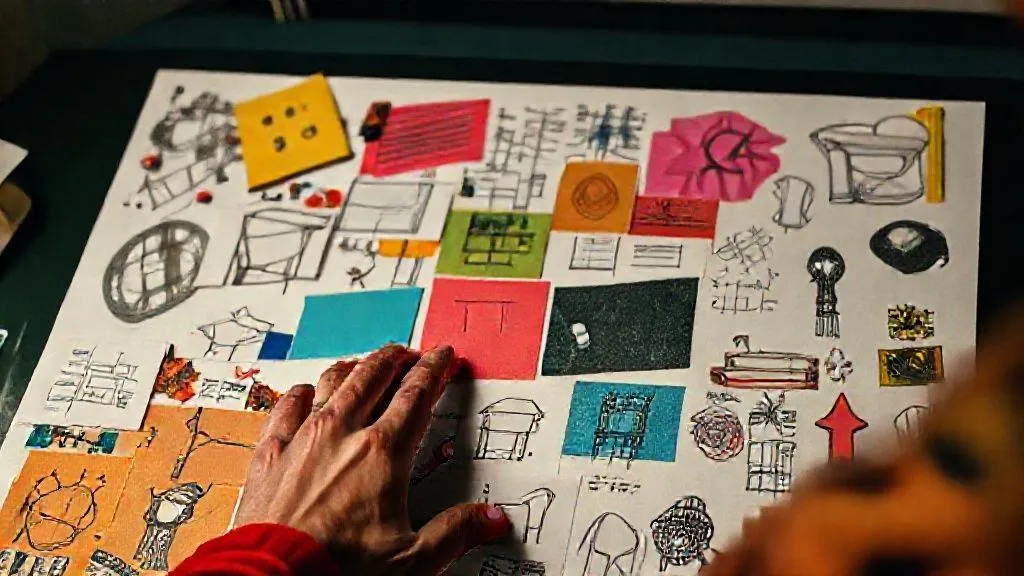
- Develop a Detailed Mood Board: This goes beyond just clothing. Include textures, colors, art references, historical periods, and emotional cues that define the campaign's aesthetic.
- Experiment with Layering and Proportion: Challenge conventional silhouettes. Play with oversized elements against fitted ones, or unexpected layering that creates visual interest and depth.
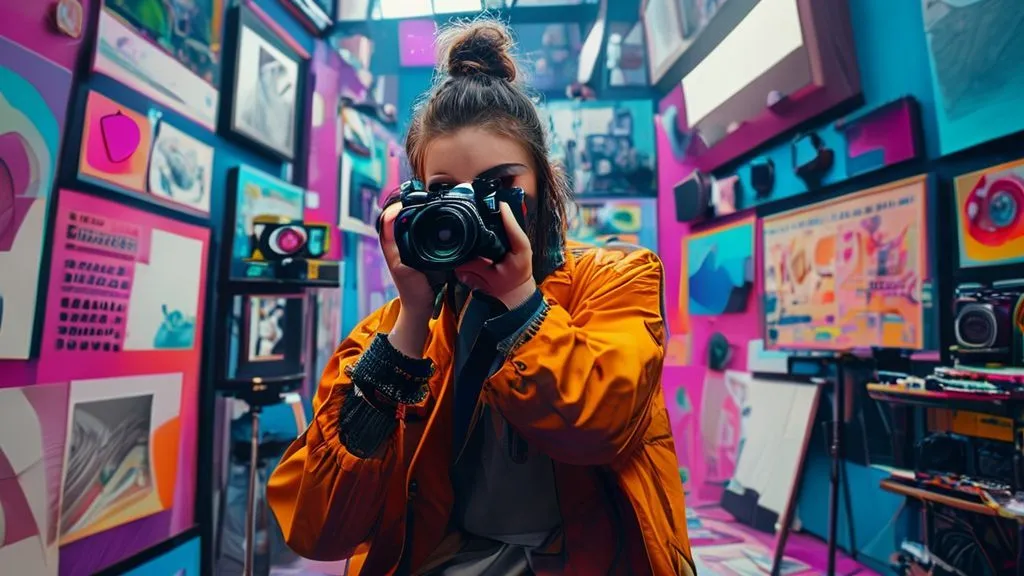
- Incorporate Unique Accessories and Props: These are crucial narrative elements. A vintage camera, a sculptural piece of jewelry, or an unusual prop can instantly add character and intrigue, tying back to your story.
- Consider Hair and Makeup as Art: Don't default to standard beauty looks. Use hair and makeup to enhance the model's character and the campaign's mood, whether it's avant-garde, raw, or subtly theatrical.
It's about making deliberate choices at every turn, ensuring each detail contributes to the overarching vision and moves away from the expected. This meticulous approach prevents the campaign from feeling like a mere catalog shoot.
6. Mastering Lighting and Post-Production: Crafting a Signature Aesthetic
Lighting is the sculptor of your image, and post-production is the final polish that defines its unique voice. Generic campaigns often suffer from flat, uninspired lighting or overly processed, uniform post-production that strips away any individuality. To prevent this, you need to develop a distinctive visual language.
Beyond the Bright and Airy: Developing a Unique Visual Language
Your lighting and post-production choices should be as intentional as your location and styling. They contribute significantly to the mood, atmosphere, and overall brand aesthetic.
- Experiment with Light Sources: Don't just rely on standard studio strobes. Explore natural light, mixed lighting, continuous lighting, or even unconventional sources like colored gels or projections. Each offers a different emotional tone.
- Understand Light Qualities: Hard light creates drama and sharp shadows; soft light is ethereal and gentle. Choose the quality that best serves your narrative.
- Develop a Consistent Color Palette: This is crucial for brand recognition. Work with your retoucher to establish a unique color grade, whether it's desaturated and moody, vibrant and punchy, or warm and nostalgic. Avoid generic presets.
- Focus on Subtlety in Retouching: The goal is to enhance, not to homogenize. Over-retouching can strip an image of its authenticity and individuality, making models look interchangeable.
According to insights from Adobe's Creative Cloud, developing a unique color grading and lighting strategy is fundamental to establishing a recognizable visual brand identity in photography. It’s about creating a signature style that audiences come to associate solely with your brand.
| Lighting Technique | Emotional Impact | Generic Pitfall | Unique Application |
|---|---|---|---|
| Hard Light | Dramatic, Bold, Modern, Edgy | Overly harsh, unflattering shadows | Sculpting form, emphasizing texture, creating strong narrative tension |
| Soft, Diffused Light | Dreamy, Ethereal, Gentle, Romantic | Flat, lack of depth, uninspired | Highlighting delicate fabrics, creating serene moods, evoking introspection |
| Backlight/Rim Light | Mysterious, Silhouetted, Poetic, Heroic | Loss of detail, blown out highlights | Creating separation, adding luminosity to hair/edges, evoking a sense of wonder |
| Mixed Lighting (e.g., Natural + Artificial) | Dynamic, Complex, Realistic, Urban | Inconsistent color temperatures, messy look | Mimicking real-world environments, adding depth and layers to indoor/outdoor shoots |
7. Embracing Imperfection and Authenticity: The Human Element
In a world saturated with heavily polished, unattainable imagery, there's a growing hunger for authenticity. Generic fashion campaigns often err on the side of perfection, which paradoxically, can make them feel sterile and unrelatable. True originality often lies in embracing the raw, the candid, and the human.
Capturing Raw Emotion and Candid Moments
My most successful campaigns have often been those where we allowed for spontaneity, where the models were encouraged to simply *be*, rather than perform a prescribed pose. This approach injects life and genuine emotion into your images.
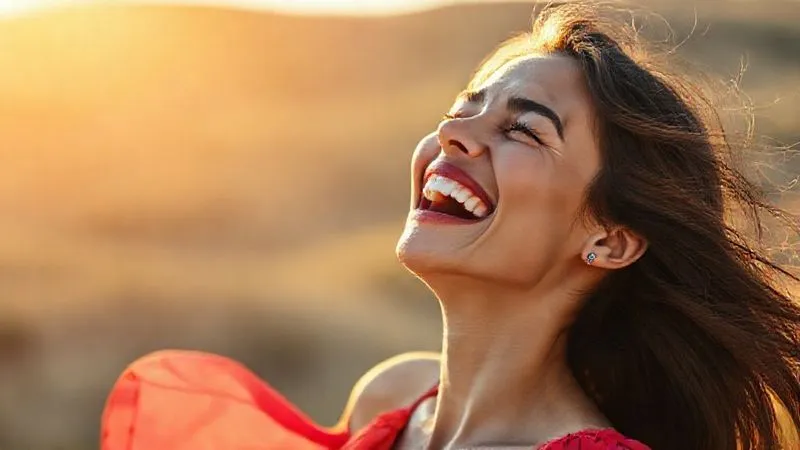
- Encourage Movement and Interaction: Instead of static poses, encourage models to move, dance, laugh, or interact with each other and their environment. This creates dynamic, authentic moments.
- Capture 'In-Between' Moments: Some of the most compelling shots are not the perfectly posed ones, but the candid glances, the thoughtful pauses, or the bursts of genuine emotion. These are the moments that truly connect with an audience.
- Embrace Natural Flaws: A stray hair, a wrinkle in the fabric, or a slightly imperfect pose can add character and realism. Over-correction can strip an image of its soul.
- Focus on Connection, Not Just Clothes: Encourage the model to connect with the camera, with another model, or with the environment in a way that tells a story beyond the garment.
Authenticity is not just a trend; it's a fundamental shift in how consumers engage with brands. When your fashion campaign photography feels real, it builds trust and fosters a deeper, more meaningful relationship.
As Harvard Business Review suggests, brands that prioritize authenticity and transparency are the ones building lasting connections in the modern market. This principle extends profoundly to visual storytelling in fashion.
8. Collaboration is Key: Building a Creative Dream Team
No truly original fashion campaign is the work of a single individual. It’s the synergistic output of a highly skilled and cohesive creative team. Generic outcomes often result from fragmented visions or a lack of genuine collaboration between key players. As an industry specialist, I've learned that the magic happens when everyone is aligned and empowered.
Synergizing Vision: Photographers, Stylists, and Art Directors
Your team — photographer, art director, stylist, hair and makeup artists, and even the models — must operate as a unified force, each contributing their unique expertise to a shared vision. This isn't about hierarchy; it's about mutual respect and open communication.
- Establish a Clear Creative Brief: Before anyone steps on set, ensure everyone has a deep understanding of the brand's DNA, the campaign's narrative, and the desired aesthetic. This brief should be a living document, discussed and refined.
- Foster Open Communication: Encourage dialogue, brainstorming, and even constructive disagreements. The best ideas often emerge from challenging initial assumptions.
- Empower Each Specialist: Trust your stylist to find innovative pairings, your art director to conceptualize groundbreaking sets, and your photographer to capture the vision with their unique artistic eye. Micromanagement stifles creativity.
- Conduct Pre-Production Meetings: These are non-negotiable. Discuss every detail, from lighting diagrams and shot lists to prop specifics and model poses. This ensures everyone is on the same page and anticipates potential challenges.
When a team truly collaborates, their combined creativity far surpasses the sum of individual efforts. This collective ingenuity is a powerful antidote to generic outcomes, as diverse perspectives converge to forge something truly unique.
9. Measuring Impact and Iterating: Learning from Your Audience
The journey to preventing generic fashion campaign photography doesn't end when the images are published. It's an ongoing process of learning, adapting, and refining. Generic campaigns often fail to evolve because there's no feedback loop informing future creative decisions. True originality is dynamic, informed by how your audience actually responds.
Beyond Likes: Tracking Engagement and Brand Perception
While 'likes' and 'shares' provide surface-level validation, you need to delve deeper into qualitative and quantitative data to understand if your unique vision is truly resonating and achieving its intended impact.
- Track Brand Sentiment and Perception: Monitor social media comments, conduct brand surveys, and analyze media mentions. Are people describing your campaign as 'unique,' 'innovative,' or 'distinctive'?
- Analyze Engagement Metrics with Context: Look at not just the volume of engagement, but the quality. Are comments thoughtful? Are people discussing the story or the aesthetic, not just the product?
- A/B Test Creative Elements: If feasible, test different visual approaches or narrative angles with smaller segments of your audience to see which resonates most strongly before a full-scale launch.
- Conduct Post-Campaign Reviews: Gather your creative team and key stakeholders to honestly assess what worked, what didn't, and what insights can be carried forward to the next campaign. This continuous learning is vital.
By actively seeking feedback and analyzing results, you can continuously refine your approach, ensuring that each subsequent campaign builds upon the last, pushing the boundaries of originality while staying true to your brand's evolving identity. This iterative process is how truly iconic, non-generic brands are built and sustained.

Frequently Asked Questions (FAQ)
How do I convince a conservative brand to try unconventional ideas? I've found success by building a strong case with data and a clear vision. Start by presenting a detailed mood board and a narrative concept that directly ties back to their brand values, but with an innovative twist. Show them competitor analysis highlighting the 'sea of sameness' and how a unique approach will make them stand out. Sometimes, a small-scale pilot project or A/B test can demonstrate the effectiveness of an unconventional approach with minimal risk. Emphasize that 'unconventional' doesn't mean 'irresponsible,' but rather 'strategically differentiating.'
What if my budget is limited? Can I still avoid generic looks? Absolutely. Originality isn't solely dependent on budget; it's about creativity and resourcefulness. Focus on innovative concepts, unique locations that are accessible (e.g., local hidden gems, natural landscapes), and casting authentic individuals rather than high-cost models. Clever styling with existing garments, DIY props, and mastering natural light can produce incredibly distinctive results. A strong narrative and a cohesive creative vision are often more impactful than a massive budget.
How important is the photographer's personal style? Extremely important. A photographer's unique artistic vision and personal style are crucial in translating a concept into distinctive imagery. While they must align with the brand's vision, their individual aesthetic helps prevent the campaign from looking like every other shoot. When hiring, look for a photographer whose portfolio demonstrates a strong, recognizable point of view that complements the brand's desired identity. This is a key differentiator from generic stock photography.
What role does social media play in preventing generic campaigns? Social media is a double-edged sword. While it can expose you to trends, it also risks homogenization. To prevent generic campaigns, use social media as a platform for authentic storytelling and direct engagement. Share behind-the-scenes glimpses, highlight the unique aspects of your production, and encourage user-generated content that reflects your brand's unique community. Monitor what resonates, but don't blindly chase viral trends; instead, use insights to refine your distinctive narrative.
How do I maintain brand consistency while still being unique in each campaign? Consistency comes from the core brand DNA and narrative, not necessarily from repeating the exact same visual style. Think of it as a consistent 'voice' with varying 'tones.' Your unique brand values, archetypes, and overarching story should remain constant. However, the interpretation of these elements through location, styling, lighting, and narrative can evolve with each campaign, allowing for freshness and originality while still being unmistakably your brand. It's about consistent identity, not repetitive imagery.
Key Takeaways and Final Thoughts
- Know Your Brand Inside Out: Originality begins with a deep understanding of your brand's unique DNA, values, and target audience.
- Embrace Storytelling: Move beyond product display to create compelling narratives that evoke emotion and connection.
- Innovate with Every Element: Challenge conventions in location, casting, styling, lighting, and post-production to craft a distinctive visual language.
- Prioritize Authenticity: Capture raw emotion and candid moments to build trust and relatability with your audience.
- Foster True Collaboration: Empower your creative team to synergize their unique talents towards a shared, distinctive vision.
- Learn and Iterate: Continuously measure impact and gather feedback to refine your approach, ensuring ongoing originality.
Preventing fashion campaign photography from looking generic isn't a one-time fix; it's a mindset. It requires courage, conviction, and a relentless pursuit of authenticity and innovation at every stage of the creative process. By embracing these strategies, you're not just creating images; you're crafting powerful visual statements that cut through the noise, captivate your audience, and solidify your brand's unique place in the fashion world. Go forth and create something truly unforgettable.
Recommended Reading
- 5 Indestructible Eyewear Materials: End Breakage for Active Customers?
- Precision Engineering: Stabilizing Defying Gravity Haute Couture Silhouettes
- The Ultimate Guide: How to Break in New Formal Dress Shoes Without Pain
- How to Slash Luxury Women's Shoe Returns by 40%: 7 Expert Tactics
- How to Select Women's Formal Wear for High-Stakes Client Pitches: 7 Steps

Your email address will not be published. Required fields are marked *