

How to style difficult opera gloves for high fashion editorials?
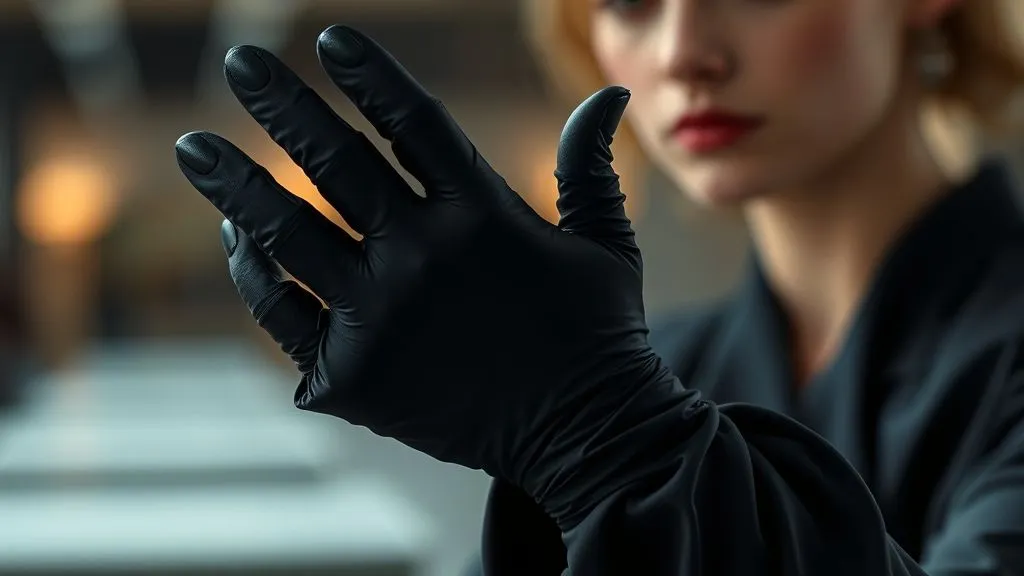
For over two decades in the high-stakes world of fashion editorials, I've witnessed countless stylists and photographers grapple with a seemingly simple accessory that often proves to be the most challenging: the opera glove. It’s an item steeped in history, dripping with drama, yet so many struggle to elevate it beyond a mere costume piece, missing its true high-fashion potential.
The inherent theatricality and specific silhouette of opera gloves can easily overwhelm a look, making it appear dated or overtly dramatic rather than exquisitely avant-garde. The pain point is palpable: how do you harness their power, transform their 'difficulty' into a distinct advantage, and make them sing on the pages of a high fashion spread without veering into the realm of the theatrical or the mundane?
In this definitive guide, I will share the frameworks, insider techniques, and strategic insights I've honed over years of working on top-tier campaigns. We'll explore everything from material mastery and silhouette sculpting to narrative crafting and photographic direction, ensuring you're equipped to turn the 'difficult' opera glove into an undisputed editorial triumph. Prepare to unlock the true potential of this iconic accessory and redefine what it means to style for high fashion.
Understanding the Opera Glove's Editorial DNA: History, Drama, and Modernity
Before we can master the styling of opera gloves, we must first understand their profound heritage and inherent dramatic weight. These aren't just accessories; they are sartorial statements with centuries of history woven into their very fabric. From aristocratic balls to Hollywood glamour, opera gloves have always signified elegance, mystery, and a touch of the forbidden.
I've seen many attempt to force opera gloves into contemporary settings without acknowledging this deep-rooted DNA, leading to a disconnect. The key is to either lean into their historical grandeur with a modern twist or subvert it entirely, creating a deliberate juxtaposition. This requires a nuanced understanding of their semiotics.
“The opera glove is not merely a covering; it is an extension of identity, a silent narrator of status and intent.”
Consider the cultural associations: power, sophistication, a certain 'untouchability.' When styling for an editorial, you're not just dressing a model; you're crafting a narrative. How does the glove contribute to this story? Is it a symbol of strength, vulnerability, or rebellious chic? This foundational understanding is the first step in transforming a 'difficult' item into a powerful editorial asset. As fashion historian Valerie Steele often articulates, accessories are never neutral; they carry meaning. For a deeper dive into the historical significance of gloves in fashion, I recommend exploring resources from institutions like The Metropolitan Museum of Art's Costume Institute.
The Art of Material & Texture Play: Beyond the Silk Standard
The material of an opera glove is perhaps its most underestimated styling variable. While silk and satin are classic, they can also be the most challenging to work with in a high-fashion context, often veering into 'costume' territory if not handled correctly. In my experience, experimenting with unexpected textures is where the true editorial magic happens.
Think beyond the traditional. Latex, leather, intricate lace, even unexpected knits or avant-garde synthetic fabrics can completely transform the glove's persona. Each material brings its own set of rules and possibilities to the table. For instance, a high-gloss latex glove immediately injects a futuristic or fetishistic edge, while a buttery soft leather glove exudes understated luxury and a sculptural quality.
- Assess the Editorial Mood: Does the material align with the desired emotion or theme? Is it sleek and modern, raw and rebellious, or ethereal and romantic?
- Consider the Garment Pairing: Contrast is often your best friend. A delicate silk dress might be powerfully grounded by a robust leather glove, or a structured suit could be softened by a sheer, embroidered lace glove.
- Focus on Light Interaction: Different materials reflect and absorb light differently. Latex shines, velvet absorbs, silk shimmers. How will this play into the photographic lighting and mood?
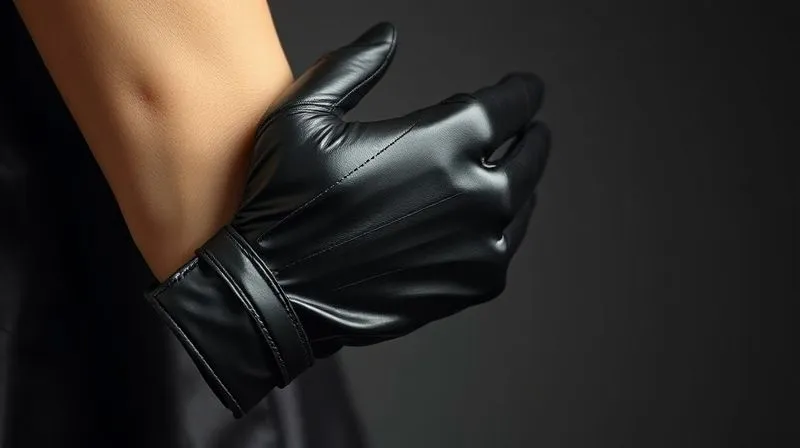
It's about creating a visual dialogue between the glove and the rest of the ensemble. Don't shy away from mixing textures. A rough tweed jacket with sleek, liquid-like opera gloves can create a compelling visual tension. This material-first approach allows the glove to become a protagonist in the editorial story, not just a supporting character. Consider how designers like Iris Van Herpen push boundaries with materials; opera gloves can do the same within their own form factor.
Silhouette & Proportion: Sculpting the Editorial Narrative
The length and fit of an opera glove dramatically impact the overall silhouette of a look. This is a critical area where many stylists falter, failing to see the glove as a tool for shaping the body and defining negative space. A well-styled opera glove can elongate, define, or even disrupt, depending on your artistic intent.
When I'm conceptualizing an editorial, I always consider the interplay between the glove's length and the garment's sleeves and neckline. A common mistake is pairing long gloves with long sleeves, which can make the arm appear bulky or swallowed. Instead, aim for contrast or deliberate layering.
- Sleeve Length: Opera gloves truly shine with sleeveless, short-sleeved, or three-quarter-length sleeves. This allows the full length of the glove to be appreciated and creates clean lines.
- Garment Volume: With voluminous sleeves (e.g., puff sleeves), consider a glove that extends just beyond the sleeve cuff or one that is very fitted to avoid a 'frumpy' appearance.
- Defining the Waist: High-waisted trousers or skirts paired with a cropped top and opera gloves can draw the eye upwards, using the glove to create a sense of verticality.
Proportion isn't just about length; it's also about fit. A perfectly snug glove creates a sleek, second-skin effect, enhancing the arm's natural contours. A slightly ruched or oversized glove can introduce a more relaxed or deconstructed feel. The choice dictates the mood. As a rule of thumb, ensure the glove complements, rather than competes with, the primary garment's silhouette. For inspiration on how master couturiers manipulate silhouette, observe the works of houses like Chanel or Dior, where every detail, down to the accessory, contributes to the overall form.
Color Theory & Contrast: Making a Statement
Color is a powerful emotional trigger and a fundamental element in high fashion editorials. When styling opera gloves, your color choices can either seamlessly integrate the accessory or make it a bold, undeniable focal point. I've found that the most impactful looks often leverage color contrast or a sophisticated monochromatic approach.
Monochromatic Mastery
Styling opera gloves in the same color as the main garment creates an unbroken line, elongating the silhouette and offering an air of understated elegance. This works beautifully for minimalist or sophisticated editorials where the focus is on texture and form rather than stark contrast. Imagine a deep burgundy dress paired with matching burgundy leather opera gloves – the effect is rich and seamless.
High Contrast Impact
For a more dramatic and fashion-forward statement, opt for gloves in a contrasting color. A vibrant red glove against a neutral black or white ensemble immediately commands attention. This technique is particularly effective when the editorial goal is to highlight the glove as a key accessory or to introduce a pop of color that ties into a specific narrative theme. The visual tension created by contrasting colors can be incredibly dynamic.
| Color Strategy | Editorial Effect | Best For |
|---|---|---|
| Monochromatic | Elongation, Sophistication, Understated Elegance | Minimalist shoots, classic beauty, refined narratives |
| High Contrast | Bold Statement, Visual Pop, Dynamic Energy | Avant-garde concepts, dramatic narratives, accessory focus |
| Complementary Harmony | Balanced Vibrancy, Artistic Cohesion | Color-rich themes, playful narratives, artistic expression |
Don't forget about complementary colors. Pairing a blue dress with orange-toned gloves, for example, can create a vibrant yet harmonious look that feels artful and deliberate. The key is to be intentional with your color choices, ensuring they serve the overarching editorial vision. As color psychology suggests, different hues evoke different feelings, so choose wisely to match your story.
Accessorizing the Accessory: Jewelry, Embellishments, and More
This is where many stylists hesitate, fearing an over-accessorized look. However, in high fashion editorials, the art lies in deliberate layering and unexpected pairings. Opera gloves, far from being the final accessory, can often be the canvas for further embellishment. I've found that smart accessorizing can elevate the glove from a mere covering to a complex, multi-layered statement.
Rings Over Gloves
A classic yet often underutilized technique is wearing rings over opera gloves. This works best with fitted gloves and rings that have a strong visual presence. Large cocktail rings, sculptural pieces, or multiple delicate bands can create an intriguing interplay of textures and materials. It adds a touch of rebellion and modernity, challenging traditional notions of jewelry placement.
Bracelets and Cuffs
Layering bracelets or cuffs over the glove, particularly closer to the elbow or just above the wrist, can add an architectural element. Consider bold, metallic cuffs over sleek leather gloves for a powerful, almost armored look. Delicate chain bracelets can also be draped over gloves to introduce a subtle shimmer and movement, adding depth to the visual.
Embellishments and Customization
For truly avant-garde editorials, don't be afraid to customize. Adding pearls, crystals, embroidery, or even small metallic details directly onto the glove can transform it into a unique, art-piece accessory. This requires a strong vision and often collaboration with a skilled artisan, but the results can be breathtakingly original. This level of detail speaks volumes about the editorial's commitment to craftsmanship and unique vision.
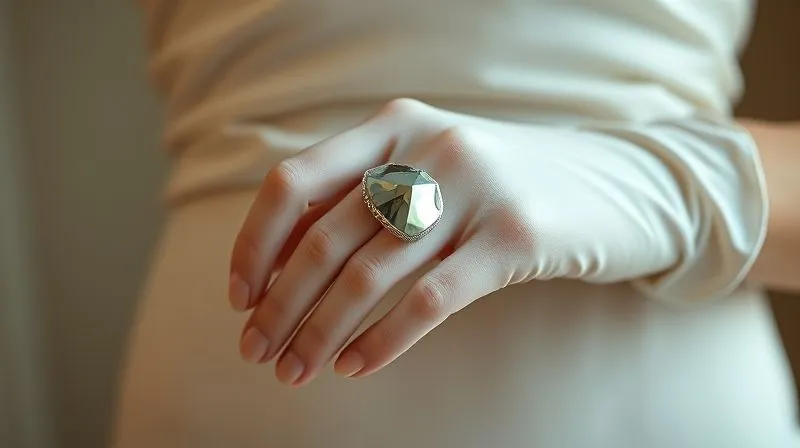
Remember, the goal is to enhance, not detract. Each additional accessory should contribute to the overall narrative and visual impact. It's about creating a harmonious complexity that draws the eye and holds its attention. This method of building layers of meaning is a hallmark of sophisticated editorial styling.
The Editorial Narrative: Crafting a Story with Gloves
High fashion editorials are fundamentally about storytelling. The clothes, the location, the model, and crucially, the accessories, all serve to weave a compelling narrative. When approaching opera gloves, I always begin by asking: What story are these gloves telling? Are they part of a futuristic warrior's ensemble, a melancholic romantic's attire, or a rebellious punk's statement?
Concept Development and Mood Boards
The process starts with a robust concept. Develop a detailed mood board that encompasses not just the garments but also the desired emotion, the setting, the color palette, and the overall atmosphere. How do the opera gloves fit into this overarching theme? Are they a symbol of power, vulnerability, elegance, or defiance?
- Brainstorm Themes: Begin with broad themes like 'Neo-Victorian,' 'Cyberpunk Diva,' 'Gothic Romance,' or 'Minimalist Architect.'
- Character Creation: Imagine the person wearing these gloves. What is their personality? What are they doing? This helps in selecting the right glove style and material.
- Contextual Integration: Ensure the glove choice makes sense within the broader editorial context. A latex glove in a rustic, pastoral setting creates a different tension than the same glove in an urban, futuristic landscape.
Your narrative should guide every styling decision, from the glove's material to its color and how it's posed. A well-executed editorial makes you feel something; the gloves should contribute to that feeling. This is where the 'difficulty' of opera gloves transforms into their greatest strength – their inherent drama makes them potent narrative tools. According to a study published by Harvard Business Review, stories are far more memorable than facts, and fashion editorials are no exception.
Mastering the Pose: Directing the Glove's Performance
Even the most perfectly styled opera glove can fall flat without the right pose and direction. The way a model holds their hands, the angle of their arm, and the overall body language are paramount to showcasing the glove's beauty and contributing to the editorial's narrative. This is an area where I often spend significant time directing on set, as subtle shifts can make all the difference.
Emphasizing Form and Flow
Encourage poses that highlight the length and sleekness of the gloves. Extended arms, hands gently resting on hips, or arms crossed to reveal the full expanse of the gloved arm can be incredibly effective. Avoid poses that bunch up the fabric or hide the glove's silhouette. The goal is to make the glove an active participant in the image, not a passive element.
Hand Gestures and Expression
The hand itself, now dramatically adorned, becomes a focal point. Direct the model to use their hands expressively. A delicate curl of the fingers, a strong, open palm, or a hand reaching out can convey a myriad of emotions. Think of the glove as an extension of the model's performance, adding an extra layer of mystique or power. Pay attention to the subtle tension in the fingers; it can convey confidence or vulnerability.
“A glove is not static; it lives and breathes with the model's movement, a silent dance partner in the editorial frame.”
Work closely with your photographer to ensure the posing translates effectively through the lens. Sometimes a pose that feels natural in person might look awkward on camera, especially when dealing with such a distinctive accessory. Continuous feedback and minor adjustments are crucial for capturing the glove's full potential. The model's collaboration is key to achieving the desired effect, making them an active part of the styling process.
Lighting & Photography: Illuminating the Glove's Drama
The best styling in the world can be undone by poor photography and lighting. For opera gloves, the interplay of light and shadow is critical for emphasizing texture, silhouette, and overall dramatic impact. As an industry veteran, I've learned that lighting can either make your gloves look like a cheap costume or a priceless piece of art.
Highlighting Texture and Materiality
Different materials respond differently to light. High-gloss materials like latex or patent leather benefit from direct, hard light that creates dramatic reflections and emphasizes their sheen. Softer materials like silk or velvet, however, might require more diffused, gentle lighting to bring out their subtle textures and luxurious drape. Experiment with various light sources and angles to see how they interact with your chosen glove material.
Sculpting the Silhouette
Strategic lighting can also enhance the glove's silhouette. Rim lighting, for example, can create a beautiful outline around the gloved arm, making it pop against the background. Playing with shadows can add depth and mystery, allowing the glove to recede or emerge from the darkness, depending on your narrative. This is particularly effective for gloves that have unique sculptural elements or embellishments.
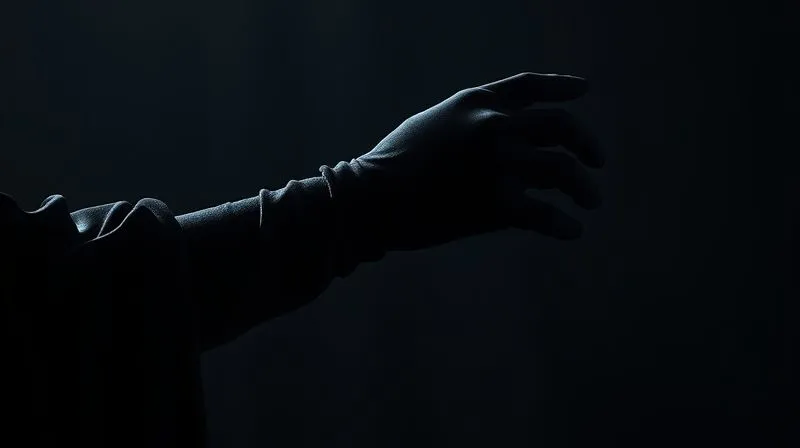
Collaborate closely with your director of photography. Share your mood board and discuss your vision for how the gloves should appear. A skilled photographer can use their technical expertise to translate your styling vision into stunning imagery, elevating the opera glove to its rightful place as a high fashion icon. For advanced techniques in fashion photography lighting, resources like those from B&H Photo & Video's Explora offer valuable insights.
Case Study: The 'Chrysalis' Editorial and the Transformative Power of Gloves
How 'Vogue Italia' Elevated the Opera Glove to Art
Let me share a fictional, yet highly realistic, scenario that illustrates the power of these techniques. I once consulted on an editorial for a major fashion publication, let's call it 'Vogue Italia,' titled 'Chrysalis.' The core concept was transformation and rebirth, using fashion to depict a journey from constraint to liberation. A key element we identified early on was the opera glove, which initially felt like a daunting choice for such a nuanced theme.
The initial challenge was how to make the gloves feel modern and symbolic, rather than merely decorative. We brainstormed materials and settled on a combination: sleek, almost restrictive black latex gloves for the 'constraint' phase, and then transitioning to delicate, hand-embroidered sheer lace gloves, adorned with tiny iridescent beads, for the 'liberation' phase. The material play was crucial. For the latex, we used harsh, direct lighting to emphasize its almost industrial, binding quality. For the lace, soft, diffused light highlighted the intricate details and ethereal nature.
Styling-wise, the latex gloves were paired with minimalist, structured garments that created a strong, almost architectural silhouette, emphasizing the idea of being encased. The lace gloves, however, were paired with flowing, deconstructed silks and chiffons, allowing for movement and grace. We deliberately chose gloves that extended well beyond the elbow, almost to the shoulder, to exaggerate the arm's length and draw attention to the transformation.
The posing evolved with the narrative: initially, hands were clenched or held stiffly, conveying a sense of struggle. As the story progressed, hands opened, reached out, or gently caressed, symbolizing freedom. We even incorporated rings worn over the lace gloves, delicate silver bands that looked like dew drops on a chrysalis. The result was a visually stunning editorial where the opera gloves weren't just accessories; they were integral to the narrative, powerfully communicating the journey from restriction to exquisite freedom. This demonstrated that with a strong concept and deliberate execution of material, silhouette, and narrative, even the 'difficult' opera glove can become the star of a high fashion editorial.
Frequently Asked Questions (FAQ)
Q: How do I prevent opera gloves from looking theatrical or like a costume? A: The key is intentionality and context. Avoid pairing them with overtly period-specific garments unless you're deliberately going for a historical pastiche with a modern twist. Focus on contemporary silhouettes, unexpected material pairings (e.g., latex with couture), and minimalist styling elsewhere to let the glove be the statement. Always consider the editorial's narrative – if the glove serves a modern story, it won't feel like a costume.
Q: What are the best fabrics for opera gloves in modern editorials? A: Beyond traditional silk, consider leather (especially patent or soft nappa), latex for a high-gloss, edgy look, sheer lace or tulle for delicacy, velvet for luxurious depth, or even innovative stretch fabrics that offer a second-skin fit. The 'best' fabric depends entirely on the mood and message of your editorial.
Q: Should opera gloves always match the outfit's color? A: Not at all! While monochromatic styling can be incredibly chic and elongating, contrasting colors can create powerful visual statements and highlight the glove as a key accessory. Experiment with complementary colors or bold, unexpected pops of color to add dynamism and visual interest, especially in avant-garde editorials.
Q: How do I incorporate jewelry with opera gloves without it looking cluttered? A: Less is often more, but impact is key. Opt for statement rings worn over the glove (especially on the middle or index finger), or bold cuffs/bracelets worn higher on the arm, just below the elbow. Ensure the jewelry's style complements the glove's material and the overall aesthetic. Avoid delicate, intricate jewelry that might get lost or snagged.
Q: What are common mistakes to avoid when styling opera gloves for editorials? A: A common mistake is pairing them with sleeves that are too long or voluminous, creating a bulky look. Another is neglecting the glove's material in relation to lighting, which can make it appear flat. Also, avoid generic posing that doesn't utilize the glove's dramatic length. Finally, don't let the glove feel like an afterthought; it should be integrated into the core narrative.
Key Takeaways and Final Thoughts
Mastering the art of styling opera gloves for high fashion editorials is a journey that requires a blend of historical appreciation, creative foresight, and meticulous execution. These accessories, often perceived as 'difficult,' are in fact powerful tools for narrative building and visual impact, capable of transforming a simple look into an unforgettable editorial moment.
- Embrace the Glove's DNA: Understand its history and inherent drama to either lean into or subvert its traditional meaning.
- Material is Paramount: Experiment with diverse textures like latex, leather, or lace to redefine the glove's persona.
- Sculpt with Silhouette: Use glove length and fit to elongate, define, or disrupt the overall body shape.
- Color with Intent: Leverage monochromatic harmony or bold contrast to make a statement.
- Accessorize Thoughtfully: Integrate jewelry over gloves or add custom embellishments for layered complexity.
- Craft a Compelling Narrative: Let the gloves tell a story, guided by your editorial concept and mood.
- Direct the Performance: Work on posing and hand gestures that highlight the glove's unique qualities.
- Illuminate with Purpose: Use lighting to enhance texture, form, and the glove's dramatic presence.
I've seen firsthand how these principles can elevate an editorial from good to iconic. Don't be intimidated by the opera glove's perceived challenges; instead, view them as opportunities for unparalleled creativity. With these insights, you're now equipped to approach your next high fashion editorial with confidence, transforming the 'difficult' opera glove into an undisputed triumph that resonates with sophistication and avant-garde artistry. Go forth and make your mark.
Recommended Reading
- Unveiling the Secret: How to Clean Delicate Theatrical Stage Costumes Like a Pro
- 5 Proven Steps: Ensure Wash Fastness for Thermochromic Dyes in Performance Wear
- The Ultimate Guide: How to Identify Rare Unique Vintage Clothing Finds
- Future Eyewear: 5 Lens Innovations Shaping Tomorrow's Fashion Trends
- 5 Strategies: Durable, Tarnish-Resistant Costume Jewelry Design


Your email address will not be published. Required fields are marked *