

How to Stop Odor Retention in Synthetic Performance Activewear?
For over 15 years in the activewear industry, I've heard countless frustrations about one persistent problem: the dreaded, lingering odor in synthetic performance gear. It's a battle many active individuals face, and I've personally seen high-quality garments prematurely discarded simply because they couldn't shake that tell-tale funk, no matter how many times they were washed.
You know the feeling. You invest in top-tier performance wear, expecting it to keep you comfortable and dry during your toughest workouts. But after just a few sessions, a subtle, then undeniable, smell seems to cling to the fabric, intensifying with every wear. It's not just unpleasant; it can be embarrassing and makes you question the longevity and value of your activewear.
But here's the good news: you don't have to live with stinky gym clothes. In this definitive guide, I'll share my expert insights, actionable frameworks, and proven strategies on how to stop odor retention in synthetic performance activewear. We'll delve into the science, debunk common myths, and equip you with the knowledge to reclaim freshness for your gear and extend its life significantly.
Understanding the Enemy: Why Synthetics Trap Odor
Before we can conquer the odor, we must understand its origins. Synthetic fabrics like polyester, nylon, and spandex are engineered for performance – they're lightweight, durable, and excellent at wicking moisture away from your skin. However, their very structure, specifically their hydrophobic (water-repelling) nature, also makes them a prime breeding ground for odor-causing bacteria.
Unlike natural fibers that absorb sweat, synthetics mostly move it to the surface. While this keeps you dry, it leaves behind a residue of skin cells, oils, and bacteria on the fabric's surface and within its microscopic crevices. These bacteria, particularly Staphylococcus hominis and Corynebacterium, feast on sweat components and produce volatile organic compounds (VOCs) – the chemicals responsible for that distinct, unpleasant gym smell.
Over time, these bacteria can form a stubborn biofilm on the fabric, which becomes increasingly difficult to remove with standard washing. This is why your activewear can smell clean right out of the wash, only for the odor to reappear almost immediately once it warms up on your body. It's a classic case of prevention being far more effective than a cure.
"The battle against activewear odor begins not in the laundry room, but in understanding the microscopic world thriving on your performance fabrics. It's a fight against biofilm, not just dirt."

The Immediate Post-Workout Protocol: Your First Line of Defense
The moment you peel off your sweaty activewear, the clock starts ticking. How you handle your gear in those initial minutes and hours can significantly impact its long-term freshness.
Don't Let it Linger: Immediate Action
- Air it Out Immediately: Never, ever ball up sweaty clothes and toss them into a laundry hamper. This creates a warm, moist, dark environment – a bacterial paradise. Hang your activewear to air dry, even if it's just over a chair or a drying rack, until you're ready to wash it.
- Avoid the Hamper Trap: If you must put it in a hamper, ensure it's a breathable mesh one, not a sealed plastic bin. Better yet, wash it as soon as possible.
Pre-Treatment Power: Vinegar & Baking Soda
For particularly sweaty items or if you can't wash immediately, a simple pre-treatment can work wonders.
- Vinegar Soak (Pre-Wash): Fill a sink or tub with cool water and add 1/2 to 1 cup of white distilled vinegar. Submerge your activewear for 30 minutes to an hour. Vinegar is a mild acid that helps break down the bacterial biofilm without harming the fabric.
- Baking Soda Paste (Spot Treatment): For stubborn underarm or crotch areas, mix baking soda with a little water to form a paste. Gently rub it into the affected areas and let it sit for 15-30 minutes before washing. Baking soda is an excellent natural deodorizer.
According to a study published in the Journal of Environmental Health Sciences & Engineering, household items like vinegar and baking soda can indeed play a role in reducing microbial loads on fabrics, making them effective preliminary steps in odor control.
Mastering the Wash Cycle: Detergents & Techniques
The way you wash your activewear is paramount. Many common laundry habits actually contribute to odor retention rather than preventing it.
Choosing the Right Detergent: Specialized vs. DIY
This is where many go wrong. Standard detergents are often designed for dirt and stains, not necessarily for the bacterial biofilm on synthetics.
- Sports Detergents: These are formulated with enzymes specifically designed to break down sweat, oils, and bacteria. Brands like HEX, Rockin' Green, or Persil ProClean Odor Fighter are popular choices.
- Enzyme Boosters: If you prefer your regular detergent, consider adding an enzyme-based laundry booster.
- DIY Boosters: A half cup of white vinegar or baking soda added directly to the wash cycle (alongside your detergent) can significantly enhance odor removal. Add vinegar during the rinse cycle if your machine allows.
The Cold Water Advantage & Gentle Cycle
Heat is the enemy of synthetic activewear, both for its structural integrity and its odor profile.
- Always Use Cold Water: Hot water can set stains, degrade elastic fibers, and, crucially, bake in odors by making the bacterial biofilm harder to remove. Cold water is sufficient for cleaning and far gentler on your performance fabrics.
- Gentle Cycle is Key: Rough agitation can damage delicate synthetic fibers, leading to pilling and reduced garment life. A gentle or delicate cycle is usually sufficient.
- Turn Garments Inside Out: This protects any printed logos or graphics and allows the detergent to directly target the areas most exposed to sweat and bacteria.
- Wash Separately: Avoid washing activewear with heavy, lint-producing items like towels or denim, as lint can cling to synthetics and trap odor.
- Absolutely NO Fabric Softener: This is perhaps the most critical rule. Fabric softeners leave a waxy residue on synthetic fibers that traps bacteria, clogs the fabric's wicking properties, and makes odor worse over time. Just say no!
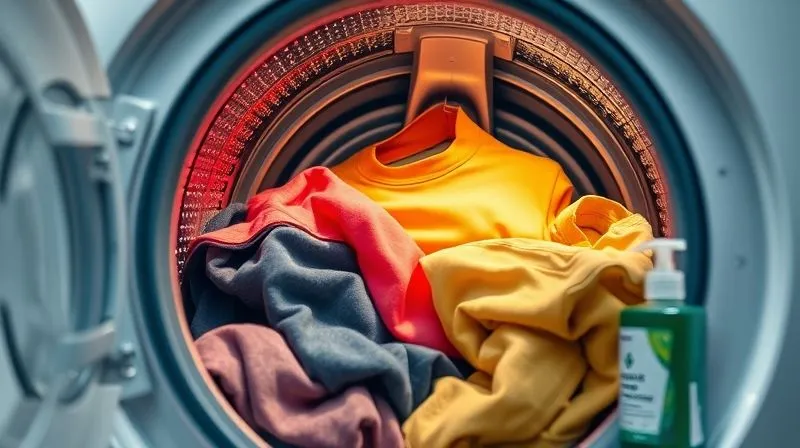
Drying Done Right: The Unsung Hero of Freshness
Once your activewear is clean, how you dry it is just as important as how you wash it. Improper drying can instantly undo all your hard work.
Air Dry is Your Best Friend
Just like hot water, high heat from a tumble dryer is detrimental to synthetic performance fabrics. It can:
- Damage Elasticity: Heat breaks down the spandex and elastic fibers, leading to stretched-out waistbands and saggy knees.
- Set Residual Odors: Any lingering bacteria or odor compounds that weren't fully removed in the wash can become baked into the fabric by heat, making them even harder to eliminate later.
- Shrinkage: While less common with synthetics, it can still happen, especially if blended with other fibers.
The best method is to always air dry your activewear. Hang items on a drying rack or clothesline immediately after washing. Ensure good air circulation around each garment.
Avoiding the Mildew Trap
Even air drying can go wrong if not done properly. Ensure your clothes dry completely and relatively quickly. Don't leave them damp for extended periods, as this can lead to new mildew odors. If drying indoors, ensure the room is well-ventilated or use a fan to speed up the process.
Deep Cleaning & Deodorizing: When Odor Persists
Sometimes, despite your best efforts, a stubborn odor might persist, especially in older garments or those that have been improperly cared for. This calls for a deep cleaning intervention.
The Vinegar Soak Revival
If the smell is really set in, a longer, more concentrated vinegar soak can often work wonders. This is a step I've personally used to salvage many a piece of beloved gear.
- Prepare the Soak: Fill a tub or large basin with cool water. Add 1-2 cups of white distilled vinegar.
- Submerge & Soak: Completely submerge your activewear. Ensure all parts are saturated.
- Extended Soaking Time: Let it soak for several hours, or even overnight (8-12 hours) for really tough odors.
- Wash as Usual: After soaking, remove the items and wash them immediately in cold water with your preferred sports detergent.
- Air Dry: As always, air dry completely.
Baking Soda Paste for Stubborn Spots
For specific areas that seem to hold onto the worst of the funk (e.g., armpits), a baking soda paste can be a targeted solution. Mix baking soda with just enough water to form a thick paste. Apply it directly to the affected areas, let it sit for an hour or two, then gently scrub with an old toothbrush before washing.
Case Study: Sarah's Marathon Gear Miracle
I recently advised Sarah, an avid marathon runner, who was on the verge of replacing her entire collection of expensive race shirts because of pervasive odor. She was diligently washing them after every run but using hot water and conventional detergent, and then tumble drying. Her shirts always seemed to smell clean fresh out of the dryer, but within minutes of her next run, the funk would return. By implementing the cold water wash, sports detergent, and a 12-hour vinegar soak, followed by air drying, she managed to completely eliminate the embedded odor from her favorite marathon shirt. The initial investment in a specialized detergent and the extra step of soaking saved her hundreds of dollars in replacement costs and prolonged the life of her performance wear significantly.
| Method | Pros | Cons | Best For |
|---|---|---|---|
| Vinegar Soak (Long) | Breaks down biofilm, natural, inexpensive | Requires time, strong vinegar smell initially | Overall embedded odors |
| Baking Soda Paste | Targets specific spots, gentle abrasive | Requires manual application | Stubborn underarm/crotch odor |
| Enzyme Cleaner (Spot) | Powerful enzymatic action | Can be more expensive, specific application | Protein-based stains & odors |
Strategic Storage: Keeping Odor at Bay Post-Wash
Even perfectly clean and dry activewear can develop a stale smell if stored improperly. This often overlooked step is crucial for maintaining freshness.
Ensuring Complete Dryness
This cannot be emphasized enough. Before putting any item of activewear away, ensure it is 100% bone dry. Even a minuscule amount of residual moisture can create an environment for mildew and bacteria to flourish, leading to a musty smell that's just as bad as sweat odor.
Breathable Storage Solutions
- Open Air: Store activewear in drawers or closets that allow for some air circulation. Avoid cramming too many items into a tight space.
- No Plastic Bags: Never store clean activewear in plastic garment bags or sealed containers. These trap any residual moisture and odors, creating a breeding ground for mildew.
- Cedar Blocks or Sachets: For an added layer of freshness, consider placing cedar blocks or small sachets of baking soda (in a breathable bag) in your drawers or closet. These absorb moisture and neutralize odors naturally.
Beyond the Wash: Long-Term Prevention & Product Choices
While proper washing and drying are key, some proactive choices can further reduce the likelihood of odor retention.
Investing in Odor-Resistant Fabrics
The textile industry has made significant advancements in odor-fighting technology. When buying new activewear, look for:
- Silver Ion Technology: Many brands integrate silver ions into their fabrics. Silver is a natural antimicrobial agent that inhibits the growth of odor-causing bacteria.
- Merino Wool Blends: While synthetic, merino wool is a natural fiber known for its excellent temperature regulation and natural odor resistance. Blends often combine the best of both worlds.
- Bamboo Fabrics: Similar to merino, bamboo offers natural antimicrobial properties and excellent breathability.
Leading brands like Patagonia and Icebreaker are pioneers in developing and utilizing these advanced, odor-resistant materials, often detailing their specific technologies on their websites.
Rotating Your Activewear Collection
Just like your running shoes, giving your activewear a break between wears and washes can help. Having a few sets of go-to workout gear allows each piece to fully air out and recover, reducing the cumulative stress and embedded odor. This might seem counterintuitive, but it's a strategy I recommend for extending the life and freshness of your entire collection.
Regular Washing Machine Maintenance
A dirty washing machine can't clean your clothes effectively. Over time, detergents, fabric softeners (if you use them for other laundry), and grime can build up, creating a musty environment within your machine. Run an empty hot water cycle with a cup of white vinegar or a specialized washing machine cleaner once a month to keep it fresh and efficient. This is a simple step, yet critically important for ensuring your machine is truly cleaning your activewear.

The Don'ts of Activewear Care: Common Mistakes to Avoid
To truly master odor prevention, knowing what *not* to do is just as important as knowing what to do. These are the common pitfalls I've seen countless times:
- Don't use fabric softener: As mentioned, it clogs fibers and traps odor.
- Don't use hot water: It bakes in odors and damages elastic.
- Don't use bleach: It can damage synthetic fibers, compromise color, and isn't effective against the bacterial biofilm.
- Don't use too much detergent: Excess detergent doesn't rinse out properly, leaving residue that can trap odor. A little goes a long way with specialized detergents.
- Don't tumble dry on high heat: Air drying is always the best option. If you must use a dryer, use the lowest heat setting or 'air fluff' cycle.
- Don't leave sweaty clothes in a gym bag: This is perhaps the quickest way to create a permanent odor problem.
"The cumulative effect of improper care can turn even the most advanced performance fabric into a permanent odor trap. Break these habits, and you'll break the cycle of stink."
Frequently Asked Questions (FAQ)
Can I use regular laundry detergent on my activewear? While you can, it's generally not recommended for optimal odor control. Regular detergents are often not formulated to effectively break down the specific oils and bacteria that cling to synthetic activewear. Specialized sports detergents, or adding vinegar/baking soda to your regular wash, will yield much better results in preventing and eliminating odor retention.
Why is fabric softener so bad for synthetic activewear? Fabric softeners work by coating fibers with a waxy residue to make them feel softer. On synthetic performance fabrics, this residue clogs the fabric's wicking properties (making it less effective at drawing sweat away) and, more importantly, traps odor-causing bacteria and prevents detergents from reaching and removing them effectively. Avoid it at all costs for your activewear.
How often should I wash my activewear? Ideally, activewear should be washed after every wear, especially if it's been exposed to significant sweat. The longer sweat and bacteria sit on the fabric, the more likely odor retention becomes. If an item was worn for a very light, low-sweat activity, you might get away with airing it out thoroughly and wearing it once more before washing, but this is an exception rather than the rule.
My activewear still smells even after trying everything. What else can I do? If persistent odor remains, consider a multi-pronged deep clean. Start with an extended vinegar soak (overnight), then wash with a high-quality enzyme-based sports detergent, and always air dry. Ensure your washing machine itself is clean. If the odor is truly intractable, it might be that the biofilm is so deeply embedded that the garment's useful life for odor-free performance has ended, and it might be time to replace it, learning from the experience for future care.
Are there any activewear materials that are naturally odor-resistant? Yes, certain materials are far better at resisting odor than traditional synthetics. Merino wool is excellent due to its natural antimicrobial properties and breathability. Some newer synthetic fabrics incorporate technologies like silver ions or zinc pyrithione, which inhibit bacterial growth. When purchasing new gear, look for these features to proactively combat odor.
Key Takeaways and Final Thoughts
Conquering odor retention in synthetic performance activewear isn't about one magic bullet; it's about implementing a consistent, multi-faceted approach to care. As an industry veteran, I've seen these strategies prove effective time and again, transforming frustratingly stinky gear into fresh, long-lasting companions for your active life.
- Act Fast: Never let sweaty gear linger. Air it out immediately.
- Pre-Treat: Utilize vinegar or baking soda for a powerful head start.
- Wash Smart: Use cold water, a gentle cycle, specialized detergents, and absolutely NO fabric softener.
- Air Dry: Heat is the enemy. Always air dry completely.
- Deep Clean: Don't shy away from extended vinegar soaks for stubborn odors.
- Store Right: Ensure items are bone dry and stored in breathable spaces.
- Choose Wisely: Consider odor-resistant fabrics for future purchases.
By integrating these simple yet powerful habits into your routine, you'll not only banish the dreaded activewear funk but also extend the life and performance of your favorite gear. Embrace these expert-backed methods, and experience the pure joy of fresh, ready-to-perform activewear, every single time. Your nose, and your wallet, will thank you.
Recommended Reading
- Boost Textile Recycling: 7 Proven Ways to Incentivize Garment Returns
- 7 Expert Steps: Authenticating Rare Vintage Designer Pieces Without Labels
- 7 Red Carpet Style Mistakes: How They Ruin a Business Professional's Image
- Unlock the Secret: How to Choose Formal Wear for a Summer Wedding with Style
- How to Safeguard Luxury Drops: 5 Strategies Against Brand Erosion



Your email address will not be published. Required fields are marked *