

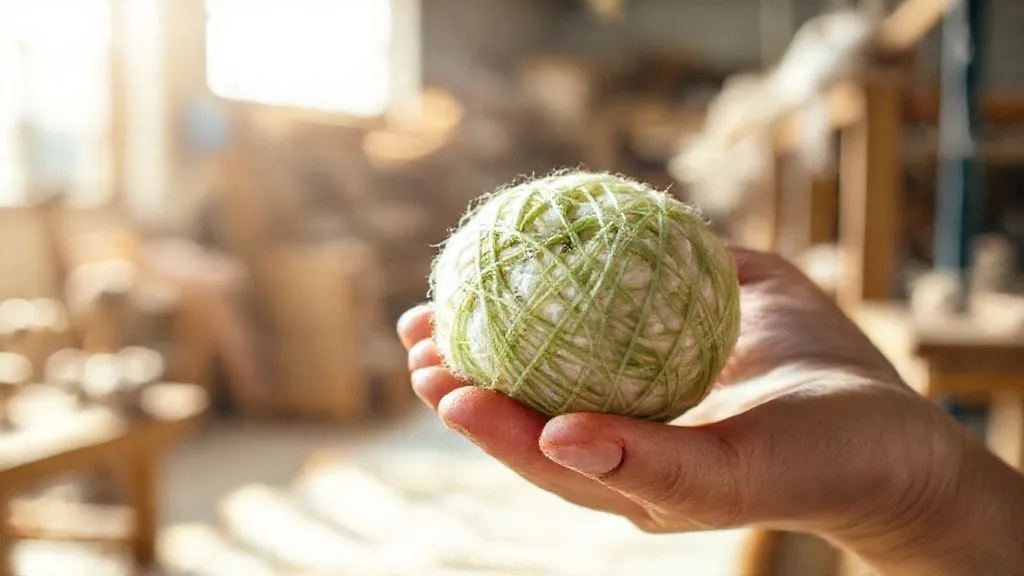
How to Source Affordable, Certified Organic Cotton for Small-Batch Production?
For over 15 years in the sustainable fashion industry, I've witnessed countless emerging brands and passionate designers face a formidable challenge: how to genuinely commit to ethical sourcing without bankrupting their small-batch operations. It's a tightrope walk – balancing the desire for certified organic materials with the harsh realities of minimum order quantities (MOQs) and budget constraints. Many start with grand visions, only to be deterred by the perceived inaccessibility of truly sustainable options, particularly when it comes to a cornerstone material like organic cotton.
The struggle is real. Finding organic cotton, let alone certified organic cotton, at a price point that makes sense for small-batch production often feels like searching for a needle in a haystack. You're not just looking for fabric; you're looking for transparency, traceability, and a supplier who understands the unique needs of a smaller scale. The market often caters to giants, leaving independent brands feeling marginalized and forced to compromise on their values, which, in my experience, is a path to regret.
But I'm here to tell you it's not only possible but entirely achievable. In this definitive guide, I'll draw upon my extensive experience to provide you with a practical, step-by-step framework. We'll explore actionable strategies, uncover hidden resources, and demystify the certification process, ensuring you can confidently source affordable, certified organic cotton for your small-batch production, without sacrificing your brand's integrity or your financial stability. Prepare to transform your sourcing challenges into sustainable success stories.
Understanding the 'Certified Organic' Landscape: GOTS and Beyond
When we talk about certified organic cotton, we’re not just talking about cotton grown without synthetic pesticides. We’re talking about a rigorous, audited system that ensures environmental and social responsibility throughout the entire supply chain, from farm to finished fabric. From my vantage point, understanding these certifications is your first, crucial step.
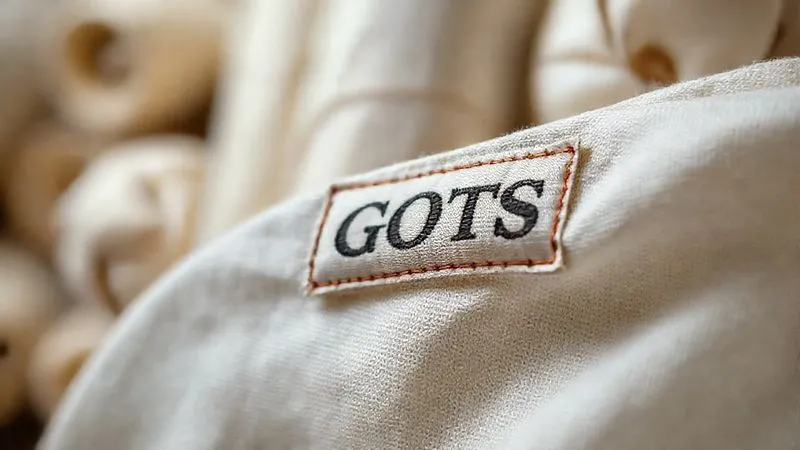
The most recognized and robust standard is the Global Organic Textile Standard (GOTS). GOTS doesn't just cover the growing of organic cotton; it also mandates environmentally and socially responsible manufacturing throughout the entire supply chain, including ginning, spinning, weaving, dyeing, and finishing. This means no toxic chemicals, fair labor practices, and wastewater treatment. It’s the gold standard for a reason. Other certifications like the Organic Content Standard (OCS) verify the organic content of a product but don't cover processing or social criteria. Fair Trade certification, while excellent for social equity, doesn't inherently guarantee organic status, though many Fair Trade cotton producers are also organic.
Why does this level of certification matter, especially for small-batch producers? Because it builds trust. In a world saturated with greenwashing, a GOTS label is a powerful signal to your customers that your commitment to sustainability is genuine and independently verified. It differentiates your brand and justifies the investment.
"True sustainability isn't just about what you grow, but how you make it. GOTS provides that holistic assurance, which is invaluable for any brand committed to ethical practices." - Industry Expert Insight
Here’s how to approach certification labels:
- Prioritize GOTS: Whenever possible, aim for GOTS-certified organic cotton. It offers the most comprehensive assurance.
- Understand OCS: If GOTS isn't available, OCS verifies the organic fiber content. It’s a good starting point, but remember it lacks processing and social criteria.
- Combine Certifications: Look for suppliers who might hold multiple certifications, e.g., GOTS and Fair Trade, for a truly holistic approach.
- Verify Certificates: Always ask suppliers for their current certification scopes and numbers. You can usually verify these on the respective certification body’s public database (e.g., GOTS Public Database).
Demystifying Pricing: Why Organic Cotton Costs More (and How to Mitigate It)
Let's address the elephant in the room: certified organic cotton often comes with a higher price tag than its conventional counterpart. This isn't a conspiracy; it's a reflection of the true cost of sustainable and ethical production. As an experienced specialist, I've seen brands stumble because they don't fully understand these cost drivers.
The higher cost stems from several factors: stricter farming practices (no synthetic pesticides or fertilizers, which often means lower yields per acre), higher labor costs due to fair wage requirements, the expense of certification and annual audits, and a less industrialized, more specialized supply chain. For small-batch production, you also often face higher per-unit costs because you're not ordering in the massive volumes that allow for significant economies of scale.
However, understanding these drivers is the first step to mitigating them. It's about finding smart strategies to reduce your overall expenditure without compromising on your core values. This might involve strategic negotiation, leveraging collective buying power, or optimizing your own production processes.
| Factor | Conventional Cotton | Certified Organic Cotton | Cost Implication | Sustainability Impact |
|---|---|---|---|---|
| Pesticide Use | High | None | Lower upfront | Soil degradation, water pollution |
| Fertilizer Use | Synthetic, high | Natural, low | Lower upfront | Eutrophication, GHG emissions |
| Water Consumption | High (often inefficient) | Lower (rain-fed, efficient) | Lower upfront | Water scarcity, ecosystem disruption |
| Certification & Traceability | None | Required (GOTS, OCS) | Adds 5-15% | Ensures standards, builds trust |
| Labor & Social Standards | Variable | Often higher (Fair Trade) | Can add 2-10% | Social equity, community well-being |
| Minimum Order Quantities (MOQ) | Flexible, low | Often higher initially | Higher initial investment | Encourages responsible production planning |
To genuinely reduce costs, consider these approaches:
- Buy in Larger Increments (when feasible): While you're small-batch, if you can commit to slightly larger quantities over time, suppliers are more likely to offer better pricing.
- Build Long-Term Relationships: Loyalty can lead to favorable terms. A supplier who knows you're committed will be more willing to work with your smaller volumes.
- Optimize Fabric Utilization: Every inch of fabric counts. Efficient pattern making and cutting can significantly reduce waste and, thus, material costs.
- Simplify Designs: Complex designs often require more fabric and specialized finishing, driving up costs. Simpler cuts can be just as elegant and more economical.
Strategic Sourcing: Finding Suppliers for Small-Batch Needs
This is where many small brands hit a wall. Large mills often have MOQs in the thousands of yards, which is simply unfeasible for a startup or an artisan brand. My advice is to shift your search strategy and focus on suppliers who are explicitly catering to or open to smaller volumes.
Don't just look for 'organic cotton suppliers'; look for 'small-batch organic fabric wholesale' or 'low MOQ certified organic cotton.' The key is to find partners, not just vendors. These are often smaller, family-run mills, specialized distributors, or even textile brokers who aggregate orders.
- Online Marketplaces & B2B Platforms: Websites like Common Objective, Queen of Raw, or even specialized Etsy shops for fabric can sometimes list smaller quantities. Alibaba and similar platforms can be used, but require much more due diligence on certification.
- Direct from Smaller Mills: Research and reach out directly to GOTS-certified mills, particularly those in regions known for organic cotton production like India, Turkey, or Portugal. Many smaller mills are more agile and willing to work with emerging brands, especially if they see potential for growth.
- Textile Agents/Brokers: These intermediaries often have relationships with various mills and can help negotiate MOQs or consolidate orders, making them a valuable resource for small-batch producers.
- Local Fabric Stores with Organic Sections: While not typically for production, some high-end fabric stores might offer organic cotton in smaller cuts that could serve as samples or for very limited runs.
Case Study: Eco-Thread Apparel's Sourcing Breakthrough
Eco-Thread Apparel, a startup specializing in organic baby clothes, struggled to meet their initial production run of 200 units due to high MOQ requirements from larger suppliers. By focusing on direct communication with smaller, family-owned GOTS-certified mills in India and building a personal relationship over several months, they negotiated a custom MOQ of 150 yards for their first order at a competitive price. This personalized approach allowed them to launch their brand with integrity, proving that persistence and relationship-building can overcome initial barriers. Their success led to a loyal customer base and the ability to scale up orders later, with the same mill becoming a trusted partner.

Leveraging Buying Groups and Co-ops for Better Pricing
One of the most powerful strategies for small-batch producers to access affordable, certified organic cotton is through collective buying. Individually, your MOQ might be too small, but together, you can meet the thresholds required for wholesale pricing. I've seen this strategy transform the viability of many independent brands.
Buying groups or co-operatives are essentially alliances of small businesses that pool their purchasing power to negotiate better prices, lower MOQs, and more favorable terms from suppliers. This model directly addresses the challenge of scale, turning a collective of small players into a significant customer for a mill or distributor. It's a win-win: suppliers gain larger orders, and small brands gain access to materials they otherwise couldn't afford.
The benefits extend beyond just price. Buying groups can also facilitate shared knowledge, provide peer support, and even collectively invest in new sustainable technologies or processes. It fosters a sense of community over competition, which is a beautiful thing in the sustainable fashion space.
How to find or start a buying group:
- Network within the Sustainable Fashion Community: Attend industry events, join online forums, and connect with other small, sustainable brands. Platforms like LinkedIn groups or specialized sustainable textile communities are excellent starting points.
- Propose the Idea: If you can't find an existing group, don't be afraid to initiate one. Start with a few trusted contacts and outline the mutual benefits.
- Define Rules and Responsibilities: Clearly establish how orders will be placed, how payments will be handled, and how logistics (shipping, customs) will be managed. Transparency is key.
- Centralize Communication: Use a shared platform (e.g., Slack, dedicated email list) to streamline communication and coordination among group members.
- Start Small, Grow Organically: Begin with a manageable number of brands and a single material. As you build trust and experience, you can expand your offerings and membership.
The Power of Pre-Orders and Crowd-Funding in Sustainable Sourcing
Securing upfront capital to meet MOQs is a perennial challenge for small businesses. However, in the age of conscious consumerism, your customers can become your most powerful allies in sourcing affordable, certified organic cotton. Pre-orders and crowdfunding aren't just about raising money; they're about building community and validating demand before you commit significant capital.
A pre-order campaign allows you to collect orders (and payments) from customers before your product is even manufactured. This capital can then be used to meet the supplier's MOQ for certified organic cotton. It's a direct way to gauge interest, manage inventory risk, and ensure you're producing exactly what your market wants, thereby minimizing waste.
Crowdfunding platforms like Kickstarter or Indiegogo take this a step further, allowing you to tell your brand story, share your sustainable mission, and rally a community around your vision. Backers often receive early access or special editions of your products, making them feel invested in your journey. This approach not only provides the necessary funds for sourcing but also generates significant marketing buzz.
- Transparency is Paramount: When using these methods, be completely transparent about your sourcing goals, the challenges you face, and how the funds will be used to procure certified organic materials.
- Communicate Timelines Clearly: Set realistic expectations for delivery, as pre-order and crowdfunding models often involve longer lead times than traditional retail.
- Engage Your Audience: Share updates on your sourcing journey, introduce your suppliers (anonymously if necessary), and educate your customers on the value of certified organic cotton.
Building Trust and Transparency: Auditing Your Supply Chain
While certifications like GOTS provide a solid foundation, my experience has taught me that true trust and transparency go beyond a label. Especially for small-batch producers, who often form closer relationships with their suppliers, it's vital to develop a deeper understanding and, where possible, conduct your own 'audits' – not necessarily formal ones, but thorough due diligence.
This isn't about being suspicious; it's about being responsible and ensuring your brand's integrity. It's about asking the right questions and understanding the answers. According to a 2023 report by Textile Exchange, brands that actively engage in supply chain transparency not only reduce risks but also see a 10-15% increase in consumer trust and loyalty. This is especially true for brands committed to sustainability.
Asking the Right Questions to Your Suppliers:
- Traceability: Can they trace the cotton back to the farm? Do they have records for each stage of processing?
- Certification Scope: What exactly is covered by their certification? Is it just the raw material, or the entire processing facility?
- Social Compliance: What are their labor practices? Do they adhere to local labor laws, and do they have any social certifications (e.g., Fair Trade)?
- Environmental Practices: Beyond organic, what are their water, energy, and waste management policies?
- Minimum Order Quantities (MOQs): Be upfront about your small-batch needs and ask about flexibility or options for sample yardage.
- Pricing Structure: Understand how their pricing is broken down. Are there discounts for larger quantities or loyal customers?

Negotiation Tactics and Long-Term Partnership Building
For small-batch producers, sourcing affordable, certified organic cotton isn't just about finding a supplier; it's about building a relationship. In my career, I've seen that the most successful brands treat their suppliers as partners, not just transactional entities. This approach pays dividends, especially when negotiating prices and MOQs.
While large brands can demand steep discounts due to sheer volume, small brands have the advantage of agility, clear communication, and often, a compelling story. Don't underestimate the power of your brand's narrative and your commitment to sustainability. Many smaller mills and distributors are themselves passionate about ethical production and are more likely to support aligned values.
Effective Negotiation Strategies for Small Batches:
- Be Prepared and Knowledgeable: Understand market prices, your specific needs, and the value you bring as a partner.
- Highlight Your Brand's Story: Share your mission, your commitment to sustainability, and your growth potential. Suppliers often appreciate working with brands that have a strong, ethical purpose.
- Start with a Reasonable Offer: Don't lowball. Present a fair offer that reflects your budget but also respects their costs.
- Ask for Flexibility on MOQs: Instead of demanding a lower MOQ, ask if they can offer 'sample' yardage or if there's a slightly higher price for smaller runs.
- Commit to Future Business: If you're happy with the first order, communicate your intention for a long-term partnership. This often incentivizes suppliers to offer better terms down the line.
- Offer to Pay Upfront (Partial or Full): For small orders, offering to pay a larger percentage upfront can reduce the supplier's risk and make them more amenable to your terms.
Remember, a strong partnership means mutual benefit. By being a reliable, communicative, and ethical client, you position your brand as a valuable partner, even with smaller order volumes. This trust is far more valuable than a one-time discount.
Beyond Cotton: Exploring Other Affordable Certified Sustainable Fibers
While this guide focuses on certified organic cotton, it’s important to acknowledge that the sustainable textile landscape is evolving rapidly. Sometimes, for specific products or budget constraints, exploring other certified sustainable fibers can be a smart diversification strategy for small-batch production. My experience has shown that a flexible approach to materials can open new doors without compromising your ethical stance.
The goal is always to reduce environmental impact and ensure social equity. While organic cotton remains a cornerstone, other fibers offer compelling alternatives, often with different aesthetic or performance qualities, and sometimes, more accessible MOQs for smaller brands.
- Hemp: A highly sustainable fiber requiring minimal water and no pesticides. It's durable, breathable, and softens with wear. Certified organic hemp is available, and its cultivation is growing.
- Recycled Cotton: Gives new life to textile waste, significantly reducing the demand for virgin cotton. Look for certifications like GRS (Global Recycled Standard). Note that recycled cotton often needs to be blended with other fibers for strength.
- TENCEL™ Lyocell & Modal: These are cellulosic fibers made from sustainably sourced wood pulp, processed in a closed-loop system that recycles water and solvents. TENCEL™ is known for its softness, drape, and breathability, and is a fantastic alternative for many applications. They are not 'organic' in the same sense as cotton, but their production process is highly sustainable and certified.
- Linen (Organic): Derived from the flax plant, organic linen shares many benefits with organic cotton in terms of cultivation, though it can sometimes be more expensive.
When considering these alternatives, always apply the same rigorous approach to certification and supply chain transparency as you would for organic cotton. Ask for GRS for recycled materials, or inquire about the sustainability credentials of the wood pulp for TENCEL™. Fair Trade International is another excellent resource for finding ethically produced materials.
Frequently Asked Questions (FAQ)
Question? Is GOTS certification the only one that matters for organic cotton?
Answer: While GOTS is widely considered the most comprehensive and stringent certification for organic textiles, covering both environmental and social criteria throughout the entire supply chain, it's not the only one. The Organic Content Standard (OCS) verifies the organic fiber content but doesn't cover processing. Other certifications like Fair Trade focus on social equity. For holistic sustainability, GOTS is ideal, but OCS can be a good starting point if GOTS-certified options are unavailable, provided you also investigate the processing and social aspects of the supply chain.
Question? How much more expensive is certified organic cotton compared to conventional cotton for small orders?
Answer: For small orders, certified organic cotton can be anywhere from 10% to 50% more expensive than conventional cotton, sometimes even more depending on the specific fabric, finish, and supplier. This premium covers the costs of sustainable farming, ethical processing, and certification audits. However, as discussed, strategies like collective buying, long-term partnerships, and efficient design can help mitigate this cost difference over time.
Question? Can I mix certified organic cotton with conventional cotton in my products?
Answer: Technically, yes, you can. However, if you mix certified organic cotton with conventional cotton, your final product cannot be labeled as 'certified organic.' It might be labeled as a 'blend' or 'contains organic cotton,' but it loses the full GOTS or OCS certification claim for the finished product. To maintain the integrity of your 'certified organic' claim, all cotton components in a product must adhere to the standard.
Question? What are the common pitfalls to avoid when sourcing organic cotton internationally?
Answer: Common pitfalls include: not verifying certifications (always check the public databases), underestimating lead times and shipping costs, lack of clear communication with suppliers (especially across language barriers), overlooking minimum order quantities (MOQs), and not conducting proper due diligence on the supplier's ethical and environmental practices beyond just the organic claim. I've also seen brands struggle with customs and import duties if not planned for.
Question? How can I verify a supplier's organic claims if they're not GOTS certified?
Answer: If a supplier isn't GOTS certified, they might have OCS certification for the fiber content. Beyond that, you'll need to conduct more in-depth due diligence. Ask for their organic farm certification (e.g., USDA Organic, EU Organic), their processing facility's environmental policies, and any social compliance audits they've undergone. Request documentation, visit if possible (or hire a local agent), and seek references from other brands they supply. Transparency in their supply chain mapping is a good indicator.
Key Takeaways and Final Thoughts
Sourcing affordable, certified organic cotton for small-batch production is not merely a logistical challenge; it's a strategic imperative for any brand committed to genuine sustainability. It demands diligence, creativity, and a willingness to forge meaningful partnerships. My journey in this industry has shown me that the brands that succeed are those who approach this with both passion and pragmatism.
- Embrace Certification: Prioritize GOTS for holistic assurance, building immediate trust with your conscious consumer base.
- Strategize on Costs: Understand the true cost of organic, and mitigate it through smart design, long-term relationships, and efficient utilization.
- Hunt for Niche Suppliers: Actively seek out smaller mills, distributors, and brokers who cater to lower MOQs and share your values.
- Leverage Collective Power: Explore buying groups and co-ops to pool resources and unlock better pricing and access.
- Engage Your Community: Utilize pre-orders and crowdfunding to fund your initial material purchases and build a loyal customer base.
- Build Trust Proactively: Go beyond labels by asking detailed questions and fostering transparent, long-term relationships with your suppliers.
- Diversify When Prudent: Explore other certified sustainable fibers like hemp or TENCEL™ to broaden your material options.
The path to sustainable sourcing for small-batch production is undeniably challenging, but it is also incredibly rewarding. Each yard of certified organic cotton you source is a vote for a healthier planet and fairer labor practices. By applying the strategies I've outlined, you're not just building a brand; you're building a better future, one ethical garment at a time. Your commitment makes a difference, and with these tools, you are well-equipped to make that difference a reality.
Recommended Reading
- Master 5 Steps: Authenticate & Value Rare Vintage Designer Finds Fast
- Find Your Perfect Fit: Best Luxury Eyewear Brands for Oval Faces
- 7 Pro Lighting Fixes: Preventing Fabric Texture Loss in Studio Fashion Photography
- Streetwear Sales Stalling? 7 Expert Fixes for Stagnant Accessory Growth
- 5 Reasons Customers Abandon AR Try-On: Fix Your Fashion Tech Leaks




Your email address will not be published. Required fields are marked *