

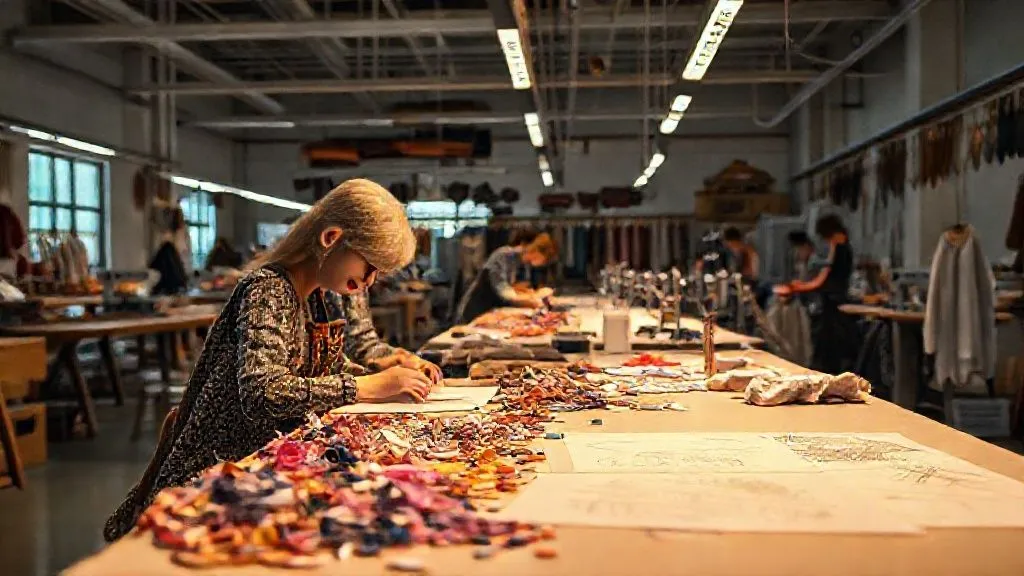
How to scale unique upcycled fashion designs for profitable production?
For over 15 years immersed in the sustainable fashion trenches, I've witnessed firsthand the incredible passion and ingenuity behind countless upcycled fashion brands. The vision is always clear: to transform waste into wearable art, to challenge fast fashion, and to redefine luxury with intention. Yet, a recurring pain point emerges once the initial buzz fades: the daunting question of how to move beyond bespoke creations and boutique sales to achieve profitable, scalable production without sacrificing the very uniqueness that defines upcycling.
Many talented designers find themselves at a crossroads, trapped between the desire to maintain the handcrafted, one-of-a-kind appeal and the economic necessity of growing their business. The inherent variability of upcycled materials, the labor-intensive processes, and the challenge of consistent quality can feel like insurmountable barriers to scale. This isn't just a logistical hurdle; it's a fundamental conflict between artisanal craft and industrial efficiency, threatening to stifle innovation and limit impact.
In this definitive guide, I will share the frameworks, strategies, and expert insights I’ve gathered from working with both emerging and established upcycled brands. We'll dissect the core challenges and provide actionable steps, real-world analogies, and a clear roadmap to help you bridge the gap between creative uniqueness and profitable, scalable production. My goal is to equip you with the knowledge to not just survive, but thrive, transforming your upcycled vision into a sustainable and impactful enterprise.
The Core Challenge: Bridging Uniqueness with Scalability
The fundamental allure of upcycled fashion lies in its uniqueness – each piece often tells a distinct story, born from the transformation of existing materials. This bespoke quality is precisely what draws discerning consumers, yet it simultaneously presents the most significant barrier to scaling production. How do you create 'one-of-a-kind' items at a volume that generates substantial profit and market penetration?
The conflict arises because traditional manufacturing thrives on standardization, repeatability, and predictability. Upcycling, by its very nature, often introduces variability in material availability, condition, and quantity. Trying to force a bespoke, artisanal process into a mass-production mold without thoughtful adaptation is a recipe for inefficiency, escalating costs, and ultimately, a diluted brand identity.
"The true art of scaling upcycled fashion isn't about replicating identical pieces, but about replicating a unique process that consistently delivers distinctive value, even with varied inputs. It's about designing a system for creative variability, not despite it."
To overcome this, we must shift our mindset from trying to standardize the 'output' to standardizing the 'approach' to design and production. This involves strategic planning from material sourcing to final garment finishing, ensuring that uniqueness is built into the system, not just an accidental byproduct.
Strategic Sourcing: Building a Robust Upcycled Material Pipeline
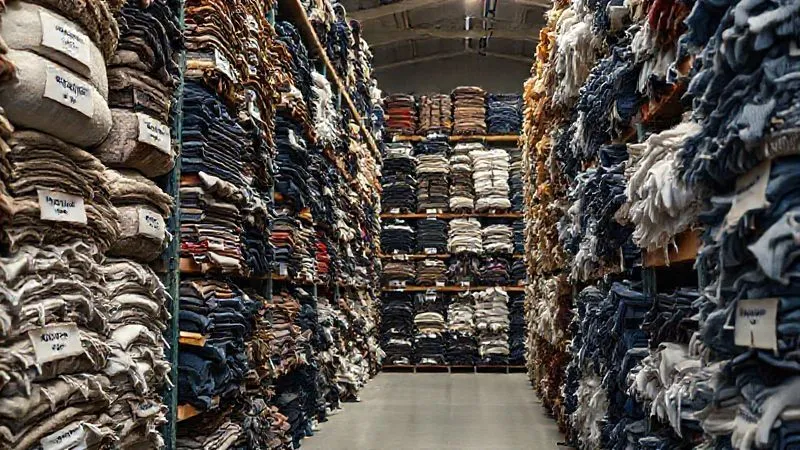
The lifeblood of any upcycled fashion brand is its materials. Without a consistent, reliable, and ethically sourced supply, scaling is simply impossible. This is where many brands hit their first major bottleneck.
Identifying Reliable Waste Streams
The first step is to move beyond opportunistic scavenging to strategic partnership. You need to identify and cultivate relationships with suppliers who can provide waste textiles or garments in predictable quantities and qualities. This might include:
- Textile Recyclers and Sorters: These facilities process vast amounts of post-consumer and post-industrial waste. Establish direct lines to acquire specific material types (e.g., denim, cotton blends, knits) that meet your design criteria.
- Garment Manufacturers: Partner with factories that have pre-consumer waste (fabric scraps, offcuts, deadstock rolls). This often yields higher quality and more consistent material.
- Laundries and Dry Cleaners: For specific items like towels, uniforms, or vintage garments, these can be unexpected but valuable sources.
- Corporate Uniform Programs: Companies often discard large volumes of branded uniforms. These can be a fantastic, consistent source if you have a plan for de-branding or incorporating logos into your design.
- Vintage Wholesalers: For a more curated aesthetic, buying in bulk from vintage wholesalers can ensure a steady supply of specific garment types or eras.
According to a Deloitte study on sustainable fashion, optimizing the supply chain for circularity is paramount for brands aiming for growth. This means treating your waste stream suppliers with the same strategic importance as traditional fabric mills.
Standardization vs. Creativity in Material Use
While the goal is to secure consistent material streams, the nature of upcycling means there will always be some variability. The key is to design within these constraints. Instead of designing for a specific print or color, design for a specific fabric type (e.g., "medium-weight denim," "soft cotton knit").
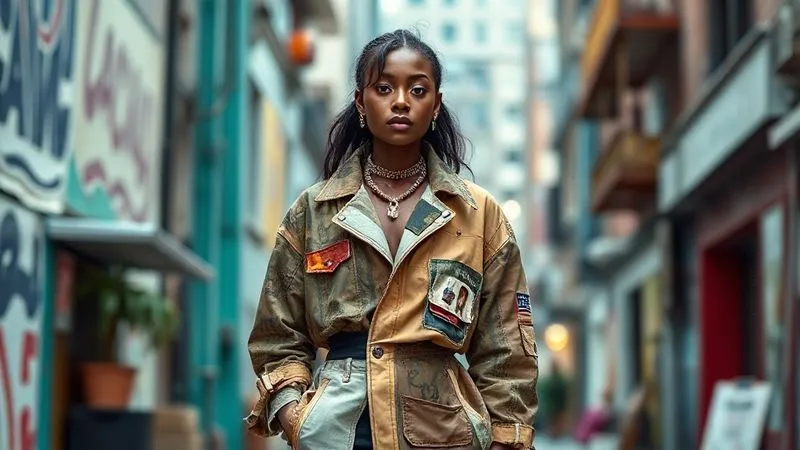
Consider creating collections that are 'batch-unique' rather than 'piece-unique.' This means a collection might use a batch of similar but not identical materials, allowing for slight variations that celebrate the upcycled nature without hindering production flow. For example, a collection of jackets might all be made from repurposed denim, but each jacket's wash or patching might differ slightly based on the source garment.
| Material Type | Scalability Potential | Design Approach |
|---|---|---|
| Post-Consumer Denim | High (consistent supply, robust material) | Modular, panel-based, varied washes/distress |
| Deadstock Silk Scarves | Medium (batch-dependent, highly variable prints) | Patchwork, accent details, limited edition drops |
| Corporate Uniforms (Cotton Twill) | High (large, consistent batches, uniform fabric) | Deconstruction/reconstruction, dyeing, embroidery, paneling to remove logos |
| Vintage Wool Sweaters | Low-Medium (seasonal, condition variability) | Felting, cutting, appliqué, highly curated small batches |
Design for Deconstruction and Reconstruction: Scalable Creativity
The design phase is where the magic of upcycling truly happens, but it's also where scalability can be lost. To scale, you must design with the production process in mind, embracing modularity and repeatable elements.
Modular Design Principles
Modular design involves breaking down a garment into smaller, interchangeable components. This approach is incredibly powerful for upcycling because it allows you to utilize varied material inputs while maintaining a consistent overall silhouette or structure. Think of it like a puzzle where the pieces are always the same shape, but their patterns or colors might vary.
- Component Standardization: Design common components that can be produced in batches, regardless of the ultimate garment. Examples include pockets, collars, cuffs, or specific panel shapes.
- Size and Fit Consistency: Develop a robust sizing system that can accommodate slight material variations without impacting the final fit.
- Deconstruction Strategy: Design your end product knowing how the source material will be deconstructed. For instance, if you're using old denim jeans, design pieces that can be cut efficiently from specific parts of the jean (e.g., front panels from legs, waistbands for detailing).
- Layering and Patchwork as Design Elements: Embrace patchwork not just as a necessity, but as a deliberate aesthetic. Develop patterns for patchwork that are repeatable and can be easily assembled by skilled artisans.
Batching and Repetitive Elements
Instead of creating 100 completely unique items, aim to create 10 distinct designs, each produced in batches of 10. Within each batch, allow for minor variations that celebrate the upcycled material (e.g., different shades of blue denim, varied embroidery patterns, unique patch placements). This gives the illusion of uniqueness while benefiting from the efficiencies of batch production.
"Scalable uniqueness isn't about eliminating variation, but about controlling it within defined design parameters. It's the difference between a spontaneous jam session and a jazz ensemble with a structured composition."
Focus on signature design elements that can be consistently applied across different material batches. This could be a specific stitching technique, a unique hardware detail, or a recognizable silhouette. These elements become your brand's DNA, instantly recognizable even if the underlying materials change.
Optimizing Production Processes: From Atelier to Assembly Line
Once you have your materials and designs, the next hurdle is transforming your production from a craft-based atelier into a more streamlined, efficient operation that can handle increased volume without compromising quality or ethical standards.
Lean Manufacturing for Upcycling
Lean principles, traditionally applied in industrial manufacturing, can be incredibly beneficial for upcycled fashion. The core idea is to minimize waste (of time, materials, effort) and maximize value. This means:
- Value Stream Mapping: Map out every step of your production process, from material reception to final packaging. Identify bottlenecks, unnecessary steps, and areas where materials are wasted or idle.
- Standardized Workflows: Even for unique items, standardize the sequence of operations. For example, 'deconstruct garment A,' 'cut pattern B,' 'stitch seam C.' This makes training easier and reduces errors.
- Batch Processing: Process similar components in batches. Cut all the sleeves for a collection at once, then all the collars, rather than cutting and sewing one garment at a time.
- Just-In-Time (JIT) Inventory: While challenging with variable upcycled materials, aim to minimize holding excessive inventory of processed components. Only process what you need for upcoming orders.
Applying lean principles doesn't mean sacrificing creativity; it means creating a more efficient framework within which creativity can flourish. Harvard Business Review often discusses how lean methodologies, when correctly applied, can boost innovation by freeing up resources.
Skill Training and Workforce Development
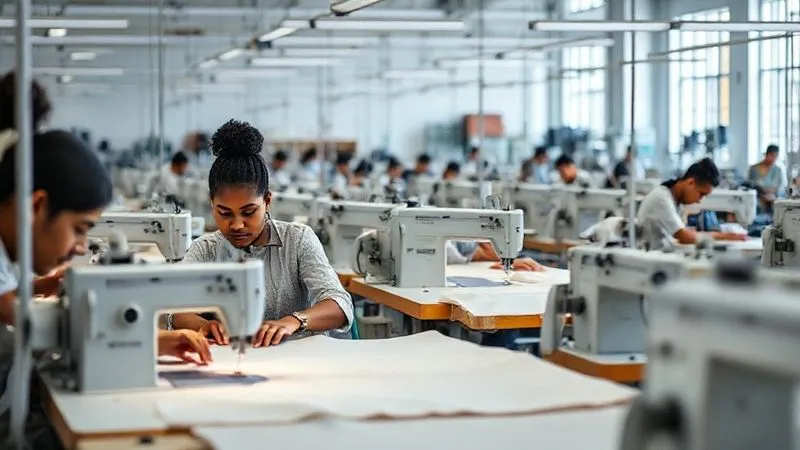
Upcycling often requires specialized skills – not just traditional sewing, but also deconstruction, pattern manipulation from existing garments, and creative problem-solving on the fly. Investing in your workforce is crucial for scaling.
Develop comprehensive training programs that teach these specific skills. Consider cross-training employees so they can perform multiple tasks, increasing flexibility and efficiency. Foster a culture of continuous improvement where workers are encouraged to identify process improvements. A well-trained, empowered team is your most valuable asset in maintaining quality and consistency at scale.
Case Study: EcoStitch Innovations
Case Study: How EcoStitch Innovations Scaled Denim Upcycling
EcoStitch Innovations, a mid-sized upcycled denim brand, faced a significant challenge: their highly sought-after patchwork denim jackets were labor-intensive and inconsistent in production, limiting their output to just 50 units per month. Their founder, Maya, realized their artisanal approach wasn't sustainable for growth.
By implementing a modular design strategy and lean production principles, EcoStitch transformed its operations. They standardized five core jacket silhouettes, designing panel patterns that could be cut efficiently from various parts of discarded jeans. Instead of creating each jacket uniquely, they sourced denim by shade and weight in larger batches from local textile recyclers. They then trained their team to deconstruct jeans and cut panels in bulk, followed by a 'patchwork assembly' stage where artisans could creatively combine pre-cut panels within a defined template.
This structured approach allowed them to increase production to 300 jackets per month while maintaining the "unique but consistent" aesthetic their customers loved. Quality control became easier with standardized components, and their lead times significantly reduced. This resulted in a 400% increase in revenue within 18 months and allowed them to expand into new product categories like bags and accessories, using the same modular system.
Quality Control and Consistency: Upholding Brand Value
The perception that upcycled items might be 'less than' new items in terms of quality is a hurdle you must proactively address. Scaling requires rigorous quality control processes to ensure every product meets your brand's high standards, even with varied inputs.
Establishing Upcycled Quality Standards
Your quality standards for upcycled fashion will differ from conventional production, but they must be equally, if not more, stringent. Define what constitutes an acceptable 'imperfection' or 'character' versus a genuine flaw. This includes:
- Material Inspection: Thoroughly inspect all incoming upcycled materials for damage, stains, or excessive wear that cannot be remedied.
- Component Quality: Ensure all deconstructed components (zippers, buttons, specific fabric panels) are clean, functional, and meet aesthetic criteria before reassembly.
- Stitching and Construction: Maintain the highest standards for seams, hems, and overall garment construction, just as you would for new clothing.
- Finishing and Detailing: Ensure all final touches, such as pressing, label attachment, and packaging, are consistent and reflect premium quality.
- Final Product Review: Implement a multi-stage inspection process, from individual component checks to a final garment audit before shipping.
Transparency about your quality control process can also be a powerful marketing tool, building trust with your consumers.
Managing Imperfections and Character
Upcycling inherently embraces the history of materials, and often, this means minor 'imperfections' or unique characteristics. Instead of hiding these, learn to celebrate them as part of the story and charm of the garment. For example, a slight fade on a denim patch or a subtle variation in texture can be framed as adding character, not detracting from quality.
Clearly communicate to your customers what to expect. Use high-quality photography that showcases the unique aspects of each piece or batch. Educate them on the journey of the material and how these unique traits contribute to the garment's individuality. This transforms potential concerns into selling points, turning 'flaws' into 'features.'
Pricing Strategies for Profitable Upcycled Fashion
Many upcycled brands underprice their products, failing to account for the true cost of sourcing, deconstruction, design, and specialized labor. This is a critical mistake that prevents profitable scaling.
Value-Based Pricing vs. Cost-Plus
While understanding your costs is essential (cost-plus pricing), upcycled fashion is uniquely positioned for value-based pricing. Your products offer immense value beyond their material cost:
- Sustainability: The environmental benefit of diverting waste.
- Uniqueness/Exclusivity: The one-of-a-kind or limited-edition appeal.
- Craftsmanship: The skilled labor and artistry involved in transformation.
- Storytelling: The narrative of the material's journey and transformation.
- Ethical Production: Assurance of fair labor practices.
As Seth Godin often emphasizes, "People do not buy goods and services. They buy relations, stories, and magic." Your pricing should reflect this inherent value. Conduct market research to understand what similar sustainable, artisanal, or luxury brands are charging, and position your brand accordingly.
A comprehensive pricing strategy should consider not just material and labor, but also design time, marketing costs, overheads, and a healthy profit margin for reinvestment into growth. For further insights on strategic pricing, refer to this Forbes article on strategic pricing.
Communicating the True Cost and Value
Educate your customers about why your products are priced the way they are. Be transparent about your process, the origin of your materials, the ethical labor practices, and the environmental impact you mitigate. When consumers understand the 'why' behind the price, they are far more willing to pay a premium for a product that aligns with their values.
Use your website, social media, and product tags to share your brand story and the journey of each upcycled piece. This builds a deeper connection with your audience and justifies your pricing strategy.
| Pricing Model | Pros | Cons | Best For |
|---|---|---|---|
| Cost-Plus | Simple to calculate, ensures basic profitability | Doesn't capture full brand value, potentially underprices unique items | High-volume, standardized upcycled components (e.g., linings, basic panels) |
| Value-Based | Maximizes revenue, reflects brand story & sustainability, attracts loyal customers | Requires strong brand communication, harder to justify without clear value proposition | Finished garments, signature pieces, limited edition collections |
| Competitive | Easy market entry, benchmarking | May not reflect true costs or unique value, race to the bottom | Initial market testing, understanding competitor landscape |
| Tiered Pricing | Catters to different budgets, allows for both entry-level and premium items | Requires diverse product range and clear differentiation | Brands with varying levels of material rarity or design complexity |
Marketing and Storytelling: Scaling Authenticity
In the crowded fashion market, your upcycled brand's story is your most potent marketing tool. Scaling doesn't mean diluting your narrative; it means amplifying it.
Highlighting the Unique Narrative
Every upcycled garment has a past life, and that story is compelling. Share the journey of your materials, the hands that crafted the garment, and the positive impact on the planet. This narrative resonates deeply with conscious consumers.
- Behind-the-Scenes Content: Show your sourcing process, your design studio, and your artisans at work.
- Material Spotlight: Dedicate content to the specific materials you use, their history, and their transformation.
- Impact Reporting: Quantify your environmental impact (e.g., "This jacket saved X liters of water" or "diverted Y kg of textile waste").
- Customer Testimonials: Encourage customers to share their stories with your unique pieces.
Digital Marketing for Sustainable Brands
Leverage digital platforms to tell your story and reach a wider audience. Focus on visual platforms like Instagram, Pinterest, and TikTok to showcase the aesthetic appeal and unique details of your upcycled designs. Utilize email marketing to build a community and share deeper insights into your brand's mission.
SEO is also crucial. Optimizing your website for keywords related to 'sustainable fashion,' 'upcycled clothing,' 'ethical brands,' and 'eco-friendly style' will help conscious consumers find you. Partner with sustainable fashion influencers who align with your values to expand your reach authentically.
Building Partnerships and Collaborations for Growth
You don't have to scale alone. Strategic partnerships can provide access to new materials, production capabilities, distribution channels, and wider audiences.
Industry Collaborations
Look for opportunities to collaborate with larger fashion brands, textile manufacturers, or even non-fashion companies that have significant waste streams. A collaboration could involve designing a limited-edition collection using their deadstock materials or partnering on a specific upcycling project. These collaborations can provide valuable exposure, resources, and credibility.
Consider joining industry associations focused on circular fashion or sustainable textiles. These networks can offer invaluable insights, connections, and advocacy for policies that support upcycling.
Retail Partnerships
Expand your distribution beyond your own direct-to-consumer channels. Partner with ethical boutiques, sustainable fashion marketplaces (online and offline), or even larger retailers committed to carrying eco-friendly brands. These partnerships can dramatically increase your reach and sales volume without the need for massive internal infrastructure expansion.
When seeking retail partners, emphasize your unique selling proposition, your brand story, and your commitment to quality and sustainability. Provide them with compelling marketing materials that help them effectively communicate your brand's value to their customers.
Navigating Intellectual Property and Copywriting in Upcycling
As your unique designs gain traction, protecting your intellectual property becomes increasingly important. Simultaneously, understanding the nuances of 'copywriting' versus 'inspiration' in upcycling is crucial for ethical practice.
Protecting Your Unique Designs
While the concept of upcycling is open, your specific design expressions can often be protected. Consider:
- Design Patents/Registrations: For truly novel and non-obvious design elements or garment structures, design patents can offer strong protection.
- Copyright: Original artistic elements, fabric prints you create, or unique patterns can be protected by copyright.
- Trademarks: Your brand name, logo, and distinctive product names are essential to trademark.
- Documentation: Keep meticulous records of your design process, prototypes, and material sourcing. This can be critical evidence in case of infringement.
It's vital to consult with an intellectual property lawyer specializing in fashion to understand the best strategies for your specific creations. Proactive protection can save significant headaches and costs down the line.
Ethical Inspiration vs. Replication
Upcycling often involves taking existing garments and transforming them. The line between inspiration and replication can sometimes be blurry, especially when working with branded items. Always ensure your transformations are substantial enough to be considered a new, original creation, not merely a slight alteration of someone else's copyrighted design or trademarked item. The goal is transformation, not appropriation.
When sourcing branded materials, ensure you are not creating confusion about the origin or endorsement of your product. Your brand identity should always be distinct from the original material's brand. This ethical approach not only protects you legally but also reinforces your brand's integrity and trustworthiness.
Frequently Asked Questions (FAQ)
How can I find consistent, high-quality upcycled materials as my brand grows? The key is to move from opportunistic sourcing to strategic partnerships. Build relationships with textile recyclers, garment manufacturers (for deadstock), and corporate uniform suppliers who can provide materials in predictable quantities and qualities. Consider focusing on specific material types (e.g., denim, cotton knits) that are more abundant and design your collections around these. Diversify your sourcing channels to mitigate risks.
Is it possible to maintain the 'one-of-a-kind' appeal while producing at scale? Yes, but it requires a shift to 'batch-unique' or 'systematized uniqueness.' Instead of every single piece being entirely different, design modular components that can be assembled in varied ways, or allow for minor, controlled variations within a batch (e.g., different patch placements, varied washes within a denim collection). The uniqueness then comes from the curated combination and the story, rather than complete spontaneity.
How should I price my upcycled fashion items to ensure profitability and growth? Move beyond simple cost-plus pricing. Embrace value-based pricing that accounts for the immense value you offer: sustainability, uniqueness, craftsmanship, ethical production, and compelling storytelling. Research what similar sustainable and artisanal brands charge, and transparently communicate the 'why' behind your price to your customers, highlighting the environmental and social impact of their purchase.
What are the most effective marketing strategies for scaling an upcycled fashion brand? Authentic storytelling is paramount. Use high-quality visuals and compelling narratives on social media (Instagram, TikTok), your website, and email campaigns to showcase your process, materials' journey, and impact. Partner with sustainable fashion influencers and leverage SEO for relevant keywords. Focus on building a community around your brand's mission and values.
How can I secure funding or investment to scale my upcycled fashion production? Develop a robust business plan that clearly outlines your scalable production model, target market, financial projections, and environmental/social impact. Seek out impact investors, venture capitalists focused on sustainability, or explore grants for circular economy initiatives. Demonstrate your ability to move beyond bespoke to a profitable, repeatable system.
Key Takeaways and Final Thoughts
Scaling unique upcycled fashion designs for profitable production is not merely a challenge; it's an opportunity to redefine the industry. It demands a strategic blend of creative vision, operational efficiency, and unwavering commitment to your brand's values. As you navigate this path, remember these critical takeaways:
- Strategic Sourcing: Build robust, reliable material pipelines through partnerships, moving beyond ad-hoc acquisitions.
- Design for Scale: Embrace modularity and batch processing in your design philosophy, allowing for controlled uniqueness.
- Lean Production: Implement efficient workflows and invest in skilled labor to optimize your transformation process.
- Uncompromising Quality: Define and uphold stringent quality standards, turning unique material characteristics into selling points.
- Value-Based Pricing: Price for the true value of sustainability, craftsmanship, and story, not just material cost.
- Authentic Storytelling: Leverage your unique narrative as your most powerful marketing tool to build a loyal community.
- Strategic Partnerships: Collaborate with industry players and retailers to expand your reach and resources.
- Protect Your Innovation: Understand and safeguard your intellectual property as your brand grows.
The journey from a passionate artisan to a profitable, scalable upcycled fashion entrepreneur is demanding, but incredibly rewarding. You are not just creating clothes; you are crafting a better future for fashion. By applying these expert strategies, you can confidently scale your unique vision, proving that sustainability, creativity, and profitability can, and must, coexist. The world is ready for your impact – now go make it happen.
Recommended Reading
- 7 Steps: Verify Sustainable Jewelry Material Sourcing Claims Effectively
- 7 Ways to Balance Aesthetic & Ergonomics in Contemporary Sandals
- Haute Couture Fit: 7 Expert Strategies for Challenging Asymmetries
- 7 Strategies: How to Maintain Brand Exclusivity for Elegant Womenswear Online?
- 7 Proven Strategies: Solving Smart Fabric Failure in Commercial Laundry Cycles


Your email address will not be published. Required fields are marked *