

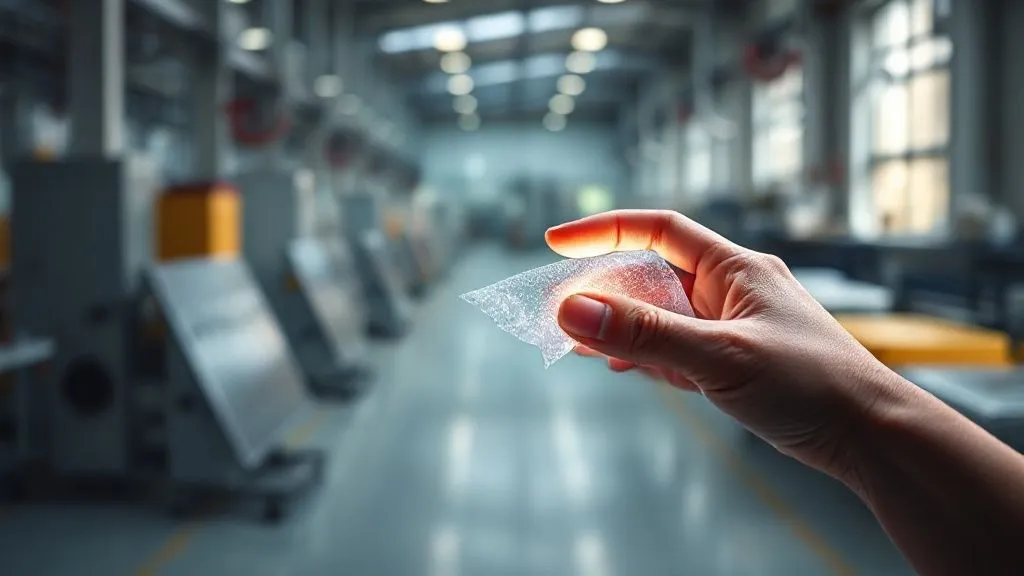
How to Scale Sustainable Tech Fashion Production Without Ethical Compromise?
For over 15 years in the dynamic realm of fashion technology, I've witnessed firsthand the exhilarating pace of innovation. From smart textiles to AI-driven design, the possibilities seem limitless. Yet, amidst this rapid evolution, I've seen countless promising ventures falter, not due to lack of ingenuity, but because they lost sight of a fundamental truth: growth without integrity is unsustainable.
The fashion industry's past is marred by ethical missteps – environmental degradation, exploitative labor, and a relentless pursuit of profit at any cost. As we integrate advanced technologies, the stakes are even higher. The challenge now is not just to create incredible tech fashion, but to ensure that its production scales responsibly, preserving both our planet and the dignity of every person involved in its creation. This isn't merely a 'nice-to-have'; it's a non-negotiable imperative for long-term success.
In this definitive guide, I'll share my insights, frameworks, and actionable strategies to answer the crucial question: How to scale sustainable tech fashion production without ethical compromise? We'll delve into the intricacies of supply chain transparency, circular design, fair labor practices, and the transformative power of data, providing you with a robust blueprint for scaling your vision with both innovation and integrity.
The Dual Challenge: Innovation Meets Integrity in Fashion Tech
The tech fashion landscape is a fascinating intersection of creativity, engineering, and cultural expression. We're developing garments that monitor health, adapt to environments, and even generate power. However, the very nature of this innovation – often involving complex materials, specialized manufacturing, and global supply chains – presents unique ethical challenges when scaling. I've observed that many companies, in their haste to bring groundbreaking products to market, inadvertently replicate the unsustainable practices of traditional fashion, simply adding a layer of technology.
The core problem lies in balancing the urgency of innovation with the meticulous demands of ethical and sustainable practices. On one hand, there's pressure to iterate quickly, secure funding, and capture market share. On the other, true sustainability requires deep due diligence, long-term investment, and a fundamental shift in operational philosophy. This isn't a simple trade-off; it's about integrating ethics into the very fabric of your business model from day one. As the industry matures, consumers, investors, and regulators are increasingly scrutinizing the origins and impact of products, making ethical compromise a direct threat to brand reputation and market viability.
"Scaling ethically isn't a bottleneck; it's a competitive advantage. It fosters resilience, attracts purpose-driven talent, and builds unwavering consumer loyalty in a crowded marketplace."
Blueprint for Ethical Sourcing: From Raw Materials to Smart Components
In my experience, the foundation of ethical scaling begins at the very first link in the chain: sourcing. For tech fashion, this means not only sustainable fibers but also responsibly sourced rare earth minerals, conflict-free metals for circuitry, and ethically manufactured electronic components. It's a significantly more complex web than traditional apparel. I've seen companies spend years perfecting a smart textile, only to realize their micro-sensors were produced using questionable labor practices or environmentally destructive mining.
To genuinely address how to scale sustainable tech fashion production without ethical compromise, you must establish a robust, transparent, and auditable supply chain. This involves mapping every tier, from the origin of raw materials to the final assembly of your tech garment. It's an arduous task, but one that provides unparalleled insights and control. According to a Deloitte report on sustainable supply chains, companies with high transparency see significant improvements in risk management and brand value.
Actionable Steps: Implementing a Transparent Supply Chain Audit
- Map Your Entire Supply Chain: Go beyond Tier 1 suppliers. Identify every farm, mine, fabric mill, component manufacturer, and assembly plant. This often requires direct engagement and sometimes even site visits, especially for critical or high-risk components.
- Establish Clear Ethical & Environmental Standards: Develop a comprehensive code of conduct for all suppliers. This should cover labor rights (wages, working hours, safety), environmental impact (waste, water, energy), and material traceability.
- Conduct Regular Independent Audits: Don't rely solely on supplier self-assessments. Engage third-party auditors experienced in both textile and electronics manufacturing ethics to conduct unannounced inspections and worker interviews.
- Leverage Technology for Traceability: Implement blockchain or other digital ledger technologies to track materials and components from origin to finished product. This creates an immutable record, enhancing trust and accountability.
- Foster Long-Term Supplier Relationships: Work collaboratively with suppliers who demonstrate a commitment to improvement. Provide training and support, rather than simply terminating contracts, to drive systemic change.
By following these steps, you not only mitigate risks but also build a network of partners aligned with your ethical vision. This shared commitment becomes a powerful accelerator for scaling responsibly.
| Supply Chain Metric | Target (Year 1) | Target (Year 3) |
|---|---|---|
| Tier 1 Supplier Compliance Rate | 80% | 95% |
| Raw Material Traceability (Percentage) | 60% | 90% |
| Energy Consumption Reduction (Per Unit) | 5% | 15% |
| Water Usage Reduction (Per Unit) | 7% | 20% |
Embracing Circularity: Design for Longevity and End-of-Life Responsibility
The traditional linear 'take-make-dispose' model is fundamentally incompatible with sustainable scaling. For tech fashion, this challenge is amplified by the presence of electronics, which often contain hazardous materials and are difficult to recycle. My approach has always been to advocate for a circular economy framework from the earliest design stages. This means designing products that are durable, repairable, upgradeable, and ultimately, recyclable or compostable, ensuring that materials retain their value and never become waste.
When considering how to scale sustainable tech fashion production without ethical compromise, the concept of circularity must extend to every component. How can a smart jacket be disassembled to recover its sensors? Can the fabric itself be recycled or biodegraded without leaving microplastic pollution? These are not afterthoughts; they are core design parameters. This proactive approach minimizes environmental impact, reduces reliance on virgin resources, and creates innovative business models like product-as-a-service or take-back programs.

Case Study: Eco-Thread Innovations' Closed-Loop System
Eco-Thread Innovations, a fictional but realistic startup specializing in smart athletic wear, faced the challenge of integrating delicate sensors into fabrics without compromising recyclability. Initially, their design used permanently embedded chips, making end-of-life recycling impossible. By adopting a circular design philosophy, they innovated a modular sensor system. These sensors could be easily detached before garment recycling, and the garments themselves were made from a monomaterial, enabling high-quality textile-to-textile recycling.
This shift required an upfront investment in R&D and a slightly more complex assembly process. However, it allowed Eco-Thread Innovations to launch a successful take-back program, offering customers incentives for returning old garments. This not only secured a steady stream of high-quality recycled material but also fostered immense customer loyalty, demonstrating that circularity can be a powerful driver of both sustainability and market success.
The principles of circularity are well-documented, with institutions like the Ellen MacArthur Foundation providing comprehensive frameworks. Integrating these into tech fashion design is paramount for ethical scaling.
Fair Labor & Human Rights: Powering Production with People-First Policies
No discussion of ethical scaling is complete without addressing the human element. The fashion industry has a notorious history of labor exploitation, and tech fashion, with its specialized skill sets and often globalized supply chains, is not immune. Ensuring fair wages, safe working conditions, reasonable hours, and freedom from discrimination for every worker involved in your production process is a non-negotiable ethical imperative. I've always stressed that technology should augment human potential, not exploit it.
To truly scale your sustainable tech fashion production without ethical compromise, you must commit to a 'people-first' policy that extends beyond legal minimums. This means understanding local labor laws, engaging with worker representatives, and implementing robust grievance mechanisms. It's about building a culture of respect and dignity throughout your entire value chain. This commitment not only aligns with ethical principles but also leads to higher quality, reduced absenteeism, and a more engaged workforce, contributing directly to operational efficiency and brand reputation.
Leveraging Technology for Worker Well-being and Transparency
- Digital Worker Feedback Platforms: Implement secure, anonymous digital platforms where workers can report grievances, provide feedback, and access information about their rights and benefits.
- Smart Monitoring for Safety: Use IoT sensors in factories to monitor air quality, temperature, and noise levels, ensuring compliance with safety standards and alerting management to potential hazards.
- Blockchain for Wage Tracking: Explore blockchain solutions to ensure transparent and timely payment of wages, eliminating intermediaries and reducing the risk of exploitation.
- Automated Training & Skill Development: Deploy e-learning platforms for continuous worker training on safety protocols, new technologies, and human rights, enhancing their skills and career prospects.
By integrating technology thoughtfully, we can create more transparent, equitable, and safe working environments. This is a powerful demonstration of how to scale sustainable tech fashion production without ethical compromise, by literally empowering the hands that build your products.
Sustainable Manufacturing Processes: Minimizing Environmental Footprint
Beyond sourcing and design, the actual manufacturing process holds immense potential for both environmental harm and sustainable innovation. Traditional textile and electronics manufacturing can be energy-intensive, water-hungry, and generate significant waste. When scaling, these impacts can multiply exponentially if not managed proactively. My focus has always been on embracing advanced, eco-efficient manufacturing technologies that drastically reduce resource consumption and pollution.
This involves transitioning to renewable energy sources for your factories, implementing closed-loop water systems, minimizing chemical use, and optimizing waste management. For tech fashion, this also extends to the specific processes for integrating electronics – exploring additive manufacturing (3D printing) for components, low-impact soldering techniques, and solvent-free bonding methods. The aim is to create a production ecosystem that not only produces cutting-edge garments but does so with the lightest possible environmental touch. This is a critical pillar in answering how to scale sustainable tech fashion production without ethical compromise.
The Role of Advanced Robotics and AI in Eco-Efficient Production
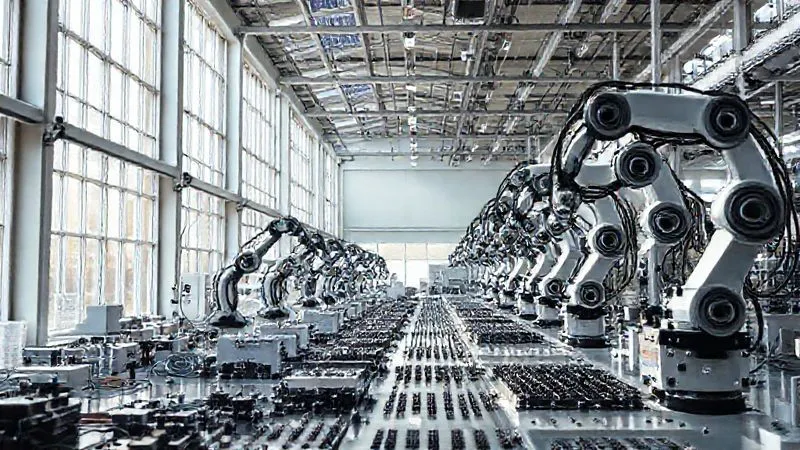
I believe that advanced robotics and Artificial Intelligence are not just about speed and cost-efficiency; they are powerful tools for sustainability. AI can optimize energy consumption in factories by predicting demand and adjusting machine usage. Robotic automation can reduce material waste through precise cutting and assembly. Furthermore, AI-powered predictive maintenance can extend the lifespan of machinery, reducing the need for new equipment and minimizing waste. This intelligent automation, when deployed ethically, is key to scaling sustainably.
Authenticity & Traceability: Building Consumer Trust Through Data
In today's market, consumers are increasingly discerning. They don't just want sustainable products; they want proof. Authenticity and traceability are no longer niche demands; they are fundamental expectations, especially for premium tech fashion. I've found that companies that openly share their sustainability journey, backed by verifiable data, build unparalleled trust and loyalty. This transparency is a direct answer to how to scale sustainable tech fashion production without ethical compromise, by empowering consumers to make informed choices.
Leveraging digital tools to provide granular information about your product's journey – from its raw materials to its carbon footprint and the ethical conditions of its production – is crucial. This can be achieved through QR codes on garments linking to detailed product passports, blockchain-verified supply chain data, or interactive digital platforms. This level of transparency not only satisfies consumer curiosity but also holds your brand accountable, driving continuous improvement in your ethical and sustainable practices.
| Traceability Technology | Key Benefit | Scalability | Implementation Complexity |
|---|---|---|---|
| Blockchain | Immutable record, enhanced trust | High | Moderate to High |
| RFID/NFC Tags | Real-time tracking, inventory management | High | Low to Moderate |
| QR Codes with Web Link | Easy consumer access to information | Very High | Low |
| DNA Tagging (Material Level) | Verifies material origin | Moderate | High |
Measuring Impact: Metrics and Reporting for Continuous Improvement
You can't manage what you don't measure. For sustainable tech fashion, this adage is profoundly true. To ensure you're truly scaling without ethical compromise, you need robust metrics and transparent reporting mechanisms. I often advise my clients to establish clear KPIs (Key Performance Indicators) across environmental, social, and governance (ESG) dimensions, just as they would for financial performance. This data-driven approach allows for objective assessment, identifies areas for improvement, and provides credible evidence of your commitment to sustainability.
This means tracking everything from carbon emissions per garment and water usage per production batch to worker satisfaction scores and supplier audit compliance rates. Regular reporting, both internally and externally, fosters accountability and demonstrates progress. As Seth Godin famously says, "People do not buy goods and services. They buy relations, stories, and magic." Your sustainability report becomes part of that powerful story, reinforcing your brand's integrity. It's not just about meeting compliance; it's about embedding a culture of continuous ethical improvement.

Navigating Regulatory Landscapes and Industry Collaborations
The regulatory landscape for sustainable practices is constantly evolving, with new legislation emerging globally to address issues like supply chain due diligence, extended producer responsibility, and greenwashing. Staying ahead of these regulations is not just about compliance; it's about anticipating future market demands and positioning your brand as a leader. I encourage active participation in industry working groups and collaborations to share best practices and collectively push for higher standards.
Partnerships with NGOs, academic institutions, and even competitors can accelerate your journey toward ethical scaling. The problems of sustainability are too vast for any single company to solve alone. By pooling resources, sharing research, and collaborating on industry-wide standards, we can collectively advance the entire tech fashion sector towards a more sustainable and ethical future. This collaborative spirit is essential for addressing the systemic challenges inherent in how to scale sustainable tech fashion production without ethical compromise effectively.
Frequently Asked Questions (FAQ)
Question: What are the biggest hidden ethical risks in scaling tech fashion production? The biggest hidden risks often lie in the lower tiers of the supply chain, particularly in the sourcing of raw materials for electronics (e.g., rare earth minerals, conflict metals) and specialized chemical processing for smart textiles. These areas often lack transparency and can involve exploitative labor practices or severe environmental damage. Another hidden risk is 'greenwashing' – making unsubstantiated sustainability claims that erode consumer trust.
Question: How can a startup with limited resources implement these extensive ethical guidelines? For startups, prioritize. Start with a deep dive into your most critical and high-risk components or materials. Focus on mapping Tier 1 and Tier 2 suppliers thoroughly. Leverage existing industry certifications (e.g., GOTS for organic textiles, Fair Trade for labor) as a starting point, rather than trying to build everything from scratch. Technology solutions for traceability can be adopted incrementally. Building a strong, ethical culture from day one is your most valuable asset, regardless of budget.
Question: Is it truly possible to achieve 100% ethical and sustainable production at scale? While 'perfection' is an elusive target, the goal is continuous improvement and genuine commitment. It's about striving for the highest possible standards and being transparent about your journey and challenges. Achieving 100% ethical and sustainable production means constant vigilance, innovation, and adaptation. The pursuit itself, with integrity and transparency, is what defines an ethical brand.
Question: How do consumers react to higher prices for ethically produced tech fashion? Research consistently shows that a significant segment of consumers, particularly younger generations, are willing to pay a premium for products that align with their values. However, they expect genuine transparency and verifiable claims, not just marketing fluff. Clearly communicating the 'why' behind your pricing – detailing the ethical sourcing, fair wages, and sustainable processes – is crucial for justifying the cost and building a loyal customer base.
Question: What role does AI play in improving ethical sourcing and labor practices? AI can play a transformative role. For sourcing, AI can analyze vast datasets to identify high-risk suppliers, predict potential ethical breaches, and optimize routes to reduce carbon footprint. For labor, AI can process anonymous worker feedback more efficiently, monitor compliance with labor standards through sensor data, and even help in identifying patterns of discrimination or unsafe conditions in large datasets, allowing for proactive intervention.
Key Takeaways and Final Thoughts
- Integrate Ethics from Design: Sustainability and ethics are not add-ons; they must be woven into the very DNA of your product and business model from conception.
- Transparency is Non-Negotiable: Map your entire supply chain, leverage technology for traceability, and openly communicate your journey to consumers.
- People-First Policies: Prioritize fair labor, safe working conditions, and human rights across every tier of your production. Technology should empower, not exploit.
- Embrace Circularity: Design for longevity, repairability, and end-of-life recovery to minimize waste and maximize resource value.
- Measure, Report, Improve: Establish robust ESG metrics, report transparently, and commit to a culture of continuous ethical and sustainable improvement.
The journey to scaling sustainable tech fashion production without ethical compromise is challenging, demanding courage, innovation, and unwavering commitment. But it is also immensely rewarding. By prioritizing integrity alongside ingenuity, you're not just building a successful business; you're shaping a better future for fashion, for people, and for our planet. The time for compromise is over; the era of conscious innovation is here, and I am confident that with these insights, you are well-equipped to lead the way.
Recommended Reading
- Mastering Heritage: 7 Steps to Train Couture Embroidery Artisans
- Why Aren't My Fashion Style Guides Converting to Sales? 7 Fixes.
- Beat Digital Eye Strain: 7 Stylish Eyewear Solutions for Professionals
- Groom's Suit Crisis? 7 Urgent Fixes When It Doesn't Fit Days Before Wedding
- Unlock Enduring Professional Impact: 7 Strategic Luxury Fashion Investments





Your email address will not be published. Required fields are marked *