

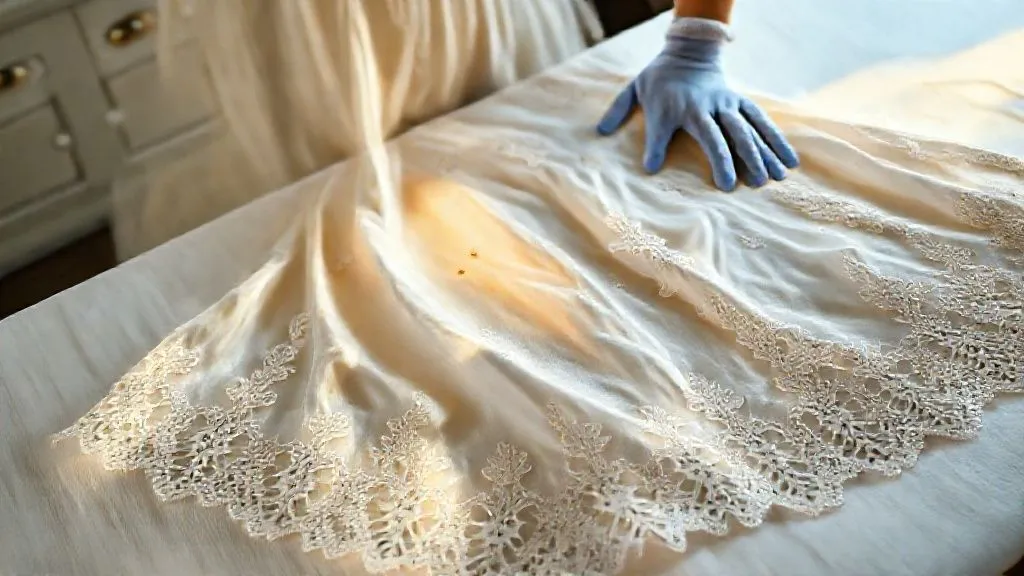
How to Save a Water-Damaged Silk Heirloom Gown from Irreversible Decay?
For over two decades in the niche world of vintage fashion and textile conservation, I've witnessed the profound despair that washes over someone discovering their cherished silk heirloom gown has fallen victim to water damage. It's a gut-wrenching moment, often accompanied by the fear that a piece of family history, a tangible link to the past, is now irrevocably lost.
The problem is tragically common: a burst pipe, a forgotten window during a storm, an accidental spill – and suddenly, that delicate silk, with its intricate lacework and sentimental value, is saturated. Water, especially if left untreated, becomes a catalyst for irreversible decay, leading to mold growth, permanent staining, fiber degradation, and an overall loss of structural integrity. The emotional toll of potentially losing such an artifact is immense, compounding the physical damage.
But here's the crucial insight I want to impart: not all hope is lost. In this definitive guide, I will share the exact, actionable frameworks and expert insights I've honed over my career. You'll learn not just what to do, but *why* to do it, empowering you with the knowledge to potentially save a water-damaged silk heirloom gown from irreversible decay, preserving its beauty and history for generations to come. This isn't just about cleaning; it's about intelligent, empathetic conservation.
Understanding the Immediate Threat: Why Water is Silk's Arch-Nemesis
To truly understand how to save a water-damaged silk heirloom gown, we must first grasp why water poses such a profound threat to this exquisite natural fiber. Silk, a protein fiber, is remarkably strong when dry, but its inherent properties make it highly vulnerable to moisture. The fibers swell when wet, weakening their structure, and the presence of water creates a perfect breeding ground for destructive microorganisms.
"In the world of antique textiles, water is not merely a solvent; it's an accelerant for decay, transforming a minor incident into a catastrophic loss if not addressed with immediate, informed action."
The immediate dangers are multifaceted and rapid. Firstly, water can cause dyes to bleed, leading to irreparable color migration, especially in older garments where dyes may not be colorfast. Secondly, prolonged dampness invites mold and mildew, which literally consume organic fibers, leaving behind unsightly stains and a musty odor that can be incredibly difficult, if not impossible, to remove. Finally, the very act of drying can cause silk to stiffen, shrink, or become brittle if not handled correctly, further compromising the garment's integrity.
The Golden Hour: First Response Strategies for Water-Damaged Silk
When you discover water damage, the first few hours are absolutely critical – I call it 'The Golden Hour.' Your actions (or inactions) during this period will largely dictate the success of any subsequent restoration efforts. Panic is a natural reaction, but it's vital to replace it with calm, deliberate action.
Step 1: Gentle Assessment and Isolation
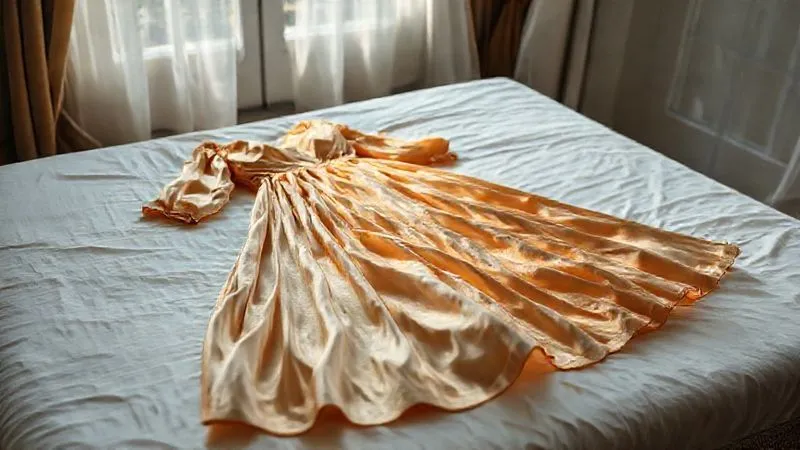
The absolute first rule is: do NOT wring, rub, or aggressively handle the wet silk. Its fibers are at their weakest when saturated. Instead, gently support the entire garment. If it's a gown, try to slide a clean, flat, non-dyed piece of plastic or cardboard underneath it to lift it. Transfer the gown to a clean, dry, flat surface, preferably a large, padded table covered with white, unbleached cotton sheets or archival paper. Isolate it immediately from any other items to prevent dye transfer or mold spread.
Step 2: Airflow is Your Ally – But Not Heat!
Your immediate goal is to initiate gentle drying to halt mold growth. Place the gown in a cool, dry room with good air circulation. Open windows if the outdoor humidity is low, or use fans set on a low setting, ensuring they are not blowing directly onto the fabric, which could cause uneven drying or further damage. Absolutely avoid direct sunlight, heaters, or hair dryers. High heat will shrink silk, set stains, and weaken fibers permanently. The drying process must be slow and controlled.
Step 3: Preliminary Stain Identification
While the gown is gently airing, take a moment to assess the nature of the water damage. Is it pure water, or is there dirt, mud, or other contaminants? Are there any signs of dye bleeding from the gown itself or other garments it was in contact with? This initial assessment is crucial for determining the next steps. Pure water damage offers the best prognosis for DIY intervention, whereas contaminated water or dye transfer almost always requires professional help.
The Delicate Art of Cleaning: When to DIY and When to Call a Conservator
This is where many well-intentioned individuals make critical errors. The urge to 'clean' a water-damaged silk heirloom gown can be overwhelming, but understanding the limitations of DIY is paramount. My experience has shown that while some preliminary steps can be taken at home, the vast majority of significant water damage to silk heirlooms demands the expertise of a professional textile conservator.
DIY First Aid: The Distilled Water Rinse (Extreme Caution)
This method is only advisable if the gown was damaged by *pure, clean water* (e.g., rain, a clean water spill) and you are certain there are no fugitive dyes or other contaminants. Even then, proceed with utmost caution.
- Prepare a Basin: Fill a clean, non-reactive basin (like a plastic tub, never metal) with cool, distilled water. Distilled water is crucial as tap water contains minerals and chemicals that can stain or react with silk.
- Submerge Gently: Carefully, and with full support, submerge the entire gown into the distilled water. Do not agitate, rub, or wring. The goal is simply to allow the clean water to displace any lingering impurities or to gently rinse out residual water marks.
- Short Duration: Keep the gown submerged for no more than 5-10 minutes. The longer silk is wet, the more vulnerable it becomes.
- Rinse (Optional): If you suspect any residual dirt, you may carefully replace the water with fresh distilled water and repeat the submersion once more.
- Remove Excess Water: Do NOT wring. Carefully lift the gown, supporting its full weight. Lay it flat on a thick layer of clean, white, absorbent towels. Gently roll the gown and towels together, applying light pressure to absorb excess water. Repeat with fresh towels until as much water as possible is removed.
- Air Dry: Proceed to air dry as described in Step 2 of the 'Golden Hour' section, ensuring even drying and no direct heat.
The Perils of DIY for Complex Damage
For any scenario beyond pure water damage – such as mold growth, significant staining (especially from colored liquids, rust, or mud), dye bleeding, or if the garment is extremely fragile due to age – do NOT attempt DIY cleaning. Using household detergents, bleach, or even incorrect spot treatments can permanently set stains, weaken fibers, or cause irreversible chemical reactions. These situations absolutely require the specialized knowledge, tools, and chemicals available only to a professional conservator. For further reading on the complexities of textile preservation, I recommend consulting resources from institutions dedicated to cultural heritage. The American Institute for Conservation of Historic and Artistic Works (AIC) offers invaluable insights into professional standards.
| Damage Type | DIY Feasibility | Professional Recommendation |
|---|---|---|
| Pure Water Stain (Fresh) | Limited, with extreme caution | Consult for best practices, but DIY possible. |
| Mold/Mildew Growth | No, high risk of spread and fiber damage | Immediate professional intervention required. |
| Dye Bleeding/Color Migration | No, highly complex chemistry involved | Specialized conservator needed for dye stabilization. |
| Heavy Soiling/Mud/Contaminants | No, requires specific solvents and techniques | Thorough professional cleaning and stain removal. |
| Shrinkage/Distortion | No, requires expert reshaping and relaxation | Conservation treatment for fiber relaxation and reshaping. |
Battling the Invisible Enemy: Mold and Mildew Prevention & Treatment
Mold and mildew are arguably the most insidious threats to a water-damaged silk heirloom gown. They don't just stain; they actively digest the organic fibers, leading to permanent damage and a distinctive, pervasive musty odor. Once established, they are incredibly difficult to eradicate without professional intervention.
Identifying Mold on Silk
Mold can appear as fuzzy, discolored patches – white, black, green, or even pink – often with a distinct musty smell. Mildew is typically a flatter, powdery growth. On silk, it can often be subtle, initially looking like faint discoloration before developing into more aggressive colonies. Trust your nose; a musty odor is a strong indicator, even if visible mold isn't immediately apparent.
Containment and Isolation
If you suspect mold, immediately isolate the gown. Place it gently into a clean, sealed plastic bag to prevent spores from spreading to other textiles or areas of your home. Handle it outdoors if possible, wearing gloves and a mask to protect yourself from inhaling spores. Do not attempt to brush off mold, as this will release spores into the air and embed them deeper into the fabric.
Professional Intervention for Mold Remediation
My firm stance, based on years of experience, is that mold on an heirloom silk garment is a job for a professional textile conservator, full stop. Attempting to treat mold yourself with household products like vinegar, bleach, or even commercial mold removers can cause far more damage than the mold itself. These products can discolor silk, degrade its fibers, and leave behind harmful residues. Conservators use specialized, controlled methods – often involving controlled environments and precise chemical treatments – to stabilize the mold, neutralize it, and carefully remove it without harming the delicate silk. For information on the health risks associated with mold exposure, refer to reputable health organizations. The CDC provides comprehensive guidelines on mold and health.
"Never underestimate the destructive power of mold on textiles. It's not just an aesthetic issue; it's a biological attack on the very structure of the fabric, requiring a scientific approach for safe and effective remediation."
Stain Removal Science: Targeting Discoloration on Precious Silk
Beyond mold, water damage often leaves behind unsightly stains – water rings, discoloration from rust, or other environmental contaminants. The science of stain removal on antique silk is incredibly nuanced, requiring a deep understanding of textile chemistry and fiber properties. This is another area where a water-damaged silk heirloom gown truly benefits from expert hands.
Understanding Different Stain Types
Not all stains are created equal. A simple water mark from clean rain is vastly different from a rust stain caused by proximity to metal, or a tannin stain from tea. Each stain type requires a specific approach. For example, some stains are protein-based, others are oil-based, and some are mineral-based. Applying the wrong treatment can 'set' a stain, making it impossible to remove later, or worse, damage the silk fibers.
Targeted Spot Treatment (Professional Domain)
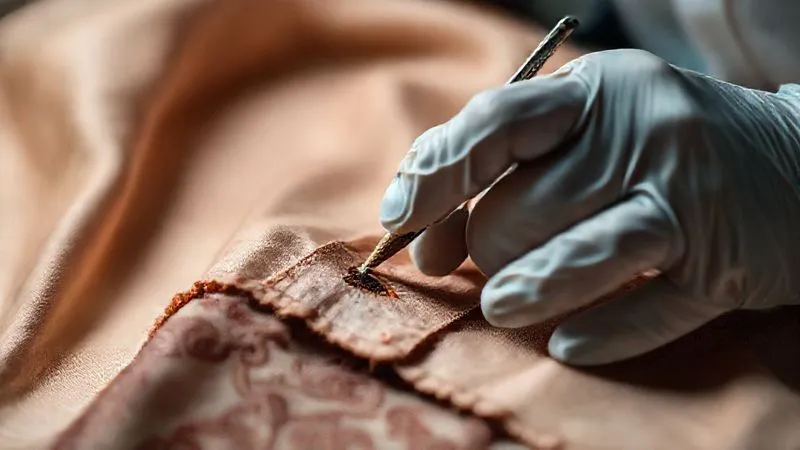
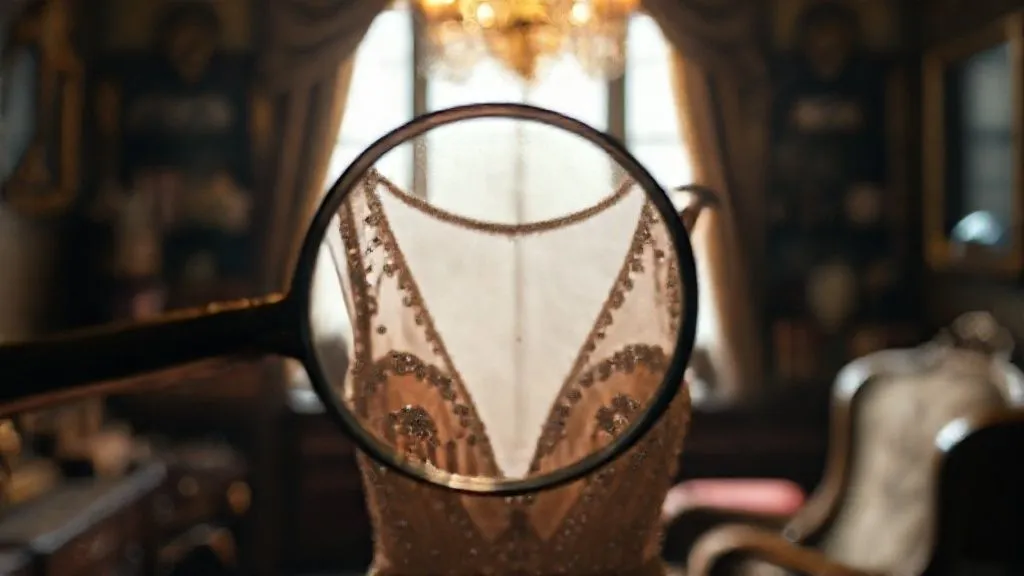
Professional conservators employ a range of techniques for stain removal, often starting with precise spot treatments under magnification. They might use specialized solvents, enzyme treatments, or reducing/oxidizing agents, all carefully selected to target the specific stain chemistry without affecting the surrounding silk or dyes. This often involves localized application, careful rinsing, and meticulous monitoring. This is not a process that can be replicated safely or effectively at home without extensive training and specialized equipment.
Case Study: Eleanor's Victorian Wedding Gown
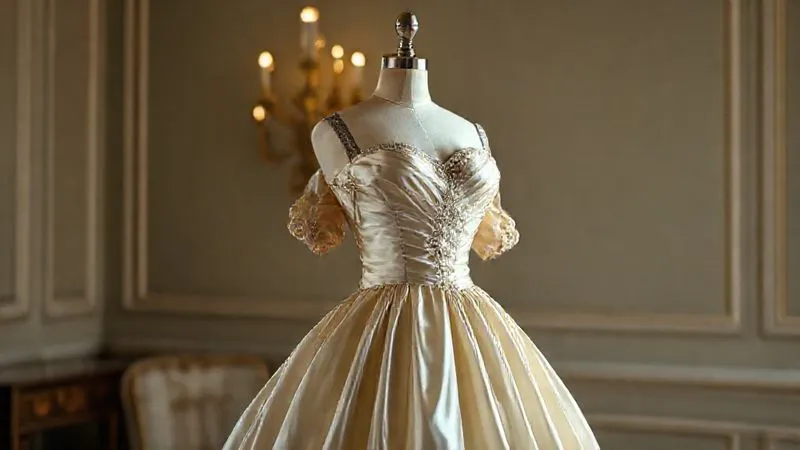
I recall a particularly challenging case involving a Victorian wedding gown belonging to a client named Eleanor. The gown, a delicate ivory silk with intricate beadwork, had suffered severe water damage in an attic leak, resulting in large, brownish water rings and some minor mold spots. Eleanor was distraught, believing it was beyond repair. She had even tried a commercial stain remover on a small area, which unfortunately left a bleached spot. When she brought it to my studio, the first step was a thorough, microscopic examination to identify the exact nature of the stains and assess the fiber integrity.
We began with a controlled mold remediation process in an isolated environment. For the water rings, which were primarily cellulose stains from the dust and debris in the attic water, we employed a multi-stage approach. This involved careful humidification to relax the fibers, followed by localized application of a very mild, pH-neutral reducing agent, meticulously rinsed with distilled water. Each treatment was followed by careful absorption and controlled drying. The beadwork required individual cleaning with tiny brushes. The process took several weeks, but the result was transformative. Eleanor's gown was restored to a condition where the water damage was virtually invisible, allowing her family to once again appreciate its historical beauty without the painful reminder of its near-loss. This case vividly illustrates the importance of expert knowledge and patience when confronting severe damage to a water-damaged silk heirloom gown.
Drying and Reshaping: The Gentle Path to Recovery
After any cleaning or remediation, the drying process is just as critical as the initial response. Improper drying can lead to permanent creasing, shrinking, or distortion of the silk, undoing all the careful work that came before. The goal is to restore the gown's original shape and drape without causing further stress to the fibers.
Controlled Drying Environments
As mentioned, heat is the enemy. The best approach for drying a water-damaged silk heirloom gown is flat drying. Lay the gown on a clean, dry, flat surface covered with fresh, white, unbleached cotton towels or archival blotting paper. You may need to replace these towels frequently as they absorb moisture. If the gown is relatively lightweight and structurally sound, it can be carefully hung on a padded, acid-free hanger, ensuring its weight is evenly distributed to prevent stretching or distortion. Use a room with consistent, moderate temperature and good air circulation, ideally with a dehumidifier running to extract moisture from the air, but never directly on the garment.
Gentle Reshaping and Steaming (Post-Drying)
Once completely dry, the silk may feel a little stiff or have some minor creases. Professional conservators often use controlled humidification and gentle steaming to relax the fibers and restore the silk's natural drape and softness. This is a very delicate process. If attempting at home, use a garment steamer on its lowest setting, holding it several inches away from the fabric and moving it continuously. Never allow the steamer to directly touch the silk, and always test on an inconspicuous area first. The aim is to gently release creases, not to press them out with direct heat, which can scorch or flatten the delicate texture of antique silk. For detailed guidelines on textile care, including drying and storage, reputable conservation organizations provide excellent resources. The Conservation Wiki, a project of the American Institute for Conservation, offers professional insights.
Long-Term Preservation: Safeguarding Your Restored Heirloom
Successfully saving a water-damaged silk heirloom gown is a triumph, but the journey doesn't end there. Proper long-term preservation is essential to prevent future damage and ensure the gown remains a cherished artifact for generations to come. Your investment in restoration deserves the best possible protection.
Archival Storage Best Practices
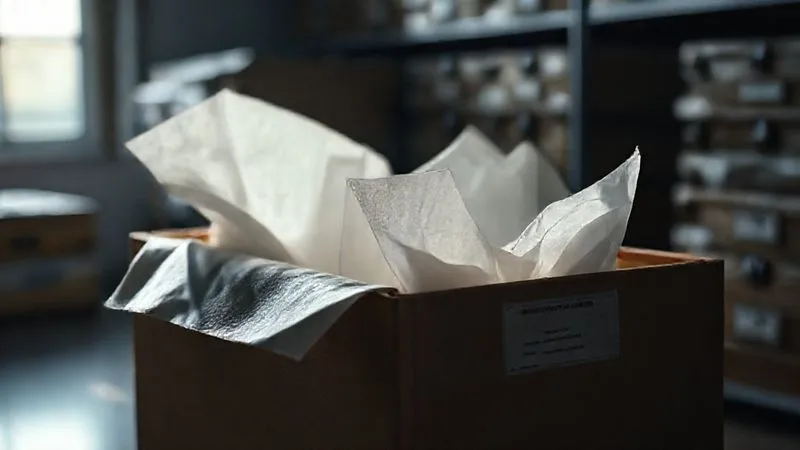
Once the gown is fully dry, clean, and restored, it must be stored in an archival environment. This means using acid-free, lignin-free tissue paper to gently pad folds and sleeves, and an acid-free archival storage box. Avoid plastic bags for long-term storage, as they can trap moisture and off-gas harmful chemicals. Store the box in a cool, dark, dry place with stable temperature and humidity (ideally 68-72°F and 45-55% relative humidity). Attics and basements are almost always unsuitable due to extreme temperature and humidity fluctuations. The goal is to create a micro-environment that protects the silk from light, dust, insects, and environmental changes.
Regular Inspection and Environment Monitoring
Even in perfect storage, it's wise to periodically (perhaps once a year) inspect your heirloom. Gently open the box, examine the gown for any signs of new damage, pests, or changes in the fabric. This vigilance allows you to catch potential problems early, before they become catastrophic. Monitoring your storage environment with a simple hygrometer/thermometer can also provide peace of mind, ensuring conditions remain stable. Proactive care is the cornerstone of long-term textile preservation, especially for a garment that has already survived significant trauma.
Frequently Asked Questions (FAQ)
Can I really save a silk gown with significant water damage myself? While immediate first aid (gentle drying, isolation) can be done at home, significant water damage, especially involving mold, dye bleeding, or heavy staining, almost always requires professional textile conservation. Attempting complex repairs or stain removal without expertise can cause irreversible damage. Your best bet for a positive outcome for a water-damaged silk heirloom gown is professional help.
What's the biggest mistake people make when trying to save a wet heirloom? The most common and damaging mistakes are aggressive handling (wringing, rubbing), applying heat to dry, and attempting to 'clean' with household chemicals. These actions can permanently distort fibers, set stains, cause shrinkage, or chemically degrade the silk.
How do I find a reputable textile conservator? Look for conservators affiliated with professional organizations like the American Institute for Conservation (AIC) in the US, or ICON (The Institute of Conservation) in the UK. These organizations often have directories of accredited professionals. Ask for references, view their portfolio, and ensure they specialize in historic textiles, particularly silk.
What if the water damage caused shrinking? Can it be reversed? Shrinkage in silk, once severe, is very challenging to reverse completely. Professional conservators may attempt a controlled humidification and gentle stretching process called 'blocking' or 'relaxation treatment,' but success depends on the extent of the damage and the silk's condition. It's never guaranteed, which underscores the importance of preventing shrinkage during the initial drying phase.
Is it ever too late to save a water-damaged silk heirloom gown? While some damage, like extensive mold degradation or severe chemical burns, can be beyond full restoration, it is rarely 'too late' to stabilize an heirloom. Even if full aesthetic recovery isn't possible, a conservator can often halt decay, preserve what remains, and prepare it for archival storage, ensuring its historical integrity. The key is seeking expert advice as early as possible.
Key Takeaways and Final Thoughts
Saving a water-damaged silk heirloom gown from irreversible decay is a race against time and a testament to careful, informed action. It's a journey that blends immediate first aid with the delicate science of textile conservation. My hope is that this guide has equipped you with the knowledge and confidence to make the right decisions for your precious garment.
- Act Immediately, But Gently: The 'Golden Hour' is critical; focus on gentle support and air drying without heat.
- Understand Silk's Vulnerability: Water weakens silk and invites mold; recognize these threats.
- Know When to Call a Pro: For mold, dye bleeding, or significant stains, professional textile conservators are indispensable.
- Prioritize Archival Care: Long-term preservation in a stable, acid-free environment is key to preventing future damage.
- Your Heirloom's Story Continues: With expert care, even a severely damaged gown can often be saved, allowing its history and beauty to endure.
Remember, these heirlooms are more than just fabric; they are woven with memories, history, and love. Treating them with the respect and expertise they deserve ensures that their story, and the stories of those who wore them, can continue to be told for generations. Don't let a moment of misfortune define your heirloom's fate; empower yourself with knowledge and seek the best possible care.
Recommended Reading
- 7 Proven Strategies: How to Avoid Greenwashing Accusations for Eco Chic Brands?
- Client Rejected Custom Ring? 7 Steps to Salvage & Satisfy
- Beyond Sales: 7 Key Metrics to Measure Digital Fashion ROI Accurately
- Unlock the Secrets: Your Ultimate Guide to Commissioning Haute Couture
- Unlock the Secret: How to Properly Care for Your Sustainable Vegan Leather Bags

Your email address will not be published. Required fields are marked *