

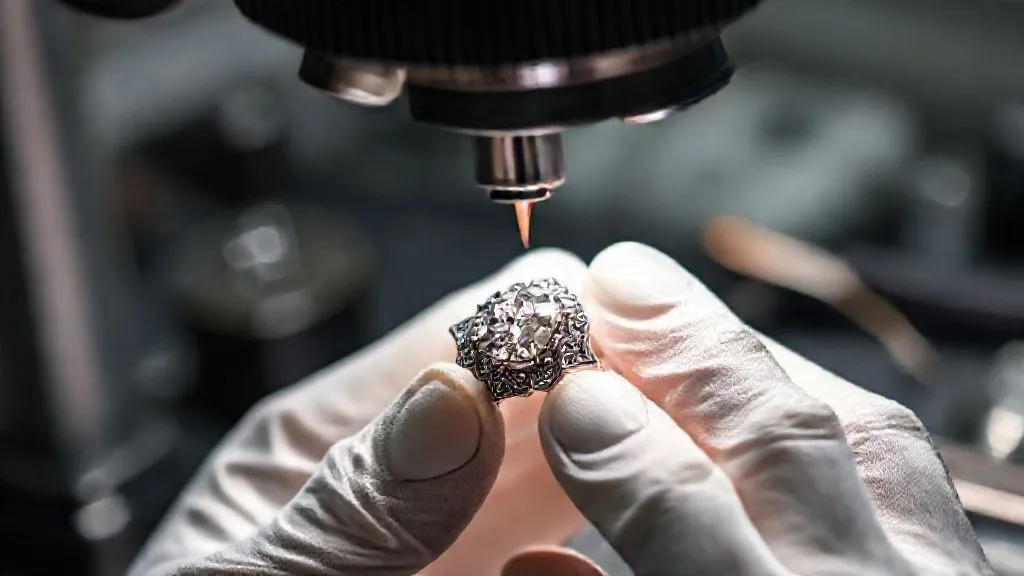
How to Resize Antique Platinum Rings Without Devaluing Them?
For over three decades in the intricate world of antique jewelry design and restoration, I've witnessed the profound emotional connection people have with their heirlooms. That connection, however, often comes with a unique anxiety, especially when a beloved antique platinum ring no longer fits. The thought of altering such a precious piece, one that carries generations of stories, can be daunting – a fear of inadvertently diminishing its historical significance and monetary value.
The problem is multifaceted: antique platinum isn't just 'old platinum.' It embodies different alloys, manufacturing techniques, and a unique patina that modern resizing methods can easily compromise. Many jewelers, unfamiliar with these nuances, might apply contemporary techniques that risk cracking the metal, distorting delicate details, or leaving visible seams, thereby irrevocably devaluing the piece.
In this comprehensive guide, I will share the expert-level strategies and critical considerations necessary to navigate the complex process of resizing antique platinum rings. You'll learn not just what to do, but why, ensuring your cherished heirloom retains its original integrity, beauty, and value for generations to come. We'll explore actionable frameworks, real-world insights, and the precise steps to take for a successful, value-preserving adjustment.
Understanding the Unique Challenges of Antique Platinum
Before we delve into solutions, it's crucial to understand why antique platinum poses such a distinct challenge. Modern platinum alloys are generally 90-95% pure platinum, often alloyed with iridium or ruthenium for hardness and workability. Antique platinum, particularly from the Edwardian and Art Deco eras (early 20th century), might contain higher percentages of iridium (up to 20-30%) making it harder, but also more brittle and susceptible to cracking under heat or stress.
The Allure and Intricacies of Vintage Platinum
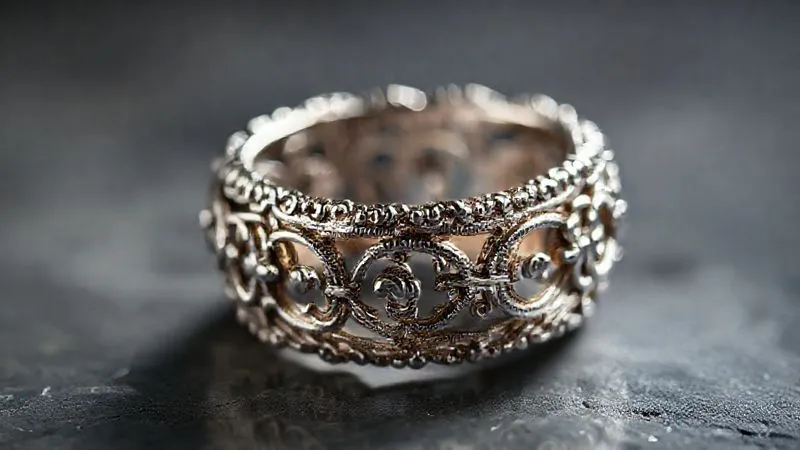
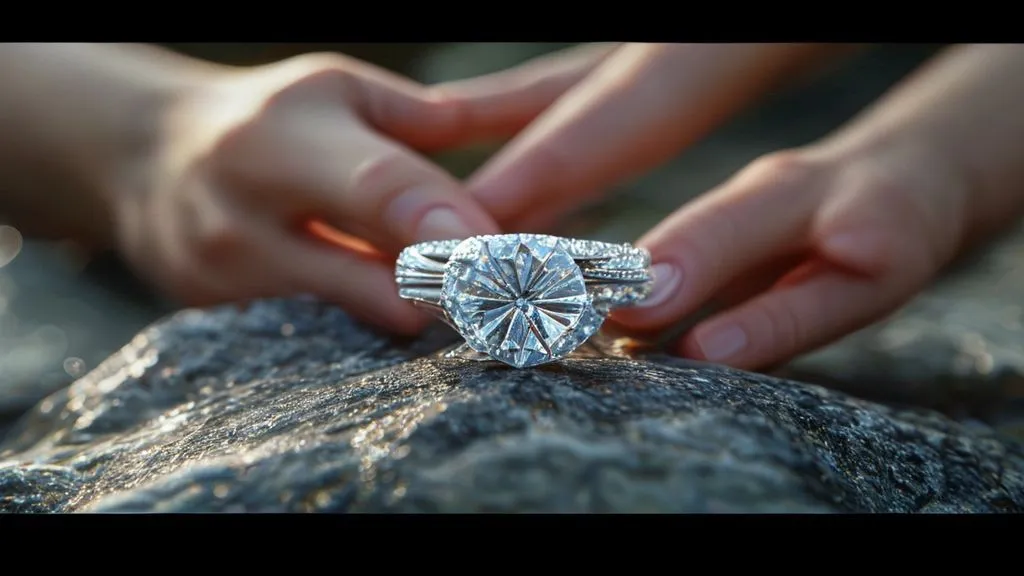
The beauty of antique platinum lies in its density, durability, and the way it beautifully showcases diamonds without imparting color. Its natural white luster requires no rhodium plating, and it develops a soft, appealing patina over time. However, this very character, combined with intricate hand-engraving, filigree work, and delicate milgraining, makes it exceptionally vulnerable to inexperienced hands during resizing. The original craftsmanship often involved meticulous hand-fabrication, a stark contrast to today's CAD-designed and cast pieces.
Why Standard Resizing Methods Fail Antique Platinum
Traditional resizing involves cutting the shank, adding or removing a piece of metal, and then soldering the joint. For modern gold or even contemporary platinum, this is often straightforward. For antique platinum:
- Brittleness: Higher iridium content can make antique platinum less ductile. Heating it unevenly or working it cold can lead to fractures.
- Unique Alloys: The exact composition can vary, making it react unpredictably to heat compared to modern, standardized alloys.
- Heat Distortion: High temperatures from a jeweler's torch can cause delicate filigree or gemstone settings to distort, melt, or even loosen stones.
- Patina Disruption: The annealing process during torch soldering can alter the natural, aged patina of the metal, creating an unsightly color difference at the joint.
- Loss of Detail: Aggressive polishing to remove solder marks can erase fine hand-engravings or milgrain details, permanently diminishing the ring's artistic value.
Pre-Resizing Appraisal: Your First Line of Defense Against Devaluation
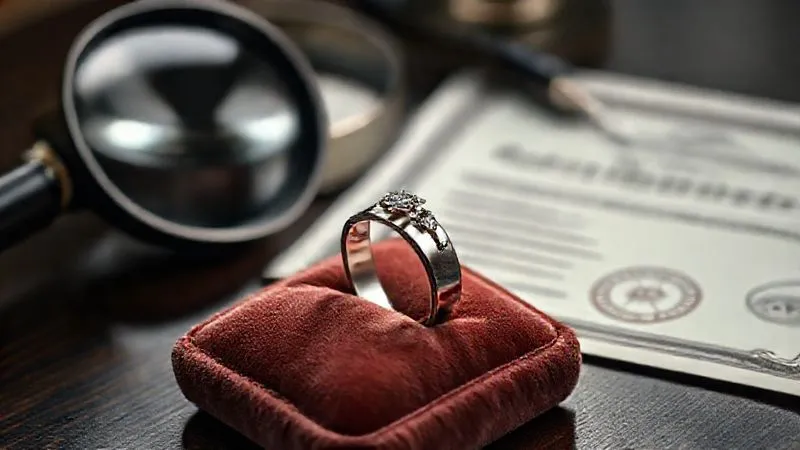
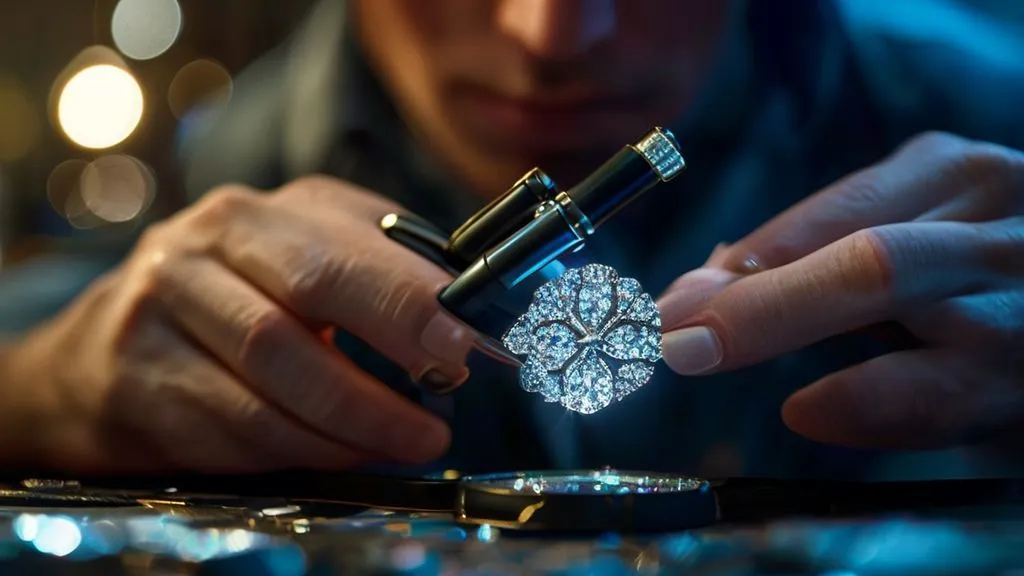
Before any work begins, a comprehensive appraisal is non-negotiable. This isn't just about knowing the ring's current monetary value; it's about documenting its exact condition, characteristics, and historical context. This documentation serves as a benchmark, protecting you against any potential loss of value due to improper resizing.
The Critical Role of a Certified Gemologist
Seek out a certified gemologist appraiser with specific expertise in antique and estate jewelry. They understand the nuances of period-specific craftsmanship, gemstone cuts, and platinum alloys. Their evaluation goes beyond carat weight and clarity, considering factors like provenance, design integrity, and historical rarity. According to the Gemological Institute of America (GIA), a thorough appraisal provides an objective assessment of an item's value based on current market conditions and intrinsic characteristics.
Documenting Original Condition and Value
Here’s how to ensure a thorough pre-resizing appraisal:
- Choose a Reputable Appraiser: Verify their credentials (e.g., GIA Graduate Gemologist, ASA Master Gemologist Appraiser) and their experience with antique pieces.
- Obtain a Detailed Report: The report should include high-resolution photographs from multiple angles, a precise description of the metal (including any hallmarks), gemstone details, dimensions, and a thorough assessment of its condition, noting any existing wear or damage.
- Request a Valuation: Ensure the appraisal provides a clear valuation for insurance purposes and fair market value.
- Discuss Resizing Implications: Ask the appraiser if they foresee any specific challenges or potential value impacts of resizing this particular ring.
Selecting the Right Artisan: Beyond Just a Jeweler
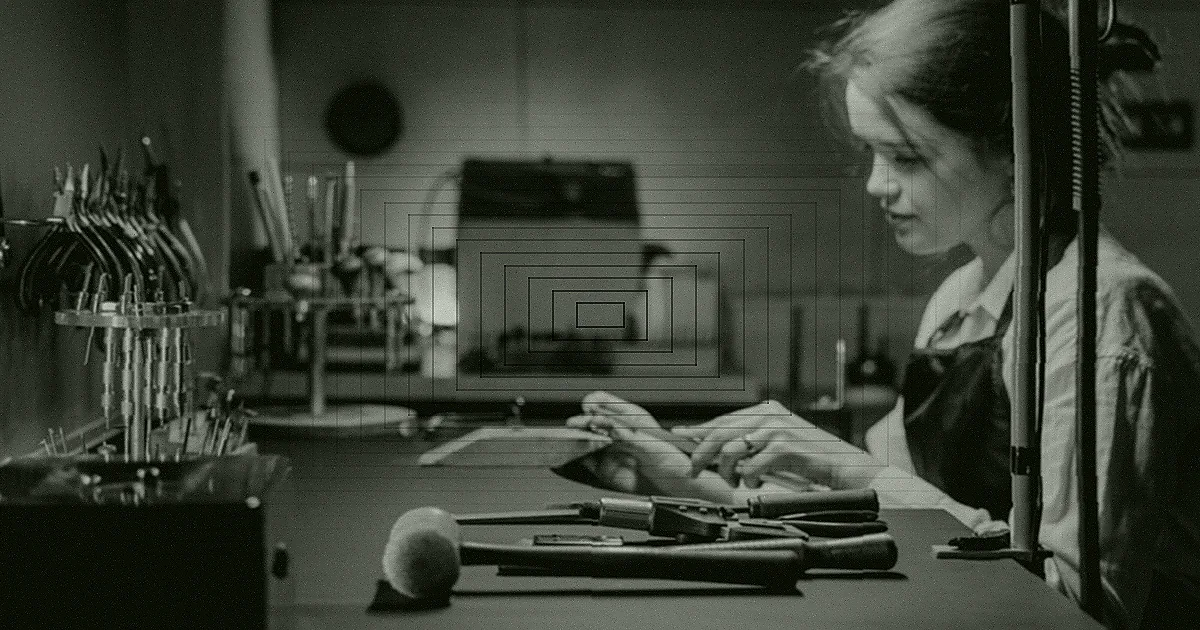
This is arguably the most critical step. Resizing an antique platinum ring is not a job for your average mall jeweler. It requires a specialist, a true artisan who understands the metallurgy, historical context, and delicate techniques necessary to work with these unique pieces.
The Specialist in Antique Platinum Restoration
Look for a jeweler who:
- Specializes in Antique/Estate Jewelry: They should have a portfolio of similar platinum restoration work.
- Possesses Advanced Equipment: Specifically, a laser welder is often indispensable for antique platinum.
- Demonstrates Knowledge of Platinum Alloys: They should be able to discuss the differences between modern and antique platinum compositions.
- Offers a Clear Plan: A reputable artisan will explain their proposed method, potential risks, and how they plan to mitigate them.
- Provides References: Ask for testimonials or contact information for previous clients who had antique pieces resized.
Interviewing Your Potential Artisan
Don't be afraid to ask tough questions. This is your heirloom:
- “What specific experience do you have with resizing antique platinum rings, particularly from the [Edwardian/Art Deco] era?”
- “Do you use laser welding for platinum resizing? If not, what method do you employ and why?”
- “How do you ensure the original finish and delicate details like filigree or engraving are preserved?”
- “What precautions do you take to protect the gemstones during the resizing process?”
- “Can you show me examples of your previous work on similar antique platinum pieces?”
Case Study: How Sarah Preserved Her Great-Grandmother's Platinum Ring
Sarah inherited her great-grandmother's Art Deco platinum engagement ring, a stunning piece with intricate milgraining and a delicate filigree basket setting. The ring was two sizes too large. Initially, she took it to a local jeweler who proposed traditional torch soldering. Concerned, Sarah consulted an antique jewelry specialist I recommended. The specialist, using a laser welder, meticulously added a small piece of matching vintage platinum alloy to the shank. They carefully masked off the surrounding areas to protect the patina and details. The result was seamless; the ring fit perfectly, and even under magnification, the resizing was undetectable. The specialist also provided updated documentation, confirming the ring's value was not only preserved but enhanced by the expert restoration, giving Sarah peace of mind and a perfectly fitting heirloom.
Advanced Techniques for Preserving Platinum's Integrity
The choice of technique is paramount. For antique platinum, precision and minimal heat exposure are key.
Laser Welding vs. Traditional Soldering: The Platinum Advantage
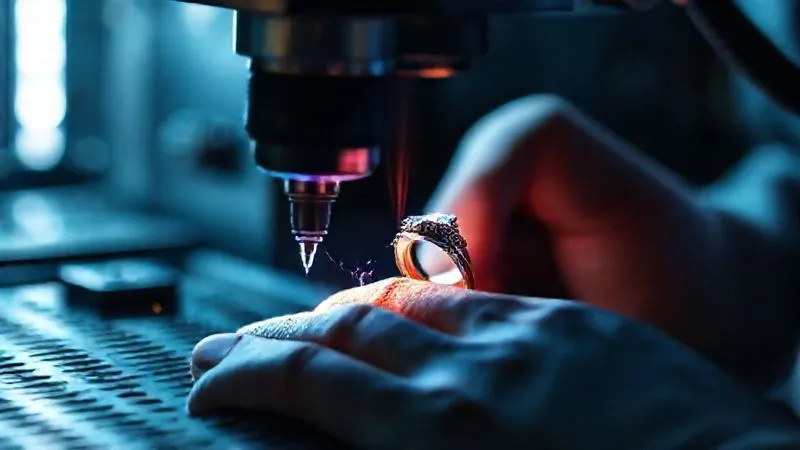
Laser welding is the gold standard for resizing antique platinum. Unlike traditional torch soldering, which heats a larger area and uses a lower melting point solder, laser welding fuses the platinum itself using a highly concentrated beam of light. This offers several critical advantages:
- Pinpoint Accuracy: The laser allows for extremely localized heating, minimizing thermal impact on surrounding areas, delicate details, and gemstones.
- No Solder Needed: It creates a homogenous bond by melting the parent metal, eliminating the need for solder alloys which can discolor or weaken the joint over time. This preserves the platinum's purity.
- Preserves Patina: Because the heat is so localized, the natural patina of the surrounding platinum is largely undisturbed.
- Stronger Joints: The fused platinum joint is often stronger and more durable than a traditional soldered joint.
The Art of Metal Addition and Removal
Resizing an antique platinum ring typically involves either adding a small section of platinum (for increasing size) or removing a section (for decreasing size). Stretching or compressing the existing shank is generally avoided for antique platinum due to its brittleness and the risk of deforming the ring's perfect circle or damaging intricate details.
| Method | Pros | Cons |
|---|---|---|
| Laser Welding (Addition) | Precise, strong, no solder, preserves patina, ideal for increasing size | Requires specialized equipment and highly skilled artisan |
| Laser Welding (Removal) | Precise, strong, preserves patina, ideal for decreasing size | Requires specialized equipment and highly skilled artisan |
| Traditional Torch Soldering | Common, less expensive | High heat risk, potential for discoloration, weaker joints, can damage details, not recommended for antique platinum |
| Stretching/Compression | Quick, no cutting | High risk of cracking, deforming, damaging details, not recommended for antique platinum |
Minimizing Stress and Heat Impact
"The true artistry in antique platinum resizing lies not just in the skill of the jeweler, but in their profound respect for the material's history and inherent vulnerabilities. Every action, from clamping the ring to the final polish, must be a calculated step to preserve, not alter, its legacy." - Industry Specialist Insight
Beyond laser welding, the artisan must employ techniques to minimize stress. This includes careful preparation, proper clamping, and often, cooling the ring between micro-welds. The choice of platinum alloy for additions is also critical; it should ideally match the original composition as closely as possible, often sourced from vintage scrap or specialized suppliers, to ensure aesthetic and metallurgical compatibility. This meticulous approach is what separates a mere repair from a true restoration.
Maintaining Design Integrity: The Aesthetic Imperative
The value of an antique ring is heavily tied to its original design and artistic integrity. Any resizing must be executed with an unwavering commitment to preserving these elements.
Preserving Filigree, Engravings, and Gemstone Settings
An expert artisan will:
- Isolate Delicate Areas: Before any work, intricate details like filigree, milgraining, and engravings around the resizing area should be carefully protected, sometimes with heat-resistant compounds or by masking.
- Inspect Settings: All gemstone settings must be thoroughly inspected before and after resizing. Platinum prongs, while durable, can become brittle with age. The resizing process should not compromise their security.
- Seamless Integration: The goal is for the resized area to be utterly indistinguishable from the original shank, both in texture and design. This often requires hand-finishing to match the original craftsmanship.
Matching Original Finishes and Patina
Antique platinum often has a distinctive soft luster, a result of decades of wear and oxidation. Aggressive polishing after resizing can remove this cherished patina, making the resized area stand out or giving the entire ring a 'new' look that diminishes its antique appeal. A skilled restorer will carefully match the original finish, using gentle techniques to blend the new work seamlessly without stripping away the historical character. This is a subtle yet crucial aspect of preserving value. As Forbes often highlights in its jewelry features, authenticity and preservation of original character are key drivers of antique jewelry value.
Post-Resizing Verification: Ensuring Value Retention
The resizing process doesn't end when the ring fits your finger. Critical steps remain to ensure the work was done correctly and that the ring's value is unequivocally preserved.
Re-Appraisal and Certification
After the resizing, I strongly recommend a follow-up appraisal by an independent certified gemologist appraiser (preferably the same one who did the initial appraisal, if possible). This post-resizing appraisal serves to:
- Verify Integrity: Confirm that the resizing was executed flawlessly, with no damage to the metal, gemstones, or design.
- Confirm Value: Officially document that the ring's value has been maintained, or even potentially enhanced by the expert restoration.
- Update Documentation: Provide updated photos and descriptions for your records and insurance.
This step is your ultimate safeguard, providing objective proof that the work was done to the highest standards.
Long-Term Care and Maintenance Advice
Expert resizing is an investment in your heirloom's longevity. To maintain its beauty and value:
- Regular Cleaning: Use a mild jewelry cleaner and a soft brush, or have it professionally cleaned by an expert.
- Avoid Harsh Chemicals: Platinum is durable, but harsh chemicals can dull its luster or damage delicate gemstones.
- Annual Inspections: Have an expert jeweler inspect the settings and overall condition annually to catch any potential issues early.
- Proper Storage: Store the ring separately in a soft pouch to prevent scratching from other jewelry.
Navigating Insurance and Documentation
Your antique platinum ring is a significant asset, and proper documentation is as important as the physical restoration.
Updating Your Jewelry Insurance Policy
Once you have your post-resizing appraisal, immediately contact your insurance provider to update your policy. This ensures that the ring is adequately covered at its confirmed value. Be sure to provide them with both the pre- and post-resizing appraisal reports, along with any documentation from the artisan detailing the work performed. This due diligence is crucial for protecting your investment.
Keeping a Comprehensive Record of Work Done
Maintain a dedicated file for your antique ring that includes:
- Original purchase documentation (if available).
- Pre-resizing appraisal report.
- All correspondence, estimates, and invoices from the resizing artisan.
- Detailed description of the resizing work performed.
- Post-resizing appraisal report.
- Any relevant certificates (e.g., GIA diamond reports).
This comprehensive record not only aids in insurance claims but also adds to the ring's provenance, potentially increasing its value to future generations or collectors. As Christie's often emphasizes for high-value items, robust provenance documentation is vital for authenticity and value assessment.

Frequently Asked Questions (FAQ)
Can all antique platinum rings be resized? While most can be resized by a skilled artisan using appropriate techniques like laser welding, extremely fragile pieces, those with severe damage, or designs where resizing would fundamentally alter the aesthetic (e.g., full eternity bands) might be deemed unsuitable. An expert consultation is always the first step to assess feasibility.
What's the average cost for expert antique platinum resizing? The cost varies significantly based on the complexity of the ring (e.g., filigree, number of stones), the amount of size adjustment needed, and the artisan's expertise. Expect to pay a premium for specialized antique platinum work, often ranging from $200 to $800 or more, considerably higher than standard gold resizing. This investment, however, is crucial for preserving your ring's value.
How long does the process typically take? Expert antique platinum resizing is not a rushed job. It can take anywhere from 2 to 6 weeks, or even longer for highly complex pieces. This includes the initial consultation, appraisal, sourcing any matching platinum, the actual resizing, meticulous finishing, and post-resizing appraisal. Patience is key to achieving a perfect, value-preserving result.
What if a ring has significant damage or intricate details? Rings with existing damage or extremely intricate details require even greater care. An expert artisan will first address any structural weaknesses or missing elements before resizing. For very complex designs, they may need to partially disassemble and reassemble parts of the ring to ensure all details are perfectly preserved, adding to the cost and time.
Does resizing affect the resale value if done correctly? If performed correctly by a highly skilled artisan using appropriate techniques (like laser welding) and matching alloys, resizing should not negatively affect the resale value. In fact, making a ring wearable again can sometimes even enhance its market appeal. The key is that the resizing should be undetectable and not compromise the ring's original design or structural integrity, as confirmed by a post-resizing appraisal.
Key Takeaways and Final Thoughts
Resizing an antique platinum ring is an endeavor that demands respect for history, precision in craftsmanship, and a deep understanding of metallurgy. It's not merely a mechanical adjustment; it's an act of preservation.
- Prioritize Expert Appraisal: Documenting your ring's original condition is non-negotiable.
- Choose a Specialist Artisan: Seek out jewelers with proven experience in antique platinum and laser welding technology.
- Embrace Advanced Techniques: Laser welding is often the superior method for preserving integrity and value.
- Insist on Design Integrity: Ensure all original details, patina, and finishes are meticulously matched.
- Verify with a Post-Resizing Appraisal: This is your ultimate safeguard for value retention.
Your antique platinum ring is more than just jewelry; it's a tangible link to the past, a piece of art, and a family legacy. By following these expert steps, you can ensure that your cherished heirloom not only fits perfectly but continues to tell its story, undiminished, for generations to come. Trust in expertise, invest in precision, and wear your history with pride and confidence.
Recommended Reading
- Killer Fashion Blog Posts: Your Ultimate Writing Guide!
- 5 Proven Steps: Safely Remove Severe Yellowing from Antique Wedding Dresses
- Unlocking Editorial Magic: How to Develop a Visual Story for Fashion
- 7 Proven Strategies: Stop Bot Scalpers Ruining Limited Streetwear Drops
- 7 Steps to Transform Abstract Play into Stunning Costume Designs

Your email address will not be published. Required fields are marked *