

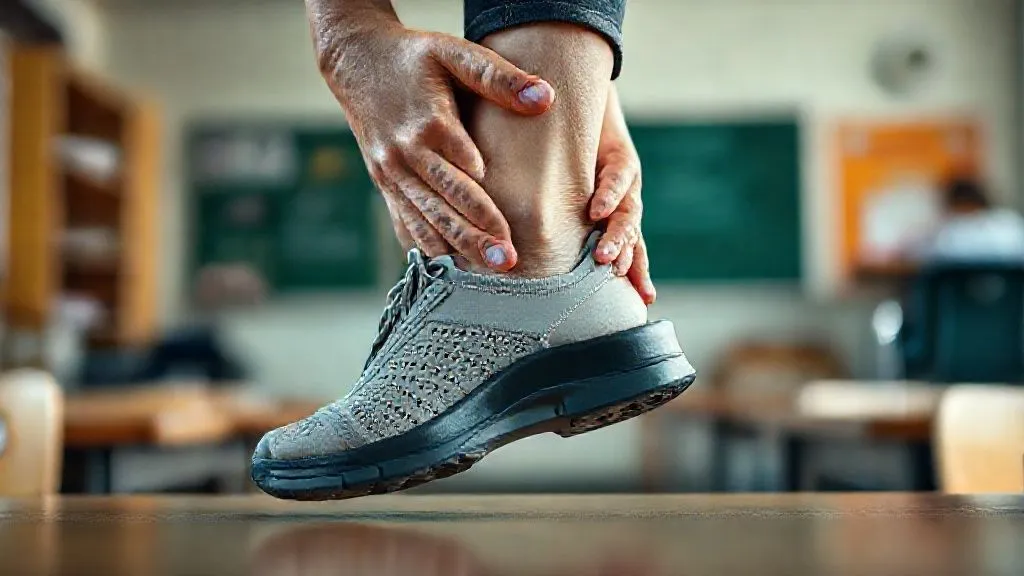
How to Relieve Plantar Fasciitis Pain for Teachers on Feet All Day?
For over two decades in the footwear industry, specializing in comfort and biomechanics, I've had countless conversations with professionals who spend their entire workday on their feet. Among them, teachers consistently share some of the most heart-wrenching stories of chronic foot pain, particularly from plantar fasciitis. I've witnessed firsthand how this debilitating condition doesn't just affect their physical well-being; it erodes their passion, focus, and overall quality of life, both inside and outside the classroom.
Imagine the daily grind: standing during lessons, pacing between desks, supervising playground activities, and navigating school hallways, often on unforgiving hard surfaces. This relentless demand on your feet, coupled with inadequate support or improper biomechanics, creates a perfect storm for plantar fasciitis – that sharp, stabbing pain in your heel, especially with those first steps in the morning or after a period of rest. It's not just discomfort; it's a constant, energy-draining companion that can make every step feel like a chore.
But here's the good news: you don't have to simply endure it. As a footwear specialist and someone who deeply understands the mechanics of the foot, I'm here to share a comprehensive, actionable framework designed specifically for educators like you. This isn't about quick fixes; it's about sustainable strategies, expert insights into proper footwear, targeted stretches, and lifestyle adjustments that can genuinely transform your daily experience and provide lasting relief from plantar fasciitis pain. We'll explore everything from choosing the right shoe to understanding your foot's unique needs, ensuring you can reclaim your comfort and focus in the classroom.
Understanding Plantar Fasciitis: The Teacher's Unique Challenge
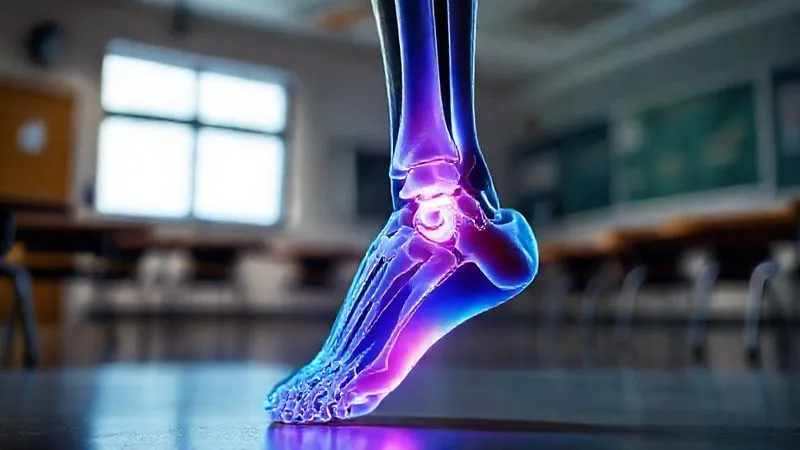
Before we dive into solutions, let's briefly clarify what plantar fasciitis is and why it disproportionately affects teachers. The plantar fascia is a thick band of tissue that runs across the bottom of your foot, connecting your heel bone to your toes. It acts like a shock absorber and supports the arch of your foot. When this fascia becomes inflamed, often due to repetitive stress, micro-tears can occur, leading to the characteristic heel pain.
For teachers, the constant standing, walking, and sudden movements on hard classroom floors or concrete playgrounds place immense, repetitive stress on this crucial ligament. Unlike many office workers, teachers rarely get extended periods off their feet during the day. This sustained load, combined with factors like improper footwear, lack of foot muscle strength, or a sudden increase in activity, makes educators highly susceptible.
"In my experience, many teachers unknowingly exacerbate their plantar fasciitis by wearing shoes that prioritize style over support. While aesthetics have their place, the demands of the classroom require a footwear strategy rooted in biomechanical understanding and comfort, not just trends."
Understanding this unique occupational stress is the first step toward effective management. It's not just about treating the pain; it's about addressing the root causes inherent in a teacher's daily routine. According to a study published in the Journal of Foot and Ankle Research, occupational standing is a significant risk factor for foot pain, a finding that strongly resonates with the challenges faced by teachers.
The Foundation: Choosing the Right Footwear for All-Day Support
This is arguably the most critical component for any teacher seeking to relieve plantar fasciitis pain. Your shoes are your primary line of defense against the relentless impact of standing and walking all day. I've seen countless individuals try various remedies, only to find limited success because they overlooked the fundamental importance of appropriate footwear.
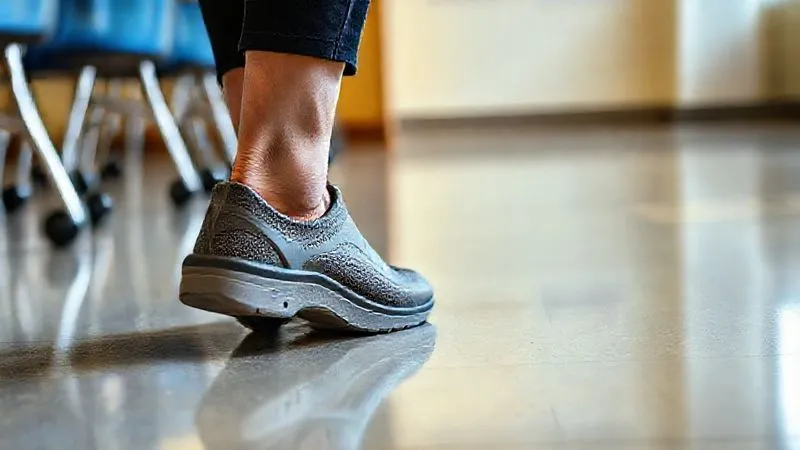
When selecting shoes, you need to think of them as an extension of your body, providing structural integrity and cushioning. Here are the non-negotiable features I always recommend:
- Superior Arch Support: This is paramount. The shoe should cradle your arch, preventing the plantar fascia from overstretching and reducing strain.
- Adequate Cushioning: Look for shoes with generous cushioning in both the heel and forefoot to absorb shock from hard surfaces.
- Firm Heel Counter: The back of the shoe (heel counter) should be rigid enough to hold your heel securely in place, preventing excessive pronation (inward rolling of the foot).
- Wide Toe Box: Your toes need room to splay naturally. Constrictive toe boxes can lead to other foot issues and exacerbate existing ones.
- Removable Insoles: This allows you to insert custom orthotics or over-the-counter insoles if needed, tailoring the support to your specific foot shape.
- Low Heel-to-Toe Drop: While not always essential, a lower heel-to-toe drop can sometimes distribute pressure more evenly across the foot, reducing direct heel impact.
My advice for teachers is always to prioritize function over fashion for your primary teaching shoes. You can always have a stylish pair for after-school events, but for the 6-8 hours you're on your feet, comfort and support must reign supreme. Brands specializing in medical-grade or athletic footwear often offer the best options, but many mainstream brands now incorporate these features into their comfort lines.
Here’s a simple process I guide my clients through when choosing new footwear:
- Assess Your Current Shoes: Look at the wear patterns. Is the heel worn down unevenly? Is the arch collapsed? These are signs your shoes aren't doing their job.
- Shop Smart: Visit a specialized footwear store where staff are trained in fitting and can analyze your gait. Go in the afternoon when your feet are slightly swollen, mimicking their size at the end of a workday.
- Try Before You Buy: Walk around the store for several minutes. Pay attention to any pressure points or discomfort. Don't assume they'll "break in" – comfort should be immediate.
- Consider Rotation: Owning two or three pairs of supportive shoes and rotating them daily can extend their lifespan and allow the cushioning to recover between wears.
Remember, a good pair of shoes is an investment in your health and career longevity. Don't skimp here. As Harvard Health Publishing emphasizes, appropriate footwear is a cornerstone of plantar fasciitis treatment.
Beyond Shoes: Essential Insoles and Orthotics
Even with the best shoes, some teachers may require additional support to truly relieve plantar fasciitis pain. This is where insoles and orthotics come into play. They can provide targeted arch support, cushioning, and heel stability that even premium shoes might lack for specific foot types.
Over-the-Counter (OTC) Insoles
For many, a good quality OTC insole can make a significant difference. These are readily available and more affordable than custom orthotics. When choosing OTC insoles, look for ones specifically designed for plantar fasciitis or arch support. Key features include a deep heel cup, firm arch support, and cushioning in the heel and forefoot. They work by redistributing pressure and supporting the arch, reducing strain on the plantar fascia.
Custom Orthotics
If OTC insoles don't provide sufficient relief, or if you have significant biomechanical issues, custom orthotics prescribed by a podiatrist might be necessary. These are molded specifically to your feet, offering a precise level of support and correction. While more expensive, their effectiveness in addressing complex foot mechanics can be invaluable.
I often advise my clients to try OTC options first, giving them a few weeks to assess effectiveness. If pain persists or worsens, then a consultation with a podiatrist for custom orthotics is the next logical step. It's about finding the right level of intervention for your unique needs.
| Feature | OTC Insoles | Custom Orthotics |
|---|---|---|
| Arch Support | Good to excellent, generic fit | Precise, personalized to foot mold |
| Cushioning | Variable, good general shock absorption | Tailored to pressure points, often more durable |
| Heel Cup | Deep, offers stability | Deep and contoured for maximum stability |
| Cost | Affordable ($20-$60) | Expensive ($300-$600+) |
| Availability | Pharmacies, sports stores, online | Prescription from podiatrist/specialist |
| Effectiveness for Plantar Fasciitis | Often sufficient for mild to moderate cases | Highly effective for severe or persistent cases, addresses biomechanical issues |
Strategic Stretching and Strengthening Exercises
Footwear and insoles address external support, but the internal strength and flexibility of your feet and calves are equally vital. Neglecting these aspects means you're only tackling half the problem. As an industry specialist, I emphasize that a consistent routine of stretches and strengthening exercises is fundamental to long-term relief and prevention.
Targeted Stretches for Plantar Fasciitis
These stretches aim to lengthen the plantar fascia and calf muscles, reducing tension and improving flexibility. Perform them gently and consistently, especially in the morning before your feet hit the floor.
- Plantar Fascia Stretch: While seated, cross the affected foot over your opposite knee. Grab your toes and pull them back towards your shin until you feel a stretch in your arch. Hold for 15-30 seconds, repeat 3 times.
- Calf Stretches (Gastrocnemius and Soleus):
- Gastrocnemius: Stand facing a wall, place hands on the wall. Step one foot back, keeping the heel down and knee straight. Lean forward until you feel a stretch in your upper calf. Hold for 30 seconds, 3 reps per leg.
- Soleus: Similar to above, but bend the back knee slightly while keeping the heel down. This targets the lower calf. Hold for 30 seconds, 3 reps per leg.
- Towel Stretch: Sit on the floor with your legs extended. Loop a towel around the ball of your affected foot. Gently pull the towel towards you, keeping your knee straight, feeling the stretch in your calf and arch. Hold for 15-30 seconds, repeat 3 times.
These simple stretches can be performed at home, before and after school, and even during short breaks in the classroom if you find a private moment. Consistency is key; a few minutes daily is far more effective than an intense session once a week.
Strengthening Exercises for Foot and Ankle Stability
Stronger foot and ankle muscles provide better natural support and resilience against the stresses of standing all day.
- Toe Curls: Sit in a chair with your feet flat on the floor. Place a towel under your foot. Use your toes to scrunch the towel towards you. Repeat 10-15 times.
- Marble Pick-Ups: Place marbles on the floor. Using only your toes, pick up each marble and place it in a cup. Aim for 10-15 marbles per foot.
- Heel Raises: Stand with your feet flat. Slowly raise up onto the balls of your feet, holding for a few seconds, then slowly lower. Start with 10-15 repetitions and gradually increase.
- Alphabet Tracing: While seated, lift your foot slightly off the floor and use your big toe to "write" each letter of the alphabet in the air. This improves ankle mobility and strengthens small foot muscles.
Incorporating these exercises into your routine can significantly improve your foot's ability to cope with the demands of teaching. I've often seen teachers achieve remarkable improvements by committing to these simple, yet powerful, daily practices. They are crucial for how to relieve plantar fasciitis pain for teachers on feet all day by addressing the internal mechanics of the foot.
Daily Habits for Pain Management and Prevention
Beyond footwear and exercises, several daily habits can significantly impact your comfort levels and help prevent flare-ups. These are the small, consistent actions that accumulate into substantial relief.
- Ice Application: After a long day, applying ice to your heel can help reduce inflammation and numb pain. I recommend rolling your foot over a frozen water bottle for 15-20 minutes. This provides both cold therapy and a gentle massage.
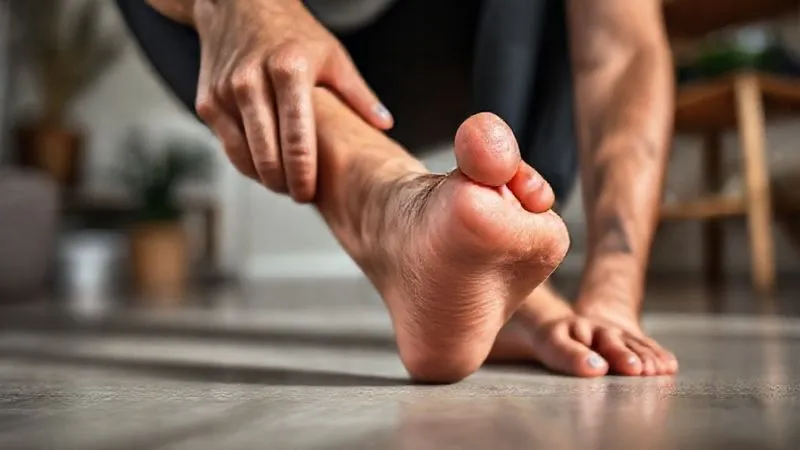
- Regular Foot Massages: A simple self-massage or using a tennis ball or specific foot roller can release tension in the plantar fascia and surrounding muscles. Focus on the arch and heel.
- Avoid Barefoot Walking: Especially on hard surfaces. Even around the house, wear supportive slippers or sandals with good arch support. Going barefoot puts direct, unsupported stress on your plantar fascia.
- Weight Management: Excess body weight places additional strain on your feet. Maintaining a healthy weight can significantly reduce the load on your plantar fascia.
- Gradual Activity Increase: If you've had a period of rest, gradually reintroduce strenuous activities. Don't jump back into a full day of teaching after a weekend of inactivity without proper warm-up and supportive footwear.
Case Study: Mrs. Davis Reclaims Her Classroom Comfort
Mrs. Davis, a dedicated 3rd-grade teacher in her late 40s, came to me after struggling with severe plantar fasciitis for over a year. She was constantly rotating between pain relievers and feeling disheartened. Her initial footwear was stylish but offered minimal support. By implementing the three-step approach I've outlined – starting with a switch to highly supportive shoes, incorporating daily plantar fascia and calf stretches, and using a frozen water bottle for evening icing – she saw a dramatic improvement within 6 weeks. Within three months, her morning pain was nearly gone, and she could stand for most of her teaching day without significant discomfort. This resulted in a renewed sense of energy, allowing her to be more engaged with her students and enjoy her personal life more fully.
This case exemplifies that consistent, multi-faceted action is key to how to relieve plantar fasciitis pain for teachers on feet all day. It’s about creating a holistic strategy.
The Power of Rest and Recovery
In our fast-paced world, the importance of rest is often underestimated, especially for high-demand professions like teaching. For your feet, rest isn't just about taking a break; it's about allowing the inflamed tissues to heal and recover from the day's stress. This is a crucial, non-negotiable part of any effective plantar fasciitis management plan.
I always tell my clients, especially teachers, that their feet are their livelihood. Just as a professional athlete needs recovery time, so do your feet. Ignoring this can lead to chronic pain and prolonged recovery periods.
Practical Recovery Strategies:
- Elevate Your Feet: At the end of the day, elevating your feet above heart level for 15-20 minutes can help reduce swelling and improve circulation, flushing out inflammatory byproducts.
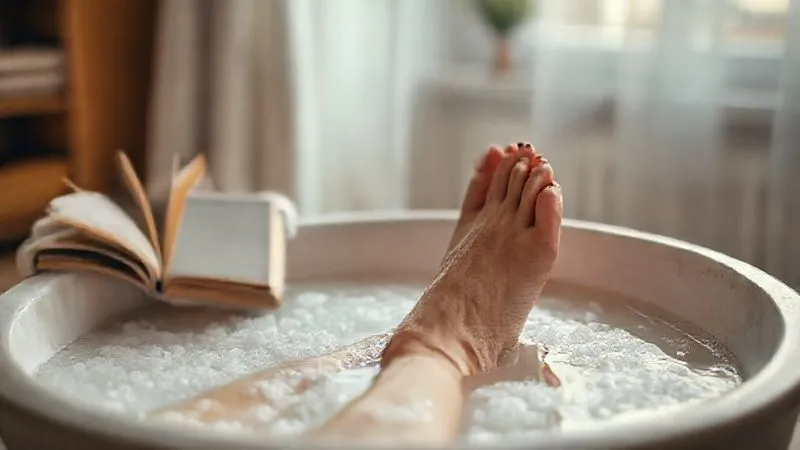
- Epsom Salt Foot Soaks: Soaking your feet in warm water with Epsom salts can relax muscles, reduce inflammation, and provide soothing relief. The magnesium in Epsom salts is believed to aid muscle function and reduce soreness.
- Night Splints: For persistent morning pain, a night splint can be incredibly effective. It gently stretches the plantar fascia and calf muscles overnight, preventing the fascia from contracting and shortening, which is often the cause of that excruciating first-step pain. I've seen these make a significant difference for many teachers.
- Adequate Sleep: Don't underestimate the body's natural healing processes during sleep. Ensuring you get 7-9 hours of quality sleep allows your entire body, including your feet, to repair and rejuvenate.
These recovery methods aren't luxuries; they are essential components of a proactive strategy to manage and overcome plantar fasciitis. Integrating them into your evening routine can dramatically improve your morning comfort and overall foot health.
When to Seek Professional Help: A Crucial Step
While the strategies I've outlined can provide significant relief for many, it's vital to recognize when professional medical intervention is necessary. Ignoring persistent or worsening pain can lead to more complex issues and prolonged recovery. As an expert, I always advocate for early consultation if self-care methods aren't yielding results.
Signs It's Time to See a Doctor or Podiatrist:
- Persistent Pain: If your pain doesn't improve after several weeks of consistent self-care (proper shoes, stretching, icing).
- Worsening Pain: If your pain becomes more severe or constant, making daily activities increasingly difficult.
- Numbness or Tingling: These symptoms could indicate nerve involvement and warrant immediate medical attention.
- Pain in Other Areas: If you start experiencing pain in your knees, hips, or back, it could be compensatory pain from altering your gait due to foot pain.
- Visible Swelling or Redness: These are signs of significant inflammation or potential infection.
A podiatrist can accurately diagnose the issue, rule out other conditions (like stress fractures or nerve entrapment), and recommend advanced treatments such as prescription orthotics, physical therapy, corticosteroid injections, or in rare cases, surgery. Don't hesitate to seek their expertise. The American Academy of Orthopaedic Surgeons provides excellent resources on when to consult a specialist for foot conditions like plantar fasciitis, underscoring the importance of timely intervention. AAOS information on Plantar Fasciitis.
| Symptom | Recommended Action |
|---|---|
| Mild morning heel pain, improves with walking | Start with supportive shoes, daily stretches, icing, avoid barefoot walking. |
| Pain persists for >6 weeks despite self-care, moderate severity | Consider OTC insoles, more rigorous stretching, gentle massage, consistent recovery routine. |
| Severe, constant pain; numbness/tingling; visible swelling/redness | Consult a podiatrist or medical doctor immediately for professional diagnosis and treatment plan. |
| Pain in knees, hips, or back along with foot pain | Seek professional medical evaluation to address compensatory issues and gait abnormalities. |
Frequently Asked Questions (FAQ)
Q: Can I really wear comfortable shoes and still look professional as a teacher?
A: Absolutely! The footwear industry has made incredible strides in combining aesthetics with ergonomic design. Many brands now offer professional-looking flats, loafers, boots, and even stylish sneakers that incorporate superior arch support, cushioning, and stability. It's about knowing what to look for and prioritizing those features. I always advise teachers to explore brands known for their comfort lines; you'll be surprised by the stylish options available that don't compromise your foot health. It's a matter of shifting perspective from traditional fashion to 'functional fashion' for your workday.
Q: How long does it typically take to relieve plantar fasciitis pain for teachers on feet all day with these methods?
A: Recovery time varies significantly from person to person, depending on the severity of the condition, consistency of treatment, and individual body response. However, with a dedicated approach – consistent use of supportive footwear, daily stretching, and active recovery – many teachers report noticeable improvement within 4-6 weeks. Full resolution can take anywhere from a few months to a year for chronic cases. The key is consistency and patience; don't get discouraged if progress isn't immediate. Sticking with the plan is crucial for long-term success.
Q: Are there any specific types of shoes I should absolutely avoid if I have plantar fasciitis?
A: Yes, definitely. I strongly advise against wearing flat, unsupportive shoes like ballet flats, flip-flops (unless they have significant arch support), or worn-out athletic shoes. High heels can also exacerbate the condition by shortening the calf muscles and increasing pressure on the forefoot. Shoes with minimal cushioning, poor arch support, or a flimsy heel counter should be avoided at all costs, especially for prolonged standing. Think of it this way: if a shoe offers no structural integrity or shock absorption, it's working against your recovery. For more detailed guidance on shoe types, you can often find excellent resources from organizations like the American Podiatric Medical Association (APMA).
Q: Can I run or participate in other high-impact activities if I have plantar fasciitis?
A: This requires careful consideration. During an acute flare-up or while actively recovering, it's generally best to avoid high-impact activities like running, jumping, or intense aerobics, as these can aggravate the plantar fascia and hinder healing. Focus on low-impact alternatives such as swimming, cycling, or elliptical training. Once your pain has significantly subsided and your foot strength and flexibility have improved, you can gradually reintroduce high-impact activities. Always listen to your body, wear appropriate athletic footwear, and consider consulting a physical therapist or sports medicine doctor to guide your return to activity safely and prevent recurrence.
Q: What if I have flat feet or high arches? Does that change the approach?
A: Yes, foot type plays a significant role. If you have flat feet (overpronation), you'll need shoes and insoles with very strong arch support and motion control to prevent your arch from collapsing further. For high arches (supination), you'll need shoes with extra cushioning to absorb shock, as your foot naturally has less flexibility, and insoles that provide contoured arch support without being overly rigid. In both cases, custom orthotics are often highly beneficial as they can be precisely tailored to provide the exact support and correction your specific foot type requires. This is a prime example of why understanding your unique biomechanics is so important.
Key Takeaways and Final Thoughts
As a veteran in the footwear industry, I've seen the transformative power of understanding and addressing foot health. For teachers on their feet all day, battling plantar fasciitis pain can feel like an insurmountable challenge, but it doesn't have to be. By adopting a proactive, multi-faceted approach, you can significantly reduce discomfort and reclaim your daily joy and energy in the classroom.
- Prioritize Footwear: Your shoes are your most important tool. Invest in supportive, cushioned shoes with excellent arch support and a firm heel counter.
- Embrace Insoles: Don't hesitate to use quality over-the-counter or custom orthotics for additional, tailored support.
- Commit to Movement: Regular stretching and strengthening exercises for your feet and calves are non-negotiable for long-term relief.
- Cultivate Good Habits: Incorporate icing, massage, and avoiding barefoot walking into your daily routine.
- Value Recovery: Allow your feet ample rest, elevation, and soothing treatments like Epsom salt soaks.
- Know When to Seek Help: Don't delay consulting a podiatrist if self-care isn't enough or if symptoms worsen.
Remember, your commitment to your foot health is an investment in your career, your well-being, and your ability to inspire the next generation without the constant distraction of pain. You deserve to teach comfortably and confidently. Take these insights, apply them diligently, and step forward into a future with less pain and more passion. I truly believe that with the right knowledge and consistent effort, you can overcome plantar fasciitis and enjoy every step of your teaching journey.
Recommended Reading
- 7 Smart Casual Outfits for Men: Project Authority at Professional Dinners
- Ultimate Guide: How to Style Fashion Lookbook Outfits
- 7 Pillars: How to Verify Genuine Sustainability in Innovative Textiles?
- 7 Proven Strategies: Minimize Womenswear Seasonal Overstock Markdown Losses
- 7 Proven Steps: Recovering from a Sudden Drop in Fashion Affiliate Commissions


Your email address will not be published. Required fields are marked *