


How to Recover from a Sudden Drop in Fashion Affiliate Commissions?
For over 15 years in the dynamic world of fashion blogging and affiliate marketing, I've witnessed firsthand the exhilarating highs of successful campaigns and the gut-wrenching lows when commissions suddenly plummet. It’s a moment that can send a shiver down any blogger’s spine, making you question your strategies, your content, and even your passion.
The sudden drop in fashion affiliate commissions isn't just a financial hit; it's often a blow to your confidence and a sign that something fundamental has shifted. Whether it's an algorithm change, a market trend, or an internal issue, the impact can feel overwhelming, leaving you scrambling for answers.
But here’s the truth: this isn't an irreversible crisis. It's a critical juncture, an opportunity to re-evaluate, adapt, and fortify your business. In this definitive guide, I'll share the exact frameworks, diagnostic tools, and actionable strategies I’ve developed and refined over years to not only recover from a sudden drop in fashion affiliate commissions but to emerge stronger and more resilient. You'll gain insights into identifying the root causes, revitalizing your content, optimizing your conversions, and diversifying your income streams.
The Initial Shock: Understanding Why Commissions Plummet
When you see that dreaded dip in your affiliate dashboard, the immediate reaction is often panic. However, an experienced specialist knows that panic serves no purpose. Your first step is to take a deep breath and understand that such drops, while alarming, are often symptomatic of underlying shifts. We need to dissect the 'why' before we can strategize the 'how'.
From my vantage point, these sudden declines typically stem from two broad categories: external market shifts beyond your immediate control, and internal performance gaps within your own operations. Distinguishing between these two is crucial for crafting an effective recovery plan.
External Market Shifts: The Unseen Forces
Sometimes, the issue isn't with your blog at all, but with the broader landscape. These external factors can significantly impact your fashion affiliate commissions:
- Algorithm Updates: Search engine algorithm changes (like Google's core updates) can drastically alter your organic traffic, impacting visibility and clicks to your affiliate links.
- Economic Downturns: Consumer spending habits are highly sensitive to economic conditions. During recessions or periods of uncertainty, discretionary purchases, especially in fashion, often decline.
- Seasonal Fluctuations: While predictable, a sudden drop might coincide with the end of a peak shopping season (e.g., post-holiday slump) if not properly anticipated.
- Affiliate Program Changes: Merchants might reduce commission rates, change cookie durations, or even terminate programs without much notice. This is a common, frustrating external factor.
- Competitor Activity: A new, aggressive competitor entering your niche, or established players upping their game, can siphon off your audience and sales.
- Shifting Fashion Trends: If your content is heavily tied to specific trends that have faded, or if new trends emerge rapidly, your evergreen content might lose relevance.
Internal Performance Gaps: What You Can Control
Equally, the issue might lie closer to home, within your own blog and strategy. These are the areas where you have direct control and can implement changes:
- Traffic Decline: A drop in website visitors, whether from organic search, social media, or direct traffic, directly translates to fewer eyes on your affiliate links.
- Conversion Rate Issues: Even with consistent traffic, if fewer visitors are clicking through or making purchases, your conversion rate is suffering. This could be due to poor calls-to-action, outdated product recommendations, or site usability problems.
- Content Staleness: Old content that isn't updated, or new content that lacks depth, authority, or alignment with current search intent, can underperform.
- Technical Glitches: Broken affiliate links, slow loading times, mobile unresponsiveness, or issues with your tracking setup can all silently erode your earnings.
- Audience Disconnect: Perhaps your content no longer resonates with your core audience, or your messaging feels inauthentic, leading to reduced engagement and trust.
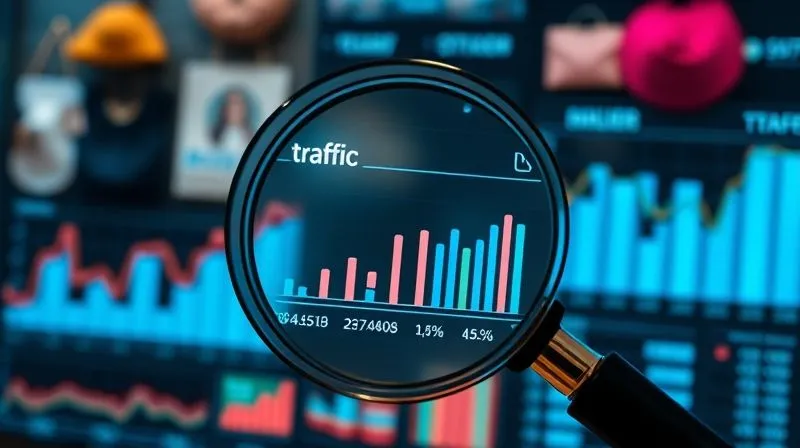
Your First Response: Data-Driven Diagnosis & Audit
Once you’ve acknowledged the drop, the very next step is to dive deep into your data. This isn't guesswork; it's a forensic investigation. As a veteran in this space, I can tell you that successful recovery always starts with a meticulous audit. You need to identify precisely where the leak is occurring.
I always advise starting with a 3-month comparison: compare your current performance with the previous 3 months, and also with the same period last year. This helps to account for seasonality and identify true declines versus expected fluctuations.
Traffic Analysis: Where Did Your Audience Go?
- Google Analytics Deep Dive: Examine your 'Audience' and 'Acquisition' reports. Has overall traffic dropped? Which channels are most affected (organic search, social, referral, direct)?
- Specific Page Performance: Look at your top-performing affiliate content pages. Are they still receiving traffic? Have their rankings dropped in Google Search Console?
- Bounce Rate & Time on Page: A sudden increase in bounce rate or decrease in time on page for key affiliate content can indicate a problem with content relevance or user experience.
Conversion Rate Deep Dive: Are People Still Buying?
- Affiliate Dashboard Review: Most affiliate programs provide data on clicks vs. conversions. Is your click-through rate (CTR) to the merchant site down? Or are people clicking but not converting?
- On-Site Engagement: Use tools like Hotjar or Crazy Egg to see how users interact with your affiliate links. Are they visible? Are they being ignored?
- Call-to-Action (CTA) Effectiveness: Are your CTAs clear, compelling, and strategically placed? Test different wording or button designs.
Affiliate Program Performance Review: Are Your Partners Still Delivering?
- Commission Rate Changes: Verify if any of your key affiliate programs have reduced their commission rates. This can significantly impact earnings even with consistent sales volume.
- Cookie Duration: Check if cookie durations have been shortened, affecting attribution windows.
- Product Availability: Are the products you're promoting still in stock? Out-of-stock items are a silent killer of affiliate income.
- Merchant Site Experience: Sometimes, the merchant's website itself might be experiencing issues (slow loading, poor checkout process), leading to abandoned carts even if your referrals are solid.
| Metric Category | Key Indicator | Typical Range | Current Observation | Action Item |
|---|---|---|---|---|
| Traffic | Overall Sessions | Stable/Growth | -20% | Analyze channel performance |
| Traffic | Organic Search Sessions | Stable/Growth | -35% | Google Search Console audit |
| Conversion | Affiliate CTR | 2-5% | 1.5% | Optimize link placement/CTAs |
| Conversion | Merchant Site Conversion Rate | 1-3% | 0.8% | Investigate merchant site issues/product relevance |
| Program Health | Commission Rate (Avg) | 5-15% | 4% (down from 7%) | Contact affiliate manager/Diversify programs |
Revitalizing Your Content Strategy for Conversion
Your content is the heart of your fashion blog, and if your commissions are down, it’s often the first place to look for solutions. Think of your content as your sales team; if they're not performing, you need to retrain or retool them. This means moving beyond just posting new outfits and delving into strategic content optimization.
According to a Forbes article on content marketing, value-driven content is paramount. Your fashion blog isn't just about showing; it's about guiding, inspiring, and solving problems for your audience.
Content Audit & Optimization: Breathing New Life into Old Posts
- Identify Underperforming Affiliate Content: Use your analytics to pinpoint which posts with affiliate links are no longer generating clicks or sales.
- Update & Refresh: For older posts, update product links (remove out-of-stock items, add newer alternatives), refresh imagery, and update any outdated fashion advice or trends. Add new insights or personal experiences.
- Enhance Keyword Targeting: Re-evaluate the SEO for these posts. Are you targeting the right long-tail keywords? Can you add more LSI (Latent Semantic Indexing) keywords to increase relevance?
- Improve Readability & Engagement: Break up long paragraphs, use bullet points, bold key phrases, and add internal links to related content on your blog. Ensure your writing flows and keeps the reader engaged.
New Content Opportunities: Filling the Gaps
- Address New Trends & Needs: What are your audience's current fashion pain points or desires? Create content that directly addresses these, positioning affiliate products as solutions. Think 'Sustainable Fashion Staples,' 'Work-From-Home Style Guides,' or 'Budget-Friendly Capsule Wardrobes.'
- Comparison & Review Content: These are highly effective for affiliate conversions. Create in-depth reviews of specific products or 'X vs. Y' comparisons, always highlighting the benefits and drawbacks honestly.
- How-To Guides & Tutorials: Show your audience how to style an item, create a specific look, or care for their garments, naturally weaving in affiliate product recommendations.
- Leverage User-Generated Content (UGC): Encourage your audience to share their looks using items you've promoted. Feature their content (with permission) and link back to the products. This builds trust and social proof.

Optimizing Affiliate Placements and Call-to-Actions
Even the best content won't convert if your affiliate links are hidden, unappealing, or poorly implemented. This is where strategic placement and compelling calls-to-action become critical. It’s not just about having links; it’s about having the right links in the right places, at the right time.
In my experience, many bloggers inadvertently bury their affiliate opportunities. You want your links to feel like a natural extension of your advice, not a jarring advertisement.
Strategic Placement: Where to Put Your Links
- Above the Fold: For highly desirable products or key recommendations, ensure a link or product widget is visible without scrolling, especially in review or 'best of' posts.
- Contextual Links within Text: Integrate links naturally within your sentences when mentioning a product or brand. Use descriptive anchor text that tells the reader what they're clicking on.
- Product Showcases/Widgets: Utilize visual elements like product carousels, comparison tables, or curated shop widgets. These are highly engaging and can improve click-through rates.
- End of Post Summaries: A 'Shop the Look' or 'Related Products' section at the end of a post can capture readers who are ready to buy after consuming your content.
- Pinnable Images: If using Pinterest, ensure your images link directly to your affiliate content, or even directly to the product page if allowed by the affiliate program.
Compelling CTAs: Guiding Your Audience to Action
- Clear & Benefit-Oriented: Instead of just 'Click Here,' try 'Shop the Trend,' 'Discover My Favorite Blazer,' or 'Get 20% Off Your First Order.' The CTA should convey value.
- Visual CTAs: Use attractive buttons that stand out from your regular text. Colors, fonts, and hover effects can all play a role in drawing the eye.
- Sense of Urgency/Scarcity (Ethically): If a sale is ending or an item is low in stock, you can ethically highlight this to encourage immediate action.
- A/B Testing: Don't assume. Test different CTA placements, wording, and designs to see what resonates most with your audience. Tools like Google Optimize can be invaluable here.
Case Study: How 'Chic & Savvy Blog' Boosted Commissions by 25%
Chic & Savvy Blog, a popular fashion destination, faced a 30% drop in affiliate commissions over two months. After a thorough data audit, they discovered their conversion rate had dipped significantly, despite stable traffic. The problem? Their affiliate links were primarily text-based and buried deep within long paragraphs, with generic 'Shop Now' CTAs.
By implementing a targeted optimization strategy, they:
- Replaced generic text links with visually appealing, benefit-driven buttons for key products.
- Introduced 'Shop the Look' widgets at the top and bottom of their most popular outfit posts.
- Created dedicated 'Best of [Category]' resource pages, featuring comparison tables with clear 'View Product' buttons.
Within six weeks, their affiliate conversion rate improved by 18%, leading to a 25% recovery in overall commissions. This demonstrates the power of focusing on actionable placement and compelling CTAs.
Diversification: Building a Resilient Income Stream
Relying too heavily on a single affiliate program or even affiliate marketing as a whole can leave you vulnerable to sudden commission drops. A seasoned expert knows the importance of not putting all your eggs in one basket. Diversification is key to long-term stability and growth.
Exploring New Affiliate Programs: Expanding Your Portfolio
- Research Complementary Niches: If you focus on high fashion, consider sustainable fashion, ethical brands, beauty, accessories, or even home decor that aligns with a fashion-forward lifestyle.
- Join Multiple Networks: Don't stick to just one. Explore platforms like RewardStyle/LTK, Amazon Associates, ShareASale, CJ Affiliate, and direct merchant programs. Each offers unique opportunities.
- Seek Higher Commission Rates: Some smaller brands or direct programs might offer higher rates than large retailers. Don't be afraid to negotiate if you have significant influence.
- Promote Diverse Product Types: Instead of just clothing, promote shoes, bags, jewelry, beauty products, and even subscription boxes relevant to fashion enthusiasts.
Beyond Affiliate Marketing: Broadening Your Revenue Horizon
While recovering affiliate commissions is the immediate goal, consider other monetization strategies to future-proof your business:
- Sponsored Content & Brand Partnerships: Collaborate with brands for dedicated blog posts, social media campaigns, or video content. This often yields higher, fixed payments.
- Selling Your Own Digital Products: Create and sell e-books (e.g., 'Your Ultimate Capsule Wardrobe Guide'), online courses (e.g., 'Styling for Your Body Type'), or printable fashion planners.
- Physical Products: If you have a strong brand, consider launching your own line of accessories, apparel, or curated fashion boxes.
- Ad Revenue: While often lower-paying, display ads (via networks like Mediavine or AdThrive) can provide a consistent baseline income, especially for high-traffic blogs.
- Consulting or Coaching: Leverage your expertise to offer personal styling services, fashion consulting, or mentorship for aspiring bloggers.
Enhancing User Experience (UX) and Site Performance
Imagine walking into a beautiful boutique only to find the doors jammed, the lighting dim, and the sales assistants unhelpful. You'd leave, right? Your blog is no different. A seamless user experience and robust site performance are foundational to keeping visitors engaged and converting them into buyers. Google, as an authority in web standards, consistently emphasizes Core Web Vitals and mobile-first indexing for good reason.
Even if your content and affiliate links are perfect, poor UX can silently sabotage your efforts.
Site Speed & Mobile Responsiveness: The Need for Speed
- Optimize Images: Large image files are a common culprit for slow loading times in fashion blogs. Compress images without sacrificing quality and use next-gen formats like WebP.
- Leverage Caching: Implement browser caching and server-side caching to speed up page delivery for returning visitors.
- Minimize Plugins: Too many plugins can bloat your site. Audit your plugins and remove any unnecessary ones.
- Mobile-First Design: Ensure your site is fully responsive and looks impeccable on all devices. A significant portion of fashion browsing and shopping happens on mobile.
- Reduce Render-Blocking Resources: Optimize CSS and JavaScript delivery to improve initial page load times.
Intuitive Navigation: Guiding Your Audience Seamlessly
- Clear Menu Structure: Your main navigation should be easy to understand, with logical categories that help users find what they're looking for quickly.
- Internal Linking Strategy: Interlink your relevant content generously. This keeps users on your site longer, exposes them to more affiliate opportunities, and helps with SEO.
- Search Functionality: A robust search bar is essential, especially for larger blogs, allowing users to find specific products or styles.
- Breadcrumbs: Implement breadcrumb navigation to help users understand their location within your site structure and easily navigate back to parent categories.
| UX/Performance Area | Key Metric | Goal | Current Status | Action Plan |
|---|---|---|---|---|
| Site Speed | Largest Contentful Paint (LCP) | < 2.5 seconds | 4.8 seconds | Image optimization, lazy loading, caching |
| Mobile Responsiveness | Mobile Usability Score | 100% (Green) | 85% (Yellow) | CSS optimization, viewport configuration |
| Navigation | Bounce Rate (Category Pages) | < 50% | 65% | Refine menu structure, add internal links |
| Engagement | Average Session Duration | > 2 minutes | 1:30 minutes | Improve content readability, add related posts |
Re-engaging Your Audience and Building Trust
At its core, affiliate marketing is about trust. Your audience trusts your recommendations. If commissions drop, it might be a subtle signal that this trust or engagement is waning. Rebuilding and fortifying that connection is paramount for long-term recovery and success. As marketing guru Seth Godin often emphasizes, building a loyal tribe is more valuable than chasing fleeting trends.
Email Marketing & Community Building: Nurturing Your Tribe
- Segment Your List: Don't send the same email to everyone. Segment your subscribers by interests (e.g., sustainable fashion, luxury finds, budget style) and tailor your affiliate recommendations.
- Exclusive Content & Offers: Offer your email subscribers exclusive early access to sales, special discount codes, or behind-the-scenes content. This builds a sense of community and value.
- Personalized Recommendations: Use data from past purchases or clicks to send personalized product recommendations. This significantly increases conversion rates.
- Engage on Social Media: Don't just broadcast. Ask questions, run polls, host Q&As, and genuinely interact with your followers. A strong social media presence can drive significant referral traffic.
Authenticity and Transparency: The Bedrock of Trust
- Disclose Affiliate Relationships Clearly: Always be transparent about your affiliate links. This isn't just a legal requirement; it's a moral one that builds immense trust with your audience.
- Only Promote Products You Genuinely Love: Your authenticity is your biggest asset. If you don't truly believe in a product, don't promote it. Your audience can sense insincerity.
- Provide Balanced Reviews: Even for products you love, mention minor drawbacks or who the product might not be suitable for. This adds credibility to your recommendations.
- Respond to Comments & Feedback: Show your audience you're listening. Address their questions, concerns, and feedback promptly and thoughtfully.
- Set Up Tracking & Alerts: Implement robust tracking in Google Analytics and your affiliate dashboards. Set up custom alerts for significant drops or spikes in key metrics.
- A/B Test Everything: From headline variations and CTA button colors to product image placements and email subject lines – test, test, test. Small optimizations can lead to significant gains.
- Regular Performance Reviews: Schedule weekly or monthly reviews of your affiliate performance. Look beyond just commissions; analyze traffic sources, conversion rates, and engagement metrics.
- Stay Informed: Keep abreast of industry news, algorithm updates, and new trends in fashion and affiliate marketing. Follow key thought leaders and industry publications.
- Be Patient and Persistent: Recovery takes time. Don't expect overnight results. Stay consistent with your efforts, learn from your failures, and celebrate your small wins.
- Diagnose Accurately: Understand if the drop is due to external market shifts or internal performance gaps through a thorough data audit.
- Revitalize Content: Update and optimize existing content, and create new, value-driven content that solves audience problems.
- Optimize Conversions: Strategically place affiliate links and craft compelling, benefit-oriented calls-to-action.
- Diversify Income: Explore new affiliate programs and alternative monetization strategies to build resilience.
- Enhance User Experience: Ensure your site is fast, mobile-friendly, and easy to navigate.
- Re-engage & Build Trust: Nurture your audience through email, social media, and unwavering authenticity.
- Monitor & Iterate: Continuously track your performance, A/B test, and adapt to the ever-changing landscape.
- Evolve Your Style Blog: 7 Ways to Grow Content Without Losing Readers
- Predicting Activewear Profits: 7 Steps to Next Season's Hot Trends
- Precision Engineering: Stabilizing Defying Gravity Haute Couture Silhouettes
- Runway Photography Redefined: Deliver High-Quality Images Quickly
- 7 Proven Strategies: Liquidate Unsold Bridal Gowns Quickly & Profitably
Monitoring, Testing, and Iteration: The Path to Sustainable Growth
Recovery isn't a one-and-done event; it's an ongoing process of learning, adapting, and refining. The fashion industry, by its very nature, is constantly evolving. What works today might not work tomorrow, and the ability to monitor, test, and iterate is what separates the enduring successes from the fleeting fads.
Think of yourself as a scientist, constantly hypothesizing, experimenting, and analyzing results. Every change you make, every new strategy you implement, is an experiment.
"The biggest mistake you can make is to stop experimenting. In affiliate marketing, the landscape shifts constantly. Those who consistently test, measure, and adapt are the ones who not only recover but thrive." - Expert Insight
Frequently Asked Questions (FAQ)
Q: How quickly can I expect to see recovery after implementing these strategies? A: Recovery isn't instantaneous, but you should aim to see positive trends within 4-8 weeks for small to medium drops. Significant drops might take 3-6 months for a substantial turnaround. Consistency and diligent application of these strategies are key. Remember, the goal isn't just recovery, but building a more resilient, future-proof affiliate business.
Q: Should I cut ties with an affiliate program immediately if its commissions drop? A: Not necessarily. First, investigate the 'why.' Is it a temporary dip due to seasonality or a broader market issue? Has the program changed its terms? Communicate with your affiliate manager to understand the situation. If the program consistently underperforms despite your best efforts, or if its terms become unfavorable, then consider gradually reducing your reliance on it while building up alternatives. Diversification is always better than abrupt termination.
Q: What's the most common mistake fashion bloggers make when commissions drop? A: The most common mistake is either panicking and making rash changes without data, or doing nothing at all. Both are detrimental. The correct approach is a calm, data-driven diagnosis followed by a systematic, iterative implementation of solutions. Another common error is failing to diversify, leaving themselves vulnerable to single-point failures.
Q: How important is video content for fashion affiliate marketing recovery? A: Extremely important, especially now. Video content on platforms like YouTube, Instagram Reels, and TikTok offers highly engaging ways to showcase fashion items, provide styling tips, and build a personal connection. Video can significantly boost engagement and conversion rates, as viewers can see products in motion and on a real person. Incorporating video reviews, try-on hauls, and styling tutorials with integrated affiliate links should be a priority.
Q: My traffic hasn't dropped, but commissions have. What's the first thing I should check? A: If traffic is stable but commissions are down, your primary focus should be on conversion rate optimization and affiliate program performance. Check your affiliate dashboards for click-through rates to merchant sites and conversion rates once users are there. Investigate if commission rates have changed, if products are out of stock, or if the merchant's site is having issues. Also, re-evaluate the effectiveness and placement of your CTAs on your blog.
Key Takeaways and Final Thoughts
Experiencing a sudden drop in fashion affiliate commissions can be disheartening, but it's a challenge that can be overcome with a strategic, data-driven approach. Remember these critical steps:
As a veteran in this field, I can assure you that this isn't just about recovering lost income; it's about refining your craft, understanding your audience more deeply, and building a more robust and sustainable business. Embrace this challenge as an opportunity for growth. With persistence, strategic thinking, and a commitment to providing genuine value, you will not only recover but likely surpass your previous successes. Your journey as a fashion affiliate specialist is a marathon, not a sprint, and every setback is merely a setup for a stronger comeback.





Your email address will not be published. Required fields are marked *