

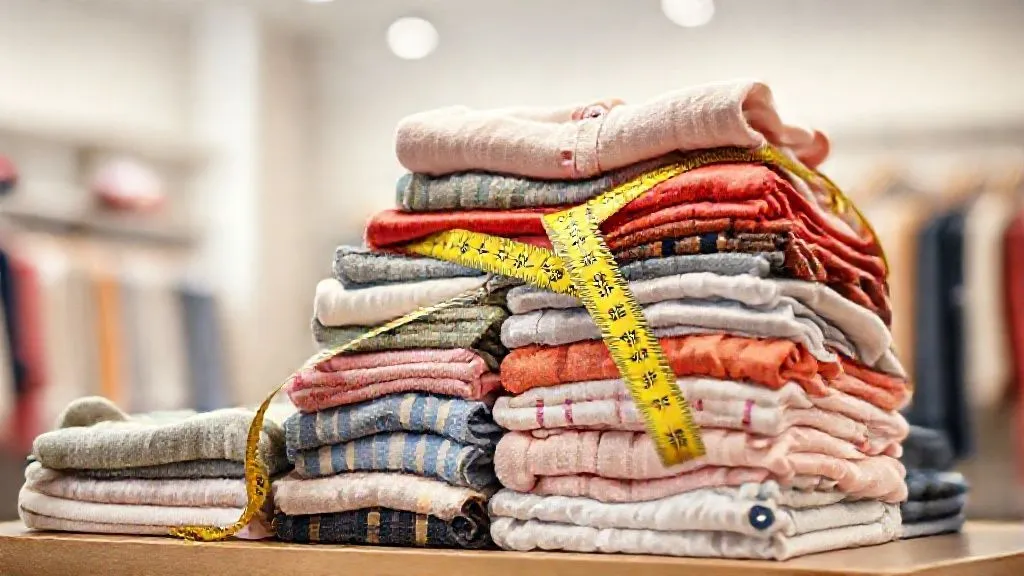
How to reduce kids clothing return rates due to inconsistent sizing?
For over 15 years in the dynamic world of kids' fashion, I've witnessed firsthand how even the most innovative designs and high-quality fabrics can be undermined by a single, pervasive issue: inconsistent sizing. It’s a silent killer of customer loyalty, a drain on resources, and a constant source of frustration for parents simply trying to dress their children. I've seen promising brands struggle to scale, not because of their product's appeal, but because their return rates soared, eating into their margins and reputation.
The problem of inconsistent sizing in children's clothing is more than just an inconvenience; it's a complex challenge with significant financial, operational, and environmental repercussions. Parents often find themselves ordering multiple sizes of the same item, leading to 'wardrobing' or simply giving up on a brand altogether. This not only burdens your logistics and customer service teams but also erodes the trust you've painstakingly built.
But here's the good news: this problem is solvable. In this definitive guide, I will share the actionable frameworks, cutting-edge technologies, and expert insights I've gathered over my career on how to reduce kids clothing return rates due to inconsistent sizing. We'll explore everything from foundational measurement protocols to advanced AI solutions, empowering you to build a reputation for reliable fit and delight your customers.
The Hidden Costs of Sizing Inconsistency in Kids Fashion
In my experience, many brands underestimate the true cost of inconsistent sizing. It's not just about the direct shipping costs for returns; it's a multi-faceted problem that impacts profitability and brand perception significantly. Every return due to a poor fit represents a lost sale opportunity and a dent in your operational efficiency.
Financially, the costs quickly add up: reverse logistics, repackaging, restocking, and potential markdown of returned items. Operationally, your customer service team is overwhelmed with sizing queries and return processing, diverting resources from other critical areas. Environmentally, the carbon footprint of returned items, especially those that end up in landfills, is a growing concern for conscious consumers and brands alike.
"Inconsistent sizing erodes the most valuable asset any brand possesses: customer trust. When parents can't rely on your sizing, they'll look elsewhere, regardless of how appealing your designs are." - An Industry Veteran (Me)
Beyond the tangible expenses, there's the intangible damage to your brand's reputation. A brand known for unreliable sizing struggles to gain repeat customers and positive word-of-mouth. In today's competitive market, a consistent and accurate fit can be a powerful differentiator, turning one-time buyers into loyal advocates.
Mastering the Measurement: A Foundational Approach to Sizing Data
The bedrock of reducing kids clothing return rates due to inconsistent sizing lies in meticulous measurement and data utilization. It starts long before a garment is even cut.
Standardizing Internal Measurement Protocols
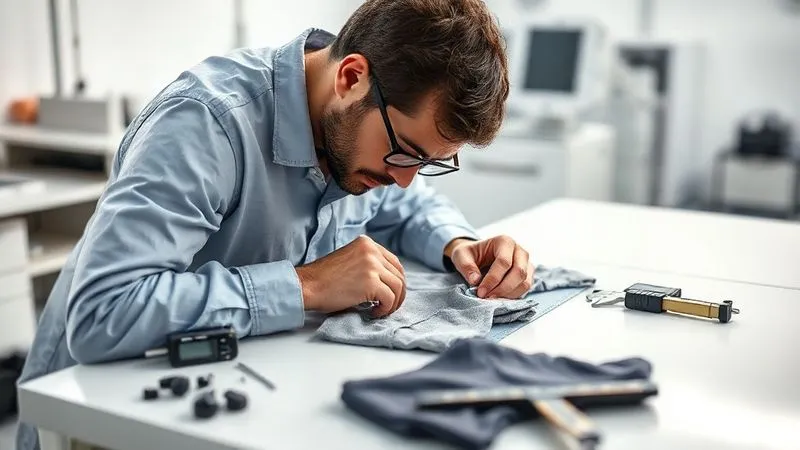
I've seen countless issues arise from a lack of clear internal measurement standards. Different pattern makers, factories, or quality control personnel measuring the same garment in slightly different ways can lead to significant discrepancies. This needs to be a top priority.
- Develop Comprehensive Tech Packs: Each garment style must have a detailed tech pack outlining specific measurement points (e.g., chest width 1" below armhole, sleeve length from HPS). Include diagrams for clarity.
- Calibrate Tools & Train Teams: Ensure all tape measures are accurate and regularly calibrated. Conduct mandatory training sessions for design, pattern-making, production, and QC teams on exact measurement techniques.
- Implement Digital Measurement: Consider investing in digital measurement tools that offer higher precision and reduce human error compared to manual methods.
- Establish Tolerance Levels: Define clear, achievable tolerance levels for each measurement point (e.g., +/- 0.5 cm). Any garment falling outside these tolerances should be flagged for review or rejection.
Leveraging Anthropometric Data for Kids
Children's bodies change rapidly, and relying solely on age-based sizing is often insufficient. Real anthropometric data—measurements of human body dimensions—is crucial. I always advocate for a blend of age, height, and weight categories.
According to a study published in the Journal of Human Growth and Development, children's growth patterns vary significantly, making a one-size-fits-all approach problematic. Brands need to research and understand the target demographic's typical body shapes and growth curves.
This means moving beyond generic size charts. Consider offering a 'slim fit' or 'husky fit' option if your market research indicates a demand. Remember, a child's age does not always correlate precisely with their height or weight, making detailed data paramount.
Crafting the Ultimate Sizing Chart: Beyond Basic Numbers
Your sizing chart is your customer's primary guide, and a well-designed one can significantly reduce confusion and returns. It needs to be intuitive, comprehensive, and visually appealing.
Visual Sizing Guides and Age-Appropriate Models
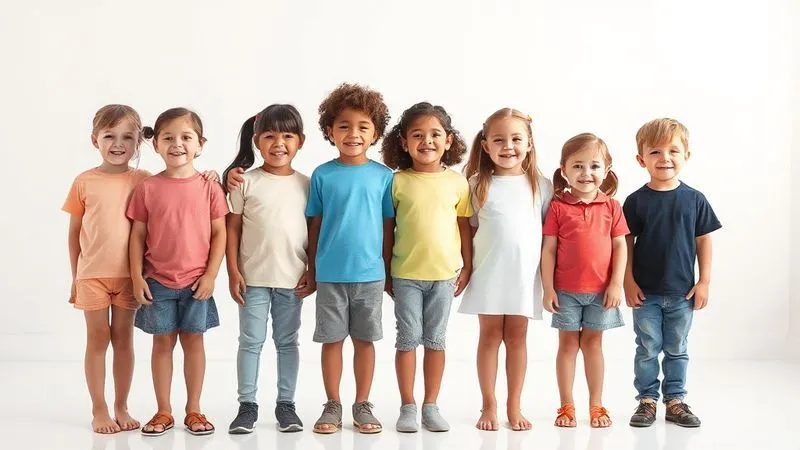
Flat measurements alone often don't tell the whole story. Parents want to visualize how the clothing will fit their child. I've found that using real children as models, displaying different sizes, is incredibly effective.
Instead of just a table, include photos or illustrations of children of varying builds wearing your clothes, noting their height, weight, and the size they are wearing. This provides a much clearer reference point than abstract numbers. Show garments on actual kids, not just flat lays, to demonstrate drape and fit.
Including 'How to Measure' Instructions
Don't assume parents know how to accurately measure their child. Provide clear, simple, step-by-step instructions with diagrams on how to measure key areas like chest, waist, hips, and inseam. A short, engaging video tutorial can be even more helpful.
Emphasize measuring the child, not their existing clothes, as garment measurements can vary wildly. Suggest measuring while the child is wearing light clothing and standing still. This empowers parents to make informed decisions and reduces guesswork.
Size Recommendation Tools and Quizzes
Interactive tools can be game-changers. Implementing a simple quiz that asks for a child's age, height, and weight, then suggests a size based on your product data, can drastically improve accuracy. Some advanced tools even learn from past purchases and returns.
By guiding parents through a more personalized sizing journey, you build confidence in their purchase. This proactive approach is a powerful method on how to reduce kids clothing return rates due to inconsistent sizing.
| Size | Age Range | Height (cm) | Weight (kg) | Chest (cm) |
|---|---|---|---|---|
| 2T | 18-24 months | 84-91 | 12-14 | 51-53 |
| 3T | 2-3 years | 91-99 | 14-16 | 53-55 |
| 4T | 3-4 years | 99-107 | 16-18 | 55-57 |
| 5T | 4-5 years | 107-114 | 18-20 | 57-59 |
| 6 | 5-6 years | 114-122 | 20-22 | 59-61 |
The Power of Customer Feedback and Data Analytics
You can't fix what you don't understand. Deeply analyzing customer feedback and return data is paramount for identifying specific sizing issues and pinpointing areas for improvement.
Analyzing Return Reasons Beyond 'Too Small/Large'
When a customer selects 'too small' or 'too large' as a return reason, that's just the tip of the iceberg. I've found that drilling down into *where* it was too small or large provides invaluable insights. Was it too tight in the chest, too long in the sleeves, or too wide in the waist?
Implement more granular return options in your online portal or ask follow-up questions. For example: "Was the item too small/large in the: a) Chest, b) Waist, c) Length, d) Sleeves, e) Other (please specify)?" This specific data helps your design and pattern-making teams make targeted adjustments to your block patterns.
Implementing Post-Purchase Surveys
Even for non-returns, send out short, focused surveys asking about the fit. A simple 1-5 rating for 'True to Size,' 'Runs Small,' or 'Runs Large' can provide a wealth of information. Incentivize participation with small discounts for future purchases.
Look for patterns: if 70% of feedback for a specific style indicates it runs small in the waist, you have a clear action point. This proactive data collection is a powerful tool on how to reduce kids clothing return rates due to inconsistent sizing before they even happen.
Case Study: 'FitPerfect Kids' Brand Transformation
Let me tell you about 'FitPerfect Kids,' a fictional mid-sized children's apparel brand I advised. They faced a daunting 30% return rate, with 'sizing issues' cited in nearly half of those returns. Their initial return form only allowed 'too small' or 'too large' as options.
By implementing a detailed post-purchase survey and updating their return portal with granular fit feedback options, they started collecting specific data. They discovered that their dresses consistently ran narrow in the chest for their target age group, and their pants were often too long for average-height children.
Armed with this precise information, their design and production teams adjusted their core block patterns for dresses and offered an additional 'short' inseam option for pants. Within six months, their overall return rate dropped by 15%, specifically reducing sizing-related returns by over 25%. This resulted in a significant boost to their profitability and customer satisfaction scores. For more on the value of customer feedback, check out this Harvard Business Review article.
Embracing Technology: AI, 3D Design, and Virtual Try-On
The future of reducing sizing inconsistencies, especially in e-commerce, lies in technology. These tools aren't just for large corporations; increasingly, accessible solutions are available for brands of all sizes.
3D Garment Design and Prototyping
I've seen 3D design software revolutionize the prototyping process. Tools like Clo3D or Optitex allow designers to create virtual garments on 3D avatars that accurately represent different child body types. This means you can visualize fit, drape, and proportion without cutting a single physical sample.
This not only saves time and material costs but also allows for rapid iteration and precise adjustments to patterns before production. You can identify potential sizing issues virtually, significantly reducing errors early in the development cycle.
AI-Powered Size Recommendation Engines
Imagine a smart system that learns from every purchase, every return, and every customer interaction. AI-powered size recommendation engines do exactly that. They use machine learning to analyze historical purchase data, customer profiles, and even reviews to suggest the most accurate size for an individual child.
These algorithms become more accurate over time, personalizing the sizing experience. They can factor in variations in brand sizing, specific garment cuts, and even a customer's personal preference (e.g., if they prefer a looser fit). This is a powerful step towards how to reduce kids clothing return rates due to inconsistent sizing proactively.
Virtual Try-On Solutions for Children's Apparel
While still evolving, virtual try-on technology offers immense potential. Augmented Reality (AR) apps allow customers to 'try on' clothes virtually using their smartphone cameras, overlaying garments onto their child's image. This offers a highly engaging and interactive way to assess fit at home.
The challenge with kids' wear is getting children to stand still for measurements or AR scanning, but as the technology improves, its adoption will grow. Early adopters in this space will gain a significant competitive advantage. Explore more about these retail tech trends from Deloitte's insights.
Quality Control and Manufacturing Consistency
Even with perfect patterns and sizing charts, inconsistencies can creep in during manufacturing. Robust quality control (QC) is non-negotiable.
Pre-Production Sample Approval and Fit Sessions
Never skip or rush the pre-production sample (PPS) stage. This is your last chance to ensure the factory has accurately translated your design and sizing specifications. Conduct thorough fit sessions with real children (your fit models) to test the PPS in every size you plan to produce.
Measure every key point on the PPS against your tech pack. Any deviation, no matter how small, must be addressed. Remember, consistency starts here. If the PPS isn't perfect, your bulk production won't be either.
In-Line and Final Inspection Protocols
Implement strict in-line (during production) and final (after production) inspection protocols. This involves random spot checks of garments on the factory floor and a comprehensive final audit of a percentage of the finished goods.
Your QC team should be equipped with the same precise measurement tools and tech packs used by your pattern makers. They must measure critical points on production garments against approved samples and tech pack specifications, ensuring they fall within your defined tolerance levels.
"Your factory is your partner in delivering consistent fit. Foster strong relationships, communicate openly, and share detailed feedback to ensure they understand and meet your sizing expectations." - My Core Belief for Production Success

Educating and Empowering Your Customer Service Team
Your customer service team is on the front lines, and they are your best resource for assisting customers with sizing and gathering crucial feedback. They need to be experts in your sizing strategy.
Comprehensive Training on Sizing Guides and Fit Issues
I've always emphasized that customer service agents need to be intimately familiar with every detail of your sizing charts, garment-specific fit notes, and even the nuances of different fabric stretches. Provide them with detailed FAQs and training materials.
They should be able to confidently guide a parent through measuring their child over the phone or chat, interpret sizing chart data, and offer personalized recommendations based on the child's measurements and the garment's specific cut. This proactive support is a key component of how to reduce kids clothing return rates due to inconsistent sizing.
Scripts for Handling Sizing-Related Returns
Even with the best efforts, some returns are inevitable. Equip your customer service team with empathetic and efficient scripts for handling sizing-related returns. Focus on understanding the specific fit issue, offering alternative sizes or styles, and capturing detailed feedback.
Turn a negative experience into a positive one by demonstrating genuine care and expertise. A well-handled return can still lead to a loyal customer. Empower them to offer solutions, not just process returns.
| Common Question | Expert Answer |
|---|---|
| My child is between sizes. Which should I choose? | Always size up. Children grow quickly, and it's better for clothing to be slightly roomy than too tight. Check the 'runs small/large' notes for that specific item. |
| How do I measure my child accurately? | Use a soft tape measure, measure while they're standing in light clothing. Focus on chest, waist, and height. Avoid measuring their old clothes as they can be stretched. |
| The size chart says one thing, but the item fits differently. Why? | Fabric stretch, garment cut (e.g., slim vs. relaxed fit), and individual body shape can all influence fit. We recommend checking our detailed product descriptions for specific fit notes. |
| Can I get a personalized size recommendation? | Yes! Provide your child's current height and weight, and we can offer a tailored suggestion based on our fit data and customer feedback for that specific style. |
Building a Culture of Fit-First Design
Ultimately, achieving consistent sizing requires a holistic approach, embedding a 'fit-first' mindset across your entire organization. It's not just a production or QC problem; it's a brand philosophy.
Collaboration Between Design, Production, and Marketing
Break down departmental silos. Designers need to understand production limitations and customer feedback. Production teams need to fully grasp design intent. Marketing needs to accurately communicate fit to customers. Regular cross-functional meetings are essential to ensure everyone is aligned on sizing goals.
I've seen the most successful brands foster an environment where everyone feels responsible for the end-customer's experience with fit. This collaborative spirit drives continuous improvement and helps consistently reduce kids clothing return rates due to inconsistent sizing.
Continuous Improvement Cycle
Sizing is not a 'set it and forget it' task. Children grow, trends change, and customer expectations evolve. Establish a continuous improvement cycle:
- Monitor: Continuously track return rates, customer feedback, and sizing data.
- Analyze: Identify patterns, root causes, and specific areas for improvement.
- Adjust: Implement changes to patterns, sizing charts, QC protocols, or communication strategies.
- Review: Assess the impact of changes and iterate.
This iterative process ensures your brand remains agile and responsive to sizing challenges. For more on the importance of cross-functional teams, you might find insights from Forbes helpful.
Frequently Asked Questions (FAQ)
Question: Why are kids' clothing sizes so inconsistent across brands? The primary reason is a lack of universal industry standardization for children's clothing. Each brand often develops its own sizing blocks based on its target demographic, fit preferences, and manufacturing capabilities. This leads to variations in measurements, even for the same 'age' size across different labels. Fabric composition and garment style also play a significant role.
Question: How can small brands compete with larger ones on sizing accuracy? Small brands can actually be more agile. Focus on a niche demographic to refine your sizing, invest in detailed tech packs and strong factory relationships, and prioritize transparent, visual sizing guides. Leverage direct customer feedback channels to rapidly iterate and improve. Personalized customer service regarding sizing can also be a significant differentiator.
Question: Is investing in 3D design software worth it for kids' wear? Absolutely. For any brand serious about reducing sampling costs, speeding up development, and improving fit accuracy, 3D design software is a powerful investment. It allows for virtual prototyping, detailed fit analysis on avatars, and early identification of sizing issues, ultimately leading to fewer physical samples and more consistent production.
Question: What's the role of fabric stretch in sizing consistency? Fabric stretch is crucial. A garment made from a highly elastic fabric will fit differently than one made from a rigid woven fabric, even if the flat measurements are identical. Designers must account for stretch and recovery in their patterns. Communicating fabric composition and its stretch properties to customers is also vital for managing fit expectations.
Question: How often should I update my sizing charts? While core sizing blocks may remain consistent, I recommend reviewing your sizing charts and product-specific fit notes at least annually, or more frequently if you introduce new product categories or receive consistent feedback about specific fit issues. Regular review ensures your charts remain accurate and relevant as market trends or your customer base evolves.
Key Takeaways and Final Thoughts
Reducing kids clothing return rates due to inconsistent sizing is not a quick fix; it's a strategic imperative that requires commitment, precision, and a customer-centric approach. As an industry veteran, I've seen the profound impact that a focus on fit can have on a brand's success and longevity.
- Prioritize Data: Leverage anthropometric data, granular return reasons, and post-purchase surveys to truly understand fit challenges.
- Standardize & Specify: Implement rigorous internal measurement protocols and create comprehensive, visual sizing guides.
- Embrace Technology: Explore 3D design, AI recommendation engines, and virtual try-on to enhance accuracy and customer experience.
- Strengthen QC: Ensure meticulous pre-production approvals and robust in-line/final inspections at the factory level.
- Empower Your Team: Train customer service to be sizing experts and foster a culture of cross-functional collaboration.
The journey to consistent sizing is continuous, but the rewards—increased customer loyalty, reduced operational costs, and a stronger brand reputation—are well worth the effort. By implementing these expert-level strategies, you're not just selling clothes; you're building trust and making parents' lives a little easier. Go forth and create a better-fitting future for kids' fashion!
Recommended Reading
- Unlock Organic Growth: 7 Steps to Leverage Celebrity Social Media for Eyewear Brands
- 7 Strategies: Accelerate Haute Couture Production Without Sacrificing Quality?
- Stop the Slip: 7 Eyewear Accessories Active Users Swear By
- 5 Casual Menswear Rules: Look Sharp, Not Sloppy, at Networking Events
- 5 Strategies: Taming Teen Fashion's Volatile Inventory Surpluses




Your email address will not be published. Required fields are marked *