


Solving Persistent Eyewear Slipping for Active Users: Accessories?
For over 15 years in the eyewear fashion and sports optics industry, I've witnessed firsthand the frustration that active individuals face when their glasses refuse to stay put. It's not just an annoyance; it’s a genuine barrier to peak performance and enjoyment, often leading to missed opportunities or even potential hazards.
The problem of persistent eyewear slipping isn't just about an ill-fitting frame; it's a complex interplay of sweat, movement, frame material, and individual facial anatomy. Many active users try quick fixes, but these rarely address the underlying issues, leaving them constantly pushing their glasses back up their nose.
In this definitive guide, I will share my expert insights, actionable strategies, and the very best eyewear accessories that truly make a difference. We'll explore not just what to use, but why it works, ensuring you gain the confidence and stability you need for any activity, finally solving persistent eyewear slipping for active users with proven accessories and techniques.
Understanding the Root Cause: Why Do Glasses Slip?
Before we dive into solutions, it's crucial to understand why eyewear slips in the first place. My years of experience have taught me that it’s rarely a single factor, but rather a combination of elements working against your frames.
The primary culprits include sweat, which reduces friction; dynamic movement, which creates inertia; and an improper fit, which means the frame isn't adequately gripping your head. Environmental factors like humidity and even certain skin types can exacerbate the issue.
The Physics of the Slip: Weight, Friction, and Gravity
At its core, eyewear slipping is a battle against basic physics. Gravity constantly pulls your glasses downwards, especially if they are heavy or poorly balanced. Sweat acts as a lubricant, drastically reducing the friction between your skin and the frame's contact points.
When you're active, the forces of acceleration and deceleration further challenge your eyewear's stability. A frame that feels secure when you’re still can become a projectile during a sprint or a sudden turn.
The Essential Arsenal: Top Eyewear Accessories for Active Lifestyles
Having identified the problem, let's explore the robust solutions available. These accessories are not mere add-ons; they are engineered tools designed to counteract the forces that cause slipping.
1. Silicone Ear Hooks and Temple Tips: The Unsung Heroes
These small, often overlooked accessories are incredibly effective. Silicone ear hooks, also known as ear grips or temple retainers, slide onto the temple arms of your glasses, resting behind your ears. They increase friction and provide a gentle, secure grip, preventing the frames from sliding forward.
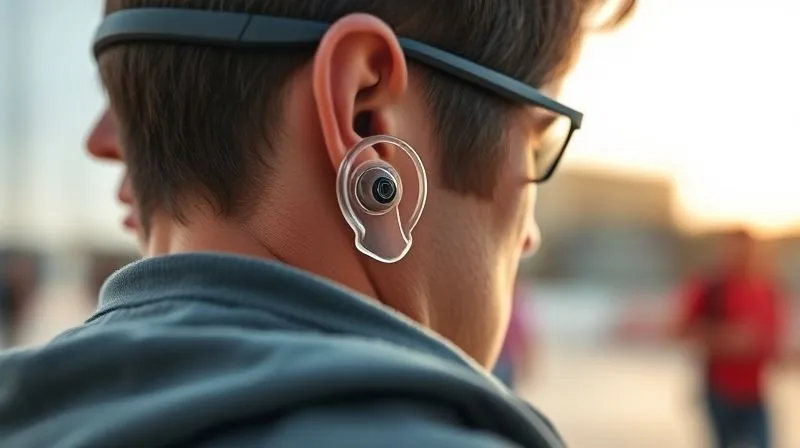
- Choosing the Right Size: Ear hooks come in various sizes. Ensure they fit snugly over your frame's temple arms without being too tight or too loose. A proper fit is key to comfort and effectiveness.
- Material Matters: Always opt for high-quality, medical-grade silicone. It's hypoallergenic, durable, and provides excellent grip even when wet. Avoid cheap plastics that can irritate skin or degrade quickly.
- Placement for Maximum Effect: Position the hook so that the curved part sits comfortably behind your ear, gently hugging the contour. Experiment with the exact placement to find what offers the best balance of security and comfort for your specific activities.
- Cleaning and Maintenance: Regularly clean your silicone accessories with mild soap and water to remove sweat, oils, and dirt. This maintains their grip and hygiene.
2. Adjustable Eyewear Straps and Retainers: Maximum Security
For high-intensity activities, or for those who need absolute assurance, eyewear straps are indispensable. These are cords or bands that attach to the ends of your glasses' temple arms, forming a loop around your head or neck. They prevent glasses from falling off entirely and can also help hold them more securely against your face.
- Neoprene Straps: Excellent for water sports or very sweaty activities. Neoprene is durable, floats, and provides a comfortable, wide band around the head.
- Cable Retainers: Often made from coated stainless steel or durable synthetic fibers, these offer a sleek, low-profile look and are very strong. They are ideal for activities where you need your glasses to stay close to your head without being overly bulky.
- Adjustable Cords: Many straps feature a sliding bead or clasp, allowing you to tighten the strap for a secure fit during activity and loosen it for comfort when not actively moving.
- Proper Tension: The key is to find the right tension. Too tight, and it can cause discomfort; too loose, and it won't be effective. Adjust it so your glasses feel gently pulled back against your face without causing pressure points.
In my years advising athletes, I've found that a well-chosen eyewear strap isn't just a safety net; it's a performance enhancer. Knowing your glasses won't fall allows you to fully commit to your movement, whether it's a dive, a sprint, or a complex yoga pose.
3. Anti-Slip Nose Pads: Gripping Where It Matters Most
The nose bridge is a critical contact point, and often the first place glasses begin to slide. Replacing or adding anti-slip nose pads can dramatically improve stability, particularly for those with flatter nose bridges or oily skin.
- Silicone or Gel Pads: These are the most common and effective. They provide superior grip compared to standard plastic pads. Self-adhesive options are available for frames without existing nose pads, while screw-in replacements are for frames with adjustable pad arms.
- Textured Surfaces: Some advanced nose pads feature subtle textures or patterns designed to increase friction without causing discomfort.
- Proper Installation: If replacing existing pads, ensure they are correctly aligned and securely fastened. For adhesive pads, clean the frame surface thoroughly before application for optimal adhesion.
- Regular Replacement: Silicone and gel pads can degrade over time due to sweat, oils, and UV exposure. I recommend replacing them every 6-12 months, or as soon as you notice a decrease in grip or comfort.
4. Sport Bands and Headbands with Eyewear Integration: Holistic Solutions
For some, a more integrated approach works best. Certain performance headbands and sport bands are designed with specific features to secure eyewear, offering a dual benefit of sweat management and stability.

- Eyewear Loops: Some headbands feature small loops or slots where you can thread the temple arms of your glasses, holding them firmly against your head.
- Grip Strips: Many sport headbands incorporate silicone grip strips on the inside to prevent the headband itself from slipping, which in turn helps stabilize any eyewear worn underneath or over it.
- Sweat Wicking: Beyond stability, these bands are excellent for wicking away sweat from your forehead, preventing it from running down onto your lenses and nose bridge, thereby reducing a major cause of slipping.
- Comfort and Versatility: They offer a comfortable, lightweight solution that can be used across a wide range of activities, from running to yoga to team sports.
Beyond Accessories: Frame Selection and Professional Fitting
While accessories are powerful tools, the foundation of secure eyewear lies in the frame itself and its fit. No accessory can fully compensate for a fundamentally ill-fitting or unsuitable frame.
Choosing the Right Frame Material and Design
The material of your frame plays a significant role in its stability. Lightweight, flexible, and grippy materials are preferable for active use.
- TR90 (Thermoplastic Polyamide): This material is incredibly lightweight, flexible, and durable. It’s also resistant to extreme temperatures, making it ideal for outdoor sports.
- Nylon/Propionate: Similar to TR90, these materials offer good flexibility and impact resistance.
- Rubberized or Silicone-Coated Frames: Some sports frames incorporate rubberized sections on the temple arms and nose bridge specifically to enhance grip.
- Wrap-Around Designs: Frames with a higher wrap (curved shape) conform more closely to the contours of your head, providing a more secure fit and better peripheral vision protection.
- Adjustable Components: Look for frames with adjustable nose pads and temple tips, allowing for a customized fit.
The Crucial Role of a Professional Optician
This is where my expertise truly comes into play. I've seen countless individuals struggle with slipping glasses who simply needed a professional adjustment. An experienced optician can assess your facial anatomy and precisely adjust your frames to achieve optimal balance and grip.
Case Study: Sarah's Triathlon Triumph
Sarah, an avid triathlete, constantly struggled with her glasses sliding down her nose during races, impacting her focus and performance. She had tried various generic accessories with limited success. Following my advice, she visited a specialized sports optician who not only adjusted her existing frames but also recommended a lightweight, high-wrap frame made of TR90 with integrated silicone nose pads. The optician also custom-fitted a retainer strap. The result? During her next triathlon, her eyewear remained perfectly stable, allowing her to shave minutes off her personal best and finish with unprecedented comfort. This transformation wasn't just about the accessories; it was about the synergy of the right frame, professional fitting, and targeted accessories.
Don't underestimate the power of a proper fitting. It can often solve 80% of slipping issues before you even consider accessories. As the American Optometric Association emphasizes, regular adjustments are essential for comfort and visual clarity. Learn more about eye health and care from the AOA.
Advanced Strategies for Sweat Management and Durability
Beyond physical accessories, there are other considerations that contribute significantly to eyewear stability and longevity, especially for active users.
Hydrophobic Coatings and Anti-Fog Solutions
Sweat and condensation aren't just uncomfortable; they reduce visibility and can make slipping worse. Modern lens coatings offer powerful solutions.
- Hydrophobic Coatings: These coatings repel water, causing sweat and rain to bead up and roll off the lens surface, maintaining clear vision.
- Anti-Fog Coatings: Essential for preventing lenses from fogging up due to temperature changes or intense exertion. Some anti-fog treatments are integrated into the lens, while others are applied as sprays or wipes.
- Vented Frames: Some sports frames incorporate vents to promote airflow, further reducing fogging.
Maintaining Your Eyewear and Accessories
Just like any other piece of performance gear, your glasses and their accessories require regular care to function optimally and last longer. Neglecting maintenance can lead to reduced grip, discomfort, and premature wear.
| Accessory | Cleaning Frequency | Maintenance Tip |
|---|---|---|
| Silicone Ear Hooks | Daily after use | Wash with mild soap and water, air dry. Check for elasticity loss. |
| Eyewear Straps | Weekly or as needed | Hand wash with mild detergent, rinse thoroughly, hang dry. Avoid harsh chemicals. |
| Nose Pads | Monthly inspection | Wipe with alcohol swab. Replace every 6-12 months as silicone degrades. |
| Frames (General) | Daily | Use lens cleaner and microfiber cloth. Avoid harsh chemicals on frames. |
| Lenses | Daily | Clean with lens spray and microfiber cloth. Avoid paper towels or clothing. |
Proper cleaning not only extends the life of your gear but also ensures that the anti-slip properties of your accessories remain effective. Accumulated oils and dirt can diminish the grip of silicone and other materials.
Debunking Myths: What Doesn't Work (or Isn't Ideal)
In my experience, many active users resort to desperate measures that are either ineffective or potentially damaging. Let's address some common misconceptions and less-than-ideal solutions:
- Hair Ties on Temples: While seemingly ingenious, hair ties often create uncomfortable pressure points, can damage frame coatings, and provide inconsistent grip.
- DIY Rubber Bands: Similar to hair ties, rubber bands lack the specific design and material properties to offer reliable, comfortable, and long-term anti-slip solutions.
- Superglue or Permanent Adhesives: Never attempt to permanently attach accessories to your frames with strong adhesives. This can damage the frame material, void warranties, and make future adjustments or replacements impossible.
- Over-tightening Screws: Trying to 'tighten' the fit by over-tightening frame screws can strip the threads or even crack the frame, leading to costly repairs.
- Ignoring the Fit: Believing that any accessory can fix a fundamentally ill-fitting frame is a common pitfall. Accessories enhance a good fit; they don't replace it.
Integrating Eyewear Stability into Your Active Lifestyle Routine
Achieving consistent eyewear stability for active users isn't just about buying an accessory; it's about integrating these solutions into your routine and understanding their synergy. Think of it as part of your pre-activity checklist, just like tying your shoelaces or checking your equipment.

For instance, if you're a runner, you might choose a lightweight TR90 frame with silicone nose pads, combined with slim silicone ear hooks for everyday training. For a marathon or trail run, you might add a comfortable, adjustable eyewear strap for extra security. This layered approach ensures you're prepared for varying levels of intensity and conditions.
As I always tell my clients, the best eyewear solution is one you don't even notice. It becomes an extension of you, allowing you to focus entirely on your performance and enjoyment, free from the distraction of slipping glasses. This is the ultimate goal of solving persistent eyewear slipping for active users: accessories done right.
Consider your specific activity and its demands. A cyclist might prioritize aerodynamic frames and sweat-wicking headbands, while a climber needs absolute security against falls. Tailor your accessory choices to your unique needs. For deeper insights into sports vision, I often refer to resources from organizations like the International Sports Vision Association.
Frequently Asked Questions (FAQ)
Question: Can I use these accessories with any type of glasses, including prescription and sunglasses? Absolutely. Most eyewear accessories are designed to be universally compatible with standard frame temple arms and nose bridges, whether they are prescription glasses, reading glasses, or sunglasses. However, always double-check the product specifications for any size or material restrictions, especially for very thin or unusually shaped frames.
Question: How do I know if my glasses are the right 'fit' before I even consider accessories? A properly fitted frame should sit comfortably on your nose bridge without pinching or leaving red marks, and the temple arms should extend straight back to your ears, curving gently to hug the back of your ears without pressure. The frame width should roughly match the widest part of your face. If your glasses slide down your nose when you look down, or if the temples feel too loose or too tight, a professional adjustment is likely needed first. I'd recommend a visit to a qualified optician; their expertise is invaluable here.
Question: Are there any specific materials to avoid for active users, even with accessories? Yes, generally, I advise active users to avoid overly heavy frames (e.g., thick acetate, certain metal alloys) that add unnecessary weight and increase the gravitational pull. Also, frames with very smooth, non-textured plastic temple tips or nose pads will offer less inherent grip and rely more heavily on accessories. While accessories can help, starting with a lightweight, grippy frame material like TR90 or nylon will always provide a better foundation.
Question: My skin gets very oily during activity. Will silicone accessories still work effectively? Oily skin can indeed reduce the effectiveness of even the best silicone accessories. However, they are still your best bet. My recommendation is to combine silicone accessories with proactive sweat and oil management. Use anti-shine wipes or a light dusting of translucent powder on your nose bridge and behind your ears before activity. Regularly clean your silicone accessories and your frames to remove oil buildup, as this will restore their grip.
Question: How often should I replace my eyewear accessories? The lifespan of accessories varies based on material, frequency of use, and care. Silicone ear hooks and nose pads should typically be replaced every 6-12 months, or sooner if you notice them losing elasticity, becoming discolored, or showing signs of wear and tear. Straps and retainers, especially those made of fabric or elastic, might need replacement annually or bi-annually if they lose their stretch or integrity. Regular inspection is key to ensuring they continue to provide optimal performance. Investing in quality replacements is always worthwhile.
Key Takeaways and Final Thoughts
Solving persistent eyewear slipping for active users isn't a pipe dream; it's an achievable reality with the right knowledge and tools. As a specialist in eyewear fashion, I've seen the transformative impact these solutions have on an individual's confidence and performance.
- Prioritize a Professional Fit: No accessory can replace a frame that is correctly adjusted to your unique facial anatomy.
- Embrace Silicone: Ear hooks, temple tips, and nose pads made of high-quality silicone are your primary allies against slippage.
- Consider Straps for High Intensity: For vigorous activities, adjustable eyewear straps provide unparalleled security.
- Think Holistically: Frame material, design, sweat management, and proper maintenance all contribute to overall stability.
- Stay Informed: Continuously assess your needs and explore new innovations in eyewear accessories and technology.
Don't let slipping glasses hold you back from enjoying your active life to the fullest. By understanding the causes, choosing the right accessories, and maintaining your gear, you can achieve unwavering eyewear stability. Go forth, be active, and stay focused – your glasses will too!
Recommended Reading
- 7 Strategies to Slash Biodegradable Fabric Scaling Costs & Boost Innovation
- 7 Proven Strategies: Predict Next Season's Viral Streetwear Hoodie Trends?
- 7 Keys: How to Make Sportswear Streetwear Truly Authentic?
- Low-Light Fashion: How to Achieve Consistent Editorial Quality?
- Unlock Profit: 9 Ways to Scale Your Personal Style Blog into a Thriving Business



Your email address will not be published. Required fields are marked *