


How to prove ROI of personalized fashion tech investments?
For over 15 years in the fashion technology space, I've witnessed countless brands pour significant capital into innovative personalization tools, only to falter when it comes to demonstrating tangible returns. The allure of cutting-edge AI, virtual try-ons, or bespoke manufacturing solutions is undeniable, promising deeper customer connections and operational efficiencies. Yet, without a robust framework for measuring their impact, these investments often end up in the 'experimental budget' graveyard, failing to secure future funding or executive buy-in.
The core problem isn't the technology itself; it's the lack of a clear, quantifiable narrative. Many leaders struggle to connect personalized fashion tech directly to the bottom line, often relying on anecdotal evidence or vague improvements in 'customer satisfaction.' This qualitative approach simply doesn't cut it when you're vying for resources against initiatives with clearer, more traditional ROI models.
This guide will arm you with the actionable frameworks, precise metrics, and expert insights I've developed and refined over my career. We'll move beyond the buzzwords to establish a definitive process for proving the real, measurable value of your personalized fashion tech investments, ensuring your innovations don't just look good, but perform exceptionally.
The Shifting Sands of Fashion Retail: Why Personalization Matters More Than Ever
The fashion industry is in constant flux, but one trend has solidified into an imperative: the demand for hyper-personalization. Today's consumer expects brands to understand their unique style, preferences, and even their mood, delivering tailored experiences that feel less like marketing and more like genuine connection. This isn't a 'nice-to-have' anymore; it's a fundamental expectation driving purchasing decisions and brand loyalty.
The sheer volume of data now available, coupled with advancements in AI and machine learning, has made personalized fashion tech not just possible, but scalable. From dynamic website content and AI-powered styling recommendations to custom-fit garments produced on demand, technology is enabling brands to deliver on this promise like never before. However, the complexity of these integrated systems often makes their financial impact harder to isolate and quantify using traditional metrics.
"In an era of endless choice, personalization isn't just about selling more; it's about building enduring relationships. It transforms a transaction into an experience, and an experience into loyalty."
Many traditional ROI models, designed for mass-market campaigns or infrastructure upgrades, simply fall short when applied to the nuanced, long-term benefits of personalization. We need a new lens, one that captures both immediate gains and the compound interest of enhanced customer lifetime value and brand equity.
Defining Your Personalized Fashion Tech Investment: Beyond the Hype
Before we can prove ROI, we must first clearly define what 'personalized fashion tech' entails for your specific brand. It's a broad category, encompassing a wide array of solutions. Are you investing in AI-powered recommendation engines, virtual try-on experiences, bespoke manufacturing platforms, dynamic pricing algorithms, or perhaps a comprehensive customer data platform (CDP) to unify personalization efforts?
Each of these technologies, while aiming for personalization, impacts different facets of the business and thus requires tailored measurement strategies. It’s crucial to understand the specific capabilities and intended outcomes of your chosen solutions. For example, a virtual try-on tool might target reduced returns and increased conversion, while an AI stylist might focus on higher AOV and improved CLTV.
Setting SMART Goals for Personalization Initiatives
The first step in proving ROI is establishing clear, measurable goals for your personalized fashion tech investment. Vague objectives like 'improve customer experience' are insufficient. Instead, adopt the SMART framework: Specific, Measurable, Achievable, Relevant, and Time-bound.
- Specific: Clearly articulate what the technology will achieve. E.g., 'Increase conversion rate for first-time visitors.'
- Measurable: Quantify the desired outcome. E.g., 'Increase conversion rate by 15%.'
- Achievable: Set realistic targets based on benchmarks or historical data. E.g., 'A 15% increase is ambitious but achievable given industry trends.'
- Relevant: Ensure the goal aligns with broader business objectives. E.g., 'Higher conversion directly supports our Q4 revenue targets.'
- Time-bound: Define a deadline for achieving the goal. E.g., 'Achieve a 15% conversion increase within 6 months of launch.'
Without these clearly defined, measurable goals, you're essentially shooting in the dark. Your ROI analysis will lack a baseline and a target against which to compare performance.
Core Metrics for Quantifying Customer Experience (CX) and Engagement
In personalized fashion, the customer experience is the new battleground. Superior CX directly translates to higher engagement, loyalty, and ultimately, revenue. Proving ROI here means demonstrating how personalization improves these critical customer-centric metrics.
Customer Lifetime Value (CLTV) Uplift
Personalization fosters deeper relationships, encouraging repeat purchases and increased spending over time. A key metric is the uplift in CLTV for personalized segments versus control groups. Track how personalized recommendations, tailored offers, or custom products impact the average revenue generated by a customer throughout their relationship with your brand.
How to measure: Compare the CLTV of customers who interact with personalized tech (e.g., AI stylist users) against those who don't. Look for higher frequency of purchase, increased average order value, and longer customer retention periods within the personalized segment.
Conversion Rate Optimization (CRO)
By delivering relevant product suggestions and experiences, personalized tech can significantly reduce friction in the buying journey. This often manifests as a higher conversion rate, meaning more visitors complete a purchase.
How to measure: Conduct A/B tests on personalized elements (e.g., personalized landing pages vs. generic, recommended product blocks vs. static bestsellers). Monitor the conversion rates for different segments, isolating the impact of personalization. Track micro-conversions too, like adding to cart or wishlist additions.
Average Order Value (AOV) and Basket Size
Intelligent recommendation engines, often a core component of personalized tech, are designed to encourage cross-selling and up-selling. By suggesting complementary items or premium alternatives, personalization can lead to customers purchasing more per transaction.
How to measure: Compare the AOV and average number of items per basket for customers exposed to personalized recommendations versus those who aren't. Analyze the specific categories or product types that see an increase when personalization is active.
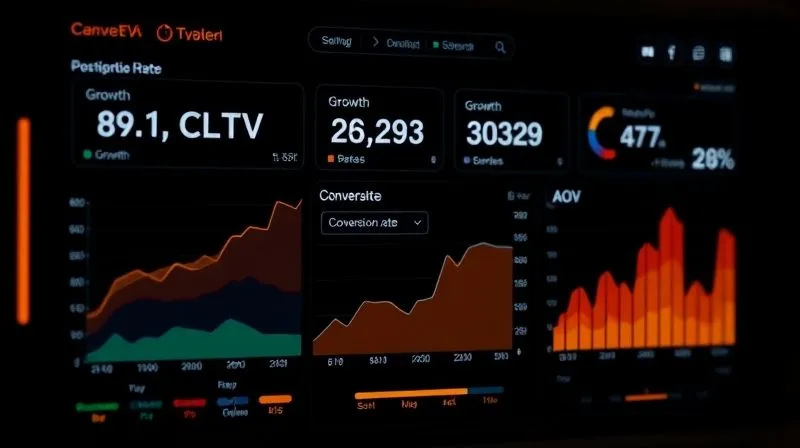
Operational Efficiencies and Cost Savings: The Hidden ROI
While increased sales are often the primary focus, personalized fashion tech can also deliver substantial ROI through operational efficiencies and cost reductions. These 'hidden' benefits are often overlooked but can significantly bolster your business case.
Reduced Returns and Exchanges
One of the biggest drains on profitability in fashion is the high rate of returns. Personalized sizing recommendations, virtual try-on tools, and AI-powered fit predictors can dramatically improve customer confidence in their purchases, leading to fewer returns due to incorrect fit or dissatisfaction.
How to measure: Track return rates for products purchased after engagement with personalization tools versus those bought without. Calculate the cost savings from reduced shipping, restocking, and associated administrative overhead. Deloitte's research often highlights the significant costs associated with returns.
Optimized Inventory Management
Personalization, especially when linked to demand forecasting and custom manufacturing, allows brands to produce closer to actual demand. This reduces overstock, minimizes markdowns, and frees up capital tied in unsold inventory.
How to measure: Compare inventory turnover rates, markdown percentages, and dead stock levels before and after implementing personalized demand forecasting or on-demand production systems. Quantify the capital freed up and the reduction in storage costs.
Streamlined Production and Customization
For brands offering bespoke or made-to-order items, personalized tech can automate design, pattern generation, and production workflows. This leads to faster lead times, reduced labor costs, and fewer errors in custom orders.
How to measure: Benchmark production cycle times, cost per custom unit, and error rates before and after tech implementation. Calculate the efficiency gains and cost savings in your manufacturing process.
| Operational Area | Before Personalization | After Personalization | Impact |
|---|---|---|---|
| Returns | 15% | 8% | Reduced waste & costs |
| Inventory Overstock | 20% | 10% | Capital efficiency |
| Customer Service Inquiries | High | Moderate | Operational savings |
Attribution Models and Data Integration: Connecting the Dots
One of the trickiest aspects of proving ROI for personalized tech is accurately attributing sales and behavioral changes to specific personalization efforts. Modern customer journeys are complex, involving multiple touchpoints across various channels. A unified approach to data and attribution is paramount.
Traditional last-click attribution models often fail to give credit to earlier, personalized interactions that nurtured the customer relationship. For instance, an AI-powered styling email might inspire a purchase, but if the customer ultimately converts via a paid ad, the ad gets all the credit. This is where more sophisticated attribution models come into play.
Understanding Different Attribution Models
- First-Touch: Attributes 100% of the conversion to the first touchpoint. Good for understanding initial awareness.
- Last-Touch: Attributes 100% to the final touchpoint. Simple, but often misleading for complex journeys.
- Linear: Distributes credit equally across all touchpoints in the customer journey.
- Time Decay: Gives more credit to touchpoints closer to the conversion.
- W-Shaped: Gives significant credit to the first interaction, the lead creation touchpoint, and the conversion touchpoint, with remaining credit distributed among middle interactions.
The key is to select an attribution model that best reflects your customer journey and allows you to understand the incremental impact of personalization at various stages. This often requires a robust Customer Data Platform (CDP) that can stitch together data from all customer touchpoints.
"Data silos are the silent killers of personalization ROI. If your customer data lives in disparate systems, you can't see the full picture, let alone prove the impact of your personalized initiatives."
Investing in a unified data strategy, where all customer interactions and personalization efforts are tracked and analyzed in a single view, is non-negotiable for accurate ROI measurement. This allows you to correlate specific personalized experiences with changes in customer behavior and financial outcomes.
Building a Compelling Business Case: Your ROI Story
Data alone isn't enough; you need to weave it into a compelling narrative that resonates with stakeholders. Your ROI story should clearly articulate the problem, the personalized tech solution, the measured impact, and the resulting business value.
Case Study: Elevate Fashion's AI Stylist Success
Elevate Fashion, a mid-sized online retailer, faced stagnant average order values (AOV) and a growing disconnect with their younger demographic. Their customers expressed a desire for more guidance, leading to decision paralysis and abandoned carts. In Q1, they invested in an AI-powered virtual stylist, integrated into their e-commerce platform and email marketing.
Before: AOV hovered around $85, with a 3% conversion rate for new visitors. Customer feedback indicated a lack of inspiration and difficulty finding cohesive outfits.
Implementation: The AI stylist offered personalized outfit recommendations based on user-inputted preferences, browsing history, and real-time fashion trends. It also provided personalized styling tips via email.
After (6 months post-launch): The AOV for users engaging with the AI stylist increased by 22% to $103.70. The conversion rate for new visitors who used the stylist saw a remarkable jump of 40%, from 3% to 4.2%. Furthermore, customer surveys revealed a 15% increase in satisfaction with the shopping experience, and repeat purchase rates for the AI stylist segment improved by 18%, indicating stronger brand loyalty. This clearly demonstrated a significant, measurable return on their investment, justifying further expansion of their personalization efforts.
Visualizing your ROI is also crucial. Use clear charts, graphs, and dashboards to present your findings. Show trends over time, compare personalized segments to control groups, and highlight key metrics that directly link to financial outcomes. This makes your data accessible and your argument undeniable.

Long-Term Value and Brand Equity: Beyond Immediate Returns
While immediate sales and cost savings are important, the true power of personalized fashion tech often lies in its ability to build long-term brand equity and foster unwavering customer loyalty. These intangible benefits, though harder to quantify directly, are crucial for sustainable growth and competitive advantage.
Enhanced Brand Loyalty and Advocacy
When a brand consistently delivers personalized, relevant experiences, it creates a sense of being 'understood' by the customer. This emotional connection transcends mere transactional relationships, leading to increased loyalty, repeat purchases, and positive word-of-mouth. Loyal customers are less price-sensitive and more forgiving of occasional missteps.
How to track: Monitor Net Promoter Score (NPS), customer retention rates, repeat purchase frequency, and qualitative customer feedback. While not direct ROI, these metrics are strong indicators of long-term value creation.
Competitive Differentiation
In a crowded market, personalization can be a powerful differentiator. Brands that excel at delivering unique, tailored experiences stand out from competitors offering generic, one-size-fits-all approaches. This can attract new customers and command premium pricing.
How to track: Conduct market research to gauge brand perception against competitors. Analyze market share growth and customer acquisition costs relative to the personalized experience offered.
Future-Proofing Your Business
Investing in personalized tech isn't just about today's sales; it's about building a data-driven, agile foundation for the future. As customer expectations evolve, a robust personalization infrastructure allows your brand to adapt quickly, innovate continuously, and stay ahead of emerging trends.
How to track: This is less about specific metrics and more about strategic foresight. Evaluate the flexibility of your tech stack, your ability to integrate new data sources, and your speed in deploying new personalized features. This represents an investment in resilience.

Overcoming Challenges and Pitfalls in ROI Measurement
Even with the right metrics and frameworks, proving the ROI of personalized fashion tech isn't without its hurdles. I've seen many brands stumble over common pitfalls, but with foresight, these can be navigated successfully.
Avoiding the 'Shiny Object' Syndrome
The fashion tech landscape is constantly evolving, with new tools and platforms emerging almost daily. It's easy to get caught up in the hype and invest in the latest 'shiny object' without a clear strategic alignment or a plan for ROI measurement. Always start with the business problem you're trying to solve, not the technology itself.
Investing in the Right Talent and Tools
Effective ROI measurement requires a blend of data science, analytics, and business acumen. Many organizations lack the in-house expertise to properly set up tracking, analyze complex data sets, and interpret the results. Investing in data scientists, analytics platforms, and potentially external consultants is crucial.
My advice: Don't underestimate the human element. Even the best tech needs skilled hands to operate and interpret its output. Train your team, or hire specialized talent.
Continuous Iteration and Measurement
ROI isn't a one-time calculation; it's an ongoing process. Personalized fashion tech operates in a dynamic environment, meaning its impact will evolve. Adopt an agile approach, continuously monitoring performance, iterating on your personalization strategies, and refining your measurement frameworks. What works today might need adjustment tomorrow.
| Challenge | Solution |
|---|---|
| Data Silos | Unified CDP, API integration |
| Short-Term Focus | Long-term CLTV modeling, brand equity tracking |
| Lack of Expertise | Hire data scientists, upskill existing team, partner with agencies |
Frequently Asked Questions (FAQ)
How long does it typically take to see ROI from personalized fashion tech? The timeframe varies significantly based on the specific technology and the brand's existing infrastructure. For immediate impact areas like conversion rate or AOV, you might see measurable results within 3-6 months. For long-term benefits like CLTV uplift or brand loyalty, it could take 12-18 months or more to see significant, statistically sound changes. Patience and consistent measurement are key.
What's the biggest mistake brands make when trying to measure this ROI? The most common mistake is failing to establish a clear baseline and control groups. Without a 'before' picture or a non-personalized segment to compare against, it's impossible to isolate the true incremental impact of the personalized tech. Another significant error is focusing solely on direct revenue without considering operational savings or long-term brand equity.
Can small fashion brands afford personalization tech and measure its ROI? Absolutely. While large enterprises might invest in custom-built solutions, many affordable, scalable SaaS platforms now offer powerful personalization capabilities for smaller brands. The principles of ROI measurement remain the same, regardless of scale. Start small, focus on one or two key metrics, and use accessible analytics tools to track progress. The incremental gains can be even more impactful for a smaller business.
How do I account for qualitative benefits like brand perception in my ROI calculation? While not directly financial, qualitative benefits can be quantified through proxies. For brand perception, use surveys (NPS, brand sentiment), social media listening tools, and customer feedback analysis. Increased positive sentiment, higher brand recall, and improved customer satisfaction scores can be presented alongside financial metrics to build a holistic picture of value. These contribute to future sales and reduce marketing costs.
What role does AI play in measuring personalization ROI? AI is pivotal, both in delivering personalization and in measuring its impact. AI-powered analytics tools can identify patterns, segment customers, predict future behavior, and attribute conversions across complex journeys far more effectively than manual methods. They enable A/B testing at scale and provide deeper insights into which personalization strategies are truly driving results, making ROI measurement more accurate and efficient.
Key Takeaways and Final Thoughts
Proving the ROI of personalized fashion tech investments requires a strategic, data-driven approach. It's not just about implementing the latest gadget; it's about understanding its specific impact across customer experience, operational efficiency, and long-term brand value. Here are the critical takeaways:
- Define SMART Goals: Clearly articulate what you want your personalization tech to achieve, with measurable targets.
- Focus on Key Metrics: Track CLTV, CRO, AOV for customer impact, and reduced returns, optimized inventory for operational gains.
- Embrace Advanced Attribution: Move beyond last-click to understand the full journey and the incremental value of personalization.
- Unify Your Data: A robust CDP is essential to connect all customer touchpoints and measure effectively.
- Build a Compelling Narrative: Translate your data into a clear, persuasive story for stakeholders, using case studies and visualizations.
- Consider Long-Term Value: Don't ignore the powerful, albeit less direct, benefits of enhanced brand loyalty and competitive differentiation.
- Iterate and Adapt: ROI measurement is an ongoing process, requiring continuous monitoring and adjustment.
The future of fashion is undoubtedly personalized. By mastering the art and science of proving ROI, you won't just be investing in technology; you'll be investing in a more profitable, resilient, and customer-centric future for your brand. It's time to move beyond intuition and equip yourself with the data-driven confidence to lead the charge.
Recommended Reading
- Unlocking Feminine Style: The Essential Characteristics You Need to Know
- Unlock Your Best Look: Discover the Most Flattering Classic Vintage Silhouettes
- 7 Proven Strategies to Boost Handmade Hair Accessory Profit Margins
- Petite Perfection: Your Guide to Classic Wardrobe Essentials
- Ultimate Guide: Best Travel Accessories to Secure Valuables Abroad





Your email address will not be published. Required fields are marked *