

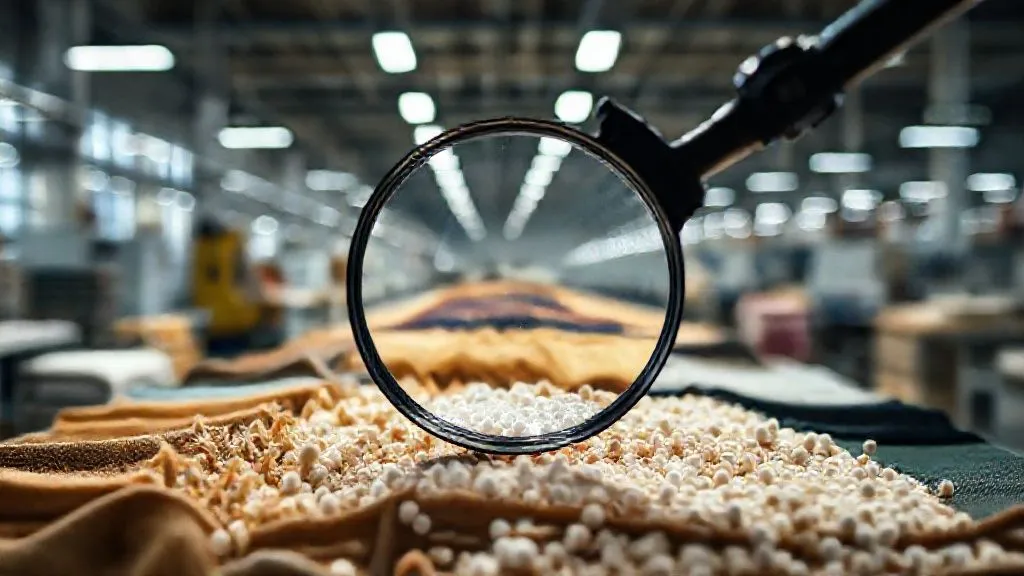
How to Prove Ethical Sourcing Without Greenwashing Fashion?
For over 15 years in the sustainable fashion industry, I've witnessed a concerning paradox: as consumer demand for ethical products grows, so does the sophistication of greenwashing. Brands, eager to tap into this market, often make vague or unsubstantiated claims, inadvertently (or sometimes intentionally) eroding the very trust they seek to build.
The problem is palpable. Consumers are wary, desensitized by a constant barrage of 'eco-friendly' labels that lack real substance. For a truly committed brand, this skepticism is frustrating. How do you cut through the noise and genuinely demonstrate your dedication to ethical sourcing when the default assumption is often 'prove it or it's greenwashing'?
This article isn't about quick fixes or marketing spin. It's about providing you with a robust, actionable framework – born from my extensive experience – to build an ironclad case for your ethical sourcing practices. We'll explore transparent systems, verifiable data, and authentic communication strategies that will not only satisfy skeptical consumers but also future-proof your brand's integrity.
Understanding the Greenwashing Trap: Why Authenticity Matters More Than Ever
Greenwashing isn't just a buzzword; it's a significant threat to the credibility of the entire sustainable fashion movement. It encompasses everything from misleading claims and vague terminology to selective disclosure of information, all designed to make a brand appear more environmentally or ethically responsible than it truly is. In my experience, even well-intentioned brands can stumble into this trap if they don't have a clear, verifiable strategy.
The consequences of greenwashing are severe. Beyond regulatory fines and reputational damage, it breeds consumer cynicism, making it harder for truly ethical brands to gain traction. A 2023 study by Statista revealed that a significant portion of consumers distrust sustainability claims, highlighting the urgent need for brands to go beyond mere assertions and offer concrete evidence.
"In the age of information, transparency isn't just a marketing advantage; it's a fundamental requirement for trust. Without it, even the most noble intentions can be perceived as disingenuous."
Authenticity, therefore, becomes your most valuable asset. It's about aligning your values with your actions, and then clearly communicating those actions in a way that is understandable, accessible, and verifiable. This isn't just good for your brand's image; it's essential for fostering genuine, long-term relationships with your customers and stakeholders.
The Foundation: Robust Supply Chain Transparency & Traceability
The first, and arguably most critical, step in proving ethical sourcing is achieving full supply chain transparency. This means knowing every link in your chain, from the raw material origin to the final stitch. Without this fundamental visibility, any ethical claims are built on shaky ground.
- Map Your Entire Supply Chain: Start by identifying every supplier, sub-supplier, and manufacturing facility involved in your product's creation. This often requires deep dives beyond your tier-1 suppliers. Use tools like supplier questionnaires, factory visits, and third-party databases.
- Implement a Traceability System: Once mapped, establish a system to track materials and products through each stage. This could involve blockchain technology, RFID tagging, or robust digital documentation platforms. The goal is to create an immutable record.
- Collect Granular Data: For each stage, collect specific data points: origin of raw materials (e.g., specific farm, region), processing methods, certifications held by each facility, and labor conditions. This data forms the backbone of your ethical claims.
- Publicly Disclose Key Information: Don't just keep this information internal. Share it. Publish your tier-1 and even tier-2 supplier lists, factory locations, and key certifications on your website. This act of transparency itself is a powerful statement.

Case Study: How Veridian Wear Revolutionized Its Transparency
Veridian Wear, a mid-sized activewear brand, faced skepticism regarding its 'eco-friendly' claims. By implementing a blockchain-based traceability system, they could track every garment from recycled plastic bottle collection to finished product. This allowed customers to scan a QR code on the garment and see the exact journey, including labor certifications at each factory. This resulted in a 40% increase in customer trust scores and a significant boost in sales of their traceable lines.
Beyond Certification: Deep Dives into Supplier Vetting and Auditing
While certifications are valuable, they are just one piece of the puzzle. True ethical sourcing requires a proactive, ongoing commitment to vetting and auditing your suppliers. I've seen brands rely solely on certifications, only to find underlying issues later. Certifications are a baseline, not a finish line.
- Develop a Comprehensive Supplier Code of Conduct: This document should clearly outline your expectations regarding labor practices (fair wages, safe conditions, no child labor), environmental standards, and business ethics. All suppliers must formally agree to abide by it.
- Conduct Regular, Unannounced Audits: Partner with reputable third-party auditors to conduct regular, independent assessments of your supplier facilities. These audits should cover social compliance (SA8000, BSCI standards) and environmental performance. Unannounced visits are crucial for an accurate picture.
- Implement Corrective Action Plans (CAPs): Audits will inevitably reveal areas for improvement. Work collaboratively with suppliers to develop and implement CAPs. Crucially, follow up to ensure these actions are taken and sustained.
- Go Beyond Compliance: Capacity Building: True partnership involves helping your suppliers improve. Invest in training, share best practices, and offer support to help them meet and exceed ethical standards. This fosters long-term, sustainable change.
| Audit Type | Focus Areas | Frequency |
|---|---|---|
| Social Compliance (SA8000) | Child labor, forced labor, health & safety, freedom of association, discrimination, disciplinary practices, working hours, remuneration, management systems | Annual or Bi-Annual |
| Environmental Impact (ISO 14001) | Waste management, energy consumption, water usage, chemical handling, pollution prevention | Annual |
| Quality Assurance (ISO 9001) | Product quality, process control, customer satisfaction, continuous improvement | As needed, per contract |
Engaging Stakeholders: Empowering Workers and Local Communities
Ethical sourcing extends beyond factory walls to the lives of the people who make your products and the communities they live in. Genuine ethical practice involves active engagement and empowerment, not just compliance. This is where your brand's values truly come to life.
- Worker Voice Mechanisms: Establish safe, confidential channels for workers to report grievances, provide feedback, and raise concerns without fear of reprisal. This could be a hotline, a suggestion box, or an independent ombudsman.
- Fair Wage Initiatives: Move beyond minimum wage compliance. Work towards paying living wages that allow workers to meet their basic needs and provide for their families. Partner with organizations that specialize in living wage assessments.
- Community Development Programs: Invest in the local communities where your factories operate. This could involve supporting education, healthcare, infrastructure, or environmental conservation projects that directly benefit workers and their families.
- Promote Gender Equality and Diversity: Actively work with suppliers to ensure fair employment practices, equal opportunities, and leadership roles for women and underrepresented groups. Track and report on progress in these areas.
"Ethical sourcing isn't a checkbox; it's a relationship. When you invest in the well-being of your workers and their communities, you build a foundation of loyalty and shared values that no marketing campaign can replicate."
As Harvard Business Review often emphasizes, true ethical sourcing is about creating shared value, benefiting both the brand and its supply chain partners. It's a long-term investment with significant returns.
Data-Driven Storytelling: Communicating Your Ethical Journey with Integrity
Once you've built a robust ethical sourcing program, the next challenge is communicating it effectively without falling into the greenwashing trap. This requires data, honesty, and compelling narratives. Avoid vague claims and focus on specific, measurable achievements and ongoing efforts.
- Publish Annual Sustainability Reports: A comprehensive report, ideally aligned with frameworks like GRI (Global Reporting Initiative), provides a detailed, data-backed overview of your ethical performance, challenges, and goals.
- Use Specific Metrics and Targets: Instead of saying 'we're reducing our footprint,' state 'we aim to reduce water consumption by 20% by 2025 through new dyeing technologies.' Provide baseline data and progress updates.
- Share Supplier Stories: Humanize your supply chain. Feature stories of your farmers, artisans, and factory workers. Highlight the positive impact of your partnerships on their lives and communities. This builds emotional connection and trust.
- Be Honest About Challenges: No brand is perfect. Acknowledge the complexities and ongoing challenges in ethical sourcing. Discuss your efforts to address these issues and your commitment to continuous improvement. This transparency builds immense credibility.

As marketing expert Seth Godin often states, "People do not buy goods and services. They buy relations, stories, and magic." Your ethical journey is a powerful story waiting to be told, backed by verifiable data.
Navigating the Regulatory Landscape and Industry Standards
The regulatory environment for sustainable fashion is evolving rapidly. Staying abreast of current and upcoming legislation, as well as adhering to recognized industry standards, is crucial for proving your ethical claims and avoiding legal pitfalls. This demonstrates your commitment to best practices.
- Understand Relevant Legislation: Familiarize yourself with laws like the EU's Corporate Sustainability Due Diligence Directive (CSDDD), the German Supply Chain Due Diligence Act, or California's Transparency in Supply Chains Act. These mandates require specific disclosures and actions.
- Align with Global Frameworks: Adopt internationally recognized frameworks such as the UN Guiding Principles on Business and Human Rights, the ILO Core Conventions, and the OECD Due Diligence Guidance for Responsible Business Conduct.
- Engage with Industry Initiatives: Participate in multi-stakeholder initiatives like the Sustainable Apparel Coalition (SAC) and its Higg Index, or the Fair Wear Foundation. These platforms provide tools, benchmarks, and a collaborative environment for improvement.
- Seek Third-Party Verification: Beyond basic certifications, consider having your sustainability reports or ethical sourcing claims independently verified by a reputable third party. This adds an extra layer of credibility and assurance.
Compliance isn't just about avoiding penalties; it's about establishing a baseline of responsible conduct. By proactively engaging with regulations and standards, you signal your brand's dedication to operating within the highest ethical parameters. For further reading, explore the resources from the UN Global Compact.
Building a Culture of Continuous Improvement and Accountability
Ethical sourcing is not a destination; it's a continuous journey. To genuinely prove your commitment without greenwashing, your brand must embed a culture of ongoing learning, adaptation, and accountability at every level. This means acknowledging that there's always more to learn and improve.
- Integrate Ethical Goals into Business Strategy: Ethical sourcing shouldn't be a separate initiative; it must be woven into your core business strategy, from product design to procurement and marketing. Assign clear responsibilities and allocate resources.
- Regularly Review and Update Policies: The world changes, and so do best practices. Periodically review your Code of Conduct, sourcing policies, and sustainability targets to ensure they remain relevant, ambitious, and effective.
- Invest in Employee Training: Ensure that all relevant employees, from designers to procurement managers and marketing teams, understand the importance of ethical sourcing and their role in upholding it. Knowledge empowers better decision-making.
- Engage in Industry Dialogue: Participate in conferences, workshops, and peer-to-peer learning with other brands and experts. Share your challenges and successes, and learn from others. Collective action strengthens the entire movement.

Ultimately, proving ethical sourcing without greenwashing comes down to consistency, integrity, and a willingness to be perpetually better. It's about building a legacy of genuine responsibility, not just a fleeting marketing campaign. As the global landscape shifts, your brand's resilience will be tied directly to its ethical fortitude. The Ellen MacArthur Foundation offers excellent insights into circularity, which is intrinsically linked to ethical and sustainable practices.
Frequently Asked Questions (FAQ)
Q: How do small brands with limited resources prove ethical sourcing? A: Small brands can start by focusing on a very narrow, deeply transparent supply chain, perhaps working directly with a single artisan group or a small, certified mill. Leverage storytelling about these direct relationships. Utilize existing certifications (like Fair Trade Small Producer Organization) and focus on local sourcing where oversight is easier. Collaboration with other small brands can also pool resources for audits or certifications. Don't try to do everything at once; prioritize transparency in key areas and build from there.
Q: Are third-party certifications enough to avoid greenwashing? A: While third-party certifications (e.g., GOTS, Fair Trade, OEKO-TEX) are excellent starting points and provide a baseline of credibility, they are generally not enough on their own. They certify specific aspects or stages. A truly ethical brand goes beyond certification by implementing internal due diligence, conducting its own audits, engaging in capacity building with suppliers, and providing deeper transparency about its entire supply chain. Certifications are a proof point, not the entire strategy.
Q: How can I ensure my suppliers are paying living wages, not just minimum wages? A: Ensuring living wages requires a multi-faceted approach. First, understand the living wage benchmarks for the regions where your suppliers operate (organizations like the Global Living Wage Coalition provide this data). Second, work collaboratively with your suppliers to assess their current wage structures against these benchmarks. Third, be prepared to adjust your purchasing prices to enable suppliers to pay living wages without compromising their profitability. This often involves long-term contracts and open dialogue, rather than simply demanding compliance.
Q: What if a supplier fails an audit? How should a brand respond without simply abandoning them? A: If a supplier fails an audit, the ethical response is not immediate termination, which can destabilize workers and communities. Instead, develop a robust Corrective Action Plan (CAP) in collaboration with the supplier, outlining specific steps, timelines, and responsibilities for improvement. Offer support and resources for remediation. Conduct follow-up audits to verify progress. Termination should be a last resort, reserved for severe, unaddressed violations, as it often shifts the problem rather than solving it.
Q: How can I make my ethical claims understandable and engaging for the average consumer? A: Avoid jargon and technical terms. Use clear, concise language. Focus on the human element – the stories of the people and communities impacted. Visualize data with infographics or short videos. Use compelling imagery. Provide interactive tools on your website (e.g., a map of your supply chain). Most importantly, be authentic and transparent about both your successes and your ongoing challenges. Consumers appreciate honesty and genuine effort.
Key Takeaways and Final Thoughts
- Transparency is Non-Negotiable: Map your entire supply chain and disclose key information publicly.
- Go Beyond Compliance: Implement robust vetting, unannounced audits, and capacity-building for suppliers.
- Empower People: Foster worker voice, advocate for living wages, and invest in communities.
- Communicate with Integrity: Use data-driven storytelling, publish reports, and be honest about challenges.
- Embrace Continuous Improvement: Embed ethical goals into your strategy and stay updated on standards.
Proving ethical sourcing without greenwashing fashion is a marathon, not a sprint. It demands dedication, investment, and unwavering integrity. As an industry specialist, I've seen firsthand that the brands who commit to this journey build not just customer loyalty, but a resilient, respected business that truly stands for something. Your efforts today will define the ethical landscape of tomorrow's fashion industry. Be the change you want to see, and let your actions speak louder than any marketing claim.
Recommended Reading
- 7 Proven Strategies: Retaining Master Artisans for Unparalleled Couture Quality
- 7 Ways Predictive Analytics Halts Fashion Overstocking & Boosts Profit
- 7 Ways to Master Style & Performance in Sports Eyewear Trends
- Style a Pearl Necklace Everyday? The Ultimate Style Guide!
- 7 Proven Strategies: How to Resolve Severe Contact Lens Dryness for Daily Wear?




Your email address will not be published. Required fields are marked *