

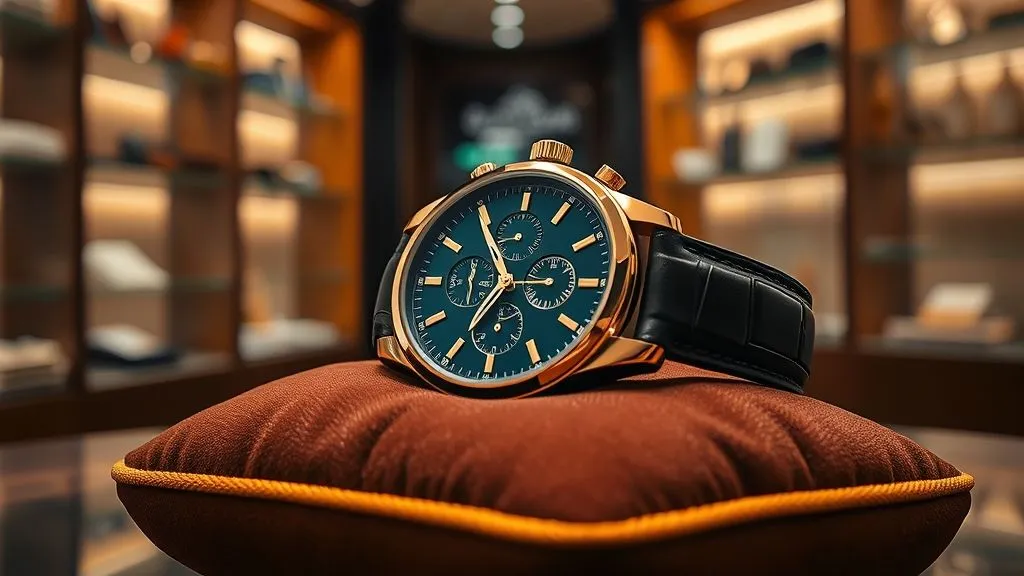
How to Prevent Luxury Accessory Stock from Depreciating?
For over 15 years in the high-stakes world of luxury accessories, I've witnessed firsthand the exhilaration of a successful launch and, regrettably, the quiet dread of inventory slowly losing its luster. Many assume that luxury goods are immune to the forces of depreciation, a myth that has cost countless brands millions in lost revenue and tarnished reputations.
The insidious creep of depreciation isn't just about financial losses; it erodes brand equity, clogs cash flow, and signals a fundamental misunderstanding of the luxury market's unique dynamics. It’s a problem that, if left unchecked, can undermine even the most exquisite collections and the most revered names.
Today, I'm going to pull back the curtain on the strategies I've helped implement to safeguard the value of luxury accessory stock. We'll explore actionable frameworks, delve into real-world applications, and uncover expert insights designed to not just prevent depreciation, but to actively cultivate enduring value for your cherished collections.
Understanding the Dynamics of Luxury Depreciation
Before we can prevent depreciation, we must first understand its subtle yet powerful mechanisms within the luxury sector. It's not as straightforward as a fast-fashion item losing value the moment it leaves the store; luxury depreciation is often a more complex interplay of factors.
The Illusion of Invincibility
Many in the industry operate under the false premise that a high price tag inherently guarantees perpetual value. While certain iconic pieces or limited editions can appreciate, the vast majority of luxury accessories are susceptible to market forces. Ignoring this reality is the first step towards significant financial write-offs.
Key Drivers of Value Erosion
Depreciation in luxury accessories isn't a single cause but a confluence of factors. These include market saturation, where an item loses its allure due to over-availability; rapidly changing fashion trends that render yesterday's 'it' bag obsolete; poor inventory management leading to excessive unsold stock; and even brand dilution through ill-conceived collaborations or excessive discounting. Each of these can chip away at perceived and actual value.
"In luxury, perceived value is paramount. Once that perception is compromised, whether through oversupply or a decline in desirability, the tangible value inevitably follows. It's a delicate ecosystem where scarcity, quality, and brand narrative intertwine to create enduring worth."
Strategy 1: Meticulous Inventory Management & Lifecycle Planning
The foundation of preventing luxury accessory stock from depreciating lies in a sophisticated approach to inventory. It’s not just about counting units; it's about understanding their journey from conception to potential secondary market.
Data-Driven Demand Forecasting
Accurate forecasting is your first line of defense. Relying on gut feelings is a recipe for disaster in this high-investment sector. I advocate for a multi-faceted approach:
- Analyze Historical Sales Data: Look beyond raw numbers to identify seasonal patterns, product category performance, and the lifecycle of similar items.
- Monitor Current Market Trends: Utilize trend forecasting agencies, social media analytics, and competitor analysis to anticipate shifts in consumer preference.
- Integrate Economic Indicators: Understand how broader economic health, consumer confidence, and discretionary spending impact luxury purchases.
- Leverage AI and Predictive Analytics: Modern tools can process vast datasets to reveal insights human analysts might miss, offering more precise predictions for future demand.
Optimized Stock Levels & SKU Rationalization
Holding too much stock ties up capital and increases carrying costs, while too little can lead to missed sales and customer dissatisfaction. The goal is equilibrium.
- Just-in-Time (JIT) Principles: Adapt JIT inventory management where feasible, especially for high-value, slow-moving items, to minimize holding periods.
- SKU Rationalization: Regularly review your product catalog. Identify underperforming SKUs that are unlikely to sell and consider strategies for their controlled exit, rather than letting them languish and depreciate.
- Cross-Channel Inventory Visibility: Ensure you have a unified view of inventory across all sales channels (boutiques, e-commerce, concessions) to prevent stockouts in one area while another is overstocked.
By effectively managing stock levels, you not only reduce the risk of depreciation but also improve cash flow and operational efficiency.
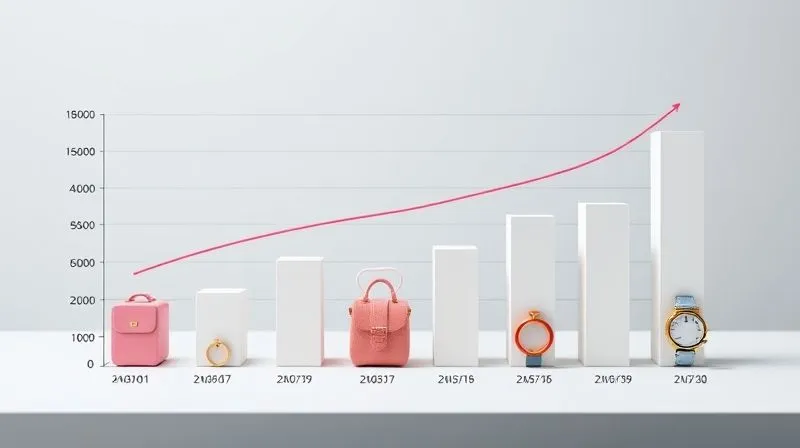
Strategy 2: Curated Product Assortment & Exclusivity
Scarcity is a cornerstone of luxury. When an item is readily available everywhere, its specialness diminishes. Strategic curation protects value.
Limited Editions & Capsule Collections
Creating genuine scarcity is a powerful tool. Limited editions and capsule collections, when executed authentically, generate buzz and drive immediate demand, often at full price. This approach allows brands to experiment with new designs without committing to large production runs that could become excess inventory.
- Authentic Scarcity: Ensure 'limited' truly means limited. Over-releasing undermines credibility.
- Storytelling: Each limited piece should have a compelling narrative—a unique inspiration, a special collaboration, or a rare material—that enhances its perceived value.
- Strategic Drops: Release these collections at opportune times, leveraging the 'fear of missing out' (FOMO) to create urgency.
Strategic Product Lifecycle Management
Understanding when to introduce a product, when to sustain it, and crucially, when to gracefully retire it, is vital. Holding onto an accessory past its prime can drag down the perception of your entire collection.
As Harvard Business Review often highlights, strategic scarcity isn't about withholding; it's about intelligent allocation and timing. It involves creating a deliberate sense of privilege and access, which is fundamental to the luxury experience.
Strategy 3: Impeccable Storage, Care, and Authentication
The physical condition of a luxury accessory directly impacts its value. Neglect here is a direct path to depreciation. From storage to post-purchase care, every detail matters.
Controlled Environment Storage
Luxury accessories, particularly those made from delicate materials like exotic leathers, silks, or precious metals, require specific environmental conditions. I've seen countless instances where improper storage led to irreversible damage, rendering stock unsellable at full price.
- Temperature & Humidity Control: Maintain stable conditions to prevent material degradation, mold, or warping.
- Light Exposure: Avoid direct sunlight or harsh artificial light that can fade colors or damage materials over time.
- Security & Dust Protection: Secure, dust-free environments are non-negotiable to prevent theft and maintain pristine condition.
Professional Maintenance & Restoration Services
For items that remain in stock for extended periods or are returned, having access to in-house or outsourced professional cleaning, repair, and restoration services can significantly preserve their value. A minor scratch fixed professionally is far better than a deeply discounted 'imperfect' item.
Robust Authentication Protocols
The rise of the counterfeit market poses a significant threat to the value of genuine luxury accessories. Implementing and promoting robust authentication protocols for your products, both at the point of sale and for potential resale, reassures consumers and protects your brand's integrity.
This could involve unique serial numbers, RFID tags, blockchain verification, or highly skilled authenticators. Protecting your brand from fakes is crucial to how to prevent luxury accessory stock from depreciating effectively.
| Storage Factor | Ideal Range | Risk of Deviation |
|---|---|---|
| Temperature | 18-22°C (64-72°F) | Material warping, cracking, thermal shock |
| Humidity | 40-60% RH | Mold growth, leather drying/cracking, metal tarnishing |
| Light Exposure | Minimal/Indirect UV-filtered light | Color fading, material degradation, UV damage |
| Air Quality | Dust-free, pollutant-free | Surface abrasion, chemical reactions, odor absorption |
Strategy 4: Dynamic Pricing & Strategic Markdown Management
While the luxury sector often eschews overt discounting, a complete refusal to adjust pricing can lead to stale inventory and greater losses in the long run. The key is strategic, controlled markdown management.
Value-Based Pricing Models
Initially, pricing must reflect the intrinsic and extrinsic value of the accessory—its craftsmanship, materials, brand heritage, and exclusivity. Price too low, and you devalue the brand; price too high without justification, and sales stagnate. Regular market analysis ensures your pricing remains competitive yet premium.
Controlled Discounting Strategies
When markdowns become necessary, they must be handled with extreme care to avoid brand dilution. I advise:
- Private Sales & VIP Previews: Offer discounts exclusively to loyal customers or through private events, maintaining an air of exclusivity.
- Staff & Industry Professional Sales: Liquidate older stock through internal channels or to industry insiders, keeping items off the open market.
- Seasonal Sales (Limited & Targeted): If public sales are unavoidable, make them short, focused on specific collections, and clearly framed as a seasonal event rather than a permanent price reduction.
- Bundling & Gifting: Pair slower-moving items with popular ones, or offer them as a gift with purchase of a new collection, adding perceived value without direct price cuts.
"Sacrificing brand integrity for a quick sale is a short-term gain with long-term consequences. Every pricing decision for luxury accessories must weigh immediate revenue against enduring brand equity."
For more insights on maintaining luxury pricing, consider exploring resources like Forbes' articles on luxury marketing and pricing strategies.
Strategy 5: Elevating the Brand Experience & After-Sales Service
Luxury is an experience, not just a product. The journey a customer undertakes, from discovery to post-purchase, heavily influences their perception of value and willingness to invest.
Personalized Customer Journeys
Tailoring the customer experience creates a deeper connection and reinforces the exclusivity of your brand. This includes personalized recommendations, bespoke services, and a seamless shopping experience both online and offline. When customers feel valued, they are more likely to protect their purchases and, by extension, the brand's reputation.
Exceptional Post-Purchase Support
The relationship doesn't end at checkout. Robust after-sales service is a critical differentiator in the luxury market. It signals confidence in your product and a commitment to customer satisfaction, which helps sustain value. This can include:
- Generous Warranties & Guarantees: Stand behind the quality of your accessories.
- Repair & Restoration Services: Offer expert services to extend the life and maintain the pristine condition of items.
- Cleaning & Care Advice: Provide detailed guidance or even complimentary cleaning services to ensure longevity.
Case Study: Lumina Luxuries' After-Sales Transformation
Lumina Luxuries, a boutique brand specializing in high-end leather goods, faced a challenge with customer retention and perceived value of their older collections. Customers loved initial purchases but rarely returned for subsequent seasons. By implementing a proactive after-sales strategy that included a complimentary annual leather conditioning service for all handbags purchased within the last two years and a personalized 'Art of Care' digital guide, they saw remarkable results. Customer retention increased by 20% within 18 months, and the resale value of their pre-owned items on secondary markets saw a noticeable uplift, directly addressing how to prevent luxury accessory stock from depreciating through enhanced customer loyalty and product longevity.

Strategy 6: Leveraging the Secondary Market Strategically
The secondary market for luxury goods is booming, and instead of viewing it as a threat, savvy brands are learning to embrace and even leverage it to their advantage. It's a powerful tool for how to prevent luxury accessory stock from depreciating.
Partnerships with Reputable Resale Platforms
Collaborating with established, high-end resale platforms (e.g., The RealReal, Vestiaire Collective) can be a win-win. These partnerships can:
- Control Narrative: Influence how your brand's pre-owned items are presented and valued.
- Reach New Audiences: Attract consumers who might not yet be ready for a primary market purchase but are aspirational.
- Circular Economy: Align with sustainable practices, appealing to environmentally conscious luxury consumers.
Certified Pre-Owned Programs
Some pioneering luxury brands are launching their own 'certified pre-owned' programs. By authenticating, refurbishing, and reselling their own products, they:
- Maintain Control: Ensure quality and authenticity, protecting brand reputation.
- Capture Value: Recapture some of the value that would otherwise go to third-party resellers.
- Extend Lifecycle: Give products a second life, reinforcing their timelessness and investment value.
The growth of the resale market is undeniable. A Bain & Company report on the luxury resale market underscores its significance and the opportunities it presents for brands to manage their product lifecycles and maintain value.
Strategy 7: Continuous Market Intelligence & Adaptability
The luxury market is dynamic. What's coveted today might be overlooked tomorrow. Preventing depreciation requires a constant pulse on the market and a willingness to adapt.
Trend Forecasting & Consumer Behavior Analysis
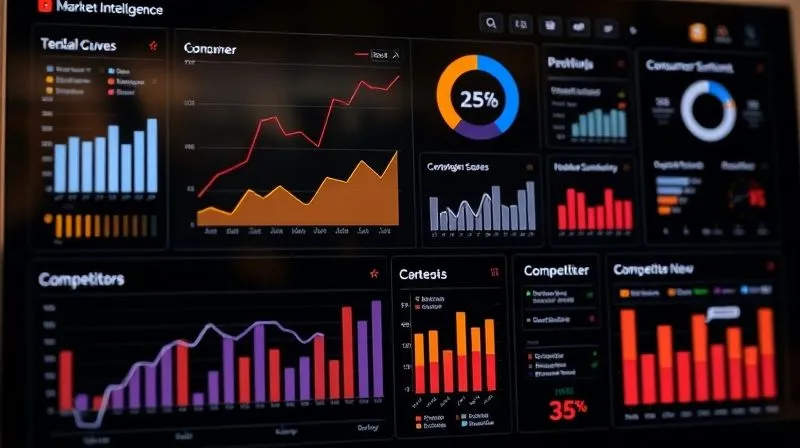
Invest in robust market intelligence. This isn't just about fashion trends, but also shifts in consumer values, purchasing habits, and emerging geographic markets. Understanding these nuances allows for proactive adjustments to product development, marketing, and inventory strategies.
- Macro Trends: Monitor global economic shifts, sustainability movements, and technological advancements.
- Micro Trends: Track social media buzz, influencer impact, and niche community preferences.
Agile Supply Chain & Production
A rigid supply chain can quickly lead to overstocking of undesirable items or understocking of sought-after ones. An agile approach, allowing for quicker adjustments in production volumes and product mixes, is crucial.
This might involve working with manufacturers who can handle smaller, more frequent production runs, or having contingency plans for sourcing materials to respond to sudden demand shifts. The ability to pivot quickly is a powerful defense against accumulating depreciating assets.
Frequently Asked Questions (FAQ)
How quickly do luxury accessories typically depreciate? The rate of depreciation varies significantly based on brand, item type, rarity, and market demand. Iconic pieces from top-tier brands (e.g., certain Hermès bags, Rolex watches) might hold or even increase value. More common or trend-driven items can see a 20-50% drop in resale value within the first 1-3 years if not managed carefully. Factors like condition, original packaging, and authenticity documentation also play a huge role.
Is it ever advisable to discount luxury items heavily? Generally, no. Heavy discounting can severely damage brand perception and long-term value. Instead, focus on controlled liquidation strategies like private sales to loyal customers, partnerships with outlet stores (if carefully managed to avoid brand dilution), or repurposing materials. The goal is to move stock without signaling desperation or devaluing the brand's core offerings.
What role does original packaging and documentation play in value retention? A significant one. For luxury accessories, the original box, dust bag, authenticity cards, and receipts are all part of the complete 'experience' and serve as proof of provenance. On the secondary market, items with full original packaging and documentation can command a 10-20% higher price, as it enhances trust and perceived authenticity for the buyer.
How can small luxury brands compete with established giants in preventing depreciation? Small brands can leverage their agility and niche focus. They can excel in creating genuine scarcity, offering highly personalized customer service, building strong community engagement, and being exceptionally transparent about their craftsmanship and ethical sourcing. Focusing on timeless designs over fleeting trends can also be a powerful long-term strategy for value retention.
What's the biggest mistake brands make regarding luxury accessory stock depreciation? The biggest mistake is often a combination of overproduction driven by optimistic forecasting and a reluctance to strategically address slow-moving inventory. This leads to a build-up of capital-intensive stock that eventually must be heavily discounted, eroding profit margins and brand prestige. Ignoring data and clinging to outdated inventory management practices is a fast track to depreciation.
Key Takeaways and Final Thoughts
Preventing luxury accessory stock from depreciating is not a passive task; it's an active, ongoing commitment to strategic foresight, meticulous management, and unwavering dedication to brand integrity. It demands a holistic approach that intertwines precise inventory control with innovative marketing, exceptional customer experience, and a keen understanding of market dynamics.
- Embrace Data: Leverage analytics for superior demand forecasting and inventory optimization.
- Cultivate Scarcity: Strategically manage product assortments, focusing on exclusivity and controlled releases.
- Preserve Physicality: Invest in impeccable storage, care, and robust authentication.
- Price with Precision: Implement dynamic pricing and controlled markdown strategies that protect brand equity.
- Elevate Experience: Provide unparalleled customer service and after-sales support to reinforce value.
- Engage the Ecosystem: Strategically leverage the secondary market to extend product lifecycles.
- Stay Agile: Continuously monitor market trends and adapt quickly to shifting consumer preferences.
By implementing these strategies, you're not just preventing losses; you're actively building a more resilient, prestigious, and profitable luxury brand. The investment in these practices today will pay dividends in enduring value and a legacy of excellence for your luxury accessory collections tomorrow.
Recommended Reading
- 7 Ways to Master Style & Performance in Sports Eyewear Trends
- Bridal Emergency: 7 Quick Fixes for a Gown Tear Before 'I Do'
- 5 Strategic Ways: Project Executive Power Through Your Workwear Choices
- 5 Steps to Master Last-Minute Haute Couture Client Changes
- The Ultimate Guide: How to Pick a Perfume That Lasts All Day on Your Skin



Your email address will not be published. Required fields are marked *