

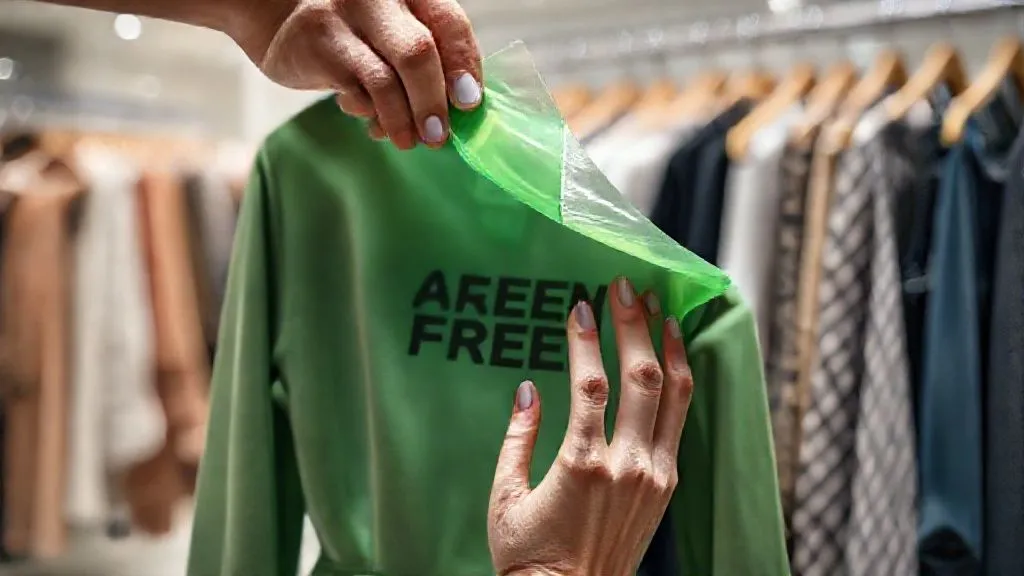
How to Prevent Greenwashing in Cruelty-Free Fashion Marketing?
For over 15 years immersed in the sustainable and ethical fashion movement, I've witnessed a recurring paradox: as consumer demand for cruelty-free products skyrockets, so too does the temptation for brands to cut corners, making claims that are more aspirational than accurate. This practice, often termed 'greenwashing,' isn't just a minor misstep; it's a profound betrayal of trust that undermines the very foundations of the ethical fashion industry I've dedicated my career to building.
This erosion of trust isn't just a marketing challenge; it's an existential threat to genuine cruelty-free brands. Consumers, once burned by vague promises and unsubstantiated claims, become skeptical, making it harder for truly ethical companies to stand out. The pain point is clear: how can authentic cruelty-free fashion brands differentiate themselves and build lasting trust when the market is rife with deceptive marketing?
In this definitive guide, I'll share the frameworks, real-world insights, and actionable steps I've developed and seen succeed over my career. My goal is to equip you with the knowledge to not only prevent greenwashing in your cruelty-free fashion marketing but to also cultivate an unparalleled level of transparency and authenticity that resonates deeply with today's discerning, ethical consumer.
Understanding the Greenwashing Phenomenon in Cruelty-Free Fashion
Before we can prevent greenwashing, we must understand its insidious nature. Greenwashing is essentially painting a misleadingly environmentally or ethically friendly image for a company or its products. In the cruelty-free fashion sector, this often manifests as vague claims, selective disclosure, or outright fabrication regarding a product's animal welfare credentials or environmental impact.
The Allure of 'Green' and 'Ethical' Labels
The appeal of 'green' and 'ethical' labels is undeniable. With conscious consumerism on the rise, brands recognize the significant market advantage that comes with being perceived as responsible. This pressure, combined with a lack of clear, universally enforced regulations, creates fertile ground for greenwashing. It's often easier and cheaper to *claim* to be cruelty-free than to genuinely implement the rigorous supply chain changes required.
The Erosion of Consumer Trust
The long-term consequence of greenwashing is a profound erosion of consumer trust. According to a Deloitte study, a significant percentage of consumers are skeptical of brands' sustainability claims. When a brand is exposed for greenwashing, it doesn't just damage that single company; it casts a shadow of doubt over the entire industry, making consumers wary of even the most legitimate ethical claims. This makes it incredibly challenging for truly committed brands to break through the noise and connect with their target audience.
Pillar 1: Unwavering Transparency and Verifiable Claims
The bedrock of preventing greenwashing is absolute transparency. It's about opening your operations to scrutiny, not just making surface-level assertions. This means providing clear, unambiguous, and verifiable information about every aspect of your cruelty-free claims.
Supply Chain Visibility: Beyond the Buzzwords
In my experience, many brands stumble here. It's not enough to say your product is 'vegan leather' if you don't know the origin of the materials or the labor practices involved in its production. True transparency in cruelty-free fashion demands a deep dive into your entire supply chain. This means tracing materials from their raw form to the finished product, ensuring no animal testing occurs at any stage, and that no animal-derived components are used, even in seemingly minor elements like glues or dyes.
As an expert, I advocate for mapping your supply chain meticulously. Identify every supplier, manufacturer, and sub-contractor. Demand documentation, conduct site visits where feasible, and establish clear contractual agreements that prohibit animal testing or the use of animal products. This isn't easy, but it's non-negotiable for genuine cruelty-free status.
Third-Party Certifications: Your Credibility Shield
While self-declaration is a start, independent third-party certifications are your strongest defense against greenwashing accusations. Organizations like PETA's 'Beauty Without Bunnies' program or the Leaping Bunny program offer internationally recognized standards for cruelty-free products. These certifications involve rigorous audits and ongoing monitoring, providing an external validation that consumers trust.
How to Leverage Certifications Effectively:
- Research Thoroughly: Understand the criteria of different certifications. Does it cover the entire supply chain? Is it globally recognized?
- Commit to the Process: Be prepared for the time and resources required for audits and documentation. It's an investment, not an expense.
- Display Prominently: Once certified, display the logos clearly on your products, packaging, and website. Make it easy for consumers to spot.
- Educate Your Audience: Don't just show the logo; explain what it means and why it matters. Link directly to the certification body's website for verification.
"Transparency isn't just showing what's good; it's about being brave enough to show everything, including the areas where you're striving for improvement. That's where true trust is forged." - Industry Veteran Insight
Pillar 2: Education, Not Exaggeration – Empowering Your Audience
Effective cruelty-free marketing isn't about shouting; it's about educating. Your consumers want to make informed choices, and it's your responsibility to provide them with the knowledge to do so, without resorting to hyperbole or vague claims.
Demystifying Cruelty-Free: What it Truly Means
The term 'cruelty-free' can be nuanced. Does it mean no animal testing on the final product? Or on ingredients? Or on ingredients *and* the final product by the brand *and* its suppliers? As an expert, I've seen brands get into trouble by not clearly defining their terms. Be explicit. Explain your commitment in simple, straightforward language. For example, if you use a plant-based leather alternative, explain what it's made from and why it's a cruelty-free choice, without making unsubstantiated environmental claims if those aren't also certified.
Storytelling with Substance: The 'Why' Behind Your Brand
Consumers connect with stories, but these stories must be grounded in truth. Share the journey of your brand, the ethical motivations that drive your choices, and the real impact your cruelty-free practices have. Talk about the artisans, the innovative materials, and the rigorous processes you employ. This builds an emotional connection that is far more powerful and resilient than any fleeting trend.
Case Study: Ethical Threads Co. and Their Vegan Silk
Ethical Threads Co., a fictional mid-sized apparel brand, faced skepticism when they launched a 'vegan silk' line. Instead of just marketing it as 'eco-friendly,' they created detailed content explaining the innovative plant-based fibers used, the closed-loop manufacturing process, and the specific animal welfare issues avoided compared to traditional silk. They partnered with material scientists to produce explainer videos and published comprehensive FAQs. This approach educated their customers, built immense trust, and resulted in a 40% increase in customer engagement and a 25% boost in sales for the vegan silk line within six months, purely through authentic education.
Pillar 3: Data-Driven Authenticity: Backing Claims with Evidence
In the age of information, claims without evidence are just opinions. To truly prevent greenwashing, every marketing message related to your cruelty-free status must be backed by verifiable data and robust evidence.
Quantifying Your Impact: Beyond Vague Statements
Avoid generic statements like 'we care about animals' or 'our products are good for the planet.' Instead, quantify your efforts. If you've reduced reliance on animal-derived materials by a certain percentage, state the number. If your production process saves X amount of water compared to conventional methods (and you have the data to prove it), share that. Specificity builds credibility.
The Power of Audits and Reporting
Regular internal and external audits of your cruelty-free policies and supply chain practices are crucial. Consider publishing a concise, accessible impact report annually. This report shouldn't just be a marketing brochure; it should be a transparent document detailing your progress, challenges, and future goals regarding animal welfare and ethical practices. This level of accountability demonstrates genuine commitment.
"Data is the language of trust. If you can't back your ethical claims with verifiable metrics, you're merely telling a story, not presenting a truth." - Sustainable Fashion Economist
| Claim Type | Example | Problem |
|---|---|---|
| Vague Greenwash | Eco-friendly vegan leather shoes | Lacks specificity, no proof of 'eco-friendliness' beyond being vegan. |
| Authentic & Data-Backed | Shoes made with PETA-certified vegan apple leather, reducing water usage by 30% compared to traditional leather (verified by independent audit). | Clear, verifiable, and specific claims addressing both cruelty-free and environmental aspects. |
Pillar 4: Consistent Communication and Internal Alignment
Greenwashing often occurs when there's a disconnect between a brand's stated values and its internal practices or external communication. Consistency across all touchpoints is paramount.
Training Your Team: Every Touchpoint Matters
Your marketing department isn't the only voice of your brand. Sales associates, customer service representatives, and even social media managers all interact with consumers. Ensure every member of your team is educated on your cruelty-free policies, certifications, and the specific details of your materials and processes. They should be able to answer common questions accurately and confidently. A knowledgeable team is your first line of defense against misinformation.
Crisis Management: Addressing Missteps with Honesty
No brand is perfect, and mistakes can happen. What differentiates an authentic brand from a greenwasher is how it responds to scrutiny or accusations. If a claim is challenged, or if a supplier is found to be non-compliant, address it immediately, transparently, and honestly. Take responsibility, outline corrective actions, and communicate openly with your community. As a mentor, I advise having a clear crisis communication plan in place before you ever need it. Learn from brands that have successfully navigated public criticism by prioritizing honesty and swift action, as highlighted in numerous Harvard Business Review articles on crisis communication.

Pillar 5: Fostering Community and Feedback Loops
Your most valuable allies in the fight against greenwashing are your ethical consumers. Engage them, listen to them, and empower them to be part of your brand's journey.
Listening to Your Ethical Advocates
Actively solicit feedback from your community through surveys, social media engagement, and direct communication channels. Ethical consumers are often highly informed and can provide valuable insights, identify areas for improvement, and even act as advocates who defend your brand against false accusations. Create forums or dedicated spaces where they can share their thoughts and experiences.
Collaborative Initiatives for Industry Change
Look beyond your own brand. Collaborate with other ethical fashion brands, NGOs, and industry bodies to push for clearer standards and stronger regulations. By working together, the industry can collectively raise the bar for authenticity and make it harder for greenwashers to thrive. Supporting initiatives that promote transparency, such as those championed by organizations like Fashion Revolution, demonstrates a commitment that extends beyond your own bottom line.

Navigating the Legal Landscape: Avoiding Misleading Advertising
While ethical considerations are paramount, the legal ramifications of greenwashing cannot be ignored. Regulatory bodies worldwide are increasingly scrutinizing environmental and ethical claims.
FTC Green Guides and International Regulations
In the United States, the Federal Trade Commission (FTC) provides 'Green Guides' that outline principles for environmental marketing claims. These guides, while not legally binding regulations themselves, inform how the FTC interprets claims and whether they are deceptive. Similar guidelines exist in other regions, such as the UK's CMA Green Claims Code or the EU's proposed Green Claims Directive. Ignorance of these guidelines is not a defense, and violations can lead to significant penalties, reputational damage, and costly litigation. I strongly advise all brands to familiarize themselves with these guidelines and seek legal counsel if unsure about specific marketing language. You can find the FTC Green Guides here.
| Action | Example | Why |
|---|---|---|
| DO: State specific certifications | PETA-certified vegan leather handbag. | Provides verifiable proof and clarity. |
| DON'T: Use vague terms without proof | Eco-friendly, animal-loving footwear. | Subjective, unsubstantiated, and invites skepticism. |
| DO: Explain material composition | Our jackets use innovative pineapple leaf fibers, a cruelty-free alternative. | Educates consumers on sustainable choices. |
| DON'T: Imply broader benefits | Our vegan shoes save the planet. | Overstates impact, likely not fully verifiable, opens to greenwashing claims. |
Frequently Asked Questions (FAQ)
Q: How can small brands compete with larger brands that have bigger marketing budgets and might be greenwashing? A: Small brands have an inherent advantage: agility and authenticity. Focus on radical transparency, genuine storytelling, and direct engagement with your community. Leverage third-party certifications, detailed supply chain information, and educational content. While big brands might outspend you, they often struggle with the genuine, granular transparency that smaller, purpose-driven brands can offer. Your authenticity is your biggest asset.
Q: What's the difference between 'vegan' and 'cruelty-free' in fashion, and why does it matter for preventing greenwashing? A: 'Vegan' means a product contains no animal-derived ingredients (e.g., leather, wool, silk, fur, down, animal-based glues or dyes). 'Cruelty-free' means no animal testing was performed on the product or its ingredients at any stage of development. A product can be vegan but not cruelty-free if its ingredients were tested on animals by a third party. Conversely, a product could be cruelty-free but not vegan if it contains animal-derived ingredients not tested on animals (e.g., beeswax in a coating, though this is rare in fashion). For true ethical marketing, a product should ideally be both, and you must clearly define which claims you are making to avoid misleading consumers.
Q: Is it possible to be 100% greenwashing-free in a complex industry like fashion? A: Achieving 100% perfection is an ongoing journey, not a destination. However, it is absolutely possible to be 100% committed to transparency and honesty, which is the core of being 'greenwashing-free.' This means acknowledging limitations, communicating challenges, and demonstrating continuous improvement. The goal isn't to be flawless, but to be authentic and accountable in your efforts.
Q: How do I handle consumer skepticism or accusations of greenwashing, even if my brand is genuinely ethical? A: Respond promptly, respectfully, and with verifiable facts. Provide links to your certifications, supply chain information, and detailed explanations. If there's a misunderstanding, clarify it. If there's a legitimate concern, address it transparently and outline your corrective actions. Avoid defensiveness; instead, embrace the opportunity to educate and reinforce your commitment to ethical practices.
Q: What are the immediate first steps a brand should take to ensure its cruelty-free marketing is genuine? A: First, conduct an internal audit of all existing marketing claims related to cruelty-free and sustainability. Identify any vague statements or claims lacking direct evidence. Second, commit to a recognized third-party cruelty-free certification for all relevant products. Third, develop a clear, concise 'Ethical Policy' page on your website that details your commitments, definitions, and supply chain transparency efforts.
Key Takeaways and Final Thoughts
Preventing greenwashing in cruelty-free fashion marketing isn't just about compliance; it's about building an enduring legacy of trust and authenticity. As an industry veteran, I've seen that brands that prioritize genuine ethical practices and transparent communication not only thrive but also inspire real change.
- Transparency is Non-Negotiable: Open your supply chain and be explicit about your cruelty-free definitions.
- Certifications are Your Shield: Leverage third-party validation to build irrefutable credibility.
- Educate, Don't Exaggerate: Empower your audience with facts and meaningful stories.
- Back Claims with Data: Quantify your impact and embrace audits for accountability.
- Consistency is Key: Ensure every team member and communication channel aligns with your ethical values.
- Engage Your Community: Listen to your advocates and collaborate for broader industry impact.
- Know the Law: Understand and adhere to legal guidelines for ethical marketing claims.
The journey to truly ethical and greenwashing-free marketing is continuous, demanding vigilance, integrity, and a deep commitment to the values you espouse. By embracing these pillars, you're not just selling products; you're building a movement, fostering a community, and shaping a future where fashion is synonymous with compassion and honesty. Your dedication to genuine cruelty-free practices is not only good for business, but it's essential for the planet and its inhabitants.
Recommended Reading
- 7 Pro Steps: How to Make Hand-Painted Nail Art Last 3+ Weeks
- 7 Smart Steps: Elevate Executive Menswear with Current Trends
- The Secret to Timeless Bridal Style: How to Pick Trends Without Looking Dated Later
- 7 Proven Strategies: Slash Kids' Wear Returns Due to Discomfort
- 7 Steps: How to Resolve Unhappy Fashion Brand Collaboration Feedback?




Your email address will not be published. Required fields are marked *