

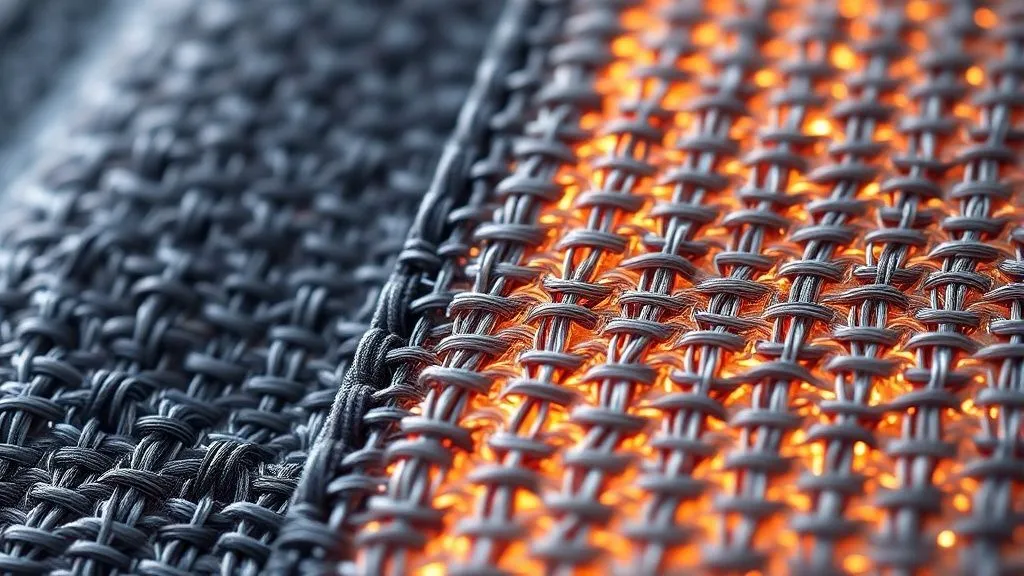
How to Prevent Delamination in Multi-Layer Smart Textile Weaves?
For over two decades in the textile innovation space, I've witnessed firsthand the breathtaking evolution of smart fabrics. From medical wearables to aerospace applications, these multi-layer wonders promise a future of integrated functionality and unprecedented performance. Yet, with this innovation often comes a formidable challenge: delamination.
That heartbreaking moment when a sophisticated multi-layer smart textile, designed for peak performance, begins to peel apart, compromising its embedded electronics and structural integrity, is a scenario I've seen derail promising projects and erode consumer trust. It's a silent killer of innovation, often stemming from overlooked details in design, material selection, or manufacturing.
In this definitive guide, I'll share the accumulated wisdom from countless projects, research breakthroughs, and practical applications. We'll delve deep into actionable strategies, from meticulous material selection to advanced manufacturing and rigorous post-processing, providing you with a robust framework on how to prevent delamination in multi-layer smart textile weaves and ensure their lasting success.
Understanding the Delamination Demon: Why Multi-Layer Smart Textiles Fail
Before we can prevent delamination, we must understand its root causes. It's not merely a surface issue; it's a complex interplay of material science, mechanical stress, and environmental factors. In my experience, many failures can be traced back to an incomplete understanding of these underlying mechanisms.
The Mechanics of Delamination: A Microscopic View
Delamination occurs when the adhesive forces between layers are weaker than the external or internal stresses applied to the textile. Think of it like a stack of papers held together by weak glue; any significant pull or bend will cause them to separate. In smart textiles, these layers might include base fabrics, conductive traces, sensing elements, encapsulation layers, and protective coatings.
The failure can manifest as cohesive failure (within the adhesive itself) or adhesive failure (at the interface between the adhesive and the substrate). Understanding which type of failure is occurring is critical for targeted prevention. Often, it’s a progressive process, starting with microscopic cracks that propagate under cyclic loading or environmental exposure.
Common Culprits: From Material Mismatch to Manufacturing Flaws
I've identified several recurring themes in delamination failures. The most prevalent include:
- Material Incompatibility: Different coefficients of thermal expansion, varying surface energies, and chemical reactivity between layers can create internal stresses that lead to separation.
- Inadequate Adhesion: Poor choice of adhesive, insufficient adhesive application, or improper curing can result in weak bonds from the outset.
- Mechanical Stress: Repeated bending, stretching, or abrasion during use or even during manufacturing can induce shear and peel forces that overcome the interlayer adhesion.
- Environmental Degradation: Exposure to moisture, UV radiation, extreme temperatures, or harsh chemicals can degrade both the textile materials and the adhesive bonds over time.
- Manufacturing Imperfections: Voids, air bubbles, contaminants, or inconsistent pressure/temperature during lamination are often invisible killers that become problematic later.
Phase 1: Material Selection – Building a Resilient Foundation
The journey to preventing delamination begins long before the first fiber is woven or the first layer is bonded. It starts with meticulous material selection. This foundational step is where you engineer resilience into your smart textile from the ground up, a principle I've emphasized in countless development cycles.
Choosing Compatible Core Materials
The compatibility of your core textile layers is paramount. Consider not just their individual properties but how they interact. For instance, pairing a highly elastic base fabric with a rigid electronic layer without proper interface management is an invitation for delamination. Look for materials with:
- Similar Thermal Expansion Coefficients: Minimizes internal stress during temperature fluctuations.
- Complementary Surface Energies: Allows for better wetting and adhesion with bonding agents.
- Chemical Inertness: Prevents unwanted reactions that could degrade bonds or materials over time.
- Appropriate Mechanical Properties: Ensure flexibility, strength, and drape are aligned across layers to distribute stress evenly.
The Role of Interfacial Adhesion Agents
Often, the natural adhesion between disparate materials isn't enough. This is where specialized adhesion agents come into play. These can range from primers and coupling agents to advanced polymer interlayers. Their purpose is to chemically or physically bridge the gap between layers, creating a robust, durable bond. As a study published in ScienceDirect often highlights, the choice of coupling agent can dramatically improve the mechanical integrity of composite structures.
When selecting adhesion agents, consider the specific chemistries of your substrates. For example, silane coupling agents are excellent for enhancing adhesion between organic polymers and inorganic substrates like glass fibers or metal traces. Epoxy-based adhesives offer strong bonds and good chemical resistance, while polyurethane-based options provide flexibility and impact resistance.
| Material Pair | Common Adhesion Challenge | Recommended Adhesion Strategy | Key Benefit |
|---|---|---|---|
| Polyester Fabric + Silver Ink | Poor ink adhesion, cracking | Plasma treatment + specialized polyurethane binder | Enhanced flexibility, washability |
| Nylon Fabric + Copper Traces | Oxidation, delamination under stress | Surface roughening + epoxy-based conductive adhesive | High bond strength, electrical stability |
| Cotton Fabric + Polymer Sensor | Moisture absorption, bond weakening | Hydrophobic primer + silicone encapsulant | Water resistance, biocompatibility |
Phase 2: Weave Structure Optimization – Engineering for Interlayer Integrity
Beyond the materials themselves, the very architecture of the textile weave plays a pivotal role in preventing delamination. It's not just about what you use, but how you put it together. I've found that innovative weave structures can inherently reduce the propensity for layers to separate, even under significant stress.
Beyond Plain Weave: Exploring Advanced Structures
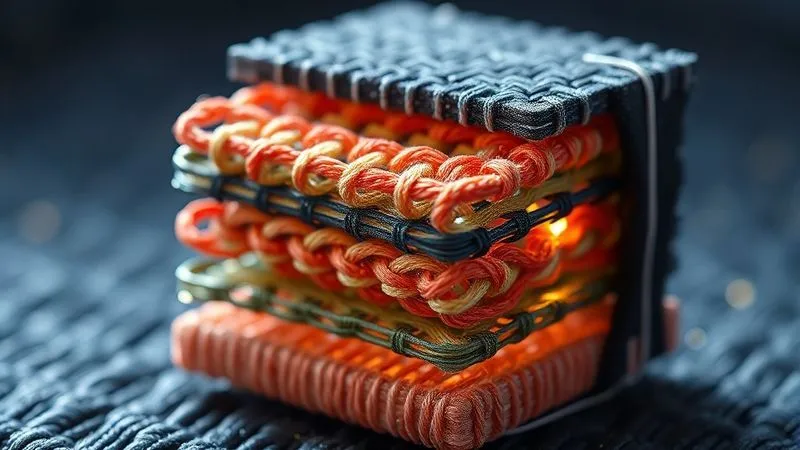
While plain weave is simple, it often provides limited mechanical interlocking between layers. For multi-layer smart textiles, I strongly advocate exploring advanced weave structures that mechanically integrate layers. These include:
- 3D Weaving: Creates truly integral multi-layer fabrics where layers are interwoven, eliminating the need for external adhesives between some sections and offering superior delamination resistance.
- Jacquard Weaving: Allows for intricate patterns and localized variations in weave density, enabling the creation of specific pockets or channels for electronic components, which can then be more securely encapsulated.
- Through-Thickness Reinforcement: Using binder yarns that pass perpendicular to the fabric layers, physically stitching them together. This method dramatically improves resistance to peel and shear forces.
- Interlacing Yarns: Designing the weave such that certain yarns from one layer interlace with yarns from an adjacent layer, creating a mechanical 'stitch' that acts as a delamination barrier.
Designing for Stress Distribution and Shear Resistance
A well-designed weave structure doesn't just hold layers together; it distributes stress uniformly across the entire textile. This is crucial for preventing localized stress concentrations that can initiate delamination. By optimizing weave density, yarn crimp, and interlacement patterns, engineers can create fabrics that are inherently more resistant to the shear and peel forces encountered during use.
Expert Insight: "Thinking of your textile as a single, homogenous entity rather than a stack of discrete layers is the mindset shift needed for true delamination prevention through weave engineering."
Case Study: InnovateX's Integrated Weave Solution
InnovateX, a startup specializing in smart athletic wear, initially struggled with delamination where their integrated biometric sensors met the stretch fabric. Traditional adhesive methods failed under repeated high-intensity movements. By implementing a customized 3D weaving technique, they developed a textile where the sensor housing was directly woven into the fabric structure, rather than merely bonded on top. This involved using specific binder yarns that interlocked the sensor's flexible substrate with the surrounding performance fabric. The result? A 95% reduction in delamination failures during extensive field testing, leading to a product known for its unparalleled durability and wearer comfort. This approach not only solved the delamination problem but also enhanced the product's overall aesthetic and functional lifespan.
Phase 3: Precision Manufacturing Processes – The Art of Bonding
Even with the best materials and weave designs, poor manufacturing can undo all your efforts. This phase is about the 'how' of putting it all together, ensuring that every bond is formed with precision and integrity. From my vantage point, manufacturing consistency is often the most challenging, yet critical, aspect of delamination prevention.
Controlled Lamination Techniques: Heat, Pressure, and Time
Lamination is more than just sticking layers together; it's a carefully controlled process where heat, pressure, and time are precisely calibrated to activate adhesives and create strong, lasting bonds. Inconsistent application of any of these parameters can lead to weak spots and eventual delamination.
- Temperature Control: Ensure uniform heating across the entire bonding surface to properly activate the adhesive without degrading the textile or electronic components.
- Pressure Distribution: Apply even and consistent pressure to eliminate air bubbles and ensure intimate contact between all layers and the adhesive. Vacuum lamination is often superior for complex multi-layer structures.
- Dwell Time: Allow sufficient time for the adhesive to flow, wet the surfaces, and cure effectively. Too short, and the bond is weak; too long, and you risk material degradation.
- Cleanroom Environment: Contaminants like dust, oils, or fibers can act as release agents, preventing proper adhesion. Manufacturing in a controlled environment is often essential.
Advanced Coating and Encapsulation Methods
Beyond traditional lamination, advanced coating and encapsulation techniques offer superior protection and interlayer adhesion, especially for sensitive electronic components. Technologies like atomic layer deposition (ALD) can create ultra-thin, highly conformal protective barriers that enhance material compatibility and adhesion at a molecular level. Furthermore, liquid encapsulation using flexible polymers (e.g., silicones, urethanes) can fill voids and create a seamless, protective shell around embedded electronics, significantly improving the overall structural integrity and environmental resistance of the smart textile.
Phase 4: Post-Processing and Quality Control – Ensuring Lasting Performance
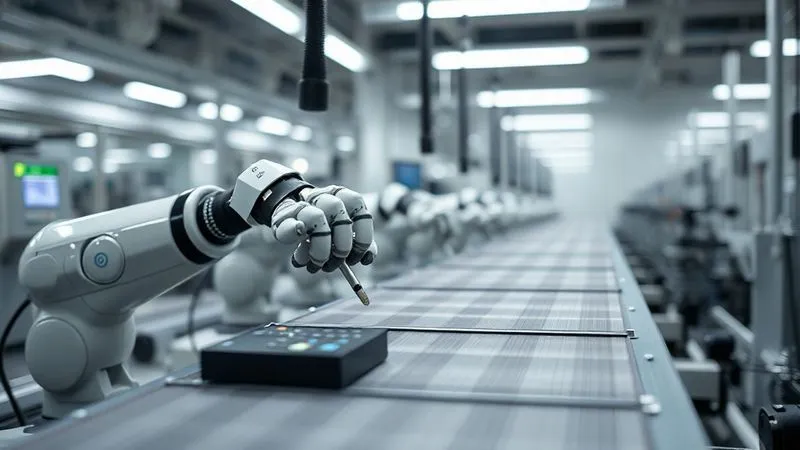
The manufacturing process doesn't end when the layers are bonded. Post-processing and rigorous quality control are the final crucial steps to solidify the textile's integrity and catch any potential delamination risks before the product reaches the end-user. This phase is about verification and enhancement.
Curing and Annealing for Enhanced Stability
Many adhesives and polymer coatings require specific post-curing or annealing steps to achieve their full mechanical properties and dimensional stability. This might involve controlled heating or UV exposure after the initial bonding process. Skipping or rushing these steps can leave residual stresses or unreacted components that weaken the bond over time. Proper post-curing can significantly enhance the cross-linking of polymers, leading to a tougher, more resilient interlayer bond. This is a critical, often overlooked, aspect of how to prevent delamination in multi-layer smart textile weaves.
Rigorous Testing Protocols: A Non-Negotiable Step
I cannot stress enough the importance of comprehensive testing. This isn't just about checking for obvious flaws; it's about pushing the boundaries of your product to predict real-world performance. Your testing protocols should include:
- Peel Strength Testing: Measures the force required to separate layers, providing a quantitative assessment of adhesion strength. Standards like ASTM D903 can be adapted for textiles.
- Shear Strength Testing: Evaluates the resistance to forces that cause layers to slide past each other, crucial for textiles subjected to bending and stretching.
- Environmental Cycling: Exposes the textile to cycles of extreme temperature, humidity, and UV radiation to simulate accelerated aging and identify environmental vulnerabilities.
- Flex and Abrasion Testing: Simulates the mechanical stresses of repeated wear and movement, assessing the textile's durability under dynamic conditions.
- Washability Testing: For wearables, this is paramount. Repeated washing cycles can be incredibly harsh on interlayer bonds, so testing this early is crucial.
According to research by the National Institute of Standards and Technology (NIST), robust testing frameworks are essential for the reliability of advanced materials, particularly in novel applications like smart textiles.
Phase 5: Environmental Considerations and User Care – Sustaining Durability
Even a perfectly manufactured smart textile can delaminate if it's not designed for its intended environment or if the end-user is not properly informed on its care. This final phase focuses on the broader ecosystem of the product's life cycle.
Designing for Real-World Conditions
Consider the full spectrum of environmental challenges your smart textile will face. Is it for outdoor use, exposed to rain and sun? Will it be worn in high-humidity environments? Will it come into contact with sweat, oils, or cleaning agents? Designing with these factors in mind means selecting materials and adhesives with appropriate resistance. For instance, using hydrophobic coatings and UV-resistant polymers can significantly extend the lifespan of outdoor smart textiles.
Moreover, consider the mechanical stresses of typical use. A smart textile integrated into a car seat will experience different forces than one in a sports bra. Understanding these specific application stresses allows for targeted reinforcement in design, further solidifying efforts on how to prevent delamination in multi-layer smart textile weaves.

Educating the End-User: The Forgotten Link
The most robust smart textile can still fail if the user misuses or improperly cares for it. Providing clear, concise, and easy-to-understand instructions on cleaning, storage, and handling is a vital, yet often overlooked, aspect of delamination prevention. Think about:
- Washing Instructions: Specify water temperature, detergent type, and drying methods.
- Storage Guidelines: Advise against harsh folding or creasing that could stress internal layers.
- Repair Recommendations: For minor damage, provide guidance on approved repair methods to prevent further degradation.
A well-informed user is your best ally in ensuring the longevity of your innovative products. As marketing guru Seth Godin often emphasizes, trust is built on clear communication and delivering on promises, and that includes product durability.
Future Horizons: Emerging Technologies in Delamination Prevention
The field of textile innovation is constantly evolving, and new technologies are emerging that promise even greater resilience against delamination. As an industry specialist, I'm particularly excited about these advancements that are redefining what's possible.
Self-Healing Polymers and Responsive Materials
Imagine a smart textile that can repair microscopic damage to its interlayer bonds before it propagates into full-blown delamination. Self-healing polymers, incorporating microcapsules of healing agents that release upon damage, are moving from the lab to commercial applications. These materials could dramatically extend the lifespan of smart textiles, offering an unprecedented level of durability and reliability.
Responsive materials, which can adapt their properties (e.g., stiffness, adhesion) in response to environmental cues, also hold immense potential. A textile that can temporarily stiffen its interlayer bonds when subjected to high stress, then relax, could dynamically prevent delamination.
Advanced Simulation and Predictive Modeling
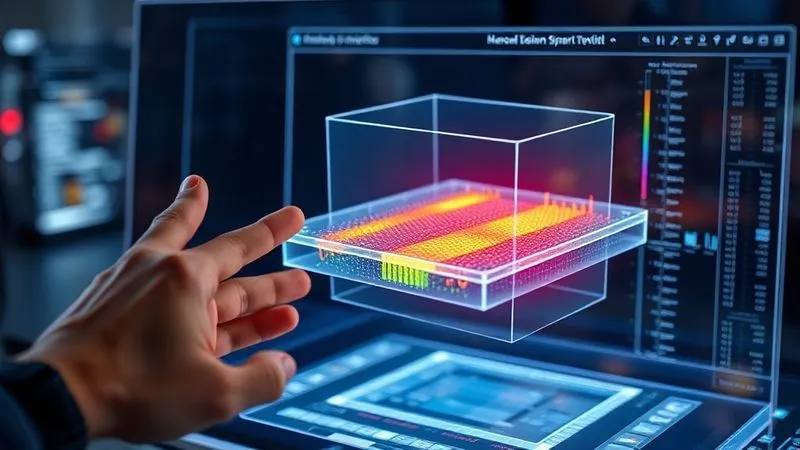
Computational tools are becoming increasingly sophisticated, allowing us to predict delamination risks with remarkable accuracy even before physical prototypes are made. Finite Element Analysis (FEA) and other simulation techniques can model stress distribution, material interactions, and potential failure points in multi-layer structures under various conditions. This allows designers to iterate and optimize their material choices and weave structures virtually, saving significant time and resources in the development process. The insights gained from these models are invaluable for refining designs and proactively addressing potential weak points, a true game-changer in how to prevent delamination in multi-layer smart textile weaves.
Frequently Asked Questions (FAQ)
What is the most common cause of delamination in flexible smart textiles? In my experience, the most common cause is a combination of material incompatibility (e.g., differing coefficients of thermal expansion or surface energies) and inadequate adhesion, often exacerbated by repeated mechanical stress (like bending or stretching) during use. Manufacturing inconsistencies, such as insufficient pressure during lamination or contaminants, also play a significant role. It's rarely a single factor but a confluence of issues.
Can specific weave patterns inherently prevent delamination better than others? Absolutely. While adhesives are crucial, advanced weave patterns like 3D weaving, through-thickness reinforcement using binder yarns, or strategically interlacing yarns between layers can create a robust mechanical interlock. This inherent structural integrity significantly reduces reliance on chemical bonds alone, making the textile far more resistant to peel and shear forces compared to simple plain or twill weaves.
How does moisture affect multi-layer smart textile delamination? Moisture is a major enemy of interlayer adhesion. It can plasticize polymer adhesives, reducing their strength, or penetrate the interface between layers, acting as a wedge. Furthermore, in some systems, moisture can facilitate chemical degradation or promote swelling of certain materials, leading to internal stresses that initiate or accelerate delamination. Designing with hydrophobic materials and effective encapsulation is critical.
Are there non-destructive testing methods to detect early signs of delamination? Yes, several advanced non-destructive testing (NDT) methods can detect incipient delamination. These include ultrasonic testing (UT), which uses sound waves to identify voids or discontinuities; thermography, which detects localized temperature changes indicative of flaws; and X-ray micro-computed tomography (micro-CT) for detailed 3D imaging of internal structures without damaging the textile. These methods are invaluable for quality control and predictive maintenance.
What role do surface treatments play in enhancing interlayer adhesion? Surface treatments are incredibly important. They modify the surface energy and topography of materials to improve their receptivity to adhesives. Techniques like plasma treatment, corona discharge, or chemical etching can clean surfaces, introduce polar functional groups, or create micro-roughness, all of which enhance the 'wetting' of the adhesive and promote stronger chemical or mechanical bonds at the interface. This is often a prerequisite for achieving optimal adhesion between challenging material pairs.
Key Takeaways and Final Thoughts
Preventing delamination in multi-layer smart textile weaves is not a singular challenge but a multi-faceted engineering endeavor. It demands a holistic approach, integrating expertise from material science, textile engineering, and manufacturing processes. As I've outlined, success hinges on:
- Strategic Material Selection: Prioritizing compatibility and utilizing advanced adhesion agents.
- Innovative Weave Design: Employing structures that mechanically interlock layers.
- Precision Manufacturing: Mastering controlled lamination and encapsulation techniques.
- Rigorous Quality Control: Implementing comprehensive testing protocols.
- User-Centric Design & Education: Accounting for real-world environments and empowering end-users.
The future of smart textiles is incredibly bright, and by proactively addressing the challenge of delamination, we can unlock their full potential. Embrace these strategies, continuously innovate, and never underestimate the power of meticulous attention to detail. Your commitment to durability will not only prevent failures but also build a foundation of trust and reliability for the next generation of textile innovation. The journey to truly resilient smart fabrics is an ongoing one, and I'm confident that with these insights, you're well-equipped to lead the way.
Recommended Reading
- 5 Proven Ways: How to Stop Odor Retention in Synthetic Activewear for Good
- 7 Essential Strategies: Differentiate Your New Womenswear Accessories Brand
- 7 Proven Steps: Authenticate High-Value Vintage Dresses for Resale
- 5 Steps: Sourcing Affordable Certified Organic Cotton for Small Batches
- Unlocking Mass Digital Fashion: 7 Strategies for Scalable Production


Your email address will not be published. Required fields are marked *