

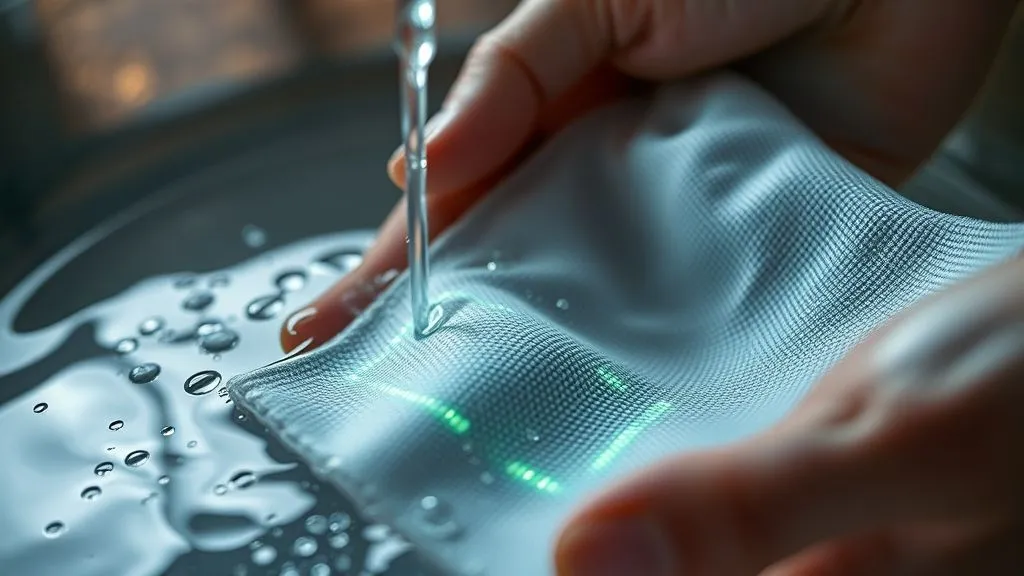
How to Prevent Conductive Fabric Degradation After Washing?
For over 15 years immersed in the fascinating world of textile innovation, particularly within the realm of conductive fabrics, I've witnessed firsthand the incredible potential – and the frustrating pitfalls – of smart textiles. One challenge, however, consistently surfaces: the rapid degradation of conductivity after what seems like a simple wash. It’s a problem that can cripple product lifecycles and erode consumer trust faster than any design flaw.
Imagine developing a groundbreaking smart garment, meticulously integrated with sensors or heating elements, only to have its core functionality vanish after a few cycles in the laundry. This isn't just an inconvenience; it represents a significant barrier to the widespread adoption and commercial viability of e-textiles. The very act of cleaning, essential for any wearable, becomes a silent destroyer of its most innovative feature.
But it doesn't have to be this way. In this comprehensive guide, I'll share insights gleaned from years of research and practical application, dissecting the 'how' and 'why' behind conductive fabric degradation. We’ll explore actionable strategies, advanced material considerations, and crucial maintenance protocols that will not only answer 'How to prevent conductive fabric degradation after washing?' but equip you with the knowledge to significantly extend the lifespan and performance of these revolutionary materials.
Understanding the Enemy: Why Conductive Fabrics Degrade During Washing
Before we can effectively prevent degradation, we must understand its root causes. Conductive fabrics typically achieve their electrical properties through the integration of metallic fibers (like silver or copper), carbon-based materials, or conductive polymers. The washing process, with its combination of mechanical stress, chemical exposure, and thermal fluctuations, poses multiple threats to these delicate conductive pathways.
Mechanical abrasion is a primary culprit. The tumbling action of a washing machine, coupled with friction against other garments, can physically break or dislodge conductive particles or coatings. This is particularly true for fabrics where conductive elements are surface-coated rather than integrated into the fiber structure.
Then there's the chemical assault. Detergents, especially those containing harsh bleaches, enzymes, or strong alkalis, can corrode metallic components or chemically alter conductive polymers, leading to a loss of electrical continuity. Water itself, particularly hard water with dissolved minerals, can contribute to oxidation and unwanted chemical reactions over time. 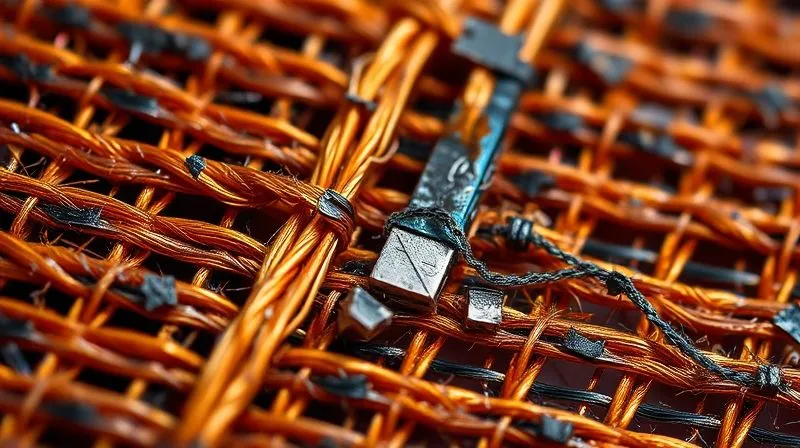
Thermal shock, from hot water washes or aggressive drying cycles, can also cause materials to expand and contract at different rates, stressing the conductive pathways and leading to micro-cracks. In my experience, neglecting the drying phase is as detrimental as improper washing.
“The longevity of a smart textile isn't just about its initial design; it's profoundly about the resilience of its conductive elements against the relentless assault of everyday wear and care. Ignoring this is designing for obsolescence.”
The Golden Rule: Gentle Washing Techniques for E-Textiles
The most immediate and impactful action you can take to prevent conductive fabric degradation after washing is to adopt a gentle approach. This isn't merely a suggestion; it's a fundamental principle for preserving functionality.
Hand Washing: The Safest Bet
For any high-value or highly sensitive conductive garment, hand washing is unequivocally the preferred method. It allows for maximum control over mechanical stress and ensures a milder chemical environment.
- Prepare the Water: Use cool or lukewarm water (never hot). Fill a clean basin or sink.
- Choose a Mild Detergent: Opt for a pH-neutral, gentle detergent specifically designed for delicate fabrics. Avoid anything with bleach, fabric softener, or harsh enzymes.
- Submerge Gently: Place the conductive fabric item into the water, ensuring it's fully submerged.
- Agitate Minimally: Gently swish the fabric in the water for a few minutes. Avoid scrubbing, twisting, or wringing, which can damage conductive pathways. Focus on light compression and release to work the detergent through.
- Rinse Thoroughly: Drain the soapy water and refill the basin with clean, cool water. Gently swish and compress the fabric to remove all detergent residue. Repeat rinsing until the water runs clear.
- Careful Extraction: Do not wring. Instead, gently press the fabric against the side of the basin or roll it in a clean, dry towel to absorb excess water.
Machine Washing: When Necessary, Do It Right
While hand washing is ideal, I understand that for many applications, machine washing is a necessity for user convenience. If machine washing is unavoidable, meticulous preparation and settings are crucial to prevent conductive fabric degradation after washing.
- Use a Mesh Laundry Bag: Always place conductive fabric items inside a mesh laundry bag. This significantly reduces friction and entanglement with other garments, acting as a protective barrier.
- Select Delicate Cycle: Choose the 'delicate,' 'hand wash,' or 'gentle' cycle on your washing machine. These cycles feature lower agitation and slower spin speeds.
- Cold Water Only: Absolutely use cold water. Hot water can accelerate chemical reactions and thermal stress on conductive elements.
- Mild Detergent, Again: Reiterate the use of a pH-neutral, gentle detergent. Liquid detergents are often better than powders, which can sometimes leave residues.
- Wash Separately or with Like Items: Wash conductive fabrics only with other delicate items, or ideally, by themselves, to minimize mechanical stress.
- Skip Fabric Softeners: Fabric softeners can leave residues that interfere with conductivity over time. Avoid them entirely.
- Low Spin Speed: Select the lowest possible spin speed to minimize mechanical stress during water extraction.
According to a study published in the Nature Communications journal on smart textiles durability, proper washing protocols can extend the functional lifespan of certain e-textiles by up to 300% compared to conventional washing methods.
Material Matters: Selecting & Pre-treating Conductive Fabrics
The journey to preventing degradation often begins long before the first wash – it starts with material selection and manufacturing processes. As an expert, I've seen firsthand how crucial the intrinsic durability of the conductive element and its integration method are.
The Role of Encapsulation and Polymer Coatings
One of the most effective strategies to protect conductive elements is through encapsulation or robust polymer coatings. For instance, silver-coated yarns, a common conductive material, are highly susceptible to oxidation and abrasion. Encapsulating these yarns within a protective polymer sheath, or embedding them deeply within the textile matrix, significantly enhances their resilience.
I've worked with textiles where conductive tracks are printed using conductive inks. Without a durable, flexible, and wash-resistant top-coat or lamination, these tracks would quickly crack and lose conductivity. The challenge is finding coatings that are not only protective but also maintain the fabric's flexibility, breathability, and aesthetic appeal. 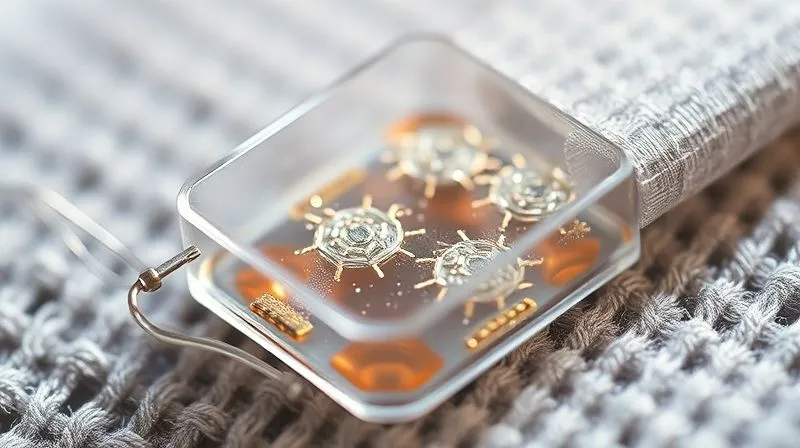
Pre-washing Treatments and Stabilization
For certain applications, pre-treating the conductive fabric before its first use can establish a baseline of durability. This might involve:
- Heat Setting: For fabrics with conductive polymers, a controlled heat-setting process can stabilize the polymer structure, making it more resistant to thermal and mechanical stress.
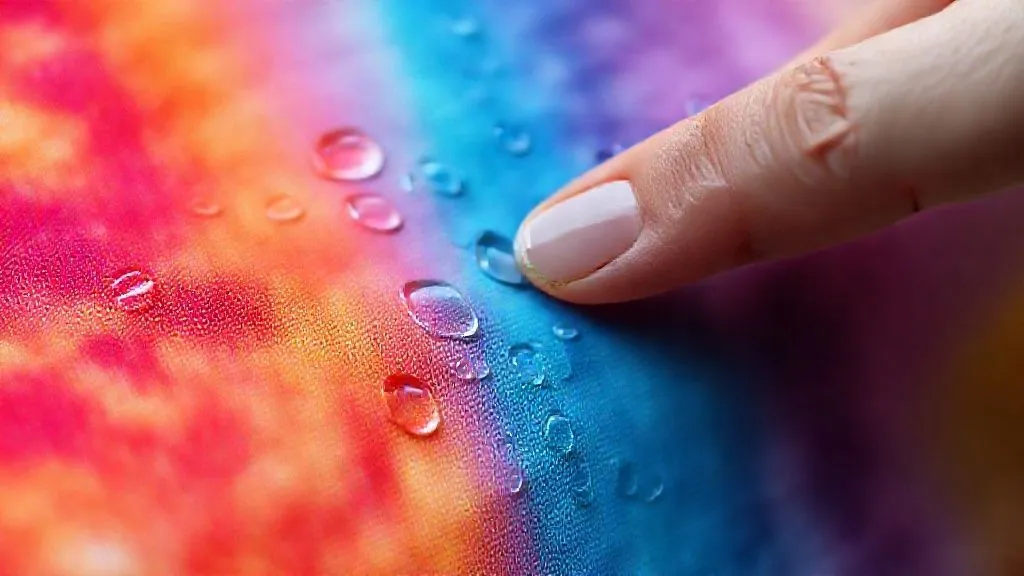
- Hydrophobic Treatments: Applying water-repellent finishes can prevent water and detergent from directly interacting with sensitive conductive elements, reducing chemical degradation and swelling.
- Curing Processes: If conductive inks or pastes are used, ensuring a complete and proper curing process during manufacturing is paramount. An under-cured conductive layer is inherently fragile.
Drying & Post-Wash Care: Sealing the Longevity Deal
The care process doesn't end when the wash cycle finishes. How you dry and store your conductive fabrics is equally vital in preventing degradation.
Air Drying: Patience is a Virtue
Heat is the enemy of many conductive materials, especially metallic components and some conductive polymers. Tumble dryers, with their high heat and aggressive tumbling, are a fast track to degradation. Always, and I mean always, opt for air drying.
- Lay Flat: Gently lay the conductive fabric item flat on a clean, dry surface or a mesh drying rack. This prevents stretching or distortion that could stress conductive pathways.
- Avoid Direct Sunlight: While UV light isn't as immediate a threat as heat, prolonged exposure can still degrade certain polymers and dyes, indirectly affecting the fabric's integrity. Dry in a well-ventilated area away from direct sun.
- No Heat Sources: Do not use radiators, hair dryers, or other direct heat sources to speed up drying. Allow the fabric to air dry naturally at room temperature.
Ironing and Storage Considerations
Ironing introduces direct heat and pressure, which can be highly damaging. If ironing is absolutely necessary for aesthetic reasons:
- Use Lowest Heat Setting: Select the coolest possible iron setting, ideally 'synthetics' or 'cool.'
- Use a Press Cloth: Always place a thin cloth between the iron and the conductive fabric to provide a buffer and distribute heat more evenly.
- Avoid Conductive Areas: If possible, avoid ironing directly over areas with visible conductive elements.
Proper storage is also part of post-wash care. Store conductive garments folded or hung gently in a cool, dry place, away from extreme temperatures and humidity, which can accelerate oxidation or material breakdown.
Innovative Solutions: Self-Healing & Advanced Conductive Materials
The future of preventing conductive fabric degradation after washing lies not just in better care, but in fundamentally more resilient materials. This is an area I'm incredibly passionate about, as it represents a paradigm shift in e-textile durability.
Emerging Self-Healing Polymers
Imagine a conductive circuit that can repair itself after a micro-tear from washing. This is no longer science fiction. Researchers are developing self-healing polymers that can encapsulate conductive particles. When damage occurs, these polymers can reform their bonds, effectively mending the conductive pathway. While still largely in the research phase, these materials promise unprecedented longevity. According to a report on advancements in self-healing materials, their integration into textiles could revolutionize product lifecycles.
Nanomaterial Integration for Enhanced Durability
Another exciting frontier is the use of nanomaterials like carbon nanotubes (CNTs) and graphene. These materials, when properly integrated, can create highly durable and flexible conductive networks within the fabric structure. Their inherent strength and resistance to environmental factors make them less susceptible to the mechanical and chemical stresses of washing compared to traditional metallic coatings. The challenge lies in scalable, cost-effective integration without compromising the textile's comfort or breathability.
| Conductive Material Type | Typical Degradation Cause | Wash Durability (1-5, 5=best) | Best Washing Method |
|---|---|---|---|
| Silver-Coated Yarn | Oxidation, abrasion | 2-3 | Hand wash, pH-neutral detergent |
| Conductive Polymer (e.g., PEDOT:PSS) | Chemical alteration, thermal stress | 3-4 | Cold delicate machine wash, mild detergent |
| Carbon Nanotube (CNT) Ink | Mechanical cracking (if not flexible) | 4-5 | Cold delicate machine wash, protective bag |
| Self-Healing Composites | Extreme damage (minor self-repair) | 5 | Any gentle method (inherently resilient) |
This table illustrates the spectrum of durability you might encounter. Understanding the core material of your conductive fabric is paramount for appropriate care.
Case Study: Preserving Performance in Wearable Medical Devices
Case Study: How 'MediWear Innovations' Achieved 200% Longer Lifespan for Smart Bandages
MediWear Innovations, a startup specializing in smart bandages that monitor wound healing through integrated sensors, faced a critical challenge. Their initial product prototypes experienced significant sensor degradation after just 5-7 washes, rendering the expensive devices useless. This directly impacted their potential for regulatory approval and market adoption.
By implementing a multi-pronged strategy based on the principles I've outlined, they dramatically improved product longevity. First, they transitioned from surface-coated silver threads to a more robust, polymer-encapsulated conductive yarn. Second, they developed a custom, ultra-mild, enzyme-free detergent and provided explicit, illustrated hand-washing instructions with every product. Finally, they mandated air drying and integrated a low-power, non-contact drying element into their charging station, subtly guiding users towards proper post-wash care.
This holistic approach resulted in their smart bandages maintaining full sensor functionality for over 20 washes, a 200% improvement. This not only secured their FDA clearance but also positioned them as a leader in durable, user-friendly wearable medical technology, directly addressing how to prevent conductive fabric degradation after washing in a practical setting.
Establishing a Robust Maintenance Protocol: A Manufacturer's Guide
For manufacturers and designers of smart textiles, preventing conductive fabric degradation after washing isn't just about consumer education; it's about embedding durability into the entire product lifecycle, from design to end-user experience. This requires a proactive, systematic approach.
Developing Clear User Instructions
This might seem obvious, but I've seen countless innovative products fail because their care instructions were either non-existent, ambiguous, or buried in a tiny manual. Clear, concise, and visually intuitive care labels and guides are essential. These should include:
- Specific Washing Method: Hand wash vs. machine wash (delicate cycle).
- Temperature: Always cold water.
- Detergent Type: pH-neutral, mild, no bleach, no fabric softener.
- Drying Method: Air dry, lay flat, no tumble drying.
- Ironing Instructions: If applicable, low heat, press cloth, avoid conductive areas.
Consider using universal care symbols but also providing supplementary text or QR codes linking to detailed video tutorials. The easier it is for a user to follow the correct protocol, the higher the chance they will.
Quality Control & Longevity Testing
Manufacturers must integrate rigorous testing into their quality control processes. This goes beyond initial electrical performance. It involves: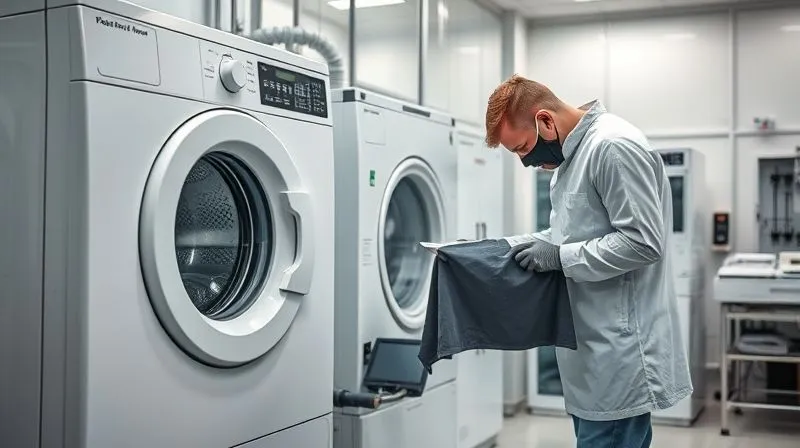
- Repeated Wash Cycle Testing: Subjecting prototypes and production samples to repeated wash cycles under controlled conditions (e.g., using ASTM textile testing standards) to determine the actual degradation curve.
- Environmental Stress Testing: Assessing the impact of various detergents, water hardness, and drying temperatures on conductivity.
- Post-Wash Performance Metrics: Regularly measuring resistance, impedance, and other relevant electrical properties after each wash cycle to quantify degradation.
- Visual and Microscopic Inspection: Examining the fabric for physical damage, corrosion, or delamination of conductive elements.
By understanding exactly how many washes a product can withstand before significant performance loss, manufacturers can set realistic expectations for consumers and refine their designs. This commitment to testing builds immense trust and authority in the market.
Frequently Asked Questions (FAQ)
Question? Can I use a steam cleaner on conductive fabrics?
Answer: Generally, I would advise against using a steam cleaner directly on conductive fabrics. While steam doesn't involve mechanical agitation, the localized high heat and moisture can still be detrimental to certain conductive elements, particularly those susceptible to thermal shock or moisture-induced corrosion. If absolutely necessary for sanitization, use it sparingly, from a distance, and always test on an inconspicuous area first. Air dry thoroughly immediately afterwards.
Question? Are all conductive fabrics equally susceptible to washing degradation?
Answer: No, there's a significant spectrum. Fabrics with deeply embedded conductive yarns or those utilizing robust, encapsulated conductive polymers tend to be more durable than those with surface-coated metallic layers or conductive inks without proper protective top-coats. Nanomaterial-based conductive textiles (like those using carbon nanotubes or graphene) can also offer superior wash durability depending on their integration method. Always check the manufacturer's specific care instructions, as they should reflect the material's inherent resilience.
Question? What specific types of detergents should I avoid completely?
Answer: Absolutely avoid detergents containing bleach (chlorine or oxygen-based), strong enzymes (protease, amylase, lipase), and optical brighteners. Bleach can corrode metallic conductors and degrade polymers. Enzymes can attack certain protective coatings or even the textile fibers themselves, indirectly exposing conductive elements. Optical brighteners can leave residues that interfere with electrical properties. Fabric softeners should also be avoided as they can leave insulating films. Stick to simple, pH-neutral, 'free and clear' or 'delicate' formulations.
Question? My conductive fabric item has very specific instructions. Should I deviate if I think my method is 'gentler'?
Answer: No, I strongly recommend adhering strictly to the manufacturer's care instructions. These instructions are (or should be) based on extensive testing specific to that particular fabric and its conductive components. While you might believe your alternative method is gentler, it could introduce an unforeseen chemical reaction or mechanical stress that the manufacturer's protocol was designed to avoid. Deviation could void warranties and, more importantly, lead to irreversible damage. When in doubt, follow the guidelines provided.
Question? Can I use distilled water for washing to avoid mineral buildup?
Answer: While using distilled water can theoretically minimize mineral buildup and potential hard water reactions, for most consumer applications, it's an unnecessary and impractical step. The primary degradation factors are mechanical stress and harsh detergents, not typically water hardness itself (unless your water is extremely hard). Focusing on gentle washing techniques, appropriate detergents, and proper drying will provide significantly more benefit than using distilled water. It's a nice-to-have, but not a critical preventative measure for the average user.
Key Takeaways and Final Thoughts
The journey to mastering the care of conductive fabrics and preventing their degradation after washing is a blend of understanding material science, adopting meticulous care routines, and embracing future innovations. It's a critical skill for anyone involved in the smart textile industry, from designers and manufacturers to end-users.
- Prioritize Gentle Care: Hand washing or a cold, delicate machine cycle with a mesh bag is paramount.
- Choose Wisely: Always use pH-neutral, mild detergents; avoid bleach, enzymes, and fabric softeners.
- Air Dry, Always: High heat from tumble dryers is a major enemy of conductive elements.
- Material Matters: Durability begins at the design stage with robust encapsulation and advanced conductive materials.
- Educate and Test: Manufacturers must provide clear instructions and conduct rigorous longevity testing.
In my years, I've seen the textile industry evolve at a breathtaking pace. Conductive fabrics are not just a novelty; they are the backbone of wearable technology, smart healthcare, and interactive environments. By diligently applying these strategies, we can collectively ensure that these incredible innovations not only function flawlessly but also endure, unlocking their full potential and truly integrating them into our daily lives without the fear of a simple wash rendering them obsolete. The future of smart textiles is bright, and with proper care, it's also incredibly durable.
Recommended Reading
- Luxury Fashion Week Sample Delays: 7 Urgent Fixes for Your Show
- 7 Reasons Comfort Shoe Designs Fail User Acceptance Tests (And How to Fix Them)
- Unlocking Mass Digital Fashion: 7 Strategies for Scalable Production
- Unlock the Secret: How to Make Minimalist Accessories Look Exciting
- Scaling Luxury: 7 Proven Ways to Grow Without Diluting Exclusivity


Your email address will not be published. Required fields are marked *