


How to Predict Demand for Luxury Evening Gloves Post-Pandemic?
For over 15 years in the luxury accessories market, I've witnessed firsthand how quickly consumer desires can shift, often leaving even the most established brands scrambling. From the rise of minimalist aesthetics to the sudden embrace of maximalism, the fashion industry is a constant dance of evolution. Yet, nothing prepared us quite like the seismic shift brought on by the global pandemic, especially for niche, occasion-specific items like luxury evening gloves.
The core problem many luxury brands face today isn't just about recovering lost ground; it's about navigating a fundamentally altered landscape. Events were cancelled, formalwear became obsolete overnight, and the very concept of 'dressing up' transformed. Now, as the world reopens, there's a palpable tension between a desire for celebration and a lingering sense of caution, making the demand for items like exquisite evening gloves incredibly difficult to forecast.
In this definitive guide, I will share the actionable frameworks, real-world insights, and expert strategies I've developed and observed to help you accurately predict demand for luxury evening gloves in this complex post-pandemic era. We'll move beyond guesswork, delving into data, consumer psychology, and market dynamics to equip you with the foresight needed to thrive.
Understanding the Shifting Sands: The Post-Pandemic Luxury Consumer
The consumer who emerges from the pandemic is not the same one who went into it. Their values, priorities, and spending habits have been recalibrated. For luxury evening gloves, this means a nuanced understanding of their motivations is paramount.
The Hybrid Event Landscape
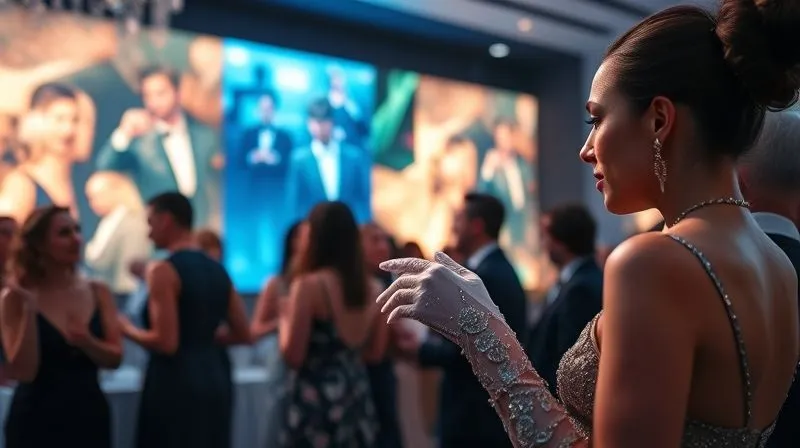
While large-scale galas and red-carpet events are certainly making a comeback, we're also seeing a proliferation of smaller, more intimate gatherings, often blending physical and virtual elements. This hybrid event landscape impacts the frequency and type of formalwear purchased. Consumers might invest in fewer, but more significant, pieces that offer versatility or a profound sense of occasion.
The Rise of 'Revenge Dressing' and Conscious Consumption
On one hand, there's a palpable desire for 'revenge dressing' – a celebratory return to glamour, opulence, and dressing up after years of loungewear. This phenomenon can drive spikes in demand for statement pieces. On the other hand, a growing segment of luxury consumers is more conscious than ever about sustainability, ethical sourcing, and the longevity of their purchases. They seek pieces with a story, enduring quality, and a reduced environmental footprint. Balancing these two powerful, sometimes conflicting, consumer drivers is key to predicting demand for luxury evening gloves post-pandemic.
"The post-pandemic luxury consumer isn't just buying a product; they're investing in an experience, a statement, and increasingly, a value system. Understanding this deeper connection is the bedrock of accurate demand prediction."
Leveraging Data Analytics: Beyond Basic Sales Reports
In my experience, relying solely on historical sales data for a category as volatile as luxury evening gloves post-pandemic is a recipe for miscalculation. We need to expand our data horizons significantly.
Deep Dive into Historic Sales Data & Event Calendars
Yes, historical data is a starting point, but it needs a critical lens. Analyze sales spikes corresponding to major pre-pandemic events (Oscars, Met Gala, specific charity balls). Cross-reference this with local and international event calendars for the coming year. Look for patterns in lead times – how far in advance do consumers purchase these items before a major event?
Social Listening & Sentiment Analysis for Niche Trends
This is where the real gold is. Monitor social media platforms, fashion blogs, and luxury forums for discussions around formalwear, specific designers, and upcoming events. Tools for sentiment analysis can help gauge the mood: Is there excitement for a particular style? Are consumers expressing a desire for more sustainable options? Are certain celebrities or influencers driving conversations around gloves?
- Identify Key Hashtags: Research hashtags related to 'evening gloves', 'red carpet fashion', 'gala attire', 'luxury accessories', and specific event names.
- Track Influencer Engagement: Monitor fashion influencers (especially micro and nano influencers who have highly engaged niche audiences) who showcase formalwear.
- Analyze Comment Sections: Dive into comments on relevant posts. What questions are people asking? What desires are they expressing?
- Utilize Sentiment Analysis Tools: Employ AI-powered tools to categorize mentions as positive, negative, or neutral, helping you understand overall public perception and emerging trends.
- Look for Visual Cues: Pay attention to the types of gloves (lengths, materials, embellishments) being featured and celebrated.
According to a recent Deloitte report on the Global Powers of Luxury Goods, digital engagement and direct-to-consumer channels are increasingly crucial for understanding and responding to evolving luxury consumer preferences. This underscores the importance of robust social listening.
| Data Source | Utility for Gloves | Limitations |
|---|---|---|
| Historical Sales Data | Baseline for pre-pandemic patterns, identify seasonal peaks | Doesn't account for new behaviors or event types |
| Social Listening & Sentiment Analysis | Real-time trend spotting, consumer desire, influencer impact | Can be noisy, requires sophisticated tools to filter irrelevant data |
| Economic Indicators | Macro-level spending confidence, luxury market health | Doesn't predict specific product demand directly |
| Event Calendars (Global/Local) | Direct correlation to occasion-based demand | Events can be cancelled or scaled down unexpectedly |
The Power of Micro-Influencers and Community Insights
In the highly specialized world of luxury evening gloves, broad-reach macro-influencers might not always be the most effective. Instead, I've found immense value in the insights gleaned from micro-influencers and dedicated online communities.
Identifying Key Opinion Leaders (KOLs) in Formalwear
Look for individuals who genuinely love and advocate for formal fashion, bespoke tailoring, and sophisticated accessories. These KOLs often have smaller, but intensely loyal and engaged, followings. They are trusted sources within their niche, and their endorsements or even casual mentions can significantly sway purchasing decisions for discerning luxury buyers. Partnering with them for qualitative insights or limited collaborations can offer invaluable foresight into demand.
Engaging with Niche Fashion Forums & Online Communities
Beyond social media, there are dedicated forums, subreddits, and private groups focused on luxury fashion, vintage accessories, or specific formal events. These communities are treasure troves of genuine opinions, wish lists, and discussions about what people are looking for. Engaging respectfully, not just promoting, can provide a direct line to understanding evolving demand and unmet needs. I've seen brands gain significant traction by simply listening and then responding with relevant offerings that directly address these community discussions.
Supply Chain Agility: Responding to Evolving Demand
Predicting demand is only half the battle; the other half is having a supply chain nimble enough to respond. The pandemic exposed vulnerabilities, and for luxury items with long lead times and artisanal craftsmanship, this is particularly critical.
Forecasting with Flexible Manufacturing & Inventory Models
Gone are the days of rigid, annual production schedules for highly specific items. Implement a more flexible manufacturing model that allows for smaller, more frequent production runs based on updated demand forecasts. Consider 'made-to-order' or 'pre-order' options for very high-end, bespoke pieces, which also helps mitigate inventory risk and gauge genuine interest. This approach demands close collaboration with your ateliers and material suppliers.
The Importance of Ethical Sourcing and Transparency
As consumer consciousness rises, so does the demand for transparent and ethical supply chains. For luxury evening gloves, this means knowing the origin of the leather, silk, or embellishments, and ensuring fair labor practices. Brands that can authentically communicate their commitment to these values will build greater trust and loyalty, which in turn can influence purchasing decisions. This isn't just a trend; it's a fundamental shift in luxury consumer expectation.
Case Study: How 'Lumière Handwear' Pivoted for Post-Pandemic Success
Lumière Handwear, a boutique luxury glove maker, faced near-collapse in early 2020. Their traditional model relied on large seasonal orders from department stores for galas and opera season. Recognizing the shift, they implemented a two-pronged strategy. First, they dramatically reduced their minimum order quantities with their artisans, allowing for more frequent, smaller batches. Second, they launched an exclusive 'Pre-Order Atelier' online, showcasing upcoming designs for a limited time, requiring a deposit. This not only provided crucial capital but, more importantly, gave them real-time demand signals. By monitoring pre-orders and social media buzz, they accurately predicted a strong resurgence for embellished, opera-length gloves by late 2021, allowing them to scale production precisely. This resulted in zero overstock for their top-tier products and a 40% increase in direct-to-consumer sales in 2022 compared to pre-pandemic levels.
Retail Strategy Evolution: Blending Digital & Experiential
The retail landscape for luxury accessories has been irrevocably altered. A seamless integration of digital convenience and unparalleled in-person experiences is no longer optional.
Elevating the Online Experience: Virtual Try-ons & Personalization
For items like gloves, fit and drape are crucial. Investing in augmented reality (AR) virtual try-on experiences can significantly reduce returns and boost confidence in online purchases. Furthermore, personalized online consultations with stylists who can guide customers through sizing, materials, and styling options can replicate the bespoke service of a physical boutique. This level of digital engagement helps capture demand from a wider, geographically dispersed audience.
The Resurgence of Bespoke & In-Store Consultations
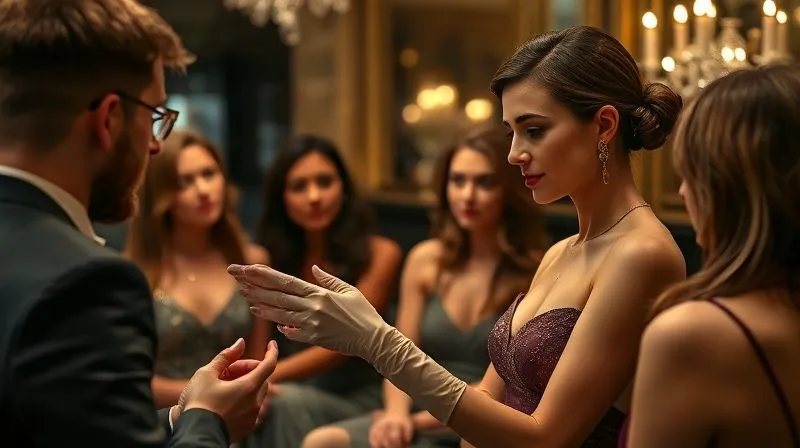
Conversely, as people crave authentic human connection and unique experiences, the allure of the physical store or atelier is stronger than ever. Offering private appointments, bespoke fitting services, or even 'glove styling' workshops can create memorable experiences that drive demand. These high-touch interactions not only lead to sales but also provide invaluable qualitative data on customer preferences and emerging trends. As Harvard Business Review recently highlighted, luxury brands are increasingly focusing on creating 'destination experiences' within their physical retail spaces.
Economic Indicators & Global Event Calendars: Macro-Level Forecasting
While granular data is essential, we cannot ignore the larger economic tides and cultural currents that influence luxury spending.
Tracking Luxury Spending Indices & Consumer Confidence
Keep a close eye on global and regional economic indicators relevant to luxury consumption. Reports from financial institutions, luxury market analysts, and even consumer confidence surveys can signal periods of increased or decreased discretionary spending. A buoyant stock market, for instance, often correlates with higher luxury sales. Conversely, economic downturns or uncertainties can lead to a contraction in this highly sensitive market segment.
Monitoring Major Cultural Events & Awards Seasons
The demand for luxury evening gloves is intrinsically linked to formal events. Create a comprehensive calendar of major global and regional events: film festivals (Cannes, Venice), awards ceremonies (Oscars, Golden Globes, Met Gala), royal events, significant charity balls, and even high-profile cultural performances (opera, ballet openings). These events not only create direct demand but also generate significant media buzz that influences broader fashion trends. Proactively identifying these dates allows for targeted marketing campaigns and inventory preparation.
| Economic Indicator | Impact on Gloves |
|---|---|
| Luxury Consumer Confidence Index | Direct correlation with willingness to spend on high-end occasion wear |
| High Net Worth Individual (HNWI) Growth | Indicates potential market size for ultra-luxury items |
| Global GDP Growth Rates | General economic health influencing discretionary spending |
| Interest Rates & Inflation | Can affect consumer purchasing power and investment in luxury |
Scenario Planning: Preparing for Multiple Futures
The one certainty in the post-pandemic world is uncertainty. Therefore, robust scenario planning is not just a strategic exercise; it's a necessity for predicting demand for luxury evening gloves.
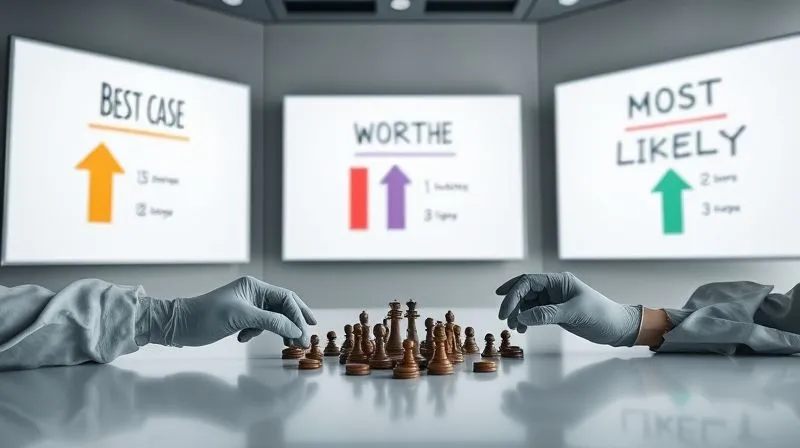
Developing Best-Case, Worst-Case, and Most-Likely Scenarios
Instead of a single forecast, develop three distinct scenarios for the next 12-24 months:
- Best-Case: Rapid economic recovery, full return of large-scale events, strong consumer confidence leading to 'revenge spending' on luxury occasion wear.
- Worst-Case: Economic recession, resurgence of health concerns limiting events, continued shift towards casualization, leading to subdued demand.
- Most-Likely: A hybrid scenario with gradual recovery, a mix of intimate and larger events, and a sustained focus on conscious consumption alongside celebratory spending.
For each scenario, outline the potential impact on evening glove demand, preferred styles, and price points. This allows for proactive resource allocation and risk mitigation.
Building Contingency Plans for Inventory and Marketing
Once scenarios are defined, develop specific contingency plans. If the best-case scenario materializes, how quickly can you scale up production of specific glove styles? If the worst-case occurs, what marketing messages will resonate (e.g., emphasizing timelessness, investment pieces) and how can inventory be managed without heavy discounting? As Forbes often emphasizes, agility and preparedness are critical for business resilience.
The Ethical & Sustainable Imperative: A Driving Force
I cannot stress enough the growing importance of ethical and sustainable practices in the luxury market. This isn't just a trend; it's becoming a non-negotiable expectation for a significant segment of high-net-worth consumers.
Consumer Preference for Responsible Luxury
Today's luxury buyer, especially the younger demographic, is increasingly scrutinizing brands for their environmental and social impact. For luxury evening gloves, this translates to questions about the sourcing of materials (e.g., responsibly farmed silk, ethically sourced leather alternatives), the craftsmanship process (fair wages, safe working conditions), and the product's longevity. Brands that can demonstrably prove their commitment to responsible luxury will gain a competitive edge and predict stronger demand from this segment.
Marketing Authenticity and Craftsmanship
Beyond simply having ethical practices, it's crucial to communicate them authentically. Share the stories behind your materials, highlight the skilled artisans who handcraft each pair of gloves, and emphasize the enduring quality that makes your product a worthwhile investment. This narrative of authenticity and heritage resonates deeply with conscious luxury consumers and can significantly influence their purchasing decisions, moving them from transient trends to timeless pieces. This approach taps into the desire for meaningful consumption, even in the realm of occasion wear.

Frequently Asked Questions (FAQ)
Question: How quickly can demand for luxury evening gloves shift, and how do I react? Demand for niche luxury items can shift surprisingly quickly, often influenced by celebrity appearances, major cultural events, or even viral social media moments. The key to reacting swiftly is having a flexible supply chain (as discussed), real-time social listening in place, and pre-planned marketing contingencies. Think in terms of micro-seasons rather than broad annual cycles.
Question: Are specific materials or styles of luxury evening gloves more resilient to market fluctuations? In my experience, classic, timeless styles crafted from exceptionally high-quality, durable materials (e.g., fine kid leather, silk satin) tend to hold demand better. However, post-pandemic, we're seeing a strong pull towards 'statement' gloves – those with unique embellishments, vibrant colors, or unusual lengths – as part of 'revenge dressing.' Balancing a core collection of classics with limited-edition, trend-responsive pieces is a smart strategy.
Question: How important is pricing strategy when predicting demand for luxury evening gloves? Pricing is always critical in luxury. For these items, it's less about being 'cheap' and more about perceived value, exclusivity, and craftsmanship. Post-pandemic, consumers are discerning. They might be willing to pay a premium for a truly exceptional, ethically made piece that tells a story, rather than a mass-produced item. Your pricing should reflect your brand's unique value proposition and target demographic's willingness to invest.
Question: Should I focus more on online or in-store sales channels for luxury evening gloves post-pandemic? The most effective strategy is a seamless omnichannel approach. While the convenience of online shopping is undeniable, the tactile, experiential nature of luxury often benefits from in-store consultations or bespoke services. Online channels broaden your reach and allow for data collection, while physical spaces offer unparalleled brand immersion and personalized service. Each channel informs and enhances the other.
Question: What role do partnerships play in predicting and driving demand for luxury evening gloves? Strategic partnerships are invaluable. Collaborating with complementary luxury brands (e.g., high-end formalwear designers, jewelry houses), event planners, or even luxury concierge services can open new distribution channels and provide early insights into upcoming events and client needs. These partnerships can also amplify your brand's reach and authority within the luxury ecosystem.
Key Takeaways and Final Thoughts
Predicting demand for luxury evening gloves in the post-pandemic era is undoubtedly complex, but it's far from an insurmountable challenge. It requires a blend of astute observation, data-driven analysis, and a deep, empathetic understanding of the evolving luxury consumer. Here are the critical takeaways:
- Know Your New Consumer: Understand the duality of 'revenge dressing' and conscious consumption.
- Embrace Diverse Data: Go beyond sales figures to include social listening, sentiment analysis, and macro-economic indicators.
- Cultivate Niche Insights: Leverage micro-influencers and dedicated online communities for genuine foresight.
- Build an Agile Supply Chain: Implement flexible manufacturing and inventory models to respond swiftly.
- Master the Omnichannel: Blend elevated digital experiences with compelling in-store interactions.
- Plan for Scenarios: Develop best-case, worst-case, and most-likely scenarios with contingency plans.
- Prioritize Ethics & Authenticity: Responsible luxury is not a trend; it's a core expectation that drives demand.
The luxury market has always rewarded foresight and adaptability. By adopting these strategies, you're not just predicting demand; you're actively shaping your brand's future, ensuring that your exquisite luxury evening gloves find their place on the hands of discerning clients who value beauty, craftsmanship, and a return to the art of dressing up. The future is bright for those willing to look beyond the obvious and truly understand the pulse of luxury.
Recommended Reading
- 7 Steps to Ensure Structural Integrity for Large-Scale Wearable Art Jewelry
- The Secret to Effortless Sophistication: How to Infuse Timeless Elegance into Casual Wear
- Unlock the Secret: How to Make Unique Jewelry Designs Truly Stand Out
- 7 Ways High Fashion Magazines Balance Print Heritage & Digital Growth
- Mastering Costume Longevity: 7 Ways to Beat Stage Lighting Damage




Your email address will not be published. Required fields are marked *