


How to pivot from stagnant formal dress styles in a casual market?
For over two decades immersed in the dynamic world of womenswear, I've witnessed countless brands, both heritage and nascent, grapple with seismic shifts in consumer behavior. One of the most profound, and often most challenging, has been the relentless march towards casualization. I've seen brands cling to their traditional formalwear lines, watching their relevance dwindle, while others embraced change and soared.
The problem is clear: the classic 'power suit' and the highly structured cocktail dress, once staples, now feel out of sync with a world that prioritizes comfort, versatility, and authenticity. Women today need wardrobes that move with them, from a remote work call to a casual brunch, from a relaxed office environment to an evening out, without feeling overdressed or underprepared. Sticking to stagnant formal dress styles in this casual-first market isn't just a missed opportunity; it's a direct path to obsolescence.
But despair not. This isn't a eulogy for elegance; it's a blueprint for its evolution. In this definitive guide, I'll share the actionable frameworks, market insights, and design strategies I've cultivated over years to help your brand not just survive, but thrive, by expertly navigating how to pivot from stagnant formal dress styles in a casual market. We'll explore everything from fabric innovation to strategic marketing, ensuring your womenswear resonates deeply with the modern consumer.
Understanding the Causal Shift: Why Formal is Fading
To effectively pivot, we must first understand the underlying currents that have eroded the demand for traditional formalwear. This isn't a fleeting trend; it's a fundamental recalibration of how women dress, driven by profound societal and economic shifts.
The Remote Work Revolution and Lifestyle Changes
The global pandemic accelerated a trend that was already simmering: remote and hybrid work. For many, the daily commute became a walk to the home office, and the need for rigid office attire evaporated. This wasn't just about comfort; it was about a lifestyle shift. Women found themselves juggling professional responsibilities with family life, personal wellness, and community engagement, often within the same day and sometimes even the same physical space. The clothes needed to support this multifaceted existence.
According to a McKinsey report on the future of work in fashion, the shift to hybrid models has fundamentally altered consumer expectations around comfort and versatility. This has created a vacuum for formalwear that traditional designs simply cannot fill. It's no longer about looking 'business-like' in a rigid sense, but about projecting competence and confidence while feeling at ease.
The Rise of Comfort and Versatility
Beyond work, our leisure activities have also become more integrated with our everyday lives. Athleisure wear, once confined to the gym, bled into daily errands, travel, and even casual social gatherings. This wasn't just about leggings and hoodies; it was about the underlying principles of comfort, stretch, and ease of movement. Consumers, having experienced this unparalleled comfort, are unwilling to compromise on it, even for more 'dressed-up' occasions.
The modern woman needs a wardrobe that works as hard as she does, seamlessly transitioning from one role to the next without a wardrobe change. Adaptability isn't a luxury; it's an expectation.
The demand is for garments that can be dressed up or down, layered, mixed-and-matched, and most importantly, feel good against the skin. This means a move away from restrictive fabrics and silhouettes towards fluid designs that offer both elegance and effortless wearability.
Deconstructing "Formal": What Does Modern Elegance Look Like?
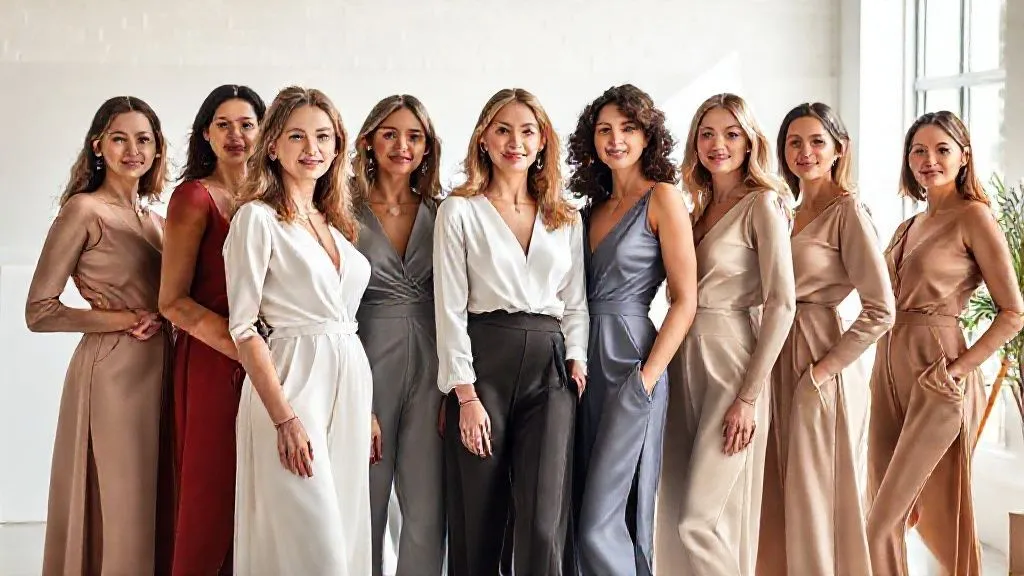
The term "formal" itself needs a serious re-evaluation. It no longer implies stiff, structured, or uncomfortable. Modern elegance is about sophisticated ease, intentional design, and a quiet confidence that doesn't scream for attention. It's an aesthetic that values quality, drape, and subtle detailing over ostentation.

Beyond the Power Suit: Redefining Professionalism
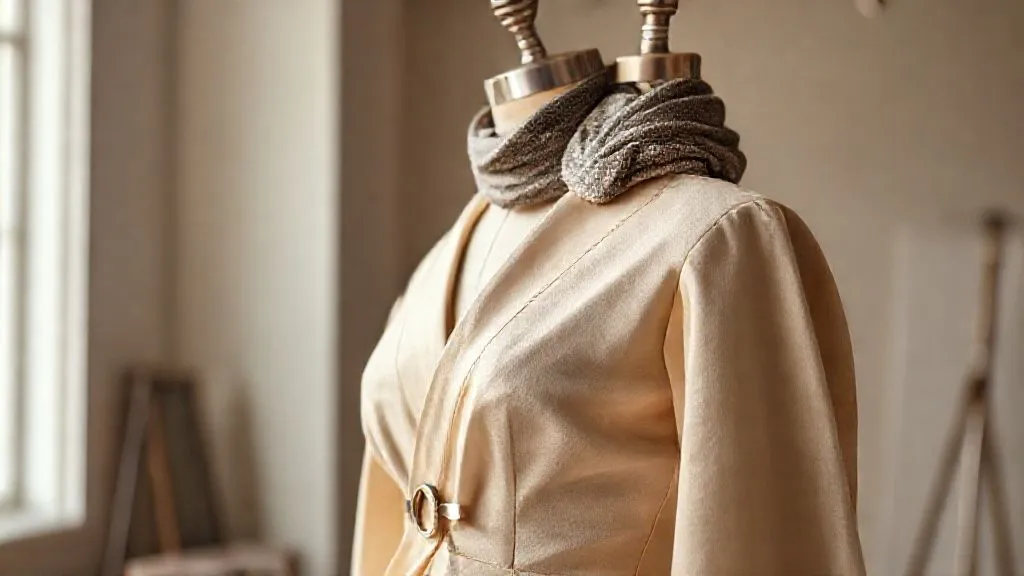
The iconic power suit, while still having its place, is no longer the sole arbiter of professionalism. Today's professional look is far more nuanced. It embraces elements like elevated knitwear – think fine gauge merino wool or cashmere blends in sophisticated silhouettes – and relaxed tailoring. A beautifully cut pair of wide-leg trousers paired with a silk blouse and an unstructured blazer can convey immense authority and style, without the rigidity of traditional suiting.
Fabrics play a crucial role here. The focus shifts to luxurious textures that offer comfort: soft wools, fluid silks, high-quality linen blends, and innovative technical fabrics that provide stretch and wrinkle resistance. The lines are cleaner, often more minimalist, allowing the quality of the material and the cut to speak volumes.
The Blurring Lines: Hybrid Aesthetics
The influence of athleisure means that elements of comfort and functionality are now expected in more elevated pieces. This isn't about wearing gym clothes to a meeting, but about incorporating the *principles* of athleisure into sophisticated designs. Consider the rise of polished joggers made from luxurious fabrics, or dresses with subtle stretch and breathable linings.
- Comfort-First Fabrics: Prioritizing materials like Tencel, Modal, organic cotton blends, and stretch silks that feel good all day.
- Relaxed Silhouettes: Moving away from overly fitted designs towards more fluid, forgiving cuts that offer freedom of movement.
- Functional Details: Thoughtful additions like discreet pockets, adjustable waistbands, or convertible elements that enhance versatility.
- Polished Finishes: Ensuring that even the most comfortable pieces maintain a refined and sophisticated appearance.
Strategic Design Principles for the Casual Market
This is where the rubber meets the road. Pivoting successfully requires a deliberate and thoughtful approach to design, moving beyond simply "loosening up" your existing formal styles. It's about rethinking the core purpose and utility of each garment.
- Fabric Innovation: Prioritize Comfort and Performance:
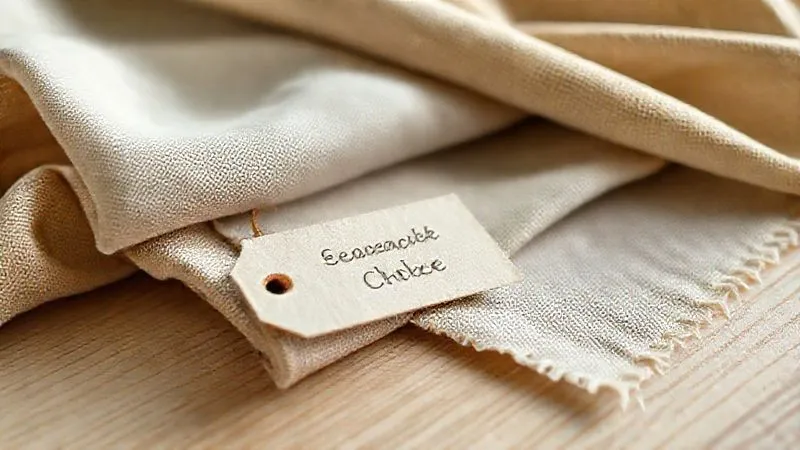
The foundation of modern womenswear is fabric. Invest in materials that offer superior comfort, drape, and easy care. Think about natural fibers like washable silk, Tencel, bamboo, or high-quality linen blends that breathe and move beautifully. Explore innovative synthetics that mimic natural fibers but offer performance benefits like wrinkle resistance, stretch, and moisture-wicking properties. For example, a formal crepe can be re-imagined in a stretch-crepe blend that offers the same sophisticated look with added comfort. - Silhouette Reimagination: Embrace Fluidity and Adaptability:
Move away from rigid, constricting shapes. Focus on silhouettes that offer ease and layering potential. Wide-leg trousers, relaxed-fit blazers, slip dresses, A-line skirts, and tunic-style tops are excellent starting points. Consider pieces that can be styled in multiple ways – a dress that works with sneakers for day and heels for evening, or a blazer that can be cinched for a formal look or worn open for casual layering. - Color & Print Psychology: Versatile Palettes and Subtle Statements:
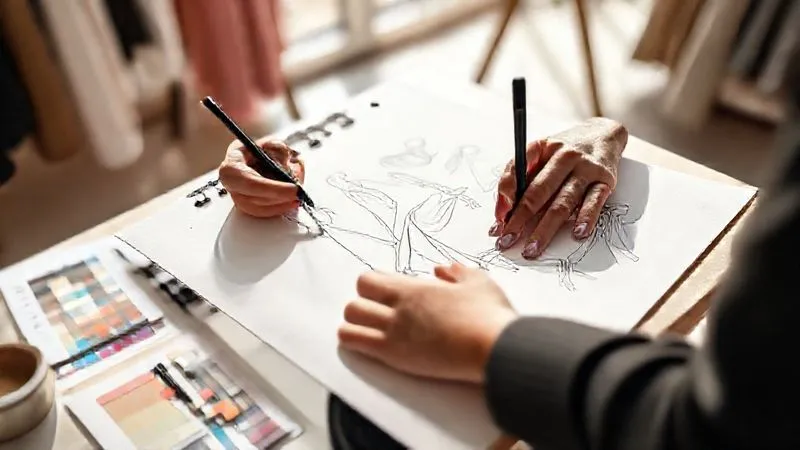
While bold prints have their place, a core collection for a casual market benefits from versatile color palettes. Think sophisticated neutrals (creams, camels, grays, navies, olives), rich jewel tones, and muted pastels. When incorporating prints, opt for subtle textures, abstract patterns, or classic motifs reimagined in a contemporary way. The goal is easy integration into an existing wardrobe, allowing for maximum mix-and-match potential. - Detailing for Versatility: Functional and Thoughtful Accents:
Small details can make a huge difference. Adjustable elements like drawstrings, removable belts, or convertible collars add functionality and allow the wearer to customize their look. Thoughtful pocket placement, elevated hardware, or interesting seam details can elevate a simple garment. Ensure all fastenings are easy to use and comfortable against the skin.
Case Study: How 'Chic & Co.' Transformed Their Formal Line
Chic & Co., a well-established brand known for its tailored formal dresses, faced declining sales as the market shifted. Their challenge was immense: how to retain their core customer base while attracting new, casual-oriented buyers. I worked with their design team to implement a multi-pronged pivot. First, they introduced a "Fluid Tailoring" collection, replacing stiff wools with stretch-crepe and Tencel blends for their signature blazers and trousers, offering relaxed fits. Second, they launched a "Day-to-Night Dress" series, featuring midi-length slip dresses and wrap dresses in washable silks and modal blends, designed to be layered with knitwear or styled with sneakers. They also integrated adjustable waistbands and discreet pockets. This resulted in a 40% increase in their new collection's sales within the first year and a significant expansion into new retail channels, proving that their brand identity could evolve without losing its essence of elegance.
Market Research & Consumer Insights: Listening to Your Audience
A successful pivot is never just about what you *think* consumers want; it's about what they *actually* need and desire. Robust market research and keen consumer insights are non-negotiable for understanding how to pivot from stagnant formal dress styles in a casual market effectively.
Leveraging Data Analytics
Start by diving into your existing sales data. Which formal pieces, if any, are still performing? Are there particular fabric types, colors, or silhouettes that show more resilience? Beyond your own data, look at broader market trends. Utilize tools for online search trend analysis to identify rising keywords related to "casual elegance," "versatile workwear," or "comfort chic." Social media listening tools can provide invaluable qualitative data, revealing what consumers are discussing, admiring, and complaining about in the fashion space. Platforms like WGSN or Edited offer deep dives into market analytics and trend forecasting, providing a bird's-eye view of where the industry is heading.
According to a report from Forbes Communications Council, data-driven marketing strategies are 5 to 8 times more effective than those without data. This principle extends to product development as well.
Direct Consumer Feedback
Never underestimate the power of direct engagement. Conduct surveys with your existing customer base to understand their evolving needs. What are their biggest wardrobe frustrations? What do they look for in an ideal everyday outfit? Organize focus groups with target demographics to get qualitative insights on potential new designs, fabrics, and styling concepts. Consider pop-up events or in-store feedback sessions where customers can try on prototypes and offer immediate reactions. This direct dialogue builds trust and ensures your pivot is truly consumer-centric.

| Preference | Traditional Formal Consumer | Modern Casual Consumer |
|---|---|---|
| Occasion | Weddings, Galas, Board Meetings | Hybrid Work, Social Gatherings, Travel |
| Fabric Choice | Structured Wool, Heavy Silk, Brocade | Stretch Blends, Washable Silk, Tencel, Knitwear |
| Silhouette | Fitted, Tailored, Structured | Fluid, Relaxed, Layerable |
| Key Descriptors | Elegant, Prestigious, Authoritative | Comfortable, Versatile, Effortless, Polished |
| Investment Value | Special Occasion Wear | Everyday Elevated Essentials |
Marketing & Branding: Communicating the New Vision
Once you've redesigned your collections, the next critical step is to effectively communicate this new vision to your audience. A pivot in design must be accompanied by a pivot in your branding and marketing narrative.
Storytelling the Transformation
Your brand's journey from traditional formalwear to modern, versatile elegance is a powerful story. Share it. Highlight the 'why' behind the change – your commitment to meeting the needs of the contemporary woman. Emphasize the benefits: not just comfort, but the confidence that comes from feeling good in what you wear, the adaptability of pieces that simplify life, and the inherent style of thoughtful design. Use your website, social media, and PR to craft this narrative, showcasing the journey of evolution rather than an abrupt departure from your heritage.
Visual Merchandising & Styling
Show, don't just tell. Your visual merchandising, advertising campaigns, and social media content must vividly demonstrate the versatility of your new collections. Style pieces in multiple contexts: a dress worn with sneakers and a denim jacket for a weekend look, then with heels and a blazer for a business meeting. Create compelling imagery that resonates with the modern woman's lifestyle. Collaborate with stylists and influencers who embody this 'casual elegant' aesthetic to create authentic content that showcases how your garments fit into real life.
As branding expert Seth Godin often says, "People don't buy goods and services. They buy relations, stories, and magic." Your pivot isn't just about new clothes; it's about a new relationship with your customer, built on a compelling story of evolution and understanding.
Sustainable and Ethical Considerations in the Pivot
In today's market, a pivot towards casualization cannot ignore the growing consumer demand for sustainability and ethical practices. This isn't a separate initiative; it's an integral part of modern brand relevance.
The Demand for Conscious Consumption
Consumers are increasingly seeking brands that align with their values. This means a focus on high-quality, durable garments that offer longevity, moving away from fast fashion's disposable model. When designing for versatility and seasonless appeal, you are inherently contributing to a more sustainable wardrobe. Highlight your commitment to sourcing sustainable materials – organic cotton, recycled polyester, Tencel, linen – and transparent production processes. Emphasize the 'investment piece' mentality: buying fewer, better quality items that last.
Circularity in Design
Consider the entire lifecycle of your garments. Can pieces be easily repaired? Are they designed for durability? Are you exploring circular design principles, such as using mono-materials for easier recycling or offering take-back programs? Brands that actively integrate sustainability into their core strategy, rather than treating it as an afterthought, build deeper trust and loyalty with their audience. According to the Ellen MacArthur Foundation, a circular economy for fashion can unlock significant environmental and economic benefits.
Sustainability is no longer a niche concern; it's a fundamental expectation. A successful pivot integrates conscious design and ethical practices at every stage, reinforcing brand values and future-proofing your business.
Operational Shifts: Supply Chain and Production Adaptations
A design pivot necessitates corresponding adjustments in your operational backbone. Your supply chain and production processes must be agile enough to support the new direction and meet evolving consumer demands.
Agile Production & Smaller Batches
The casual market, while favoring timeless pieces, also responds to micro-trends and seasonal updates that are less rigid than traditional formalwear. This often requires a move towards more agile production models. Consider smaller, more frequent production runs that allow you to test new styles, respond to feedback, and minimize overproduction. This reduces waste and allows for quicker adaptation to market shifts. Investing in technology that supports demand forecasting and inventory optimization becomes crucial.
Sourcing for Versatility
Re-evaluate your supplier network. Do your current partners offer the innovative, comfortable, and sustainable fabrics required for your new collections? You may need to cultivate relationships with new suppliers specializing in performance textiles, eco-friendly materials, or advanced knitting techniques. Ensure your sourcing strategy prioritizes transparency and ethical labor practices, aligning with your brand's overall sustainability commitments.
As highlighted in a Deloitte report on supply chain agility, adaptability is key to navigating today's volatile markets. This includes the flexibility to pivot product offerings and production volumes.
Navigating the Future: Trends and Adaptability
The fashion landscape is in constant flux. A successful pivot isn't a one-time event but an ongoing commitment to adaptability and foresight. Staying attuned to emerging trends and consumer desires will ensure your brand remains relevant.
The "Forever Piece" Mentality
As part of conscious consumption, there's a growing appreciation for "forever pieces" – high-quality, timeless garments that transcend fleeting trends. Focus on creating foundational pieces that are versatile, durable, and effortlessly elegant. These are the items women invest in, knowing they will serve them across seasons and occasions, forming the core of a smart, adaptable wardrobe. This aligns perfectly with the casual market's desire for practicality and value.
Personalization & Customization
Exploring options for personalization or customization can further differentiate your brand. This could range from offering bespoke sizing services to allowing customers to choose specific fabric colors or minor design modifications. In a market saturated with options, the ability to offer something uniquely tailored to an individual's preference can foster deep loyalty and a sense of ownership.
| Aspect | Old Approach | New Approach |
|---|---|---|
| Design Focus | Occasion-Specific, Structured | Versatile, Comfort-Driven, Fluid |
| Fabric Priority | Aesthetics Over Feel | Comfort, Drape, Performance, Sustainability |
| Marketing Message | Exclusivity, Grandeur | Effortless Elegance, Adaptability, Confidence |
| Production Model | Large Batches, Seasonal | Agile, Smaller Runs, Demand-Driven |
| Consumer Relationship | Transactional, Trend-Following | Partnership, Value-Driven, Listening |
Frequently Asked Questions (FAQ)
How quickly should a brand pivot from stagnant formal dress styles? The speed of pivot depends on your brand's size, resources, and current market position. For smaller, agile brands, a significant shift can occur within 12-18 months. Larger, more established brands may require a multi-year phased approach, introducing new collections gradually while maintaining a dialogue with their existing customer base. Crucially, the commitment to pivot must be immediate, even if implementation is strategic and staggered.
Can traditional formalwear still exist in a casual market? Absolutely, but its role will be more niche. High-end couture, bridal wear, and very specific ceremonial attire will always have a place. However, for everyday formalwear or business formal, the definition has evolved. Brands can retain a 'formal' essence by focusing on exquisite craftsmanship, luxurious materials, and timeless design, but these pieces must also offer an inherent comfort and subtle versatility that appeals to the modern consumer, even for special occasions. It's about 'elevated' rather than 'stiff.'
What's the biggest mistake brands make when trying to casualize their offerings? The most common mistake is simply 'watering down' existing formal designs without truly understanding the casual market's nuances. This often results in garments that are neither truly elegant nor genuinely comfortable or versatile. Another error is neglecting market research and consumer feedback, leading to assumptions about what the casual consumer wants rather than data-driven insights. Authenticity and intentional design are key; a half-hearted attempt will fail to resonate.
How important is sustainability in this pivot towards a casual market? Sustainability is paramount. The casual market, particularly the younger demographic, is highly conscious of ethical and environmental impacts. A brand that successfully pivots to versatile, durable, and comfortable designs but ignores sustainable sourcing, ethical production, or circularity will miss a critical opportunity to build trust and long-term loyalty. It's not just a trend; it's a core value for many modern consumers.
What resources are crucial for effective market research during this pivot? Beyond your internal sales data, prioritize external resources. Industry trend forecasting agencies (e.g., WGSN, Fashion Snoops), consumer behavior reports (e.g., from McKinsey, Deloitte), social media analytics tools, and direct consumer engagement through surveys and focus groups are invaluable. Collaborating with market research firms can also provide in-depth, unbiased insights. The key is a multi-faceted approach that combines quantitative data with qualitative understanding.
Key Takeaways and Final Thoughts
- Embrace Evolution: The casual market isn't a threat to elegance, but an opportunity for its evolution.
- Prioritize Comfort & Versatility: Design with fabrics and silhouettes that offer ease, movement, and multi-functional appeal.
- Listen to Your Consumer: Leverage data and direct feedback to inform every design and marketing decision.
- Rethink "Formal": Modern elegance is about sophisticated ease, not rigid tradition.
- Integrate Sustainability: Ethical practices and conscious design are non-negotiable for future relevance.
- Communicate Your Vision: Tell a compelling story about your brand's transformation and commitment to the modern woman.
- Stay Agile: The market is dynamic; continuous adaptation and foresight are vital for long-term success.
The journey to pivot from stagnant formal dress styles in a casual market is not without its challenges, but it's a necessary and ultimately rewarding one. As an industry veteran, I've seen firsthand that brands willing to adapt, innovate, and truly listen to their audience are the ones that not only survive but truly flourish. By embracing these strategies, you're not just redesigning clothes; you're redefining your brand's future, ensuring it resonates deeply with the confident, dynamic, and comfort-seeking woman of today and tomorrow. Go forth, innovate, and dress the future with purpose and unparalleled style.
Recommended Reading
- 5 Rapid Methods: Urgent Costume Breakdown to Age Denim Fast Realistically
- Mastering Hyped Drops: 7 Strategies to Secure Limited Shoe Allocation
- 9 Proven Strategies to End Chronic Foot Pain from Formal Shoes Daily
- 7 Steps to Advise Clients on Adapting Beauty for Fashion Trends
- Scale Your Fashion Brand's Repair Program Profitably: 7 Proven Steps


Your email address will not be published. Required fields are marked *