

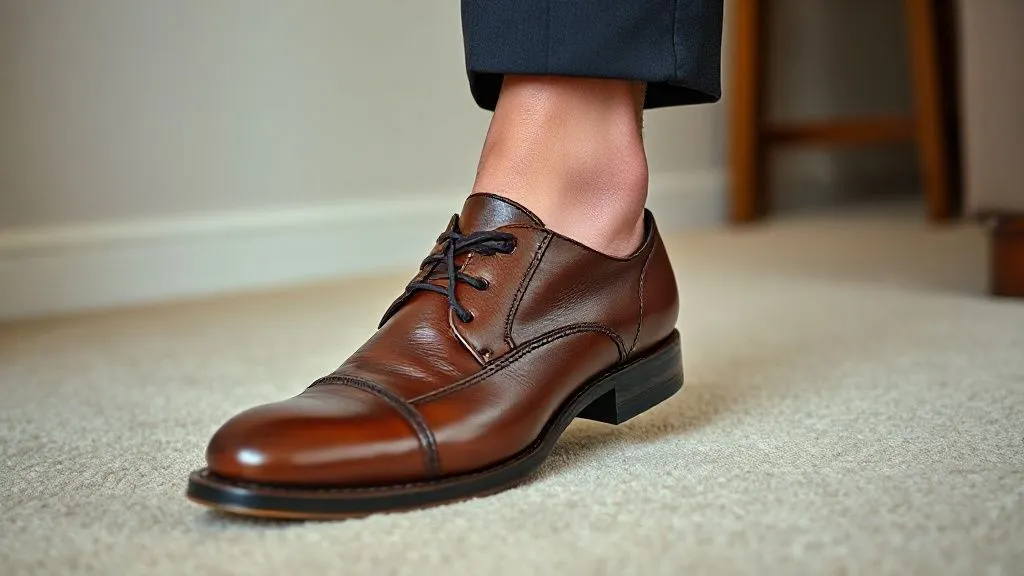
How to Alleviate Chronic Foot Pain from Wearing Formal Men's Shoes Daily?
For over two decades in the menswear industry, specializing in footwear, I've witnessed a common, insidious problem: the relentless, often debilitating, chronic foot pain experienced by professionals who spend their days in formal shoes. It's a silent struggle many endure, believing it's an unavoidable consequence of looking sharp and professional. I've heard countless stories of discomfort, from nagging aches to sharp, shooting pains, all stemming from the very shoes designed to complete a polished look.
The problem is profound. Daily wear of traditional formal men's shoes, often characterized by rigid construction, minimal cushioning, and restrictive toe boxes, can lead to a cascade of musculoskeletal issues. Plantar fasciitis, bunions, hammer toes, metatarsalgia, and general foot fatigue are not just inconvenient; they can significantly impact your quality of life, productivity, and even overall well-being. This isn't just about a sore foot; it's about compromised posture, reduced mobility, and constant distraction.
But here's the crucial insight: this pain is not inevitable. In this definitive guide, I will share the strategies, insights, and practical frameworks I've cultivated from years of experience and extensive research. You'll learn not just how to alleviate chronic foot pain from wearing formal men's shoes daily, but how to prevent it, ensuring your feet remain comfortable, supported, and healthy, allowing you to focus on your career, not your discomfort. We'll delve into everything from shoe selection and orthotics to daily foot care and ergonomic adjustments, providing a holistic, actionable roadmap to lasting relief.
Understanding the Root Cause: Why Formal Shoes Hurt
Before we can truly alleviate chronic foot pain, we must understand its origins. It's not always the shoe itself, but often a combination of factors related to shoe design, foot biomechanics, and daily habits. Traditional formal men's shoes, while aesthetically pleasing, often prioritize form over function in ways that are detrimental to foot health.
Firstly, many formal shoes feature a narrow toe box. This design forces the toes into an unnatural, compressed position, leading to conditions like bunions, hammertoes, and ingrown toenails. The natural splay of the toes, essential for balance and shock absorption, is inhibited. Secondly, the typical formal shoe often lacks adequate arch support and cushioning. This means the foot's natural arch, which acts as a shock absorber, is unsupported, placing undue stress on the plantar fascia and leading to conditions like plantar fasciitis. Thirdly, the stiff, unyielding soles found in many dress shoes offer minimal flexibility, restricting the natural movement of the foot during gait and contributing to muscle fatigue.
I've seen countless men dismiss their foot pain as 'just part of getting older' or 'the price of looking professional.' This mindset is a significant barrier to finding relief. Your feet are complex structures, supporting your entire body weight and absorbing immense impact with every step. Neglecting them has long-term consequences, not just for your feet, but for your knees, hips, and spine.
"The foot is a masterpiece of engineering and a work of art." - Leonardo da Vinci. Treat it with the respect it deserves, especially when it bears the brunt of your daily professional life.
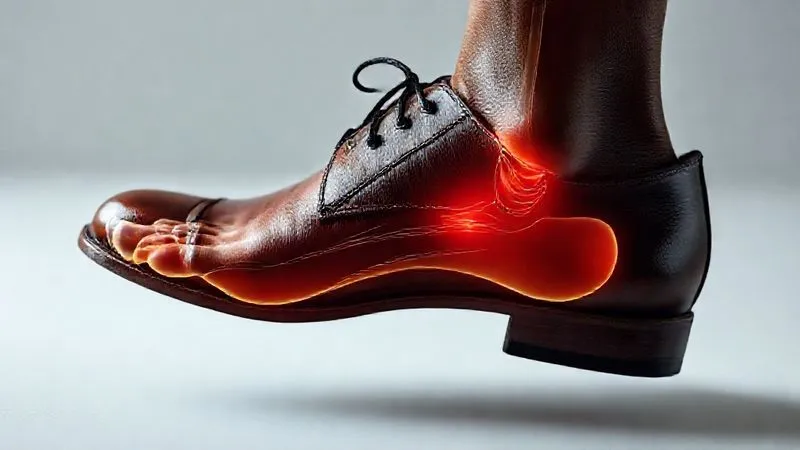
Common Foot Ailments Linked to Formal Footwear:
- Plantar Fasciitis: Inflammation of the tissue band connecting the heel bone to the toes, causing sharp heel pain, especially in the morning.
- Metatarsalgia: Pain and inflammation in the ball of your foot, often caused by ill-fitting shoes or high impact.
- Bunions: Bony bump that forms on the joint at the base of your big toe, often exacerbated by narrow shoes.
- Hammertoes: An abnormal bend in the middle joint of a toe, caused by muscle imbalance or improper footwear.
- Neuromas: Thickening of nerve tissue between toes, leading to pain, numbness, or tingling.
- Achilles Tendinitis: Inflammation of the Achilles tendon, often from shoes with insufficient heel support or excessive heel height.
Understanding these underlying causes is the first critical step toward implementing effective solutions. It's about moving beyond superficial fixes and addressing the core biomechanical stresses.
The Foundation: Choosing the Right Formal Footwear
The most impactful change you can make to alleviate chronic foot pain from wearing formal men's shoes daily begins with your shoe selection. This isn't about sacrificing style for comfort; it's about making informed choices that blend both. As someone who has advised countless clients, I can tell you that a truly well-made shoe respects the anatomy of the foot.
Key Criteria for Selecting Comfortable Formal Shoes:
- Prioritize Proper Fit:
- Measure Regularly: Your foot size can change. Get both feet measured, especially in the afternoon when feet are slightly swollen.
- Thumb's Width Rule: Ensure a thumb's width between your longest toe and the end of the shoe.
- Heel Grip: Your heel should feel snug, not slip excessively.
- Width Matters: The widest part of your foot should comfortably fit the widest part of the shoe. Don't compromise; if a shoe feels tight, it's too narrow.
- Look for Quality Materials:
- Genuine Leather: High-quality full-grain leather is breathable and molds to your foot over time. Avoid synthetic leathers that restrict airflow and don't adapt.
- Flexible Sole: A good formal shoe should offer some flexibility in the sole, particularly at the ball of the foot. Try bending the shoe; if it's completely rigid, it will fight your natural gait.
- Consider Construction Methods:
- Goodyear Welted or Blake Stitched: These constructions allow for resoling and often provide better support. Goodyear welting, in particular, offers a more robust, water-resistant build and can accommodate orthotics better due to its slightly larger internal volume.
- Cushioning and Arch Support: Many modern formal shoes now incorporate advanced cushioning technologies and anatomical arch support. Look for brands that explicitly highlight these features.
- Toe Box Shape:
- Avoid Pointed Toes: While stylish, extremely pointed toe boxes are a primary culprit for toe compression. Opt for almond, chiseled, or rounder toe shapes that allow your toes to splay naturally.
Case Study: How Marcus Transformed His Workday Comfort
Marcus, a senior banking executive, came to me complaining of severe metatarsalgia and bunion pain. He wore high-end, classic Italian dress shoes daily, believing they were the pinnacle of quality. After a consultation, we realized his shoes, while expensive, had very narrow toe boxes and minimal internal cushioning. We transitioned him to a brand known for its Goodyear-welted construction and slightly wider, almond-toe last, specifically a model with integrated arch support. Within two weeks, Marcus reported a significant reduction in his metatarsal pain, and his bunion irritation lessened. He learned that 'quality' isn't just about the leather, but about the shoe's design for foot health. This small change in footwear choice dramatically improved his daily comfort and focus.
| Feature | Bad Choice | Good Choice |
|---|---|---|
| Toe Box | Pointed, Restrictive | Almond, Chiseled, Roomy |
| Sole Flexibility | Rigid, Unyielding | Flexible at Ball of Foot |
| Arch Support | None or Minimal | Integrated, Anatomical |
| Material | Synthetic, Stiff | Full-Grain Leather, Breathable |
| Heel Height | Excessive (for men) | Low, Stable (1 inch or less) |
Investing in quality, anatomically conscious footwear is not an expense; it's an investment in your long-term health and productivity. It's the cornerstone of how to alleviate chronic foot pain from wearing formal men's shoes daily.
Beyond the Shoe: The Power of Orthotics and Inserts
Even with the best formal shoes, sometimes your feet need an extra layer of support and customization. This is where orthotics and specialized inserts come into play. They can be game-changers for alleviating chronic foot pain, particularly for those with specific biomechanical issues.
Understanding the Types of Inserts:
- Over-the-Counter (OTC) Inserts: These are readily available and can offer basic cushioning, arch support, or heel cups. They are a good starting point for mild discomfort. Look for brands that offer varying arch heights (low, medium, high) to match your foot type.
- Custom Orthotics: Prescribed by a podiatrist, these are custom-molded to your feet. They provide precise support and correction for specific biomechanical imbalances. While more expensive, their effectiveness in addressing severe or persistent pain is unparalleled. According to the American Academy of Orthopaedic Surgeons, custom orthotics can significantly reduce pain and improve function in patients with various foot and ankle conditions. Learn more about orthotics from AAOS.
Integrating Orthotics into Formal Shoes:
The challenge with formal shoes is often their slim profile, which can make fitting orthotics difficult. Here's my advice:
- Remove the Existing Insole: Most formal shoes come with a thin, often glued-in, insole. Carefully remove it to create space for your new insert or orthotic.
- Choose Thin, Firm Orthotics: For dress shoes, opt for slimmer, firmer orthotics rather than bulky, gel-filled ones. Carbon fiber or rigid plastic orthotics provide excellent support without taking up too much volume.
- Test for Fit: Once inserted, ensure your foot doesn't feel cramped or pushed up against the top of the shoe. Walk around to check for comfort and proper support.
- Consult Your Shoemaker/Podiatrist: Some shoemakers can modify shoes to accommodate orthotics, and your podiatrist can recommend brands or types specifically designed for formal wear.
I've personally seen how a well-chosen pair of custom orthotics can completely transform a client's experience, turning debilitating pain into comfortable mobility. It's a testament to personalized solutions.
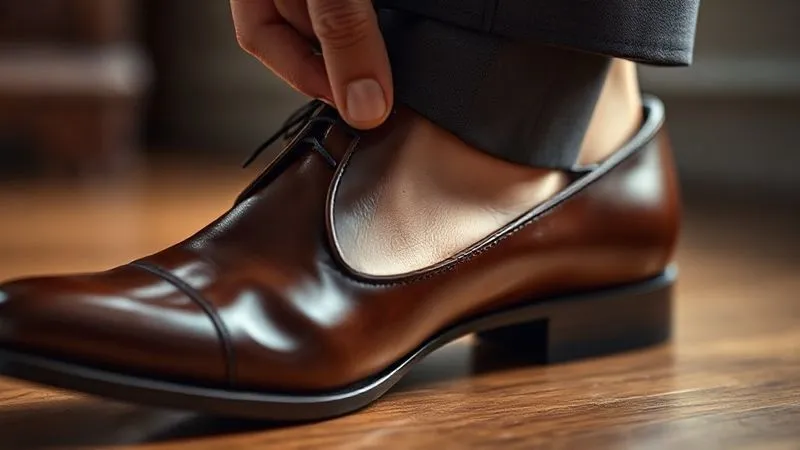
Strategic Rotation: Giving Your Feet a Break
Even the most comfortable formal shoes, worn daily, can contribute to foot fatigue. Just as you wouldn't wear the same suit every day without cleaning, your feet benefit immensely from shoe rotation. This strategy is simple yet profoundly effective in how to alleviate chronic foot pain from wearing formal men's shoes daily.
Why Shoe Rotation is Crucial:
- Allows Shoes to De-Stress: Shoes, especially leather ones, need time to dry out from perspiration and regain their shape. Daily wear without rest can lead to premature breakdown of cushioning and support.
- Distributes Pressure: Different shoes, even subtle variations in last shape or sole design, distribute pressure points differently across your feet. Rotating shoes prevents continuous stress on the same areas.
- Extends Shoe Lifespan: Rested shoes last longer, making your investment more worthwhile.
My recommendation to clients is to have at least three pairs of quality formal shoes in rotation. This allows each pair to rest for at least 24-48 hours between wears. Think of it as a small, daily act of self-care for your feet.
Foot Health & Maintenance: Daily Routines for Relief
Your daily routine plays a significant role in managing and alleviating chronic foot pain. It's not just about what you wear, but how you care for your feet when the shoes come off. These practices are essential for long-term foot health.
Actionable Daily Foot Care Steps:
- Regular Stretching:
- Calf Stretches: Tight calf muscles can contribute to plantar fasciitis. Perform wall stretches or use a slant board daily.
- Plantar Fascia Stretch: Sit, cross one leg over the other, grasp your toes, and pull them back towards your shin until you feel a stretch in the arch. Hold for 30 seconds, repeat 3 times per foot.
- Toe Spreads: Use toe separators or simply spread your toes with your fingers to counteract the compression from narrow shoes.
- Massage and Rolling:
- Foot Roller/Tennis Ball: Roll your foot over a spiky ball or tennis ball for 5-10 minutes per foot, focusing on tender areas. This helps release tension in the plantar fascia.
- Manual Massage: Use your thumbs to massage the arches and balls of your feet after a long day.
- Soaking and Moisturizing:
- Epsom Salt Soaks: A warm foot bath with Epsom salts can reduce inflammation and soothe tired muscles.
- Moisturize: Keep your feet moisturized to prevent dry, cracked skin, especially on the heels, which can lead to discomfort.
- Elevate Your Feet: After a long day, elevating your feet above your heart for 15-20 minutes can help reduce swelling and improve circulation.
As Seth Godin, the renowned marketing guru, often emphasizes the power of consistent small actions leading to significant results. The same principle applies to foot care. These seemingly minor daily habits accumulate into substantial relief and long-term foot health. Explore Seth Godin's insights on small actions.
The Importance of Professional Assessment
While many strategies can be implemented independently, persistent or severe foot pain warrants professional medical attention. Self-diagnosis can be misleading, and delaying treatment can worsen conditions.
When to Consult a Professional:
- Persistent Pain: If pain lasts for more than a few weeks despite home remedies and shoe changes.
- Severe Pain: If the pain is debilitating or interferes with daily activities.
- Numbness or Tingling: These symptoms can indicate nerve involvement.
- Visible Swelling or Deformity: Any noticeable changes in foot structure or significant swelling.
A podiatrist or orthopedic specialist can accurately diagnose the underlying cause of your pain, whether it's structural, inflammatory, or neurological. They can recommend personalized treatments, which might include custom orthotics, physical therapy, medication, or in rare cases, surgical intervention. Don't hesitate to seek expert advice; it's a critical step in truly understanding how to alleviate chronic foot pain from wearing formal men's shoes daily.
| Symptom | Recommended Action |
|---|---|
| Mild, intermittent ache | Self-care, shoe changes, OTC inserts |
| Persistent heel pain (especially morning) | Podiatrist for Plantar Fasciitis diagnosis/treatment |
| Sharp pain in ball of foot | Podiatrist for Metatarsalgia/Neuroma assessment |
| Numbness/Tingling in toes | Urgent Podiatrist/Specialist consultation |
| Visible bunion/hammer toe progression | Podiatrist for custom orthotics/management |
Ergonomic Workstation & Posture Adjustments
The impact of formal shoes isn't isolated to your feet; it ripples throughout your entire kinetic chain. Your workstation setup and overall posture can significantly exacerbate or alleviate foot pain. As an industry specialist, I've observed that professionals often overlook this crucial link.
Optimizing Your Work Environment:
- Proper Chair Height: Ensure your feet are flat on the floor or on a footrest, with your knees at a 90-degree angle. Dangling feet can increase pressure on the feet and lower back.
- Footrests: If your chair is too high, use an adjustable footrest. This allows you to shift weight and reduce static pressure on your feet.
- Anti-Fatigue Mats: If you stand for extended periods, an anti-fatigue mat can make a remarkable difference. These mats provide cushioning and encourage subtle movement, which improves circulation and reduces strain.
- Regular Movement: Avoid prolonged sitting or standing. Take short breaks every 30-60 minutes to stand up, stretch, or walk a few steps. Even a brief change in position can significantly reduce cumulative stress.
Think of your body as an interconnected system. A problem in your feet can lead to issues in your ankles, knees, hips, and even your back. Addressing your overall ergonomic setup is a holistic approach to managing pain and promoting long-term well-being. A study published by the Spine Journal highlighted the positive effects of foot orthotics on knee and spine alignment, demonstrating the far-reaching impact of foot health.
Mindful Movement: Stretches and Exercises
Beyond daily care, incorporating specific exercises and stretches can strengthen your foot muscles, improve flexibility, and enhance circulation, making your feet more resilient to the demands of formal footwear. This proactive approach is a powerful component of how to alleviate chronic foot pain from wearing formal men's shoes daily.
Targeted Foot & Ankle Exercises:
- Toe Curls: Place a small towel on the floor and use your toes to scrunch it towards you. Repeat 10-15 times per foot. This strengthens the intrinsic foot muscles.
- Marble Pick-ups: Place marbles or small objects on the floor and pick them up with your toes, placing them in a bowl. Excellent for dexterity and muscle strength.
- Ankle Circles: Rotate your ankles clockwise and counter-clockwise 10 times in each direction. Improves ankle mobility and circulation.
- Calf Raises: Stand on the edge of a step with your heels hanging off. Slowly raise up onto the balls of your feet, then lower your heels below the step. Perform 2-3 sets of 10-15 repetitions. This strengthens calf muscles and improves ankle stability.
- Foot Alphabet: Trace the letters of the alphabet in the air with your big toe. This encourages a full range of motion in the ankle and foot.
These exercises, performed consistently, build resilience and help counteract the restrictive nature of formal shoes. They empower your feet to better handle the stresses they encounter throughout the day.
Frequently Asked Questions (FAQ)
Q: Can I really find stylish formal shoes that are also comfortable? Absolutely. The market has evolved significantly. Many reputable brands now integrate advanced comfort features, wider toe boxes, and better arch support into their formal collections without compromising on classic aesthetics. It requires a bit more research and potentially a higher initial investment, but the long-term comfort and foot health benefits far outweigh the cost. Look for brands that specialize in "comfort dress shoes" or those known for their ergonomic designs.
Q: How long does it typically take to alleviate chronic foot pain once I start implementing these strategies? The timeline varies significantly based on the severity and duration of your pain, as well as the underlying cause. For mild cases, you might notice improvement within a few weeks of consistent application of these strategies (better shoes, inserts, daily stretches). For more chronic or severe conditions, it could take several months, especially if professional intervention (like custom orthotics or physical therapy) is required. Consistency and patience are key.
Q: Should I completely avoid certain types of formal shoes if I have chronic foot pain? While it's not always about complete avoidance, it's wise to minimize wear of shoes that consistently aggravate your condition. This typically includes extremely narrow-toed shoes, those with very stiff, unyielding soles, or shoes with insufficient cushioning and arch support. If a specific shoe type consistently causes pain, it's a clear signal to re-evaluate its place in your rotation or find a more foot-friendly alternative. Consider these problematic styles for special, short-duration events only, rather than daily wear.
Q: Are there any specific materials or technologies in formal shoes I should look for? Yes. Beyond full-grain leather for breathability and moldability, look for shoes with integrated gel or foam cushioning in the footbed. Some brands use proprietary technologies like memory foam or advanced EVA midsoles. For soles, rubberized or composite soles often offer better shock absorption and flexibility than traditional rigid leather soles. Goodyear-welted construction is also a strong indicator of quality and the ability to accommodate orthotics.
Q: What if I have to wear specific uniform shoes that are uncomfortable? This is a common challenge for many professionals. In such cases, your focus shifts heavily to maximizing the internal comfort and external support. Prioritize finding the best possible aftermarket insoles or custom orthotics that fit within the uniform shoe. Rigorous daily foot care (stretching, massage, soaking) becomes even more critical. If possible, discuss with your employer the option of slight variations in uniform footwear that prioritize comfort, or at least the ability to use personal inserts.
Key Takeaways and Final Thoughts
Navigating the world of formal menswear while maintaining optimal foot health doesn't have to be a painful paradox. As an industry veteran, I've seen the transformative power of a holistic approach to foot care. It's about empowering yourself with knowledge and making conscious choices that prioritize your well-being without sacrificing your professional image.
- Invest in Quality Footwear: Prioritize shoes with proper fit, anatomical support, and quality materials.
- Embrace Orthotics: Utilize over-the-counter or custom orthotics for targeted support and pain relief.
- Rotate Your Shoes: Give your footwear, and your feet, adequate rest between wears.
- Commit to Daily Foot Care: Integrate stretching, massage, and proper hygiene into your routine.
- Seek Professional Guidance: Don't hesitate to consult a podiatrist for persistent or severe pain.
- Optimize Your Environment: Ensure your workstation and posture support overall body alignment.
- Strengthen Your Feet: Regular exercises build resilience and improve foot function.
Your feet are the foundation of your body, carrying you through every professional challenge and personal triumph. By adopting these strategies, you're not just alleviating pain; you're investing in your long-term health, comfort, and productivity. Step confidently into your day, knowing that you've given your feet the care and attention they truly deserve. The journey to pain-free professional life starts now.
Recommended Reading
- Scaling Couture: 7 Pillars to Preserve Uncompromising Atelier Quality
- 7 Key Challenges in 3D Body Scanning for Custom Fit & How to Overcome Them
- 5 Proven Ways: How to Prevent Microplastic Shedding from New Synthetics
- Bespoke Suit Lacks Leadership? 7 Proven Ways to Command Authority
- Innovate Street Style: 8 Proven Strategies to Halt Audience Fatigue





Your email address will not be published. Required fields are marked *