

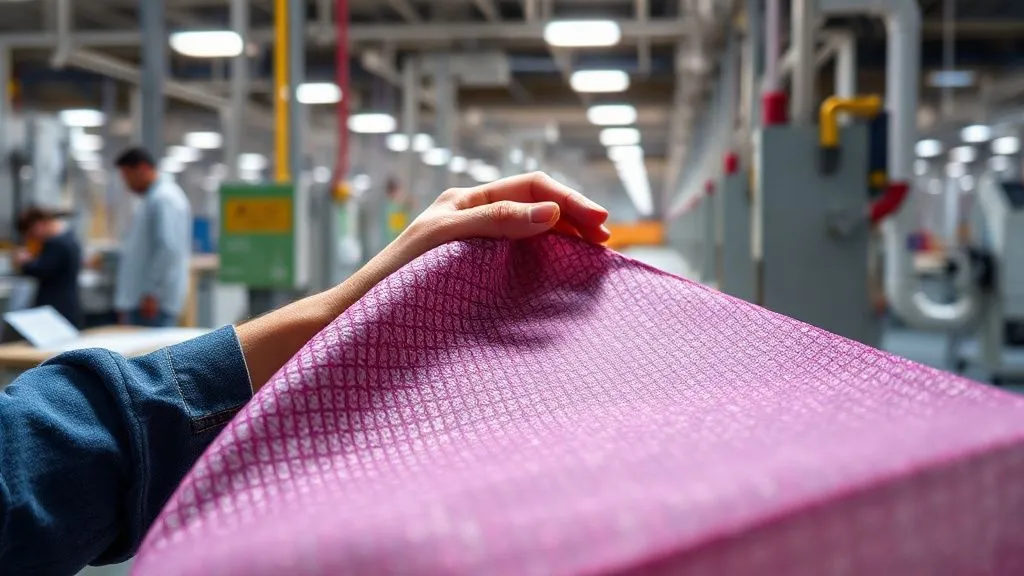
How to overcome high costs of bio-engineered fabrics for mass market?
For over two decades in the dynamic world of textile innovation, I've witnessed firsthand the industry's monumental struggle to bridge the gap between groundbreaking scientific discovery and everyday affordability. We’ve seen incredible breakthroughs in bio-engineered fabrics – materials grown from microbes, fungi, or plant cells – that promise a truly sustainable future for fashion.
However, the stark reality remains: these revolutionary textiles often come with a prohibitive price tag, rendering them inaccessible to the mass market. This creates a frustrating paradox where the very solutions designed to save our planet are out of reach for the majority, slowing down the vital shift away from resource-intensive traditional fabrics.
In this definitive guide, I will share my expert insights and actionable frameworks to tackle this critical challenge head-on. We'll explore five strategic pillars, complete with real-world analogies, a mini case study, and data-backed perspectives, designed to make bio-engineered fabrics not just sustainable, but also economically viable for mass adoption. Prepare to unlock the secrets to scaling innovation without breaking the bank.
Understanding the Cost Drivers of Bio-Engineered Fabrics
Before we can overcome high costs, we must first dissect their origins. Bio-engineered fabrics aren't expensive simply because they're new; their pricing is a complex interplay of various factors inherent to their innovative nature. From my perspective, having navigated this landscape for years, it's crucial to understand these foundational elements.
Research & Development Investment
The journey from a lab concept to a viable fiber is incredibly long, resource-intensive, and fraught with trial and error. Companies invest millions in fundamental biological research, genetic sequencing, material science, and process engineering before even a small swatch of fabric can be produced. This initial R&D expenditure needs to be recouped, often through higher unit costs in early production phases.
Specialized Raw Materials & Bioreactors
Unlike conventional textiles that rely on readily available agricultural commodities or petrochemicals, bio-engineered fabrics often require highly specialized growth media, nutrient solutions, and specific microbial or cellular cultures. These 'ingredients' can be costly to produce or acquire. Furthermore, the bioreactors and sterile environments needed for controlled biological growth are far more complex and expensive than traditional spinning or weaving machinery.
Limited Production Scale & Infrastructure
Currently, the production volumes for most bio-engineered fabrics are relatively small compared to cotton or polyester. This limited scale prevents companies from fully benefiting from economies of scale, where per-unit costs decrease significantly as production increases. The specialized infrastructure required also means fewer facilities capable of handling these processes, creating bottlenecks and increasing overheads.
Complex Manufacturing Processes
The actual 'growth' and subsequent processing of bio-fibers are often multi-step, intricate procedures. This can involve precise temperature control, nutrient feeding, purification, and subsequent fiber extrusion or spinning. Each step adds to the labor, energy, and equipment costs, making the overall manufacturing footprint more expensive than conventional methods.
Certification & Regulatory Hurdles
Bringing a novel material to market, especially one derived from biological processes, involves rigorous testing for safety, performance, and environmental impact. Obtaining certifications (e.g., GOTS, Oeko-Tex, USDA BioPreferred) and navigating various national and international regulations can be a lengthy and expensive process. These compliance costs are ultimately factored into the fabric's price.
Key Insight: The cost isn't just in the material itself, but in the entire innovation ecosystem supporting its creation, from molecular design to market validation. Understanding these drivers is the first step toward strategic cost reduction.
Strategy 1: Scaling Production Through Advanced Biomanufacturing
One of the most direct routes to reducing costs is to increase production volume dramatically. This isn't just about building bigger factories; it's about fundamentally rethinking how we 'grow' and process these materials, leveraging the principles of industrial biomanufacturing that have transformed sectors like pharmaceuticals and biofuels.
Optimizing Fermentation & Cell Culture
The heart of many bio-engineered fabrics lies in optimized fermentation or cell culture processes. I've seen companies achieve significant cost reductions by refining their bioreactor designs, improving nutrient delivery systems, and identifying more efficient microbial strains or cell lines. This means getting more 'fiber' per liter of culture, faster, and with less waste. It's a continuous process of biological and engineering refinement.
Modular & Distributed Manufacturing Models
Instead of single, massive production hubs, consider a modular or distributed manufacturing approach. This strategy involves smaller, standardized production units that can be rapidly deployed and scaled up or down based on demand. It reduces the initial capital expenditure for a single mega-factory and allows for more agile responses to market needs, potentially leveraging existing industrial infrastructure in diverse locations.
Automation & AI in Textile Production
Automation isn't just for traditional factories anymore. Integrating robotics, AI-driven process control, and advanced sensor technology into bio-engineered fabric production can dramatically reduce labor costs, minimize human error, and optimize resource utilization. AI can predict optimal growth conditions, identify inefficiencies in real-time, and even guide the synthesis of more resilient or higher-yield fibers, as discussed in recent scientific journals like Nature.
Expert Tip: Think beyond traditional textile mills; embrace the industrial scale-up methodologies perfected in biotechnology and chemical engineering. This cross-sectoral learning is vital.
Strategy 2: Innovating Raw Material Sourcing and Feedstock Efficiency
The cost of the 'food' for your bio-organisms or cells is a major determinant of the final fabric price. Shifting away from expensive, virgin feedstocks towards more abundant and often waste-derived alternatives is a powerful lever for cost reduction and enhanced sustainability.
Leveraging Agricultural Waste & Byproducts
Imagine growing fabrics using what would otherwise be discarded. Many bio-engineered fabrics can thrive on glucose derived from agricultural waste like corn stover, sugar beet pulp, or even sawdust. This not only reduces feedstock costs but also creates a valuable circular economy model, turning waste into high-value textiles. I've seen promising ventures in this space that are truly revolutionary.
Developing Cost-Effective Growth Media
Beyond the primary carbon source, growth media for cell cultures or microbes can be complex and expensive, requiring specific vitamins, amino acids, and minerals. Research into simplified, cheaper, and locally sourced growth media formulations is crucial. This might involve optimizing nutrient recycling within the bioreactor or identifying more abundant, less refined alternatives without compromising yield.
Genetic Engineering for Higher Yields
While often controversial, responsible genetic engineering can play a role in reducing feedstock costs. By engineering microbes or plant cells to be more efficient at converting inexpensive sugars into desired fiber precursors, or to produce higher yields of biomass, the overall cost per unit of fabric can be significantly lowered. This is a powerful tool when approached ethically and transparently.
| Feedstock Type | Cost/Unit (Est.) | Environmental Impact | Scalability |
|---|---|---|---|
| Traditional Cotton | $1.50 | High | High |
| Algae-derived Cellulose | $3.00 | Low | Medium |
| Bacterial Cellulose (Waste-fed) | $0.80 | Very Low | Emerging |
Insight: The true sustainability, and often the most significant cost reduction, begins at the molecular level – optimizing the inputs that fuel the biological process.
Strategy 3: Supply Chain Optimization and Vertical Integration
The efficiency of your supply chain, from feedstock acquisition to finished fabric delivery, directly impacts final costs. By streamlining processes and reducing intermediaries, companies can gain greater control and significantly lower expenses.
Direct Sourcing & Producer Partnerships
Cutting out middlemen in the supply chain can lead to substantial savings. Forge direct relationships with suppliers of your feedstocks, whether they are agricultural producers or industrial waste processors. This not only reduces costs but also builds trust and ensures a stable, traceable supply, crucial for maintaining quality and ethical standards.
Streamlining Logistics & Reducing Waste
Inefficient transportation, storage, and handling add unnecessary costs. Implement lean logistics principles, optimize shipping routes, and invest in robust inventory management systems. Furthermore, identify and eliminate waste at every stage – from minimizing spoiled feedstocks to reducing off-spec material during processing. Every gram saved is a cost reduction.
Case Study: Bio-Weave Innovations' Cost Breakthrough
Case Study: Bio-Weave Innovations' Cost Breakthrough
Bio-Weave Innovations, an emerging player in mycelium-based leather alternatives, initially faced a 40% higher material cost compared to premium animal leather. Their challenge was scaling production while maintaining their eco-friendly ethos. By implementing a strategy of vertical integration, they acquired a fermentation facility close to their agricultural waste feedstock supplier. This allowed them to directly control the initial growth phase and significantly reduce transportation costs for raw materials.
They also invested in proprietary bioreactor designs, optimizing yield per batch. This resulted in a 25% reduction in their material cost within 18 months, making their bio-leather competitive with mid-range traditional leather and enabling them to explore mass market partnerships. Their success demonstrates the power of controlling more of the value chain.
Collaborative Industry Hubs
Consider the benefits of co-locating with other bio-material producers or textile manufacturers. Shared infrastructure, such as utility services, waste treatment facilities, or even specialized testing labs, can significantly reduce individual operational costs. These hubs foster innovation through proximity and shared resources, creating an ecosystem of efficiency.

Strategy 4: Government Incentives, Investment, and Policy Support
The transition to a sustainable economy is a collective endeavor, and governments play a crucial role. Leveraging available incentives and advocating for supportive policies can significantly de-risk investment and accelerate the journey to affordability for bio-engineered fabrics.
Research & Development Grants
Many governments and international bodies offer grants for innovative, sustainable technologies. Actively seek out and apply for these R&D grants, which can offset the high initial costs of developing new bio-fabric processes. These funds are designed to foster exactly the kind of innovation we need to see in the textile sector.
Tax Credits for Sustainable Manufacturing
Explore tax credits and other financial incentives aimed at companies investing in green manufacturing processes or sustainable materials. These can significantly reduce your tax burden, effectively lowering operational costs and improving profitability. Staying informed about local and national environmental policies is key to capitalizing on these benefits.
Public-Private Partnerships
Collaborate with government agencies, universities, and non-profit organizations on pilot projects or research initiatives. These partnerships can provide access to shared resources, funding, and expertise, distributing the financial risk and accelerating technological development. I've seen these collaborations unlock breakthroughs that individual companies couldn't achieve alone.
Consumer Education & Demand Creation
While not a direct cost reduction, government-backed campaigns or industry consortia focused on educating consumers about the benefits of sustainable textiles can drive demand. Increased demand signals to investors that the market is ready, attracting more capital and ultimately leading to economies of scale. The EPA's Sustainable Materials Management initiatives, for instance, play a role in this broader ecosystem.
My Take: Policy isn't just bureaucracy; it's a powerful lever for market transformation. Engage with policymakers and industry associations to shape a supportive environment for bio-engineered fabrics.
Strategy 5: Designing for Circularity and End-of-Life Value
True sustainability, and surprisingly, long-term cost reduction, comes from designing products with their entire lifecycle in mind. Bio-engineered fabrics are uniquely positioned to excel in circular systems, offering economic benefits beyond their initial sale.
Closed-Loop Production Systems
Design your manufacturing process to minimize waste and maximize resource recovery. Can water be recycled? Can nutrient solutions be regenerated? Can off-cuts or imperfect batches be re-integrated into the production cycle? Every resource kept within your system reduces the need for new inputs and minimizes waste disposal costs, aligning perfectly with circular economy principles.
Biodegradability & Composting Solutions
Many bio-engineered fabrics are inherently biodegradable or compostable. This end-of-life solution holds significant value. It reduces landfill burden and associated costs, appeals to environmentally conscious consumers, and can even create new revenue streams through industrial composting partnerships. This is a key differentiator from most synthetic materials.
Upcycling & Material Reclamation
For bio-fabrics that aren't designed for immediate biodegradation, explore upcycling or material reclamation programs. Can the fibers be separated and reused in new products? Can they be chemically recycled back into their constituent monomers? These strategies extend the economic life of the material and reduce the need for virgin resources, providing a compelling value proposition to brand partners.
| Circular Strategy | Cost Benefit | Impact |
|---|---|---|
| Closed-Loop Manufacturing | Reduces raw material input, waste disposal | High |
| Biodegradable Design | Avoids landfill fees, appeals to eco-conscious consumers | Medium |
| Material Upcycling | Creates new revenue streams, extends material lifespan | Medium-High |
The Future is Circular: Every fiber should have a next life, or return to earth cleanly. Designing for this from the outset transforms an environmental cost into an economic opportunity.
Overcoming Consumer Perception and Market Adoption Hurdles
Even with cost reductions, the mass market won't adopt bio-engineered fabrics if they don't understand their value or perceive them as inferior. This is where strategic communication and market positioning become critical.
Educating the Mass Market on Value
Consumers need to understand *why* bio-engineered fabrics are superior – not just environmentally, but also in terms of performance, feel, and durability. Transparent storytelling about the origin, production process, and benefits of these materials can justify any perceived price difference and build trust. Simple, relatable narratives are far more effective than scientific jargon.
Strategic Pricing & Value Proposition
Don't just compete on price. Position bio-engineered fabrics as a premium, sustainable choice that offers long-term value. This might mean initially targeting specific segments willing to pay more for ethical and innovative products, then gradually expanding as costs come down. As Harvard Business Review often highlights, a strong value proposition can overcome price sensitivity.
Collaborating with Fast Fashion (Responsibly)
While often criticized, fast fashion brands have immense reach. Strategic, responsible collaborations can introduce bio-engineered fabrics to a vast audience, driving demand and further economies of scale. The key is to ensure these partnerships are structured to genuinely promote sustainability, not just greenwash, and that the bio-fabric supplier maintains ethical integrity. This can be a delicate balance, but the potential for impact is undeniable.
Building Brand Trust & Transparency
In a world increasingly wary of greenwashing, authenticity is paramount. Be transparent about your sourcing, production, and environmental claims. Third-party certifications, clear labeling, and accessible information about your supply chain build consumer trust, which is invaluable for driving mass market adoption. This trust translates directly into brand loyalty and willingness to invest in sustainable choices.
The Role of Collaboration and Open Innovation
No single company can solve the complex problem of cost reduction in bio-engineered fabrics alone. From my vantage point, the fastest progress happens when competitors collaborate, share insights, and pool resources.
Industry Consortia & Research Alliances
Join or form industry consortia focused on pre-competitive research and development. These alliances can tackle fundamental challenges like feedstock optimization or scaling bioreactor technology, sharing the financial burden and accelerating collective learning. Such collaborations are vital for establishing industry-wide standards and best practices.
Sharing Best Practices & IP Licensing
For certain foundational technologies, consider open-source approaches or strategic IP licensing. While proprietary innovation is crucial, some basic processes or materials might benefit from broader adoption, which can drive down costs across the board. This requires a shift in mindset from pure competition to co-opetition.
Academia-Industry Partnerships
Forge strong links with universities and research institutions. Academic partners can provide cutting-edge scientific expertise, access to specialized equipment, and a pipeline of talent. They can also conduct fundamental research that might be too long-term or risky for a commercial entity to undertake alone. This synergy is a powerful engine for innovation and cost reduction, as exemplified by numerous Deloitte reports on innovation ecosystems.
Collaboration is not just a buzzword; it's the fastest route to collective progress and shared cost burdens, paving the way for bio-engineered fabrics to truly transform the mass market.
Frequently Asked Questions (FAQ)
Q1: Are bio-engineered fabrics truly sustainable if they're expensive? Yes, their sustainability lies in their potential to significantly reduce environmental impact compared to conventional materials, even if initial costs are high. The expense primarily reflects the R&D and scaling challenges of a nascent industry, not an inherent lack of sustainability. As production scales and processes optimize, their environmental and economic benefits will become even more pronounced. The long-term vision is cost-competitive, highly sustainable materials.
Q2: What's the biggest barrier to mass market adoption right now? From my experience, the biggest barrier is the combination of high production costs and limited production volume. This creates a chicken-and-egg situation: without mass market demand, scaling is risky; without scaling, costs remain high. Overcoming this requires strategic investment, government support, and innovative business models that can bridge this gap. Consumer awareness and education also play a significant role.
Q3: How long until bio-fabrics are cost-competitive with conventional textiles? This is the million-dollar question! While some niche bio-fabrics are already competitive in specific luxury or performance markets, achieving parity with mass-produced cotton or polyester for everyday wear is likely still 5-10 years away for most. Significant investment in industrial scaling, feedstock optimization, and process automation is needed. However, rapid advancements mean this timeline could accelerate.
Q4: Can small and medium enterprises (SMEs) afford to invest in bio-engineered fabrics? Absolutely. While the initial R&D can be capital-intensive, SMEs can strategically engage by partnering with larger players, leveraging grants, or focusing on specific, high-value applications where the environmental premium is more accepted. They can also focus on specific components of the bio-fabric value chain, rather than the entire process, minimizing their upfront investment. Collaboration is key for SMEs.
Q5: What role does consumer demand play in reducing costs? Consumer demand is a powerful driver. As more consumers actively seek out and choose sustainable bio-engineered fabrics, it signals to brands and manufacturers that there's a viable market. This increased demand justifies larger production investments, which in turn leads to economies of scale and cost reductions. Educated consumers are essential partners in this journey toward affordability.
Key Takeaways and Final Thoughts
- Scale Smart, Not Just Big: Focus on advanced biomanufacturing techniques, automation, and modular systems to achieve cost-effective production volumes.
- Innovate at the Source: Prioritize using waste streams and developing efficient, low-cost feedstocks to fundamentally reduce raw material expenses.
- Optimize the Entire Value Chain: Streamline your supply chain through direct partnerships, lean logistics, and vertical integration to eliminate inefficiencies.
- Leverage External Support: Actively seek out government grants, tax incentives, and public-private partnerships to de-risk investment and accelerate growth.
- Design for Circularity: Embed end-of-life value and circular principles into your product design to create long-term economic benefits and reduce waste.
The journey to making bio-engineered fabrics affordable for the mass market is challenging, but it is unequivocally achievable. It demands a blend of scientific ingenuity, strategic business acumen, and collaborative spirit. By systematically addressing the cost drivers through innovation, optimization, and supportive ecosystems, we can unlock the full potential of these revolutionary materials. The future of fashion is sustainable, and it is within our reach if we continue to push the boundaries of what's possible, one bio-fiber at a time.
Recommended Reading
- Mastering Upcycled Quality: 6 Steps to Profitable Fashion Collections
- Unlock the Secrets: Your Ultimate Guide to Commissioning Haute Couture
- 7 Proven Strategies: Reduce Luxury Handbag Inventory, Preserve Brand Value
- 7 Steps to Verify Ethical Supply Chains in Sustainable Activewear
- 7 Pillars: Verifiable Ethical Sourcing for New Accessory Collections


Your email address will not be published. Required fields are marked *