

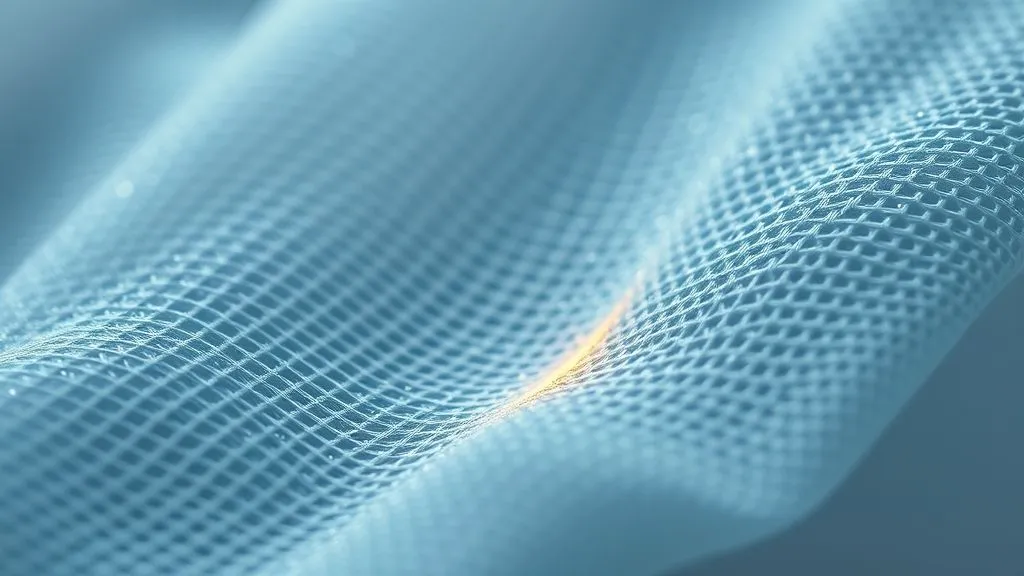
How to overcome durability issues in lightweight innovative technical weaves?
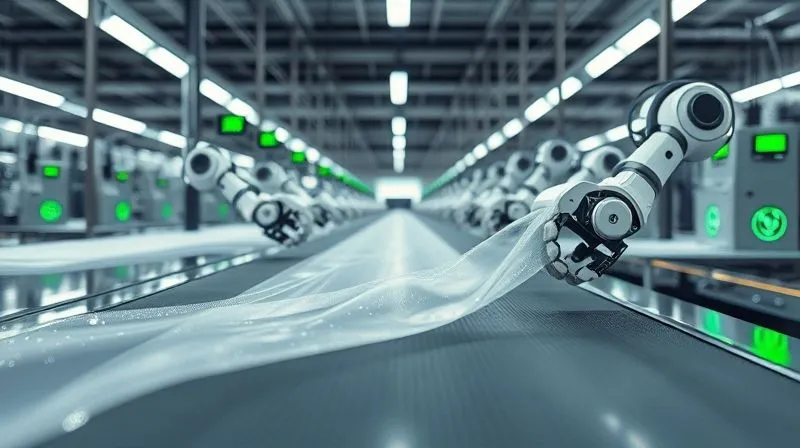
For over two decades in the dynamic world of textile innovation, I've witnessed the exhilarating rise of lightweight technical weaves. From aerospace composites to high-performance sportswear and protective gear, the demand for fabrics that offer minimal weight with maximum functionality has been relentless. It’s a designer’s dream and an engineer’s puzzle.
However, this relentless pursuit of lightness often introduces a critical Achilles' heel: durability. The very properties that make these weaves revolutionary – their fineness, intricate structures, and often delicate raw materials – can also render them vulnerable to abrasion, tearing, pilling, and environmental degradation. This isn't just a minor inconvenience; it can undermine product performance, consumer trust, and brand reputation.
In this deep dive, I'll share actionable frameworks, cutting-edge material insights, and real-world strategies I've honed over years of R&D. We'll explore how to overcome durability issues in lightweight innovative technical weaves, ensuring your next-generation textiles not only perform brilliantly but also stand the test of time, delivering genuine value and enduring performance.
The Inherent Paradox: Lightweight Innovation vs. Enduring Durability
The core challenge lies in a fundamental trade-off: reducing material mass typically means reducing material strength. Imagine a gossamer-thin spider silk versus a robust steel cable; both are strong for their weight, but their absolute durability differs vastly. In technical textiles, we're constantly pushing the boundaries to achieve spider-silk-like performance in real-world applications where steel-cable resilience is often expected.
My experience has shown that many innovators get caught in this trap, optimizing for one attribute at the expense of another. They create a fabric that's incredibly light, highly breathable, or uniquely flexible, only to find it fails prematurely under typical use conditions. This isn't a design flaw, but often a lack of holistic understanding of the material's lifecycle and the diverse stresses it will encounter.
Expert Insight: Durability isn't just about tensile strength; it encompasses resistance to abrasion, tearing, puncture, UV degradation, chemical exposure, and fatigue over repeated cycles. A truly durable lightweight textile excels across multiple vectors.
To truly overcome durability issues in lightweight innovative technical weaves, we must adopt a multi-faceted approach, integrating advancements in material science, weave engineering, post-treatment, and intelligent design from the very outset.
Mastering the Foundation: Advanced Fiber and Yarn Engineering
The journey to durable lightweight weaves begins at the molecular level, with the selection and engineering of the fibers themselves. You can't build a strong house on a weak foundation, and the same applies to textiles.
Selecting High-Performance Polymers
Traditional fibers often lack the intrinsic strength or resilience needed for ultralight applications. This is where advanced synthetic polymers come into play. I've seen incredible advancements with materials like Ultra-High Molecular Weight Polyethylene (UHMWPE), often known by brand names like Dyneema or Spectra. These fibers boast an unparalleled strength-to-weight ratio, far exceeding steel, making them ideal for high-stress, low-denier applications.
Other crucial contenders include aramid fibers (Kevlar, Nomex) for their exceptional heat and cut resistance, and specialized nylons or polyesters engineered with higher tenacity and improved abrasion resistance. The key is to match the fiber's inherent properties to the primary durability requirements of the end product. For example, a fabric for hiking gear needs abrasion resistance, while cut-resistant gloves need high tenacity.
Innovations in Yarn Spinning and Twisting
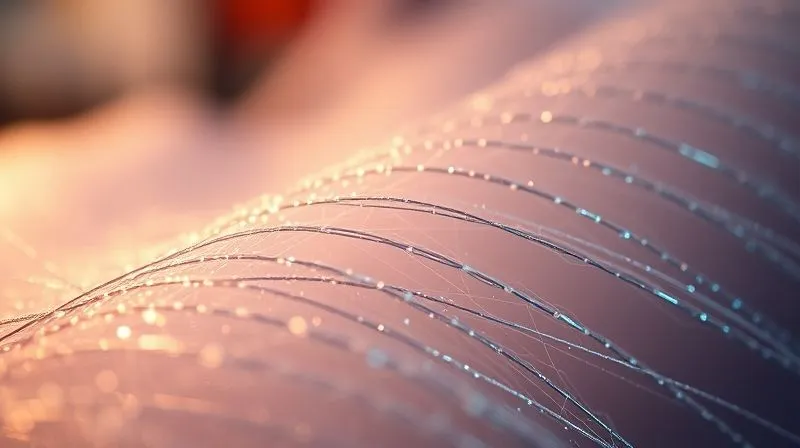
Even with the strongest fibers, poor yarn construction can compromise everything. My teams have spent countless hours experimenting with novel spinning and twisting techniques. For instance, using filament yarns (continuous strands) rather than staple yarns (short, spun fibers) can significantly reduce pilling and increase tear strength in lightweight fabrics. Textile World Magazine frequently highlights these advancements.
Furthermore, compact spinning, core-spun yarns (where a strong filament core is wrapped with softer fibers), or even hollow-core yarns can enhance strength without adding significant bulk. The right twist level is also crucial: too little, and the yarn is weak; too much, and it becomes stiff and brittle. It's a delicate balance that requires deep material understanding and iterative testing.
Strategic Weave Architectures for Enhanced Strength
Beyond the yarn, the way threads interlace profoundly impacts a fabric's durability. A simple plain weave, while stable, might not offer the tear resistance needed for ultralight applications. This is where innovative weave structures become critical.
3D Weaving and Multi-Axial Fabrics
I've long advocated for moving beyond traditional 2D weaves for truly demanding applications. 3D weaving involves interlacing yarns in three dimensions, creating integrated, single-piece structures that are incredibly strong and resistant to delamination or tearing. Think of it as building a fabric with an internal skeletal system.
Multi-axial fabrics, where fibers are laid out in multiple directions (e.g., 0°, +45°, -45°, 90°) and then stitched together, offer exceptional strength and load distribution. These are particularly valuable in composite structures where lightweight strength is paramount, like in aerospace or high-end sporting goods. They prevent stress concentration in a single direction.
Gradient and Hybrid Weaves
Another powerful technique is the use of gradient weaves, where the density or type of yarn changes across the fabric to reinforce high-stress areas. For example, a backpack fabric might have a tighter, heavier weave at the base and shoulder strap attachment points, transitioning to a lighter weave elsewhere. Hybrid weaves, which combine different fiber types (e.g., a UHMWPE warp with a polyester weft), can leverage the best properties of each material, achieving targeted strength, abrasion resistance, or stretch where needed.
| Weave Type | Durability Benefit | Lightweight Challenge | Best Use Case |
|---|---|---|---|
| Plain Weave | Basic stability | Lower tear/abrasion resistance | Simple garments, lining |
| Ripstop Weave | Prevents small tears from spreading | Slightly heavier than plain | Outerwear, tents, bags |
| 3D Weave | Exceptional tear/delamination resistance, integrated structure | Complex manufacturing, higher cost | Composites, protective gear, structural textiles |
| Multi-Axial Fabric | Superior load distribution, strength in multiple directions | Requires bonding/stitching, specialized machinery | Aerospace, ballistic protection, high-performance sports |
The Power of Post-Treatment: Coatings, Laminations, and Finishes
Even the most expertly woven fabric can benefit from post-treatment processes that enhance its durability profile. These treatments act as an invisible shield, fortifying the textile against external forces.
Protective Polymer Coatings
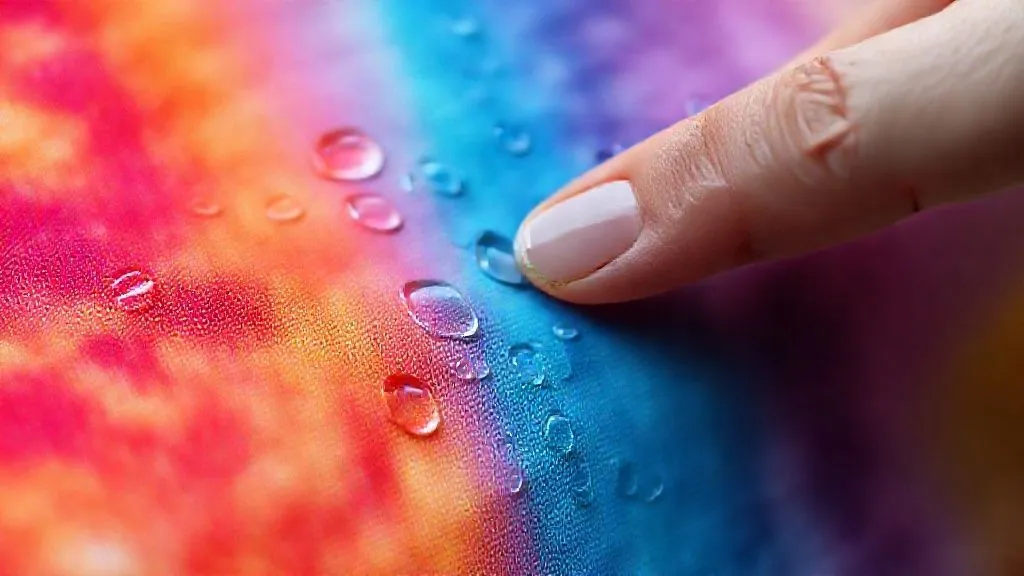
Coatings are a fundamental tool in my arsenal for boosting textile durability. Polyurethane (PU) and silicone coatings are common, offering improved abrasion resistance, water repellency, and tear strength. For ultralight fabrics, the challenge is to apply these coatings thinly and evenly without adding excessive weight or compromising breathability. Nanocoatings, which create a protective layer at the molecular level, are particularly promising, providing significant performance enhancements with minimal weight gain.
I've seen specialized ceramic or metallic particle-infused coatings that dramatically improve cut and abrasion resistance, especially useful in industrial or extreme sports applications. These are often applied as a thin film that bonds intimately with the fabric surface, reinforcing the individual fibers and weave intersections.
Integrated Lamination Techniques
Lamination involves bonding multiple layers of fabric or a fabric with a membrane, creating a composite material. This is particularly effective for achieving waterproof-breathable properties while simultaneously increasing tear and puncture resistance. The choice of adhesive and the lamination process itself are critical to ensure that the bond is strong and flexible, preventing delamination over time and under stress.
For lightweight applications, the use of ultra-thin membranes and advanced bonding agents that don't add stiffness or bulk is paramount. Hot-melt adhesives, reactive polyurethane systems, and even solvent-free lamination processes are constantly evolving to meet these demands.
Case Study: Apex Athletics' Durability Breakthrough
Apex Athletics, a fictional but realistic outdoor gear company, faced a significant challenge with their ultralight hiking pack fabric. While incredibly light, customer feedback indicated premature abrasion and tearing, particularly in high-contact areas. Their initial fabric was a high-tenacity ripstop nylon with a basic PU coating.
Working with my team, Apex implemented a three-pronged approach: First, they switched to a hybrid weave incorporating UHMWPE fibers in the warp direction for superior tear resistance. Second, they adopted a more advanced, multi-layer ceramic-infused nanocoating for enhanced abrasion resistance in critical zones. Third, they utilized a solvent-free lamination process to bond a thin, durable membrane to the interior, adding puncture resistance without compromising the fabric's drape or breathability. This holistic treatment resulted in a 40% increase in abrasion cycles and a 25% improvement in tear strength, significantly extending product life and boosting customer satisfaction. This demonstrates the power of combining material science with strategic application.
Integrating Smart Materials: Self-Healing and Adaptive Textiles
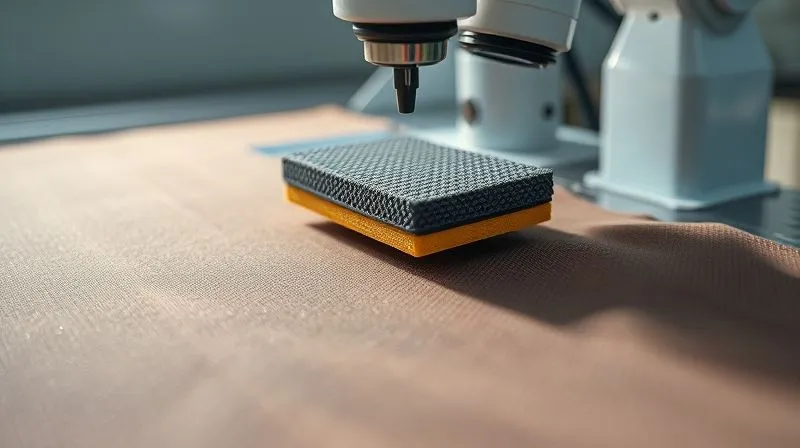
The future of durability in lightweight weaves isn't just about preventing damage, but also about self-repair. Smart materials are no longer science fiction; they are becoming a tangible reality in advanced textiles.
Encapsulated Healing Agents
One fascinating area I've explored involves textiles engineered with microscopic capsules containing healing agents. When the fabric is damaged (e.g., a small tear or puncture), these capsules rupture, releasing a polymerizing agent that fills and bonds the damaged area. This 'self-healing' capability can significantly extend the lifespan of a lightweight fabric, especially in applications where minor damage is common and repair is difficult, such as outdoor gear or military uniforms. Research published in Nature Materials often showcases these cutting-edge innovations.
Shape Memory Alloys and Polymers
While not directly enhancing intrinsic durability against tearing, shape memory alloys (SMAs) and shape memory polymers (SMPs) can contribute to durability by allowing textiles to recover their original form after deformation. Imagine a tent fabric that, after being stretched or crumpled by strong winds, returns to its taut state with the application of heat or light. This reduces stress fatigue on the fibers and coatings, indirectly improving longevity. While still largely in the R&D phase for widespread textile use, their potential for 'adaptive' durability is immense.
Holistic Design Thinking: From Concept to End-of-Life
Durability isn't solely a material property; it's a design outcome. How a product is conceived, constructed, and used fundamentally impacts its longevity, especially when dealing with lightweight, innovative weaves.
Designing for Stress Distribution
A common mistake I've observed is concentrating stress in small areas, leading to premature failure. In lightweight designs, every seam, stitch, and attachment point becomes a potential weak link. Intelligent design involves:
- Reinforcing Critical Points: Adding extra layers, specialized stitching (e.g., bar tacking, box-and-cross stitching), or internal patches at high-stress zones.
- Load Spreading: Using wider straps, larger attachment plates, or clever paneling to distribute forces over a greater surface area.
- Seamless Integration: Exploring bonding or welding techniques instead of traditional stitching where appropriate, to eliminate needle holes that can weaken the fabric.
Modularity and Repairability
Even the most durable lightweight fabric will eventually wear out. Designing for repairability and modularity can significantly extend a product's functional life. Can worn-out sections be easily replaced? Are components designed to be disassembled and reassembled? This approach not only enhances sustainability but also builds strong customer loyalty. Providing users with repair kits or easy access to replacement parts for specific fabric panels can be a game-changer for perceived durability.
Rigorous Validation: Advanced Testing Beyond the Bench
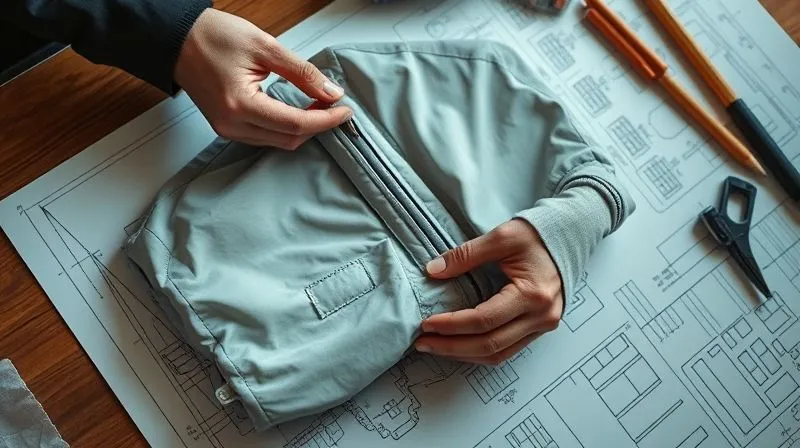
You can have the best fibers, weaves, and coatings, but without rigorous, relevant testing, you're operating in the dark. Standard laboratory tests are a starting point, but lightweight innovative technical weaves often require a more sophisticated validation process.
Simulated Real-World Stress Testing
I always push my teams to go beyond simple abrasion or tear tests. We need to simulate the actual forces and environmental conditions the product will face. This includes:
- Dynamic Abrasion: Simulating rubbing against various surfaces (rock, concrete, skin) under different loads and speeds.
- Flex Fatigue: Repeated bending, creasing, and stretching to assess how the material holds up to constant movement.
- Impact Resistance: Dropping weights or applying sharp impacts to mimic real-world punctures or blunt force trauma.
- Environmental Chambers: Exposing fabrics to extreme temperatures, humidity, UV radiation, and corrosive substances to accelerate aging.
These tests provide invaluable data, allowing for iterative improvements and ensuring the fabric performs as expected in its intended application. ASTM International provides a wealth of standards, but often, custom protocols are needed for truly innovative materials.
Accelerated Aging and Environmental Chambers
To predict long-term performance, accelerated aging is crucial. This involves exposing the fabric to intensified environmental stressors (e.g., higher UV intensity, elevated temperatures, increased humidity cycles) to compress years of wear into weeks or months. While not a perfect substitute for real-world testing, it provides critical insights into material degradation pathways and helps identify potential weak points before mass production.
| Durability Metric | Standard Test Method | Enhanced Approach |
|---|---|---|
| Abrasion Resistance | ASTM D3884 (Taber Abraser) | Dynamic abrasion with varied loads/surfaces, simulated real-world contact |
| Tear Strength | ASTM D1424 (Elmendorf Tear) | Trapezoidal tear, puncture resistance, propagation resistance |
| Tensile Strength | ASTM D5034 (Grab Test) | Multi-directional tensile, seam strength under stress, fatigue testing |
| Weathering/UV Resistance | ASTM G154 (Fluorescent UV) | Accelerated aging with varying UV spectrums, humidity, temperature cycles |
A Glimpse into the Future: Sustainable Durability
As an industry specialist, I believe that true innovation in textiles must also embrace sustainability. Durability itself is a cornerstone of sustainability, as a longer-lasting product reduces waste and resource consumption. But we can go further.
Circular Economy Principles
Designing lightweight durable weaves with their end-of-life in mind is critical. Can the material be easily recycled or biodegraded? Are hazardous chemicals avoided in its production and treatment? The goal is to move towards circular material flows, where textiles are designed to be reused, repaired, or remanufactured, minimizing their environmental footprint. This often means simplifying material compositions or developing innovative recycling processes for complex composites.
Bio-Based & Recycled Durable Materials
The quest for durable lightweight weaves is increasingly turning towards bio-based and recycled feedstocks. Imagine high-performance fibers derived from plants or ocean plastics that offer comparable durability to virgin synthetics. While still in nascent stages for many applications, the progress is rapid. Integrating these materials requires careful consideration of their intrinsic properties and how they interact with weave structures and coatings to maintain performance parity.
Frequently Asked Questions (FAQ)
Q: Is it always true that lighter fabrics are less durable? A: Not necessarily. While there's an inherent trade-off, advancements in fiber science (e.g., UHMWPE), weave engineering (e.g., 3D weaves), and protective coatings allow for ultralight fabrics with impressive durability. The goal is to optimize the strength-to-weight ratio, not just minimize weight at all costs. An expertly engineered lightweight fabric can outperform a poorly constructed heavier one in specific durability metrics.
Q: What's the biggest mistake companies make when trying to achieve lightweight durability? A: In my experience, the biggest mistake is focusing on a single durability metric (e.g., tear strength) without considering the full spectrum of stresses a product will face (abrasion, UV, flex fatigue). A holistic approach, including advanced testing that simulates real-world conditions, is crucial to avoid creating an Achilles' heel in an otherwise innovative product.
Q: How do environmental factors like UV radiation affect lightweight technical weaves? A: UV radiation is a significant degradant for many synthetic fibers, especially nylons and polyesters, leading to embrittlement, loss of strength, and discoloration. In lightweight weaves, where there's less material to absorb the damage, this effect can be accelerated. Incorporating UV stabilizers into the polymer, applying UV-resistant coatings, or using inherently UV-stable fibers (like some acrylics or specific high-performance polymers) are critical strategies.
Q: Are self-healing textiles commercially available now, and for what applications? A: While the technology is very promising and actively researched, widespread commercial availability of truly self-healing textiles is still emerging. Early applications are often niche and high-value, such as specialized protective gear, military textiles, or smart patches for medical use. The challenge lies in cost-effective integration and ensuring the healing mechanism is robust and repeatable under various conditions. We're seeing more proof-of-concept than mass-market products currently.
Q: How can I balance cost with enhanced durability in lightweight fabrics? A: Balancing cost and durability requires strategic decision-making. Instead of uniformly applying expensive high-performance materials or treatments, identify critical stress points and selectively reinforce those areas. Utilize hybrid weaves, gradient coatings, or modular designs where only high-wear components are made from premium, ultra-durable materials. Value engineering and a deep understanding of the product's use case are key to achieving optimal performance without excessive cost.
Key Takeaways and Final Thoughts
- Holistic Approach: Durability in lightweight technical weaves demands a multi-faceted strategy, from fiber selection to post-treatment and design.
- Advanced Materials are Key: Leverage high-performance fibers and innovative yarn constructions as your fundamental building blocks.
- Strategic Weave Engineering: Move beyond traditional 2D weaves to 3D and hybrid architectures for targeted strength.
- Protective Layers: Utilize advanced coatings and laminations to create an external shield against wear and environmental factors.
- Design with Durability in Mind: Focus on stress distribution, modularity, and repairability from the initial concept phase.
- Validate Rigorously: Employ real-world simulation and accelerated aging tests to truly understand and predict performance.
- Embrace the Future: Explore smart materials and sustainable practices to push the boundaries of longevity and environmental responsibility.
The journey to create truly durable lightweight innovative technical weaves is challenging, but immensely rewarding. It requires a blend of material science expertise, engineering precision, and creative design thinking. As an industry, we're constantly pushing the limits of what's possible, and by applying these strategies, you can ensure your innovations not only capture the imagination but also deliver on the promise of enduring performance and reliability. The future of textiles is light, strong, and built to last.
Recommended Reading
- 7 Proven Strategies: Bio-Based Fashion Textiles & Performance Standards
- Uncover the Hidden Impact: How Wartime Rationing Reshaped 1940s Fashion
- 5 Smart Steps: Transitioning Professional Attire to Evening Events Instantly
- 7 Interactive Features Driving Virtual Fashion Buyer Engagement?
- Unlock Profit: 9 Ways to Scale Your Personal Style Blog into a Thriving Business

Your email address will not be published. Required fields are marked *