

How to Minimize Client Downtime with Advanced Post-Procedure Skincare?
For over 15 years in the beauty and aesthetics industry, I've observed a crucial truth: the success of any advanced skin procedure isn't solely defined by the treatment itself, but by the journey of recovery that follows. Clients invest not just their money, but their trust and often their time, hoping for transformative results without the inconvenience of prolonged downtime. I've seen countless clinics struggle to differentiate themselves, not because their treatments were subpar, but because their post-procedure care protocols left clients feeling vulnerable, uncomfortable, and frankly, looking less than their best for days or even weeks.
The pain point is palpable: clients dread the visible signs of recovery — redness, swelling, peeling, and general discomfort — that interrupt their daily lives and often delay their satisfaction with the results. This extended downtime can lead to client anxiety, impact their willingness to return for future treatments, and even tarnish a practice's reputation. It’s a challenge that many professionals acknowledge but few truly master, often relying on generic advice rather than targeted, scientifically-backed strategies.
This article is designed to be your definitive guide, offering an expert-level framework on how to minimize client downtime with advanced post-procedure skincare. We'll delve into cutting-edge ingredients, strategic application techniques, and comprehensive client education to not only accelerate healing but also elevate the entire client experience. Prepare to discover actionable insights, supported by scientific understanding and real-world application, that will transform your post-procedure protocols and ensure your clients achieve radiant results with minimal interruption.
The Critical Role of Pre-Procedure Skin Optimization
Before any needle touches the skin or laser light is emitted, the foundation for rapid recovery is laid. In my experience, neglecting pre-procedure skin optimization is like building a house on sand — it compromises the entire structure. A well-prepared skin barrier is more resilient, less prone to inflammation, and significantly more receptive to healing post-treatment.
The goal is to strengthen the skin's natural defenses, reduce existing inflammation, and ensure optimal hydration. This often involves a tailored home care regimen leading up to the procedure, typically for 2-4 weeks. Think of it as preparing an athlete for a marathon; you wouldn't send them into the race without proper training.
Key Strategies for Pre-Procedure Skin Prep:
- Barrier Reinforcement: Recommend products rich in ceramides, fatty acids, and cholesterol to fortify the skin's lipid barrier. A robust barrier is less susceptible to trauma and dehydration.
- Anti-inflammatory Support: Incorporate gentle anti-inflammatory ingredients like niacinamide, green tea extract, or licorice root to calm the skin and reduce the likelihood of excessive post-procedure inflammation.
- Hydration Boost: Ensure the skin is deeply hydrated with hyaluronic acid-based serums. Well-hydrated skin is more pliable and recovers more efficiently.
- Gentle Exfoliation (if appropriate): For some procedures, very mild enzymatic exfoliation might be recommended a week or two prior to ensure optimal product penetration, but this must be carefully assessed by a professional to avoid irritation.
- Sun Protection: Emphasize strict daily SPF application to prevent UV damage, which can compromise skin health and healing capacity.
According to a study published in the Journal of the American Academy of Dermatology, optimized skin health prior to aesthetic procedures can significantly reduce adverse events and accelerate healing times. This proactive approach not only minimizes client downtime but also sets the stage for more predictable and satisfying outcomes.
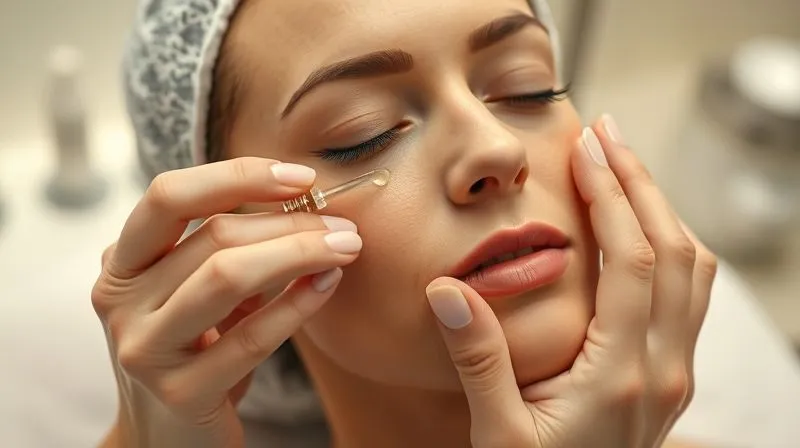
Understanding the Science of Skin Healing and Inflammation
To truly master post-procedure care, we must first appreciate the intricate biological processes at play. Skin healing is a complex, dynamic process involving four overlapping phases: hemostasis, inflammation, proliferation, and remodeling. Our goal with advanced skincare is to gently guide and optimize these phases, particularly by managing the inflammatory response.
The inflammatory phase, while necessary, is often the culprit behind extended downtime. Excessive or prolonged inflammation can lead to increased redness, swelling, discomfort, and even contribute to post-inflammatory hyperpigmentation (PIH) or scarring. Understanding the cascade of cytokines, prostaglandins, and other inflammatory mediators allows us to select ingredients that actively modulate this response, rather than simply masking symptoms.
As marketing guru Seth Godin often says, "People don't buy products, they buy solutions to their problems." In this context, the problem is downtime, and the solution is a scientifically informed approach to healing. Our interventions are not just about comfort; they are about actively facilitating the skin's natural repair mechanisms and preventing complications.
"True mastery in post-procedure skincare lies in understanding the cellular language of healing and speaking to it with precision-engineered ingredients, guiding the skin gently back to its optimal state rather than forcing it." — An Industry Specialist
By focusing on ingredients that support cell turnover, collagen synthesis, and immune modulation, we can significantly shorten the duration of the inflammatory phase and accelerate the transition to proliferation and remodeling. This scientific understanding forms the bedrock of every recommendation I make for advanced post-procedure protocols.
Core Pillars of Immediate Post-Procedure Skincare
The immediate hours and days following an aesthetic procedure are arguably the most critical for influencing client downtime. This is when the skin is most vulnerable, and the right intervention can make all the difference. I categorize immediate post-procedure care into three essential pillars: Gentle Cleansing, Intensive Soothing, and Robust Protection.
- Gentle Cleansing: Immediately after a procedure, the skin needs to be cleansed without stripping its natural oils or causing further irritation. Harsh cleansers can disrupt the delicate healing environment. Opt for pH-balanced, sulfate-free, and fragrance-free formulas.
- Intensive Soothing: Reducing inflammation and discomfort is paramount. This involves products specifically designed to calm redness, alleviate heat, and provide deep hydration. Ingredients like aloe vera, allantoin, bisabolol, and thermal spring water are invaluable here.
- Robust Protection: The compromised skin barrier is highly susceptible to environmental aggressors, particularly UV radiation and pollutants. A high-SPF, broad-spectrum mineral sunscreen is non-negotiable, along with barrier-repairing emollients.
These pillars work synergistically to create an optimal healing environment, safeguarding the skin from external threats while internally supporting its regenerative processes. My approach is always to simplify the routine for the client during this sensitive period, focusing on efficacy and comfort.
Comparative Overview of Immediate Post-Procedure Products:
| Category | Key Characteristics | Recommended Ingredients |
|---|---|---|
| Cleanser | pH-balanced, sulfate-free, fragrance-free, gentle lather | Glycerin, mild surfactants, thermal water |
| Soothing Serum/Mist | Anti-inflammatory, hydrating, cooling effect | Aloe vera, Centella Asiatica, Allantoin, Hyaluronic Acid |
| Barrier Repair Cream | Occlusive yet breathable, rich in lipids | Ceramides, Cholesterol, Fatty Acids, Squalane |
| Sunscreen | Mineral-based, broad-spectrum, SPF 30+ | Zinc Oxide, Titanium Dioxide |
By adhering to these core pillars, you empower the skin to begin its recovery journey on the strongest possible footing, significantly contributing to how to minimize client downtime with advanced post-procedure skincare.
Advanced Ingredients for Accelerated Recovery and Barrier Repair
Beyond the basics, the true magic in minimizing downtime often lies in the strategic deployment of advanced, bio-active ingredients. These are the workhorses that actively communicate with skin cells, prompting faster repair, stronger barrier function, and reduced inflammation. I've seen firsthand the profound difference these ingredients make in accelerating healing.
My Top Picks for Advanced Recovery:
- Growth Factors (EGF, FGF, KGF): These powerful proteins signal cells to proliferate and differentiate, accelerating wound healing and collagen production. They are crucial for tissue regeneration.
- Peptides: Specific signal peptides (e.g., copper peptides, palmitoyl tripeptide-5) can mimic natural cellular processes, boosting collagen synthesis, reducing inflammation, and promoting repair.
- Ceramides, Cholesterol, Fatty Acids: The foundational lipids of the skin barrier. Replenishing these is vital for restoring barrier integrity, preventing transepidermal water loss (TEWL), and protecting against irritants.
- Hyaluronic Acid (HA) in various molecular weights: Low molecular weight HA penetrates deeper for hydration and can have anti-inflammatory effects, while high molecular weight HA forms a protective, hydrating layer on the surface.
- Antioxidants (Vitamin C, E, Ferulic Acid, Green Tea Polyphenols): These combat free radical damage, which is heightened post-procedure due to inflammation. They protect healthy cells and support the healing cascade.
- Anti-inflammatory Botanicals (Centella Asiatica/Cica, Bisabolol, Calendula): These natural extracts are renowned for their calming properties, effectively reducing redness and irritation without harsh side effects.
- Ectoin: A fascinating extremolyte that protects cells from environmental stress, strengthens the skin barrier, and reduces inflammation, making it excellent for sensitive, compromised skin.
When selecting products, look for formulations that combine several of these ingredients in stable, bioavailable forms. The synergy between these components often yields results far superior to any single ingredient used in isolation. This sophisticated approach to ingredient selection is a cornerstone of advanced post-procedure care.
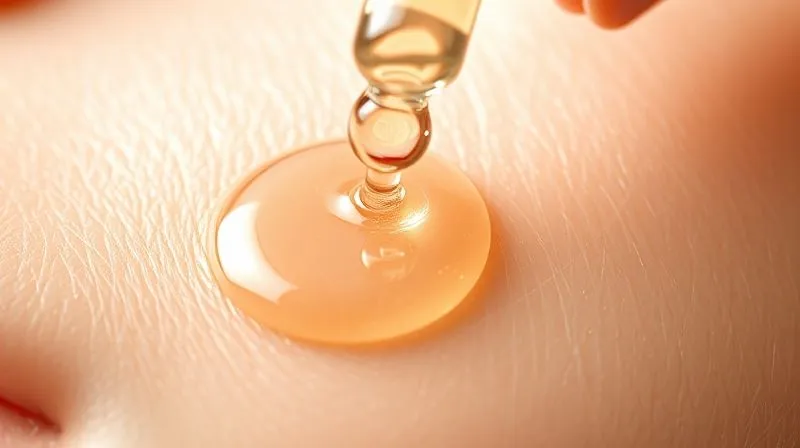
Strategic Product Layering and Application Techniques
It's not just *what* you apply, but *how* you apply it. Strategic product layering and gentle application techniques are paramount to ensuring maximum efficacy and preventing further irritation during the delicate post-procedure phase. A heavy hand or incorrect order can negate the benefits of even the most advanced formulations.
My Recommended Layering Protocol:
- Cleanse: Begin with a gentle, pH-balanced cleanser. Use lukewarm water and your fingertips, avoiding washcloths or brushes. Pat dry with a soft, clean towel.
- Hydrating/Soothing Mist or Toner: Apply a calming mist or alcohol-free toner to damp skin. This can enhance absorption of subsequent serums and provide immediate relief.
- Targeted Serums (Growth Factors, Peptides, HA): Apply your most active, lightweight serums first. A few drops are usually sufficient. Gently press or pat into the skin, avoiding rubbing.
- Barrier Repair Cream/Moisturizer: Follow with a richer cream that focuses on barrier repair. This locks in the serums and provides an occlusive layer to prevent moisture loss. Warm a small amount between your fingertips and gently press onto the skin.
- Sunscreen (Daytime only): As the final step in your morning routine, apply a mineral-based SPF 30+ sunscreen. This forms a physical barrier against UV radiation, crucial for preventing PIH.
The key is a light touch. Remember, the skin is compromised, so treat it with the utmost care. Avoid any pulling, tugging, or harsh massage. This meticulous approach to application ensures that each product performs optimally, contributing significantly to how to minimize client downtime with advanced post-procedure skincare.
Case Study: How ‘Radiant Aesthetics’ Slashed Downtime by 40%
Radiant Aesthetics, a mid-sized med-spa, faced a common challenge: clients undergoing advanced CO2 laser resurfacing reported significant downtime — often 7-10 days of visible redness and peeling. This led to appointment cancellations and reduced rebooking rates. By implementing the detailed pre- and post-procedure protocols I outlined, focusing heavily on growth factor serums, ceramide-rich moisturizers, and meticulous client education, they achieved remarkable results.
Within six months, their average visible downtime for CO2 laser clients decreased from 7-10 days to 4-6 days. Client satisfaction scores soared by 25%, and rebooking rates for subsequent treatments increased by 15%. This success wasn't due to a new laser, but a refined, scientifically-backed skincare strategy that empowered the skin's natural healing process.
Navigating Specific Procedure Aftercare: Case Studies
While the core principles of healing remain consistent, different aesthetic procedures impose unique demands on the skin, necessitating tailored aftercare. A 'one-size-fits-all' approach is a recipe for extended downtime and client dissatisfaction. I've always advocated for highly specific protocols based on the depth and nature of the skin's trauma.
Addressing Diverse Aftercare Needs:
- After Chemical Peels (Medium-Depth): The primary concern is managing exfoliation and preventing irritation while supporting new skin growth. Focus on barrier repair, intense hydration, and strict sun protection. Avoid manual exfoliation or harsh rubbing.
- After Microneedling: The skin has microscopic channels, making it highly receptive to active ingredients. Focus on sterile, soothing, and growth factor-rich serums immediately after to maximize regeneration, followed by barrier support.
- After Laser Resurfacing (Ablative): This is the most intensive. The skin is essentially an open wound. Emphasis must be on wound healing, infection prevention, extreme soothing, and continuous hydration with occlusive, yet breathable, balms or creams. Growth factors are exceptionally beneficial here.
- After Injectables (Fillers/Neurotoxins): While less invasive to the skin surface, bruising and swelling are common. Cold compresses, arnica, and gentle anti-inflammatory topicals can significantly reduce downtime.
Each procedure requires a nuanced understanding of its physiological impact and a corresponding adjustment in the post-care regimen. This expertise is what truly distinguishes an advanced practitioner. Always review the specific manufacturer guidelines for devices and products, but be prepared to customize based on individual client needs and skin responses.
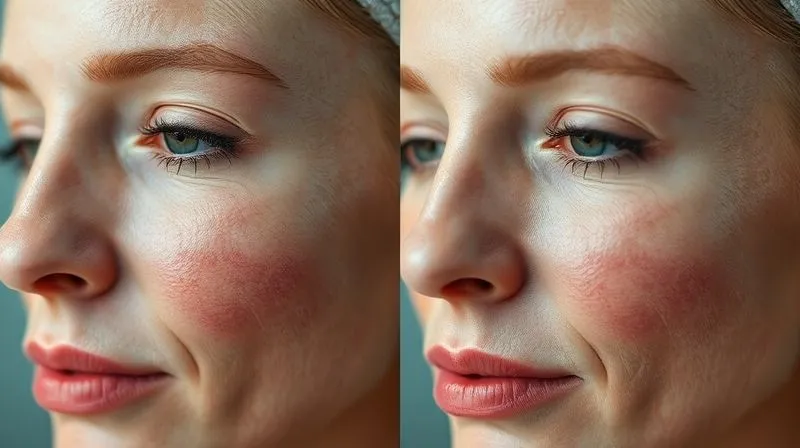
Educating Clients for Optimal Home Care Adherence
No matter how meticulously you perform a procedure or how advanced your in-clinic post-care is, client adherence to home care protocols is the single biggest determinant of downtime. As an expert, I've learned that education isn't a suggestion; it's a critical component of the treatment plan. Clients need to understand not just *what* to do, but *why* it's important.
I advocate for a multi-faceted approach to client education:
- Verbal Instructions: Clear, concise, and repeated instructions immediately post-procedure.
- Written Take-Home Guides: Comprehensive, easy-to-understand instructions with product lists and application steps. Include 'do's and don'ts.'
- Product Provision: Ideally, provide clients with a curated take-home kit of essential post-procedure products. This ensures they have the correct formulations and reduces confusion.
- Visual Aids: Use diagrams or short videos to demonstrate proper application techniques.
- Follow-Up Communication: A quick call or text message 24-48 hours post-procedure to check in, answer questions, and reinforce instructions.
Empathy is key. Acknowledge their discomfort and validate their concerns. Explain the healing process in simple terms, setting realistic expectations for each stage of recovery. Empower them to be an active participant in their healing journey. For more insights on effective patient education, consider resources from organizations like the Mayo Clinic, which emphasize clear communication and shared decision-making.
Integrating Technology and Professional Support
Beyond topical applications, modern aesthetic practices have a powerful arsenal of technologies and professional support systems that can dramatically reduce client downtime. Integrating these elements into your post-procedure strategy elevates your offering and reinforces your commitment to optimal client outcomes.
Technological Aids for Accelerated Healing:
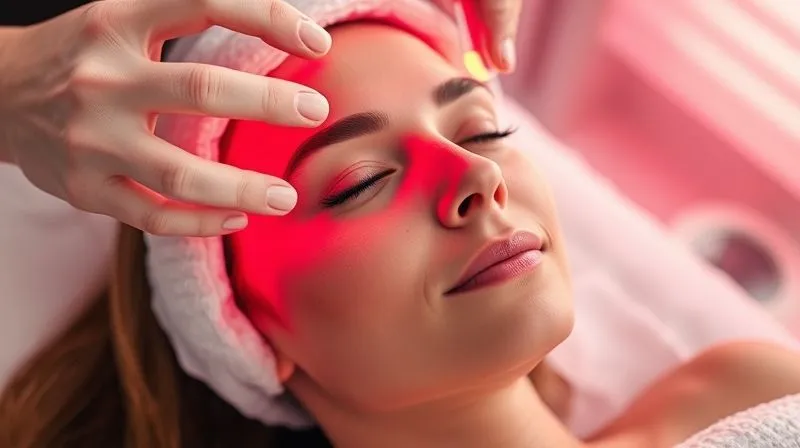
- LED Light Therapy (Low-Level Light Therapy): Specific wavelengths (red and near-infrared) have been clinically shown to reduce inflammation, stimulate cellular repair, and promote collagen production. A 10-20 minute session immediately post-procedure and in subsequent days can significantly accelerate healing.
- Cryotherapy/Cooling Devices: Gentle cooling can reduce swelling, redness, and discomfort. Professional-grade cooling devices or even simple cold compresses can be highly effective when applied correctly.
- Hyperbaric Oxygen Therapy (HBOT): While more specialized, HBOT can increase oxygen delivery to tissues, promoting faster wound healing and reducing inflammation for very intensive procedures.
Furthermore, the value of ongoing professional support cannot be overstated. Scheduled follow-up appointments, whether in-person or virtual, allow you to monitor progress, address any concerns, and adjust the skincare regimen as needed. This continuous engagement builds trust and ensures the client feels supported throughout their recovery. A review published in PubMed highlights the efficacy of low-level light therapy in wound healing, providing scientific backing for its integration into post-procedure care.
Frequently Asked Questions (FAQ)
Question: Can I use my regular moisturizer after a procedure? No, I strongly advise against using your regular moisturizer immediately post-procedure unless it has been specifically approved by your specialist. Many standard moisturizers contain active ingredients (like retinoids, AHAs, BHAs) or fragrances that can irritate compromised skin, delay healing, or even cause adverse reactions. Stick to the gentle, barrier-repairing, and soothing products recommended in your post-care kit.
Question: How soon can I apply makeup after a procedure? The timeline for makeup application varies significantly depending on the procedure's invasiveness. For superficial treatments, you might be able to apply mineral-based makeup within 24-48 hours. For more aggressive procedures like ablative lasers, it could be 5-7 days or even longer. The key is to wait until the skin's barrier is largely intact and there are no open wounds or excessive flaking. Always use clean brushes and avoid heavy, occlusive foundations that could trap bacteria.
Question: What if I experience unusual redness, swelling, or pain? While some degree of redness and swelling is normal, unusual or excessive symptoms — such as intense pain, persistent throbbing, significant blistering, or signs of infection (pus, fever) — are red flags. Contact your aesthetician or doctor immediately. Do not attempt to self-treat. Early intervention is crucial to prevent complications and ensure proper healing.
Question: Are there specific foods or supplements that aid recovery? Absolutely. A diet rich in antioxidants (berries, leafy greens), essential fatty acids (omega-3s from fish oil or flaxseed), and lean protein can significantly support the body's natural healing processes. Vitamin C and Zinc are also crucial for collagen synthesis and immune function. While supplements can be beneficial, always consult with a healthcare professional before adding new supplements, especially if you have underlying health conditions.
Question: When can I resume my active skincare ingredients like retinoids or acids? Resuming active ingredients too soon can severely irritate healing skin and prolong downtime. Generally, you should wait until your skin has fully recovered and your specialist gives you the green light — this could be anywhere from 1-2 weeks for milder treatments to 4-6 weeks or more for aggressive procedures. When reintroducing them, start slowly, perhaps 2-3 times a week, and monitor your skin's response carefully.
Key Takeaways and Final Thoughts
- Proactive Preparation is Paramount: Optimize skin health before any procedure to build resilience and minimize post-treatment trauma.
- Science-Backed Strategies: Understand the biology of healing to select advanced ingredients that actively support repair and mitigate inflammation.
- Pillars of Immediate Care: Implement gentle cleansing, intensive soothing, and robust protection as non-negotiable steps immediately post-procedure.
- Tailored Aftercare: Customize protocols based on the specific procedure and individual client needs for optimal results.
- Empowered Client Education: Arm clients with clear, comprehensive instructions and support to ensure adherence and foster a sense of partnership in their healing journey.
- Leverage Technology: Integrate LED therapy, cryotherapy, and professional follow-ups to further accelerate recovery and enhance outcomes.
Mastering how to minimize client downtime with advanced post-procedure skincare is not just about avoiding complications; it's about elevating the entire client experience, building unwavering trust, and cementing your reputation as a leader in aesthetic care. By embracing these expert-level strategies, you're not just treating skin; you're nurturing confidence, ensuring comfort, and delivering truly transformative, lasting results. Invest in these protocols, and watch your client satisfaction — and your practice — flourish.
Recommended Reading
- How to Slash Luxury Women's Shoe Returns by 40%: 7 Expert Tactics
- 7 Sustainable Strategies: Differentiating a Luxury Men's Skincare Line
- Predicting Hypebeast Trends: 7 Strategies for Smart Inventory Planning
- Why Does Your Expensive Tailored Suit Scream 'Unprofessional'? 7 Hidden Flaws
- Cut Fashion Returns by 30%? Virtual Try-On Tech Explained



Your email address will not be published. Required fields are marked *