


How to make logomania relevant for a sustainable streetwear brand?
For over 15 years in the streetwear industry, I've witnessed countless brands chase trends, often at the expense of genuine brand identity and, more recently, planetary well-being. The allure of logomania, with its undeniable power to signal belonging and status, has always been a double-edged sword. It can build empires, but it can also, if not handled carefully, dilute authenticity and contribute to the very fast-fashion cycle many conscious consumers now reject.
Today, this challenge is amplified for sustainable streetwear brands. How do you embrace the visual impact of a strong logo – a cornerstone of streetwear culture – without compromising your commitment to ethics, environmental responsibility, and thoughtful consumption? The traditional, overt logomania of yesteryear often clashes directly with the values of longevity, transparency, and minimalism that define true sustainability. This creates a significant dilemma: alienate a core cultural element or risk being perceived as greenwashing.
In this definitive guide, I'll share actionable frameworks and expert insights to navigate this complex intersection. You'll discover how to strategically redefine your brand's logo philosophy, integrate powerful sustainable narratives, leverage material innovation, and foster community engagement. We'll explore how to make logomania not just relevant, but a powerful, authentic amplifier for your sustainable streetwear brand, transforming a potential conflict into a unique competitive advantage.
Understanding the Evolution of Logomania and Sustainability
To truly make logomania relevant for a sustainable streetwear brand, we first need to appreciate its journey. Logomania isn't a static concept; it has ebbed and flowed through fashion cycles, reflecting broader societal values. From the overt branding of the 80s and 90s, signaling aspirational luxury and brand allegiance, to its more recent resurgence, often criticized for its association with fast fashion and consumerism, the logo has always been a powerful, albeit sometimes problematic, symbol.
From Overt Ostentation to Conscious Curation
Historically, a large, prominent logo was a badge of honor, a declaration of status. Consumers were eager to display their brand affiliations, creating a visual language of belonging. However, the rise of conscious consumerism, fueled by environmental concerns and a desire for authenticity, has shifted this paradigm dramatically. Today's discerning consumer, particularly within the sustainable streetwear niche, often seeks longevity, quality, and a deeper narrative over fleeting trends and overt branding.
This doesn't mean logos are dead; it means their purpose and presentation must evolve. The challenge is to move away from mere brand display and towards brand affirmation – where the logo subtly reinforces a brand's core values rather than just announcing its presence. It's about curation, not ostentation. It’s about signaling a shared ethos with your community, not just a purchase.
"The future of branding, especially in sustainable fashion, isn't about shouting your logo; it's about whispering your values through every design choice, every material, and every interaction. Your logo becomes the understated signature of a commitment, not just a commodity."
Strategy 1: Redefining Your Brand's Logo Philosophy for Good
The first step in making logomania sustainable is to fundamentally rethink what your logo represents. It must transcend mere identification and become an emblem of your brand's purpose, values, and commitment to the planet. This requires a shift from a 'logo-first' mentality to a 'values-first' approach, where the design is an extension of your ethical foundation.
The Power of Subtlety and Symbolism
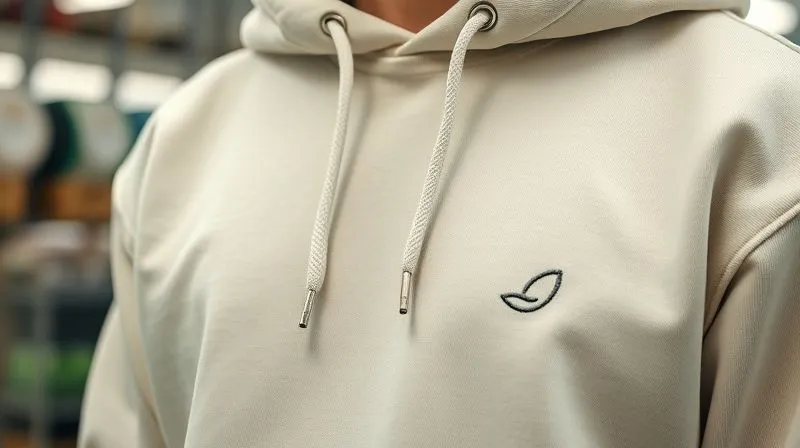
Sustainable logomania thrives on subtlety. Instead of colossal, dominating logos, consider designs that are integrated, thoughtful, and symbolic. This might mean smaller, strategically placed logos, or even abstract representations that hint at your brand's ethos without explicitly stating it. Think about how your logo can visually communicate concepts like circularity, natural processes, craftsmanship, or community.
- Nature-Inspired Motifs: Incorporate elements from the natural world – leaves, waves, geological patterns – that subtly link your brand to environmental consciousness.
- Geometric Simplicity: Clean, minimalist lines often convey modernity, efficiency, and a reduction of waste, aligning with sustainable principles.
- Abstract Representation: Develop a unique symbol that, over time, becomes synonymous with your brand's specific sustainable mission, requiring consumers to 'discover' its meaning.
- Integrated Design: Weave the logo into the garment's construction, perhaps through unique stitching patterns, fabric textures, or even as part of the garment's functional design.
The goal is for the logo to resonate with those who understand your brand's deeper message, fostering a sense of insider knowledge and shared values. It becomes a subtle nod, a knowing wink, rather than a blatant advertisement.
Strategy 2: Integrating Sustainable Narratives into Brand Identity
Your logo is just one piece of your brand's identity; its true power for a sustainable brand lies in the story it tells. Logomania can be relevant when the logo acts as a gateway to a richer narrative about your brand's ethical practices, supply chain, and positive impact. This is where transparency becomes your most compelling brand mark.
Transparency as Your Strongest Brand Mark
Consumers today demand to know where their clothes come from, who made them, and under what conditions. Your brand's logo, therefore, should implicitly or explicitly invite this inquiry. Instead of simply being a mark of ownership, it should be a promise of provenance and integrity. This isn't about putting your entire supply chain on the front of a t-shirt, but about creating an identity that speaks to accountability.
I've seen brands fail to capitalize on their sustainable practices because they didn't weave them into their core brand narrative. It's not enough to be sustainable; you must communicate it effectively and authentically. Your logo can be the starting point for this conversation, prompting curiosity and trust. As Harvard Business Review emphasizes, authentic storytelling is crucial for modern brand building.
- Traceability Integration: Consider adding a QR code near your logo (perhaps on a small label or hangtag) that links directly to your supply chain transparency page.
- Impact Badges: Design small, unobtrusive badges or symbols that accompany your main logo, indicating specific sustainable achievements (e.g., 'Organic Certified,' 'Fair Trade,' 'Recycled Materials').
- Story-Driven Collections: Launch collections where the logo design is directly inspired by a particular sustainable initiative, such as ocean clean-up or reforestation, with a percentage of sales going to support it.
- Educational Content: Use your brand's platforms (website, social media) to regularly share the stories behind your materials, your artisans, and your environmental efforts, using your logo as a consistent visual identifier.
Strategy 3: Leveraging Material Innovation for Logo Expression
One of the most innovative ways to make logomania relevant for a sustainable streetwear brand is by literally embedding sustainability into the logo itself through material choice and application. This goes beyond simply printing a logo on an organic cotton tee; it's about making the logo's very existence a testament to your brand's eco-conscious principles.
Eco-Friendly Embellishments and Dyes
Think about the materials used for your logos. Are they PVC-free? Are the dyes low-impact or natural? Could your logo be embroidered with recycled threads, or created using innovative biodegradable materials? These choices speak volumes about your commitment. A logo crafted from recycled plastic bottles, for instance, tells a powerful story that a conventional plastic-based print cannot. This is where the tactile experience of your brand reinforces its values.
In my experience, consumers are increasingly tactile. They touch, they feel, they examine. A logo that feels different, that has a story woven into its very texture, creates a deeper connection. This is a subtle yet potent form of brand communication that aligns perfectly with the hands-on, quality-driven ethos of sustainable streetwear.
| Logo Application Method | Environmental Impact | Durability | Cost |
|---|---|---|---|
| Traditional Screen Print (Plastisol) | High (PVC, phthalates, water waste) | Good, can crack over time | Low to Medium |
| Water-Based Screen Print | Medium (less toxic, less water waste) | Good, softer feel | Medium |
| Recycled Polyester Embroidery | Low (repurposed materials) | Excellent, long-lasting | Medium to High |
| Natural Dye Fabric Patch | Very Low (biodegradable dyes, natural fibers) | Good, unique aged look | Medium to High |
| Laser Etched (on wood/cork tags) | Low (natural materials) | Excellent, unique texture | Medium |
Strategy 4: The Circularity of Brand Messaging and Product Lifecycle
For a sustainable streetwear brand, logomania can be reimagined as a symbol of circularity and longevity. Rather than representing a disposable trend, your logo can signify a commitment to products that are designed to last, be repaired, or be recycled. It becomes a mark of enduring value, not fleeting fashion.
Designing for Longevity: Logos That Endure
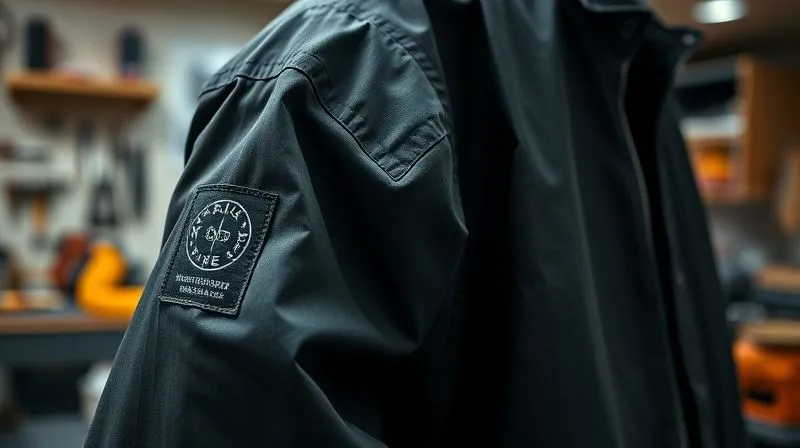
A logo that signifies quality and durability inherently aligns with sustainable values. When your logo is on a garment built to withstand time, wash, and wear, it becomes a testament to anti-fast fashion. This might involve using more robust embroidery techniques, integrated fabric patterns, or even logos that are intentionally designed to age gracefully with the garment, developing a unique patina over time.
Furthermore, consider how your logo can encourage circular behaviors. Could it be subtly integrated into care labels that offer repair instructions? Or perhaps a QR code on the garment that links to a take-back program for recycling? The logo extends its influence beyond initial purchase, becoming a tool for responsible consumption throughout the product's entire lifecycle.
Case Study: 'ReGen Threads' and Their Circular Mark
ReGen Threads, a fictional sustainable streetwear brand, faced the challenge of making their logo impactful without being wasteful. They developed a unique, minimalist circular logo that subtly incorporated a 'loop' motif. This logo was not only embroidered with recycled threads on their garments but also featured prominently on all their repair kits and packaging, which were made from recycled materials. Each garment's internal tag included a small version of the logo alongside a QR code that linked to a 'ReGen & Repair' portal, offering free repair guides and a discounted take-back program for end-of-life garments. By integrating their logo into every stage of the product lifecycle, from creation to repair and recycling, ReGen Threads transformed logomania into a powerful symbol of circular fashion, fostering extreme brand loyalty and reducing waste. Their customers proudly displayed the logo, knowing it represented a commitment to more than just a style.
Strategy 5: Community Engagement and Collaborative Branding
Logomania doesn't have to be a top-down corporate dictate. For sustainable streetwear, it can be a collaborative venture, a symbol of shared values within a community. When your brand genuinely engages with its audience and empowers them, the logo transforms from a mere company mark into a badge of collective identity and purpose.
Co-Creation and Authenticity in Brand Expression
Consider initiatives where your community contributes to the meaning or even the design evolution of your logo. This could involve limited-edition drops where local artists interpret your brand's sustainable mission through unique logo variations, or campaigns where customers share stories of how your sustainable products align with their values, effectively becoming brand ambassadors. This approach builds a profound sense of ownership and authenticity.
I've observed that the most successful sustainable brands aren't just selling products; they're building movements. Their logos become flags for these movements. This resonates with insights on community-driven brand growth. When your community feels a part of your brand's journey, they become your most authentic marketers, wearing your logo not out of trend, but out of conviction.
- Limited Edition Collaborations: Partner with environmental organizations or local sustainable artists to create unique logo variations for specific campaigns, sharing the story behind each design.
- User-Generated Content Campaigns: Encourage customers to share how they style your sustainable streetwear, subtly integrating your logo into their personal narratives.
- Community Workshops: Host events (online or in-person) focused on sustainable living, DIY repairs, or upcycling, where your brand and its logo become a symbol of these shared values.
- Brand Ambassador Programs: Select individuals who genuinely embody your brand's sustainable ethos to represent your logo, focusing on their authentic connection rather than just their reach.
Measuring Impact: Metrics for Sustainable Logomania Success
Implementing these strategies is only half the battle; you need to measure their effectiveness to truly make logomania relevant for a sustainable streetwear brand. Traditional metrics like sales volume are important, but for sustainable brands, success is also deeply tied to perception, engagement, and actual environmental impact.
Key Performance Indicators for Ethical Branding
Beyond standard marketing KPIs, focus on metrics that reflect your brand's sustainable mission and the authentic connection your logo fosters. This holistic approach ensures your logomania efforts are genuinely contributing to both your brand's growth and its positive impact. As Deloitte's studies on consumer behavior suggest, ethical considerations are increasingly driving purchase decisions.
I've found that tracking qualitative data, such as brand sentiment and community feedback, can be just as crucial as quantitative figures. It tells you if your subtle logomania is resonating and if your sustainable narrative is truly being understood and appreciated by your target audience. Your logo's success isn't just about visibility; it's about resonance and credibility.
| Metric Category | Specific KPI | Measurement Method |
|---|---|---|
| Brand Perception | Brand Trust Score (Surveys) | Regular customer surveys, sentiment analysis of reviews/social media |
| Engagement | User-Generated Content Rate (UGC) | Tracking mentions, hashtags, shares featuring logo/products |
| Sustainability Impact | Material Traceability/Certification Rates | Internal audits, supplier documentation, third-party certifications |
| Customer Loyalty | Repeat Purchase Rate (RPR) | E-commerce analytics, customer lifetime value (CLV) |
| Brand Storytelling | Website Engagement on 'Our Story'/'Sustainability' Pages | Google Analytics (time on page, bounce rate) |
Overcoming Challenges: Navigating Greenwashing and Consumer Skepticism
Even with the best intentions, sustainable streetwear brands attempting to embrace logomania can face significant challenges, particularly the accusation of greenwashing. Consumers are increasingly savvy and cynical about corporate claims of sustainability, and a misplaced or overly prominent logo can easily trigger skepticism.
Building Unshakeable Trust Through Action
The key to overcoming this is unwavering authenticity and demonstrable action. Your logo, no matter how subtle or symbolic, must be backed by tangible, verifiable sustainable practices. This means transparent supply chains, ethical labor practices, and genuine environmental initiatives. If your logo hints at sustainability, your entire operation must scream it.
I often advise brands that trust is built brick by brick, but can be shattered in an instant. Avoid making grand, unsubstantiated claims. Instead, focus on verifiable facts and continuous improvement. Your logo should be a beacon of integrity, not a smokescreen. When in doubt, under-promise and over-deliver on your sustainable commitments. This is where your brand's integrity truly shines, making your logo a respected symbol of genuine effort.

Frequently Asked Questions (FAQ)
Is logomania inherently unsustainable for streetwear? No, not inherently. While traditional logomania often aligned with fast-fashion cycles and consumerism, it can be redefined. By focusing on purposeful design, sustainable materials, and integrating ethical narratives, logomania can become a relevant and authentic expression for sustainable streetwear brands. The key is to shift from overt display to subtle, values-driven symbolism and transparency.
How can small sustainable brands compete with established logomania brands? Small sustainable brands have an advantage in authenticity and agility. They can build strong, engaged communities around shared values, leveraging their logo as a badge of belonging for a niche audience. Focus on powerful storytelling, transparent practices, and unique, high-quality sustainable materials that established brands often struggle to implement at scale. Your logo becomes a mark of difference and conscious choice.
What role does digital presence play in sustainable logomania? A critical one. Digital platforms are essential for conveying the deeper stories behind your logo and sustainable practices. Use your website, social media, and email marketing to share supply chain transparency, material innovations, and community initiatives. Your logo acts as a visual anchor across these platforms, prompting users to explore the rich narrative that makes your brand truly sustainable.
How do I avoid greenwashing accusations when using a logo prominently? Authenticity and transparency are paramount. Every claim your logo implies must be verifiable through your actions. Provide clear, accessible information about your sustainable practices, certifications, and impact. Avoid vague terms and ensure your marketing accurately reflects your efforts. Your logo should be a symbol of verifiable truth, not just aspirational marketing.
Can logomania actually drive sustainable consumer behavior? Absolutely. When a logo is deeply intertwined with a brand's sustainable mission and communicates values like longevity, repair, or circularity, it can influence consumer behavior. A logo that signifies quality and encourages caring for a garment, or participation in a take-back program, transforms from a mere brand mark into a subtle prompt for more responsible consumption. It becomes a symbol of a movement, not just a product.
Key Takeaways and Final Thoughts
- Redefine Purpose: Your logo must symbolize purpose and values, not just brand identity. Embrace subtlety and symbolism.
- Integrate Narrative: Weave sustainable stories into your brand identity, using transparency as a core element.
- Innovate Materials: Utilize eco-friendly materials and application methods to make your logo itself a statement of sustainability.
- Promote Circularity: Design your logo and branding to encourage product longevity, repair, and recycling.
- Engage Community: Transform logomania into a collaborative, community-driven expression of shared values.
- Measure Holistically: Track not just sales, but brand perception, engagement, and actual impact to gauge success.
- Act Authentically: Build trust through verifiable actions, avoiding greenwashing at all costs.
The journey to make logomania relevant for a sustainable streetwear brand is not without its complexities, but it is incredibly rewarding. As I've seen time and again, consumers are yearning for brands that stand for something more than just profit. By thoughtfully integrating your logo with your sustainable mission, you're not just selling clothes; you're inviting your community to wear their values. This approach doesn't just make your brand relevant; it makes it resilient, authentic, and truly impactful in a rapidly evolving industry. Embrace this challenge, and your logo will become a powerful emblem of positive change.
Recommended Reading
- 5 Steps to Guarantee Quality in Outsourced Fashion Photo Retouching
- 7 Proven Strategies: Ethically Sourcing Rare Gemstones for Sustainable Jewelry Lines
- 7 Expert Steps: How to Transform Vintage Jewelry into Unique Modern Designs
- The Secret to Effortless Sophistication: How to Infuse Timeless Elegance into Casual Wear
- 7 Proven Strategies: Slash Returns of Poorly Fitting Workout Clothes



Your email address will not be published. Required fields are marked *