

How to make graphic tee designs stand out in a saturated streetwear market?
For over 15 years, I've navigated the dynamic, often chaotic, world of streetwear. I've seen countless brands rise and fall, often for a simple, yet profound reason: they failed to differentiate. The market is a relentless beast, and nowhere is this more apparent than in the graphic tee segment.
The sheer volume of new labels, independent designers, and fast-fashion giants churning out graphic tees has created an unprecedented level of saturation. It's a sea of sameness, where unique voices struggle to be heard, and even compelling designs get lost in the noise. Designers pour their hearts into creations, only to find them blending into an indistinguishable mass.
But fear not. In this definitive guide, I'll share the actionable frameworks, real-world insights, and expert strategies I've cultivated over my career to help you not just survive, but thrive. We'll explore how to make graphic tee designs stand out in a saturated streetwear market by leveraging authenticity, strategic niche targeting, unparalleled quality, and compelling storytelling.
Mastering Authenticity: Your Brand's Unseen Edge
In a market where trends are fleeting and imitation is rampant, authenticity is your most potent weapon. It's not just about having a unique logo; it's about embodying a genuine ethos that resonates deeply with your audience. This is where many brands falter, chasing fleeting fads instead of digging deep into their core identity.
I've seen brands with technically brilliant designs fail because they lacked a soul, a story that felt real. Authenticity builds trust, and trust builds a loyal community that will champion your brand even when the next big thing emerges.
Define Your Unique Narrative
Your brand's narrative is the foundation of your authenticity. It's the 'why' behind what you do, the values you uphold, and the message you want to convey. This isn't just marketing fluff; it's the DNA of your designs.
Start by asking yourself: What specific subculture, philosophy, or artistic movement truly inspires me? What problems do I want to address, or what feelings do I want to evoke through my designs? Your narrative should feel personal, almost autobiographical, even if it's a collective vision.
"Authenticity is the courage to be yourself. It's the willingness to show up and be real, even when it's uncomfortable. In streetwear, it's what separates the legends from the fleeting trends." - Brené Brown's philosophy applied to brand building.
Here’s an actionable framework to define your brand's unique narrative:
- Brand Persona Workshop: Gather your team (or just yourself if you're a solo designer) and define your brand as if it were a person. What are its personality traits, beliefs, and aspirations? Who are its heroes and villains?
- Mission & Values Statement: Articulate a clear, concise mission statement (e.g., "To empower individual expression through ethically sourced, thought-provoking graphic art"). List 3-5 core values that will guide every design and business decision.
- Visual Identity Brief: Translate your narrative and values into concrete visual directives. What kind of imagery, typography, color palettes, and stylistic elements best represent your authentic voice?
By investing this time upfront, you create a filter for all future designs, ensuring they consistently reflect your brand's true self. This consistency, born from authenticity, is paramount for recognition.
Niche Down or Drown: Finding Your Micro-Community
The biggest mistake I see new brands make is trying to appeal to everyone. In streetwear, 'everyone' means 'no one.' The market is too vast, too fragmented, and too competitive for a generic approach. To truly make graphic tee designs stand out, you must identify and serve a specific, often underserved, micro-community.
Think of it this way: would you rather be a small fish in a huge ocean, or a big fish in a small, passionate pond? The latter offers far more potential for deep connection and loyalty, which translates directly to sales and brand longevity.
Beyond 'Streetwear': Uncovering Your Specific Tribe
When I say 'niche,' I don't just mean 'streetwear.' That's a macro-category. A true niche is much more granular. It could be:
- Skate-Punk Revivalists: Designs inspired by 90s skate culture, DIY aesthetics, and punk rock typography.
- Urban Techwear Enthusiasts: Minimalist designs with futuristic motifs, functional elements, and sleek lines.
- Vintage Anime & Manga Collectors: Graphic tees featuring obscure characters, retro animation styles, and Japanese cultural references.
- Eco-Conscious Activists: Designs with powerful environmental messages, earthy tones, and sustainable material focus.
- Abstract Art Aficionados: Tees as wearable canvases, featuring unique, non-representational art pieces.
The key is to go deep, not broad. Understand their interests, their language, their values, and their preferred aesthetics. This deep understanding allows you to create designs that speak directly to them, fostering an immediate sense of belonging and recognition.
Case Study: 'Vaporwave Threads' Finds Its Lane
Vaporwave Threads, a small startup, initially struggled with generic designs featuring common streetwear tropes. Their sales were stagnant, and they lacked a clear identity. After conducting extensive market research and realizing the strong, yet underserved, community around vaporwave aesthetics and nostalgic 80s/90s internet culture, they pivoted.
They focused solely on creating graphic tees that meticulously captured the essence of vaporwave: pastel color palettes, glitch art, Roman busts, Japanese characters, and retro-futuristic vibes. By hyper-focusing on this specific niche, they cultivated an incredibly loyal following. Their designs, once lost in the noise, became instantly recognizable to their target audience, leading to consistent sell-outs and a distinct brand identity that truly stood out.
The Power of Craft: Quality and Innovation in Fabrication
In a saturated market, merely having a cool design isn't enough; the garment itself must be exceptional. This means paying meticulous attention to fabric, fit, and finish. Consumers are increasingly discerning, and a poorly constructed tee, regardless of its graphic, will quickly diminish your brand's reputation.
When I started, finding quality blanks was a challenge. Today, there's no excuse. The accessibility of premium materials and innovative production techniques means you can, and should, elevate your product beyond the standard.
Beyond Basic Blanks: Fabric, Fit, and Finish
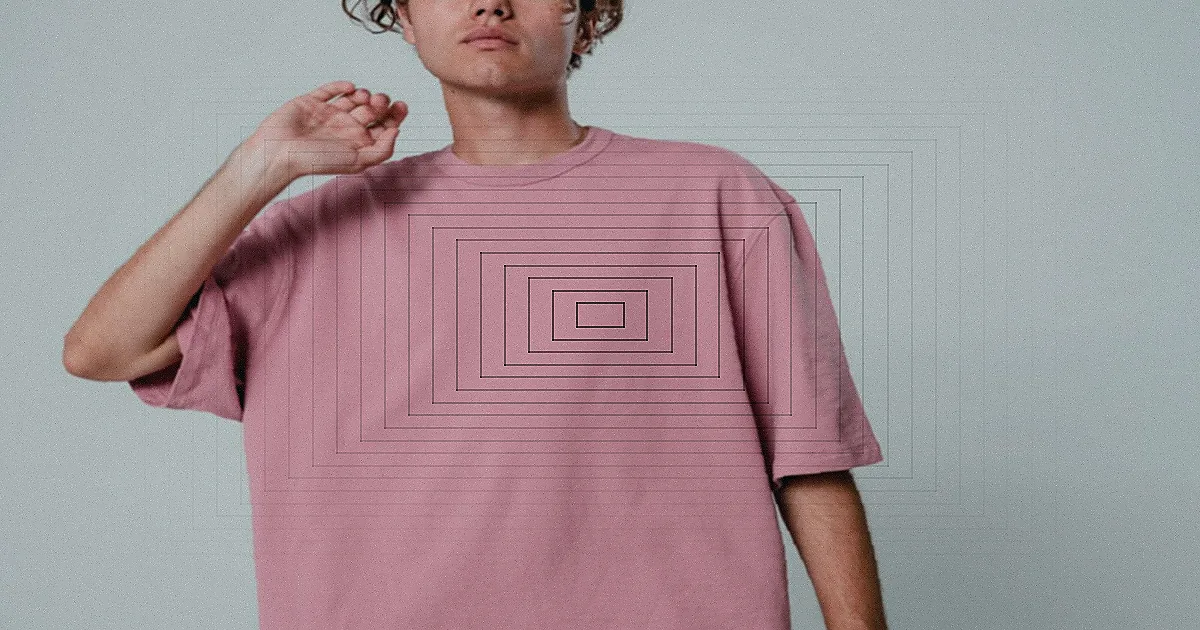
Consider the tactile experience of your graphic tees. Is the fabric soft, durable, and comfortable? Does the fit align with modern streetwear preferences (e.g., oversized, relaxed, drop shoulder)? Are the seams clean, and the printing crisp?
- Fabric Selection: Explore options beyond standard cotton. Consider organic cotton, recycled polyester blends, hemp, or Tencel for superior drape, comfort, and sustainability. These choices not only enhance the product but also tell a story about your brand's values.
- Innovative Printing Techniques: Move beyond basic screen printing. Experiment with high-density puff print for tactile graphics, discharge printing for a soft, vintage feel, intricate embroidery for premium details, or reflective prints for unique visual effects in different lighting.
- Garment Details: Small details like custom neck labels, hang tags, unique stitching patterns, or even a subtle branded hem tag can elevate a tee from ordinary to extraordinary.
According to a report by McKinsey & Company, consumers are increasingly prioritizing quality and durability, especially in the wake of fast fashion's environmental impact. Investing in superior craft communicates respect for your customer and your product.
For instance, companies like Lenzing Tencel are pioneering sustainable cellulosic fibers that offer exceptional softness and drape, providing a premium base for any graphic tee.
| Attribute | Standard Tee | Premium Tee | Impact |
|---|---|---|---|
| Fabric Quality | Basic Cotton (180 GSM) | Organic Cotton/Hemp Blend (220 GSM) | Comfort, Durability, Sustainability |
| Print Technique | Basic Screen Print | High-Density Puff Print / Embroidery | Tactile Experience, Visual Depth, Perceived Value |
| Fit & Cut | Standard Retail Fit | Custom Oversized / Drop Shoulder Fit | Modern Aesthetic, Comfort, Brand Identity |
| Finishing Details | Basic Stitched Hem | Custom Neck Label, Branded Hem Tag | Exclusivity, Brand Story, Attention to Detail |
Design as Storytelling: More Than Just an Image
A graphic tee is not merely a piece of clothing; it's a canvas for expression, a wearable statement. To make graphic tee designs stand out in a crowded market, they must do more than just look good – they must tell a story. They need to evoke emotion, provoke thought, or represent a shared belief.
I've learned that the most memorable designs aren't just aesthetically pleasing; they're narrative powerhouses. They invite the viewer to delve deeper, to understand the message, and to connect with the brand on an intellectual or emotional level.
Crafting Visual Narratives That Resonate
Every element of your graphic tee design should contribute to a larger narrative. This means moving beyond random cool imagery and instead, thoughtfully constructing a visual language. What message are you trying to convey? What feeling do you want the wearer to embody?
"People don't buy what you do; they buy why you do it. And if you talk about why you do it, you will attract those who believe what you believe." - Simon Sinek's Golden Circle, applied to design.
Consider these elements for effective visual storytelling:
- Symbolism: Use motifs, icons, and imagery that carry deeper meaning relevant to your brand's narrative or niche.
- Typography as Voice: The chosen font isn't just text; it's part of the visual story. A gritty sans-serif evokes rebellion, while a flowing script suggests elegance.
- Color Psychology: Colors evoke specific emotions and associations. Red for passion, blue for calm, black for sophistication. Use them intentionally to reinforce your message.
- Composition & Layout: How elements are arranged on the tee can guide the eye and emphasize key parts of your story. Is it chaotic, minimalist, or balanced?
- Narrative Arcs: Sometimes, a series of designs can tell an ongoing story, building anticipation and engagement over time.
A graphic tee that tells a compelling story becomes a conversation starter, a piece of art, and a declaration of identity. This makes it inherently more valuable and memorable than a generic design.
Building a Tribe, Not Just Customers: Community & Engagement
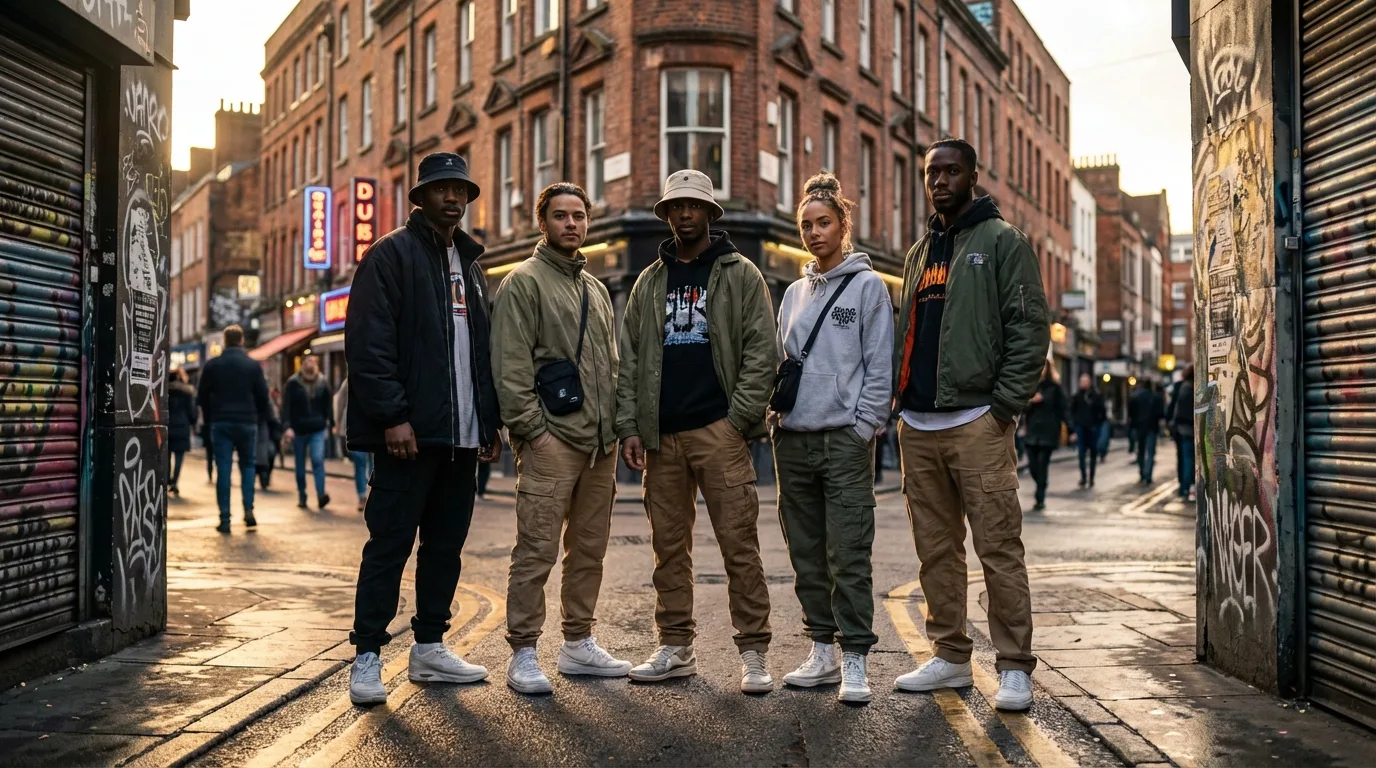
In today's interconnected world, selling clothes is only half the battle. To truly stand out, you need to cultivate a community around your brand. Your customers shouldn't just be consumers; they should be advocates, members of a tribe that shares your values and aesthetic. This is a strategy I’ve seen transform struggling brands into cultural phenomena.
Think about the most successful streetwear brands – they don't just sell products; they sell belonging. They foster a sense of identity and shared experience that transcends the transactional relationship.
From Transaction to Connection: Fostering Loyalty
Building a strong community around your graphic tees means engaging with your audience on a deeper level. It’s about creating a two-way conversation, not just broadcasting your message. This builds an emotional connection that is far more resilient than fleeting trends.
As marketing guru Seth Godin often says, "People do not buy goods and services. They buy relations, stories, and magic." Your brand's community is where this magic truly happens.
Here are actionable steps to foster community and engagement:
- Engage Authentically on Social Media: Don't just post product shots. Share your brand's story, behind-the-scenes content, inspiration, and engage directly with comments and DMs. Ask questions, run polls, and show genuine interest in your followers.
- Encourage User-Generated Content (UGC): Ask customers to share photos of themselves wearing your tees. Repost their content (with permission), tag them, and celebrate their style. This creates social proof and makes your community feel valued.
- Collaborate with Micro-Influencers & Artists: Partner with individuals whose personal brand aligns with your niche. These collaborations can introduce your brand to new, highly relevant audiences and add an extra layer of authenticity.
- Host Virtual or Local Events: Whether it's an online design challenge, a virtual Q&A, or a local pop-up shop, creating opportunities for your community to interact with your brand (and each other) strengthens bonds.
Platforms like Hootsuite or Sprout Social offer excellent tools for managing social media engagement, but the key is always genuine interaction.
Strategic Limited Drops & Scarcity: Creating Desire
The streetwear industry has perfected the art of the 'drop' – releasing limited quantities of highly anticipated items at specific times. This strategy, when executed thoughtfully, is incredibly effective for making graphic tee designs stand out and creating immense demand.
It taps into fundamental human psychology: the desire for exclusivity, the fear of missing out (FOMO), and the thrill of the hunt. I've witnessed firsthand how a well-orchestrated drop can generate buzz, drive traffic, and create a sense of urgency that pushes conversion rates through the roof.
The Art of Calculated Exclusivity
Scarcity isn't about under-producing; it's about strategically managing perception and demand. It transforms a simple graphic tee from a commodity into a coveted collectible. This requires careful planning, marketing, and a deep understanding of your audience's purchasing behavior.
According to research highlighted by Harvard Business Review, scarcity can significantly increase the perceived value and desirability of products.
Benefits of strategic limited drops:
- Increased Perceived Value: Limited availability makes items feel more precious and exclusive.
- Hype Generation: The anticipation leading up to a drop creates buzz and organic social media mentions.
- Faster Sell-Through: Urgency encourages quick purchasing decisions, reducing inventory holding costs.
- Brand Prestige: Successfully executed drops elevate your brand's status and desirability.
- Community Building: Loyal fans feel rewarded for being 'in the know' and securing a coveted item.
Remember, this strategy is most effective when your graphic tee designs genuinely offer something unique and desirable. You can't create hype around a mediocre product. Combine scarcity with authenticity and quality for maximum impact.
Visual Merchandising & Photography: Selling the Dream
No matter how brilliant your graphic tee designs are, if they're not presented impeccably, they won't capture attention. In a visually driven market like streetwear, high-quality visual merchandising and professional photography are non-negotiable. They don't just showcase your product; they sell a lifestyle, an aspiration, a dream.
I've seen average designs transformed into must-haves simply by superior presentation, and conversely, incredible designs fall flat due to poor imagery. Your visuals are often the first, and sometimes only, chance you get to make an impression.
Elevating Your Brand's Aesthetic Presentation
Every image, every video, every display of your graphic tees should tell a story consistent with your brand's narrative. This means investing time and resources into how your products are seen.
"Good design is good business." - Thomas Watson Jr., Former CEO of IBM. This extends beyond the product itself to its presentation.
- Professional Photography: Hire a photographer who understands streetwear aesthetics. Shots should be sharp, well-lit, and creatively composed. Include lifestyle shots (on models in relevant environments), flat lays, and detailed close-ups of the graphic and fabric.
- Consistent Styling: How your tees are styled in photos matters. Pair them with complementary garments and accessories that reinforce your brand's identity and appeal to your target niche. This provides context and inspiration for your customers.
- Lookbooks & Campaigns: Create cohesive visual narratives through seasonal lookbooks or themed campaigns. These go beyond individual product shots to create an immersive brand experience.
- Website & Social Media Aesthetic: Ensure your online presence reflects the same high-quality visual standards. A clean, intuitive website and a curated social media feed are crucial for conveying professionalism and desirability.
Remember, people buy with their eyes first. Exceptional visuals can make even a simple graphic tee feel like a piece of art, helping it to genuinely stand out.
Iterate, Adapt, & Evolve: Staying Ahead of the Curve
The streetwear market is constantly in flux. What's hot today can be passé tomorrow. To make graphic tee designs stand out consistently, you cannot afford to be static. Brands that thrive are those that are agile, responsive, and constantly evolving while staying true to their core identity.
I've seen many brands achieve initial success only to fade away because they stopped listening, stopped innovating, or became complacent. Longevity in this industry is a testament to a brand's ability to adapt without losing its soul.
Listening to Your Audience and Embracing Change
Staying ahead doesn't mean blindly chasing every micro-trend. It means understanding the broader cultural shifts, listening intently to your community, and interpreting these insights through your brand's unique lens. It's about informed evolution, not reactive imitation.
- Audience Feedback Loops: Actively solicit feedback from your customers. Use surveys, social media polls, and direct conversations to understand what they love, what they want, and where you can improve.
- Trend Analysis (Strategic, Not Reactive): Monitor broader fashion and cultural trends. Tools and publications like Business of Fashion or WGSN can provide valuable insights. Don't copy trends; interpret them through your brand's unique filter. How would *your* brand respond to a current aesthetic or social movement?
- Experimentation & Innovation: Don't be afraid to experiment with new design techniques, materials, or even collaborations that push your creative boundaries. Small, calculated risks can lead to significant breakthroughs.
- Review & Refine: Regularly review your past collections. What sold well? What didn't? Why? Use this data to inform future design decisions and refine your process.
The journey to making graphic tee designs stand out is not a one-time event; it's an ongoing commitment to excellence, authenticity, and continuous improvement. Embrace the process, stay curious, and keep pushing your creative boundaries.
Frequently Asked Questions (FAQ)
How do I find my unique design style if I'm just starting out? Finding your unique style is a journey of self-discovery and iteration. Start by exploring what genuinely excites you – specific art movements, subcultures, historical periods, or social issues. Create mood boards, sketch incessantly, and don't be afraid to experiment with different techniques. Your authentic voice will emerge as you consistently create and refine, focusing less on what's trending and more on what feels true to you. Get feedback, but trust your gut.
What's the most cost-effective way to produce high-quality tees as a small brand? For small brands, starting with a reputable print-on-demand (POD) service that offers premium blanks and diverse printing options can be cost-effective, as it eliminates upfront inventory costs. Alternatively, research local screen printers who specialize in small runs and focus on building a strong relationship for better pricing and quality control. Prioritize quality over the lowest price; a slightly higher cost per unit for a superior product will pay dividends in brand reputation and customer satisfaction.
How important is sustainability in streetwear today, and how can I incorporate it? Sustainability is no longer optional; it's a critical expectation from consumers, especially in streetwear. Incorporate it by sourcing organic cotton, recycled fabrics, or innovative materials like hemp or Tencel. Work with manufacturers who adhere to ethical labor practices. Design for durability to encourage longevity, and consider eco-friendly printing methods. Communicate your sustainable practices transparently to your audience; it builds trust and appeals to a growing conscious consumer base.
Should I focus on a single design aesthetic or diversify my graphic tees? Initially, focusing on a single, cohesive design aesthetic is often more effective for establishing a strong brand identity and making your graphic tee designs stand out. This allows you to deeply connect with a specific niche. Once your brand has a clear identity and a loyal following, you can gradually explore diversification, but always ensure new aesthetics align with your core brand values and narrative. Avoid spreading yourself too thin, which can dilute your brand's message.
How can a small brand compete with established giants in the graphic tee market? Small brands compete by being agile, authentic, and deeply connected to their niche. Giants struggle with nimbleness and often can't replicate the genuine, grassroots connection a small brand can foster. Focus on hyper-targeted marketing, superior customer service, unique storytelling, and building a passionate community. Leverage your authenticity and personal touch, which large corporations often lack. Your unique perspective and direct engagement are your superpowers.
Key Takeaways and Final Thoughts
The journey to making graphic tee designs stand out in a saturated streetwear market is challenging, but immensely rewarding. It demands more than just creative talent; it requires strategic thinking, relentless dedication, and a deep understanding of your brand's purpose and audience.
- Authenticity is your bedrock: Define your unique narrative and let it guide every design decision.
- Niche down to thrive: Serve a specific micro-community with designs that speak directly to them.
- Quality is non-negotiable: Elevate your product through superior fabrics, fit, and innovative printing.
- Design for storytelling: Create visual narratives that evoke emotion and build connection.
- Build a tribe, not just customers: Foster community through genuine engagement and shared values.
- Leverage scarcity strategically: Create desire and hype through calculated limited drops.
- Master visual presentation: Invest in professional photography and consistent branding.
- Embrace evolution: Stay agile, listen to your audience, and continually iterate while staying true to your core.
Remember, your graphic tees are more than just garments; they are canvases for your vision, statements of identity, and vehicles for connection. By embracing these principles, you won't just create designs; you'll build a legacy. Go forth, create with purpose, and let your unique voice resonate louder than the noise.
Recommended Reading
- Scaling Luxury Fashion: 7 Strategies to Preserve Artisan Quality
- 5 Proven Steps: Eliminate Daily Outfit Decisions for Busy Professionals
- 8 Keys to Authentically Market Haute Joaillerie to UHNW Gen Z
- Unlocking Time: How to Identify Authentic Retro Clothing Eras Like a Pro
- 7 Sharp Strategies: Ditching Sloppy for Polished Networking Casual

Your email address will not be published. Required fields are marked *