


How to Make Garment Repair Services Profitable for Fashion Brands?
For over 15 years in the sustainable fashion industry, I've observed a common dilemma: many fashion brands recognize the imperative of offering garment repair services for sustainability and customer loyalty, yet they struggle to transform these initiatives into financially viable operations. The perception often is that repair is a cost center, a necessary evil rather than a strategic asset. This mindset, I've seen countless times, is precisely what holds brands back from unlocking significant value.
The pain point is palpable: brands want to embrace circularity and extend product lifecycles, but the economics of repair seem daunting. From managing complex logistics to training skilled artisans and absorbing material costs, the path to profitability appears obscured. This often leads to half-hearted attempts or programs that falter, undermining both environmental goals and customer trust.
In this definitive guide, I will share actionable frameworks, expert insights, and real-world strategies designed to answer the crucial question: How to make garment repair services profitable for fashion brands? We'll move beyond mere sustainability pledges to explore concrete steps for building robust, revenue-generating repair programs that enhance your brand's reputation and bottom line. Prepare to transform your approach to after-sales care and discover how repair can become a powerful differentiator.
Shifting the Mindset: From Cost Center to Value Proposition
The first and most critical step in making garment repair profitable is a fundamental shift in perspective. Instead of viewing repair as an unavoidable expense, brands must recognize it as a powerful value proposition that drives customer loyalty, extends product life, and creates new revenue streams. This paradigm shift is at the heart of successful circular fashion models.
I often advise clients to think of repair as an extension of their product's story and a testament to its quality. When a brand offers a reliable repair service, it sends a clear message: "Our products are built to last, and we stand behind them." This fosters a deeper connection with customers, transforming transactional relationships into enduring partnerships. According to a McKinsey report on the State of Fashion, consumers are increasingly prioritizing brands with strong sustainability credentials, and repair services are a tangible demonstration of such commitment.
"True sustainability in fashion isn't just about what you create, but how long it lives. Profitable repair programs are the ultimate proof of a brand's commitment to both quality and the planet."
To cultivate this mindset, leadership must champion the repair initiative from the top down. It requires educating internal teams—from design and marketing to sales and customer service—on the strategic importance of repair. This holistic understanding ensures that repair is integrated into every stage of the product lifecycle, influencing design for durability and ease of repair.

Strategic Pricing Models for Repair Services
One of the most challenging aspects of monetizing repair is determining the right pricing strategy. My experience suggests that a 'one-size-fits-all' approach rarely works. Instead, brands should explore a hybrid model that balances perceived customer value, actual operational costs, and competitive positioning. Here are several models to consider:
- Tiered Pricing: Offer different service levels (e.g., basic mending, complex alterations, premium restoration) with corresponding price points. This caters to various customer needs and budgets, from a simple button replacement to significant garment overhaul.
- Subscription Models: For high-value customers or frequently purchased items, a subscription service could offer a set number of repairs per year for a fixed fee. This creates recurring revenue and strengthens customer loyalty.
- Cost-Plus Pricing with Value Add: Calculate the direct cost of labor and materials, then add a reasonable margin. However, factor in the intangible value—convenience, brand assurance, sustainability—and price accordingly. Don't undersell the expertise.
- Lifetime Repair Guarantees (with conditions): While not directly profitable, offering free repairs for manufacturing defects or discounted repairs for wear and tear can be a powerful marketing tool, justified by higher initial product prices and long-term brand equity. Patagonia’s 'Worn Wear' program is a prime example of this philosophy, building immense goodwill and trust.
It’s crucial to be transparent with your pricing. Customers appreciate clarity and will often pay a premium for convenience and trusted service. Clearly communicate what's included in each service tier and any potential additional costs. Regularly review your pricing against market rates and customer feedback to ensure competitiveness and profitability.
| Service Type | Estimated Cost | Perceived Value | Profit Margin Potential |
|---|---|---|---|
| Basic Mending (e.g., button, seam) | $10 - $25 | High convenience, essential | Medium |
| Minor Alterations (e.g., hem, waist) | $25 - $50 | Personalization, extended wear | High |
| Complex Repair (e.g., zipper replacement, major tear) | $50 - $100+ | Saving beloved item, sustainability | High |
| Premium Restoration (e.g., re-lining, intricate damage) | $100 - $300+ | Preserving investment, heritage | Very High |
Operational Efficiency: Streamlining the Repair Process
Profitability hinges on efficiency. A clunky, slow, or inconsistent repair process will quickly erode customer satisfaction and inflate operational costs. My recommendation is to treat your repair service like a finely tuned manufacturing line, focusing on standardization and optimization.
- Standardize Repair Protocols: Develop clear, documented procedures for common repairs. This ensures consistency, reduces training time, and minimizes errors. Provide repair technicians with detailed guides, perhaps even video tutorials, for specific garment types and common issues.
- Centralized vs. Decentralized Models: Evaluate whether a central repair hub or a network of local partners (or in-store repair stations) is more efficient for your brand. A centralized hub might offer economies of scale for specialized repairs, while local options provide quicker turnaround for simpler fixes. Consider a hybrid model where complex repairs go to a hub and minor fixes are done locally.
- Logistics Optimization: Streamline the shipping and receiving of garments. Partner with reliable logistics providers for efficient collection and delivery. Implement clear tracking systems so customers can monitor their repair status, reducing customer service inquiries.
- Inventory Management for Spares: Maintain an organized inventory of common spare parts (buttons, zippers, fabric patches, threads) specific to your product lines. This reduces lead times and ensures repairs can be completed promptly without waiting for custom parts.
Case Study: How "EcoStitch Apparel" Optimized Repair Turnaround
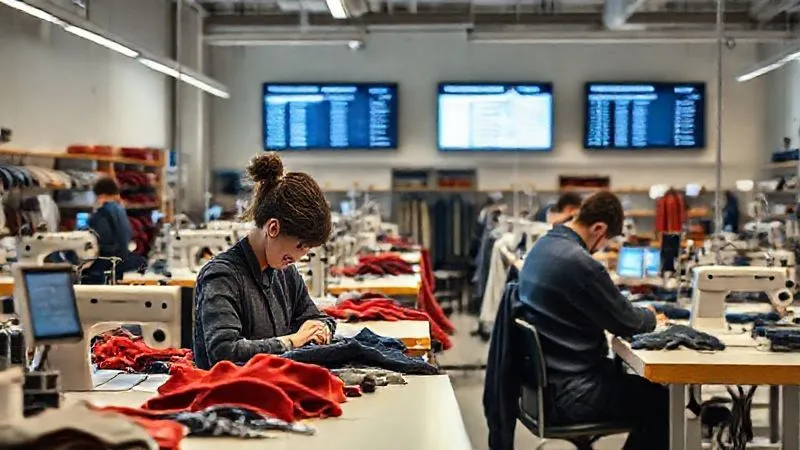
EcoStitch Apparel, a mid-sized brand specializing in performance outdoor wear, faced challenges with repair turnaround times exceeding 4-6 weeks, leading to customer frustration. By implementing a three-pronged approach—standardizing common repair kits for their most popular jackets, partnering with regional specialized textile repair workshops for localized service, and integrating a digital repair request portal with real-time tracking—they dramatically improved efficiency. This resulted in an average repair time reduction to 10-14 days, a 40% decrease in customer service calls related to repair status, and a 25% increase in repeat repair customers, proving that operational efficiency directly contributes to customer satisfaction and profitability.
Leveraging Technology for Scalable Repair Solutions
In today's digital age, technology is not just an enabler; it's a necessity for scaling profitable repair services. From initial customer interaction to final delivery, digital tools can automate, track, and optimize every step, reducing manual effort and potential errors.
I strongly advocate for investing in a robust digital platform for managing repair requests. This typically includes:
- Online Repair Portal: A user-friendly interface where customers can submit repair requests, describe the issue (perhaps with photo uploads), and receive an estimated quote. This self-service model reduces the burden on customer service teams.
- CRM Integration: Link your repair system with your Customer Relationship Management (CRM) platform. This allows you to track customer repair history, identify common product failures, and personalize communications. It also provides valuable data for product improvement.
- Workflow Automation: Automate the routing of repair requests to appropriate technicians, inventory checks for spare parts, and communication updates to customers. This minimizes manual intervention and speeds up the entire process.
- Data Analytics and Reporting: Implement tools to collect and analyze data on repair types, costs, turnaround times, and customer satisfaction. This data is invaluable for identifying bottlenecks, optimizing pricing, and making informed business decisions. For example, consistent data showing a particular seam failing in a specific product line can inform design improvements, reducing future repair needs and costs.
"Technology transforms repair from a reactive chore into a proactive, data-driven revenue stream. It's about smart scale, not just more volume."
Consider how leading brands like Apple manage their repair ecosystem. While specific to electronics, their approach to diagnostics, parts management, and certified service providers offers valuable lessons in leveraging technology for a seamless, profitable repair experience. The goal is to make the repair journey as smooth and predictable as a new purchase.
Building Brand Loyalty & Customer Engagement Through Repair
Beyond direct revenue, the most significant long-term benefit of a well-executed repair service is its profound impact on brand loyalty and customer engagement. In an era of fast fashion and disposability, a brand that offers to mend rather than replace stands out powerfully.
My observations indicate that customers who utilize repair services often become your most loyal advocates. They appreciate the investment you've made in their product and the shared commitment to sustainability. This emotional connection transcends mere product features; it builds trust and a sense of shared values. According to a Harvard Business Review article, companies with strong sustainability commitments tend to outperform their peers in customer retention and brand equity.
To maximize engagement:
- Personalized Communication: Keep customers informed throughout the repair process with personalized updates. A simple "Your jacket is now with our tailor!" goes a long way.
- Educate and Empower: Provide resources on how customers can care for their garments to extend their life, perhaps even offering simple DIY repair tips. This builds a community around responsible consumption.
- Storytelling: Share stories of repaired garments, highlighting their longevity and the skills of your repair artisans. This humanizes the process and reinforces the brand's commitment.
- Loyalty Programs: Integrate repair services into your existing loyalty programs, offering points or discounts for repairs, further incentivizing customers to choose your service over discarding an item.
Brands like Nudie Jeans have built their entire ethos around free lifetime repairs, demonstrating an unwavering commitment to product longevity and customer relationships. While not every brand can offer free repairs, their model proves the immense brand value generated by prioritizing repair.
Integrating Repair into the Circular Business Model
For sustainable fashion brands, repair isn't an add-on; it's an intrinsic component of a true circular business model. To achieve profitability, repair must be seamlessly integrated from product design through to end-of-life considerations. This holistic approach is what I call the "Repair-Ready Design" philosophy.
Designing for repair means:
- Material Selection: Choose durable, high-quality materials that can withstand wear and tear and are amenable to repair. Avoid overly complex material compositions that make mending difficult.
- Construction Techniques: Opt for construction methods that allow for easy disassembly and reassembly. For instance, using visible seams, easily replaceable components (like zippers or buttons), and avoiding permanent bonding where possible.
- Modularity: Design garments with modular components that can be individually replaced. This reduces the cost and complexity of repairs, making them more feasible and profitable.
- Documentation: Provide repair manuals or guides to your repair technicians (and potentially to customers for minor fixes) detailing how specific garments are constructed and the best methods for repair.
By designing with repair in mind, brands can significantly reduce the cost of future repairs, making the service inherently more profitable. It also aligns perfectly with the broader goals of the circular economy, reducing waste and maximizing resource utility. The Ellen MacArthur Foundation consistently highlights design for longevity and repair as critical levers for circularity in fashion, underscoring its strategic importance for brands looking to future-proof their operations.

Marketing Repair Services: Communicating Value
Even the most efficient and well-priced repair service won't succeed if customers aren't aware of it or don't understand its value. Effective marketing is crucial to drive adoption and ensure profitability. I've found that the messaging needs to go beyond mere functionality; it must tap into the emotional and ethical drivers of today's consumers.
- Highlight Sustainability Impact: Emphasize how choosing repair over replacement contributes to reducing textile waste and extending the life of resources. Use statistics where possible (e.g., "Save X kg of CO2 by repairing").
- Showcase Craftsmanship: Position your repair service as a testament to skilled artistry and dedication to quality. Feature your repair technicians and their expertise.
- Promote Longevity & Investment: Frame repair as a way to protect and extend the life of a beloved garment, an investment in quality rather than a temporary fix. "Don't replace, restore!"
- Leverage Customer Testimonials: Share stories and photos from satisfied customers whose garments have been given a new lease on life. User-generated content is incredibly powerful.
- Integrated Marketing Channels: Promote repair services across all touchpoints: website, social media, in-store signage, email newsletters, and even on product tags. Make it impossible for customers to miss.
Remember, your repair service is not just about fixing clothes; it's about selling peace of mind, demonstrating brand values, and offering a tangible solution to the environmental crisis. Communicate these deeper benefits, and you'll find a receptive audience willing to invest in the longevity of their purchases.
A recent survey by Statista indicates a growing preference for brands that actively promote sustainability and offer services like repair. This isn't just a niche market anymore; it's becoming mainstream consumer expectation.
Measuring Success: KPIs for Profitable Repair Programs
To truly understand if your garment repair services are profitable, you need to establish clear Key Performance Indicators (KPIs) and regularly track them. My recommendation is to move beyond simple revenue figures and delve into metrics that reveal operational efficiency, customer satisfaction, and long-term value.
Essential KPIs include:
- Repair Revenue: Total income generated directly from repair services.
- Average Repair Value (ARV): Total repair revenue divided by the number of repairs. This helps in pricing optimization.
- Cost Per Repair (CPR): Total operational costs (labor, materials, logistics, overhead) divided by the number of repairs. Crucial for identifying inefficiencies.
- Profit Margin Per Repair: (ARV - CPR) / ARV. The ultimate indicator of profitability.
- Turnaround Time: Average time from garment receipt to customer delivery. Shorter times often correlate with higher satisfaction.
- Customer Satisfaction (CSAT/NPS): Feedback on the repair experience. Happy customers are repeat customers.
- Repeat Repair Rate: Percentage of customers who return for subsequent repairs. Indicates loyalty and trust.
- Product Longevity Impact: While harder to measure directly, track how repair services extend the perceived lifespan of products (e.g., through customer surveys).
Regularly review these metrics, perhaps monthly or quarterly, to identify trends, celebrate successes, and pinpoint areas for improvement. This data-driven approach is what separates a speculative initiative from a truly profitable and sustainable business segment.
Frequently Asked Questions (FAQ)
Question: How do small fashion brands with limited resources approach garment repair profitability? For smaller brands, I recommend starting with a focused approach. Instead of a full-scale in-house operation, consider partnering with local, specialized tailors or repair shops. Negotiate bulk rates and white-label services. Focus on repairing your best-selling items first to build a reputation and gather initial data. Leverage a simple online form for requests and manage logistics manually at first, scaling up as demand and resources allow. The key is to start small, learn, and iterate.
Question: What are the biggest hidden costs associated with running a repair service? Hidden costs often include logistics (return shipping, packaging), administrative overhead (managing requests, customer service for repair queries), inventory management for spare parts, and the cost of training and retaining skilled repair technicians. Underestimating these can quickly erode profitability. My advice is to perform a thorough cost analysis upfront, including all indirect costs, and build these into your pricing model.
Question: How can brands ensure the quality and consistency of repairs, especially if outsourcing? Quality control is paramount. If outsourcing, establish clear Service Level Agreements (SLAs) with your repair partners, outlining expected quality standards, turnaround times, and material usage. Conduct regular audits of repaired items and gather customer feedback diligently. Provide your partners with specific brand guidelines and access to original materials or approved substitutes. Building a strong, trusting relationship with a few high-quality partners is better than spreading too thin.
Question: Is it possible to integrate repair services into existing retail stores? Absolutely, and it can be a powerful differentiator. In-store repair stations can offer quick fixes, reducing logistics costs and providing an immediate, tangible service that enhances the customer experience. It also drives foot traffic. For more complex repairs, stores can act as drop-off and collection points, streamlining the process. This hybrid model leverages your existing physical infrastructure and creates unique brand interactions.
Question: How does repair profitability align with a brand's overall sustainability goals? They are intrinsically linked. A profitable repair service allows a brand to invest more in sustainable practices, expand its circular initiatives, and reduce its environmental footprint without compromising financial stability. It transforms sustainability from a cost center into a value driver, demonstrating that doing good for the planet can also be good for business. It's a win-win that builds long-term resilience and a positive brand legacy.
Key Takeaways and Final Thoughts
The journey to making garment repair services profitable for fashion brands is not without its complexities, but it is an undeniably rewarding one. As an industry specialist, I've seen firsthand how brands that embrace this challenge emerge stronger, more resilient, and deeply connected with their customer base. It's about more than just mending clothes; it's about mending relationships, restoring value, and building a more sustainable future for fashion.
- Shift Your Mindset: View repair as a strategic value proposition, not just a cost.
- Strategize Pricing: Implement tiered or subscription models balancing cost, value, and market.
- Optimize Operations: Streamline processes, leverage technology, and standardize protocols.
- Build Loyalty: Use repair to deepen customer relationships and enhance brand equity.
- Design for Repair: Integrate repairability into your product development from the outset.
- Market Effectively: Communicate the sustainability, craftsmanship, and longevity benefits.
- Measure Relentlessly: Track KPIs to ensure profitability and continuous improvement.
By adopting these strategies, you're not just offering a service; you're cultivating a culture of longevity, responsibility, and enduring quality. The investment in robust, profitable repair programs will not only safeguard your brand's future in a rapidly evolving market but also position you as a true leader in the sustainable fashion movement. The time to mend and profit is now.
Recommended Reading
- Unraveling the Truth: Is Organic Cotton Truly Sustainable for Fashion?
- 7 Proven Strategies to Future-Proof Your Luxury Eyewear Inventory
- 7 Steps: Accurately Measuring Virtual Try-On ROI in Fashion Tech
- Smart Garments & E-Waste: 7 Circular Strategies for Sustainable Tech Fashion
- Unlock the Secret: How to Care for Handcrafted Bespoke Leather Goods?




Your email address will not be published. Required fields are marked *