

For over 15 years in the dynamic world of fashion technology, I've had a front-row seat to the exhilarating rise of smart apparel. I've witnessed incredible innovations, but also a recurring stumbling block: the Achilles' heel of washability. Many brilliant concepts, brimming with potential, faltered not because the electronics weren't smart enough, but because they couldn't survive a simple laundry cycle. It's a fundamental challenge that separates novelty from genuine utility in the wearable tech space.
The promise of smart clothing—monitoring health, enhancing performance, or simply making life more convenient—is severely diminished if the garment becomes an expensive, single-use item. Integrating delicate, power-hungry electronics into textiles that must withstand water, detergent, heat, and mechanical stress presents a formidable engineering and design puzzle. We're talking about maintaining conductivity, preventing delamination, ensuring user safety, and preserving the textile's comfort and aesthetics, all while making it machine-washable.
In this definitive guide, I'll draw upon my extensive experience to demystify the complexities of integrating flexible electronics into washable smart apparel. We'll explore the critical material science, innovative packaging techniques, and design philosophies that are paving the way for truly durable and practical e-textiles. My goal is to equip you with actionable frameworks, real-world insights, and a clear roadmap to overcome these challenges, ensuring your smart apparel innovations are not just intelligent, but also enduring.
Understanding the Core Challenges of Washability for Smart Apparel
Before we dive into solutions, we must first deeply understand the enemy: the washing machine. It’s not just water; it's a gauntlet of chemical, mechanical, and thermal stresses designed to clean, but often at the expense of delicate electronic components.
The Multi-Dimensional Threat to Integrated Electronics
Firstly, **chemical degradation** is a major concern. Detergents, bleaches, and fabric softeners contain active agents that can corrode conductive materials, degrade encapsulation layers, and break down adhesives over time. The chemical environment during a wash cycle is far from benign for most electronics.
Secondly, **mechanical stress** is relentless. The agitation, spinning, twisting, and stretching that a garment undergoes in a washing machine can cause physical damage. This leads to component fatigue, cracking of conductive traces, delamination of layers, and stress on solder joints or flexible connections. Even seemingly robust flexible circuits can succumb to repeated flexing.
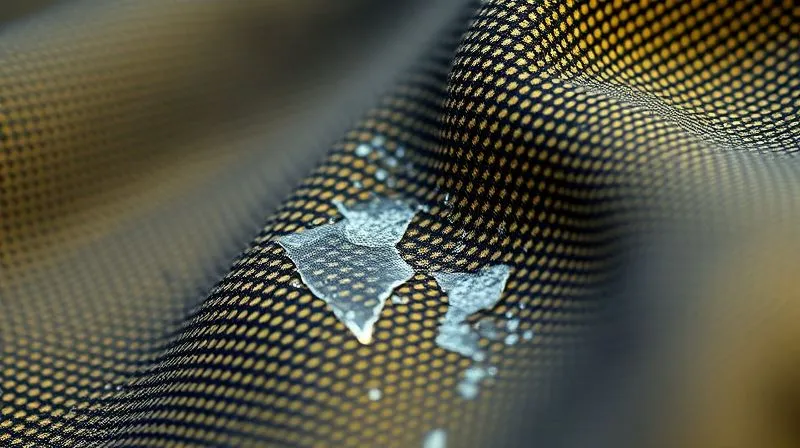
Thirdly, **thermal stress** from hot water cycles and tumble drying can be catastrophic. High temperatures can cause differential expansion between dissimilar materials, leading to delamination or cracking. Moreover, prolonged exposure to heat can accelerate the degradation of polymers and adhesives, compromising the integrity of the electronic system.
Finally, and perhaps most obviously, **water ingress** poses an immediate threat of short-circuiting and corrosion if electronics aren't adequately sealed. Beyond that, moisture can penetrate packaging, leading to long-term reliability issues even if an immediate failure doesn't occur. The challenge is to achieve waterproofing without compromising the garment's breathability, flexibility, and comfort.
In my experience, a holistic design approach, considering every aspect of the wash cycle from the very first sketch, is paramount. You cannot simply add a waterproof layer at the end; washability must be baked into the core material and architectural choices.
Material Science: The Foundation of Durable E-Textiles
The journey to truly washable smart apparel begins with selecting the right materials. This isn't just about electronics; it's about a harmonious marriage between textile science and advanced material engineering.
Selecting Resilient Substrates and Conductors
When designing flexible electronics for washable applications, the choice of **conductive materials** is critical. Traditional copper traces, while highly conductive, can be prone to fatigue and corrosion. Innovations in conductive inks using silver, carbon nanotubes, or graphene offer superior flexibility and chemical resistance. These can be printed directly onto textiles or flexible polymer films like TPU (thermoplastic polyurethane) or silicone, which provide inherent stretch and water resistance.
Furthermore, **conductive yarns and fibers** are revolutionizing textile integration. Yarns spun with stainless steel, silver-coated polymers, or even intrinsically conductive polymers can be woven or knitted directly into the fabric, creating seamless circuits. This approach minimizes bulky components and leverages the textile's natural flexibility, significantly improving comfort and wash durability. However, consistency in conductivity and ensuring durable connections within the textile matrix remain areas of active research.
Equally important are **dielectric materials** for insulation and **adhesives and binders** that maintain their integrity through countless wash cycles. These must be flexible, chemically resistant, and capable of bonding dissimilar materials without delaminating or stiffening the fabric. My advice is to always prototype and test various combinations rigorously, as material interactions can be unpredictable.
Case Study: Resilient Wearables by "AuraFlex"
AuraFlex, a startup focusing on smart athletic wear, initially struggled with conductive traces failing after just a few wash cycles. Their early designs used standard silver-inked fabrics, which showed excellent conductivity but poor abrasion resistance and chemical stability in detergents. By pivoting to a novel carbon nanotube-infused yarn for their primary circuits and encapsulating critical junctions with a thin, flexible TPU film, they dramatically improved durability. This strategic material change, directly informed by rigorous wash testing, allowed their garments to consistently withstand over 50 industrial wash cycles without performance degradation, opening doors to partnerships with major sports brands.
Here's a comparison of common conductive materials for washable e-textiles:
| Material Type | Pros | Cons | Wash Durability |
|---|---|---|---|
| Silver Ink on Fabric | High Conductivity, Easy Application | Poor Abrasion, Chemical Sensitivity, Delamination Risk | Low (5-10 cycles) |
| Carbon Nanotube Yarn | Excellent Flexibility, Chemical Resistance, High Durability | Higher Cost, Complex Integration | Medium-High (30-50+ cycles) |
| Copper Trace (Flexible PCB) | Very High Conductivity, Robust | Less Flexible, Bulkier, Susceptible to Fatigue | Medium (20-40 cycles) |
| Conductive Polymer Composites | Highly Flexible, Customizable Properties | Variable Conductivity, Emerging Technology | High (40-60+ cycles) |
Circuit Design for Washable Integration
The physical layout and architecture of the electronic circuit itself play a pivotal role in its washability. It’s not enough for components to be individually robust; their arrangement must also withstand the rigors of laundry.
Principles of Washable Circuit Architecture
I advocate for a **distributed, modular circuit design** wherever possible. Instead of a single, large circuit board, break the system into smaller, independent modules connected by flexible, robust interconnections. This approach localizes potential failure points and minimizes the impact of localized stress. If one small module is compromised, the entire garment might not be rendered useless.
When designing **flexible PCBs (FPCBs)**, attention to trace routing is paramount. Avoid sharp 90-degree bends, which create stress concentration points. Instead, use gentle curves and wider traces where possible. Implementing **strain relief** features, such as serpentine traces or strategically placed cutouts, can significantly improve the FPCB's ability to withstand repeated flexing and stretching without cracking.
Furthermore, the selection of **electronic components** should prioritize low-profile, surface-mount devices (SMD) that are already inherently robust. Miniaturization reduces the overall footprint and bulk, making integration into fabrics less intrusive. Consider components with wide operating temperature ranges and robust package materials. As Nature Electronics often highlights, the trend is towards components designed specifically for harsh environments.
Finally, thoughtful **power and data bus layout** within the textile is crucial. Integrating these pathways directly into the fabric structure using conductive yarns or printed traces, rather than external wires, enhances durability and comfort. Shielding these pathways can prevent electromagnetic interference (EMI) and further protect against environmental factors. This seamless integration is what truly defines advanced smart apparel.
Encapsulation and Protection Strategies
Once you have your flexible electronics designed and integrated, the next critical step is to protect them from the harsh external environment, particularly water and chemicals. This is where encapsulation comes into play.
Advanced Methods for Waterproofing and Durability
One of the most effective strategies is the application of **conformal coatings**. These are thin polymeric films that conform to the shape of the circuit, providing a protective barrier against moisture, dust, and chemicals. Materials like silicones, polyurethanes, and especially parylene, offer excellent water repellency and flexibility. The application method—whether spraying, dipping, or vapor deposition—must be carefully chosen to ensure complete coverage without compromising flexibility or breathability of the textile.
For more robust protection, particularly for critical components or connection points, **potting and overmolding** techniques are employed. Potting involves encasing components in a resin (e.g., epoxy, silicone), while overmolding uses injection molding to create a seamless, durable plastic shell around the electronics. The key here is to use materials that remain flexible after curing to avoid stiffening the garment. This creates a highly effective waterproof barrier, but can add bulk.
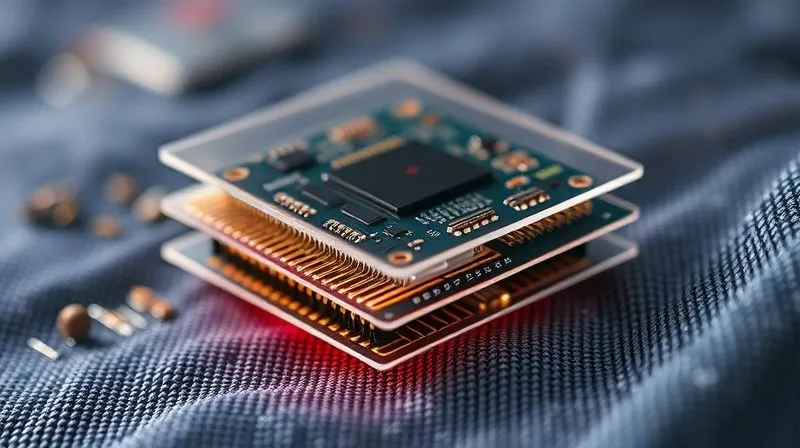
My preferred approach often involves **lamination and textile integration**. This method sandwiches the flexible electronics between layers of fabric or polymer films, using thermo-bonding or ultrasonic welding to create a sealed, multi-layered structure. This not only protects the electronics but also integrates them seamlessly into the textile, maintaining the garment's aesthetic and tactile properties. Think of it as creating a waterproof pouch directly within the fabric itself.
Balancing protection with the garment's inherent breathability and comfort is an art. Over-encapsulation can lead to stiff, uncomfortable apparel. The goal is targeted protection where it’s most needed, using materials that complement the textile, not detract from it.
Finally, exploring **breathable waterproofing** principles, similar to those used in high-performance outdoor gear, can be beneficial. These materials allow water vapor (perspiration) to escape while preventing liquid water from entering. Adapting these technologies to protect electronics within textiles is an exciting frontier for advanced smart apparel.
Interconnection and Attachment Techniques
Even the most robust components and encapsulation will fail if their connections aren't durable. The way flexible electronics are attached and interconnected within a washable garment is paramount to its longevity.
Ensuring Reliable Connections in Dynamic Environments
Traditional soldering, while reliable for rigid PCBs, can create stiff points and be susceptible to fatigue in flexible applications. For washable smart apparel, I've seen success with **conductive adhesives and inks**. These can be screen-printed or inkjet-printed, offering flexibility and conformability. However, their long-term conductivity and adhesion, especially after repeated washing, require careful validation. The Flexible and Printed Electronics journal regularly features research on these advancements.
For discrete components or modules, **mechanical fasteners** like conductive snaps, buttons, or specialized flexible connectors can provide robust, albeit less seamless, connections. When using these, ensure they are designed to be waterproof and resistant to corrosion. The challenge is often hiding these elements discreetly within the garment while maintaining their electrical integrity.
The integration of **conductive threads and embroidery** offers a truly textile-native approach. By sewing circuits directly into the fabric, you leverage the garment's inherent flexibility. However, achieving consistent conductivity and ensuring thread durability against abrasion and chemical exposure during washing is a significant hurdle. Specialized conductive threads with durable coatings are emerging to address this.
For module-to-module connections, **flexible connectors** specifically designed for textile integration are gaining traction. These often feature ZIF (Zero Insertion Force) mechanisms or spring-loaded contacts that can maintain reliable electrical contact even with slight movement or deformation of the fabric. The goal is to avoid rigid connections that become stress points.
Here's a simplified process for integrating a flexible sensor module into a washable garment:
- Prepare the Textile Substrate: Select a durable, stretchable, and quick-drying fabric. Mark the precise location for the sensor module and its conductive pathways.
- Apply Conductive Pathways: Using screen-printed conductive ink or by embroidering with specialized conductive thread, create the necessary electrical traces on the fabric. Ensure these pathways have sufficient width and redundancy to handle mechanical stress.
- Mount the Flexible Sensor Module: Carefully place the pre-encapsulated flexible sensor module onto the designated area. The module itself should be designed for washability, often with a thin, flexible polymer housing.
- Establish Electrical Connection: Use a flexible, washable conductive adhesive to bond the sensor module's contacts to the fabric's conductive pathways. Alternatively, use miniature, low-profile, washable connectors if the design allows for modularity.
- Encapsulate Connections: Apply a localized, flexible conformal coating or a thin, stretchable overmolding material over the connection points to provide additional moisture and mechanical protection. This is crucial for preventing water ingress at the interface.
- Integrate into Garment Structure: Laminate a protective, breathable fabric layer over the entire integrated area. This not only further protects the electronics but also ensures comfort against the skin and hides the components, maintaining the garment's aesthetic. Use heat-activated adhesive films for a secure, washable bond.
- Perform Washability Testing: Subject the prototype to rigorous wash cycles following industry standards (e.g., AATCC) to validate the durability and electrical performance of the integrated system. Iterate based on testing results.
Power Management and Energy Harvesting in Washable Apparel
Powering smart apparel, especially when it needs to be washable, introduces another layer of complexity. Batteries are typically rigid and sensitive to water, heat, and mechanical stress, while energy harvesting solutions need to be robust and efficient.
Sustainable and Washable Power Solutions
Integrating **batteries** into washable smart apparel requires careful consideration. Flexible, thin-film batteries are an excellent option due to their conformability and often lower profile. However, all batteries must be thoroughly sealed in washable, flexible enclosures that can withstand the laundry cycle. Inductive charging systems, where the garment can be charged wirelessly without exposing contacts, are becoming increasingly popular as they eliminate vulnerable charging ports. This is a critical safety and durability feature.
I've always been fascinated by **energy harvesting** within smart textiles. Technologies like thermoelectric generators (converting body heat to electricity), piezoelectric materials (converting movement into electricity), and miniature, flexible solar cells can be integrated directly into the fabric. While their current power output often limits them to low-power applications, they offer the promise of truly self-powered, washable garments. The main challenge lies in making these harvesting components durable and efficient enough to survive washing and provide meaningful power.
For any power source in smart apparel, safety is paramount. Beyond washability, consider thermal runaway risks, short-circuit protection, and compliance with international safety standards. A washable battery pack must be as safe as it is durable.
Ultimately, a **low-power design** philosophy is your best friend. Selecting microcontrollers (MCUs) with efficient sleep modes, optimizing algorithms to minimize computational load, and utilizing low-power sensors can dramatically extend battery life or reduce the demands on energy harvesting systems. This design discipline is often more impactful than simply finding a bigger battery.
Testing and Validation Protocols for Durability
Without rigorous testing, all your sophisticated design and material choices are merely theoretical. To truly validate a washable smart apparel product, you need comprehensive, repeatable testing protocols.
Ensuring Product Longevity Through Rigorous Assessment
I cannot stress enough the importance of **Accelerated Life Testing (ALT)**. This involves subjecting the smart garment to exaggerated stress conditions—higher temperatures, increased humidity, more aggressive wash cycles, and prolonged flexing—to simulate years of use in a compressed timeframe. This helps identify latent failure modes much faster than real-world testing alone. This involves not just washing but also temperature cycling and mechanical stress tests.
Adhering to **standardized wash tests** is non-negotiable. Organizations like the AATCC (American Association of Textile Chemists and Colorists) provide established methods for evaluating textile durability, colorfastness, and shrinkage after washing. For the electronic components, relevant IEC (International Electrotechnical Commission) standards for environmental testing of electronics should be adapted to textile applications. These standards provide a baseline for comparing performance and ensuring quality.
Beyond wash cycles, **mechanical durability tests** are essential. This includes flexing tests (repeated bending), stretching tests (simulating body movement), and abrasion tests (to evaluate wear and tear on conductive traces and encapsulation layers). These tests simulate the dynamic stresses a garment experiences during wear and use.
Critically, **electrical performance post-wash** must be thoroughly assessed. This means not just checking if the device still powers on, but performing detailed measurements of continuity, resistance, and insulation resistance after each wash cycle. Functional testing of all sensors and actuators is also vital to ensure the electronics maintain their intended performance throughout their expected lifespan. A slight increase in resistance might indicate impending failure, which ALT can help predict.
Here's an example of a wash test protocol you might adapt:
| Test Parameter | Standard | Cycles | Frequency |
|---|---|---|---|
| Wash Cycle Type | AATCC 135 (Normal Wash/Tumble Dry) | 50 | Weekly |
| Water Temperature | Warm (40°C / 104°F) | N/A | Per Cycle |
| Detergent Type | Standard Liquid Detergent (e.g., AATCC Reference) | N/A | Per Cycle |
| Drying Method | Tumble Dry, Medium Heat | N/A | Per Cycle |
| Post-Wash Evaluation | Visual Inspection, Electrical Continuity, Resistance, Functional Test | Every 5 cycles | After wash |
Manufacturing Considerations and Scalability
Developing a single washable smart apparel prototype is one thing; scaling production to thousands or millions of units while maintaining quality and cost-effectiveness is another. This requires a deep understanding of manufacturing processes and supply chain dynamics.
Bridging Prototype to Mass Production
For high-volume production, **automation** is key. Robotic handling of delicate flexible components, automated textile cutting and assembly, and precision printing of conductive inks can significantly reduce labor costs and improve consistency. The challenge lies in integrating traditional textile manufacturing lines with advanced electronics assembly processes. This often requires custom machinery and innovative workflow designs.
**Quality control** must be integrated at every stage of the manufacturing process. In-line inspection systems using optical recognition and electrical testing can identify defects early, preventing costly rework or scrapped products later. Establishing clear quality gates and robust testing protocols, from raw material inspection to final product validation, is crucial for maintaining high standards in washable smart apparel.
The future of smart apparel manufacturing lies in deep, cross-disciplinary collaboration. Textile engineers, electronics designers, material scientists, and manufacturing specialists must work hand-in-hand from concept to production to overcome the inherent complexities.
Effective **supply chain management** is also critical. Sourcing specialized conductive yarns, flexible substrates, and durable encapsulation materials requires strong relationships with niche suppliers. Furthermore, establishing partnerships between traditional textile manufacturers and electronics assembly houses is often necessary to combine their respective expertise. As Deloitte's TMT Predictions often highlight, convergence industries demand integrated supply chains.
Finally, achieving **cost-effectiveness** is a constant balancing act. While premium materials and advanced manufacturing techniques improve durability, they can also drive up costs. Design for Manufacturability (DFM) principles must be applied rigorously to optimize designs for efficient, high-yield production. This includes minimizing component count, standardizing processes, and exploring alternative, more affordable materials that still meet washability requirements.
User Experience & Aesthetics: Beyond Durability
While durability and washability are foundational, the ultimate success of smart apparel hinges on its acceptance by the end-user. This means prioritizing comfort, aesthetics, and intuitive interaction.
Designing for Wearability and Seamless Integration
A smart garment, no matter how technologically advanced, will fail if it's stiff, bulky, or scratchy. The electronics must be integrated in such a way that they do not compromise the **textile's natural feel, drape, and breathability**. This often means using ultra-thin, flexible components, embedding them within fabric layers, or designing them to conform to the body's contours. The goal is for the wearer to forget they are wearing electronics at all.
From an **aesthetic perspective**, the visible electronics should either be seamlessly hidden or designed as an intentional, attractive feature. Exposed wires or clunky components are rarely appealing. This requires designers and engineers to collaborate closely from the initial concept phase, ensuring that functionality and form are harmonized. The Textile Institute emphasizes the importance of design thinking in e-textiles.
**Intuitive user interaction** is another critical element. How does the user turn the device on/off? How do they charge it? How do they receive feedback? These interfaces must be simple, robust, and, crucially, washable. Touch-sensitive textile interfaces, inductive charging, and haptic feedback integrated directly into the fabric are examples of how to achieve this without adding vulnerable external components.
Ultimately, a successful washable smart apparel product is one that not only survives the laundry cycle but also enhances the wearer's life in a way that feels natural, comfortable, and stylish. It’s about creating a truly integrated experience, where the technology disappears into the fabric of everyday life.
Frequently Asked Questions (FAQ)
What are the biggest risks of not designing for washability from the outset? The primary risks include catastrophic product failure during the first wash, leading to high warranty returns, reputational damage, and significant financial losses. Furthermore, it severely limits market adoption, as consumers expect clothing to be washable. Without upfront washability design, retrofitting solutions are often costly, bulky, and compromise the garment's intended aesthetics and comfort.
Can existing flexible electronics be made washable, or do they need to be designed from scratch? While some existing flexible electronics might be adapted with extensive encapsulation, true washability is best achieved when designed from scratch. This allows for the selection of inherently washable materials, robust circuit architectures, and integrated protection strategies that are optimized for the textile environment, rather than being an afterthought. Retrofitting often adds bulk and stiffness.
What are the most promising new materials for washable smart apparel? I'm particularly excited about intrinsically conductive polymers, advanced carbon nanotube and graphene inks, self-healing polymers, and highly stretchable, breathable encapsulation films. These materials offer superior flexibility, chemical resistance, and durability, pushing the boundaries of what's possible in seamless integration. Research in these areas, often covered by ScienceDaily's Materials Science section, is rapidly advancing.
How do I balance aesthetics and comfort with the need for robust electronic protection? This is a core design challenge. The balance is achieved through miniaturization of components, embedding electronics within fabric layers, using highly flexible and thin encapsulation materials, and designing circuit pathways that conform to the garment's natural drape. Collaboration between fashion designers and engineers from the concept stage is crucial to ensure that protection doesn't compromise wearability or visual appeal.
What regulations or certifications should I be aware of for washable smart apparel? Beyond general electronics safety standards (e.g., CE, FCC), you'll need to consider textile-specific standards (e.g., AATCC, ISO for wash durability, colorfastness, shrinkage), chemical safety for materials (e.g., REACH, RoHS), and potentially medical device regulations if your smart apparel has health monitoring functions. Battery safety certifications (e.g., UL 2054) are also paramount. Always consult with regulatory experts early in your development process.
Key Takeaways and Final Thoughts
- Design Holistically for Washability: Integrate washability into every design decision, from material selection to circuit architecture and encapsulation. It's not an add-on; it's fundamental.
- Prioritize Material Science: Invest in advanced conductive materials, flexible substrates, and durable adhesives that can withstand chemical, mechanical, and thermal stresses.
- Embrace Modular and Flexible Circuitry: Design distributed, low-profile circuits with strain relief, using components optimized for textile integration to enhance resilience.
- Implement Multi-Layered Protection: Combine conformal coatings, potting, lamination, and breathable waterproofing to create robust barriers against environmental factors.
- Validate Rigorously: Utilize Accelerated Life Testing and adhere to standardized wash and mechanical durability tests to prove your product's longevity and reliability.
- Focus on Scalable Manufacturing: Plan for automation, integrated quality control, and cross-disciplinary supply chain collaboration to move from prototype to mass production efficiently.
- Never Compromise User Experience: Ensure the smart apparel remains comfortable, aesthetic, and intuitive, making the technology feel seamless and natural to the wearer.
The journey to truly washable smart apparel is undoubtedly complex, but it's also incredibly rewarding. As an industry specialist, I've seen the transformative power of blending fashion with cutting-edge technology. By meticulously addressing the challenges of how to integrate flexible electronics into washable smart apparel, you're not just creating a product; you're pioneering a new era of functional, sustainable, and truly intelligent clothing. The future of fashion tech is washable, and with these insights, you are well-equipped to lead the charge.
Recommended Reading
- Cracking the Code: 7 Ways to Design Kids' Fashion Parents Actually Buy
- 7 Proven Steps: Turn Silent Fashion Followers into an Engaged Community
- 5 Rapid Methods: Urgent Costume Breakdown to Age Denim Fast Realistically
- 7 Essential Steps: How to Safely Restore Delicate Vintage Lace Wedding Dresses
- How to Maintain Luxury Brand Exclusivity for Designer Heels? 7 Proven Pillars.




Your email address will not be published. Required fields are marked *