

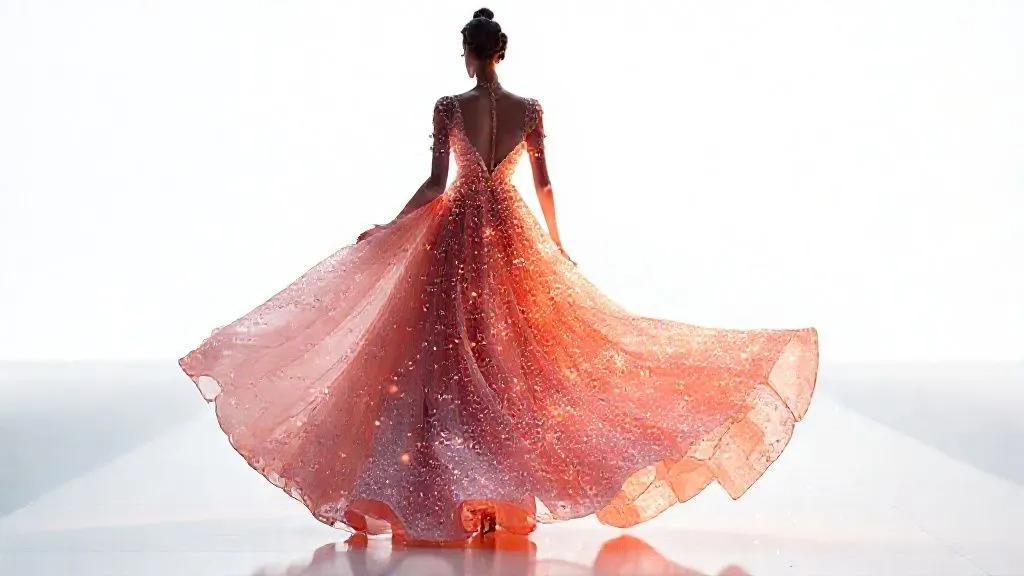
How to Innovate Next-Level Haute Couture to Avoid Creative Stagnation?
For over three decades in the rarefied world of haute couture, I've had the distinct privilege of witnessing both its breathtaking peaks and its perilous plateaus. I've seen ateliers, once bastions of unparalleled creativity, slowly succumb to the siren call of repetition, producing collections that, while exquisitely made, lacked the spark of true innovation. It’s a subtle erosion, often unnoticed until the industry itself begins to whisper about a certain 'sameness'.
The inherent challenge in haute couture lies in its very definition: a dedication to unparalleled craftsmanship, bespoke artistry, and often, a reverence for tradition. Yet, this deep respect can, paradoxically, become a gilded cage, stifling the very imagination that makes couture so extraordinary. Designers and creative directors often grapple with the monumental task of honoring heritage while simultaneously pushing boundaries, feeling the immense pressure to deliver 'masterpieces' without resorting to mere spectacle or commercial compromise. This delicate balance, when mismanaged, inevitably leads to creative stagnation.
This article isn't just a discussion; it’s a strategic blueprint forged from years of observation and engagement with the industry’s most forward-thinking minds. I will share actionable frameworks, illuminate compelling case studies, and offer expert insights designed to help you, or your team, navigate this intricate terrain. We will explore how to innovate next-level haute couture to avoid creative stagnation, ensuring each collection is not just beautiful, but truly groundbreaking.
1. Reimagining Tradition Through Deconstruction and Reconstruction
Innovation in haute couture doesn't always mean abandoning the past; often, it means understanding it so intimately that you can artfully dismantle its components and reassemble them into something entirely new. This process of deconstruction and reconstruction is more than just a design technique; it's a philosophical approach to heritage.
Think of it as taking the foundational elements – a classic silhouette, a traditional embroidery technique, a historical fabric – and questioning their inherent purpose, form, and context. Why was a crinoline used? What narrative does a certain lace tell? By breaking down these elements, we gain the freedom to interpret them anew, injecting contemporary relevance and unexpected twists. It’s about challenging the 'how' and the 'why' of established couture practices.
“True innovation isn't about inventing from scratch, but about seeing the familiar with fresh eyes and daring to rearrange the pieces.” – Industry Veteran's Insight
Actionable Steps for Deconstruction & Reconstruction:
- Identify a Core Traditional Element: Choose a specific historical garment, technique, or motif that resonates with your brand's DNA.
- Deconstruct its Components: Analyze its silhouette, fabric composition, embellishment methods, and construction techniques. Sketch out each part individually.
- Challenge its Function and Form: Ask 'What if?' questions. What if this volume was inverted? What if this embroidery was applied to an unexpected material? What if this historical reference was fused with a futuristic aesthetic?
- Reconstruct with a Modern Lens: Begin to reassemble these deconstructed elements, allowing for new proportions, juxtapositions, and contextual meanings. This might involve applying haute couture techniques to sportswear silhouettes or embedding ancient craft into digital prints.
- Test and Refine: Create toiles and prototypes. The beauty of haute couture is in the iterative process; allow for experimentation and don't be afraid to discard ideas that don't translate into genuine innovation.
This approach isn't about disrespecting tradition; it's about evolving it, ensuring haute couture remains a living, breathing art form that speaks to contemporary sensibilities. It requires a deep historical understanding combined with an unbridled imagination.
2. Embracing Interdisciplinary Collaboration: Beyond the Atelier Walls
The traditional haute couture atelier is a sanctuary of specialized craft, but its very insularity can sometimes limit the influx of truly novel ideas. To innovate next-level haute couture, we must actively seek collaboration beyond the conventional fashion ecosystem. This means partnering with artists, scientists, architects, technologists, and even philosophers.
Imagine a gown that doesn't just drape beautifully but responds to light, or a textile engineered with bio-luminescent properties. These aren't the sole domain of fashion designers. They emerge from the cross-pollination of ideas with experts in other fields. As a recent report by McKinsey & Company on the State of Fashion highlighted, cross-sector innovation is increasingly critical for luxury brands seeking differentiation.
Case Study: Atelier Lumina's Sonic Silks
Atelier Lumina, a fictional couture house known for its ethereal eveningwear, faced a period where their signature delicate aesthetic, while beautiful, felt increasingly predictable. Their creative director initiated a radical collaboration with a sound artist and a material science lab specializing in responsive polymers. The goal was to create garments that 'responded' to the wearer's environment.
The result was their 'Sonic Silks' collection. Working with the material scientists, they developed ultra-fine silk threads embedded with micro-sensors that subtly vibrated in response to ambient sound frequencies. The sound artist then designed a series of 'sonic landscapes' that, when played, caused the garments to ripple and shimmer in unique, almost organic patterns. This wasn't just a gimmick; it created an intimate, multi-sensory experience for the wearer, transforming the dress from a static object into a dynamic, living sculpture. The collection garnered unprecedented critical acclaim, proving that innovation can emerge from unexpected intersections.

3. The Material Revolution: Sustainable and Smart Textiles
The very fabric of haute couture is ripe for transformation. The pursuit of exquisite materials must now also encompass ethical sourcing, sustainability, and technological integration. This is where innovation truly takes flight, moving beyond superficial aesthetics to fundamental substance.
Sustainable haute couture isn’t an oxymoron; it's the next frontier. From bio-fabricated silks grown in labs to upcycled heritage fabrics given a new life through intricate artisanal techniques, the possibilities are vast. This commitment not only resonates with a growing segment of environmentally conscious clientele but also pushes designers to explore new textures, drapes, and finishes that defy conventional expectations.
Exploring Sustainable & Smart Materials:
- Bio-Couture: Materials like mushroom leather (mycelium), lab-grown silks, and pineapple leaf fibers offer luxurious alternatives with significantly reduced environmental impact.
- Upcycling & Circularity: Reimagining discarded haute couture pieces or vintage textiles, transforming them through embroidery, appliqué, or structural alterations into new masterpieces.
- Smart Textiles: Fabrics embedded with micro-electronics, thermochromic dyes, or kinetic elements that respond to light, temperature, or movement, creating garments that are alive and interactive.
- Zero-Waste Pattern Cutting: Pioneering techniques that minimize fabric waste during the cutting process, a challenge for the intricate designs of couture.
The integration of these materials requires not just design prowess but also a deep understanding of their properties and limitations, often necessitating close collaboration with textile engineers and material scientists. The future of luxury is inextricably linked to its responsibility and ingenuity.
4. Digital Alchemy: Integrating Technology into Craftsmanship
Haute couture, at its heart, is about the human hand. But the digital realm offers powerful tools that can augment, rather than diminish, this craftsmanship. Digital alchemy in couture involves strategically integrating advanced technologies to enhance design, production, and presentation, leading to unprecedented forms and experiences.
This isn't about replacing the artisan; it's about empowering them with new capabilities. From 3D printing intricate embellishments that are impossible to achieve by hand to using virtual reality for pattern testing and client fittings, technology can unlock new dimensions of creativity and precision.
Areas for Digital Integration:
- 3D Design & Prototyping: Using software like CLO3D or Marvelous Designer to drape virtual fabrics, test silhouettes, and even conduct fittings in a digital space, saving time and material.
- Generative Design for Embellishments: Algorithms can create complex, organic patterns for embroidery or lace that would be beyond human imagination or execution, which can then be 3D printed or laser-cut.
- Augmented Reality (AR) & Virtual Reality (VR): Offering clients immersive experiences of collections, virtual try-ons, or even personalized design consultations from anywhere in the world.
- Advanced Manufacturing: Laser cutting for precision, ultrasonic welding for seamless finishes, or robotic embroidery for intricate, repetitive patterns that maintain couture-level quality while pushing creative boundaries.
The key is to use technology as a tool to expand creative horizons, not as a substitute for the human touch. It's about finding the perfect synergy between the digital and the artisanal.
| Aspect | Traditional Approach | Innovative Approach |
|---|---|---|
| Design Exploration | Sketching, physical draping, extensive toiling | 3D CAD, generative design algorithms, virtual prototyping |
| Material Sourcing | Limited to conventional luxury textiles | Bio-fabricated materials, smart textiles, upcycled luxury waste |
| Embellishment | Hand embroidery, beadwork, appliqué | 3D printing, laser etching, robotic embellishment, responsive elements |
| Client Experience | In-person atelier visits, physical fittings | AR/VR virtual fittings, digital bespoke consultations, interactive presentations |
5. Narrative-Driven Collections: Crafting Deeper Emotional Resonance
Beyond the exquisite garments themselves, a truly innovative haute couture collection tells a story. It evokes emotion, provokes thought, and transports the audience into a meticulously crafted world. In an era saturated with visual content, a compelling narrative is paramount for differentiation and for forging a deeper connection with the discerning client.
This isn't merely about a 'mood board'; it's about developing a profound concept, a central theme that permeates every aspect of the collection – from the initial sketches to the choice of fabrics, the runway presentation, and even the accompanying music and lighting. It's about creating a cohesive, immersive experience that transcends the individual pieces.
“A dress is just a dress until it tells a story. Then, it becomes a dream, a memory, a piece of living art.” – Renowned Fashion Critic
Developing a Potent Narrative:
- Deep Dive into Inspiration: Go beyond surface-level aesthetics. If inspired by a historical era, research its social dynamics, philosophical currents, and artistic movements. If by nature, explore its scientific intricacies or symbolic meanings.
- Character Development: Who is the woman (or man) wearing these clothes? What is her journey, her desires, her context? Designing for a 'character' can give coherence to the collection.
- Symbolism and Metaphor: Weave symbolic elements into the designs – a hidden motif, a color palette with specific meaning, a silhouette that represents an abstract concept.
- Multi-Sensory Storytelling: Consider how the narrative can be expressed through textures (tactile storytelling), scents (for presentation), and sound (runway music).
- Cohesive Presentation: Ensure the narrative extends to the show's set design, styling, and even the model's walk, creating an unforgettable theatrical experience.
By investing in powerful storytelling, you elevate haute couture from mere clothing to cultural artifact, fostering an emotional resonance that ensures longevity and impact.
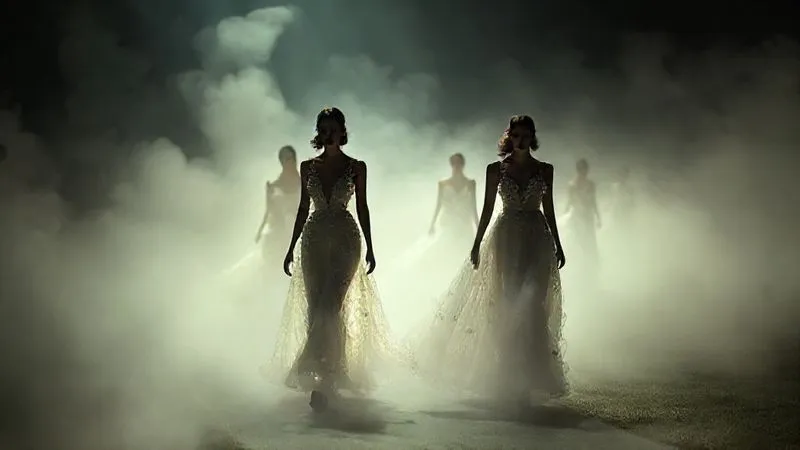
6. Cultivating a Culture of Fearless Experimentation
Innovation rarely blossoms in an environment of fear or rigid adherence to past successes. To consistently innovate next-level haute couture, a culture of fearless experimentation must be meticulously cultivated within the atelier. This means embracing failure as a learning opportunity and encouraging designers and artisans to push beyond their comfort zones.
It's about creating a 'playroom' within the highly structured world of couture, where ideas can be explored without immediate commercial pressure. This often requires dedicated resources, time allocated specifically for research and development, and a leadership that champions risk-taking.
Strategies for Fostering Experimentation:
- Dedicated R&D Atelier: Establish a small, dedicated space or team focused solely on experimental techniques, materials, and concepts, separate from the main production flow.
- 'Failure Fund': Allocate a budget specifically for projects that might not yield immediate commercial results but are crucial for pushing creative boundaries.
- Cross-Training & Workshops: Encourage artisans to learn techniques from other disciplines or even from different parts of the world, fostering new perspectives.
- Open Critique Sessions: Regular, constructive feedback sessions where ideas are discussed and refined, rather than criticized. Focus on potential and improvement.
- External Inspiration Trips: Fund trips to art exhibitions, scientific conferences, or cultural events outside of the fashion bubble to spark new ideas and connections.
As Harvard Business Review often emphasizes, psychological safety is crucial for innovation. When teams feel safe to experiment and even fail, they are far more likely to generate truly groundbreaking ideas.
7. Understanding the Evolving Client: Bespoke Beyond Measure
The haute couture client of today is more sophisticated, globally aware, and ethically conscious than ever before. To innovate effectively, we must move beyond a static understanding of this elite demographic and truly grasp their evolving desires, values, and lifestyles. Bespoke is no longer just about perfect fit; it's about perfect resonance.
This requires active listening, deep empathy, and a willingness to tailor not just garments, but entire experiences. It means understanding their private worlds, their aspirations, and how a piece of haute couture fits into their broader narrative. It's about offering a level of personalization that goes beyond color and fabric choice, delving into the very essence of their identity.

Deepening Client Understanding:
- Personalized Consultations: Move beyond superficial discussions. Engage clients in conversations about their values, their passions, and their vision for the future.
- Client Co-Creation: Involve key clients in the early stages of concept development for specific pieces, allowing their insights to shape the creative process.
- Lifestyle Integration: Understand how haute couture pieces are worn and lived in. Is it for red-carpet events, private art viewings, or intimate gatherings? This informs functionality and aesthetic.
- Ethical Alignment: Be transparent about sourcing and sustainability practices. Many modern clients value ethical production as much as exquisite design.
- Post-Purchase Engagement: Offer bespoke care services, archival consultations, or invitations to exclusive events that deepen their connection to the brand and its values.
By treating clients not just as purchasers but as collaborators and muses, haute couture can tap into a wellspring of inspiration that ensures its relevance and innovation for generations to come.
Frequently Asked Questions (FAQ)
How can a small haute couture house compete with larger ones in terms of innovation? Smaller houses often have an advantage in agility and a more intimate connection with their clients. Focus on niche innovation – perhaps specializing in a unique sustainable material, a specific digital craft, or an extremely personalized client experience. Leverage collaborations with individual artists or tech startups rather than large corporations. Your strength lies in focused, highly specialized innovation rather than broad-spectrum R&D.
Is sustainability truly compatible with the luxury and exclusivity of haute couture? Absolutely, and increasingly, it's a necessity. True luxury today encompasses not just rarity and craftsmanship but also ethical provenance and environmental responsibility. Innovative sustainable materials can offer new textures and narratives, enhancing exclusivity. Upcycling vintage couture, for example, creates unique pieces with historical depth and zero new environmental footprint, embodying ultimate luxury.
How do you balance creative freedom with commercial viability in haute couture? This is the eternal tightrope walk. Creative freedom should be encouraged in the R&D phase and in concept collections. Commercial viability, however, often comes from translating those groundbreaking ideas into wearable, desirable pieces that resonate with the client's lifestyle, even if they remain highly exclusive. It's about finding the 'sweet spot' where avant-garde meets aspiration. Sometimes, a single iconic piece from a highly experimental collection can drive the brand's prestige, allowing for more commercially viable pieces to follow.
What role does social media play in innovating haute couture, which is traditionally very private? Social media, particularly platforms like Instagram and TikTok, can be powerful tools for storytelling and showcasing the intricate process behind haute couture. While the sales remain exclusive, the narrative and aspirational aspects can reach a global audience, fostering brand desire and attracting new generations of potential clients. It allows for a controlled unveiling of the 'magic' behind the scenes, enhancing the mystique rather than diminishing it. It's about strategic, curated sharing, not overexposure.
How can haute couture houses protect their intellectual property when innovating with new technologies or materials? Protecting IP is crucial. This involves robust legal frameworks for patents on new material compositions or technological processes, copyright for unique designs, and non-disclosure agreements (NDAs) with collaborators. For truly groundbreaking innovations, consider filing for design patents or utility patents to secure exclusive rights, especially for unique construction methods or smart textile integrations. Consulting with legal experts specializing in fashion and technology law is paramount.
Key Takeaways and Final Thoughts
- Deconstruct & Reconstruct: Understand tradition deeply to artfully dismantle and reassemble it, creating fresh interpretations.
- Collaborate Broadly: Seek inspiration and expertise from outside the fashion sphere – artists, scientists, technologists.
- Embrace Material Innovation: Champion sustainable and smart textiles to redefine luxury and responsibility.
- Integrate Digital Tools: Leverage technology to augment craftsmanship, enhance design, and personalize client experiences.
- Craft Potent Narratives: Develop compelling stories that elevate collections into immersive, emotional experiences.
- Cultivate Experimentation: Foster a culture where risk-taking is encouraged, and failure is a stepping stone to breakthrough ideas.
- Understand Evolving Clients: Engage deeply with clients to personalize not just garments but entire experiences, aligning with their values.
The future of haute couture hinges not on preserving it in amber, but on its capacity for continuous, thoughtful evolution. As an industry veteran, I've seen that the houses that truly thrive are those that view tradition not as a constraint, but as a rich foundation upon which to build the unimaginable. By embracing these strategies, you can ensure that haute couture continues to be a vibrant, relevant, and truly next-level art form, perpetually avoiding the shadows of creative stagnation and forever inspiring the world with its boundless ingenuity.
Recommended Reading
- 7 Actionable Strategies: Boost Your Sagging Casual Womenswear E-commerce Sales
- 7 Proven Strategies: How to Mitigate Financial Risks at Luxury Fashion Week
- Scaling Streetwear: 7 Strategies to Preserve Authenticity & Grow
- 7 Proven Strategies: How Makeup Artists Forecast Viral Trends in 2024
- 5 Proven Steps: Prevent Responsive Textile Functionality Loss After Washing


Your email address will not be published. Required fields are marked *