

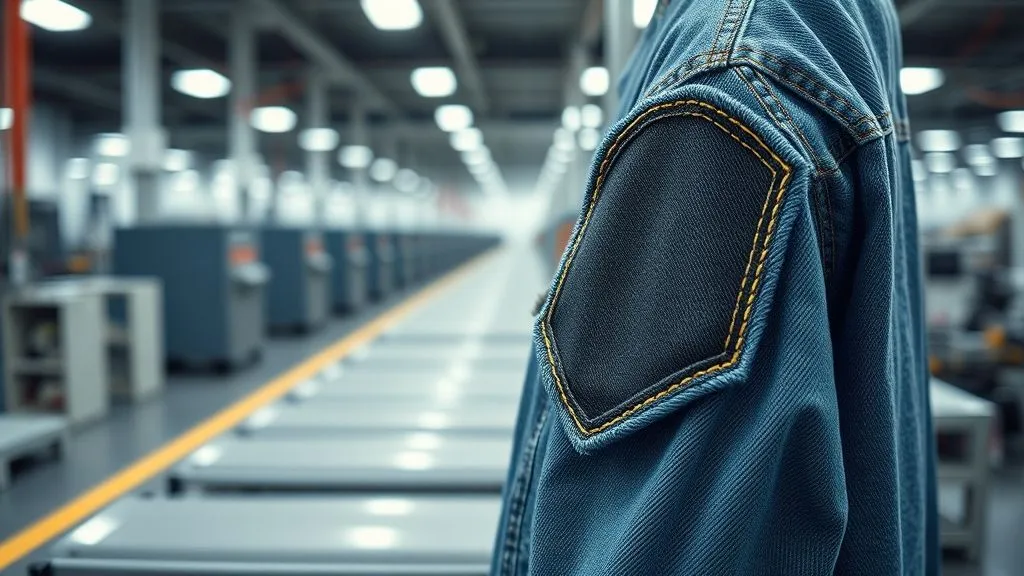
Urgent: How to Scale Men's Streetwear Production Without Losing Authenticity?
For over two decades navigating the dynamic currents of menswear, especially within the streetwear niche, I've witnessed countless brands face a critical juncture: the irresistible pull of growth versus the steadfast commitment to their authentic roots. It's a tightrope walk where one misstep can either lead to explosive success or a diluted brand identity, leaving a once-passionate community feeling alienated.
The problem is palpable. Many promising streetwear labels, after achieving initial traction with their unique aesthetic and genuine ethos, find themselves paralyzed by the 'how.' How do you meet surging demand without sacrificing the handcrafted feel, the limited-edition allure, or the ethical production standards that defined your brand in the first place? This isn't just a logistical puzzle; it's an existential crisis for a brand built on authenticity.
Today, I'm not just going to offer platitudes. We're diving deep into actionable frameworks, drawing from real-world insights and strategic foresight. You'll learn how to navigate the complexities of production scaling, from supplier selection to quality control, all while fortifying your brand's DNA. This is about equipping you with the expert tools to grow your men's streetwear production sustainably, preserving every ounce of authenticity that made your brand special.
Understanding Your Brand's DNA: The Uncompromisable Core
Before you even think about increasing your production volume, you must have an ironclad understanding of what makes your brand, unequivocally, *your brand*. I've seen brands rush into scaling decisions only to realize they didn't truly understand their own core values or aesthetic principles. This leads to compromises that erode authenticity from the inside out.
Defining Your Aesthetic and Values
Your brand's DNA isn't just a logo or a color palette; it's the sum of your visual identity, your philosophical stance, and the emotional connection you forge with your audience. It's the unique blend that differentiates you in a crowded market.
- Visual Aesthetic: Is it raw, minimalist, graphic-heavy, vintage-inspired? Document the specific elements that consistently define your product's look and feel.
- Brand Story & Ethos: What narrative are you telling? Are you about rebellion, community, sustainability, innovation? Your values should be clear and non-negotiable.
- Target Audience & Community: Who are you speaking to? What are their values? Authenticity is often co-created with your most loyal customers.
- Product Quality & Craftsmanship: What level of detail, material quality, and construction standards are essential to your brand's reputation?
“Authenticity isn't about being perfect; it's about being true to who you are, especially when the pressure to change is immense. Your brand's soul is its greatest asset.”
My advice is to formalize these elements. Create a 'Brand Bible' or a 'DNA Document' that explicitly outlines these non-negotiable aspects. Share it with every team member, every new hire, and especially every potential manufacturing partner. This document becomes your compass in the urgent quest to scale men's streetwear production without losing authenticity.
Strategic Sourcing: Partnering for Preservation, Not Just Production
The choice of your manufacturing partner is arguably the most critical decision in scaling. It's not just about finding someone who can make your clothes; it's about finding an extension of your brand that shares your commitment to quality, ethics, and ultimately, authenticity. This is where many brands falter, chasing the lowest price rather than the best fit.
Vetting Manufacturers Beyond Price
I've learned that a cheap price often comes with hidden costs: compromised quality, ethical dilemmas, and a loss of brand control. Instead, prioritize a partnership that understands and respects your brand's unique requirements.
- Align on Values: Discuss your Brand DNA document with potential partners. Do they understand your aesthetic, your commitment to specific materials, or your ethical stance?
- Capacity & Capability: Can they handle your desired volume without sacrificing quality? Do they have the machinery, skilled labor, and expertise for your specific product types (e.g., intricate embroidery, unique washes)?
- Quality Control Protocols: Inquire about their internal QC processes. How do they ensure consistency from fabric inspection to final garment?
- Transparency & Communication: A good partner is open about their operations and communicates proactively about challenges or delays.
- Ethical & Sustainable Practices: Request certifications (e.g., GOTS, OEKO-TEX, WRAP) or evidence of fair labor practices. This is non-negotiable for authentic streetwear in today's market.
Remember, this isn't just a transaction; it's a long-term relationship. Invest time in site visits, speak to their other clients (if possible), and build trust. This diligence is paramount when you're facing the urgent challenge of scaling men's streetwear production without losing authenticity.

Mastering Quality Control: From Sample to Scale
Scaling production inevitably introduces variables. Without a robust quality control system, these variables can quickly lead to inconsistencies that undermine your brand's reputation for authenticity. It's not enough to check the final product; quality must be ingrained at every stage.
Implementing Multi-Stage Inspection Protocols
In my experience, a 'check at the end' approach is a recipe for disaster. You need a proactive, multi-stage inspection process that catches issues early, saving time, money, and your brand's integrity.
- Pre-Production Inspection (PPI): Before mass production, inspect raw materials, components, and patterns. Ensure fabric weight, color, and hand-feel match your specifications.
- During Production Inspection (DUPRO): Conduct checks once 20-50% of production is complete. This allows for corrective action before too many units are affected.
- Pre-Shipment Inspection (PSI): A final random inspection of finished goods to ensure they meet quality standards and order specifications before shipment.
- Container Loading Check (CLC): Verify correct quantity and safe loading conditions.
This systematic approach is critical. According to a Deloitte report on supply chain digital transformation, integrating technology and data analytics into QC processes significantly reduces defects and improves efficiency. This isn't just about avoiding errors; it's about consistently delivering on your brand's promise of quality.
Case Study: How 'Apex Threads' Maintained Quality at Scale
Apex Threads, a rapidly growing men's streetwear brand known for its intricate graphic tees and unique washes, faced a surge in demand that threatened their meticulous quality standards. Their initial manufacturing partner struggled to maintain consistency across larger batches. By implementing a three-tiered QC approach – a dedicated in-house QC manager working directly with the factory, a third-party inspection agency for DUPRO checks, and a stringent final inspection at their own warehouse – Apex Threads was able to catch and rectify issues proactively. This resulted in a 95% reduction in customer complaints related to quality within six months, allowing them to scale from 5,000 to 20,000 units per month while upholding their reputation for premium quality and authentic design.
| QC Stage | Focus Area | Frequency | Impact on Authenticity |
|---|---|---|---|
| Pre-Production Inspection | Raw Materials & Patterns | Before each batch | Ensures material integrity and design fidelity |
| During Production Inspection | Workmanship & Mid-process Quality | 20-50% completion | Corrects deviations early, maintains consistent craftsmanship |
| Pre-Shipment Inspection | Finished Product Conformity | Before shipment | Guarantees final product meets brand standards |
Empowering Your Team: The Human Element of Authenticity
Your team, from design to marketing, is the living embodiment of your brand's authenticity. As you grow, it's easy for communication to fragment and for the core vision to dilute. Maintaining a cohesive, passionate team is essential for scaling men's streetwear production without losing authenticity.
Training and Cultural Alignment
Invest in your people. Ensure everyone understands the brand's DNA document and feels a personal connection to its mission. This isn't just about job descriptions; it's about fostering a culture where authenticity is valued and championed.
- Onboarding: Make brand immersion a core part of onboarding for every new employee, regardless of role.
- Regular Workshops: Host sessions on brand values, design principles, and customer feedback to keep everyone aligned.
- Cross-Functional Collaboration: Encourage designers to understand production challenges and marketing teams to understand design intent.
- Feedback Loops: Create channels for employees to voice concerns or suggest improvements, especially regarding quality or authenticity.
As Harvard Business Review emphasizes, a strong company culture is a powerful competitive advantage. In streetwear, where brand identity is everything, this internal alignment directly translates to external authenticity. Your team's passion is your brand's most genuine voice.
Leveraging Technology Wisely: Automation Without Anonymity
Technology can be a powerful ally in scaling, but it must be applied strategically. The goal isn't to replace the human touch but to augment it, making processes more efficient and data-driven without stripping away the individuality that defines authentic streetwear.
Data-Driven Design and Inventory Management
Modern tools can provide invaluable insights that help you make informed decisions, optimizing everything from design to distribution.
- CAD/CAM Software: Streamline design and pattern-making, ensuring precision and consistency across larger production runs.
- Product Lifecycle Management (PLM) Systems: Manage product data, track development, and collaborate with manufacturers in real-time, reducing errors and lead times.
- Enterprise Resource Planning (ERP) Systems: Integrate various business functions, from inventory and sales to finance and production planning. This provides a holistic view, crucial for scaling efficiently.
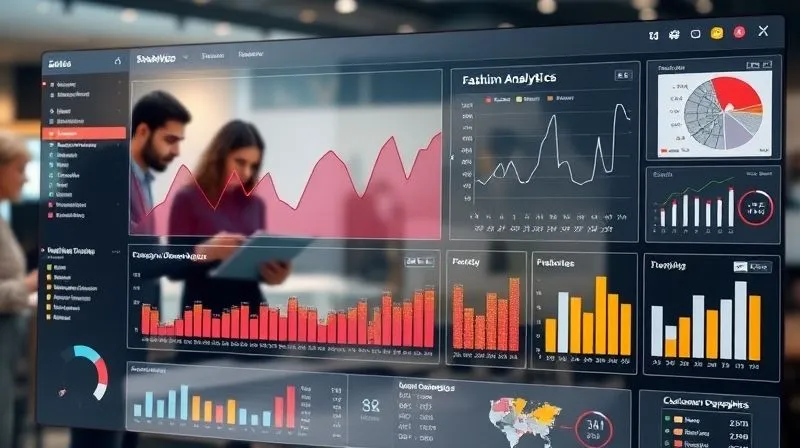
- AI-driven Trend Analysis: Use data to understand evolving customer preferences without blindly chasing fads. This helps you design products that resonate while staying true to your brand's aesthetic.
“Technology should be a sculptor's tool, not a blunt instrument. It refines and amplifies your vision; it doesn't dictate it.”
The key is to use technology to gather insights, automate repetitive tasks, and improve communication, freeing up your team to focus on creative input, quality assurance, and brand building. This careful integration allows you to tackle the urgent need to scale men's streetwear production without losing authenticity.
The Power of Storytelling: Communicating Your Brand's Journey
As production scales, the physical connection between creator and consumer can diminish. This makes compelling storytelling more vital than ever. Your brand's narrative is a powerful tool to maintain authenticity and connect with your audience on an emotional level.
Connecting with Your Audience at Scale
Authenticity isn't just about what you make; it's about why you make it and who you are. Your story can bridge the gap created by increased volume, ensuring your brand's soul remains visible.
- Behind-the-Scenes Content: Share videos and photos of your design process, your team, your manufacturing partners (ethically sourced, of course), and the journey of your products.
- Founder's Vision: Regularly communicate the founder's original inspiration and ongoing mission. People connect with people.
- Customer Spotlights: Feature your community. Show how your clothing integrates into their authentic lifestyles.
- Collaborations: Partner with artists, designers, or influencers who genuinely align with your brand's values, creating limited-edition drops that reinforce exclusivity and unique vision.
As marketing guru Seth Godin often says, people don't buy what you do; they buy why you do it. Your narrative, consistently told across all platforms, is what transforms a product into a symbol, a garment into a statement. This is how you scale men's streetwear production without losing authenticity – by amplifying your unique voice.
Diversification & Niche Expansion: Controlled Growth Paths
Scaling doesn't always mean making more of the exact same thing. Sometimes, the most authentic growth path involves strategic diversification and exploring new niches that align with your core brand identity. This allows for controlled expansion without overwhelming your existing production capabilities or diluting your primary offerings.
Exploring Capsule Collections and Collaborations
Instead of just mass-producing your bestsellers, consider these avenues for growth:
- Capsule Collections: Limited-run collections that explore a specific theme, material, or collaboration. These maintain exclusivity, generate buzz, and allow for experimentation without committing to large-scale production for every new idea.
- Strategic Collaborations: Partnering with other brands, artists, or cultural figures who share your brand's ethos. These can introduce your brand to new audiences while reinforcing your authenticity through shared values.
- Accessory Lines: Expanding into accessories like headwear, bags, or footwear can leverage your brand's aesthetic into new product categories, often with different production challenges and supply chains, easing pressure on apparel manufacturing.
- Geographic Expansion (Phased): Instead of trying to conquer the world at once, focus on one new market at a time, understanding its unique cultural nuances and tailoring your approach.
This approach allows for iterative growth, testing new waters without risking your entire brand. It's a smart way to scale men's streetwear production by expanding your footprint horizontally, not just vertically, thus preserving the sense of rarity and specialness that streetwear thrives on.
Sustainable Practices: Authenticity's New Frontier
In today's conscious consumer landscape, authenticity is inextricably linked with responsibility. Ignoring sustainable and ethical practices is no longer an option; it's a direct threat to your brand's credibility and long-term viability. Scaling without a commitment to sustainability is scaling towards obsolescence.
Eco-Conscious Sourcing and Production
This isn't just a trend; it's a fundamental shift in how businesses operate, and streetwear brands are uniquely positioned to lead this charge given their often-activist roots.
- Material Innovation: Explore recycled fabrics, organic cotton, hemp, Tencel, and other low-impact materials. Be transparent about your material choices.
- Waste Reduction: Implement strategies to minimize fabric waste in cutting and production. Consider upcycling or repurposing scrap materials.
- Ethical Labor: Ensure fair wages, safe working conditions, and no forced labor throughout your supply chain. Certifications like WRAP or Fair Trade can provide validation.
- Circular Economy Principles: Design products for longevity, repairability, and eventual recycling. Consider take-back programs or resale initiatives.
Consumers, especially in the streetwear demographic, are increasingly scrutinizing brands' environmental and social impact. According to the State of Fashion report by McKinsey & Company, sustainability continues to be a top consumer concern. Integrating these practices isn't just good for the planet; it's essential for maintaining and enhancing your brand's authentic appeal as you scale.
| Sustainability Metric | Target Goal | Tracking Method |
|---|---|---|
| Recycled Content Percentage | Minimum 30% per garment | Supplier certifications |
| Water Usage Reduction | 20% reduction per unit | Factory utility reports |
| Fair Labor Certifications | 100% of tier 1 suppliers | Audit reports (e.g., WRAP) |
| Waste Diversion Rate | 80% of production waste | Waste management invoices |
Frequently Asked Questions (FAQ)
Q: How do I find ethical manufacturers who can handle streetwear-specific production? A: Start by looking for manufacturers specializing in niche or high-quality apparel. Utilize platforms like Fashor and Maker's Row, attend industry trade shows, and leverage your network for recommendations. Always ask for certifications (e.g., WRAP, SA8000) and conduct thorough due diligence, including factory visits if possible, to assess their working conditions and capabilities firsthand. Prioritize transparency and communication over just price.
Q: What are the biggest red flags when a manufacturer promises too much? A: Be wary of manufacturers who offer significantly lower prices than competitors without clear justification, promise unrealistic turnaround times, or are reluctant to provide references or details about their quality control processes. A lack of transparency regarding their supply chain or ethical practices is also a major red flag that could compromise your brand's authenticity.
Q: How can I ensure my unique designs aren't copied by my manufacturing partner? A: Always have a Non-Disclosure Agreement (NDA) and a Manufacturing Agreement in place before sharing any design details. Register your designs and trademarks where applicable. Build a relationship of trust with your manufacturer, but also ensure your contracts protect your intellectual property. Start with smaller orders to test the relationship before committing to larger volumes.
Q: Is it possible to maintain 'limited edition' drops while significantly scaling production? A: Yes, absolutely. The key is strategic segmentation. You can scale your core, evergreen products (e.g., basic tees, hoodies) for broader distribution while reserving true 'limited edition' drops for special collaborations, seasonal capsules, or exclusive online releases. This allows you to meet demand for staples while preserving the hype and exclusivity of unique pieces. It's about balancing accessibility with scarcity.
Q: How do I manage increased inventory and logistics without overspending or losing track? A: Implement robust inventory management software (like an ERP or dedicated WMS). This allows real-time tracking, demand forecasting, and optimized warehousing. Consider third-party logistics (3PL) providers as you scale, as they can offer expertise in warehousing, fulfillment, and shipping, often at a lower cost than building your own infrastructure. Start small, optimize, and then scale your logistics solutions.
Key Takeaways and Final Thoughts
Scaling a men's streetwear brand without losing its inherent authenticity is not a matter of luck; it's a deliberate, strategic endeavor built on a foundation of clear vision, meticulous planning, and unwavering commitment. It's about understanding that growth doesn't have to mean dilution.
- Guard Your DNA: Define and defend your brand's core aesthetic and values at all costs.
- Partner Wisely: Choose manufacturers who align with your ethics and quality standards, not just your budget.
- Systematize Quality: Implement multi-stage QC to ensure consistency from concept to customer.
- Empower Your People: Foster a culture where authenticity is understood and championed by your entire team.
- Tech as an Ally: Leverage technology to enhance efficiency and insights, not to replace human creativity.
- Tell Your Story: Use compelling narratives to connect with your audience and reinforce your brand's soul.
- Diversify Smart: Explore controlled growth through capsule collections, collaborations, and niche expansion.
- Embrace Sustainability: Integrate ethical and eco-conscious practices as a core component of your brand's authenticity.
The journey to scale men's streetwear production without losing authenticity is challenging, but immensely rewarding. By following these principles, you're not just building a bigger brand; you're building a stronger, more resilient, and genuinely impactful one. Stay true to your vision, trust your process, and watch your authentic brand thrive even at scale.
Recommended Reading
- Solving Fit Discrepancies: 5 Digital Body Data Strategies for Custom Apparel
- 7 Steps to Update Your Professional Work Wardrobe Post-Pandemic
- Predicting Activewear Profits: 7 Steps to Next Season's Hot Trends
- The Ultimate Guide: How to Remove Pen Ink from Your Designer Handbag Safely
- Stop Kids' Clothes Ripping: 7 Expert Strategies for Durable Wear





Your email address will not be published. Required fields are marked *