

What's the Best Way for Makeup Artists to Forecast Viral Trends?
For over 15 years in the dynamic world of beauty fashion, I've witnessed firsthand the exhilarating rush of a trend taking off and the disheartening reality of others fading into obscurity before they even had a chance. The beauty industry moves at lightning speed, often dictated by elusive algorithms and the whims of a global audience. It's a landscape where staying ahead isn't just an advantage; it's a necessity for relevance and growth.
Many makeup artists, incredibly talented as they are, find themselves constantly playing catch-up. They see viral looks explode on TikTok, only to realize they've missed the initial wave, struggling to adapt their services or content fast enough. This reactive approach can lead to missed opportunities, a feeling of being creatively stagnant, and ultimately, a dip in client engagement and business prosperity. The challenge isn't just about identifying a trend; it's about predicting its trajectory and understanding its underlying appeal.
In this definitive guide, I'll share the frameworks and actionable strategies I've honed over years of navigating this ever-evolving industry. You'll learn not just to spot trends, but to forecast their rise, understand their lifecycle, and strategically integrate them into your artistry and business. We'll explore the best way for makeup artists to forecast viral trends, moving beyond guesswork to a data-informed, intuitive, and highly effective approach that keeps you at the forefront of beauty innovation.
The Foundation: Understanding Trend Cycles and Their Anatomy
Before we can forecast, we must understand. Viral trends don't just appear out of thin air; they follow predictable patterns, albeit sometimes accelerated ones. Think of a trend as having a lifecycle: it begins with innovation, often in niche communities or high-fashion circles, then rises through early adopters, peaks with mass appeal, and eventually declines as saturation sets in, making way for the next big thing.
My experience has taught me that the key is identifying where a trend is in its lifecycle. Are you seeing it emerge from a subculture, or is it already plastered across every influencer's feed? Recognizing these stages helps you decide whether to invest your energy, time, and resources into mastering a look or creating content around it. It’s about timing, and in beauty, timing is everything.
"The ability to anticipate is the cornerstone of mastery in any creative field. For makeup artists, this means not just seeing what's popular now, but understanding the undercurrents that will shape tomorrow's beauty landscape."
Case Study: The Rise and Fall of 'Kitten Eyeliner'
Let's consider the 'Kitten Eyeliner' trend that surged a few years back. It wasn't an overnight sensation. It began subtly, appearing on a few avant-garde runways and in editorial shoots, a softer, more delicate alternative to the dramatic cat-eye. Early adopters, often micro-influencers with a keen eye for subtle shifts, started experimenting. Social media platforms, particularly Instagram and Pinterest, became its incubator, with tutorials and recreation videos slowly gaining traction. By the time celebrities and major beauty brands began featuring it prominently, it had reached its peak, becoming a ubiquitous look. However, as with all trends, saturation led to fatigue, and its decline paved the way for newer, bolder graphic liner styles or a return to minimalist eye makeup. Understanding this trajectory allows a makeup artist to ride the wave at its most impactful point, rather than chasing it as it recedes.
Leveraging Digital Listening & Social Media Analytics
In today's digital age, social media isn't just a platform for sharing; it's the beating heart of trend generation. For makeup artists, it's an indispensable tool to understand what's truly resonating with audiences. I've spent countless hours sifting through feeds, and I can tell you, the raw, unfiltered data found here is gold for forecasting.
Platforms to Monitor: TikTok, Instagram, Pinterest, YouTube
- TikTok: This is often where micro-trends originate. Pay close attention to trending sounds, specific challenges, and the 'For You Page' algorithm, which often highlights emerging content. Looks gaining traction here can explode globally in days.
- Instagram: While still powerful for visual inspiration, look beyond the polished feeds. Explore Reels for shorter, dynamic content, and delve into niche beauty communities and explore page suggestions for early signals.
- Pinterest: A visual search engine, Pinterest is excellent for identifying emerging aesthetic themes, color palettes, and overall mood boards that often precede specific makeup looks. Its trend reports can be incredibly insightful.
- YouTube: Longer-form tutorials and reviews on YouTube can show deeper engagement with new products or techniques, indicating a more sustained interest rather than a fleeting fad.
Tools for Deep Dive Analytics
While manual browsing is essential for intuition, scaling your trend forecasting requires tools. I often advise my mentees to explore platforms that offer social listening capabilities. These can track hashtag performance, sentiment analysis, and identify emerging keywords before they hit the mainstream. Think beyond just follower counts; look for engagement rates, comment themes, and shareability.
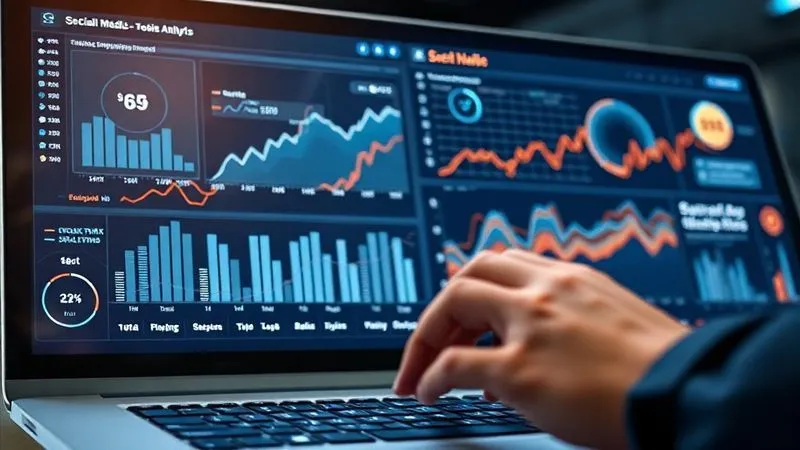
- Identify Seed Keywords & Hashtags: Start with broad terms like #beautytrends, #makeuphacks, but quickly pivot to more specific, emerging phrases you notice in niche content.
- Monitor Engagement Spikes: Look for videos or posts that suddenly gain disproportionately high views, likes, or comments, especially from smaller accounts. This can indicate a nascent viral trend.
- Analyze User-Generated Content (UGC): When users start recreating a look or using a product organically, it's a strong signal. Track how many are participating in a specific challenge or tutorial.
- Observe Cross-Platform Migration: A truly viral trend often starts on one platform (e.g., TikTok) and rapidly spreads to others (Instagram, YouTube). Tracking this migration confirms its widespread appeal.
- Sentiment Analysis: Go beyond numbers. What are people saying in the comments? Is the feedback positive, negative, or does it show genuine excitement and desire to try the look?
This systematic approach to digital listening is arguably the best way for makeup artists to forecast viral trends, providing a real-time pulse on consumer interest and emerging aesthetics.
Decoding Macro & Micro Influencers: The New Trendsetters
Influencers are the modern-day tastemakers, and their impact on beauty trends cannot be overstated. From celebrity makeup artists sharing their techniques to authentic beauty creators showcasing innovative looks, they are powerful conduits for trends. My advice? Don't just watch the biggest names; pay even closer attention to the burgeoning talents.
Identifying Authentic Voices vs. Paid Placements
It's crucial to differentiate between genuine trend origination and sponsored content. While brand campaigns can certainly popularize a look, true viral trends often emerge from organic experimentation. Look for influencers who consistently innovate, share their unique perspectives, and build a strong, engaged community around their authentic passion for makeup, rather than just promoting products.
Collaborating for Early Insights
Building relationships with key influencers, especially micro and nano-influencers who often have higher engagement rates and more niche, dedicated audiences, can provide invaluable early insights. I've found that these creators are often at the forefront of experimenting with new techniques and products. Engaging with them, sharing their work, and even collaborating can give you a direct line to emerging trends before they hit the mainstream.
This network of informed voices provides a critical feedback loop, helping you understand not just what is trending, but why it's resonating. It's a proactive step in understanding what's the best way for makeup artists to forecast viral trends, moving beyond passive observation.
Fashion Week & Runway: The Genesis of High-Fashion Makeup Trends
While social media drives rapid micro-trends, the runway remains the ultimate incubator for high-fashion, conceptual makeup looks that eventually filter down to the masses. I always make it a point to study the collections from Paris, Milan, New York, and London Fashion Weeks. These events are where the world's top designers, makeup artists, and beauty directors collaborate to set the tone for upcoming seasons.
Don't just look at the clothes; scrutinize the makeup. What's the overall mood? Are there recurring themes in color, texture, or application technique? These aren't always immediately wearable, but they are powerful indicators of the direction the beauty industry is heading. Understanding these macro shifts is a vital component of knowing what's the best way for makeup artists to forecast viral trends.
Translating Runway Looks for the Everyday Client
The trick, as I've learned over the years, isn't to replicate a runway look exactly, but to interpret it. A bold graphic eyeliner seen on the catwalk might translate to a more subtle, elongated flick for a client's evening event. A dramatic monochromatic face might inspire a softer, tone-on-tone eyeshadow look. It's about extracting the essence of the trend – the color story, the finish, the focal point – and adapting it to suit individual preferences and everyday wearability.
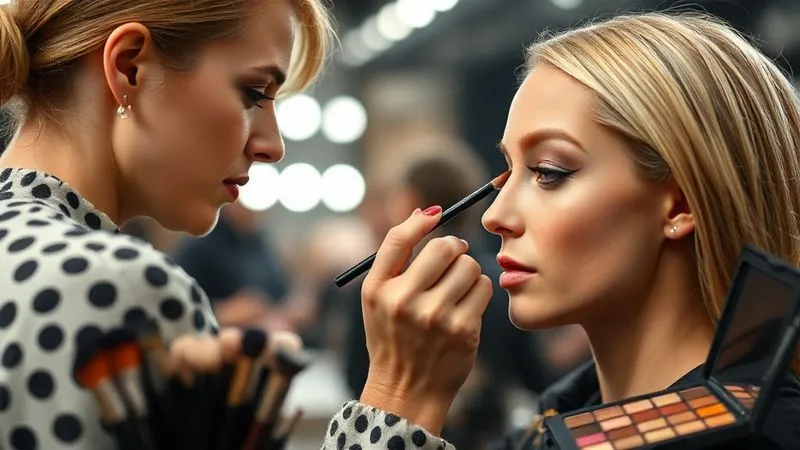
I often advise my students to create a 'runway-to-real-life' mood board after each fashion season. This exercise helps bridge the gap between avant-garde artistry and commercial appeal, making the trends accessible and profitable for their businesses.
Data-Driven Decisions: Consumer Behavior & Market Research
Intuition and observation are powerful, but they are significantly amplified when backed by data. In my experience, relying solely on anecdotal evidence can lead you astray. To truly forecast, we need to look at broader consumer behavior patterns and market research. This is where the analytical side of trend forecasting comes into play, offering a robust answer to what's the best way for makeup artists to forecast viral trends.
Analyzing Sales Data and Search Trends
- Google Trends: This free tool is invaluable. By typing in makeup-related keywords, you can see their search interest over time, identify rising queries, and compare the popularity of different looks or products. A steady increase in searches for "dewy skin tutorial" over several months, for example, is a clear indicator of a burgeoning trend.
- Product Sales Reports: If you have access to beauty product sales data (e.g., from a retail partner, or even your own product sales if you formulate), look for spikes in specific categories. Are certain color palettes selling out? Is there a sudden demand for a particular finish or ingredient? These are strong signals of consumer preference.
- Industry Reports: Major beauty brands and market research firms like Deloitte or Statista frequently publish reports on the beauty industry. These often highlight macro trends in consumer spending, ingredient preferences, and regional shifts that can inform your long-term forecasting.
Demographic Shifts and Cultural Impact
Trends don't exist in a vacuum. They are often reflections of larger societal, cultural, and even economic shifts. For instance, a rise in minimalist makeup might correlate with a broader cultural movement towards sustainability and authenticity. An increase in bold, expressive looks could be a reaction to a period of uncertainty, offering a form of escapism and self-expression. Keeping an eye on these broader currents, reading news beyond just beauty, and understanding generational preferences (Gen Z vs. Millennials) provides a powerful contextual lens for your forecasting.
| Trend Stage | Characteristics | Timeframe (Est.) | Action for MUA |
|---|---|---|---|
| Innovation | Niche, experimental, high-fashion, low awareness | 3-6 Months | Observe, test on self/close clients, build skill |
| Rise | Early adopters, influencer buzz, growing social media activity | 6-12 Months | Master technique, create content, offer to clients, build portfolio |
| Peak | Mass adoption, widespread media, brand campaigns, high search volume | 12-18 Months | Leverage demand, monetize, adapt for diverse clients, refine expertise |
| Decline | Saturation, fatigue, decreasing engagement, new trends emerging | 6-12 Months | Identify next trend, pivot offerings, innovate on existing trend |
By integrating quantitative data with qualitative observations, you build a much more robust and reliable forecasting model. This blended approach is, in my professional opinion, the most comprehensive answer to what's the best way for makeup artists to forecast viral trends effectively.
Networking & Industry Insights: Your Inner Circle of Foresight
No one forecasts in isolation. Some of my most valuable insights have come from conversations with fellow artists, product developers, beauty editors, and brand representatives. Building a robust professional network is an often-overlooked but incredibly powerful tool for trend forecasting. It's about tapping into collective intelligence and getting an early heads-up.
Attending Trade Shows & Workshops
- IMATS (International Makeup Artist Trade Show) or Premiere Orlando: These events are hotbeds of innovation. You'll see new products, techniques, and emerging brands long before they hit mainstream shelves. Attending demonstrations and speaking with exhibitors provides invaluable sneak peeks.
- Industry Workshops & Masterclasses: Learning from established artists or brand educators can give you insights into their perspectives on upcoming trends and the rationale behind new product development.
- Conferences: Events like Future of Beauty summits or digital marketing conferences that touch on beauty can offer high-level strategic insights into consumer behavior and market direction.
Building a Professional Network
Don't just collect business cards; cultivate genuine relationships. Engage with other artists on social media, join professional forums, and attend local beauty meet-ups. Share your observations and listen to theirs. A casual conversation with a product rep might reveal a new ingredient focus for the next season, or a chat with a fellow artist might highlight a technique gaining traction among their diverse clientele. These informal intelligence-gathering opportunities are a significant part of what's the best way for makeup artists to forecast viral trends with nuance and depth.
As marketing guru Seth Godin often emphasizes, building a tribe and engaging with your peers creates a valuable ecosystem for idea exchange and mutual growth. This principle applies perfectly to trend forecasting in beauty.
The Art of Adaptation: Personalizing Trends for Your Clients
Forecasting a trend is one thing; successfully integrating it into your service offering and personal brand is another. A viral trend is a starting point, a canvas upon which you, the artist, add your unique touch. I've seen artists who blindly copy trends and those who thoughtfully adapt them. The latter always thrive.
Beyond Copy-Paste: Customizing for Individuality
Your clients aren't models on a runway or algorithm-driven content creators. They are individuals with unique features, skin tones, personal styles, and comfort levels. The best way for makeup artists to forecast viral trends effectively involves not just knowing the trend, but knowing how to make it work for each client.
- Consider Face Shape & Features: A graphic liner look might need to be adjusted for hooded eyes, or a bold blush placement might be softened for a client with a rounder face.
- Skin Tone & Undertone: Color trends are rarely universal. Understand how a specific shade of lipstick or eyeshadow will appear on different complexions and adjust accordingly.
- Client's Personal Style: Does your client prefer subtle elegance or daring experimentation? A viral trend can be dialed up or down to match their comfort zone and aesthetic.
- Occasion & Context: A full-glam social media trend might be too much for a corporate headshot, but perfect for a themed photoshoot. Always consider the 'where' and 'why'.
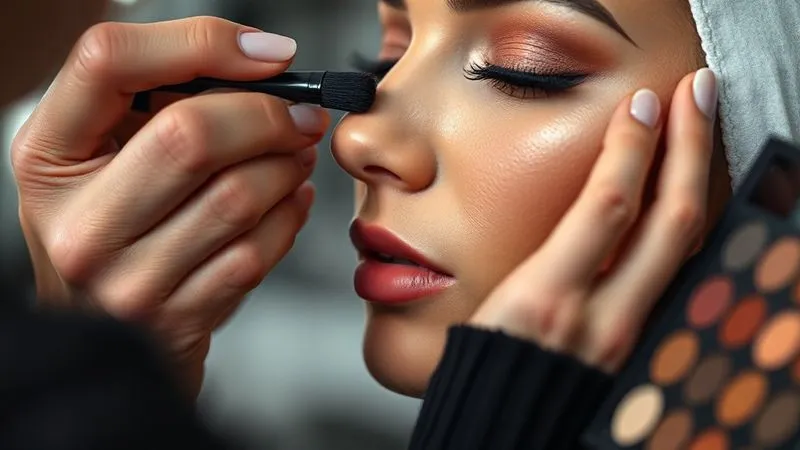
This adaptive approach transforms you from a trend follower into a trend interpreter – a much more valuable and sought-after role in the beauty industry. It’s about leveraging trends to enhance, not overshadow, your client's unique beauty.
Developing Your Own Trend Forecasting Framework
Synthesizing all these strategies into a personalized, repeatable framework is the ultimate goal. Over the years, I've refined a cyclical process that allows me and my team to consistently stay ahead. This isn't a rigid set of rules, but a flexible guide that empowers you to trust your instincts while grounding them in solid research.
- Observe Widely & Consistently: Dedicate regular time each week to digital listening, exploring fashion week reports, and scanning beauty publications. Look for anomalies, recurring themes, and early signals.
- Analyze & Interrogate: Once you spot a potential trend, don't just accept it. Ask: Why now? Who is adopting it? What's its cultural relevance? Is it a fad or a sustainable shift? Use data (Google Trends, sales) to validate your observations.
- Test & Experiment: Before offering a new trend to clients, try it on yourself, your friends, or willing volunteers. Understand the application, longevity, and versatility. Document your process.
- Adapt & Personalize: Develop variations of the trend that cater to different client needs, skin tones, and occasions. Create a portfolio of adapted looks.
- Educate & Communicate: Share your insights with your clients. Position yourself as the expert who can guide them through the latest trends, making them feel informed and confident.
- Review & Refine: Regularly assess the success of your trend integration. What worked? What didn't? Adjust your framework based on real-world feedback and market response.
This systematic, cyclical approach ensures you're not just reacting to trends, but proactively engaging with them, making it the most effective way for makeup artists to forecast viral trends and maintain their competitive edge.
Frequently Asked Questions (FAQ)
How often should a makeup artist monitor trends to stay relevant? I recommend dedicating at least 3-5 hours per week to focused trend monitoring. This isn't just casual scrolling; it involves actively analyzing social media feeds, reviewing industry publications, checking Google Trends, and engaging with your network. Consistency is key, as micro-trends can emerge and evolve rapidly. Setting aside dedicated time ensures you're not just reacting but proactively anticipating.
What's the difference between a fad and a genuine trend, and how do I spot it? A fad is a short-lived, intense craze that quickly disappears, often driven by novelty. A genuine trend, however, has deeper roots, often reflecting broader cultural shifts or a real functional benefit. To spot the difference, look at longevity and adaptability. Fads tend to be very specific and non-adaptable (e.g., a single viral TikTok filter effect). Trends are more versatile, can be adapted for different contexts, and show sustained interest over several months or even years, often evolving rather than disappearing entirely. Data from Google Trends or consistent mentions across diverse platforms are good indicators of a true trend.
Can AI tools truly predict makeup trends, or is human intuition still paramount? AI and machine learning tools are becoming increasingly sophisticated at identifying patterns in vast datasets – social media engagement, search queries, sales data. They can certainly flag emerging keywords, visual styles, and product categories with impressive accuracy. However, human intuition, creativity, and cultural understanding remain paramount. AI can tell you 'what' is trending, but an experienced artist can tell you 'why' it's trending, how it relates to broader aesthetics, and how to adapt it creatively. The best approach is a symbiotic one: use AI for data gathering and pattern recognition, and your expertise for interpretation, adaptation, and artistic application.
How do I introduce a new, forecasted trend to my existing clientele without alienating them? Introducing new trends requires a gentle, educational approach. Start by subtly incorporating elements of the trend into your work, perhaps a new color palette or a refined technique. Educate your clients during consultations, explaining the trend's appeal and how it can be customized to enhance their features and style. Offer 'trend-forward' options in your service menu, perhaps a mini-makeover focusing on a new technique. Visual aids, like mood boards or before-and-after photos, can also help clients envision themselves embracing the new look. Remember, it's about offering evolution, not revolution.
What role do sustainable and ethical beauty movements play in forecasting future makeup trends? A significant one. Consumer values are shifting, and transparency, sustainability, and ethical sourcing are no longer niche concerns but mainstream expectations. Future makeup trends will increasingly be influenced by demands for clean ingredients, eco-friendly packaging, cruelty-free formulations, and inclusive shade ranges. Forecasting in this area involves monitoring consumer advocacy groups, regulatory changes, and brand commitments. Products and techniques that align with these values are likely to gain sustained traction, influencing everything from ingredient choices to application methods that emphasize natural beauty and skin health. This macro-trend profoundly shapes what's the best way for makeup artists to forecast viral trends with long-term relevance.
Key Takeaways and Final Thoughts
Navigating the ever-shifting landscape of beauty trends can feel like chasing a moving target, but with the right strategies, it becomes a powerful opportunity for growth and creative expression. The best way for makeup artists to forecast viral trends isn't a single trick, but a multifaceted approach that blends astute observation, data-driven analysis, strategic networking, and artistic adaptability.
- Understand Trend Lifecycles: Recognize innovation, rise, peak, and decline to time your engagement effectively.
- Master Digital Listening: Leverage social media platforms and analytics tools to identify nascent trends and gauge audience sentiment.
- Decode Influencer Impact: Distinguish authentic trendsetters from paid promotions and build relationships for early insights.
- Interpret Runway Aesthetics: Translate high-fashion concepts into wearable, client-friendly looks.
- Utilize Data & Research: Back your intuition with Google Trends, sales data, and industry reports to make informed decisions.
- Cultivate Your Network: Engage with peers and industry professionals for shared intelligence and collaborative growth.
- Personalize & Adapt: Always tailor trends to your client's unique features, style, and comfort, making them feel seen and beautiful.
- Develop Your Framework: Create a systematic process for continuous observation, analysis, testing, and refinement.
By embracing these principles, you're not just reacting to the beauty world; you're actively shaping your place within it. I encourage you to implement these strategies, experiment boldly, and trust your artistic vision. The future of beauty is yours to forecast and create.
Recommended Reading
- Cracking the Code: How to Ensure Toddler Outfits Meet Strict Safety Standards
- 7 Pillars: Preserving High-End Fashion Exclusivity in Digital Spaces
- Mastering Succession: How to Retain Aging Haute Couture Artisans' Rare Skills
- Unlock the Secret: How Blockchain Secures Luxury Fashion Supply Chains?
- 7 Proven Strategies to Effectively Upsell Premium Progressive Lens Optical Frames

Your email address will not be published. Required fields are marked *