

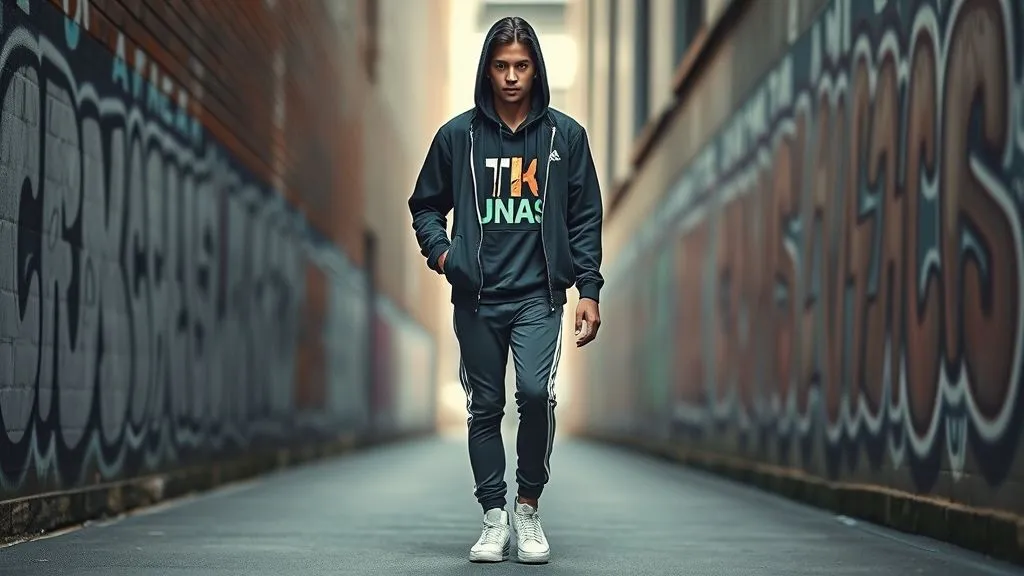
How to Fuse Sportswear Trends Without Losing Streetwear DNA?
For over 15 years immersed in the vibrant, ever-evolving world of streetwear, I’ve witnessed countless brands and designers grapple with a fundamental challenge: how to innovate and stay relevant without diluting their core identity. The allure of sportswear – its technical innovation, comfort, and undeniable cool factor – is powerful. Yet, the fear of creating generic activewear, devoid of the grit and authenticity that defines streetwear, is a very real and valid concern.
This isn't just about throwing a logo on a track jacket; it's about a delicate dance between two distinct, yet increasingly interconnected, fashion philosophies. The problem many face is a lack of a clear framework, leading to collections that either lean too heavily into performance, losing their street cred, or merely pay lip service to sportswear, missing its functional essence.
In this definitive guide, I'll draw upon my extensive experience to provide you with actionable strategies and proven frameworks. You’ll learn precisely how to fuse sportswear trends without losing streetwear DNA, ensuring your designs remain authentic, innovative, and deeply resonant with the culture they serve. We'll explore everything from fabric deconstruction to strategic collaborations, giving you the tools to master this critical fusion.
Understanding the Core DNA: Streetwear vs. Sportswear
Before we can master the art of fusion, we must first deeply understand the distinct DNA of each genre. Streetwear, at its heart, is a cultural phenomenon. It emerged from subcultures – skate, surf, hip-hop – embodying a rebellious spirit, an emphasis on comfort, individuality, and a strong sense of community. Its aesthetic is often raw, authentic, and rooted in the urban landscape, celebrating graphic tees, hoodies, baggy silhouettes, and iconic sneakers.
Sportswear, on the other hand, is born from function and performance. Its DNA is woven with technical innovation, ergonomic design, and a relentless pursuit of enhancing athletic capability. Think moisture-wicking fabrics, lightweight insulation, streamlined silhouettes, and advanced footwear technologies. While its primary purpose is utility, sportswear has undeniably developed its own sleek, dynamic aesthetic.
The tension lies in their differing origins and intentions. Streetwear prioritizes cultural expression and attitude; sportswear prioritizes physical performance. The magic happens when we find the intersection where these priorities can coexist and even elevate one another, creating something genuinely new and compelling without compromising either's integrity. It's about translating function into fashion, and attitude into design.
The Evolution & Intersection: A Historical Perspective
The relationship between sportswear and streetwear isn't new; it's a long-standing dialogue that has shaped contemporary fashion. I've watched this evolution unfold over decades. In the 80s, B-boys adopted Adidas tracksuits and Puma Clyde sneakers, not for athletic performance, but as uniforms of rebellion and style. The 90s saw hip-hop culture embrace oversized sports jerseys and Timberland boots, cementing the idea that athletic wear could be high fashion within specific communities.
Fast forward to the early 2000s, and the rise of 'athleisure' began to blur lines more explicitly, bringing performance fabrics and athletic silhouettes into everyday wear. However, much of this was a commercial appropriation, often lacking the depth and authenticity that streetwear demands. The real fusion, the one that preserves streetwear's DNA, goes beyond mere appropriation; it involves a thoughtful, intentional integration.
According to a recent report by The Business of Fashion, the global athleisure market continues its robust growth, indicating a sustained consumer demand for comfortable, functional, yet stylish apparel. This trend isn't fading; it's maturing. The challenge for streetwear brands now is to tap into this demand in a way that feels organic and authentic to their brand narrative, rather than simply chasing a trend.
Strategy 1: Deconstruct & Recontextualize Key Elements
This is where the true artistry begins. Instead of simply copying a sportswear item, I advise brands to break down sportswear into its fundamental components and then reassemble them through a streetwear lens. It’s about understanding the 'why' behind a sportswear design and adapting it to the 'how' of streetwear expression.
Focus on Fabric Innovation
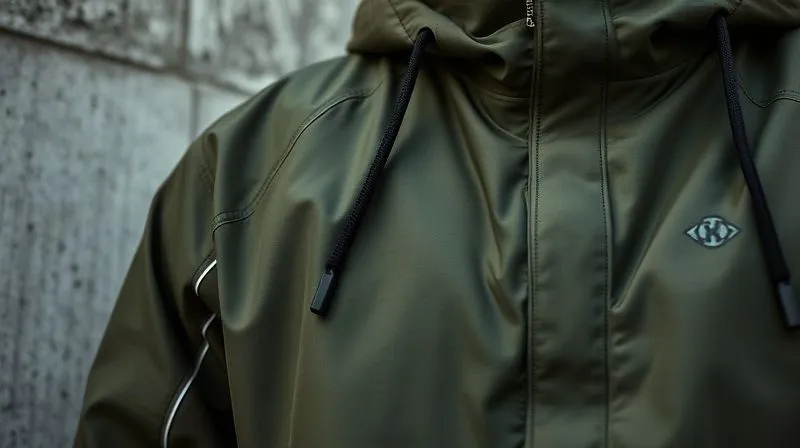
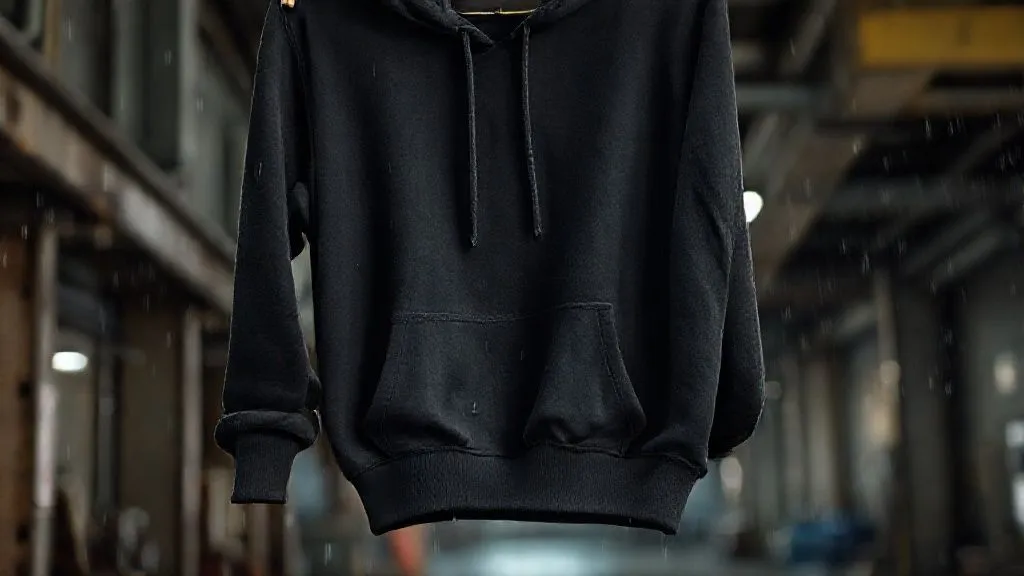
Sportswear excels in material science. Think about Gore-Tex, ripstop nylon, technical fleece, or advanced moisture-wicking blends. The trick isn't to make a running jacket; it's to use these high-performance fabrics in traditionally streetwear silhouettes. Imagine a classic oversized bomber jacket crafted from a waterproof, breathable technical fabric, or a hoodie made from a premium, insulating fleece that maintains a relaxed, urban drape. This approach elevates comfort and utility without screaming 'gym.'
Silhouette Manipulation
Sportswear often features ergonomic, body-hugging, or streamlined cuts for maximum performance. Streetwear, conversely, often plays with exaggerated volumes, relaxed fits, and a more casual posture. The fusion comes in manipulating these silhouettes. Consider a tailored track pant with a wider leg and a subtle taper, or a technical windbreaker with dropped shoulders and an elongated hem. It’s about taking the functional lines of sportswear and injecting them with the relaxed, expressive volumes inherent to streetwear.
Color Palettes and Graphic Language
Sportswear often utilizes bold, high-contrast colors for visibility or brand identity, along with functional graphic placements. Streetwear's palette can be more muted, earthy, or feature subversive, art-driven graphics. Fuse them by introducing strategic pops of neon or performance-inspired color blocking into a predominantly earthy or monochrome streetwear collection. Integrate subtle reflective elements or technical typography into a graphic tee, blending utility with artistic expression. This ensures the aesthetic remains rooted in streetwear while nodding to athletic influence.
Strategy 2: Embrace Performance, Prioritize Aesthetic
This strategy isn't about creating apparel for elite athletes; it's about imbuing streetwear with the *spirit* of performance, where functionality enhances the aesthetic rather than dictating it. The goal is to make a statement about an active, dynamic lifestyle, even if the wearer's daily activity is navigating city streets. It’s about perceived utility and sophisticated design.
Think about elements like articulated knees on cargo pants for better movement, hidden pockets with waterproof zippers for urban exploration, or breathable mesh panels strategically placed on a hoodie. These details add a layer of practical sophistication that resonates with a streetwear consumer who values both style and subtle utility. It's about making clothes that feel good to move in, look good standing still, and tell a story of thoughtful design.
Case Study: "Apex Collective" Redefines Urban Performance
Apex Collective, a mid-sized streetwear brand based in Brooklyn, found themselves at a crossroads. Their core offerings, while authentic, were becoming stale, struggling to capture the attention of a new generation seeking more dynamic designs. Their challenge was clear: how to fuse sportswear without losing their raw, urban edge.
I worked with their design team to implement a 'performance-first, aesthetic-driven' approach. Instead of designing a tracksuit, we focused on individual elements. They developed a line of technical utility pants, featuring ripstop nylon, articulated knee panels, and waterproof cargo pockets, but with a deliberately relaxed, slightly tapered streetwear fit. They then paired these with oversized, premium cotton hoodies that incorporated subtle reflective details and mesh-lined hoods, offering a nod to performance without sacrificing comfort or silhouette.
The result? Their new collection, dubbed "Urban Ascent," saw a 40% increase in sales within the first quarter. More importantly, it garnered significant praise from fashion blogs and influencers for its innovative blend of utility and authentic street style. Apex Collective successfully demonstrated how to fuse sportswear trends without losing streetwear DNA, proving that thoughtful integration can redefine a brand's identity and market position.
| Attribute | Traditional Sportswear | Fused Streetwear/Sportswear |
|---|---|---|
| Primary Focus | Athletic Performance & Function | Aesthetic, Comfort & Perceived Utility |
| Material Selection | Lightweight, Moisture-Wicking, Ergonomic | Technical Fabrics (Gore-Tex, Ripstop) in Streetwear Silhouettes |
| Silhouette | Streamlined, Body-Hugging, Aerodynamic | Relaxed, Oversized, Manipulated Volumes with Functional Details |
| Branding | Prominent Logos, Performance-Oriented | Subtle, Integrated Branding; Graphic-Driven with Technical Accents |
| Context | Gym, Track, Field | Urban Environment, Daily Wear, Cultural Expression |
Strategy 3: The Art of Layering and Accessorizing
Layering is a cornerstone of streetwear, offering both aesthetic depth and practical adaptability to urban environments. When fusing sportswear, layering becomes an even more potent tool. It allows you to introduce athletic elements in a controlled, integrated manner without committing to a full 'sportswear' look. Think of it as strategic integration rather than wholesale adoption.
I've always advocated for mixing textures and forms. For instance, layering a sleek, minimalist track jacket *under* a distressed denim jacket or a heavy chore coat creates an intriguing juxtaposition. The performance fabric peeks out, adding a subtle technical edge to a classic streetwear ensemble. Similarly, a cropped performance hoodie can be layered over a longer, oversized tee, playing with proportions while injecting an athletic vibe.
"True mastery in streetwear fusion isn't about how many sportswear items you wear, but how intelligently you integrate them. Layering allows for nuance, contrast, and the creation of a truly unique visual narrative."
Accessories also play a crucial role. Performance socks, technical backpacks, sleek athletic caps, or even specialized eyewear can act as powerful accents. These items, when chosen carefully, can inject a strong sportswear influence into an otherwise pure streetwear outfit, completing the narrative without overwhelming it. The key is balance and intentionality; each piece should feel like it belongs, contributing to the overall identity.
Strategy 4: Collaboration as a Catalyst for Fusion
Collaborations have long been the lifeblood of streetwear, acting as powerful vehicles for innovation, cross-pollination, and cultural relevance. When it comes to fusing sportswear, strategic collaborations can be incredibly effective, providing a sanctioned space for experimentation and blending distinct brand identities.
Think of iconic partnerships like Nike x Off-White, Adidas x BAPE, or even less obvious pairings between a technical outdoor brand and a streetwear label. These collaborations succeed because they bring together the distinct strengths of each entity. The sportswear brand brings its technical prowess, material innovation, and heritage, while the streetwear brand injects its unique aesthetic, cultural currency, and design language. The result is often something greater than the sum of its parts – a product that feels authentic to both origins yet pushes boundaries.
For emerging or independent brands, this doesn't necessarily mean partnering with a global giant. It could involve collaborating with a local sportswear manufacturer, a specialized technical fabric supplier, or even an athletic-focused artist. The principle remains the same: leverage external expertise to credibly integrate sportswear elements, ensuring that the fusion feels intentional and well-executed, rather than an afterthought. This approach also helps in building trust and authority, as consumers see two credible entities co-signing the fusion.
Strategy 5: Authenticity Above All – The Street Cred Factor
This is arguably the most crucial strategy. Streetwear is, at its core, about authenticity. It's a culture, not just a clothing style. If your brand attempts to fuse sportswear trends without a genuine understanding or respect for either world, it will be perceived as inauthentic, and your street cred will suffer. As marketing guru Seth Godin often emphasizes, authenticity is about being true to who you are, not what you pretend to be.
To maintain your streetwear DNA, your fusion must feel organic. This means understanding the historical context, the current zeitgeist, and the unspoken rules of the subcultures that birthed streetwear. Don't just copy a trend; interpret it through your brand's unique lens. Ask yourself: Does this sportswear element genuinely enhance my brand's narrative? Does it serve a purpose beyond mere aesthetics? Does it resonate with my core audience?
Authenticity also comes from thoughtful design and quality execution. A poorly made garment, regardless of its innovative concept, will undermine your brand. Invest in quality materials, precise construction, and a clear brand voice that communicates your vision. Your audience can spot a fake from a mile away. By staying true to your brand's ethos while intelligently integrating new influences, you ensure that your fusion is not just fashionable, but also culturally significant and enduring.
Avoiding Common Pitfalls: What NOT to Do
While the opportunities for fusion are immense, there are several traps I've seen brands fall into that dilute their streetwear DNA. Avoiding these common mistakes is as important as implementing the right strategies.
- Becoming Generic Activewear: The biggest pitfall is creating products that could easily be found in a mainstream sports store. If your designs lack a distinctive streetwear silhouette, graphic language, or attitude, you've lost your way.
- Losing Your Brand Narrative: Don't let the allure of sportswear overshadow your brand's unique story or heritage. Every new element should integrate into, and ideally enhance, your existing narrative, not replace it.
- Forced Integration: Avoid adding technical details or performance fabrics simply for the sake of it. If a feature doesn't serve a purpose (even if that purpose is purely aesthetic enhancement within the streetwear context), it will feel tacked on and inauthentic.
- Ignoring Fit and Drape: Sportswear often prioritizes a snug, aerodynamic fit. Blindly applying this to streetwear can lead to uncomfortable or unflattering garments that betray streetwear's emphasis on comfort and relaxed silhouettes.
- Sacrificing Quality for Trend: Chasing trends with cheap materials or poor construction is a fast track to losing credibility. Authenticity in streetwear is deeply tied to quality and attention to detail.
| Action | Description |
|---|---|
| DO | Deconstruct sportswear elements and recontextualize them for streetwear. |
| DON'T | Simply copy sportswear items; this leads to generic activewear. |
| DO | Prioritize aesthetic and comfort while embracing performance-inspired details. |
| DON'T | Sacrifice streetwear silhouettes and drape for pure athletic functionality. |
| DO | Use layering and accessories to subtly introduce sportswear influences. |
| DON'T | Overwhelm an outfit with too many disparate sportswear pieces. |
| DO | Seek strategic collaborations to blend expertise and expand your vision. |
| DON'T | Attempt forced integrations without genuine understanding or external input. |
| DO | Maintain authenticity, quality, and your brand's unique narrative above all. |
| DON'T | Lose your brand's identity or compromise quality by chasing fleeting trends. |
Frequently Asked Questions (FAQ)
Q: How do I ensure my designs don't look like generic activewear when fusing sportswear? A: The key lies in recontextualization and silhouette manipulation. Instead of designing a typical gym item, take a sportswear element (like a technical fabric or a reflective detail) and apply it to a classic streetwear silhouette (e.g., an oversized hoodie, a wide-leg pant, or a deconstructed utility jacket). Focus on the drape, fit, and graphic language that are distinctly streetwear, ensuring the performance aspect is an enhancement, not the sole purpose.
Q: What role do materials play in successful sportswear-streetwear fusion? A: Materials are paramount. Successful fusion often involves using high-performance, technical fabrics (like Gore-Tex, ripstop nylon, or advanced fleece) in unexpected ways within a streetwear context. This brings the functionality and durability of sportswear while allowing the design to maintain a streetwear aesthetic. Conversely, traditional streetwear materials like heavy cotton can be enhanced with performance coatings or finishes. The material choice communicates intent and quality.
Q: Is it possible for smaller, independent brands to achieve this fusion effectively without large budgets? A: Absolutely. While large brands might have access to extensive R&D, smaller brands can excel through creativity and strategic sourcing. Focus on a few key, high-quality technical elements rather than trying to do everything. Consider collaborating with local manufacturers, fabric suppliers, or even upcycling materials. Authenticity and a strong design vision often outweigh massive budgets in streetwear. It's about smart design, not just expensive resources.
Q: How important is color in blending these styles? A: Color is incredibly important. Streetwear often leans into earthy tones, muted palettes, or bold, graphic-driven primary colors. Sportswear can feature vibrant neons, high-contrast combinations, or sleek monochrome. Successful fusion involves intentional color choices. You can use sportswear's bright accents to punctuate a predominantly streetwear palette, or adapt performance-inspired color blocking to more relaxed, urban silhouettes. The goal is harmony and intentionality, where color reinforces the blended identity.
Q: Where should I look for inspiration for new trends in this fusion space? A: Look beyond traditional fashion runways. Immerse yourself in urban subcultures, art, music, and niche sports communities. Follow technical apparel forums, outdoor gear innovations, and avant-garde designers who push boundaries. Platforms like Highsnobiety and Hypebeast are excellent for current cultural pulse, but also seek out niche technical publications and material science journals for deeper insights into innovation. True inspiration often comes from unexpected juxtapositions.
Key Takeaways and Final Thoughts
- Understand Both DNAs: Deeply grasp the core philosophies of streetwear and sportswear before attempting fusion.
- Deconstruct & Recontextualize: Break down sportswear elements (fabrics, silhouettes, colors) and apply them creatively to streetwear forms.
- Prioritize Aesthetic with Performance: Embrace the *spirit* of performance and functionality, but always through a streetwear aesthetic lens.
- Master Layering & Accessorizing: Use these techniques to subtly and effectively integrate sportswear influences.
- Leverage Collaborations: Strategic partnerships can legitimize and amplify your fusion efforts.
- Authenticity is Non-Negotiable: Stay true to your brand's narrative and quality standards; street cred is your most valuable asset.
- Avoid Genericism: Distinguish your designs from standard activewear by maintaining a distinct streetwear identity.
The fusion of sportswear and streetwear is not a fleeting trend; it's a testament to fashion's ongoing evolution, driven by a desire for comfort, functionality, and authentic self-expression. As an industry veteran, I’ve seen this blend mature from a tentative experiment to a cornerstone of modern style. The brands that will thrive are those that approach this fusion with intelligence, respect, and a genuine understanding of both worlds. By applying these strategies, you're not just designing clothes; you're shaping culture, ensuring your brand's DNA remains strong, innovative, and undeniably street.
Recommended Reading
- 5 Proven Steps: Eliminate Daily Outfit Decisions for Busy Professionals
- Unlock Radiant Skin: Your Ultimate Guide to a Holistic Beauty Routine for Acne
- 7 Essential Steps: How to Safely Restore Delicate Vintage Lace Wedding Dresses
- 7 Proven Ways to Manage Unrealistic Expectations in Fashion Shoots
- Unlock the Secrets: How to Care for Delicate Antique Pearl Jewelry

Your email address will not be published. Required fields are marked *