

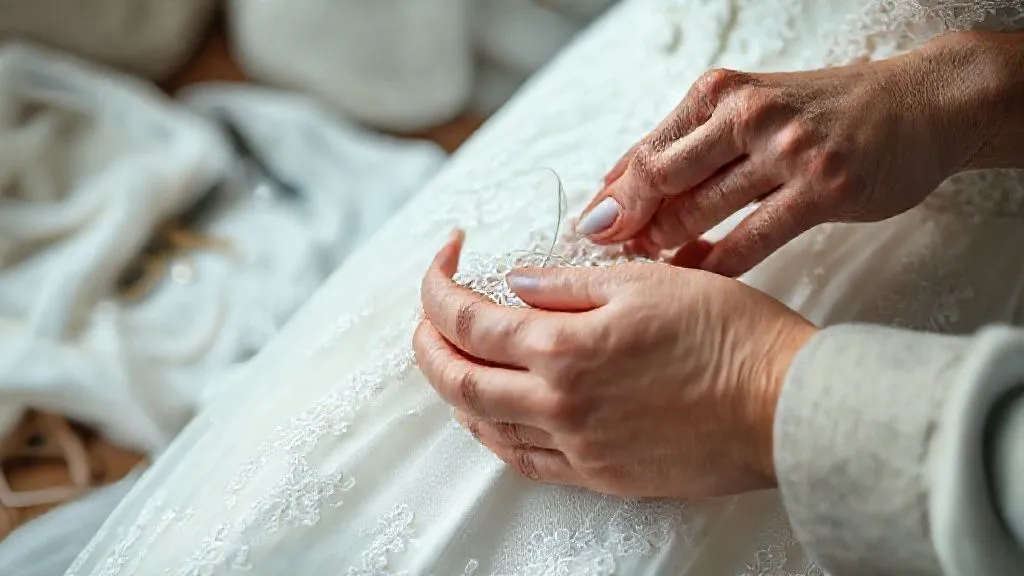
How to Fix Major Wedding Dress Alteration Mistakes Urgently?
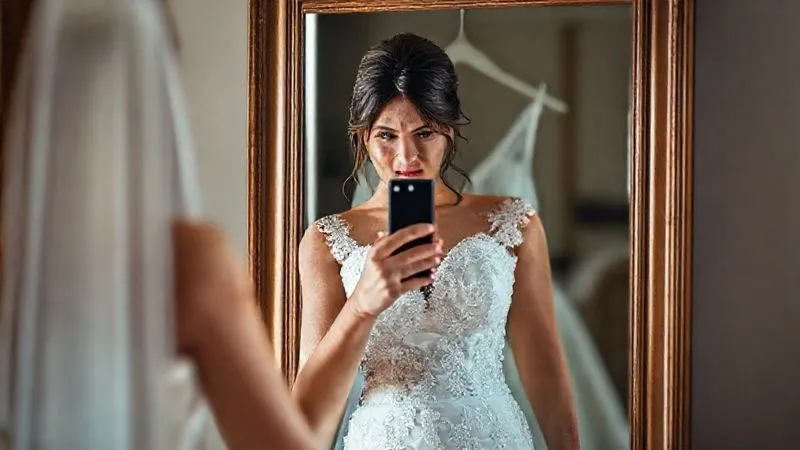
For over 15 years in the bridal fashion industry, I've witnessed the full spectrum of emotions surrounding a wedding dress – from the joyous 'yes!' moment to, unfortunately, the sheer panic when alterations go terribly wrong. It's a nightmare scenario no bride ever envisions: standing in front of the mirror, just days or weeks before her wedding, only to find her dream gown is now a disaster. I've seen tears, desperation, and even brides considering entirely new dresses due to what seemed like irreparable alteration blunders.
The problem isn't just a loose hem or a slightly snug bodice; we're talking about major issues – a dress that's suddenly too small to zip, a neckline that's completely different, or an entire silhouette ruined. The clock is ticking, stress levels are through the roof, and the dream of walking down the aisle in a perfect gown feels shattered. This isn't just about fabric and stitches; it's about the emotional well-being of a bride on one of the most important days of her life.
But here's the crucial insight I want to share: most major wedding dress alteration mistakes *can* be fixed, even urgently. This comprehensive guide isn't just a list of tips; it's an actionable framework, born from years of hands-on experience and countless bridal emergencies, designed to transform panic into a tangible solution. I'll walk you through immediate assessment, professional intervention strategies, and even ingenious temporary fixes, ensuring you have the confidence and knowledge to navigate this stressful situation and restore your gown to its intended glory.
Immediate Crisis Management: Assess and Document
The first, most critical step when facing a major alteration mistake is to take a deep breath. Panic is a natural reaction, but it clouds judgment. As an expert, I've learned that a calm, methodical approach is your greatest asset in these high-stakes situations. Your goal is not to assign blame immediately, but to objectively assess the damage and gather information.
Step 1: The Breath and the Blind Spot
Before you do anything else, step away from the mirror if you need to. Get a cup of tea, call a trusted friend or family member who can offer emotional support, and then return with a clearer head. It's easy to focus on one glaring flaw and miss other, potentially simpler, issues or even misinterpret the severity of the problem.
Step 2: Document Everything
This is non-negotiable. Whether the mistake is obvious or subtle, you need a clear record. I always advise brides to think like a detective. This documentation will be vital for your consultation with the original tailor (if you choose to return) or with a new emergency specialist.
Expert Insight: Detailed documentation isn't about confrontation; it's about clear communication and protecting your interests. It provides an objective baseline for discussion and future action.
- Photographs: Take clear, well-lit photos from multiple angles (front, back, sides) showing the specific areas of concern. Include close-ups of seams, fabric damage, or fit issues.
- Videos: A short video of you trying on the dress, highlighting how it moves or doesn't move, can be incredibly telling, especially for issues like a tight bodice or uneven hem.
- Written Notes: Jot down specific details – when the issue was discovered, what was discussed at the last fitting, what your original requests were, and how the current fit deviates from expectations.
- Original Contract/Receipts: Gather all paperwork from the initial alteration agreement. This outlines the scope of work and can be crucial if a dispute arises.
For more on consumer rights regarding services, you can consult resources like the U.S. Consumer Protection Agency or similar bodies in your region.
Identifying the Root Cause: Who, What, Where?
Understanding *why* the alteration went wrong is crucial for determining the best path forward. In my experience, major mistakes usually stem from one of three areas: the tailor's execution, a breakdown in communication, or unforeseen changes in the bride's body.
Tailor's Error vs. Miscommunication
Sometimes, it's a clear case of a tailor making a mistake – cutting too much fabric, sewing an uneven seam, or misunderstanding a complex design element. Other times, the issue is a miscommunication. Did you clearly articulate your vision? Did the tailor fully understand your requests? Was there a language barrier or a lack of detailed notes?
The Original Gown's Potential
It's also important to consider the original design of the gown. Certain fabrics and construction methods offer less room for error or significant changes. For instance, a heavily beaded or intricately laced gown has less 'seam allowance' to be let out than a simple satin dress. Knowing your dress's inherent limitations can help manage expectations for a fix.
Expert Insight: A truly skilled bridal seamstress possesses not only technical prowess but also exceptional communication skills. They should actively listen, ask clarifying questions, and manage expectations honestly.
- Lack of experience: The tailor might not specialize in bridal or complex alterations.
- Time pressure: Rushed work can lead to errors.
- Misunderstanding: Your vision wasn't fully grasped.
- Body changes: Post-initial fitting weight fluctuations (up or down) can alter the fit dramatically.
Urgent Professional Intervention: The Right Seamstress is Key
Once you've assessed the damage, the next step is to seek urgent professional help. This is not the time for a general dry cleaner or a friend who 'can sew.' You need a specialist. I cannot stress enough the importance of finding a highly experienced bridal alteration expert, particularly one accustomed to emergency fixes.
Finding a Bridal Alteration Specialist, Fast
Finding the right person under pressure can feel daunting, but targeted searching is effective. Look for:
- Bridal Boutiques: Many high-end bridal salons have in-house alteration departments or trusted external partners they recommend. Even if you didn't buy your dress there, they might offer emergency services.
- Specialized Bridal Seamstresses: Search online for 'emergency bridal alterations,' 'wedding dress repair specialist,' or 'couture bridal seamstress' in your area. Check their reviews meticulously for mentions of complex fixes or last-minute rescues.
- Referrals: Ask your wedding planner, photographer, or even other wedding vendors for recommendations. They often see who delivers under pressure.
- Portfolio & Experience: A true specialist will have a portfolio of their work, especially on complex gowns. Don't be afraid to ask about their experience with major alterations.
Websites like the Association of Bridal Consultants or local bridal directories can sometimes provide leads to reputable seamstresses.
The Urgent Consultation: What to Bring and Ask
When you secure an emergency consultation, arrive prepared. This is your chance to present the problem clearly and understand the potential solutions and costs.
- Bring Everything: Your dress, the documentation (photos, notes), your wedding shoes, and any undergarments you plan to wear on the day.
- Explain Clearly: Detail the issues, showing your photos and notes. Explain what your original vision was and how the current dress deviates.
- Listen Actively: A good seamstress will assess the gown and offer solutions. Listen to their expert opinion on what is feasible and what isn't.
- Ask About Timeline: Be upfront about your wedding date. Ask for a realistic timeline for the repairs.
- Discuss Costs: Emergency alterations often come with a premium. Get a clear estimate in writing.
- Ask for a Plan B: Inquire about backup strategies if the primary fix is too risky or time-consuming.
| Measurement Area | Initial Fitting | Current Fit | Desired Fit |
|---|---|---|---|
| Bust | 34 inches | 32 inches (tight) | 34 inches |
| Waist | 26 inches | 25 inches (uncomfortable) | 26 inches |
| Hips | 38 inches | 38 inches | 38 inches |
| Length (Front) | Floor length with heels | 1 inch too short | Floor length with heels |
Common Major Mistakes and Their Expert Solutions
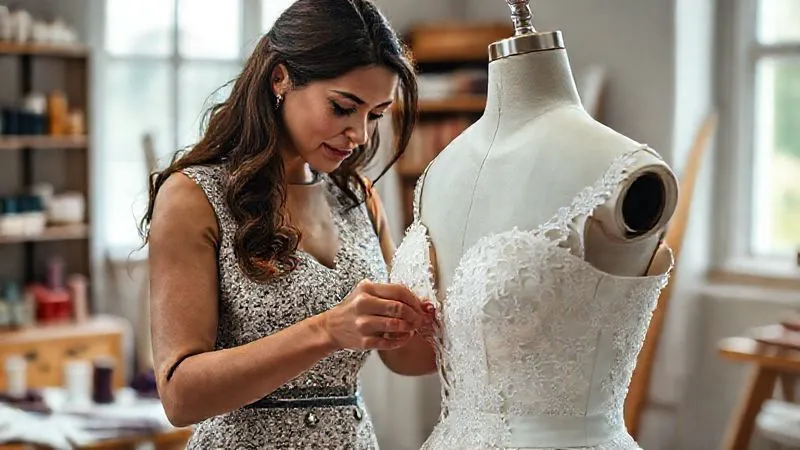
Over my career, I've seen nearly every alteration nightmare imaginable. Here's a breakdown of the most common major mistakes and the expert-level solutions that can often save the day:
Mistake 1: The Dress is Too Small (Can't Zip/Button)
This is arguably the most panic-inducing scenario. The dress simply doesn't fit. The good news is that often, it can be fixed.
- Letting Out Seams: Most wedding dresses are constructed with a small amount of 'seam allowance' – extra fabric tucked into the seams. A skilled seamstress can carefully let out these seams, potentially gaining an inch or two where needed. This is most effective on less structured gowns with generous seam allowances.
- Adding Gussets or Panels: If there isn't enough seam allowance, discreet fabric panels (gussets) can be inserted into side seams, under the arms, or along the back. These are typically made from matching or complementary fabric, often hidden by lace appliqués or strategic draping.
- Corset Back Conversion: For dresses with a zipper or buttons that are too tight, converting to a corset back is a highly effective solution. This not only adds several inches of adjustability but also creates a beautiful, traditional bridal aesthetic. It's a complex alteration but one that can dramatically save a dress.
Case Study: How Emily's Dream Gown Was Saved
Emily's mermaid-style wedding dress was a size 8 when she bought it, but after a stressful few months leading up to the wedding, she found herself unable to zip it up past her waist, just two weeks before the big day. Panic set in. Her original tailor said it was 'impossible' to let out. I assessed the gown and found it had a decent seam allowance in the side seams. By carefully letting out a quarter-inch on each side seam and integrating two tiny, almost invisible lace gussets under the arms, we gained the crucial inch she needed in the bust and waist. The dress fit perfectly, and Emily walked down the aisle radiant and relieved.
Expert Insight: The success of letting out seams depends entirely on the original seam allowance and the fabric type. Heavily structured or beaded areas are far more challenging to adjust.
Mistake 2: The Dress is Too Big (Sagging/Gapping)
While less dramatic than a dress being too small, a gown that's too big can look sloppy and unflattering.
- Taking in Seams: This is generally easier than letting out. A seamstress can take in the side seams, adjust the bust darts, or tighten the waist to achieve a snug fit.
- Re-boning/Adding Structure: If the bodice is gapping or sagging, the existing boning might be inadequate or misplaced. New boning can be added or adjusted to provide better support and shape.
- Adjusting Straps/Shoulders: Loose straps or shoulder areas can be taken up to lift the bodice and improve the overall fit.
Mistake 3: Length Disaster (Too Short/Long)
An incorrect hem length can ruin the entire silhouette.
- Too Short: This is the trickiest. If there's no hem allowance, a creative solution is needed. Adding a decorative lace trim, a satin band, or a ruffled layer to the existing hem can add crucial inches. Sometimes, a discreet underskirt or crinoline can be extended to create the illusion of length.
- Too Long: Far simpler. A skilled seamstress can re-hem the dress, ensuring it skims the floor perfectly with your wedding shoes. This is a standard alteration.
Mistake 4: Neckline/Bodice Ruined
A poorly altered neckline can drastically change the look of the dress.
- Re-draping/Reshaping: Fabric can sometimes be re-draped or re-shaped to restore the intended neckline or create a new, flattering one.
- Adding Embellishments: Lace appliqués, delicate beading, or strategic fabric additions can cover up uneven cuts or reshape a neckline.
- Modesty Panels: If a neckline is too plunging, a modesty panel can be inserted discreetly.
Mistake 5: Fabric Damage or Tears
Accidents happen, even during alterations. A tear or snag can seem devastating.
- Appliqué/Patching: For small tears, a matching lace appliqué or a piece of fabric from an inner seam can be meticulously hand-stitched over the damaged area, making it invisible or even enhancing the design.
- Strategic Placement: If the tear is in a less visible area, sometimes it can be incorporated into a new design element or simply tucked away.
Understanding the properties of different fabrics is key to these repairs. For detailed information on fabric care and repair, you might find resources from textile experts or academic institutions helpful, such as those provided by The Textile Institute.
Strategic Planning for Emergency Repairs
With a professional on board, it's time to create a clear plan. This involves managing expectations around timeline, cost, and having backup solutions.
Timeline Management: What's Realistic?
Emergency alterations demand a compressed timeline. Be prepared for multiple fittings in a short period. A skilled seamstress will outline a schedule, but be flexible. They're often working miracles.
- Initial Assessment & Plan: 1-2 days
- First Stage Alterations: 3-7 days (depending on complexity)
- Second Fitting & Adjustments: 1-3 days
- Final Fitting & Pickup: 1-2 days before the wedding (for peace of mind)
Cost Implications and Negotiation
Emergency services usually come at a higher price due to the urgency and specialized skill required. Expect to pay a premium. However, don't be afraid to politely discuss costs, especially if the mistake was clearly the original tailor's fault. You might be able to negotiate a partial refund from the first tailor to offset new costs.
Expert Insight: Prioritize the fix over the cost, within reason. The peace of mind and confidence you gain from a perfectly fitting dress is priceless on your wedding day.
Backup Solutions: When All Else Fails
While most issues can be resolved, it's prudent to have a contingency plan, especially if your wedding is days away and the fix is exceptionally complex.
- Renting a 'Backup' Dress: Some bridal shops offer rental options for simple, elegant gowns.
- Off-the-Rack Purchase: Consider a simple, elegant white or ivory dress from a department store or online retailer that can be quickly altered.
- Embrace the Imperfection: Sometimes, a minor flaw, once fixed as best as possible, becomes part of the day's unique story.
| Action Item | Target Date | Status |
|---|---|---|
| Contact emergency seamstress | Day 1 | Completed |
| First consultation/assessment | Day 2 | Completed |
| First alteration stage completed | Day 5 | In Progress |
| Second fitting | Day 7 | Pending |
| Final adjustments/pickup | Day 9 | Pending |
Emotional Resilience and Communication
Dealing with a major wedding dress alteration mistake is incredibly stressful. Your emotional well-being is paramount. As an expert, I've seen how stress can hinder effective problem-solving. It's crucial to manage your emotions and communicate effectively with your chosen seamstress.
Communicating Effectively Under Pressure
Maintain a respectful, clear, and calm demeanor with your seamstress. They are on your side and are working to help you. Clearly articulate your concerns, but also trust their professional judgment. Avoid emotional outbursts, as this can impede their ability to focus on the intricate work.
- Be Specific: Instead of 'it just doesn't feel right,' say 'the bodice feels tight across my ribs and the left strap keeps slipping.'
- Be Patient: Intricate repairs take time and precision.
- Express Gratitude: Acknowledging their hard work can foster a positive relationship.
Leaning on Your Support System
Don't go through this alone. Lean on your fiancé, maid of honor, mother, or a trusted friend. They can offer emotional support, help with logistics, or even accompany you to fittings for an extra pair of eyes and moral support. Sometimes, simply venting your frustrations can be incredibly cathartic.
Expert Insight: Your wedding day is about more than just a dress. While the dress is important, remember the bigger picture: celebrating your love. A positive mindset, even in a crisis, can make all the difference.
Resources on stress management, such as those from reputable psychological associations or well-being platforms like Psychology Today, can provide valuable coping mechanisms during this challenging time.
Temporary & DIY Fixes for Day-Of Emergencies
In a true worst-case scenario, or for minor touch-ups on the wedding day itself, knowing a few temporary and DIY fixes can be a lifesaver. These are not substitutes for professional alterations but can get you through the event with grace.
When Professional Help Isn't an Option
Sometimes, despite best efforts, a small issue might resurface on the morning of the wedding, or a major fix simply wasn't possible. This is where your emergency kit comes in handy.
- Safety Pins: The ultimate emergency tool. Use them discreetly to cinch a loose strap, close a gapping bodice, or temporarily hem a dress that's too long. Choose small, strong ones.
- Fashion Tape: Double-sided fashion tape can hold a plunging neckline in place, secure a slipping strap, or keep a delicate overlay from shifting.
- Emergency Sewing Kit: A small kit with needles, white/ivory thread, and small scissors is invaluable for minor seam repairs or reattaching a loose button.
- Fabric Glue: For very minor fraying or a tiny tear on a non-structural part of the dress, a dab of fabric glue can offer a quick, temporary fix.
- Stain Remover Pens: Essential for unexpected spills.
Strategic Styling to Conceal Flaws
Sometimes, the best fix is to strategically hide the problem. This is where your bridal styling comes into play.
- Bouquet Placement: A large, cascading bouquet can cleverly conceal issues on the front of a bodice or waist.
- Veil or Hair Styling: A long veil can hide back issues, or a particular hairstyle can draw attention away from a neckline problem.
- Jewelry: A statement necklace can divert eyes from a minor bodice flaw, or statement earrings can frame your face beautifully, making any dress issue less noticeable.
- Shawl/Wrap: A beautiful bridal shawl or wrap can provide coverage and elegance, perfectly concealing issues on the arms, shoulders, or back.
Frequently Asked Questions (FAQ)
Question: Can a wedding dress truly be let out if it's too small? Yes, often it can, but it depends heavily on the original seam allowance of the dress and the fabric type. Most bridal gowns are designed with some extra fabric in the seams for minor adjustments. However, if the seam allowance is minimal, or if the fabric is delicate and prone to fraying, the options become more limited, sometimes requiring the addition of gussets or a corset back conversion. An experienced bridal seamstress can assess the feasibility.
Question: What's the typical cost for emergency alterations? Emergency alterations typically cost more than standard alterations due to the expedited timeline and specialized skill required. While standard alterations might range from $300-$800, emergency fixes for major issues could range from $500 to well over $1500, depending on the complexity of the repair, the fabric, and the urgency. Always get a clear, written estimate before proceeding.
Question: How do I know if a seamstress is truly an expert in emergency bridal repairs? Look for specific experience in bridal wear, not just general tailoring. Ask to see examples of their work, especially on complex gowns or previous 'rescue' projects. Check online reviews for mentions of their ability to handle difficult or urgent situations. A true expert will also be honest about what's possible and what isn't, and will communicate clearly throughout the process.
Question: Is it ever too late to fix a major alteration mistake? While the window for major, complex fixes shrinks dramatically as the wedding day approaches, it's rarely 'too late' for some form of intervention. Even 24-48 hours before the wedding, a highly skilled emergency seamstress can often implement temporary structural fixes or creative solutions that will get you through the day. The key is to act immediately and seek specialized help; don't give up hope until every option is explored.
Question: Should I consider buying a new dress if alterations are severely botched? This is a last resort, but it's a valid consideration if the original dress is truly irreparable, the cost of fixing it outweighs its value, or there's simply no time. If you have more than a few weeks, consider exploring off-the-rack bridal gowns or simple white dresses that can be quickly altered. However, I always advocate for exhausting all repair options first, as the emotional attachment to 'the dress' is often profound.
Key Takeaways and Final Thoughts
Facing a major wedding dress alteration mistake is undoubtedly one of the most stressful experiences a bride can encounter. But as an industry veteran, I can tell you with absolute certainty: panic is not a strategy. Informed, decisive action is your most powerful tool.
- Stay Calm and Document: Objectively assess the problem and gather all evidence – photos, videos, notes. This is your foundation.
- Seek Expert Help Urgently: Do not hesitate to find a highly specialized bridal alteration expert. Their skill and experience are invaluable in these situations.
- Understand the Solutions: Familiarize yourself with common fixes, from letting out seams to corset conversions, so you can have an informed discussion.
- Plan Strategically: Work with your seamstress on a realistic timeline and be prepared for potential costs. Have backup plans in mind.
- Prioritize Your Well-being: Lean on your support system and manage your stress. Your emotional health is as important as the dress itself.
- Be Prepared for Day-Of: Arm yourself with an emergency kit for any last-minute touch-ups.
Remember, your wedding day is a celebration of love, and while your dress plays a significant role, it doesn't define the day. With the right approach, expert guidance, and a resilient spirit, you can overcome even the most daunting alteration blunders. Trust the process, trust the professionals, and walk down that aisle feeling beautiful, confident, and ready to embrace your joyous future.
Recommended Reading
- 7 Proven Strategies: Verifying Costume Accuracy from Minimal Historical Evidence?
- 7 Steps to Update Your Professional Work Wardrobe Post-Pandemic
- Unlock the Secret: Why Bamboo Fabric is Your Ultimate Sustainable Clothing Choice
- Unlock the Future: Do Self-Cleaning Clothes Truly Eliminate Laundry?
- 7 Proven Strategies: Luxury Scarf Dead Stock Reduction Without Devaluation


Your email address will not be published. Required fields are marked *