

How to Extend Functional Textile Performance Beyond 50 Washes?
For over two decades in the textile innovation space, I've witnessed the incredible evolution of functional fabrics. From outdoor gear that withstands extreme elements to medical textiles offering unparalleled protection, these materials have transformed industries. Yet, I've also seen a recurring Achilles' heel: the frustrating decline in performance after what feels like a mere handful of washes, often falling short of the crucial 50-wash benchmark that many consumers and brands aspire to.
This rapid degradation isn't just an inconvenience; it's a significant sustainability challenge and a commercial hurdle. Consumers expect their high-performance garments to last, and when they don't, it erodes trust, increases waste, and forces brands back to the drawing board. The promise of advanced functionality often comes with the unspoken caveat of limited lifespan, creating a disconnect between innovation and real-world utility.
In this definitive guide, I will share my deep insights and practical strategies, drawing from years of industry experience and cutting-edge research. We'll explore a holistic framework, from material science and manufacturing precision to smart care protocols and future innovations, designed to genuinely extend functional textile performance beyond 50 washes. You'll gain actionable steps, understand critical nuances, and learn how to build textiles that truly endure.
Understanding the Enemy: What Degrades Functional Textiles?
Before we can extend the life of functional textiles, we must first understand the forces working against them. It's a multi-faceted battle, where various elements conspire to diminish performance. From my perspective, often the biggest mistake is treating these factors in isolation rather than as an interconnected system of degradation.
Mechanical Abrasion and Flex Fatigue
Every time a fabric is worn, washed, or simply moved, it experiences mechanical stress. Abrasion, whether from rubbing against other surfaces or within the washing machine drum, physically wears down the fibers and coatings. Similarly, flex fatigue, the repeated bending and creasing of the fabric, can cause microscopic cracks in coatings and eventually break down individual fibers, leading to a loss of structural integrity and functional efficacy, particularly for hydrophobic or oleophobic finishes.
Chemical Exposure: The Silent Stripper
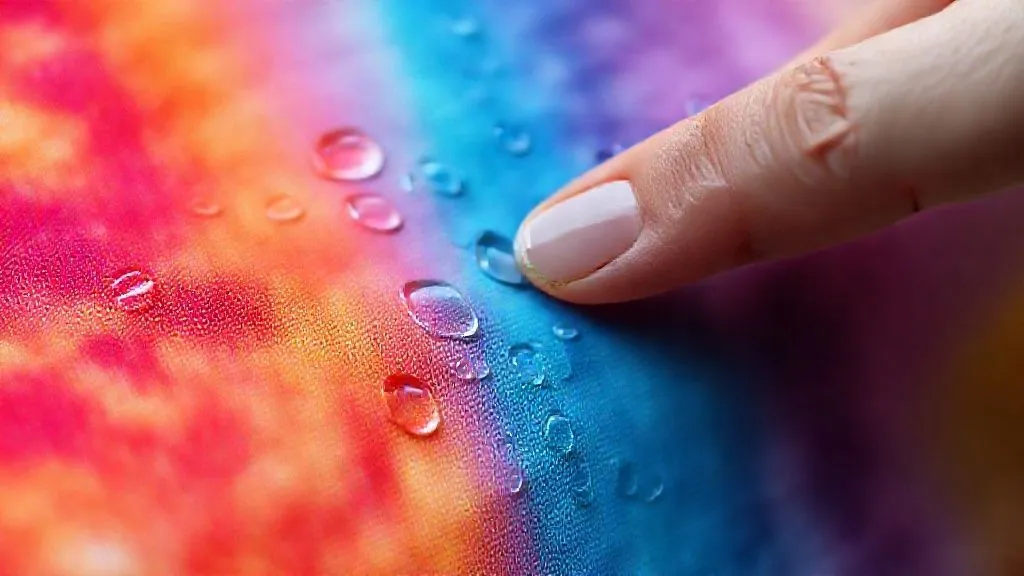
This is arguably the most insidious culprit, especially when discussing wash cycles. Detergents, fabric softeners, and even the pH of the water itself can chemically interact with the functional finishes. Many durable water repellent (DWR) coatings, for example, are fluorocarbon-based polymers. Harsh detergents can strip these molecules from the fabric surface or alter their chemical orientation, drastically reducing their repellent properties. Bleaches and strong stain removers are even more aggressive, often irreversibly damaging the textile's functional matrix.
UV Radiation and Environmental Stress
Exposure to sunlight, specifically ultraviolet (UV) radiation, can cause photodegradation in many textile polymers. This leads to color fading, loss of tensile strength, and embrittlement of fibers. For functional textiles, UV can also break down the chemical bonds of performance coatings, accelerating their deterioration. Furthermore, pollutants, ozone, and extreme temperature fluctuations in the environment can contribute to a fabric's overall stress load, weakening its structure and function over time.
Heat Cycles and Thermal Degradation
High heat, whether from tumble drying, ironing, or prolonged exposure to high temperatures, can compromise the integrity of functional textiles. Many performance coatings are temperature-sensitive; excessive heat can cause them to melt, redistribute unevenly, or chemically degrade, losing their intended properties. This is why care labels are so critical, yet so often overlooked. The cumulative effect of repeated heat cycles can be just as damaging as a single extreme event.
Expert Insight: "The pursuit of extended textile performance isn't about solving one problem; it's about understanding the complex interplay of mechanical, chemical, and environmental stressors. A truly durable solution addresses all these fronts simultaneously, from molecular design to end-user care."
The Foundation: Material Science & Polymer Innovation
The journey to extend functional textile performance beyond 50 washes fundamentally begins at the molecular level. For years, the industry relied heavily on C8 fluorocarbon chains for DWR, but environmental concerns pushed us towards C6, and now increasingly towards fluorine-free (C0) alternatives. This shift has necessitated a re-evaluation of how we engineer durability into the very fabric of the material.
Beyond Traditional DWRs: The Evolution of Repellency
The limitations of C0 DWRs in terms of durability have spurred incredible innovation. We're seeing advancements in polymer chemistry that create more robust, intrinsically repellent fibers. One promising area is the development of dendritic polymers or hyperbranched polymers that offer a higher density of repellent groups at the surface, creating a more resilient barrier. Another is the use of non-fluorinated waxes and paraffins encapsulated within polymer matrices, offering improved wash durability compared to earlier C0 generations. According to a recent report by Deloitte on the Future of Textiles, sustainable yet high-performing finishes are a top priority for consumer acceptance.
Polymer Blends and Hybrid Architectures
The future isn't just about a single 'magic' polymer; it's about intelligent blending and hybrid architectures. By combining different polymer types – for instance, a highly durable base fiber with a specialized functional polymer – we can create synergistic effects. Think about composites in other industries; textiles are moving in a similar direction. This could involve co-spinning fibers, creating bicomponent filaments, or even multi-layer fabric constructions where each layer contributes specific functionality and durability, protecting the more sensitive functional elements.
Nanotechnology and Surface Engineering
Nanotechnology offers unprecedented control over surface properties. By applying nanoscale coatings or embedding nanoparticles within the fiber matrix, we can create surfaces with enhanced repellency, antimicrobial properties, or UV resistance that are far more integrated and thus more durable than traditional topical treatments. For example, some innovations involve creating a 'lotus effect' at the nanoscale, where the surface structure itself, rather than just a chemical coating, repels water and dirt. The challenge, of course, is ensuring these nanostructures remain intact and functional through repeated wash cycles.
Case Study: How ‘AquaShield Innovations’ Revolutionized DWR Longevity
AquaShield Innovations, a mid-sized textile solutions provider, faced the common challenge of their C0 DWR coatings failing significantly before 30 washes. Recognizing the market demand for extended performance, they invested heavily in research focusing on polymer architecture. By developing a novel, hyperbranched silicone-based polymer and optimizing its cross-linking density during application, they achieved a breakthrough. Their new 'EverDry' coating now consistently maintains over 80% of its initial DWR performance after 75 industrial washes, a significant leap from previous generations. This was achieved not by finding a 'new' chemical, but by engineering a more stable and intrinsically durable polymer structure.
Manufacturing Excellence: Enhancing Durability from Day One
Even the most advanced material science can be undermined by suboptimal manufacturing processes. The application and curing of functional finishes are critical steps that determine how well these properties will adhere and perform over time. In my experience, this is where many brands stumble, either due to cost-cutting or a lack of precise process control.
Precision Application Techniques
Traditional dip-coating or spray application can sometimes lead to uneven distribution or insufficient penetration of functional agents. Advanced techniques like plasma treatment, encapsulation, or layer-by-layer deposition offer superior control. Plasma treatment, for instance, can activate the fabric surface, creating more reactive sites for the functional chemicals to bond, leading to a stronger, more durable attachment. Encapsulation involves embedding the functional agent within a protective polymer shell, releasing it gradually or protecting it from immediate degradation.
Optimized Curing Processes
Curing is not just about drying; it's about setting the functional finish permanently onto the fabric. Insufficient curing can leave the finish vulnerable to washing, while over-curing can degrade the fabric or the finish itself. Precision control over temperature, humidity, and duration during the curing process is paramount. New curing technologies, such as UV curing or electron beam curing, offer faster and more energy-efficient alternatives with potentially better control over cross-linking, resulting in more robust finishes. As Textile World often highlights, advanced finishing technologies are key to unlocking next-gen performance.
Rigorous Quality Control and In-Process Testing
Quality control shouldn't be a post-production afterthought. Implementing in-process testing throughout the manufacturing chain allows for immediate identification and correction of issues. This includes monitoring coating thickness, uniformity, and initial performance metrics before the textiles even leave the factory floor. Statistical process control (SPC) can identify trends and deviations, ensuring consistency batch after batch. This proactive approach significantly reduces the likelihood of functional failures down the line.
| Application Method | Pros | Cons | Durability Score (1-5) |
|---|---|---|---|
| Dip/Pad Coating | Cost-effective, versatile | Less uniform, lower durability for some finishes | 2.5 |
| Spray Coating | Targeted application, less waste | Can be inconsistent, requires careful calibration | 3 |
| Plasma Treatment | Enhanced adhesion, surface activation | Higher capital cost, batch process limitations | 4 |
| Encapsulation/Micro-encapsulation | Controlled release, protected active agents | Complex process, cost-intensive | 4.5 |
| Layer-by-Layer (LbL) | Precise nano-scale control, multi-functional | Slow, lab-scale currently, very high cost | 5 |
The Often-Overlooked Pillar: Smart Care & Maintenance
Even with the most advanced materials and manufacturing, consumer care practices remain a critical determinant of a functional textile's lifespan. I've seen countless high-performance garments prematurely fail simply because they weren't cared for properly. Educating the end-user is not just good customer service; it's an integral part of extending product life.
Optimized Washing Protocols
The 'how' of washing is just as important as the 'what'.
- Temperature Control: Always adhere to the lowest effective wash temperature recommended. Hot water can degrade many functional coatings and fibers faster.
- Detergent Choice: Avoid harsh detergents, fabric softeners, and bleach. Fabric softeners, in particular, can leave residues that clog the pores of breathable membranes or mask the effectiveness of DWR finishes. Look for detergents specifically designed for technical wear or use minimal amounts of gentle, pH-neutral detergents.
- Gentle Cycles: Use delicate or gentle wash cycles to minimize mechanical abrasion and stress on the fabric.
- Inside Out: Washing garments inside out can protect the outer functional surface from abrasion during the wash cycle.
- Rinse Thoroughly: Ensure all detergent residue is completely rinsed out, as lingering chemicals can continue to degrade finishes over time.
Drying Methods and Reproofing
Tumble drying on low heat can often help reactivate DWR finishes, as the heat helps reorient the repellent molecules. However, excessive heat can cause damage. Air drying is often the safest bet, especially for delicate items. For textiles with DWR, reproofing is a vital step. After a certain number of washes, even the most durable DWR will diminish. Using wash-in or spray-on reproofing agents specifically designed for the fabric type can restore much of the original water repellency, significantly extending the functional life of the garment. This step is often overlooked, yet it's incredibly effective.
Expert Insight: "A functional textile is a system, not just a fabric. Its performance longevity is a shared responsibility between the manufacturer's design and the consumer's care. Neglecting the latter is like buying a supercar and never changing its oil."
Testing & Validation: Beyond Standardized Metrics
To truly understand how to extend functional textile performance beyond 50 washes, we must evolve our testing methodologies. Current industry standards, while useful, often don't fully capture the complex degradation mechanisms that occur over extended use and wash cycles. We need to go beyond the basics and embrace more rigorous validation.
Accelerated Aging and Multi-Factor Testing
Standard wash tests, like AATCC 22 for DWR, provide a snapshot, but they rarely simulate real-world conditions effectively. Advanced testing involves accelerated aging protocols that combine multiple stressors: repeated washing, UV exposure, mechanical abrasion, and temperature cycling. This multi-factor approach provides a much more realistic picture of how a textile will perform over its entire lifespan. For instance, testing a DWR coating after 50 washes *and* 100 hours of UV exposure gives far more insight than just 50 washes alone.
Real-World Wear Trials and Performance Tracking
Laboratory tests are essential, but nothing replaces real-world validation. Conducting extensive wear trials with a diverse group of users, carefully tracking performance metrics over time, is invaluable. This involves quantitative data (e.g., measuring DWR before and after specific use periods, or tensile strength after X number of washes) and qualitative feedback (user perception of comfort, breathability, and sustained functionality). This feedback loop is crucial for continuous improvement. Organizations like ASTM International provide robust frameworks for textile testing, but tailoring them for extended performance is key.
Establishing New Longevity Benchmarks
The 50-wash mark is a good starting point, but for truly durable functional textiles, we need to aim higher. Brands should establish their own internal longevity benchmarks, perhaps 75, 100, or even 150 washes, depending on the product's intended use and performance claims. This commitment to higher standards drives innovation throughout the supply chain, from material selection to manufacturing processes. Transparently communicating these benchmarks to consumers also builds trust and sets realistic expectations.
The Future is Now: Emerging Technologies for Extreme Longevity
The quest to extend functional textile performance beyond 50 washes isn't just about optimizing current methods; it's about embracing revolutionary technologies that promise unprecedented durability and self-repair capabilities. The horizon of textile innovation is brimming with exciting possibilities.
Self-Healing Polymers and Coatings
Imagine a textile that can repair minor cuts, tears, or even restore its DWR finish after damage. Self-healing polymers, inspired by biological systems, are becoming a reality. These materials contain embedded microcapsules filled with healing agents that rupture upon damage, releasing the agent to polymerize and seal the breach. While still largely in the research phase for mass production, these technologies hold immense promise for significantly extending the functional life of textiles by mitigating the effects of wear and tear.
Bio-Inspired and Biomimetic Coatings
Nature has perfected durability and functionality over millennia. Biomimicry – drawing inspiration from natural structures like the lotus leaf for water repellency or shark skin for drag reduction – is leading to new generations of functional coatings. These often rely on creating specific surface topographies rather than just chemical treatments, which can be inherently more robust and less prone to washing out. Think about surfaces that shed dirt naturally, reducing the need for harsh washing cycles, thereby preserving the textile's functional integrity.
Integrated Smart Sensors for Performance Monitoring
The integration of micro-sensors directly into the textile structure could allow for real-time monitoring of functional performance. Imagine a DWR coating that signals when its effectiveness is diminishing, prompting the user to reproof. Or a UV-protective fabric that alerts you when its UV-blocking capabilities are compromised. This data-driven approach would empower consumers with actionable insights, enabling proactive maintenance and extending the lifespan of their garments by preventing catastrophic failures.
A Holistic Approach: Integrating Design, Production, and User Education
Ultimately, achieving truly long-lasting functional textile performance beyond 50 washes requires a paradigm shift. It's not a single solution but a deeply integrated, holistic strategy that spans the entire product lifecycle. As Seth Godin famously asserts, "The market wants what the market wants until you teach it something new." We, as industry specialists, have the responsibility to teach the market what truly sustainable and high-performing textiles look like.
Circular Economy Principles from Conception
Designing for longevity aligns perfectly with circular economy principles. This means considering the end-of-life and recyclability of the textile from the very beginning, ensuring that materials chosen for durability also lend themselves to future resource loops. This involves selecting monomers that are easier to de-polymerize, or designing products that can be easily disassembled for recycling or repair. This mindset inherently pushes for greater durability and material integrity.
Collaboration Across the Value Chain
No single entity can solve the challenge of textile longevity alone. It requires seamless collaboration between raw material suppliers, chemical formulators, textile manufacturers, brand designers, and even laundry care companies. Sharing insights, co-developing solutions, and establishing common goals for durability and sustainability are paramount. This collective effort is what will drive systemic change and elevate industry standards.
Empowering the End-User Through Education
The best functional textile in the world will underperform if the user doesn't know how to care for it. Brands have a crucial role in providing clear, concise, and accessible care instructions. This goes beyond a simple care label; it includes digital resources, educational campaigns, and even in-store workshops. Empowering consumers with the knowledge to properly maintain their garments transforms them from passive users into active participants in extending product life, fostering a deeper connection with the brand and its values.
Frequently Asked Questions (FAQ)
Q: Are eco-friendly DWRs (fluorine-free) inherently less durable than older C8 or C6 chemistries? While early fluorine-free DWRs did struggle with wash durability compared to their fluorocarbon counterparts, significant advancements have been made. Modern C0 DWRs, especially those utilizing hyperbranched polymers or encapsulated waxes, are closing the gap considerably. The key is in the application process and specific polymer chemistry, not just the absence of fluorine. Some premium C0 DWRs now offer competitive wash durability.
Q: Can I re-apply functional coatings to my garments myself, and how effective is it? Yes, for certain functionalities like water repellency (DWR), you can re-apply coatings at home using wash-in or spray-on products. Their effectiveness varies by product and application technique but can significantly restore performance, especially after the original factory finish has worn off. It's crucial to follow the product instructions carefully and ensure the garment is clean before application for best results. This is a vital step in extending functional textile performance beyond 50 washes.
Q: What's the relative importance of fabric structure versus applied coatings for overall performance longevity? Both are critically important and often work in synergy. Fabric structure (e.g., weave density, fiber type, yarn twist) provides the foundational durability and some inherent properties like breathability or UV protection. Applied coatings add specific functionalities like DWR, antimicrobial properties, or enhanced stain resistance. A well-designed fabric structure can help protect and prolong the life of a coating, while a robust coating can enhance the performance of a good fabric. Neither can fully compensate for deficiencies in the other.
Q: How does UV radiation specifically impact the longevity of DWR and other functional finishes? UV radiation can cause photodegradation, breaking down the chemical bonds within the DWR polymer chains or other functional finishes. This leads to a loss of molecular integrity, reducing their ability to repel water or perform other functions. Prolonged UV exposure can also embrittle the fabric itself, making the finish more susceptible to mechanical abrasion and washing out. UV stabilizers can be incorporated into finishes or fibers to mitigate this effect, but it remains a significant challenge for outdoor functional textiles.
Q: Is there an industry standard for what constitutes a 'long-lasting' functional textile? While there are various performance standards (e.g., for DWR, abrasion resistance), a universal industry standard for 'long-lasting' across all functional textile types doesn't widely exist in a quantifiable wash-cycle context. Brands often set their own internal benchmarks, with 50 washes being a common aspirational target for DWR. However, the definition of 'long-lasting' is highly dependent on the product's intended use, price point, and specific functional claims. The goal is to move towards more transparent and robust longevity claims.
Key Takeaways and Final Thoughts
- Holistic Strategy: Extending functional textile performance beyond 50 washes demands an integrated approach, from material science to consumer care.
- Material Innovation: Invest in advanced polymer chemistry, hybrid architectures, and nanotechnology for intrinsically more durable finishes.
- Manufacturing Precision: Optimize application and curing processes, and implement rigorous in-process quality control.
- Consumer Education: Empower users with clear, actionable care instructions to maximize product lifespan.
- Advanced Testing: Move beyond basic tests with accelerated aging and real-world wear trials to truly validate longevity.
- Future-Proofing: Explore emerging technologies like self-healing materials and integrated sensors for next-generation durability.
The challenge of achieving extended functional textile performance beyond 50 washes is significant, but it's an achievable and necessary goal for the future of our industry. As an experienced industry specialist, I believe that by embracing these strategies, we can move beyond the current limitations, deliver superior products, and contribute to a more sustainable textile ecosystem. The future of functional textiles is not just about what they can do, but how long they can do it for. Let's build that future, one durable fiber at a time.
Recommended Reading
- 7 Proven Strategies: Minimize Womenswear Seasonal Overstock Markdown Losses
- 7 Proven Strategies: Solving Porosity Issues in Intricate Jewelry Castings
- Cracking the Code: 7 Ways New Bloggers Land Exclusive Fashion Event Invites
- 7 Ways Predictive Analytics Halts Fashion Overstocking & Boosts Profit
- Crafting Your Legacy: 7 Reasons Bespoke Jewelry Offers Unmatched Value

Your email address will not be published. Required fields are marked *