


How to evolve personal style without alienating loyal followers?
For over 15 years in the dynamic world of fashion blogging and personal branding, I've witnessed countless creators grapple with a fundamental dilemma: the desire to evolve their personal style versus the very real fear of alienating the loyal community they've painstakingly built. It's a tightrope walk between authenticity and aspiration, between staying true to your roots and embracing new aesthetic horizons. This isn't just about changing clothes; it's about the evolution of your identity, your brand, and your connection with those who follow your journey.
The pain point is palpable: you want to grow, to experiment, to reflect the person you're becoming, but the thought of losing followers, seeing engagement drop, or facing backlash can be paralyzing. Many bloggers either stagnate, clinging to an outdated aesthetic, or they make abrupt, uncommunicated shifts that leave their audience feeling bewildered and disconnected. This leads to a loss of trust, a fractured community, and ultimately, a diminished platform.
But what if there was a strategic, empathetic way to navigate this evolution? In this definitive guide, I'll share a comprehensive framework, actionable steps, and expert insights drawn from years of experience. You'll learn not just how to evolve personal style without alienating loyal followers, but how to deepen your connection with them, transforming your style journey into a shared, exciting adventure.
Understanding Your "Why": The Foundation of Authentic Evolution
Before you even consider swapping out your signature pieces, the most crucial step is introspection. Why do you want to evolve your style? Is it a genuine reflection of personal growth, changing interests, or a desire to align with new professional goals? Without a clear 'why,' any change risks feeling inauthentic, which is the quickest way to lose your audience's trust.
Defining Your Core Values and Aesthetic Pillars
Your personal style, at its best, is a visual representation of your core values. When considering evolution, ask yourself:
- What are my unchanging values? (e.g., sustainability, comfort, empowerment, creativity)
- How have my life circumstances or interests shifted? (e.g., new career, motherhood, travel, a deeper dive into art)
- What feeling or message do I want my style to convey now? (e.g., sophisticated, edgy, relaxed, bold)
- What elements of my current style still resonate deeply? (These are your anchors.)
"Authenticity isn't about never changing; it's about changing with integrity, ensuring your outward expression remains true to your inner evolution. Your audience will forgive a shift in aesthetic, but rarely a shift in perceived honesty."
Once you've identified your 'why,' begin to define your new aesthetic pillars. These aren't just trends; they're the foundational elements of your emerging style. For example, if you're moving from a bohemian aesthetic to a more minimalist one, your pillars might shift from 'free-spirited, natural textures, eclectic' to 'clean lines, intentionality, quality fabrics, timelessness'.
- Journal extensively: Document your thoughts, inspirations, and reasons for change.
- Create a digital mood board: Use platforms like Pinterest to visually curate your desired new aesthetic, including fashion, art, interiors, and even feelings.
- Identify 3-5 keywords: Summarize your new style with words that resonate deeply with you.
Strategic Communication: Preparing Your Audience for Change
The biggest mistake influencers make during a style evolution is a sudden, unannounced pivot. Your audience isn't just following your outfits; they're invested in your story. Abrupt changes can feel like a betrayal or a sign that you've 'sold out.' The key is to bring them along on the journey, making them feel like part of the process, not just passive observers.
Soft Launches and Sneak Peeks
Start planting seeds of change long before you fully commit to the new aesthetic. This isn't about deceiving your audience; it's about gentle acclimatization. Think of it as a gradual reveal, building anticipation rather than shock.
- Behind-the-scenes content: Share glimpses of your mood board, fabric swatches, or styling experiments on Instagram Stories or TikTok.
- Polls and Q&As: Ask your audience for their opinions on new colors, silhouettes, or accessories you're considering. 'Which of these new blazer styles do you prefer?'
- 'What I'm Loving Lately' segments: Introduce new brands, designers, or stylistic influences that align with your evolving taste, explaining *why* they appeal to you.
- Subtle integration: Weave one or two new pieces into your existing style, rather than a full wardrobe overhaul all at once.
The Power of Narrative: Sharing Your Journey
People connect with stories, not just products. Frame your style evolution as a personal narrative of growth, learning, and self-discovery. Explain your 'why' to your audience, just as you explored it for yourself. Transparency builds trust.
Talk about the inspirations behind your shift, the challenges you're facing in finding new pieces, or the excitement of discovering a new facet of your identity. This vulnerability makes the journey relatable and invites your followers to invest emotionally in your transformation. It answers the implicit question: 'How to evolve personal style without alienating loyal followers?' by making them co-travelers.
- Dedicate a blog post or video: Clearly articulate your reasons for evolving your style. Share your journey of self-discovery.
- Use 'This or That' on Stories: Present two distinct looks – one old, one new – and ask for feedback, explaining your thought process behind each.
- Share personal anecdotes: Connect specific style changes to life events or personal epiphanies.
Phased Integration: Gradually Introducing New Elements
Once you've set the stage with communication, the actual integration of your new style must be a gradual, thoughtful process. Think of it as a spectrum, not an on/off switch. This allows your audience's eyes to adjust, and for them to see the continuity in your personal brand, even as the aesthetics shift.
The 70/30 Rule: Blending Old and New
A highly effective strategy is the 70/30 rule. Initially, maintain 70% of your established style elements, and introduce 30% new ones. As your audience becomes more comfortable and receptive, you can gradually shift this ratio. This ensures there's always enough familiarity to keep your core audience engaged, while also showcasing your exciting new direction.
| Phase | Old Style % | New Style % | Audience Reaction Goal |
|---|---|---|---|
| Initial (1-2 months) | 70% | 30% | Curiosity, Engagement |
| Mid-Transition (3-4 months) | 50% | 50% | Acceptance, Growing Interest |
| Advanced (5-6 months) | 30% | 70% | Excitement, Full Adoption |
This phased approach minimizes shock and gives you time to refine your new aesthetic. It also demonstrates consistency and thoughtfulness, which are highly valued traits by a loyal following. It's about showing evolution, not revolution.
Case Study: From Boho Chic to Minimalist Modern
Consider 'Chloe's Closet,' a popular fashion blog known for its vibrant, layered boho-chic aesthetic. Chloe felt her style no longer reflected her growing interest in sustainability and timeless design. Instead of a sudden pivot, she started by introducing minimalist accessories (simple gold jewelry instead of layered beads), then incorporated cleaner silhouettes in neutral tones into her existing boho pieces. She shared her journey, explaining her shift towards 'intentional living' and how her wardrobe was reflecting this. Over six months, the 70/30 rule became 30/70, and her audience, far from alienating, grew more engaged. They appreciated her transparency and the thoughtful evolution, seeing her as a relatable guide in their own journeys of conscious consumption. Her new content focused on capsule wardrobes and sustainable brands, attracting a new, equally loyal segment while retaining her original fans who admired her growth.
"Small, consistent shifts are far more powerful than grand, sudden gestures when it comes to audience adaptation. Let your evolution unfold like a story, chapter by chapter."
Engaging Your Community: Co-Creating the Evolution
Your followers are your biggest asset. Instead of seeing them as potential critics, view them as collaborators in your style journey. Involving them actively not only fosters a sense of community but also gives them ownership in your evolution, making them less likely to feel left behind.
Open Dialogue: Q&A Sessions and Feedback Loops
Regularly create opportunities for direct interaction. This could be dedicated Q&A sessions on Instagram Live or YouTube, or specific 'Ask Me Anything' (AMA) posts about your style evolution. Respond genuinely to concerns and questions, explaining your choices and acknowledging their perspective.
- Dedicated 'Style Evolution' highlights/stories: Archive your journey and FAQs for easy access.
- Comments as conversation starters: Actively engage with comments on your posts, asking follow-up questions about their thoughts on your new looks.
- Surveys and polls: Beyond simple 'yes/no,' use open-ended questions to gather more nuanced feedback on specific elements of your changing style.
Collaborative Content: Featuring Follower Styles
A powerful way to show appreciation and involve your community is to feature their own style interpretations or questions. This can be done through:

- 'Community Style Spotlight': Ask followers to share how they're incorporating new trends or evolving their own style, and feature a selection on your platform.
- 'Styling Challenge': Propose a challenge based on a new aesthetic element you're exploring and invite your audience to participate.
- 'Ask My Audience': Pose a styling dilemma to your followers and feature the best responses in a dedicated post. This makes them feel heard and valued.
This co-creation approach transforms the question of 'How to evolve personal style without alienating loyal followers?' into an opportunity for collective growth and strengthens the bonds within your community.
Measuring Impact and Adapting: Data-Driven Style Evolution
While authenticity is paramount, smart creators also pay attention to the data. This doesn't mean letting numbers dictate your entire artistic direction, but rather using them as a feedback mechanism to understand how your audience is reacting and where you might need to adjust your approach or communication.
Beyond Likes: Analyzing Engagement Metrics
Look beyond superficial metrics like likes. Focus on indicators that reveal deeper engagement and connection:
- Comment sentiment: Are comments generally positive, curious, confused, or negative? Tools like social listening can help gauge this.
- Save rate: Higher saves indicate that content is perceived as valuable and inspiring, regardless of style.
- Share rate: If people are sharing your new style content, it suggests strong resonance.
- Website traffic & time on page: Are people clicking through to your blog posts about your style evolution and staying to read?
- Follower growth/churn: Monitor these trends. A slight churn is natural with any change, but significant drops warrant investigation. Conversely, new growth can indicate you're reaching a fresh, receptive audience.
| Metric | Focus |
|---|---|
| Comment Sentiment | Qualitative feedback, tone |
| Save Rate | Content utility, inspiration |
| Reach & Impressions (New Style) | Audience interest, algorithm favorability |
| Follower Growth/Churn | Overall audience health |
Iterative Refinement: Don't Be Afraid to Tweak
The beauty of a phased evolution is its flexibility. If a particular aspect of your new style isn't landing well, or if a certain communication strategy isn't resonating, you have the opportunity to adapt. This isn't about abandoning your vision but about refining your execution.
"Data is not a master, but a mirror. It reflects how your message is being received, allowing you to iterate and refine your approach without compromising your core vision."
Perhaps your audience needs more context for a certain trend, or maybe a particular color palette is too drastic. Use the feedback and data to make informed adjustments to your content strategy, styling choices, or even the pace of your style transition. This iterative process is a hallmark of successful personal brand evolution.
Leveraging External Authority & Inspiration (E-E-A-T)
As an expert in the fashion space, your ability to reference and integrate broader industry insights into your personal style journey not only enriches your content but also reinforces your authority and trustworthiness. This isn't about blindly following trends, but about understanding the larger context of fashion evolution.
Drawing Insights from Industry Leaders
When discussing your evolving style, connect it to broader fashion movements, designers, or cultural shifts. This demonstrates that your evolution is not arbitrary but informed and thoughtful. For instance, if you're moving towards a more sustainable aesthetic, reference the growing industry movement towards ethical fashion.
As Forbes often highlights, consumer values are increasingly shifting towards conscious consumption, impacting design and purchasing decisions. By aligning your personal evolution with these larger trends, you position yourself as an informed voice, not just someone changing clothes on a whim. Discuss how designers like Stella McCartney have pioneered sustainable luxury, influencing a broader shift towards mindful fashion choices.
Understanding Market Shifts and Cultural Context
Your personal style doesn't exist in a vacuum. It's influenced by global trends, societal changes, and even economic factors. Referencing reports or expert opinions on these shifts can add depth and credibility to your narrative. For example, if your new style leans into comfort and practicality, you could link it to the post-pandemic shift in how people dress, as discussed in various Harvard Business Review articles on consumer behavior.
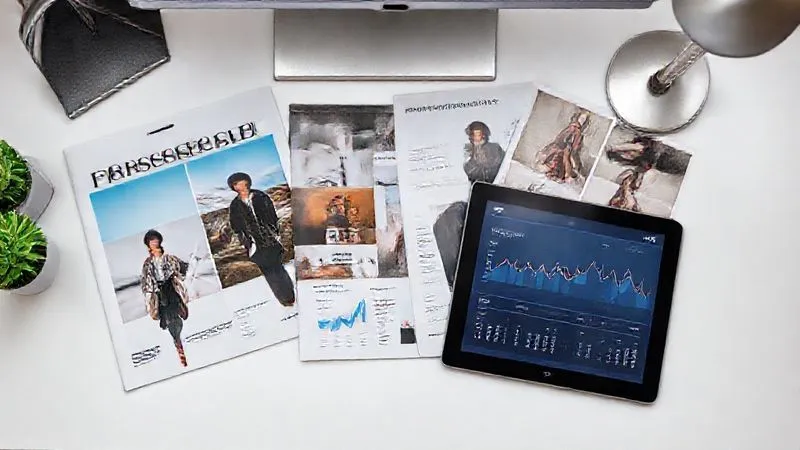
This not only enriches your content but also provides valuable context for your audience, helping them understand the 'why' behind your changes on a macro level. It allows you to educate them while evolving, solidifying your role as a trusted guide in the fashion landscape. The goal is to show that your personal style evolution is part of a larger, intelligent narrative, not just a whimsical change.
The Art of Re-Introduction: Curating Your New Aesthetic
As your style solidifies, it's essential to present your new aesthetic with confidence and cohesion across all your platforms. This 're-introduction' phase is where your evolved brand truly takes shape, reinforcing the trust you've built through transparent communication and gradual integration.
Visual Cohesion Across Platforms
Ensure that your new style is consistently reflected in all your visual assets. This includes your blog's aesthetic, social media grids, profile pictures, and even your website's color palette or fonts if they're tied to your personal brand. A cohesive visual identity signals professionalism and a clear direction, which reassures your audience.
Update your 'About Me' page or bio to reflect your evolved identity and the journey you've undertaken. This is an excellent opportunity to reiterate your 'why' and reinforce the authentic narrative you've been sharing. Consistency helps your audience adjust and prevents any lingering confusion about your brand's direction.
Storytelling Through Outfits: More Than Just Clothes
Every outfit you share is an opportunity to tell a story about your evolved self. Instead of just listing brands, talk about the inspiration behind a look, how it makes you feel, or what message it conveys. Connect your clothing choices to your values and experiences. This deepens the engagement and allows your audience to understand the nuanced layers of your new style.
For example, if you're embracing a minimalist style, discuss how each piece is thoughtfully chosen for its versatility and longevity, reflecting a commitment to conscious consumption. This adds meaning beyond aesthetics and resonates with an audience that values depth. As Vogue often explores, fashion is a powerful form of self-expression, and your narrative can elevate it.
Frequently Asked Questions (FAQ)
Q1: What if my audience reacts negatively despite all my efforts? Even with the best strategies, some negative feedback is inevitable. Focus on constructive criticism. Is there a common theme in the negative comments? Perhaps you need to communicate your 'why' more clearly, or slow down the transition. Remember, not every follower is meant to stay forever, and authentic growth might mean attracting a new, more aligned audience. Engage respectfully, explain your perspective, and don't let a vocal minority derail your genuine evolution.
Q2: How do I know when my style evolution is complete? Personal style is a continuous journey, not a destination. There isn't a definitive 'completion' point. Instead, you'll reach a stage where your current style feels authentic, comfortable, and truly reflective of who you are right now. This might be a plateau where you're happy for a long time, or it might be a new starting point for another subtle evolution in the future. The process is about embracing change as a natural part of life and self-expression.
Q3: Should I delete old content that no longer aligns with my new style? This is a nuanced decision. Generally, I advise against mass deletion. Your old content is part of your journey and can serve as a valuable archive of your evolution. You can, however, curate your profiles (e.g., re-order Instagram grids, create new blog categories) to prioritize your current aesthetic. In some cases, if specific content is truly misaligned with your new values (e.g., promoting fast fashion when you're now sustainable), you might consider archiving or adding disclaimers. Use it as a testament to your growth.
Q4: How do I handle brand collaborations if my style is changing? Be proactive. Communicate your style evolution to potential and existing brand partners. Update your media kit to reflect your new aesthetic and brand vision. Seek out collaborations that align with your evolving style and values. If a brand approaches you for your 'old' style, politely explain your current direction and propose how you could authentically work together within your new aesthetic. Your transparency will be appreciated by forward-thinking brands.
Q5: Is it possible to attract a new audience while retaining the old one? Absolutely, and this is often the ideal outcome. By thoughtfully evolving and communicating your journey, you demonstrate adaptability and authenticity, which are attractive qualities. Your existing audience might appreciate your growth, and your new aesthetic will naturally appeal to a fresh demographic. The key is to maintain your core brand voice and values, even as your visual expression changes, ensuring continuity in your identity.
Key Takeaways and Final Thoughts
Evolving your personal style as a fashion blogger or influencer doesn't have to be a perilous journey fraught with the fear of losing your loyal community. Instead, it can be a powerful opportunity to deepen your connection, strengthen your authenticity, and grow your brand in meaningful ways. The answer to 'How to evolve personal style without alienating loyal followers?' lies in a blend of introspection, strategic communication, gradual integration, active community engagement, and data-informed adaptation.
- Know Your 'Why': Anchor your evolution in genuine personal growth and defined aesthetic pillars.
- Communicate Continuously: Bring your audience along with sneak peeks and transparent storytelling.
- Integrate Gradually: Use phased approaches like the 70/30 rule to allow for smooth transitions.
- Engage & Collaborate: Involve your community in the process, making them feel heard and valued.
- Measure & Adapt: Use data as a guide for refinement, not a dictator for direction.
- Leverage Authority: Contextualize your evolution within broader industry trends to build trust.
Your personal style is a living, breathing extension of yourself. Embrace its fluidity and celebrate its changes. By approaching this evolution with intention, empathy, and strategic foresight, you won't just avoid alienating your loyal followers; you'll inspire them, proving that growth is not about leaving people behind, but inviting them to witness and celebrate the beautiful unfolding of your authentic self.
Recommended Reading
- 7 Manufacturing Hurdles for Innovative Boots: A Guide to Overcome Them
- 7 Proven Strategies for Consistent Waste Streams in Upcycled Fashion
- Haute Couture Pricing: 7 Keys to Valuing Ultra-Limited Collections
- 7 Smart Strategies: How to Make Formal Business Attire All-Day Comfortable
- 7 Proven Strategies: Attracting Luxury Buyers for Bespoke Footwear?




Your email address will not be published. Required fields are marked *