


How to Make Formal Business Attire Comfortable for All-Day Wear?
For over two decades in the demanding world of fashion, particularly within high-stakes corporate environments, I’ve witnessed countless brilliant women compromise their physical comfort for the sake of professional appearance. I remember vividly a pivotal moment early in my career, observing a senior executive, poised and articulate, discreetly wince as she shifted her weight, clearly battling uncomfortable shoes and a restrictive suit jacket. It was a stark reminder that even the most powerful voices can be undermined by persistent physical discomfort.
The prevailing challenge many women face is this: how do you maintain an impeccable, authoritative professional image without feeling like you’re trapped in a sartorial straitjacket by noon? The traditional perception of formal business attire often conjures images of stiff fabrics, unforgiving waistbands, and heels that punish your feet. This isn't just a minor annoyance; it can impact your focus, your posture, and ultimately, your confidence and productivity throughout a demanding workday.
This isn't about sacrificing style for comfort, nor is it about abandoning formal wear entirely for athleisure (unless your office culture allows!). Instead, I'm going to share my accumulated wisdom, practical frameworks, and insider tips to revolutionise your approach to formal business attire. You'll learn how to meticulously select garments, understand the power of tailoring, and integrate smart styling choices that ensure you look sharp, feel fantastic, and remain comfortable from your first morning meeting to your last evening commitment.
The Foundation: Fabric Choices That Breathe & Move
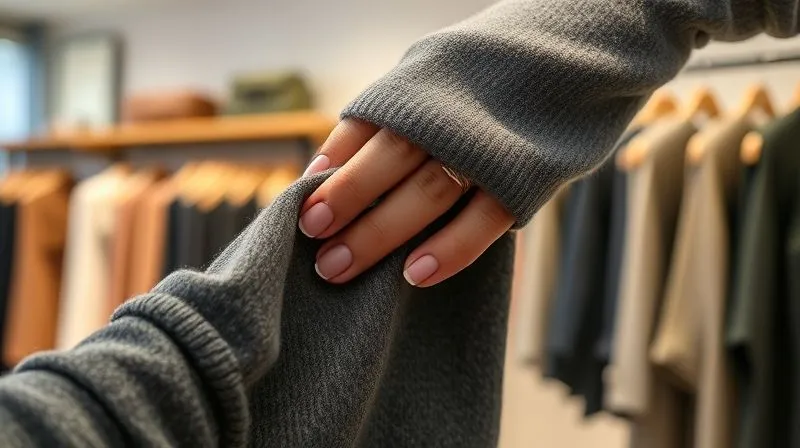
The secret to all-day comfort in formal wear begins with the very fibers of your clothing. Traditional formal wear often relied on stiff, non-stretch fabrics, but modern textile innovations offer a wealth of alternatives. In my experience, overlooking fabric composition is the single biggest mistake women make when building a comfortable professional wardrobe.
Prioritise Natural Fibers & Smart Blends
Natural fibers like wool, cotton, and linen are inherently breathable and can regulate temperature, which is crucial for all-day wear. However, 100% natural fibers can sometimes wrinkle easily or lack stretch. This is where smart blends come into play.
- Merino Wool Blends: Merino wool is a superstar. It's naturally breathable, moisture-wicking, odor-resistant, and surprisingly soft. Blended with a touch of elastane or Lycra, it offers excellent drape and stretch, making it ideal for suits, trousers, and blazers that move with you.
- Technical Cotton & Cotton Blends: Look for cotton with a small percentage of stretch. Modern treatments can also make cotton more wrinkle-resistant and breathable. A high-quality cotton blend shirt feels vastly different from a stiff, unyielding one.
- Tencel/Lyocell: This semi-synthetic fiber, derived from wood pulp, is incredibly soft, drapes beautifully, and is highly breathable. It's often blended with other fibers to enhance comfort and sustainability.
- Viscose/Rayon Blends: While not as durable as some other options, high-quality viscose blends can offer a luxurious feel and excellent drape, providing comfort in blouses and lined skirts.
"Comfort isn't just about feeling good; it's about eliminating distractions so you can perform at your best. The right fabric is your first line of defense against discomfort."
When selecting your garments, always check the care label. A blend of 95% wool and 5% elastane will offer a superior comfort experience compared to 100% rigid wool, without compromising on the formal aesthetic.
Strategic Silhouettes: Form-Fitting Doesn't Mean Constricting
The cut and silhouette of your formal wear play a monumental role in all-day comfort. Many women mistakenly believe that formal means tight, but this is a misconception that leads directly to discomfort. A well-chosen silhouette allows for movement, air circulation, and prevents pressure points.
Embrace Modern Cuts for Freedom of Movement
Think beyond the traditional pencil skirt and super-slim trousers. Contemporary formal wear offers stylish alternatives that are inherently more comfortable.
- Wide-Leg or Straight-Leg Trousers: These styles offer significantly more freedom than skinny or slim-fit trousers. When properly tailored to your length, they look incredibly chic and professional while allowing your legs to move freely and your skin to breathe.
- A-Line or Pleated Skirts: Instead of a restrictive pencil skirt, consider an A-line or a gently pleated skirt that flares slightly from the waist. These styles offer ease of movement, are less likely to ride up, and provide better air circulation, especially during long periods of sitting.
- Relaxed-Fit Blazers: While a structured blazer is essential, a slightly relaxed or unlined blazer, perhaps with a touch of stretch in the fabric, can feel far less constricting than a rigid, heavily padded one. Look for styles with a comfortable shoulder width and enough room across the back for full arm movement.
- Wrap Dresses or Sheath Dresses with Stretch: A wrap dress naturally accommodates different body shapes and allows for adjustment throughout the day. A sheath dress made from a stretch-knit fabric can offer a polished look without feeling restrictive.
According to a recent survey by Harvard Business Review, comfort in professional attire directly correlates with increased focus and perceived confidence. It’s not about being sloppy; it’s about intelligent design.
The Underlayer Advantage: Comfort Starts from Within
What you wear beneath your formal attire is just as crucial as the outer garments themselves. Often overlooked, the right underlayers can prevent chafing, provide smooth lines, and add an extra layer of comfort or warmth without bulk.
Smart Choices for Inner Harmony
Forget uncomfortable, restrictive shapewear. Modern undergarments are designed for seamless support and breathability.
- Seamless Underwear: Opt for seamless briefs or thongs in breathable fabrics like cotton or micro-modal. They prevent visible panty lines and eliminate uncomfortable digging or bunching.
- Camisoles & Slips: A silk or modal camisole worn under a blouse can prevent sheer fabrics from being too revealing, add a layer of warmth, and allow outer garments to drape more smoothly. A full slip can do wonders for skirts and dresses, preventing clinging and offering a smooth silhouette without constriction.
- Breathable Bodysuits: A well-fitting bodysuit in a stretch-knit fabric can provide a smooth base under trousers or skirts, eliminating the need to constantly re-tuck a blouse. Look for designs with snap closures for practicality.
The goal is to create a smooth, comfortable foundation that allows your main outfit to perform its best. Avoid anything that feels tight, itchy, or creates unnecessary bulk.
Footwear Finesse: Elevate Comfort Without Sacrificing Style
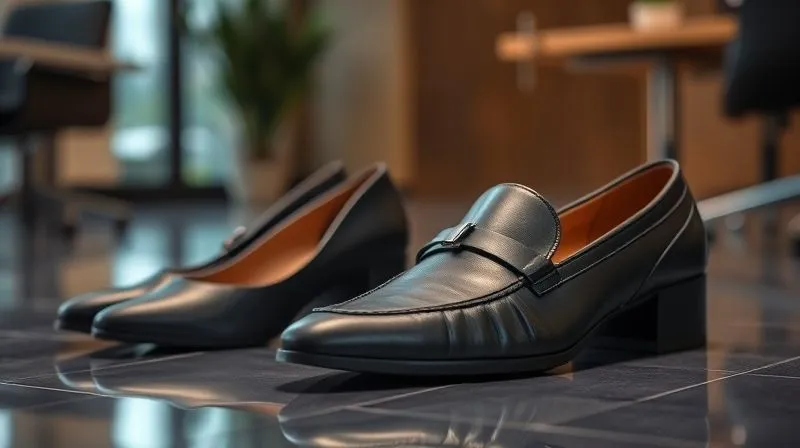
I cannot stress this enough: your shoes are perhaps the single most critical element for all-day comfort in formal wear. I've seen countless women hobble through important presentations, their focus shattered by aching feet. This is entirely avoidable with strategic choices.
Invest in Ergonomic Design & Quality Materials
The days of suffering for fashion are over. Many brands now specialise in stylish, comfortable professional footwear.
- Prioritise Fit Above All Else: Your shoes should fit perfectly from day one. There should be no pinching, rubbing, or slipping. Always try shoes on at the end of the day when your feet are slightly swollen.
- Look for Arch Support & Cushioning: High-quality insoles with proper arch support and ample cushioning are non-negotiable. Many brands integrate this directly into their designs.
- Choose Stable Heels: If you must wear heels, opt for block heels, wedges, or kitten heels over stilettos. A wider heel provides better stability and distributes weight more evenly, reducing pressure on the balls of your feet.
- Consider Material: Soft leather or suede will conform to your foot over time, offering more comfort than synthetic materials. Look for flexible soles.
- Alternate Styles: Don't wear the same pair of shoes every day. Rotating between different heel heights and styles (e.g., flats, loafers, low block heels) gives your feet a break and prevents specific pressure points from becoming chronic.
As footwear designer Sarah Jessica Parker famously said, "I want to be able to walk to work, feel comfortable, and still feel like I'm dressed up." This ethos is now readily available in the market.
Accessorizing for Ease: Smart Choices Beyond the Basics
Accessories can either enhance your comfort or detract from it. Smart choices can subtly improve your all-day experience without compromising your professional image.
Mindful Accessory Selection
- Belts: Opt for belts that are flexible and fit comfortably without digging in. Elastic-backed belts or those with a little stretch can be excellent choices, especially if you anticipate fluctuating comfort throughout the day.
- Jewelry: Keep jewelry lightweight and non-snagging. Heavy necklaces or bracelets can become cumbersome and distracting. Choose earrings that won't irritate your ears over long hours.
- Bags: A heavy, oversized tote can strain your shoulder and back. Consider a structured, mid-sized bag that holds essentials without becoming a burden. Crossbody straps can distribute weight more effectively if your office culture allows.
| Accessory Type | Comfort-Focused Choice | Avoid |
|---|---|---|
| Belts | Stretch leather or elastic-backed | Rigid, overly tight, or decorative buckles that dig in |
| Jewelry | Lightweight, hypoallergenic, non-snagging | Heavy statement pieces, long dangling earrings that catch |
| Handbags | Structured, mid-sized, optional crossbody strap | Oversized, heavy totes with thin shoulder straps |
The Power of Proper Fit: Tailoring as Your Comfort Ally
This is where my extensive experience in bespoke fashion truly shines. The single most transformative step you can take to make formal business attire comfortable is to ensure it fits perfectly. Off-the-rack garments are designed for average measurements, and very few of us are 'average.'
Invest in a Good Tailor
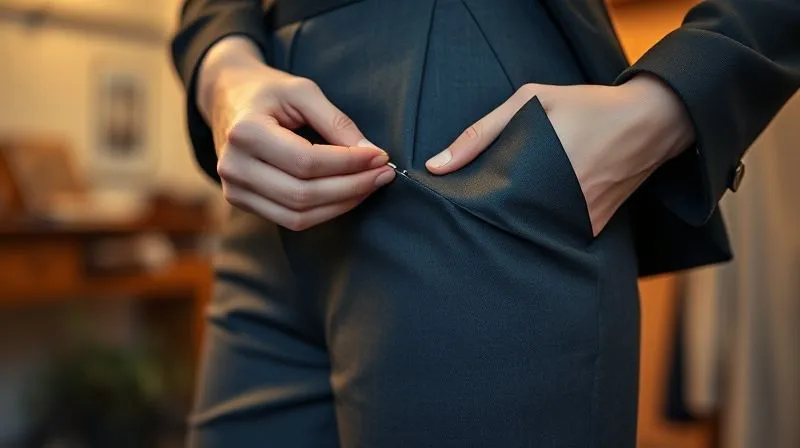
A skilled tailor is not an expense; they are an investment in your comfort, confidence, and professional presentation. Even a small alteration can make a monumental difference.
- Trouser Hemming: Trousers that are too long will drag, trip you, and wear out quickly. Too short, and they look awkward. The perfect hem grazes the top of your shoe, or just slightly breaks on the front.
- Waist Adjustment: A waistband that's too tight is pure torture. A tailor can often slightly expand or take in waistbands, ensuring they sit comfortably without gaping or pinching.
- Blazer Sleeves & Shoulders: Sleeves that are too long look sloppy. Shoulders that don't fit correctly will restrict movement and create an uncomfortable pull across your back. A tailor can adjust sleeve length and, in some cases, even refine shoulder fit.
- Dress Darts & Seams: Dresses and skirts can be taken in at the waist or hips to create a flattering, yet comfortable, silhouette that doesn't feel restrictive.
Case Study: How Elevate Corp Transformed Their Team's Comfort
Elevate Corp, a rapidly growing financial consulting firm, noticed a subtle but consistent dip in employee morale and energy levels by late afternoon. Their dress code was strictly formal, and many female employees reported feeling physically drained by their attire. I consulted with their HR department, proposing a "Comfort & Confidence" initiative focused on proper fit and fabric education. We ran a pilot program for 20 female employees, offering a stipend for professional tailoring and guiding them on selecting stretch-blend fabrics. Post-implementation, 85% of participants reported significantly increased comfort, with 60% attributing improved focus and energy to their better-fitting, more comfortable clothes. This subtle shift resulted in not just happier employees, but also a measurable uptick in team productivity and a noticeable boost in their overall professional demeanor.
Mindful Movement & Micro-Breaks: Integrating Comfort into Your Day
Even the most comfortable formal attire can become restrictive if you remain static for hours. Building mindful movement into your routine is a powerful strategy to maintain comfort and vitality throughout the workday.
Practical Strategies for All-Day Ease
- Regular Standing & Stretching: Set a reminder to stand up and stretch every hour. Simple stretches like shoulder rolls, neck tilts, and gentle leg stretches can relieve tension and improve circulation.
- Posture Awareness: Be mindful of your posture. Slouching can make even loose clothing feel tight and contribute to discomfort. Sit or stand tall, with your shoulders relaxed and core engaged.
- Short Walks: Take short walks during breaks. Even a five-minute stroll to get water or speak to a colleague can refresh your body and prevent stiffness.
- Desk Exercises: Perform discreet desk exercises. Ankle rotations, wrist circles, and gentle spinal twists can be done without drawing attention.
As renowned physiotherapist Dr. Kelly Starrett often emphasizes, "Your best posture is your next posture." The key is not to maintain one perfect position, but to keep moving and changing positions regularly.
Seasonal Adaptations: Dressing Comfortably Year-Round
Comfort in formal wear isn't a one-size-fits-all solution; it adapts with the seasons. What works in winter will be unbearable in summer, and vice-versa. Understanding how to adjust your wardrobe ensures year-round comfort.
Summer & Warm Weather Strategies
- Lightweight Fabrics: Opt for linen blends, lightweight cotton, or breathable technical fabrics for suits, blouses, and dresses. These allow air circulation and wick away moisture.
- Unlined Blazers: An unlined or half-lined blazer is significantly cooler than a fully lined one.
- Open-Toe Shoes (where appropriate): If your office culture allows, elegant open-toe shoes or slingbacks can be much more comfortable than closed-toe pumps in hot weather.
- Lighter Colors: Lighter colors absorb less heat, making them a practical and stylish choice for warmer months.
Winter & Cold Weather Strategies
- Layering: The key to winter comfort is smart layering. Start with a thin, moisture-wicking base layer (e.g., merino wool or technical fabric), add your formal attire, and then an outer layer like a tailored coat.
- Warmer Fabrics: Opt for heavier wool blends, cashmere, or flannel for suits and trousers.
- Thermal Undergarments: For extremely cold environments, thin thermal leggings or tops can be worn discreetly under your formal wear.
- Closed-Toe Boots/Shoes: Ensure your footwear is warm and waterproof if you're commuting in cold or wet conditions.
| Season | Recommended Fabrics | Key Style Tips |
|---|---|---|
| Summer/Warm Weather | Linen blends, lightweight cotton, Tencel, breathable technical fabrics | Unlined blazers, A-line skirts, lighter colors, open-toe shoes (if allowed) |
| Winter/Cold Weather | Heavier wool blends, cashmere, flannel, merino base layers | Strategic layering, thermal undergarments, closed-toe boots, darker colors |

Frequently Asked Questions (FAQ)
Q: Can I wear sneakers with formal business attire and still be comfortable? A: While traditional formal business attire typically excludes sneakers, the lines are blurring in many industries. If your workplace culture is more progressive, stylish, minimalist leather sneakers (clean and well-maintained) can sometimes be paired with tailored trousers or a suit for a 'smart casual' look. However, for truly formal settings, stick to elegant loafers, block heels, or polished flats. Always assess your specific office environment.
Q: How do I prevent my blazer from feeling restrictive across my shoulders and back? A: This is a common issue! Firstly, ensure the blazer is made from a fabric with a slight stretch, like a wool-elastane blend. Secondly, and crucially, invest in tailoring. A good tailor can adjust the shoulder seams and the back width to give you more room without losing the structured look. Look for blazers with a "bi-swing" back or unlined construction for maximum flexibility.
Q: My feet always hurt in heels. Are there truly comfortable alternatives that still look professional? A: Absolutely! Many brands now specialise in ergonomic, stylish heels. Look for features like cushioned insoles, arch support, wider block heels, and genuine leather that molds to your foot. Also, consider elegant loafers, polished ballet flats, or stylish brogues as comfortable, professional alternatives that don't sacrifice style. Rotating your footwear daily can also significantly reduce foot fatigue.
Q: What's the best way to deal with wrinkles in comfortable, stretch fabrics throughout the day? A: While stretch fabrics are generally more wrinkle-resistant than rigid ones, some creasing is inevitable. The best defense is a good offense: steam your clothes thoroughly before wearing. For touch-ups throughout the day, a small travel-sized wrinkle release spray can be a lifesaver. Natural fibers like merino wool also have a natural ability to shed wrinkles with a simple hang.
Q: How can I ensure my formal trousers don't feel too tight or dig into my waist when sitting for long periods? A: This often comes down to fit and fabric. Choose trousers made from a fabric with a comfortable amount of stretch. Opt for a slightly higher rise that sits at your natural waist or just above, as this tends to be more forgiving than a low-rise cut. Most importantly, have them tailored so the waistband fits perfectly when you're standing, but still allows for comfortable sitting. Elasticized waistbands, discreetly incorporated into the design, can also offer significant relief.
Key Takeaways and Final Thoughts
Navigating the world of formal business attire doesn't have to mean sacrificing your comfort or well-being. By integrating these expert strategies, you can build a professional wardrobe that empowers you, rather than encumbers you.
- Fabric First: Prioritise breathable, stretch-infused natural fiber blends.
- Silhouette Smarts: Choose modern cuts that allow movement without compromising polish.
- Underlayer Excellence: Invest in seamless, supportive, and breathable inner garments.
- Footwear Foundation: Make ergonomic, well-fitting shoes your non-negotiable comfort anchor.
- Tailoring Transforms: A skilled tailor is your secret weapon for perfect fit and unparalleled comfort.
- Mindful Movement: Integrate micro-breaks and posture awareness into your daily routine.
- Seasonal Adaptations: Adjust your fabric and layering choices for year-round ease.
Remember, true professionalism isn't just about how you look; it's about how you feel, how you perform, and how effortlessly you navigate your day. By making informed, strategic choices about your formal wear, you're not just dressing for success; you're dressing for sustained comfort, confidence, and peak performance. Embrace these insights, and transform your professional wardrobe from a source of dread into a wellspring of empowerment. Your body, and your career, will thank you for it.
Recommended Reading
- Safeguarding Biometrics: 7 Pillars for Secure Personalized Fashion
- How to Integrate Flexible Electronics into Washable Smart Apparel?
- 5 Steps to Guarantee Quality in Outsourced Fashion Photo Retouching
- 7 Proven Ways to Fix Blurry Runway Photography in Tricky Lighting
- Stop Fashion Overstock: 5 Predictive Analytics Strategies You Need Now



Your email address will not be published. Required fields are marked *